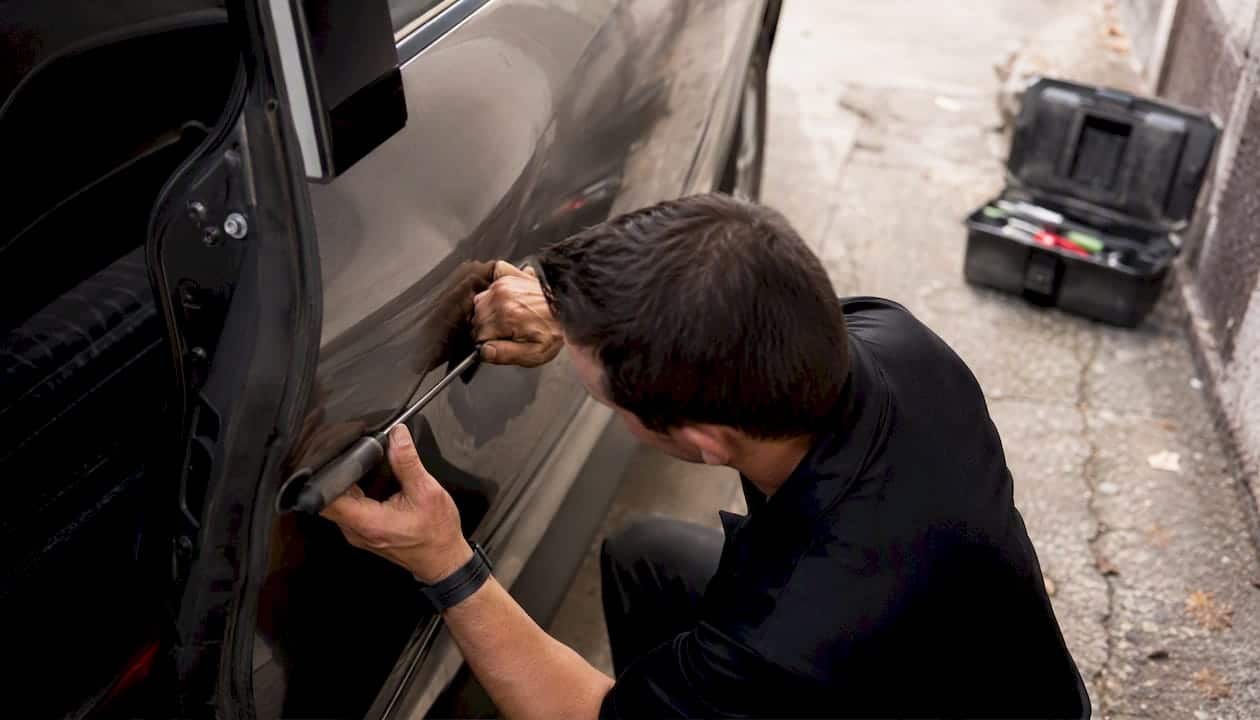
Pay out of pocket when your repair estimate is at or below your deductible and no other party or injury is involved. File a claim when damage is significant, another driver caused it, or your lease or loan contract requires insurer involvement.
Quick decision guide:
- File a claim when repairs exceed your deductible by a meaningful margin, injuries occurred, another driver is involved, or your policy or state requires reporting.
- Pay out of pocket when the damage is purely cosmetic, repair cost is near or below your deductible, and you’re comfortable absorbing the expense to protect your claims history.
For minor cosmetic dents and dings, mobile paintless dent repair through Denterasersllc is often the most practical out-of-pocket path. The Insurance Information Institute notes that accident forgiveness programs can shield your first at-fault claim from a rate increase, but those programs aren’t universal, and a clean claims history is always the safer long-term asset.
Key Takeaways
Paying out of pocket beats filing a claim for minor cosmetic dents when the repair cost is at or below your deductible and no other party or injury is involved.
| Point | Details |
|---|---|
| Compare cost to deductible | If the repair estimate is at or below your deductible, filing a claim pays you nothing and risks a premium increase. |
| Run the 3-year premium check | Multiply your estimated annual premium increase by three; if that total exceeds the insurer payout, pay out of pocket. |
| Always file when required | Injuries, another driver at fault, hit-and-run, or lease/loan contracts all require insurer involvement regardless of repair cost. |
| Document before deciding | Timestamped photos and 2–3 written estimates protect you whether you pay cash or later need to file. |
| Denterasersllc for OOP repairs | Denterasersllc’s mobile PDR and bumper repair services offer on-site convenience, a repair warranty, and fast turnaround for appropriate out-of-pocket cases. |
Table of Contents
- What’s the right insurance vs. out-of-pocket comparison for your situation?
- First steps after you discover damage
- How to do the math on repair cost vs. your deductible
- How filing a claim can affect your insurance rates
- Hidden risks when you pay cash or privately settle
- Situations where you should always file a claim
- Repair options: why mobile PDR is often the best out-of-pocket choice
- How to get reliable estimates and protect yourself
- When mobile PDR is usually the right call
- Denterasersllc mobile PDR: get a fast estimate before you decide
- Sources
- FAQ
What’s the right insurance vs. out-of-pocket comparison for your situation?
The core insurance vs. out-of-pocket comparison for auto dent repairs comes down to one equation: insurer payout = repair estimate minus your deductible. If that number is small, or if the premium increase over the next few years erases it, paying cash is usually smarter. According to Credit Karma, when repair costs are less than or close to your deductible, paying out of pocket often costs less once you factor in potential long-term premium increases.
First steps after you discover damage
Act methodically before you call anyone. Here’s the order that protects you:
- Confirm safety first. If the incident just happened, move vehicles out of traffic and check for injuries.
- Photograph everything. Capture timestamped photos of all damaged panels from multiple angles. A short walk-around video is even better.
- Collect the other party’s information (name, insurance carrier, policy number, license plate) if another driver is involved.
- File a police report when required. State rules and hit-and-run situations often mandate one, and it’s the document you’ll need to access uninsured motorist coverage. LegalClarity explains that skipping a police report when state rules apply can block access to uninsured motorist property damage benefits.
- Get at least two repair estimates before calling your insurer, including one from a mobile PDR provider. Written estimates give you leverage and a paper trail.
Pro Tip: Send your walk-around video directly to Denterasersllc for a quick mobile estimate before you decide whether to involve your insurer at all. Many customers find the PDR quote falls well below their deductible.
How to do the math on repair cost vs. your deductible
The arithmetic is straightforward. Suppose your collision deductible is $500. If a mobile PDR quote comes in at $200, your insurer pays nothing — you’re below the deductible floor according to typical repair cost estimates. Even at $600, the insurer pays only $100, and that $100 benefit may cost you far more in premium increases over the next three to five years.
LegalClarity notes that many PDR jobs range roughly $80–$600, and because insurers track claim frequency, small dent claims often cost more over time than paying out of pocket. Lemonade’s cost guide puts typical repair bands at small dents $50–$150, medium $150–$400, and large $400–$1,000+.
The three-year premium check: Estimate a conservative annual premium increase after a claim (ask your agent for a realistic figure for your policy). Multiply by three. If that cumulative extra cost exceeds the insurer payout, paying out of pocket wins financially. Many advisors suggest paying out of pocket for repairs under roughly twice your deductible, then filing for anything larger.
- Pay out of pocket when repair cost is at or below your deductible.
- Pay out of pocket when the three-year premium increase exceeds the insurer payout.
- File a claim when the net payout after deductible is substantial and premium impact is modest.
- File a claim when comprehensive coverage applies (hail, vandalism) and your insurer treats those claims more leniently for rate-setting.
Progressive clarifies that collision coverage handles accident damage while comprehensive covers non-collision events like vandalism and hail, and both carry deductibles that affect whether a claim is worthwhile.
How filing a claim can affect your insurance rates
State Farm’s guidance is direct: filing any claim can potentially influence eligibility for future discounts or pricing tiers, and whether rates rise depends on your carrier, state rules, and your claims history. At-fault collision claims carry the highest rate-increase risk. Comprehensive claims (hail, falling objects) are often treated more leniently, though that varies by carrier.
Insurers typically reprice risk on a three-to-five-year lookback window. Filing multiple small claims within that window compounds the effect. Accident forgiveness programs can protect your first at-fault claim, but they’re not available on every policy or in every state.
Questions to ask your agent before filing:
- Will this specific claim trigger a rate increase on my policy?
- Does my policy include accident forgiveness, and does this incident qualify?
- If the other driver is at fault, will a not-at-fault claim still affect my pricing tier?
- Does my carrier track comprehensive claims the same way as collision claims for rate-setting?
Hidden risks when you pay cash or privately settle
Paying out of pocket for your own single-vehicle cosmetic damage is generally low-risk when documented properly. Private cash settlements with another driver are a different matter entirely.
- No formal release = ongoing liability. If the other driver later claims injury or discovers hidden structural damage, you have no signed agreement protecting you.
- Hidden damage. A dent that looks cosmetic can conceal bent subframe rails or damaged sensors. InsurancePanda recommends documenting thoroughly because hidden damage can appear later and change the calculus entirely.
- Policy reporting requirements. Many policies require you to report accidents above a certain damage threshold, regardless of who pays. Violating that requirement can jeopardize coverage.
- Lease and loan obligations. Many lease and loan contracts require prompt, insurer-approved repairs. Check your agreement before deciding to pay cash quietly.
Pro Tip: If you do settle privately with another driver, get a signed written release that references the vehicle’s VIN, the date, the damage description, the agreed amount, and a statement that no injuries were reported at the time. Keep copies of all photos and estimates alongside it.
Situations where you should always file a claim
Some scenarios remove the choice entirely. File a claim when:
- Any person involved reports an injury, however minor it seems at the scene.
- Another driver caused the damage. SelectQuote confirms that when another driver is at fault, their insurer should be responsible for costs — report it to your carrier regardless.
- A hit-and-run occurred and you cannot identify the other driver (you’ll need your uninsured motorist coverage).
- Property damage is significant or involves a third party’s vehicle or structure.
- Your state’s reporting law requires it (thresholds vary by state).
- Your lease or loan contract mandates insurer involvement for repairs above a set amount.
Repair options: why mobile PDR is often the best out-of-pocket choice
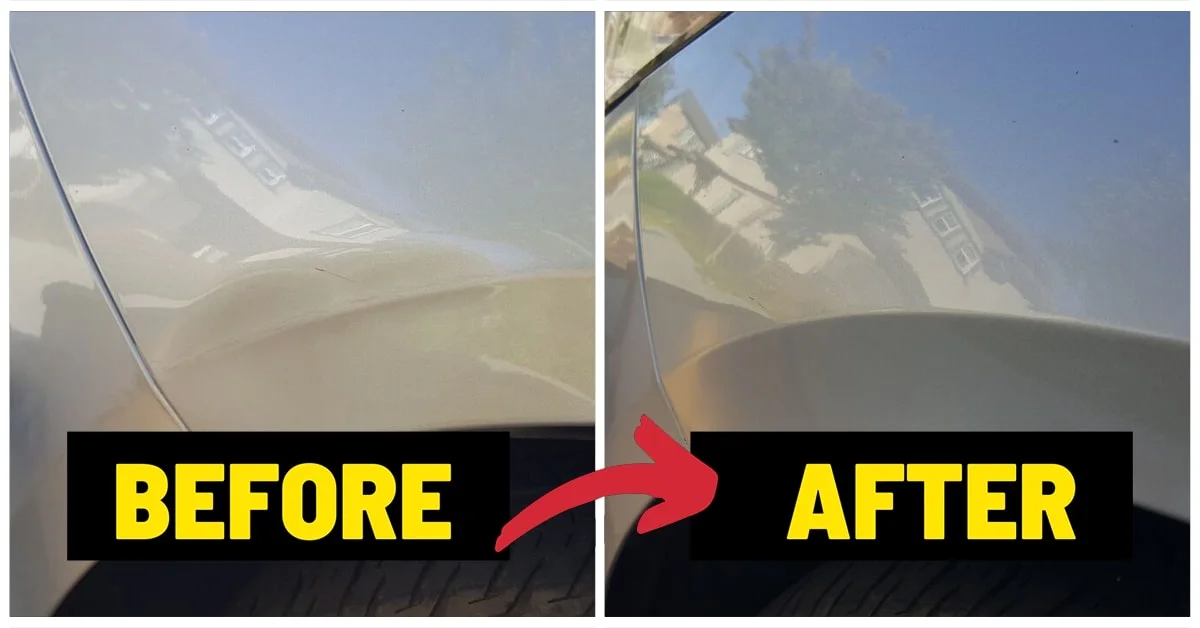
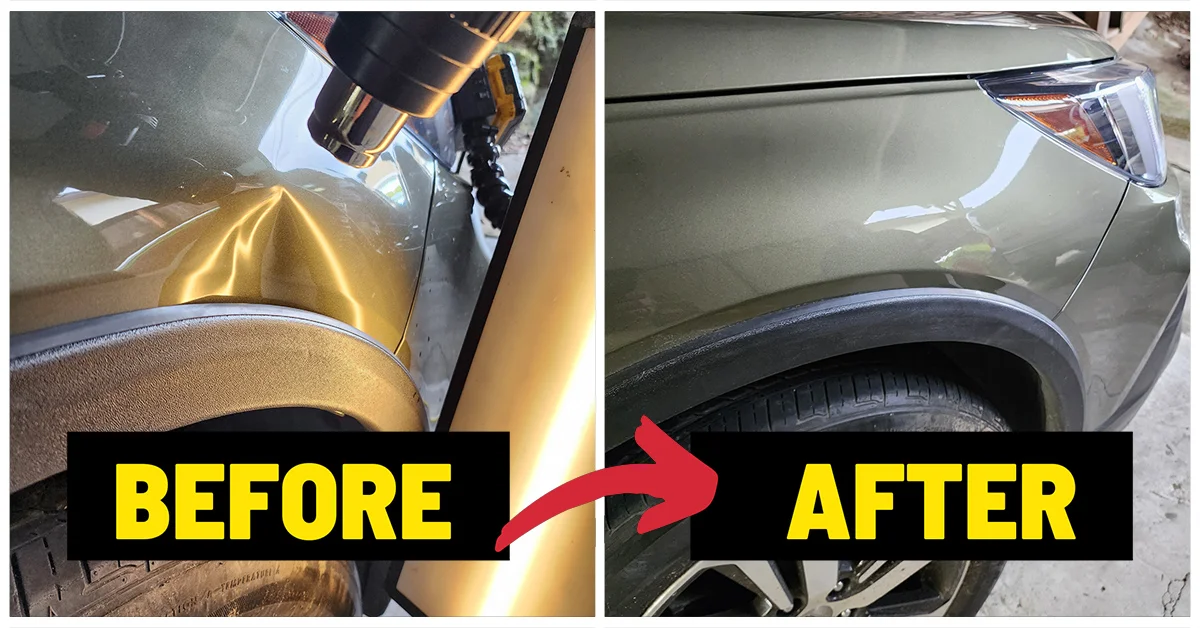
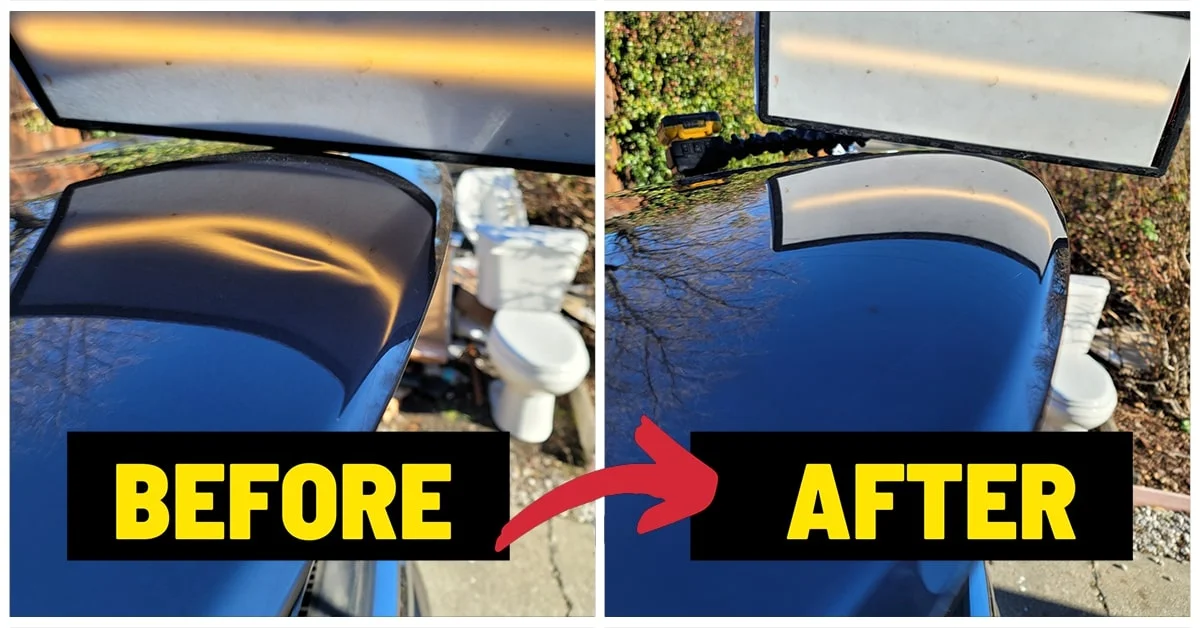
For paint-intact dents, paintless dent repair is the bread-and-butter solution. A trained technician uses specialized tools to massage the metal back to its original shape from behind the panel, preserving the factory finish entirely. No filler, no repainting, no color-match risk.
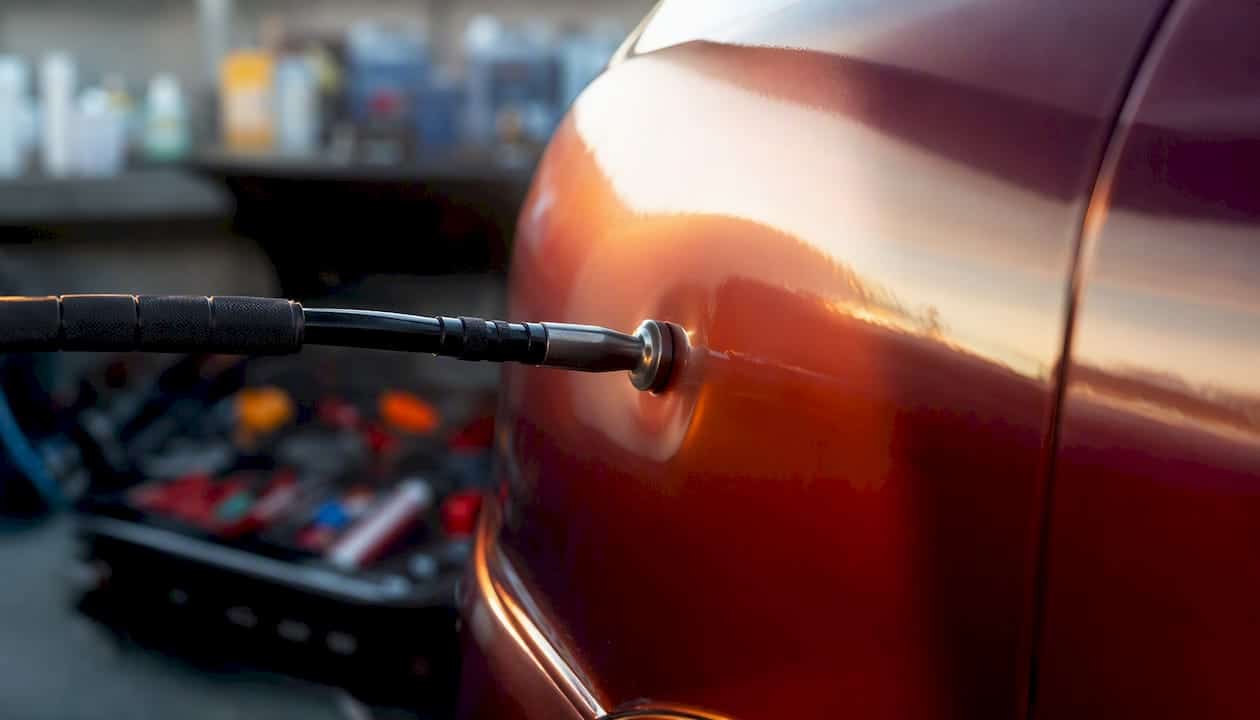
GEICO notes that many small scratches and dents cost less than a typical deductible, making out-of-pocket PDR the sensible path. Mobile PDR adds a layer of convenience: the technician comes to your driveway, office, or parking lot. Turnaround is typically one to a few hours rather than days at a body shop.
PDR is not the right tool for every job. Conventional body and paint work is necessary when:
- The paint is cracked, chipped, or scratched through to the primer.
- The dent has a sharp crease or sits on a panel edge.
- There is structural or frame damage.
- Plastic bumper covers need filler, reshaping, or repainting.
For bumper damage specifically, plastic bumper repair addresses cracks, scuffs, and minor deformations that PDR tools can’t reach. Denterasersllc handles both services on-site, with a repair warranty and a photo gallery of completed work that lets you see quality before you book.
Pro Tip: Ask any mobile PDR provider whether they offer a written warranty on their work. Denterasersllc does — and that warranty matters if the repair needs a touch-up later.
How to get reliable estimates and protect yourself
A well-documented estimate file is your safety net whether you pay out of pocket or eventually file a claim.
- Photograph damage from at least four angles with timestamps on.
- **Get 2–3 written estimates, including at least one mobile PDR quote and one traditional body shop quote. Ask each shop for a line-item breakdown.
- Request separate scopes for PDR versus repaint so you understand what each approach covers.
- Keep all written estimates even if you don’t use them — they establish the damage baseline if hidden issues surface later.
- If paying privately, use a simple written release (VIN, date, damage description, amount paid, no-injury acknowledgment) signed by both parties.
If hidden damage appears after you’ve paid out of pocket, those documented estimates are what allow you to reopen a claim or negotiate with the other party’s insurer. InsurancePanda’s guidance reinforces keeping your insurer informed if new damage surfaces, because thorough documentation keeps your options open.
For a broader look at auto body repair costs, Denterasersllc’s cost guide covers typical price ranges across repair types.
When mobile PDR is usually the right call
For purely cosmetic dents with intact paint, paying out of pocket for mobile PDR is the move I recommend most often. The math is straightforward: if the PDR quote is at or below your deductible, filing a claim costs you nothing in the short term and potentially a meaningful amount in premium increases over the next few years. Protecting your claims history has real long-term value.
That said, I’m always direct with customers about the limits. If there’s any injury involved, another driver at fault, or a lease or loan in the picture, call your insurer first. No repair savings are worth the liability exposure of skipping that step.
Denterasersllc’s mobile service, repair warranty, and customer testimonials exist precisely to give you confidence when paying out of pocket is the right choice. You can review completed work in the photo gallery and read what other vehicle owners experienced before you book.
Denterasersllc mobile PDR: get a fast estimate before you decide
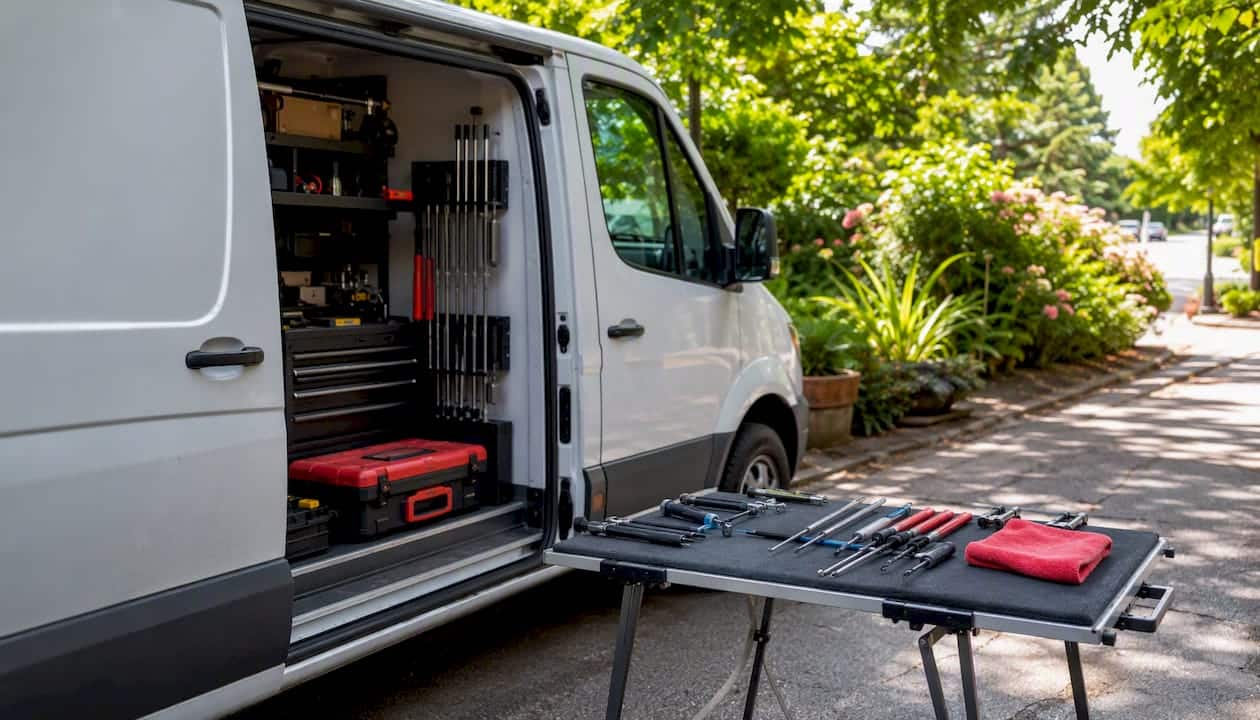
Skip the body shop wait and the insurance guesswork. Denterasersllc brings mobile paintless dent repair and plastic bumper repair directly to your location in Contra Costa County and surrounding areas, typically completing repairs in a few hours with a written warranty on every job.
Knowing your actual repair cost before calling your insurer is the single most useful step you can take. Request a mobile estimate from Denterasersllc, compare it to your deductible, and make the call with real numbers in hand. Visit Denterasersllc to get started.
Sources
- Will my insurance increase after a claim? – State Farm
- Filing a scratch or dent claim – SelectQuote
- Should you file an auto insurance claim? – Credit Karma
- Does car insurance cover scratches and dents? – GEICO
- Does car insurance cover scratches? – Progressive
- How much does it cost to repair a car dent? – Lemonade
- Paying for Car Repairs Out of Pocket vs. Filing an Insurance Claim – InsurancePanda
FAQ
When should you pay out of pocket instead of filing a claim?
Pay out of pocket when the repair estimate is at or below your deductible and no injuries or other parties are involved. Filing a claim in that scenario yields little or no payout while potentially raising your premiums for years.
Does a not-at-fault claim still affect your insurance rates?
It can. Some carriers and states allow not-at-fault claims to affect pricing tiers or discount eligibility, so ask your agent directly before assuming it’s consequence-free.
What types of coverage apply to dents and scratches?
Collision coverage applies to accident-related damage; comprehensive covers non-collision events like hail or vandalism. Both carry deductibles, and if the repair cost falls below your deductible, neither pays anything.
Is mobile paintless dent repair covered by insurance?
PDR is eligible under collision or comprehensive coverage when the damage qualifies, but many PDR jobs cost less than a typical deductible, making out-of-pocket payment through a mobile provider like Denterasersllc the more practical choice.
What should a private settlement agreement include?
At minimum: the vehicle’s VIN, the date of the incident, a description of the damage, the agreed payment amount, and a written acknowledgment that no injuries were reported at the time, signed by both parties.