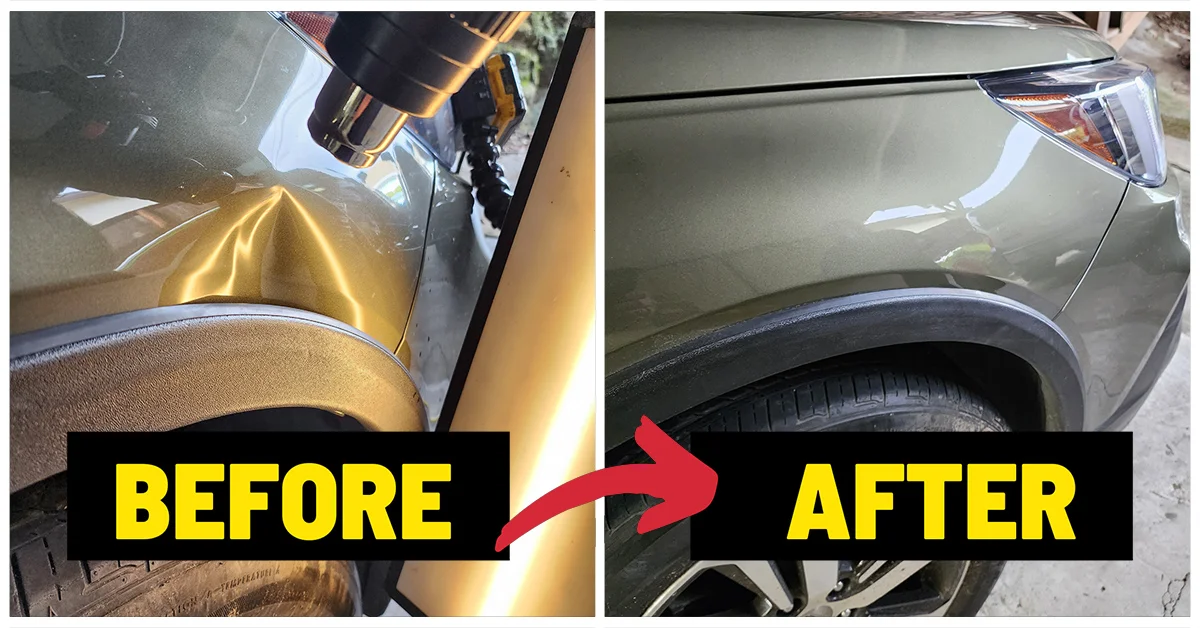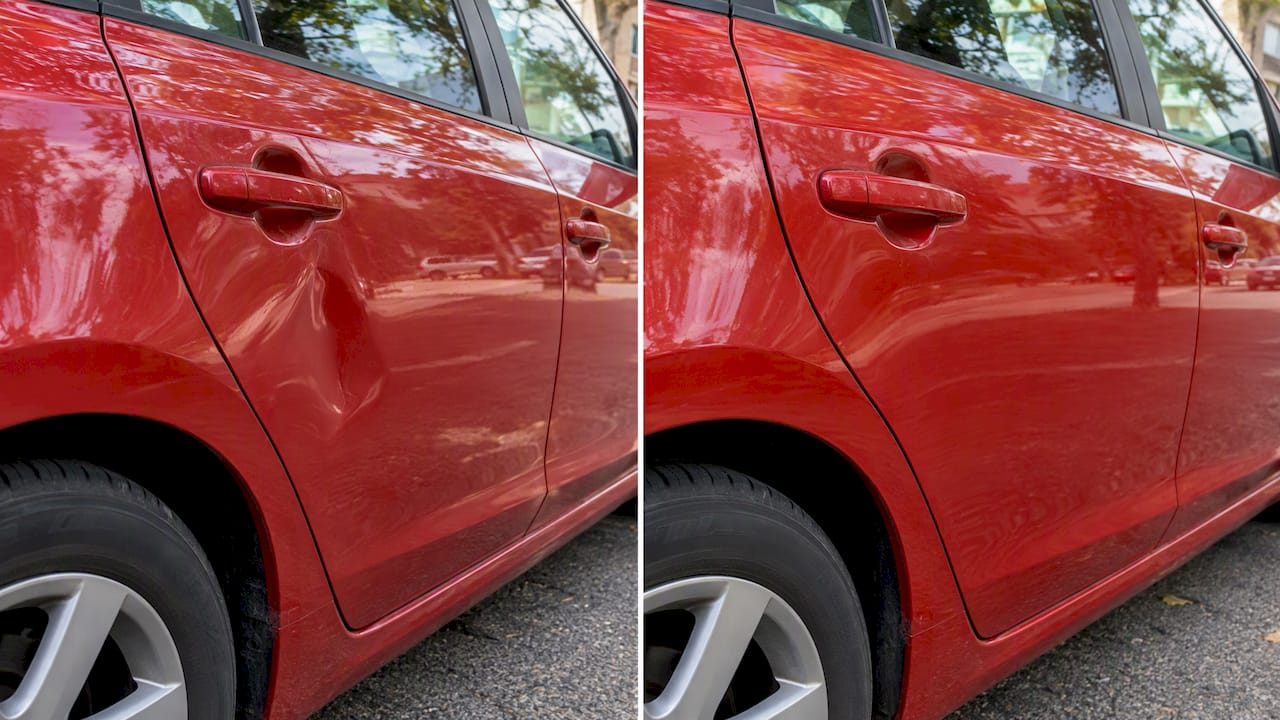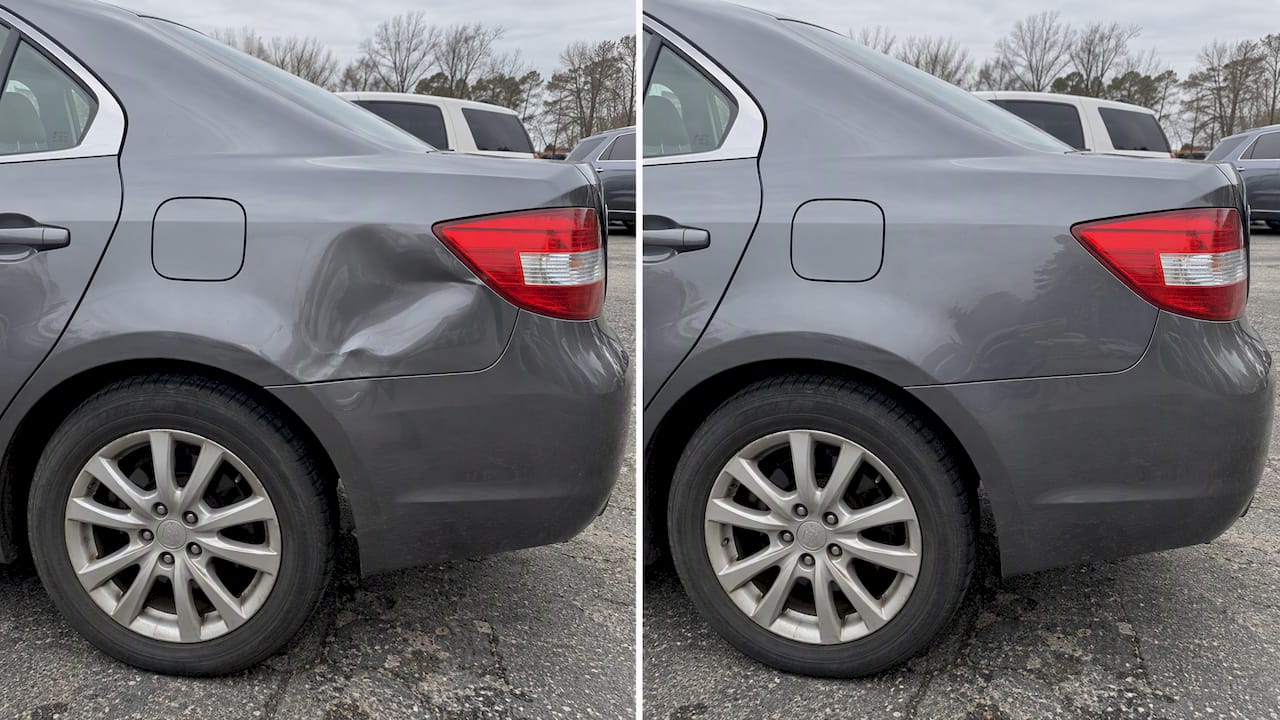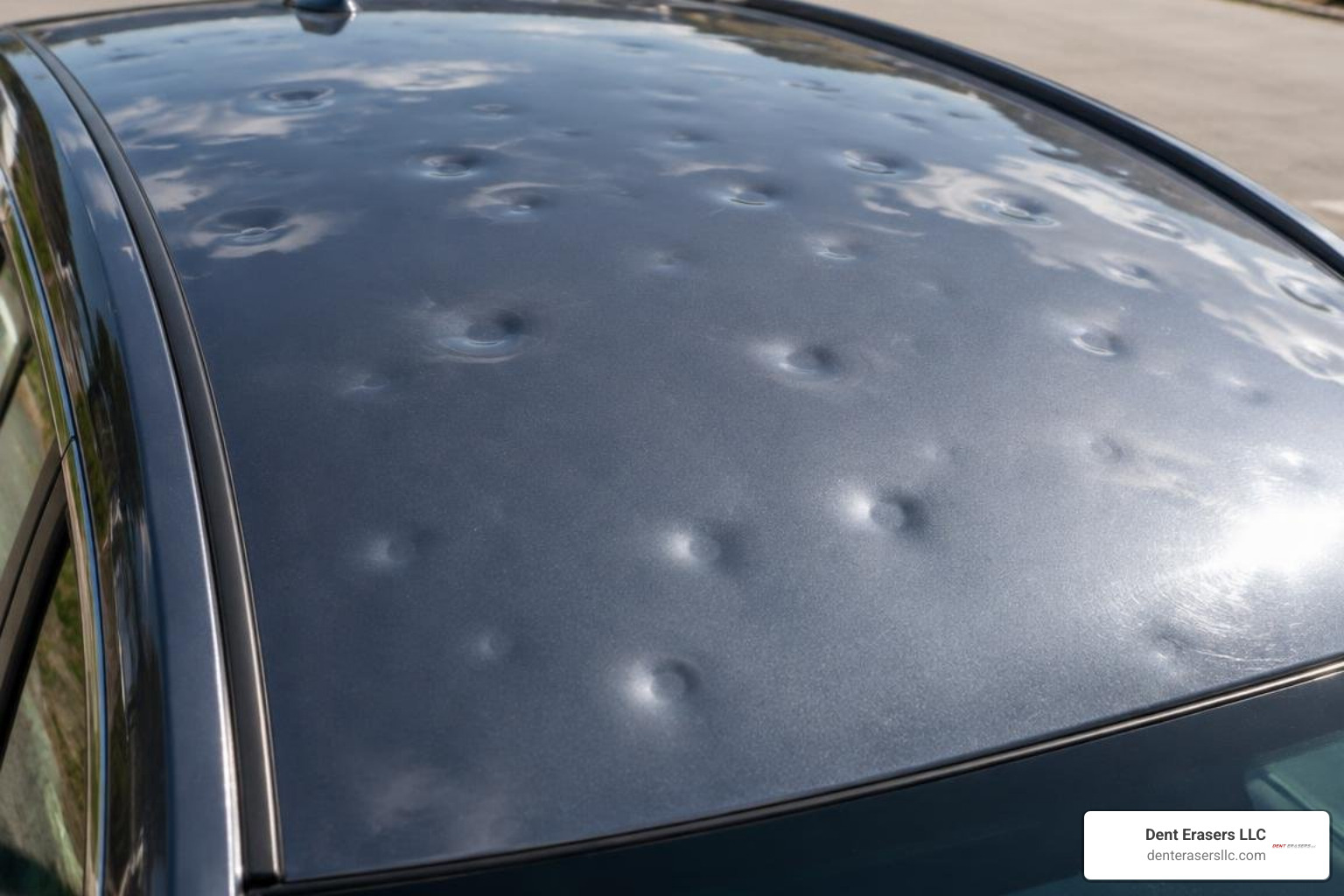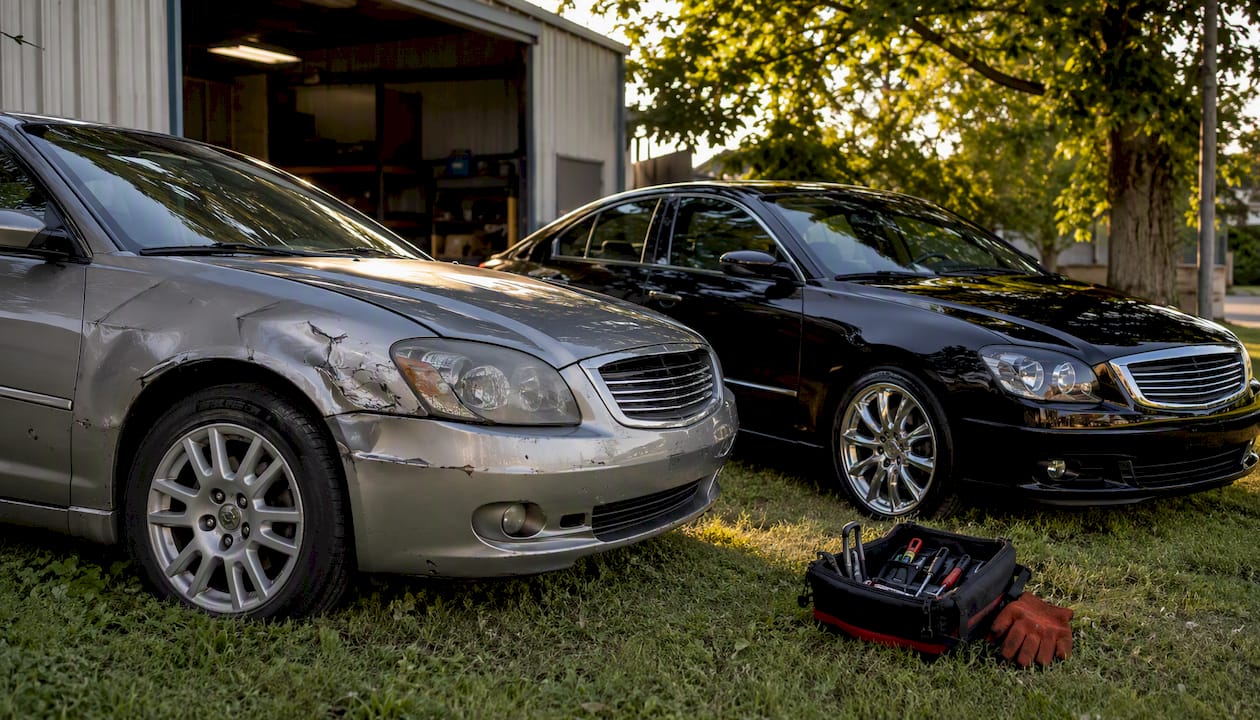
For most dents, scuffs, and minor collision damage, the best approach is mobile paintless dent repair (PDR) performed at your location by a certified technician. Denterasersllc is the recommended onsite provider for vehicle owners in Contra Costa County and surrounding areas, offering PDR, plastic bumper repair, and ADAS-aware collision services without the hassle of dropping your car at a shop.
Two reasons this approach consistently delivers:
- OEM-aware repairs with documented procedures. A qualified mobile provider follows manufacturer-specified repair methods, preserving your factory paint and avoiding filler-based shortcuts that reduce resale value.
- Certified technicians with ADAS capability. The best onsite providers carry I-CAR or ASE credentials and can flag or perform required ADAS recalibration after any repair that affects sensors or cameras.
Pro Tip: Before you book anyone, ask one direct question: “Do you follow OEM repair procedures and provide written documentation?” A provider who hesitates or pivots to price is telling you something important.
Table of Contents
- What are the 10 critical questions to ask an onsite collision repair provider?
- What certifications and equipment should onsite providers have?
- When is mobile repair the right call, and when do you need a shop?
- How does Denterasersllc’s onsite service work?
- Key Takeaways
- Why onsite-first is the right default for most owners
- Get an onsite inspection for your vehicle
- Useful sources for verifying technical claims
- FAQ
What are the 10 critical questions to ask an onsite collision repair provider?
Industry guidance from MABA recommends asking these questions before authorizing any repair. Save this list to your phone before you call.
- Do you follow OEM repair procedures for my vehicle’s make and model? A good answer names the manufacturer’s repair manual or a specific OEM certification.
- Are your technicians I-CAR Gold Class certified or ASE-certified? Certifications require ongoing training and audits, not just a one-time test.
- Will you perform a pre-repair scan and a post-repair scan? Written scan reports protect you if a dispute arises later.
- Do you use OEM parts, or will you substitute aftermarket or salvage parts? Ask for this in writing on the estimate.
- Can you handle ADAS recalibration if the repair affects sensors or cameras? Providers without this capability should not touch repairs near radar, camera, or ultrasonic sensor zones.
- Do you provide a written, itemized estimate before work begins? Verbal estimates are not enforceable.
- What warranty do you offer, and is it in writing? A reputable provider backs their work with a documented guarantee.
- Can I see before-and-after photos from similar repairs? Photo galleries and customer reviews are the fastest way to verify real-world quality.
- How do you handle insurance coordination? A good provider communicates directly with your insurer and documents every step.
- Do you carry liability insurance that covers your work on my vehicle? Ask for the certificate of insurance, not just a verbal confirmation.
One point worth knowing: you have the legal right to choose your own repair provider. Your insurer cannot force you to use a specific shop. Vetting a trusted provider before an accident, rather than rushing the decision after one, consistently leads to better repair outcomes.
What certifications and equipment should onsite providers have?
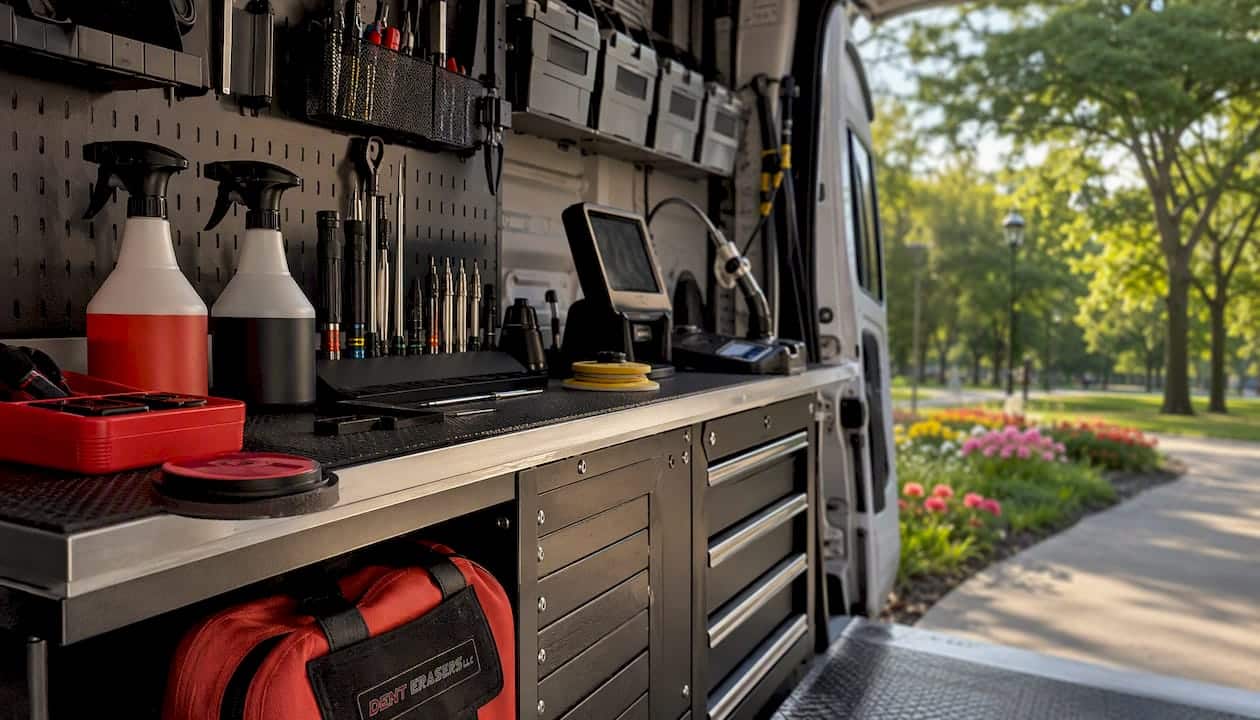
The dealership-versus-independent-shop debate is largely a distraction. OEM certifications and I-CAR Gold Class training are stronger quality indicators than the name on the building. Here is what to look for.
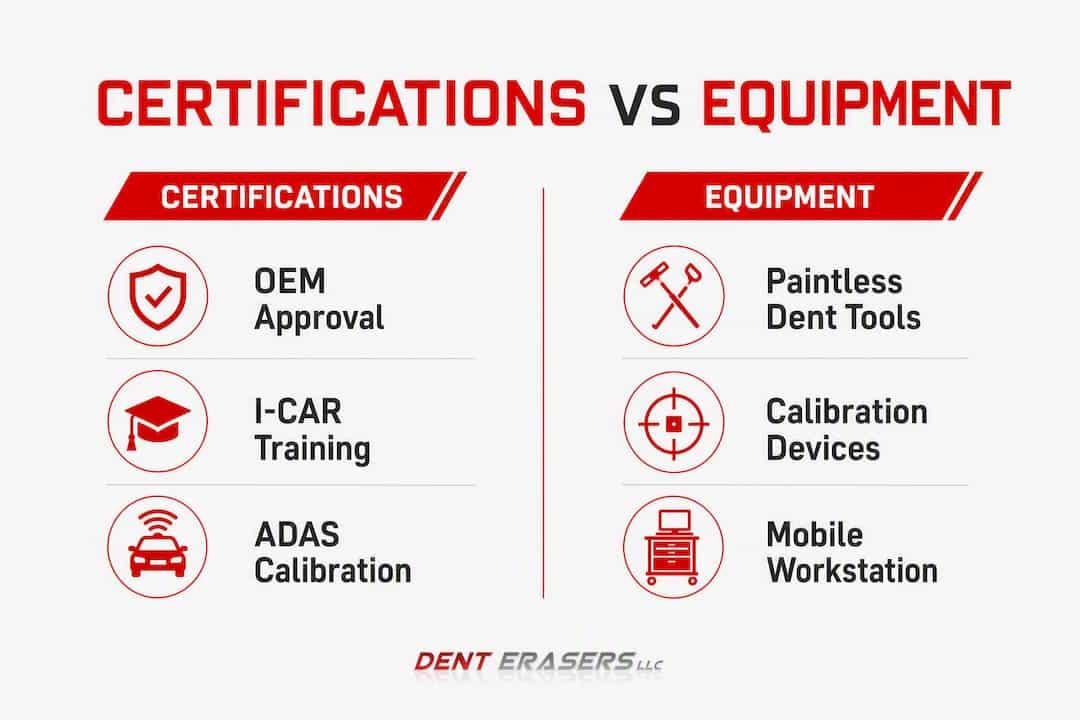
Certifications and training
- I-CAR Gold Class: The industry’s most recognized collision repair training standard, requiring ongoing education.
- OEM-specific certification: Manufacturers like Ford, GM, and Honda audit shops before granting certification. An OEM-certified provider has passed that audit and invested in brand-specific equipment.
- ASE certification: Relevant for mechanical and diagnostic work, including ADAS-related systems.
Equipment and processes
- Spectrophotometer for color matching. Paint matching is half science and half craftsmanship. A spectrophotometer reads your car’s color code and compensates for fade, while a skilled technician blends into adjacent panels on metallic and pearl finishes to avoid a visible seam.
- ADAS calibration tools. Proper ADAS calibration is tied directly to safety system performance and requires either static targets or dynamic road procedures depending on the system. Ask whether the provider performs static calibration, dynamic calibration, or both.
- Aluminum-specific, contamination-controlled tools. Using steel-contaminated tools on aluminum panels risks galvanic corrosion that may not appear for one to three years. Dedicated aluminum tooling is non-negotiable on modern vehicles.
- Contamination control for paint. Even mobile paint blending requires a clean, controlled environment. Ask how the provider manages dust and overspray.
Warranty expectations
A written warranty should specify the repair type, duration, and what voids it. Written warranties on paint and workmanship are often offered at reputable shops. If a provider offers only a verbal guarantee or a vague “we stand behind our work,” ask for it in writing before signing anything.
Pro Tip: Verify I-CAR Gold Class status in about 60 seconds at i-car.com’s shop locator. If the provider’s name does not appear, ask them to explain the discrepancy before you proceed.
Statistic callout: Aluminum repairs performed with contaminated steel tools can force full panel replacement after long-term galvanic corrosion, according to OEM repair standards. The failure often appears years after the original repair, long after any short-term warranty has been tested.
When is mobile repair the right call, and when do you need a shop?
Mobile and onsite repair is genuinely the better option for a wide range of common damage. The key is knowing where the line is.
Repairs well-suited for onsite/mobile service:
- Paintless dent repair on panels with intact factory paint
- Small to medium dents where the metal has not been stretched or work-hardened beyond recovery
- Plastic bumper scuffs and minor cracks that do not affect the bumper’s structural integrity
- Minor panel blending in a controlled outdoor or garage environment
- Motorcycle and specialty vehicle dent work where shop scheduling adds unnecessary delay
Repairs that require a full shop environment:
- Structural or frame damage requiring a frame rack and alignment measurement
- Major aluminum panel work requiring a fully contamination-controlled bay
- Full repaints where a certified spray booth is the only way to meet OEM finish standards
- Complex ADAS recalibration tied to wheel alignment or suspension geometry
- Airbag deployment or any repair affecting safety restraint systems
The decision checklist is straightforward. If the damage is cosmetic and the factory paint is intact, mobile PDR is almost always the faster, more affordable path. If the damage involves the vehicle’s structure, safety systems, or requires a full color respray, a certified shop is the right call. A well-documented repair process includes pre-repair scans, itemized written estimates, documented parts sourcing, ADAS recalibration records, and post-repair verification. That documentation chain protects you in insurance disputes and supports resale value.
Timeline and cost differences are real. Mobile repairs often complete the same day or next business day. Shop-based structural repairs typically take several days to two weeks, depending on parts availability and insurer approval cycles. Insurance coordination works with both models, but a mobile provider who documents every step makes the claims process considerably smoother.
How does Denterasersllc’s onsite service work?
Denterasersllc comes to you, assesses the damage in person, and completes most repairs at your location the same day. The customer experience follows a clear sequence.
- Book: Contact Denterasersllc with your vehicle’s VIN, a few photos of the damage, and your location. Having your insurance information ready speeds up the estimate.
- Onsite assessment: A technician arrives at your home, office, or wherever the vehicle is parked and evaluates the damage directly.
- Written estimate: You receive an itemized written estimate before any work begins. No surprises.
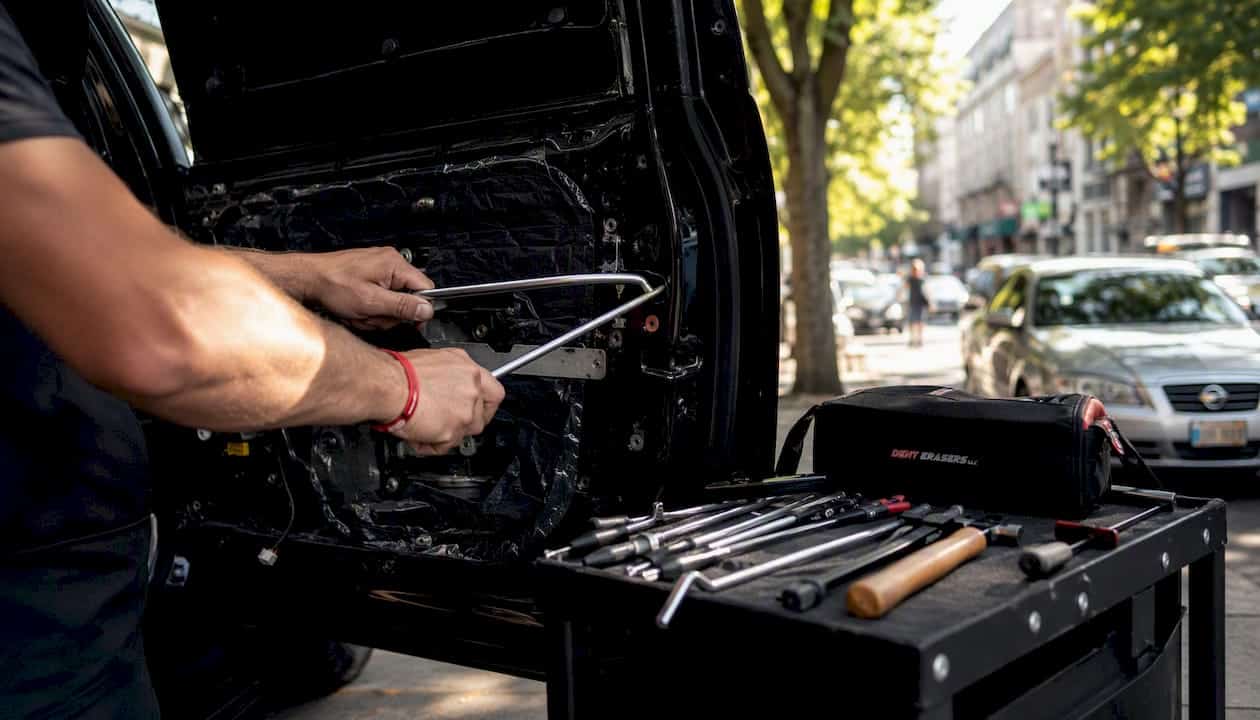
- Repair: PDR, plastic bumper repair, and applicable collision services are performed onsite using professional-grade tools and OEM-aware procedures.
- Inspection: You inspect the finished repair with the technician present before signing off.
Services include paintless dent removal, plastic bumper repair, large and small dent repairs, and specialty work for luxury, vintage, and motorcycle vehicles. Denterasersllc’s approach preserves your factory paint finish, which matters for both aesthetics and resale value. Before-and-after photo galleries and customer testimonials are available on the Denterasersllc website, providing you with a realistic picture of what to expect.
When you book, have these ready: your VIN, two to three clear photos of the damage in natural light, your location, and your insurance carrier’s contact information if you plan to file a claim.
Key Takeaways
Choosing the right onsite collision repair provider comes down to five verifiable actions, not guesswork.
- Ask for OEM procedures in writing. Any provider unwilling to document this is a risk.
- Confirm ADAS calibration capability before authorizing repairs near sensors, cameras, or radar zones.
- Request a written warranty that specifies repair type, duration, and conditions.
- Verify certifications at i-car.com or by requesting the technician’s current I-CAR or ASE credentials.
- Review before-and-after photos and customer testimonials from repairs similar to yours before committing.
For vehicle owners in Contra Costa County and surrounding areas, Denterasersllc offers same-day or next-business-day onsite inspections. Contact Denterasersllc to schedule your assessment.
| Point | Details |
|---|---|
| OEM procedures matter | Ask for written confirmation that the provider follows manufacturer repair specifications. |
| ADAS capability is non-negotiable | Providers without calibration tools should not handle repairs near sensors or cameras. |
| Written warranty required | A verbal guarantee is unenforceable; get repair type, duration, and conditions in writing. |
| Verify certifications independently | Check I-CAR Gold Class status at i-car.com before booking any provider. |
| Denterasersllc for onsite repairs | Denterasersllc serves Contra Costa County with mobile PDR, bumper repair, and OEM-aware collision services. |
Why onsite-first is the right default for most owners
Most vehicle owners assume a shop visit is the only serious option after a collision. That assumption costs them time, money, and often the vehicle’s original paint.
Paintless dent repair, when performed by a trained technician on undamaged factory paint, produces results that are genuinely indistinguishable from the pre-damage condition. No filler, no color-matching risk, no waiting for a spray booth to open up. The factory finish stays intact, which matters to insurers, future buyers, and anyone who takes pride in their vehicle.
What gets overlooked is the documentation side. A mobile provider who delivers written pre-repair assessments, itemized estimates, and post-repair sign-off creates a paper trail that a rushed shop visit rarely produces. That trail is what protects you when an insurer questions the scope of a repair six months later.
The honest caveat: when damage crosses into structural territory or requires a full respray, referring the job to a certified shop is the right call. Onsite-first does not mean onsite-always. It means starting with the least invasive, most preservation-focused approach and escalating only when the damage genuinely demands it. That philosophy puts the vehicle owner’s interests ahead of the repair ticket size.
Get an onsite inspection for your vehicle
Skip the shop queue. Denterasersllc provides same-day or next-business-day onsite inspections for vehicle owners across Contra Costa County and surrounding areas, bringing professional-grade PDR and plastic bumper repair directly to your location.
Before you call, have your VIN, two or three photos of the damage in natural light, and your location ready. If you plan to file an insurance claim, your carrier’s contact information helps Denterasersllc coordinate directly on your behalf. Availability varies by area and schedule. Contact Denterasersllc at denterasersllc.com to confirm your area and book your inspection.
Useful sources for verifying technical claims
These sources back the technical points in this article and are worth bookmarking before you speak with any repair provider.
- MABA: 10 questions every consumer should ask before choosing an auto body shop — The consumer checklist that forms the backbone of the 10-question framework above.
- ADAS calibration: Essential for your vehicle’s safety and performance — Explains static vs. dynamic calibration and why skipping it after a collision is a safety risk.
- Aluminum repair: restore modern vehicles safely to OEM specs — Details the galvanic corrosion risk and why contamination-controlled tooling is required.
- Why paint matching is harder than it looks — Covers spectrophotometer use, test sprayouts, and why blending into adjacent panels is standard professional practice.
- Dealerships vs. auto body repair shops: which is better? — Explains why OEM certifications and I-CAR training outweigh the dealership badge as quality indicators.
- Denterasersllc collision repair services — The starting point for booking an onsite inspection or reviewing Denterasersllc’s full service range.
| Source | What you will learn |
|---|---|
| MABA consumer checklist | The 10 questions to ask any repair provider before authorizing work. |
| ADAS calibration guide | How calibration works and what happens when it is skipped. |
| Aluminum repair standards | Why contaminated tools cause long-term panel failure on aluminum vehicles. |
| Paint matching explained | The science and craft behind invisible color repairs. |
| Denterasersllc services | Onsite repair options, booking, and before-and-after galleries. |
FAQ
Is it better to go to a dealership for body work?
Not necessarily. OEM certification, not the dealership badge, is the real quality marker. Many dealerships outsource collision repairs to independent shops anyway, so an OEM-certified independent provider often delivers equivalent or better results.
How do you pick a collision repair shop?
Start with the 10-question checklist: confirm OEM procedures, written estimates, ADAS calibration capability, I-CAR or ASE certifications, and a documented warranty. Vetting a provider before an accident produces better outcomes than rushing the decision after one.
What is the hardest repair to do on a car?
Structural frame alignment and aluminum cold-straightening are among the most technically demanding repairs, requiring dedicated tooling, contamination-controlled environments, and precise OEM tolerances that mobile setups cannot reliably meet.
Can Denterasersllc handle onsite collision repairs near me?
Denterasersllc serves Contra Costa County and surrounding areas with mobile PDR, plastic bumper repair, and OEM-aware collision services performed at your location. Contact Denterasersllc directly to confirm availability in your area.