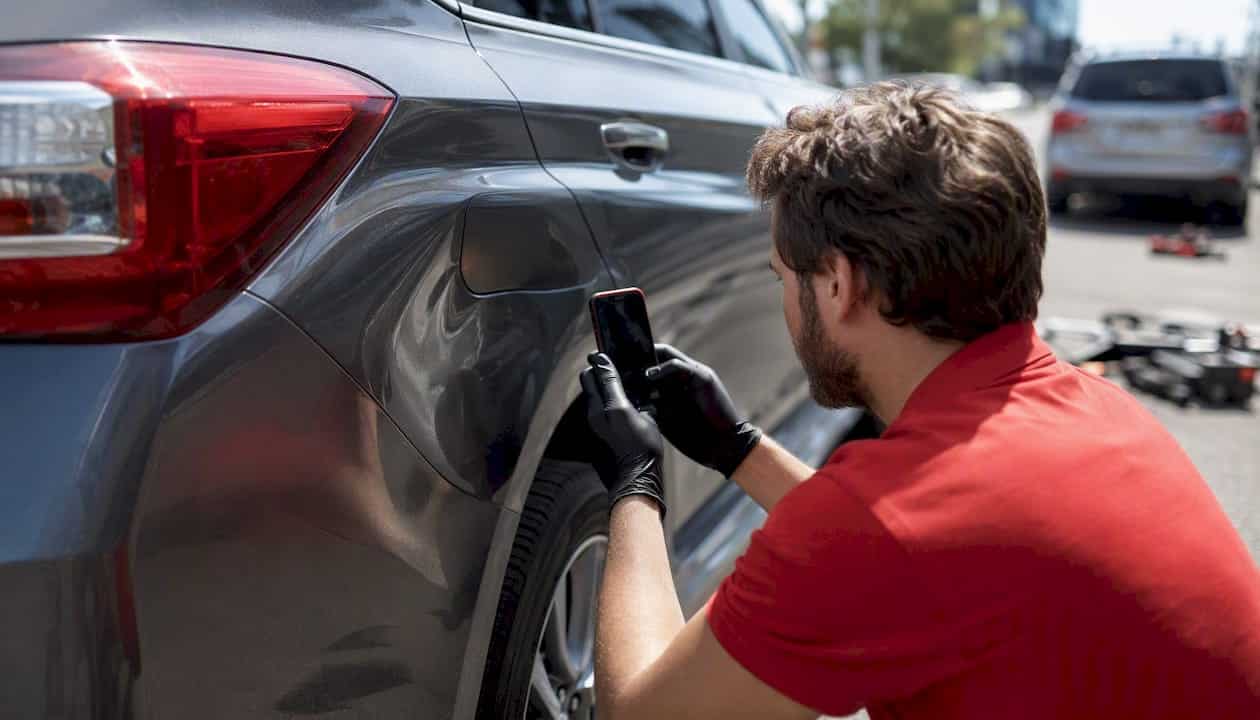
Document the damage promptly with a timestamped photo set, get two written repair estimates, and notify your insurer as soon as possible. Those three steps form the backbone of solid dent claim filing preparation. Before you decide whether to actually file, run a quick break-even check: if the repair cost is close to your deductible, paying out of pocket often costs less over time. Resources like your state Department of Insurance (DOI), the NAIC consumer portal, and Denterasersllc’s mobile paintless dent repair (PDR) service can each play a role in getting you to a fair settlement faster.
Your 24–48 hour priority list:
- Capture timestamped photos and video of the damage, scene, VIN, and odometer
- Get two independent written repair estimates
- Report the incident to your insurer (reporting is not the same as filing a claim)
Table of Contents
- How does dent claim filing preparation work, step by step?
- What documentation do you need for a strong dent claim?
- Should you file, or pay out of pocket?
- How to work with adjusters and repair shops effectively
- What happens if your claim is denied or underpaid?
- How does mobile PDR fit into your insurance claim?
- Key Takeaways
- The part most vehicle owners get backwards
- [Denterasersllc makes claim documentation simple, especially when shops use dust control and protection measures that help prevent contaminants during repairs.](#denterasersllc-makes-claim-documentation-simple-especially-when-shops-use-dust-control-and-protection-measureshttpsdustfreefilmcomblogthe-role-of-dust-protection-in-auto-body-shops-that-help-prevent-contaminants-during-repairs)
- Useful sources
- FAQ
How does dent claim filing preparation work, step by step?
The complete sequence runs: report the incident, document the damage, gather estimates, decide whether to file, go through adjuster inspection, then authorize repair or accept a payout. Knowing where you are in that chain at any moment keeps you from missing a deadline or handing the insurer an easy reason to reduce your payout.
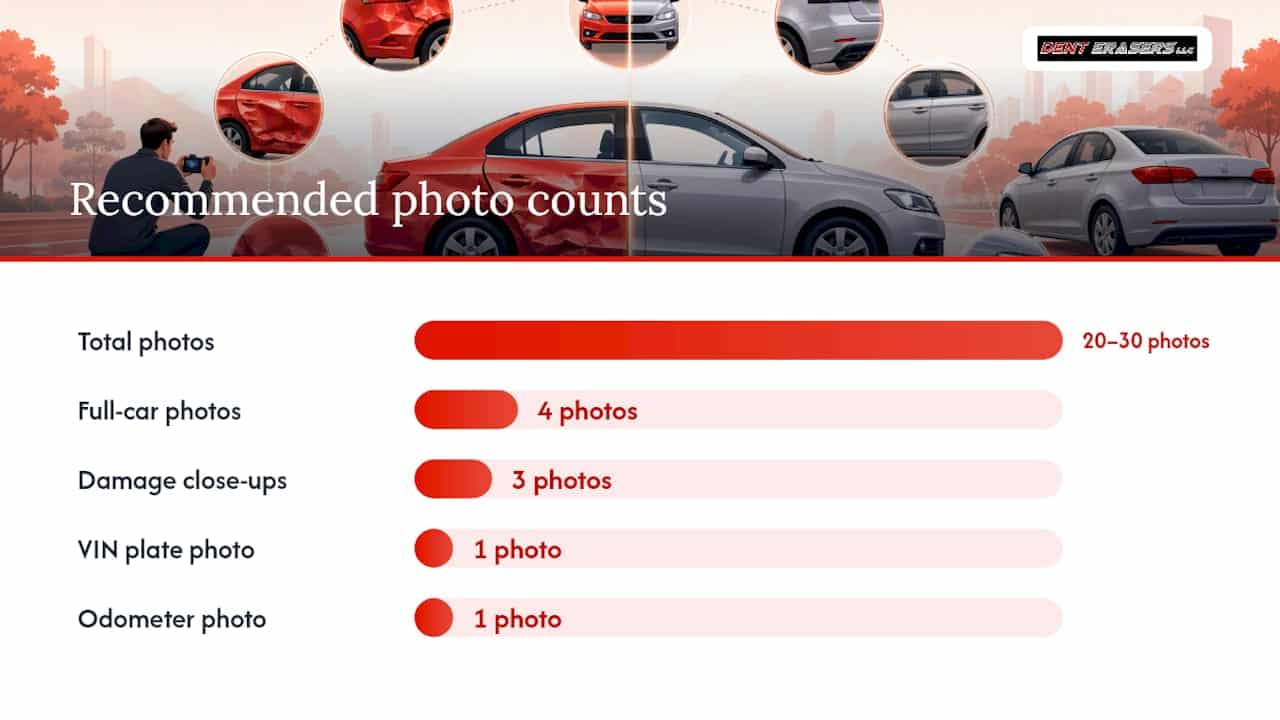
- Same day: photograph everything. Wide scene shots, per-panel close-ups, VIN plate, odometer, and license plate. Insurers expect a structured 20–30 photo set with EXIF timestamps or a timestamped PDF export.
- Same day: call your agent or the insurer’s claims line. Have your policy number, VIN, and odometer reading ready. Your assigned adjuster will explain the next steps and any additional documentation required. If another driver is at fault, contact their insurer too.
Insurers require names and insurance information for all involved parties, police report details, witness contacts, location, time, weather, and photos of both the damage and the scene.
Pro Tip: Use your insurer’s mobile app to upload photos directly after shooting them. The app timestamps each upload server-side, creating a second layer of evidence that is harder to dispute than EXIF data alone.
What documentation do you need for a strong dent claim?
The single most powerful thing you can submit is a timestamped 20–30 photo PDF that covers the scene, the full car, close-ups of each damaged panel, the VIN plate, and the odometer. Everything else supports that core packet.
| Document | What to capture | Filename example |
|---|---|---|
| Scene photos | Wide angle showing road, surroundings, other vehicles | scene_YYYYMMDD.jpg |
| Full-car photos | All four sides before any movement | fullcar_driver_side_YYYYMMDD.jpg |
| Damage close-ups | Three distances including 3 ft and 6 inches | damage_panel_lr_front_YYYYMMDD.jpg |
| VIN plate | Dashboard VIN and door-jamb sticker | VIN_YYYYMMDD.jpg |
| Odometer | Current mileage at time of incident | odometer_YYYYMMDD.jpg |
| Police report | Report number, officer name, agency | Keep PDF copy |
| Witness info | Full name, phone, email | Notes app or written |
| Repair estimates | Two independent written estimates | estimate_shop1_YYYYMMDD.pdf |
Export all photos into a single PDF with page numbers and a cover sheet listing the incident date, location, and your claim number. That one file is what adjusters actually work from.
Non-photo documents matter too. A police report number anchors the timeline. Witness names and contact details corroborate your account. Prior maintenance records showing no pre-existing damage to the affected panel can neutralize a common insurer objection. Tow and rental invoices belong in the same folder.
When you collect repair estimates, ask each shop to list the repair method (PDR vs. conventional bodywork), labor hours, parts (often zero for PDR), and a warranty statement. That level of detail gives the adjuster a clear scope comparison.
Should you file, or pay out of pocket?
File only when the expected payout exceeds your deductible plus the likely three-year premium increase. For many repairs under roughly $2,000, paying out of pocket is the cheaper path once you factor in rate adjustments.
A quick example: with a repair cost modestly above typical deductibles, the payout may be small. If filing raises your premium, added costs can outweigh the benefit before the repair is done.
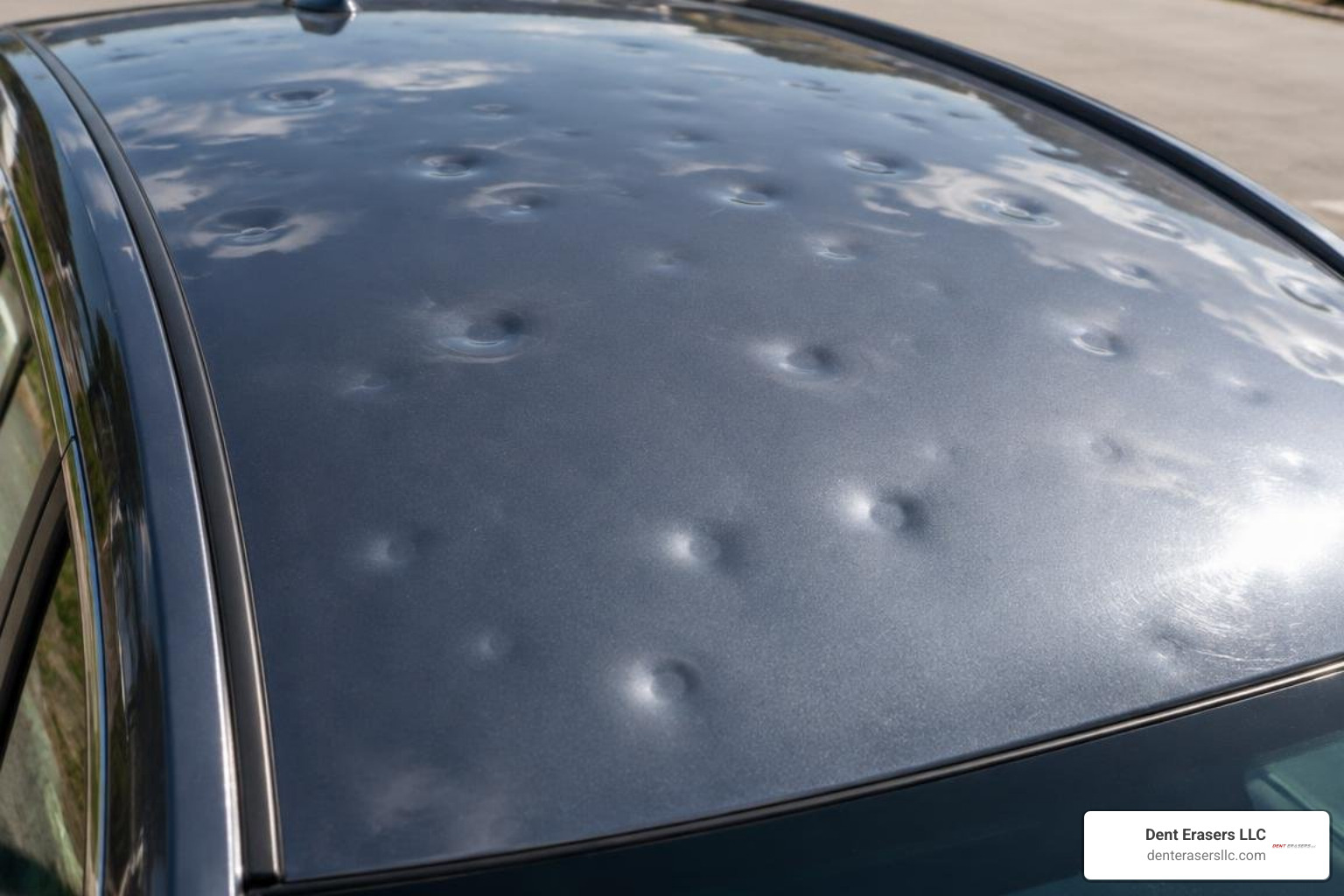
Collision coverage applies to accident damage; comprehensive covers non-collision events like vandalism, hail, or a falling branch. Wear-and-tear and pre-existing damage are standard exclusions. If repair costs fall below your deductible, there is no insurance payout and delayed reporting can affect your coverage eligibility.
Always file when:
- Another driver is at fault (their liability pays, not yours)
- Injuries are involved
- The vehicle may be a total loss
- An uninsured or hit-and-run driver caused the damage
Consider paying out of pocket when:
- Repair cost is close to or below your deductible
- You have filed a claim in the past 3 years and a second claim could trigger a non-renewal
Pro Tip: Reporting an incident to your insurer does not automatically create a claims payout or a CLUE database entry. Ask your agent to log it as an “inquiry” or “notice of loss” rather than a filed claim if you are still deciding. That preserves your coverage timeline without triggering a rate review.
How to work with adjusters and repair shops effectively
Be present, or on a video call, during any inspection. Ask for the written estimate before you leave, and get every scope change documented in writing. Same-day FNOL (First Notice of Loss), digital photo uploads, two written estimates, and virtual inspections consistently speed up authorizations and payouts.
Use that script with every shop you contact. It sets expectations and gets you a document the adjuster can actually process.
Questions to ask your adjuster directly:
| Question | Why it matters |
|---|---|
| What is your full name and badge/employee number? | Creates a contact record for follow-up |
| Is PDR an approved repair method for this damage? | Confirms coverage before you commit to a shop |
| Are OEM parts covered, or only aftermarket? | Affects resale value and warranty |
| Is a rental car authorized, and for how many days? | Prevents out-of-pocket transportation costs |
| What is the total loss threshold for my vehicle? | Tells you when a repair estimate triggers a total-loss evaluation |
For repair shop selection, look for quality trust signals: written estimates, before/after photos, repair warranties, and clear communication about OEM versus aftermarket parts. Shops that provide these without being asked are the ones that support clean claim documentation.
What happens if your claim is denied or underpaid?
A denial is not final. Request a written denial letter, gather additional evidence, and submit a formal written appeal. Most dent disputes resolve at this stage.
- Read the denial letter carefully and note the exact policy language cited.
- Match that language against your actual policy; look for misclassification (collision vs. comprehensive).
- Add timestamped evidence or an independent estimate the adjuster did not see.
- Submit a written appeal to the insurer’s claims review department.
- If the insurer has an appraisal clause, invoke it to bring in a neutral third-party appraiser.
- If the appeal fails, file a complaint with your state DOI or through the NAIC consumer complaint portal.
A public adjuster or attorney is generally worth the cost only for high-value claims where the dispute exceeds several thousand dollars. For most dent claims, a written appeal and a state DOI complaint are enough to reach a resolution.
How does mobile PDR fit into your insurance claim?
PDR (paintless dent repair) is a non-invasive technique where a technician uses specialized tools to massage the metal back to its original shape from behind the panel, without sanding, filling, or repainting. Because the factory finish stays intact, there is no color-match risk and no filler that can crack years later. Insurers often accept PDR estimates when the paint is undamaged and the dent has not stretched the metal past its memory.
- PDR works best on dents where the paint surface is unbroken and the metal has not been work-hardened by a sharp impact
- Mobile PDR, like the onsite service Denterasersllc provides, typically completes minor to moderate repairs in a few hours rather than the multi-day shop turnaround of conventional bodywork
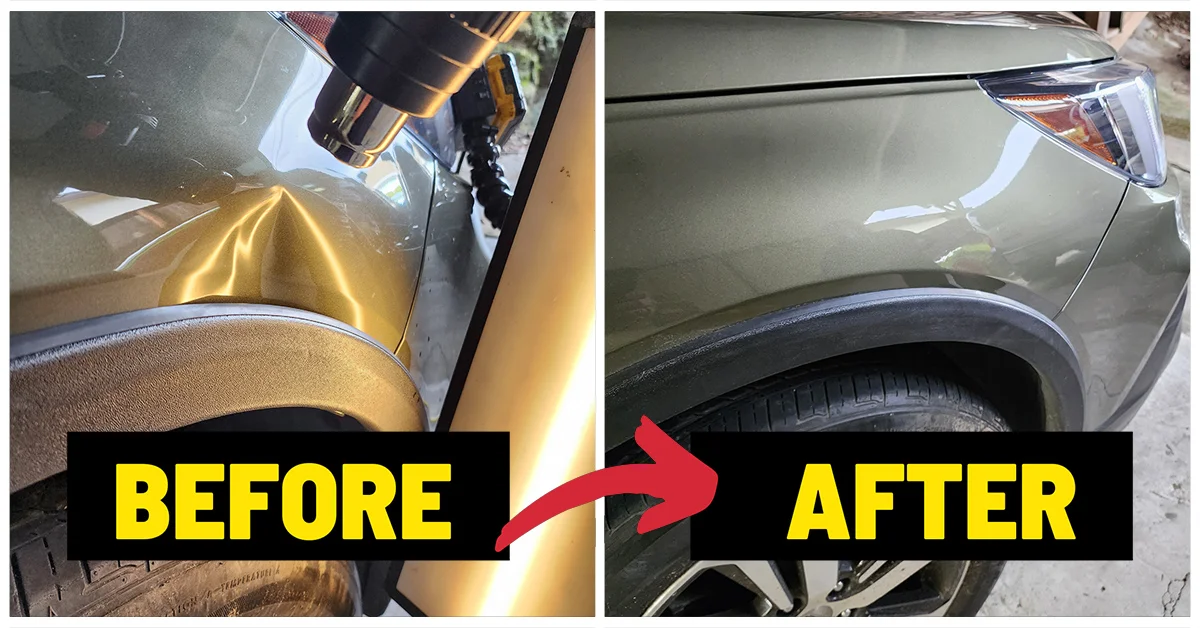
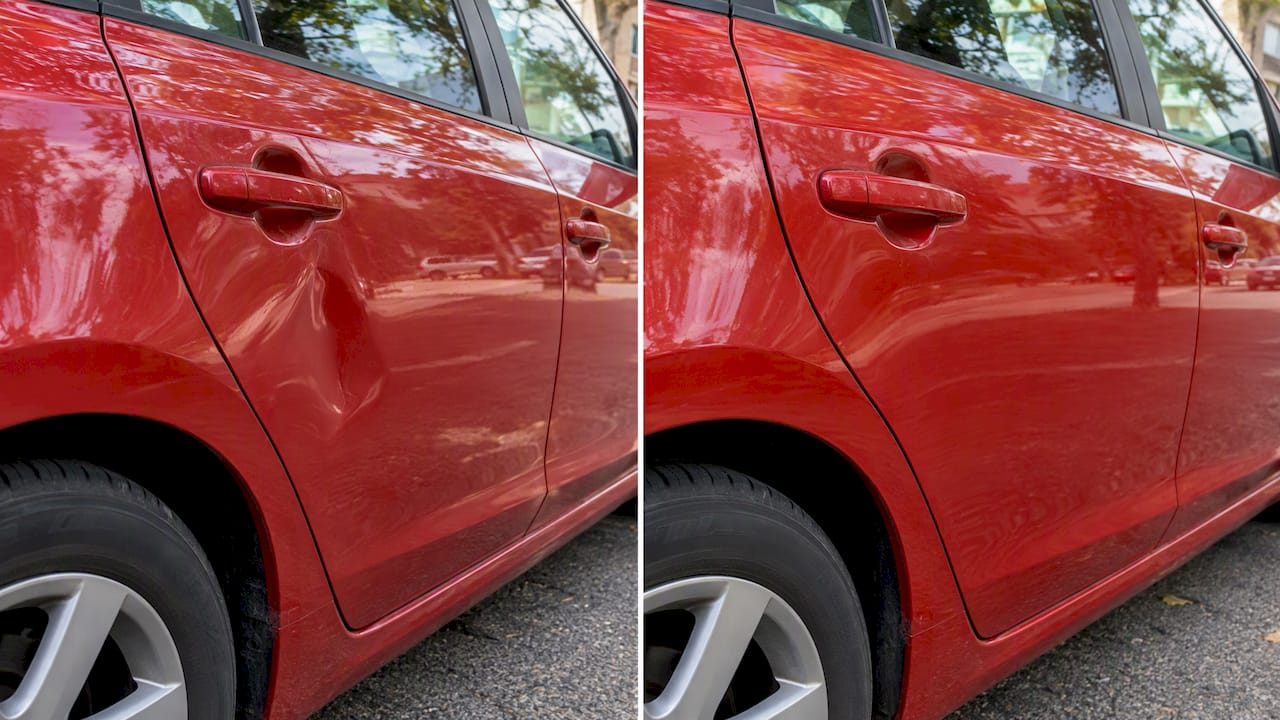
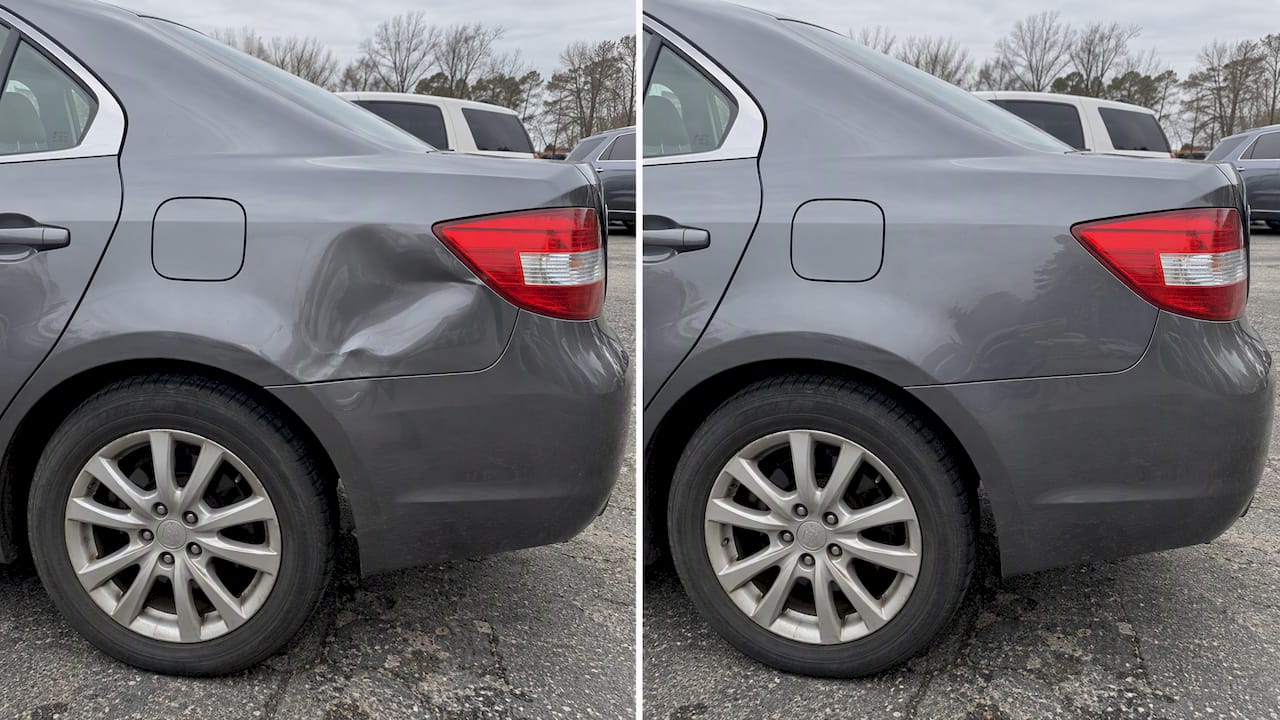
- Before/after photos from a mobile PDR session serve directly as claim documentation, showing the adjuster the pre-repair condition and the finished result
- A PDR estimate that lists zero parts and itemized labor hours makes scope comparison easy for adjusters
For a deeper look at when PDR is the right call versus conventional bodywork, the auto dent and paint repair guide covers the decision criteria in detail.
Pro Tip: Ask your PDR technician to include a brief written note on the estimate stating that the paint was intact at the time of inspection. That single line preempts the pre-existing-damage objection before the adjuster can raise it.
Key Takeaways
Solid dent claim filing preparation comes down to five actions: timestamped photos, two written estimates, a break-even check, prompt reporting, and a complete paper trail from first notice to final receipt.
| Point | Details |
|---|---|
| Timestamp photos immediately | A structured 20–30 photo PDF with EXIF timestamps is the standard evidence packet insurers accept. |
| Get two written estimates | Independent estimates with repair method, labor hours, and warranty give adjusters a clear scope to approve. |
| Run the break-even check | File only when the expected payout exceeds your deductible plus likely three-year premium increases. |
| Report promptly, decide later | Reporting to your insurer preserves coverage without automatically creating a CLUE claims record. |
| Denterasersllc supports your claim | Onsite PDR from Denterasersllc includes written estimates and before/after photos ready for adjuster review. |
The part most vehicle owners get backwards
Most people treat the insurance call as step one. It should be step two, after photos and a preliminary estimate. Walking into that first conversation with a timestamped photo set and at least one written estimate changes the dynamic entirely. You are no longer asking the insurer what your car is worth. You are presenting documented evidence of what the repair actually costs.
The other thing worth saying plainly: PDR is not a workaround or a budget shortcut. For dents with intact paint, it is often the technically superior repair. The metal goes back to where it started, the factory finish stays on the car, and the whole job takes hours rather than days. When you present a PDR estimate alongside conventional bodywork quotes, adjusters can see the cost difference and the method difference clearly. That transparency tends to speed approvals rather than complicate them.
The insurance and dent repair relationship is not adversarial by default. Prepare well, document everything, and the process moves faster than most people expect.
Denterasersllc makes claim documentation simple, especially when shops use dust control and protection measures that help prevent contaminants during repairs.
When a dent shows up on your car, the last thing you need is a week-long shop estimate process on top of an insurance call. Denterasersllc comes to you anywhere in Contra Costa County and the surrounding areas, with the tools to assess the damage, perform onsite PDR, and hand you a written estimate and before/after photo set the same day.
That documentation package is exactly what adjusters ask for: a timestamped written estimate listing repair method, labor hours, and warranty, plus clear before/after photos showing the panel condition. Whether you need a plastic bumper repair or a larger panel repair, the process is the same: we assess, document, repair, and give you everything you need to close the claim. See a real example of how rapid onsite PDR supported a claim in the hood dent repair case study. To book an onsite estimate, call or contact Denterasersllc directly and have your claim number ready.
Useful sources
| Resource | What it covers | Link |
|---|---|---|
| NAIC Consumer Portal | File complaints, find your state DOI | naic.org/consumer |
| CarPhotoChecklist | 20–30 photo standard, filenames, PDF export | carphotochecklist.com |
| InsureMojo filing guide | Break-even math, three-year premium impact | insuremojo.com |
| Insurance Curator checklist | Phone scripts, FNOL, repair timelines | insurancecurator.com |
| Denterasersllc insurance guide | How insurance interacts with PDR decisions | denterasersllc.com/blog |
| Denterasersllc bumper repair | Book onsite plastic bumper repair | Plastic bumper repair |
FAQ
What is the first step in dent claim filing preparation?
Take timestamped photos of the damage, scene, VIN, and odometer immediately, then get at least one written repair estimate before calling your insurer. Having that evidence ready before your first call puts you in a stronger position from the start.
Does filing a dent claim raise your insurance premium?
Filing a collision or comprehensive claim can raise your premium for up to three years, so run a break-even check first. If the expected payout barely exceeds your deductible, paying out of pocket often costs less over that period.
What coverage pays for a dent?
Collision coverage applies when another vehicle or object caused the dent; comprehensive covers non-collision events like hail, vandalism, or a falling branch. Wear-and-tear and pre-existing damage are standard exclusions under both.
Can a denied dent claim be appealed?
Yes. Request a written denial letter, match the cited policy language against your actual policy, add new timestamped evidence or an independent estimate, and submit a formal written appeal. If that fails, file a complaint with your state DOI or the NAIC consumer portal.
Does insurance cover paintless dent repair?
Many insurers accept PDR estimates when the paint is intact and the repair method is clearly documented. Ask your adjuster to confirm PDR is an approved method for your specific damage before committing to a shop.