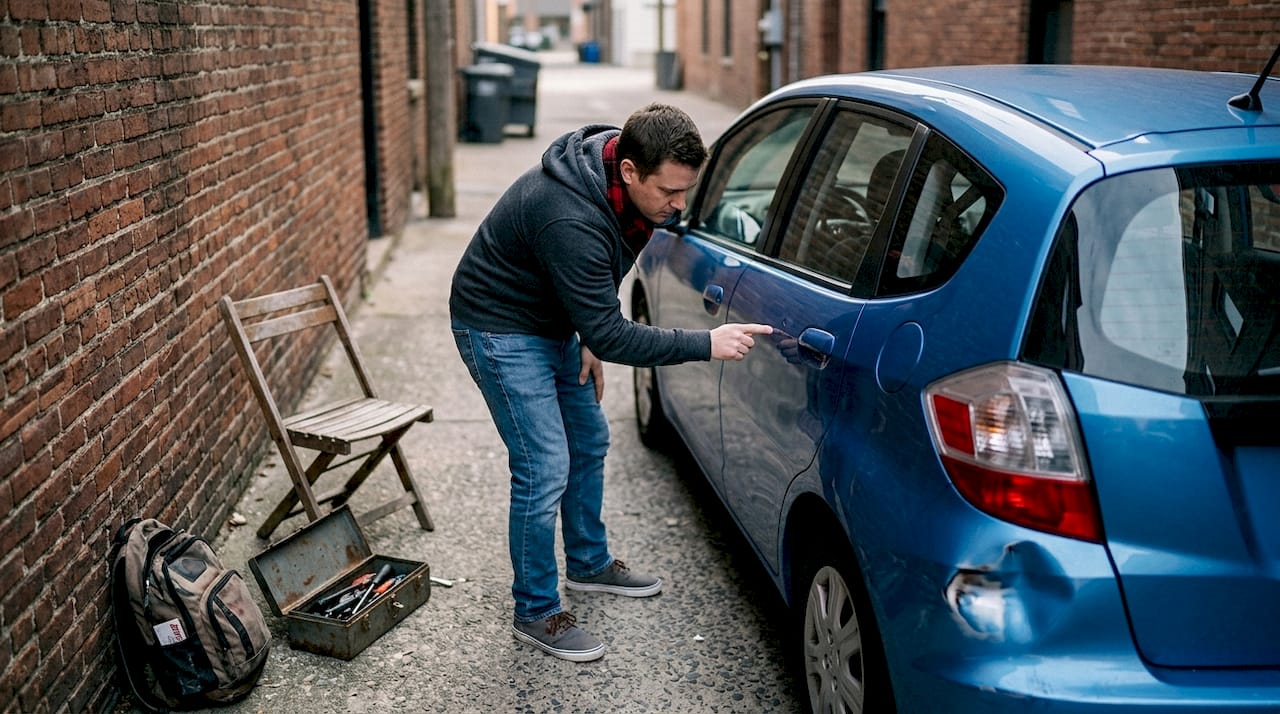
A ding is a minor automotive surface depression under 1 inch in diameter with no paint damage, while a dent is a larger, deeper indentation that often involves chipped paint, creases, or stretched metal. Understanding the difference between dent and ding is not just a vocabulary exercise. It directly determines which repair method you need, how much you will spend, and whether your vehicle’s factory finish can be saved. The two main repair paths are Paintless Dent Repair (PDR) and traditional body shop work, and choosing the wrong one can cost you significantly more than necessary.
What is the difference between a dent and a ding?
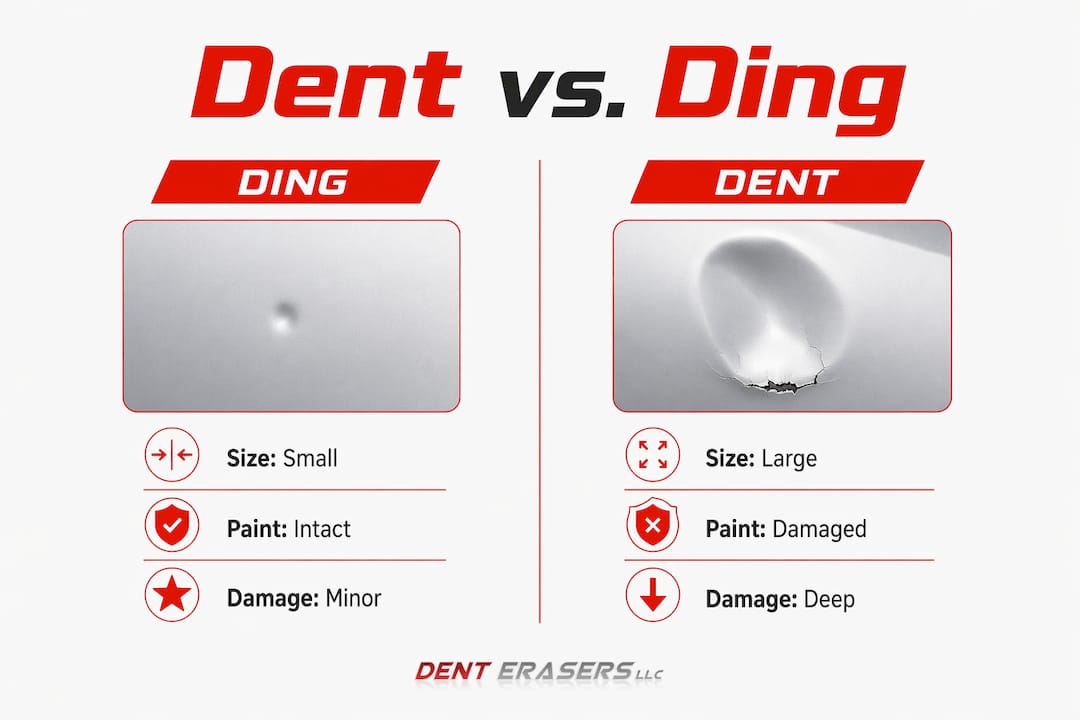
A ding is defined as a surface depression less than 0.5 to 1 inch in diameter with the paint still fully intact. Think of it as the kind of mark left by a shopping cart nudging your door in a parking lot. The metal is slightly pushed in, but the surface is smooth and unbroken.
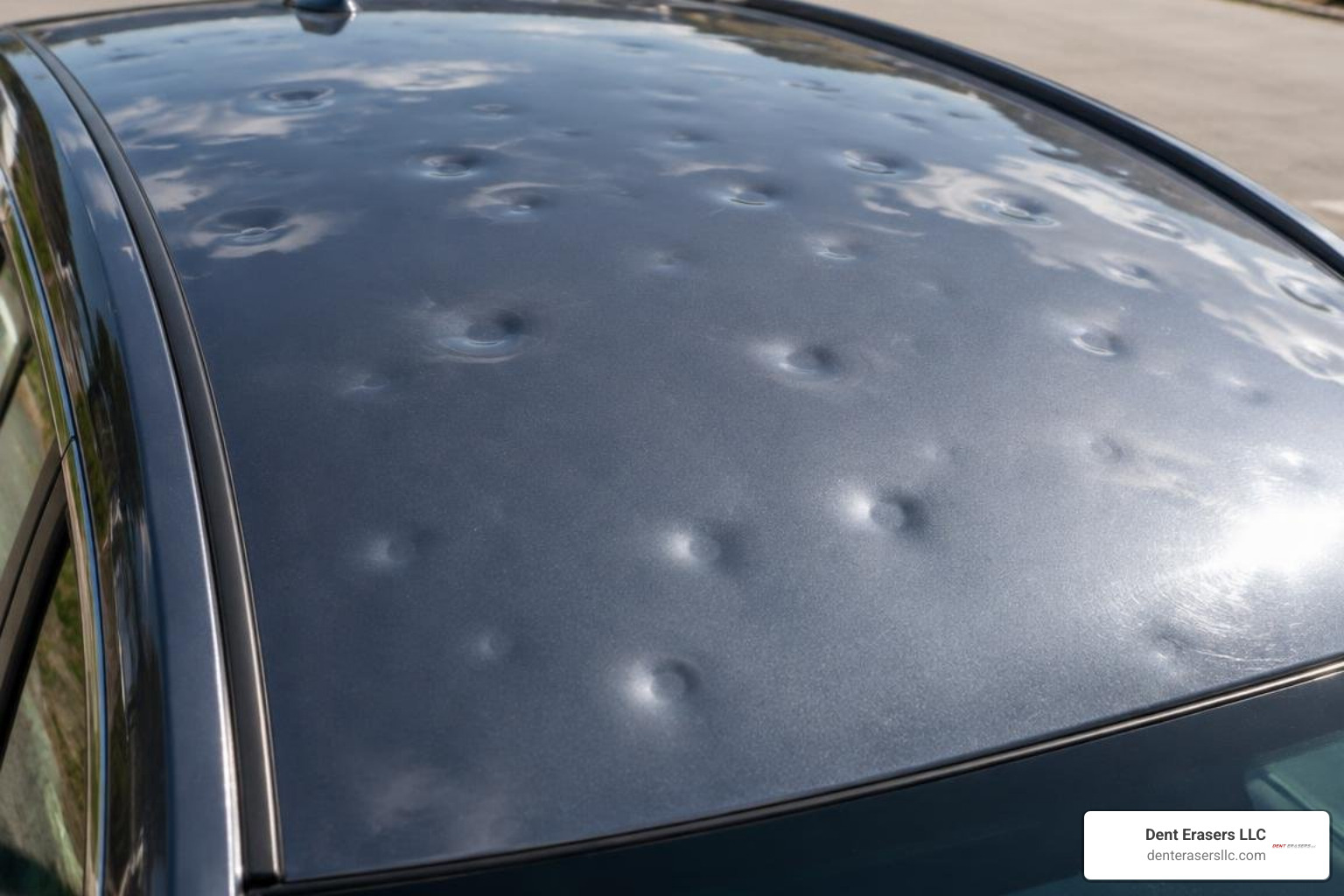
A dent is larger, deeper, and more disruptive to the metal. Dents typically exceed 1 inch in diameter and often come with chipped or cracked paint, visible creases, or metal that has been stretched out of its original shape. The difference matters because once paint breaks, moisture reaches bare metal and rust becomes a real risk.
Here is a side-by-side comparison to make the distinction clear:
| Feature | Ding | Dent |
|---|---|---|
| Size | Under 0.5–1 inch | Over 1 inch |
| Paint condition | Intact | Chipped, cracked, or scratched |
| Metal depth | Shallow | Deep, may be creased |
| Metal stretch | Minimal | Often present |
| Repair method | PDR preferred | PDR or traditional body shop |
| Typical cost | $125–$350 | $500–$1,500+ |
Pro Tip: Run your fingertip slowly across the damaged area. A smooth, unbroken surface with a gentle depression points to a ding. Roughness, ridges, or a sharp edge means you are likely dealing with a dent.
How do repair methods and costs differ?
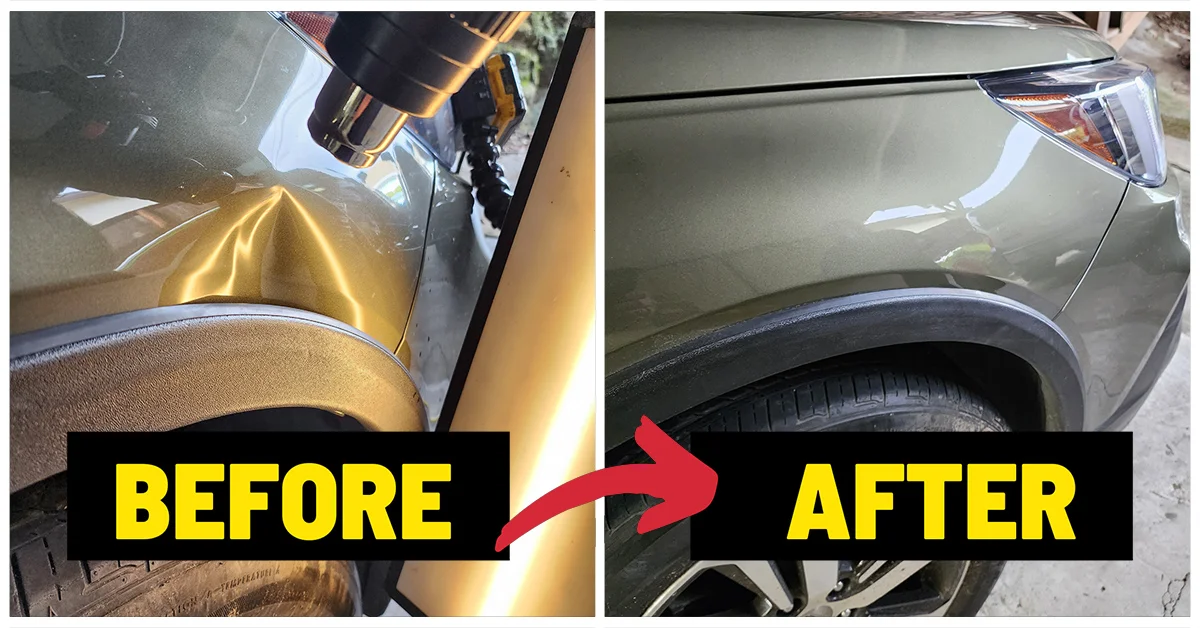
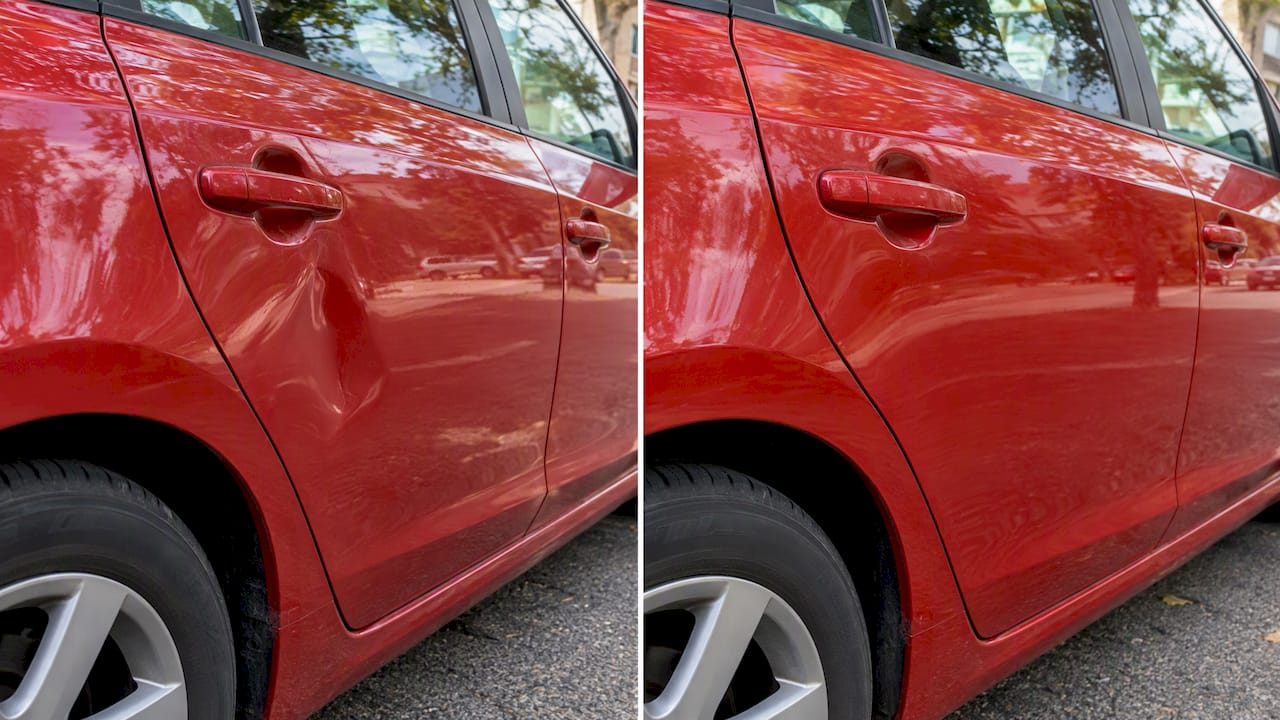
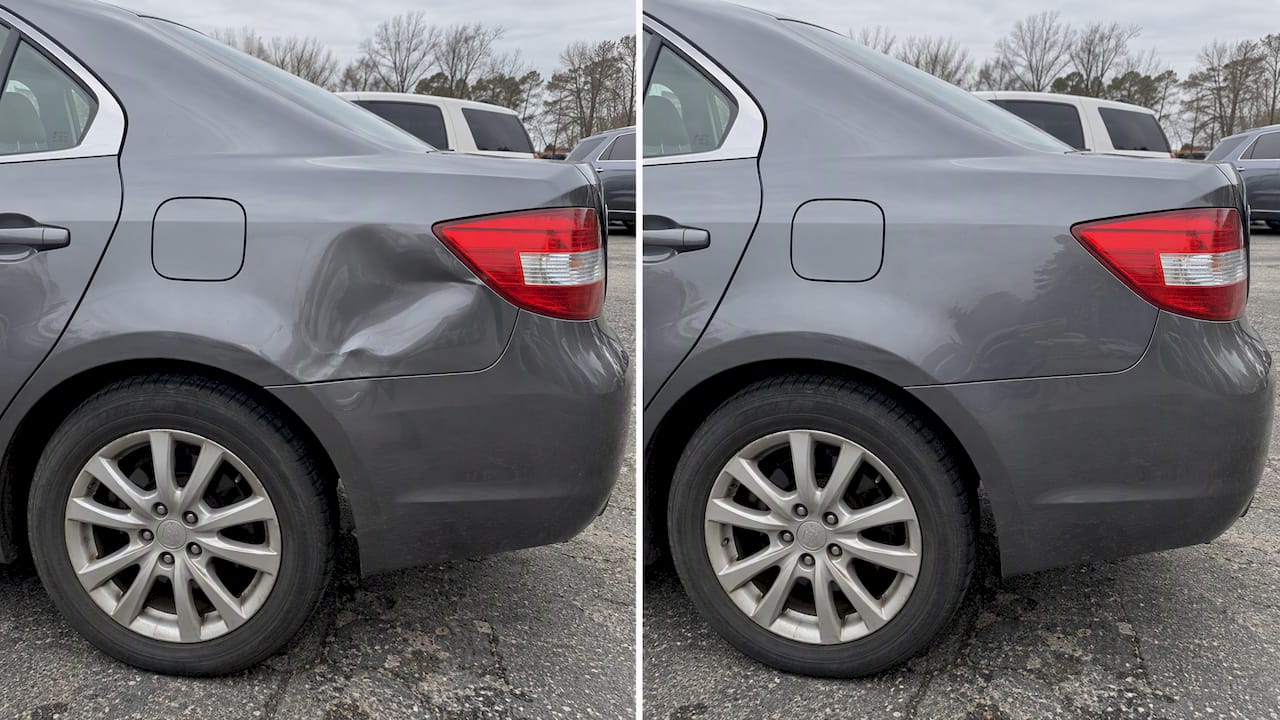
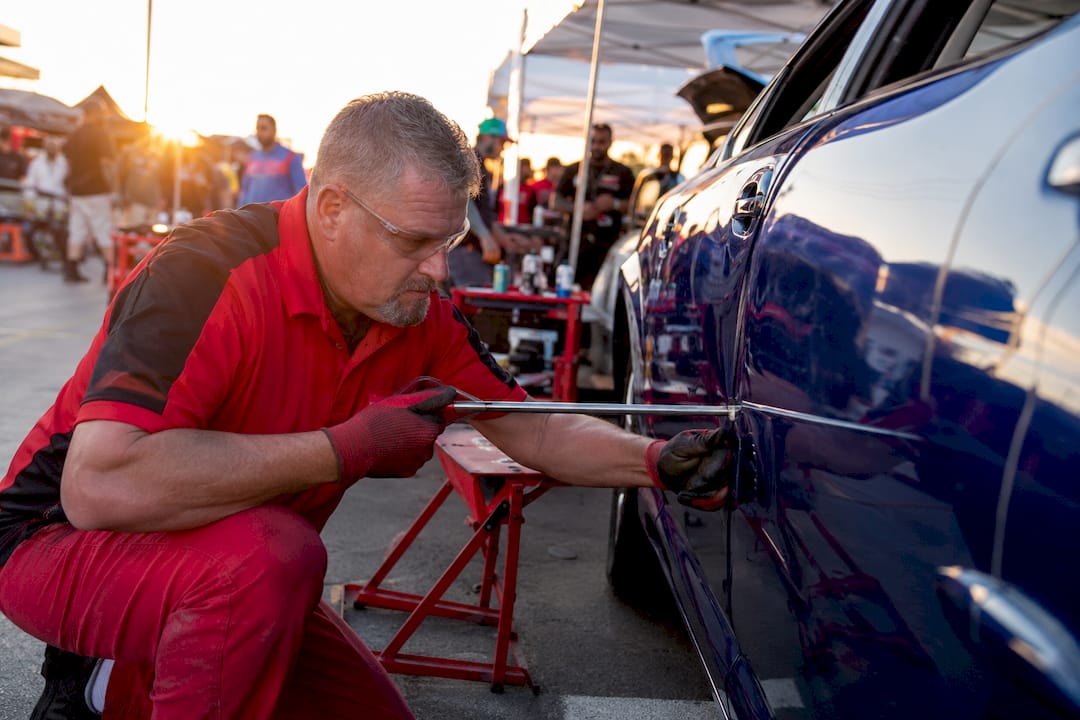
Paintless Dent Repair is the preferred method for dings and minor dents because it preserves factory paint and avoids the need for filler, sanding, or repainting. A skilled PDR technician uses specialized tools to gently massage the metal back to its original shape from behind the panel. The result is a repair that looks factory-fresh and costs far less than traditional work.
Here is how the two repair paths break down:
- PDR for dings: Simple dings are often resolved in 15–30 minutes. Costs typically run $125–$350 depending on location and panel access.
- PDR for minor dents: Slightly larger dents with intact paint take 2–4 hours. PDR still applies as long as the metal is not creased or stretched beyond recovery.
- Traditional body shop for dents: When paint is damaged or metal is stretched, body shops use filler (sometimes called bondo), primer, and paint matching. Costs range from $500 to $1,500 or more.
- Glue-pulling for edge dents: Technicians use glue-pulling methods when backside access is not possible, such as on door edges or panel perimeters. This avoids panel replacement entirely.
The cost gap between PDR and traditional repair is significant. A $150 PDR job can become a $500+ body shop bill if you attempt a DIY fix first. Botched DIY repairs stretch the metal and create raised ridges called crowns, which are far harder for a professional to correct. Leave crease dents to the experts.
Pro Tip: Never use a plunger or hair dryer method on a dent with any visible paint cracking. You risk lifting the paint further and turning a PDR-eligible repair into a full repaint job.
Why location and depth matter more than size
Size alone does not tell the whole story when assessing car damage. Dents on sharp creases or panel edges are harder to fix even when they are small. A dent the size of a quarter sitting directly on a body line can require more skill and time than a golf-ball-sized dent on a flat door panel.
Here is why location and depth complicate repairs:
- Body line dents: When a dent sits on or near a stamped body line, the metal has less flexibility to move back. Technicians must work with extreme precision to avoid distorting the line.
- Panel edge dents: Edges have less metal backing them, so they are more prone to tearing or cracking during repair. Glue-pulling techniques are standard here because they apply controlled outward force without backside access.
- Stretched metal: When an impact forces metal to stretch beyond its natural limit, the metal loses what technicians call its “metal memory.” It no longer wants to return to its original position. This is when PDR alone may not be enough.
- Work-hardened metal: Repeated small impacts in the same area can make metal stiff and resistant to manipulation, even if the visible damage looks minor.
Pro Tip: If you see a dent with a sharp inner ridge rather than a smooth bowl shape, that ridge signals a crease. Creases almost always require a professional assessment before any repair attempt.
How to assess damage and decide when to repair
Knowing how to inspect your own vehicle gives you a real advantage before calling a shop. Follow these steps to assess damage accurately:
- Check the paint first. Look at the damaged area in direct sunlight or under a bright light. Any dullness, cracking, or flaking means paint integrity is compromised and traditional repair is likely needed.
- Run your finger over the damage. A smooth surface with intact paint is a strong sign the damage is PDR-eligible. Roughness or a raised ridge points to stretched metal.
- Measure the approximate size. Use a coin for reference. A dime is about 0.7 inches. If the damage is smaller than a dime and paint is intact, you are almost certainly looking at a ding.
- Note the location. Damage on flat panels is easier to repair than damage near edges, door handles, or body lines.
- Act quickly. Waiting too long on even minor damage risks rust and more costly repairs. A $150 PDR repair can escalate to hundreds in rust remediation if moisture gets under the paint.
Learning why fixing small dents early protects both your vehicle’s value and your wallet is one of the smartest things a car owner can do. DIY methods like suction cups or dry ice are only appropriate for very minor dings with fully intact paint and no crease. Anything beyond that warrants a professional assessment.
You can also protect your paint proactively. Paint protection film applied to high-impact areas like door edges and front panels reduces the chance of dings breaking through to bare metal in the first place.
Understanding Dent vs. Ding Repair Factors
The core difference between a dent and a ding is size, paint condition, and metal depth, and those three factors determine whether PDR or traditional body shop repair is the right call.
| Point | Details |
|---|---|
| Ding definition | A ding is under 1 inch with intact paint and no metal crease. |
| Dent definition | A dent exceeds 1 inch, often with paint damage or stretched metal. |
| PDR suitability | PDR works best for dings and minor dents with no paint damage. |
| Location matters | Dents on body lines or edges are harder to fix regardless of size. |
| Act fast | Delaying repair risks rust and turns a $150 fix into a costly restoration. |
What i’ve learned after years of fixing both
I have repaired thousands of dents and dings across Contra Costa County, and the single most common mistake I see is car owners waiting. They look at a small ding and think it is not worth dealing with. Then three months later, they come back with a rust spot forming under what used to be a clean paint surface.
The second most common mistake is the DIY attempt on a crease dent. I understand the impulse. There are plenty of videos online that make it look simple. But crease dents have changed metal memory, and once you push on them incorrectly, you create a crown or a raised ridge that is genuinely harder to fix than the original damage. What would have been a $200 PDR job becomes a $600 body shop repair.
The good news is that paintless dent repair has evolved significantly. Glue-pulling tools, specialized lighting, and years of hands-on experience mean that most dings and many dents can be resolved quickly, affordably, and without touching the factory paint. My advice is simple: when in doubt, get a professional assessment before you do anything else. It costs nothing to look, and it can save you a lot.
— Brian Blanc
See the results for yourself
If you are dealing with a ding from a parking lot or a more noticeable dent from a fender mishap, Denterasersllc brings the repair to you. As a mobile paintless dent repair service serving Contra Costa County and surrounding areas, Denterasersllc handles everything from minor dings to complex panel dents without requiring a trip to a traditional body shop.

Every repair preserves your factory finish, keeps costs down, and gets done fast. Browse the fender repair gallery to see real results from real vehicles. When you are ready for a professional assessment, Denterasersllc is one call away.
FAQ
What is the size difference between a dent and a ding?
A ding is generally under 0.5 to 1 inch in diameter, while a dent exceeds 1 inch. Size alone does not determine repairability; paint condition and metal depth also matter.
Can PDR fix both dents and dings?
PDR works well for dings and minor dents with intact paint and no metal creasing. Dents with chipped paint or stretched metal typically require traditional body shop repair.
How do i tell a dent from a ding at home?
Run your finger over the damage. A smooth, shallow depression with unbroken paint is a ding. Roughness, ridges, or cracked paint indicates a dent.
Does a small dent always cost less to repair than a large one?
Not always. A small dent on a body line or panel edge can cost more to repair than a larger dent on a flat panel because of the precision required and limited access for tools.
Is it safe to ignore a small ding?
Ignoring a ding is risky if there is any paint damage. Even hairline fractures trap moisture and lead to rust, turning a minor repair into a much larger expense over time.