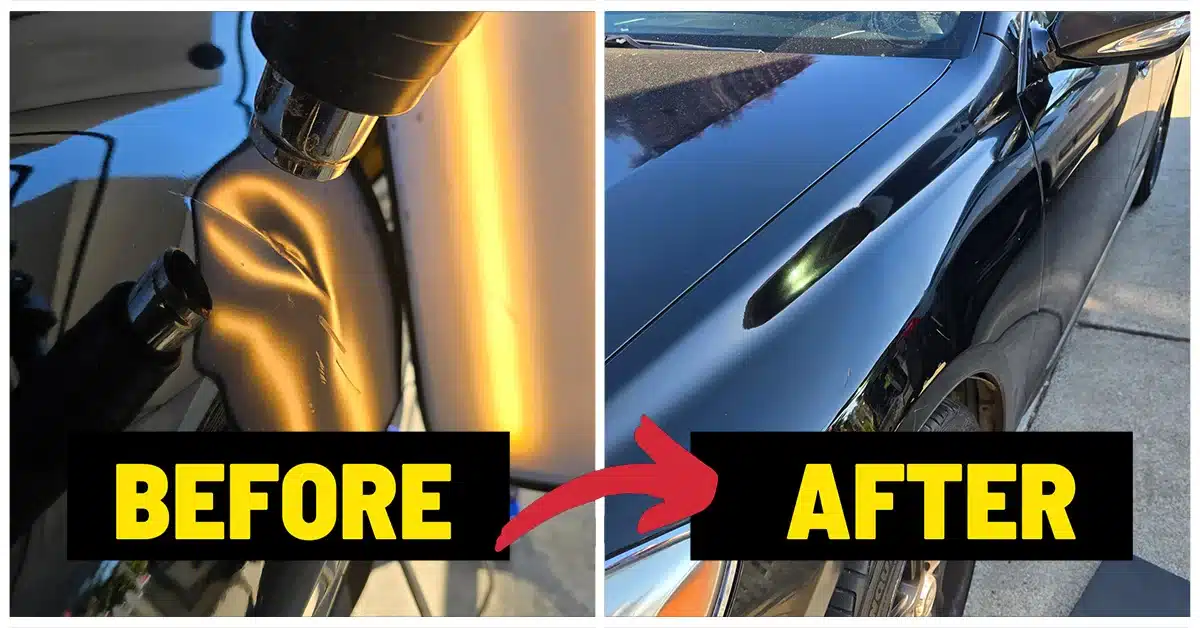
Why Finding Reliable Dent and Paint Repair Near Me Matters
Finding dent and paint repair near me that’s fast, affordable, and won’t compromise your factory finish is harder than it sounds. Here’s a quick look at your best options:
| Repair Type | Best For | Typical Time | Preserves Factory Paint? |
|---|---|---|---|
| Paintless Dent Repair (PDR) | Door dings, hail, minor creases | 1–4 hours | Yes |
| Mobile PDR | Busy schedules, on-site convenience | 1–4 hours | Yes |
| Traditional Body Shop | Cracked paint, deep damage | 2–5+ days | No |
| Paint Touch-Up | Minor scratches, chips | Hours to 1 day | Partial |
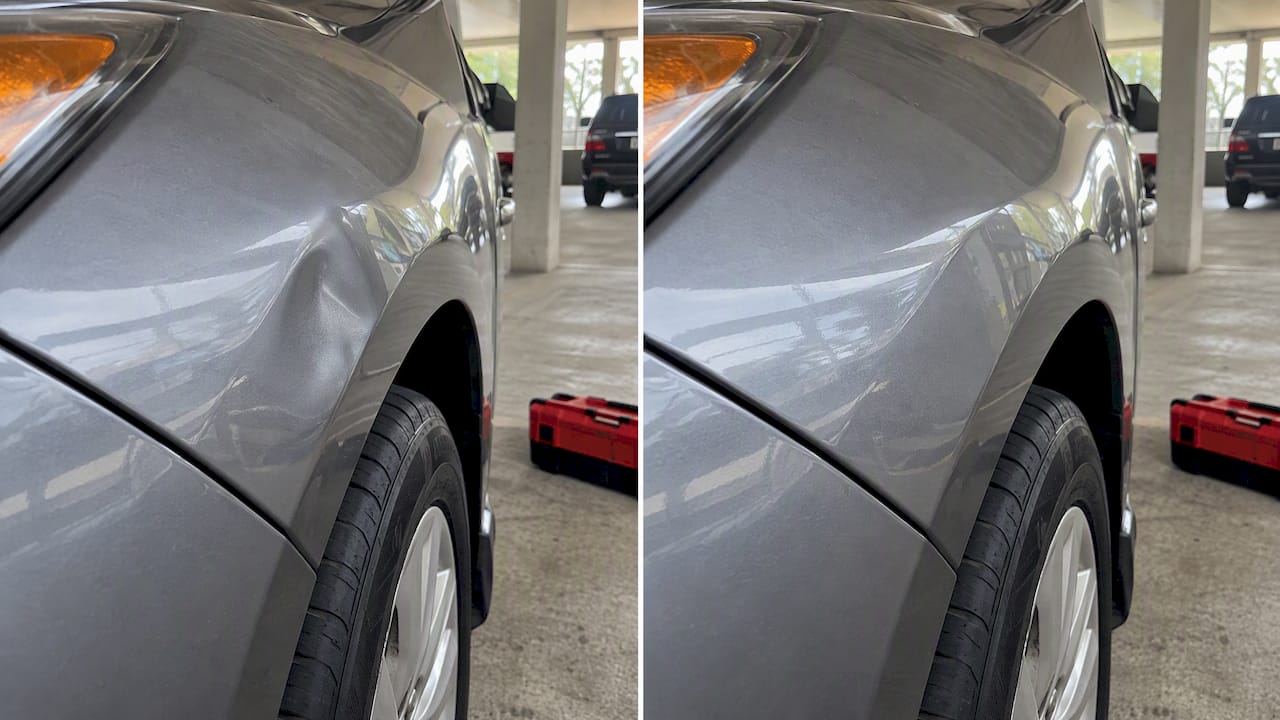
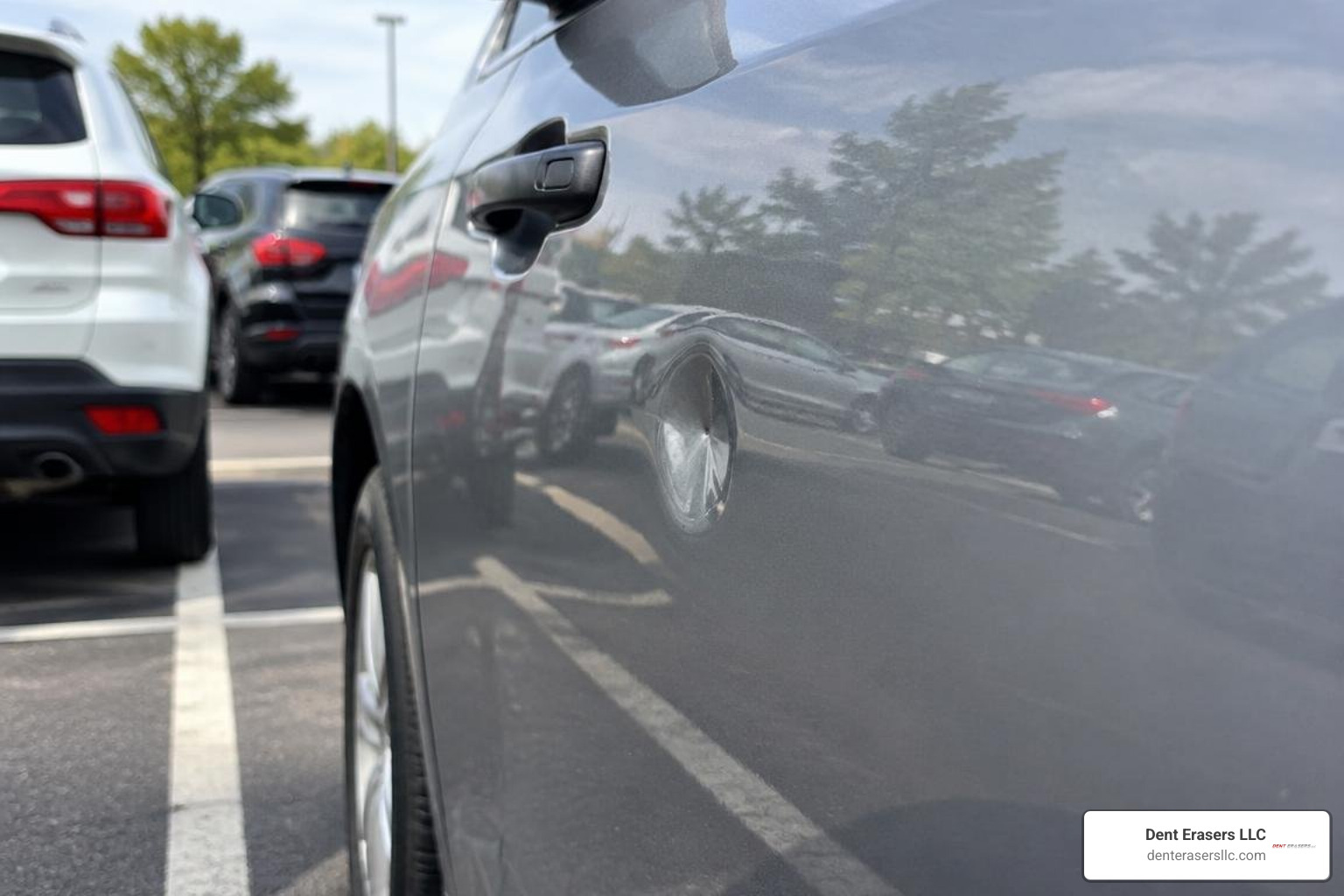
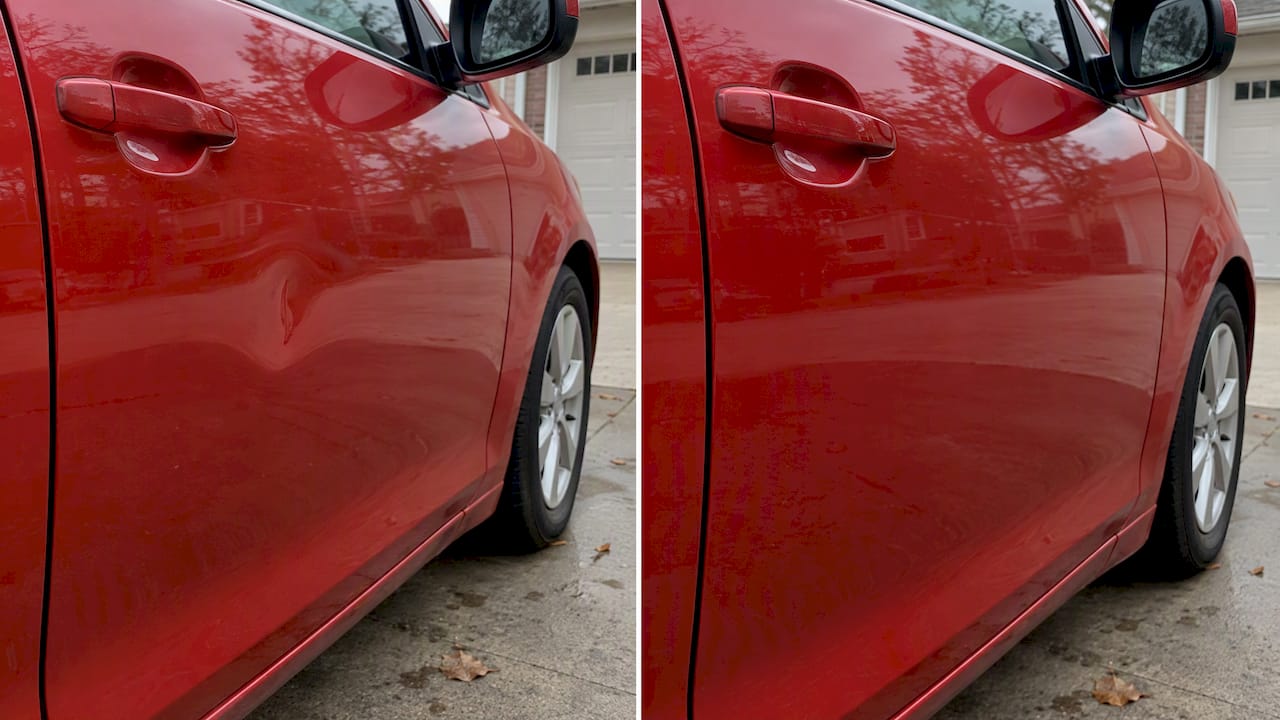
A parking lot ding. A hail storm. A door slam from the car next to yours. These small frustrations happen to every driver — and they add up fast, both in appearance and in resale value. The good news: most minor dents don’t require expensive body shop work, days without your car, or a fresh coat of paint. Modern paintless dent repair (PDR) can restore your vehicle to its original factory condition in just a few hours, often right in your driveway or at your workplace.
The key is knowing which type of repair you actually need — and finding a technician you can trust to do it right.
I’m Brian Blanc, founder of Dent Erasers LLC and a mobile PDR specialist with nearly 30 years of hands-on experience in dent and paint repair near me solutions across the East Bay. I’ve built Dent Erasers around one principle: high-quality, factory-finish results delivered directly to you — no drop-offs, no runaround, no surprises.
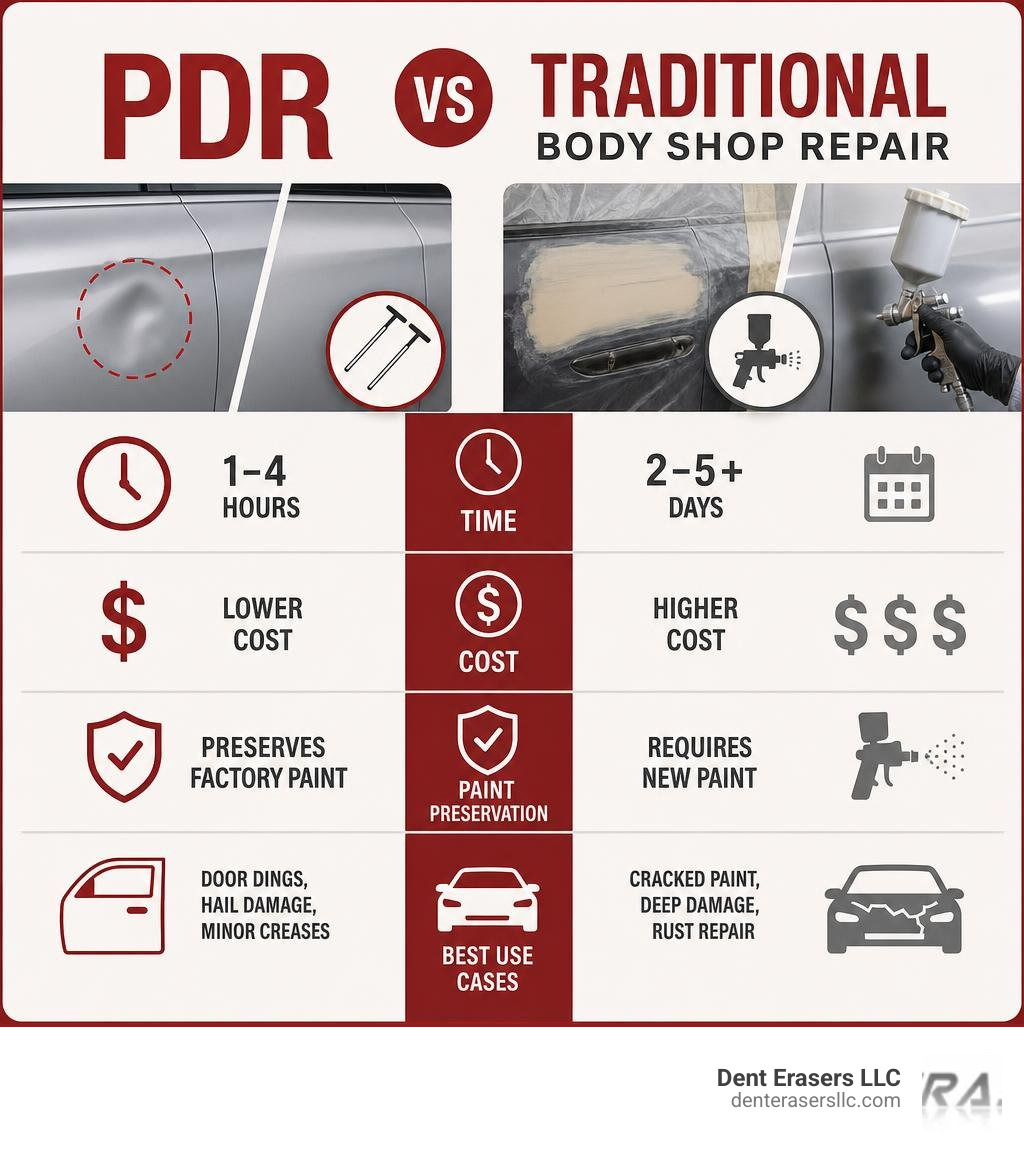
Simple dent and paint repair near me word guide:
Understanding PDR vs. Traditional Body Shop Fixes
When you search for dent and paint repair near me, you will generally find two very different philosophies: Paintless Dent Repair (PDR) and traditional auto body collision repair. Understanding the difference is the first step toward saving hundreds of dollars and keeping your vehicle looking brand new.
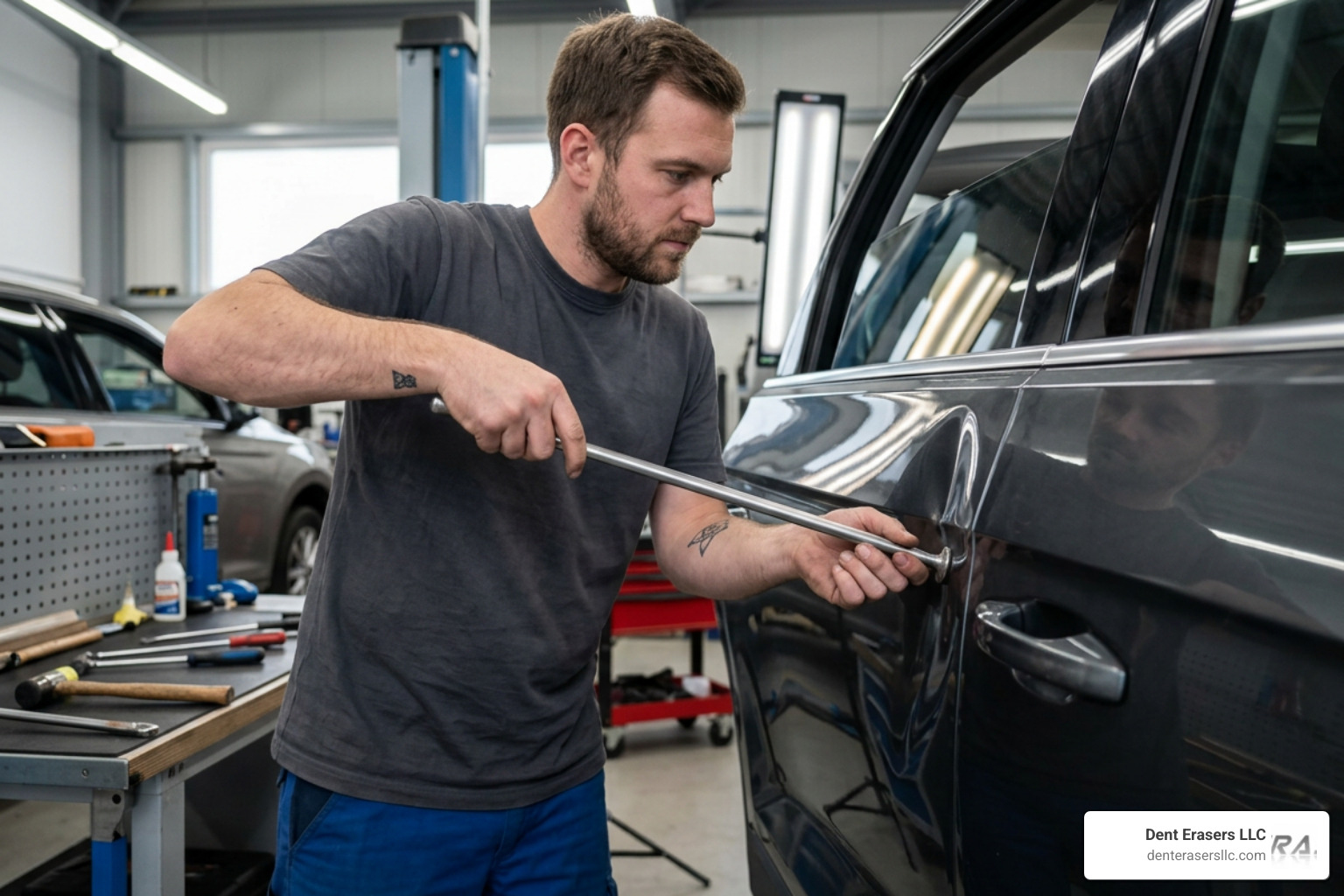
Traditional body shops are designed for major collision repair. If your car has sustained structural frame damage or the paint is severely scraped off, a traditional body shop is absolutely necessary. However, for everyday cosmetic damage like door dings, bumper indentations, and hail damage, PDR is the modern standard.
Traditional auto body repairs involve grinding down the paint, applying Bondo or chemical body fillers, sanding the surface smooth, and then spraying primer, base paint, and clearcoat. This invasive process takes days, requires harsh chemicals, and alters your car’s original factory finish.
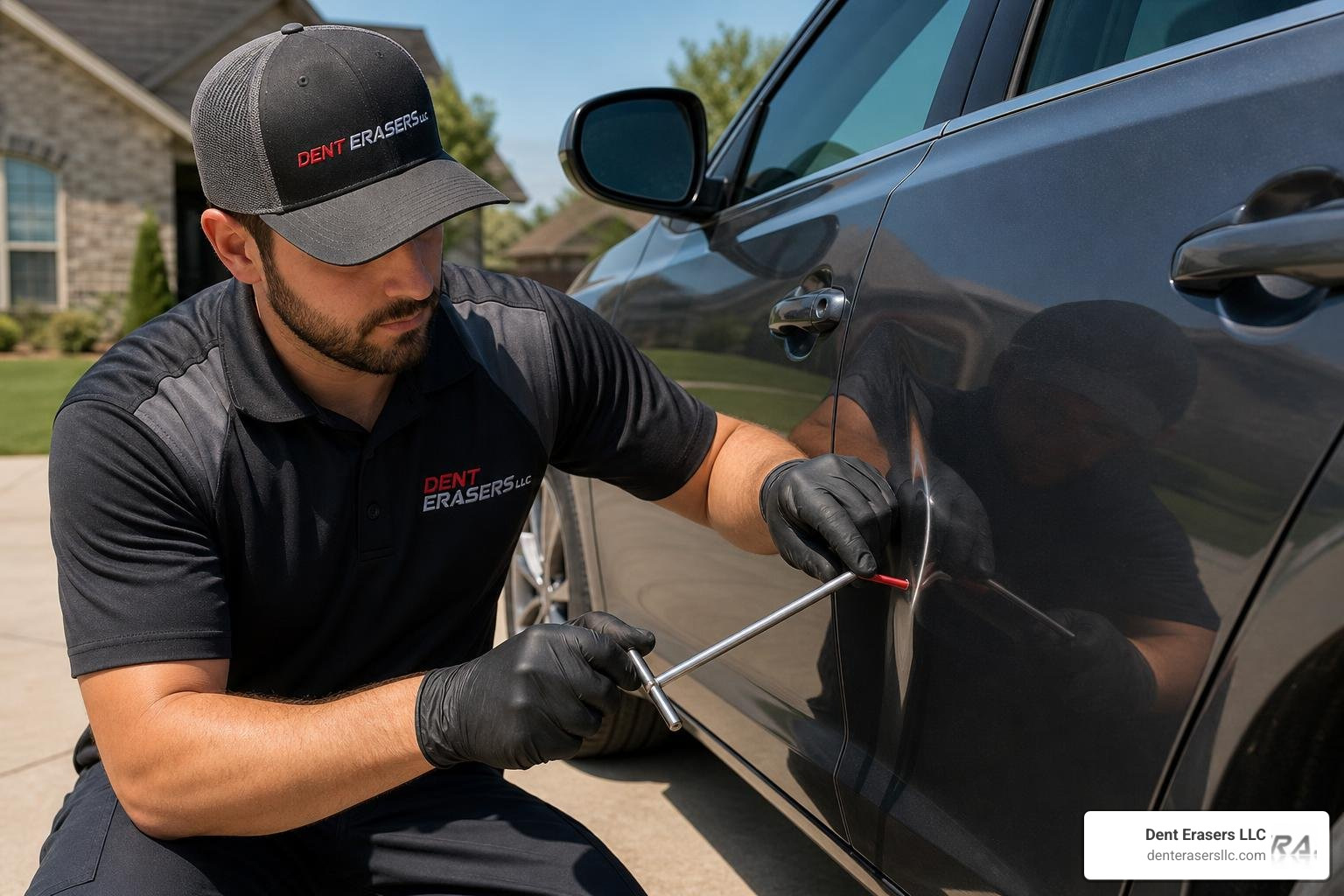
By contrast, Paintless Dent Repair is a highly specialized craft that relies on the natural “metal memory” of your vehicle’s body panels. Modern automotive metal is designed to hold its factory shape. When a dent occurs, the metal is simply stretched out of place. PDR technicians use specialized tools to access the back of the panel and gently massage the metal back into its original position without harming the factory paint.
To help you decide which route to take, we have put together a guide on finding The Best Places to Get Your Dings and Dents Fixed Nearby.
Here is a quick reference table to help you determine if your vehicle’s damage is a candidate for PDR:
| Damage Type | Can Be Fixed with PDR? | Notes / Requirements |
|---|---|---|
| Door Dings & Parking Lot Creases | Yes | Paint must be completely intact. |
| Hail Damage | Yes | PDR is the industry-preferred method for hail restoration. |
| Large Dents (without paint damage) | Yes | Often fully restorable, even up to basketball-sized dents. |
| Minor Plastic Bumper Indentations | Yes | Plastic can be heated and reshaped back to factory specs. |
| Dents with Deep Scratches or Chipped Paint | No | Requires a hybrid approach or traditional paint touch-up. |
| Stretched or Torn Metal | No | Requires conventional panel replacement or traditional bodywork. |
What is PDR and How Does It Work?
PDR is often described as an art form because it requires incredible patience, hand-eye coordination, and an understanding of how different metals behave. It is not just mechanical labor; it is a meticulous craft.
The step-by-step restoration process is straightforward but requires years of practice to master:
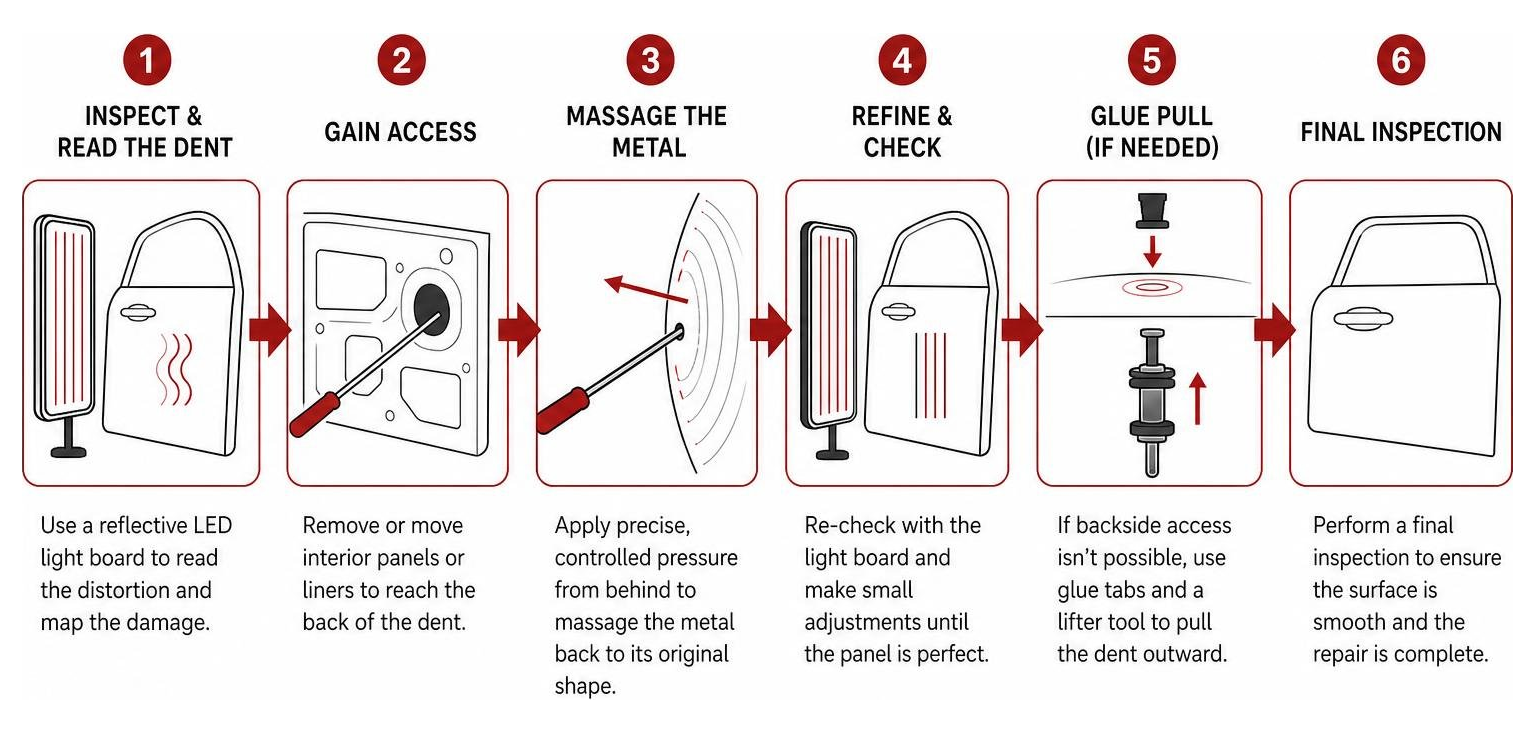
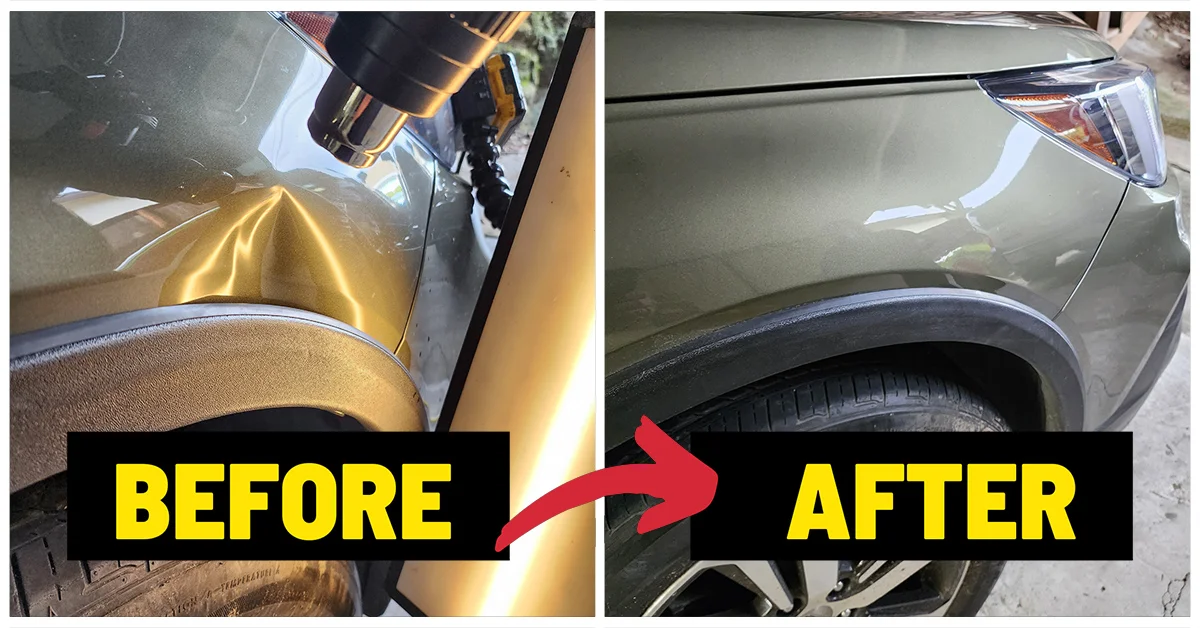
First, we position a specialized reflective LED light board next to the damaged panel. This board projects perfectly parallel lines onto the car’s surface. When there is a dent, those lines bend and distort. By reading the distortion in the lines, we can see exactly where the metal is deformed, even down to a fraction of a millimeter.
Next, we select our entry point. We use specialized steel and carbon fiber rods designed to slide behind interior door panels, under hood liners, or behind wheels. If backside access is available, we carefully insert the rod and apply microscopic pressure from the inside out, slowly massaging the metal back to flat.
What if we cannot access the backside of the panel? This is common on structural areas like roof pillars or double-walled panels. In these cases, we use a sub-technique called Glue Pull Repair (GPR). We apply specialized hot or cold glues—formulated specifically to adhere tightly without lifting or damaging the paint—to plastic tabs. We place these tabs directly on the center of the dent and use a slide hammer or lifter tool to pull the dent outward.
Once the bulk of the dent is raised, we use a “knockdown” tool—a soft, malleable, paddle-shaped tool—to gently tap down any high spots from the outside. By balancing microscopic pushes from the inside and precise taps from the outside, the metal is completely flattened, and the distorted lines on our reflective board become perfectly straight again.
When to Choose PDR for Dent and Paint Repair Near Me
If you are searching for dent and paint repair near me in Northern California, you should opt for PDR whenever your vehicle’s paint is still intact. Modern factory paint is incredibly flexible and durable. It can stretch along with the metal during a minor impact without cracking or peeling. If you look closely at your dent and see that the paint is not chipped, cracked, or scraped down to the metal, PDR is almost always the best choice.
PDR is highly effective for:
- Door dings and shopping cart creases: The classic parking lot mishaps that ruin the clean lines of your doors or fenders.
- Hail damage: Because hail storms create dozens of tiny dings across the hood, roof, and trunk without scratching the paint, PDR is the preferred method by insurance companies.
- Aluminum panels and high-strength steel: Many modern vehicles use aluminum panels to reduce weight. Aluminum is less malleable and has less “memory” than steel, meaning it requires specialized PDR techniques and tools. While some shops charge a standard 20% markup for aluminum or high-strength steel panels due to the extra skill required, an expert PDR technician can still restore them flawlessly.
Paint Preservation: How PDR Avoids the Need for Repainting
The single greatest benefit of PDR is preserving your vehicle’s original factory paint. Your car only has its factory finish once. Aftermarket repainting, even when done by high-end collision shops, rarely matches the durability, color depth, and UV resistance of the factory-applied paint baked on at the manufacturer’s assembly plant.
If your vehicle has minor surface scratches alongside a dent, we can often perform a hybrid service. We can massage the dent out using PDR and then carefully address the surface scratch. If the scratch is only in the clearcoat, we can polish it out. If it has penetrated slightly deeper into the base coat, we can perform a localized paint touch-up to seal the metal and prevent rust.
To learn more about your options for paint damage, read our comprehensive guides on Don’t Brush It Off and Choose the Best Body Paint Car Services and our Bumper Scuff Repair Cost Guide: From Cheap DIY Fixes to Professional Paint Jobs.
Non-Repairable Damage: When Traditional Body Work is Required
While we love the magic of PDR, we also believe in complete honesty. PDR has its physical limits. If your vehicle has sustained any of the following types of damage, you will need to seek out a traditional auto body collision shop:
- Cracked or peeling paint: If the impact was sharp enough to split the paint, massaging the metal back into place will not fix the paint. In fact, attempting PDR on cracked paint can cause it to flake off further.
- Stretched metal: If a dent is extremely deep and sharp, the metal itself may have been stretched beyond its elastic limit. When metal is stretched too far, it loses its structural integrity and cannot be massaged back into a flat surface without shrinking techniques that require heat and traditional bodywork.
- Structural or frame damage: If a collision has bent the underlying frame, structural pillars, or bumper reinforcement bars, your vehicle is no longer safe to drive. These require heavy frame-pulling machines and parts replacement.
For residents in our East Bay service areas who require major structural work, it is crucial to choose a certified collision center that meets manufacturer standards. You can research certified repair facilities through reputable automotive resources like the National Institute for Automotive Service Excellence (ASE).
Cost and Time: What to Expect for Dent and Paint Repair Near Me
When budget and time are your primary concerns, PDR is the clear winner. Because PDR does not require expensive consumables like body fillers, primers, sealers, and custom-mixed paints, the cost savings are passed directly to you.
To get a better understanding of how auto body repair costs are calculated across the industry, check out The Complete Guide to Auto Body Repair Costs and Don’t Get Dented by the Bill: A Guide to Small Dent Costs.
Factors Influencing the Cost of Dent and Paint Repair
The cost of dent and paint repair near me is determined by several key variables rather than a flat per-dent rate:
- Dent Size and Depth: A shallow, quarter-sized door ding is much easier and faster to repair than a deep, creased, basketball-sized dent on a body line.
- Panel Material: Aluminum panels are much harder to reshape than standard steel. Because aluminum requires specialized heat application and distinct tools, repairs on aluminum panels often carry a 20% markup.
- Location and Access: Dents located on flat, open panels with easy backside access (like a hood or fender) are less labor-intensive. Dents located on double-walled roof pillars, or behind structural braces, require more time and advanced techniques like Glue Pull Repair.
- Paint Protection Film (PPF) or Vinyl Wraps: If your vehicle is wrapped or has PPF installed, we must work with extreme care to avoid burning or lifting the film. This specialized process typically incurs a 20% markup.
At Dent Erasers LLC, our mobile PDR services are highly affordable, with most minor to moderate dent removals ranging from $150 to $500. This is a fraction of the cost of a traditional body shop, which often starts at $1,000 even for minor dings due to the labor involved in painting entire panels.
For a deeper dive into PDR pricing structures, take a look at The Complete Guide to PDR Pricing and Estimates and learn How to Find Affordable Dent Removal for Your Car.
Repair Timelines: Mobile and Same-Day Options
Time is the one thing we can never get back. Leaving your car at a traditional body shop for minor cosmetic work can leave you without a vehicle for three to five days—or even weeks if they are backed up.
Because PDR bypasses the multi-step painting process, there is no need to wait for primers to dry or clearcoats to cure. Most minor paintless dent repairs can be completed in 1 to 4 hours.
Furthermore, our mobile service model means we bring the workshop to you. Whether you are at home in Concord, at your office in Walnut Creek, or running errands in San Ramon, we can complete the repair right in your driveway or parking space. You don’t have to arrange a rental car, ask a friend for a ride, or lose a day of work.
Insurance, Resale Value, and Choosing the Right Service
Many vehicle owners feel overwhelmed when deciding how to handle auto body repairs. Should you file an insurance claim? How will the repair affect your vehicle’s resale value? How do you know you are hiring a reliable technician?
Should I File an Insurance Claim or Pay Out of Pocket?
If your vehicle has minor door dings or a single moderate dent, the cost of repair ($150 to $500) will almost always be lower than your auto insurance deductible, which is typically $500 or $1,000. In these cases, paying out of pocket is the smartest move. It keeps your insurance record clean and prevents potential premium increases.
However, if your car has suffered extensive hail damage across multiple panels, the repair costs can quickly add up. In this scenario, filing an insurance claim is highly recommended.
Here is an industry fact that many drivers do not know: Hail damage is legally classified as an “Act of Nature” by insurance companies. Because it is a non-collision event beyond your control, filing a comprehensive insurance claim for hail damage typically will not raise your insurance premium rates.
For more advice on navigating the financial side of repairs, read our guide on Dent Removal Service Cost: A Guide to Professional Estimates.
How PDR Protects Your Vehicle’s Resale Value and Warranty
When you sell or trade in a vehicle, dealerships and private buyers look closely at two things: the paint finish and the vehicle history report (such as Carfax).
Traditional body shop repairs often require reporting to vehicle history databases because they involve parts replacement, structural work, or extensive painting. Furthermore, aftermarket paint can sometimes be detected with a paint depth gauge, raising red flags about past accidents.
Because PDR is non-invasive and does not use body filler or aftermarket paint, it typically does not trigger a vehicle history report. It preserves your car’s original factory finish and keeps your manufacturer’s paint and corrosion warranties fully intact. This is especially critical for leased vehicles. Returning a leased car with visible door dings can result in steep “excess wear and tear” penalties from the leasing company. Getting those dings fixed with PDR beforehand costs a fraction of the penalty fee.
To learn more about budget-friendly ways to maintain your car’s exterior, check out The Cheapest Ways to Fix a Car Dent.
How to Choose a Reliable Dent and Paint Repair Near Me
PDR is a highly unregulated industry, which means anyone can buy a cheap set of tools online and call themselves a technician. However, inexperienced hands can easily over-stretch the metal, crack your paint, or damage interior door electronics.
When searching for a reliable mobile dent and paint repair near me service in Contra Costa County, look for these trust indicators:
- Dedicated Experience: Look for technicians who specialize specifically in PDR, rather than general detailing or tint shops that offer dent repair as a side service.
- Stellar Customer Reviews: Check local platforms like Yelp or Google for real client testimonials.
- Transparent Photo Estimates: A reputable technician should be able to look at clear photos of your dent and provide an honest preliminary estimate.
If you are looking for local reviews on auto body services, check out our Detailed Reviews of the Top 10 Collision Repair Shops.
Frequently Asked Questions About Dent and Paint Repair
We believe an informed customer is a happy customer. Here are the answers to the most common questions we receive about dent and paint repair near me services.
Will boiling water damage my car’s paint during a DIY dent fix?
Yes, boiling water can absolutely damage your car’s paint. You may have seen viral videos of people pouring boiling water over a plastic bumper or metal panel to “pop” a dent out.
While plastic bumpers have some flexibility, pouring boiling water over painted metal causes a sudden, extreme temperature spike. This rapid thermal expansion forces the paint and clearcoat to expand faster than the underlying metal. This can lead to micro-cracking, peeling, and permanent clearcoat failure. Furthermore, attempting to pop a dent yourself without professional tools often results in stretched metal, making a clean, professional repair much more difficult—and expensive—to achieve later.
Why do aluminum panels cost more to repair than steel?
Aluminum is a fantastic material for modern cars because it is lightweight and strong, but it is notoriously difficult to work with from a repair standpoint.
Unlike steel, which has excellent “metal memory” and naturally wants to return to its original shape, aluminum is stiff and stubborn. It does not stretch easily and can crack if manipulated too quickly. To perform PDR on aluminum, we must carefully apply controlled heat to the panel to make the metal more pliable, and we must use specialized, heavy-duty PDR tools with highly precise pressure. Because of the extra time, skill, and specialized equipment required, repairs on aluminum panels typically carry a 20% markup.
How do I get an accurate free estimate for mobile dent repair?
Getting a free, no-obligation estimate from us is incredibly easy. All you need to do is take a few clear photos of the damage and text them to us.
To help us give you the most accurate quote possible, try to follow these steps:
- Take photos from multiple angles: Take one photo directly facing the dent, and a few other photos at a 45-degree angle. This helps us see the depth and contour of the damage.
- Use good lighting: Avoid taking photos in direct, harsh sunlight, which can wash out the details. Taking photos in the shade or inside a garage usually works best.
- Provide your vehicle’s details: Let us know the exact make, model, and year of your vehicle. This helps us determine if your panels are steel or aluminum and tells us how much structural bracing is behind the panel.
- Locate your paint code (if there is scratch damage): If you need minor scratch touch-up alongside the dent repair, you can find your vehicle’s exact paint code on the manufacturer’s tag located inside the driver’s side door jamb.
If you are located in our service areas, such as Concord, Walnut Creek, Pittsburg, or Brentwood, we are happy to provide a quick, convenient mobile consultation to assess your vehicle’s damage and help you find the best path forward.
Conclusion
Your vehicle is one of your most significant investments. Leaving it with unsightly door dings, creases, or hail damage not only ruins its appearance but also actively devalues your asset.
At Dent Erasers LLC, we provide premium, mobile paintless dent repair services designed to fit your busy life. We specialize in restoring cars, motorcycles, luxury vehicles, and classic cars directly on-site at your home or workplace. Our service area covers the entire East Bay, including Concord CA, Antioch CA, Richmond CA, San Ramon CA, Pittsburg CA, Walnut Creek CA, Brentwood CA, Martinez CA, Oakley CA, Danville CA, Pleasant Hill CA, and surrounding communities.
By choosing our mobile PDR service, you get:
- Expert craftsmanship preserving your vehicle’s original factory paint.
- On-site convenience—we come to you, saving you a trip to the shop.
- Quick turnaround times—most repairs are completed in under 4 hours.
- Affordable, transparent pricing ranging from $150 to $500.
Don’t let a minor dent ruin your car’s look or value. Restore your vehicle’s factory finish with expert mobile paintless dent repair today. Text us a photo of your vehicle’s damage, and let us erase those dings away!