What Do Auto Body Repair Costs Actually Look Like in 2026?
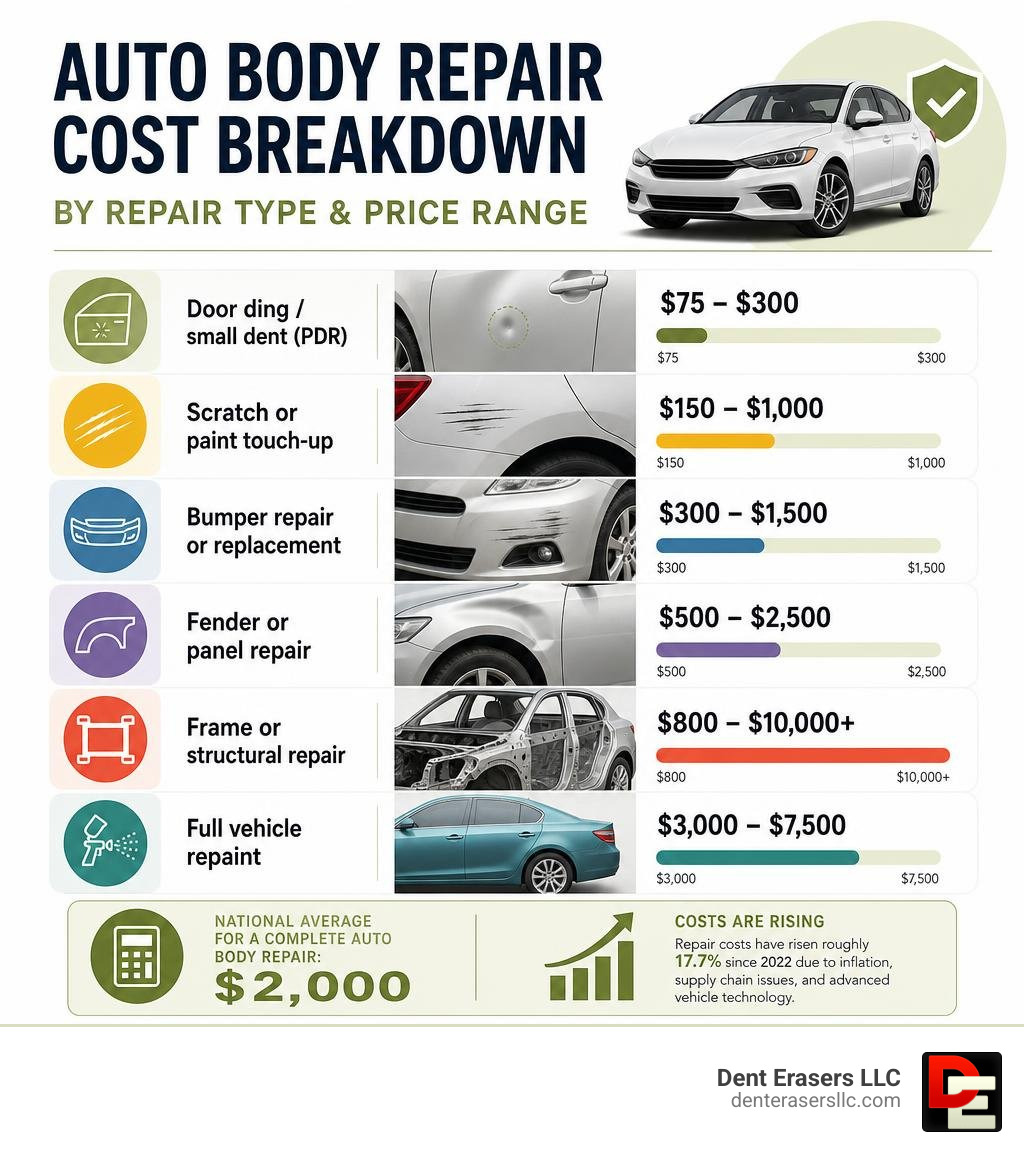
Auto body repair costs can range from as little as $75 for a small door ding to well over $10,000 for serious structural damage. Here’s a quick snapshot so you know what to expect:
| Repair Type | Typical Cost Range |
|---|---|
| Door ding / small dent (PDR) | $75 – $300 |
| Scratch or paint touch-up | $150 – $1,000 |
| Bumper repair or replacement | $300 – $1,500 |
| Fender or panel repair | $500 – $2,500 |
| Frame or structural repair | $800 – $10,000+ |
| Full vehicle repaint | $3,000 – $7,500 |
The national average for a complete auto body repair sits around $2,000, though most drivers in California — especially in the Bay Area — pay noticeably more due to higher labor rates and parts costs.
Prices have also climbed. Repair costs have risen roughly 17.7% since 2022, driven by inflation, supply chain issues, and increasingly complex vehicle technology like sensors and ADAS systems.
If your damage is minor — a parking lot ding, a small crease, a door slam — there’s a good chance you can fix it for far less than a traditional body shop would quote you. The key is knowing which repair method fits your situation.
I’m Brian Blanc, founder of Dent Erasers LLC and a mobile PDR specialist with nearly three decades of hands-on experience restoring vehicles across the East Bay — from everyday commuter cars to high-end luxury vehicles. Understanding auto body repair costs from the inside out is something I deal with every single day, and this guide is built to help you cut through the confusion and make a smart, informed decision.
Understanding Auto Body Repair Costs in 2026
When you walk into a traditional collision center after a fender bender, it is easy to feel a sudden wave of sticker shock. In 2026, the baseline cost of fixing even minor physical damage has shifted upward. According to recent industry data, the national average for auto body repairs is now $2,000, with most drivers paying somewhere between $500 and $5,000 per repair bill.
However, looking at the national average doesn’t tell the whole story. In California, the average cost of auto body repair climbs to $2,700, with extensive structural work frequently pushing bills past $6,750. This upward trend is part of a broader shift in the automotive repair industry. Over the last five years, standard repair costs have increased by 17.7%, rising from an average of $1,699 in 2022 to $2,000 today.
If you are trying to understand why a small scuff or a dented bumper costs so much more to fix than it did a few years ago, you have to look at how modern vehicles are built. Vehicles today are essentially rolling computers wrapped in sheet metal and plastic. For a deeper look at how these industry-wide shifts impact your wallet, check out this breakdown on Collision Repair Costs in 2026: What You’ll Actually Pay.
California vs. National Auto Body Repair Costs
Operating a vehicle in the San Francisco Bay Area comes with plenty of perks, but cheap auto body repair is definitely not one of them. While a driver in the Midwest might benefit from lower overhead and cheaper local labor rates, Northern California drivers face some of the highest collision repair premiums in the country.
In cities like Concord, Walnut Creek, and San Ramon, repair costs average 10% to 15% higher than the national average. A repair that might cost $350 nationally will easily exceed $400 to $500 here in Contra Costa County. Why the massive discrepancy? It mostly comes down to two things: labor rates and operational overhead.
- Labor Rates: While the national average hourly rate for body technicians hovers around $80 to $120, specialized technicians in the Bay Area command anywhere from $110 to $180+ per hour, especially when working on luxury vehicles, electric vehicles (EVs), or aluminum frames.
- Local Expertise: Contra Costa County is home to top-tier training facilities, such as the Automotive Collision Repair Program at Contra Costa College, which ensures local technicians are highly certified. While this guarantees excellent workmanship, highly trained and certified labor naturally drives up the final cost on your estimate.
- Overhead Costs: Rent, utilities, environmental compliance fees, and state-mandated hazardous waste disposal laws are exceptionally strict in California, and shops must factor these expenses directly into their hourly rates.
Key Factors Driving Auto Body Repair Costs
Every auto body estimate is a custom mathematical equation based on several variables. If you are trying to figure out why your quote is higher or lower than expected, it usually boils down to these four factors:
- Damage Severity and Depth: A surface-level scratch that only affects the clear coat is a quick fix. A deep crease that stretches across a body line or structural frame damage that requires a hydraulic frame-straightening machine is a different story. Frame adjustments alone can range from $800 for light corrections to over $10,000 for severe structural rebuilding.
- Vehicle Make and Model: Economy cars are generally cheaper to repair because their parts are mass-produced and easy to source. Luxury vehicles (such as BMW, Mercedes-Benz, or Lexus) and electric vehicles (like Tesla) require specialized tooling, specific safety protocols, and certified technicians. Additionally, vehicles built with aluminum panels (like the Ford F-150 or many luxury sedans) cost 20% to 30% more to repair than traditional steel because aluminum is harder to reshape and requires dedicated welding equipment to prevent cross-contamination.
- Paint Type and Complexity: Standard gloss black or white paint is relatively straightforward to match. However, if your car features a metallic finish, a three-stage pearl coat, or a custom matte color, the cost of materials and labor will skyrocket. These premium finishes require meticulous blending across adjacent doors or fenders to ensure the repair doesn’t stand out in sunlight.
- Bumper Sensors and Technology (ADAS): This is the single biggest driver of rising repair costs in 2026. Modern bumpers are no longer just plastic covers; they house parking sensors, blind-spot monitoring radar, and cameras. Even a minor low-speed tap that doesn’t crack the bumper can misalign these delicate systems. After any bumper or windshield repair, shops must perform an Advanced Driver-Assistance Systems (ADAS) calibration, which typically adds $300 to $600 to the bill just to ensure your safety features function correctly.

Typical Price Ranges for Common Cosmetic Auto Body Repairs
When dealing with cosmetic damage, the repair method you choose has a massive impact on your final bill. Traditional body shops must account for extensive prep work, painting, curing, and reassembly.
To help you visualize your options, here is a quick comparison of typical cosmetic repair costs in the East Bay area:
| Cosmetic Damage Type | Traditional Body Shop Cost | Paintless Dent Repair (PDR) Cost |
|---|---|---|
| Door Ding (under 1 inch) | $200 – $400 | $75 – $150 |
| Medium Dent (3 to 6 inches) | $500 – $1,000 | $200 – $450 |
| Minor Bumper Scrape | $350 – $900 | N/A (Paint damage) |
| Deep Scratch / Key Mark | $300 – $1,000 | N/A (Paint damage) |
| Creased Panel Damage | $1,000 – $2,500 | $350 – $800 (If paint is intact) |
If you are looking for local traditional collision centers to compare options, you might look at directories like Yelp for Antioch or Richmond. You can also search for highly-rated shops in Walnut Creek to get a sense of local traditional pricing.
Paintless Dent Repair (PDR) vs. Traditional Dent Removal
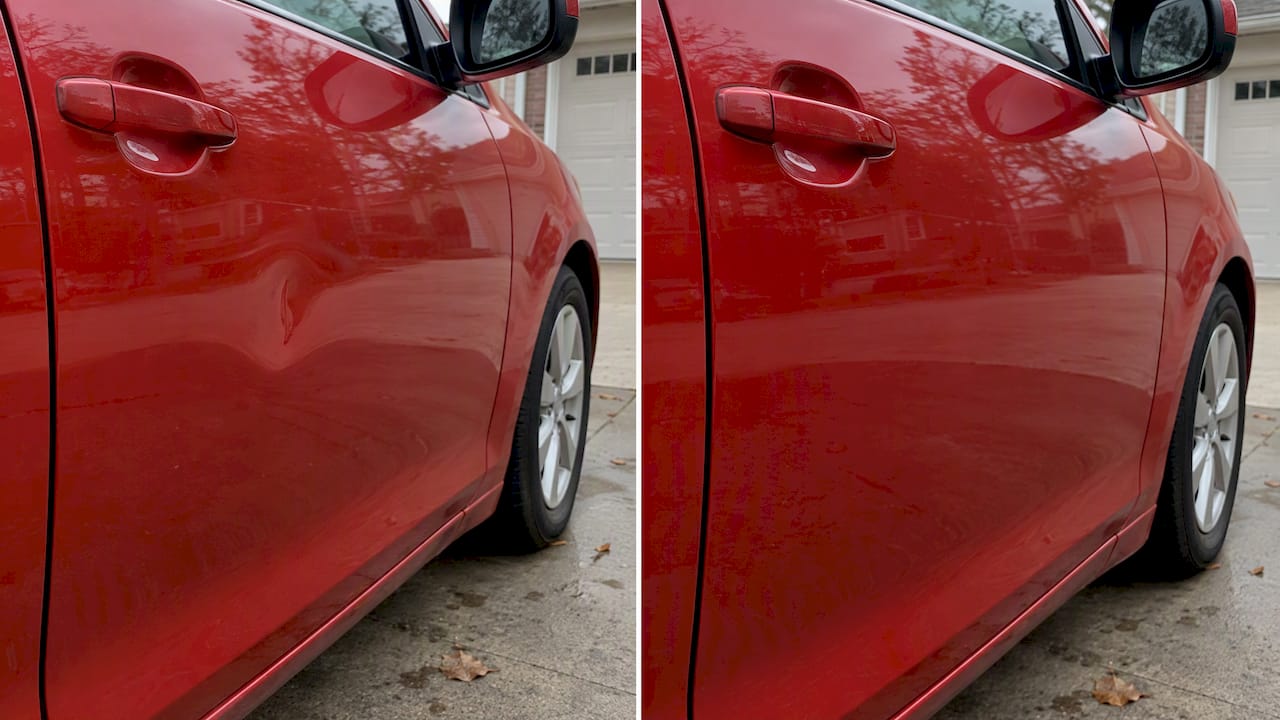
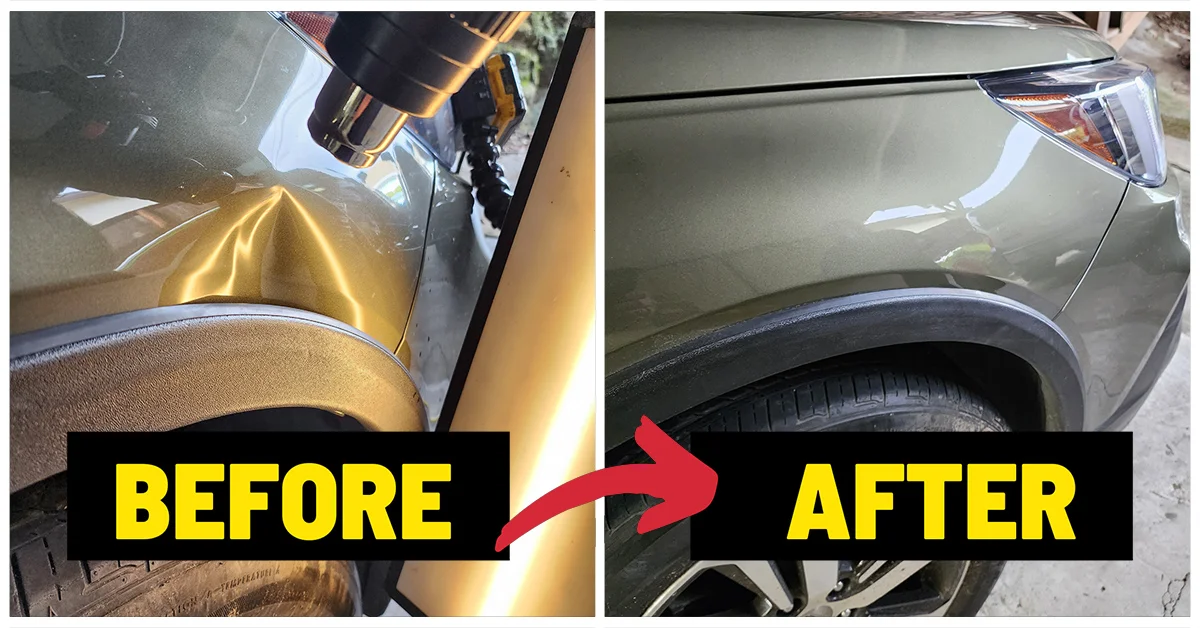
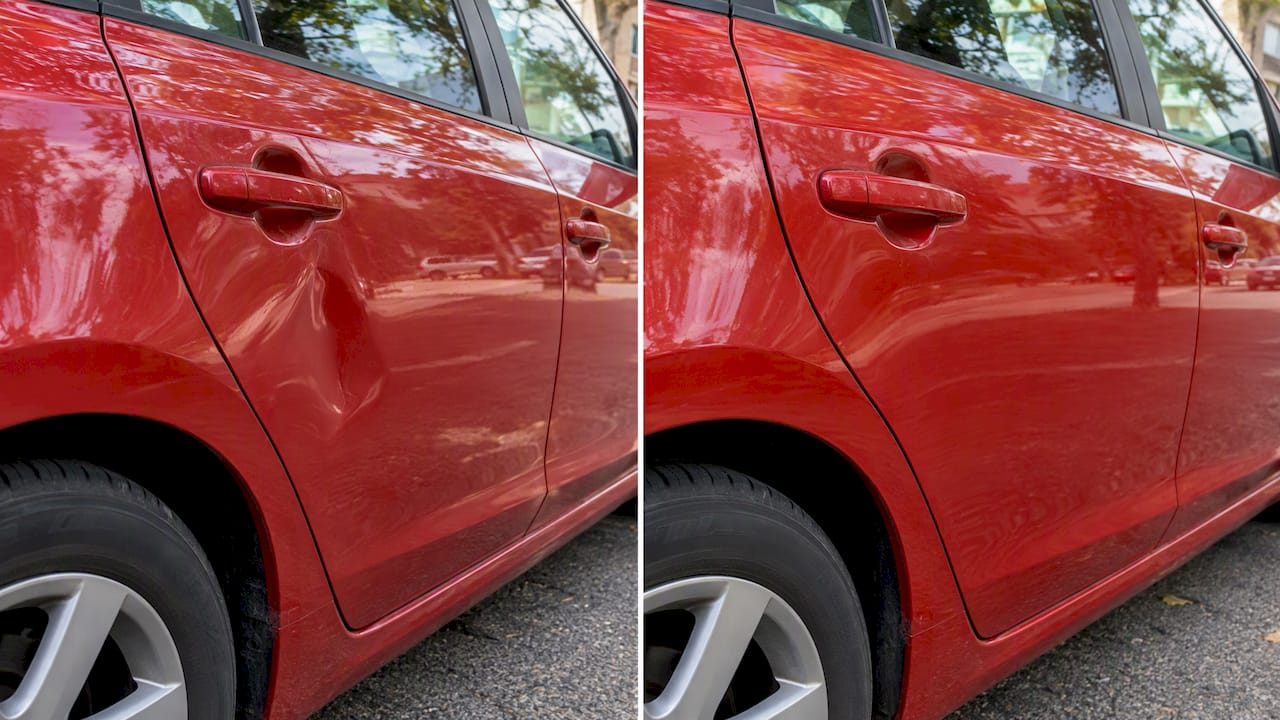
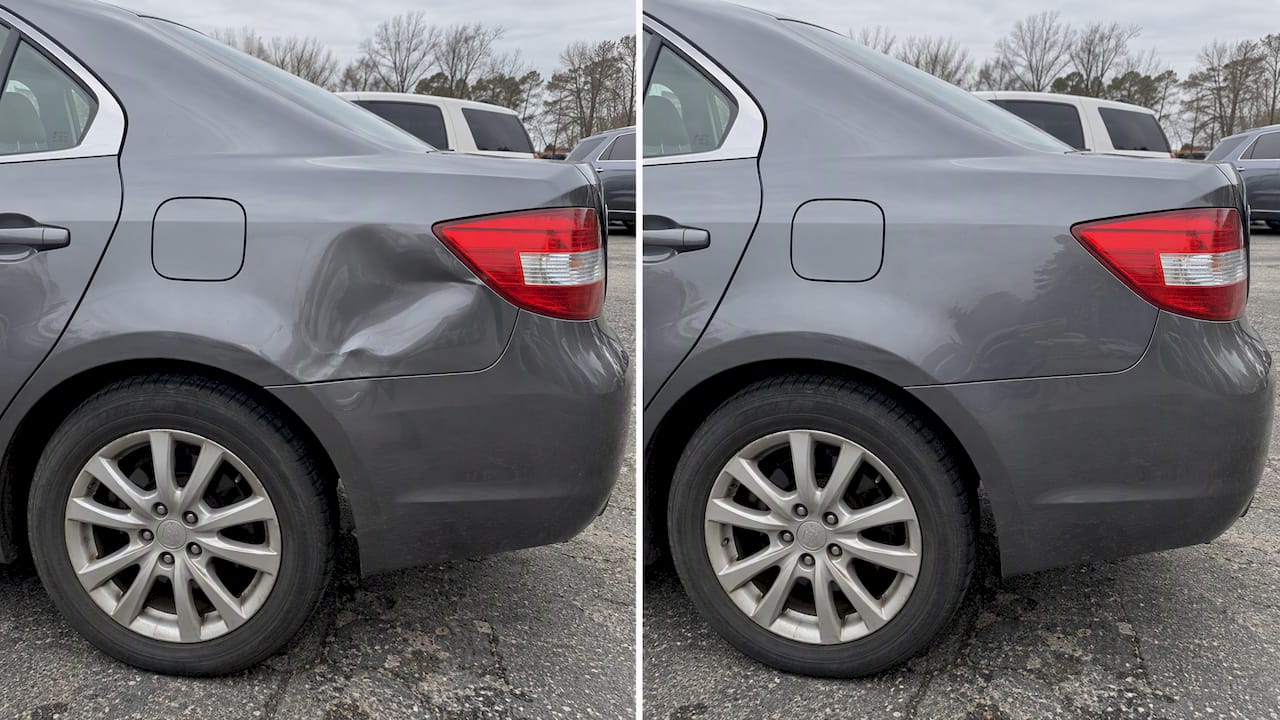
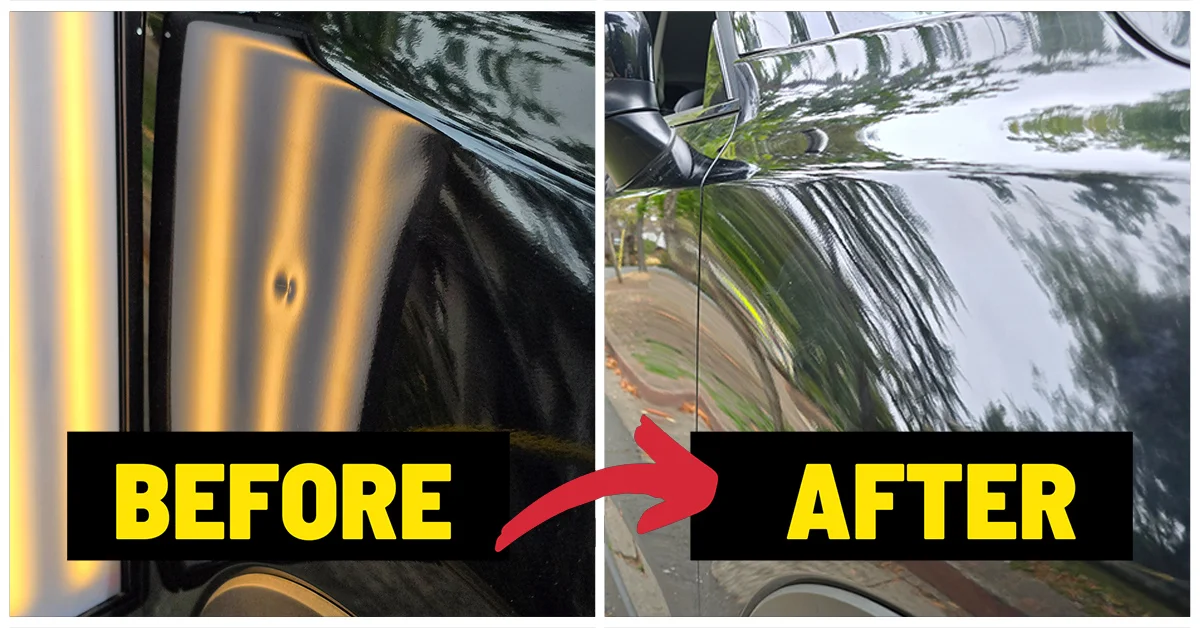
If your vehicle has sustained a dent but the paint remains completely intact, Paintless Dent Repair (PDR) is almost always the superior choice. PDR is a specialized trade where a skilled technician uses custom-engineered metal rods and lighting systems to gently massage the metal back into its original shape from behind the panel.
Because PDR bypasses the need for sanding, body filler (Bondo), primer, and paint matching, it offers several distinct advantages:
- Cost Savings: PDR is typically 50% to 70% cheaper than conventional body shop repairs.
- Time Savings: Most PDR repairs can be completed in a few hours on-site, whereas a traditional body shop will often keep your vehicle for three to five days.
- Value Retention: Reshaping the original metal preserves your vehicle’s factory paint and original clear coat. This is crucial for avoiding car history report flags and maintaining maximum resale value.
However, PDR does have eligibility requirements. The paint must be unbroken, the dent cannot be located too close to the very edge of a panel, and the metal must not be severely stretched or creased. To understand if your specific ding is a candidate for this cost-saving method, take a look at our guides on Stop the Dents from Driving You Crazy with PDR and Small Dents, Big Problems and How to Fix Them.
Bumper and Panel Repair Costs
Bumpers bear the brunt of daily driving hazards. When a plastic bumper cover gets scraped, cracked, or dented, you don’t always have to purchase a brand-new part.
Many minor bumper tears or dents can be repaired using advanced plastic welding techniques, followed by sanding and repainting. This approach typically costs between $300 and $800. However, if the structural tabs of the bumper are broken, or if the internal safety reinforcement bar is compromised, a full replacement is required. A complete bumper replacement with OEM parts, paint matching, and sensor calibration usually ranges from $800 to $2,500+.
The same logic applies to metal body panels like hoods, doors, and fenders. If a panel can be safely repaired, it will save you a substantial amount of money. If a sharp crease or heavy collision forces a full panel replacement, you have to factor in the cost of the raw part, the labor to hang and align it, and the cost to paint-match it to the rest of the car. For a breakdown of how shops calculate these specific panel costs, read our detailed articles on Plastic Bumper Repair: The Easy Way to Save Your Car’s Face and The Price of a Panel and What Fixing Your Hood Really Costs.
OEM vs. Aftermarket Parts and Insurance Decisions
When a body panel, headlight, or bumper must be replaced, you will have to choose between Original Equipment Manufacturer (OEM) parts and aftermarket alternatives.
- OEM Parts: These are manufactured directly by your vehicle’s builder (e.g., Toyota, Ford, BMW). They fit perfectly, meet exact structural safety standards, and carry manufacturer warranties. However, they typically cost 20% to 60% more than aftermarket alternatives.
- Aftermarket Parts: These are produced by third-party companies. While they are significantly cheaper, their fitment, finish, and structural integrity can sometimes vary.
In many cases, insurance companies will write estimates using aftermarket or recycled (LKQ) parts to keep repair costs down. If you want OEM parts, you may have to pay the price difference out of pocket unless you have an OEM parts rider on your insurance policy.

This choice becomes incredibly important when dealing with lease returns. Leasing companies expect the vehicle to be returned in near-factory condition, and using subpar aftermarket parts or leaving visible dents can result in heavy lease-end penalties. If you are preparing to return a leased vehicle, it is highly recommended to address any minor cosmetic issues beforehand. To learn how to navigate this process without getting penalized, check out our guide on Lease Return Dent Repair: What Every Driver Should Know.
The Math: Paying Out-of-Pocket vs. Filing an Insurance Claim
Before you file an insurance claim for cosmetic damage, you should always run the numbers. Filing an at-fault collision claim can cause your insurance premiums to jump by 20% to 40% for up to three years.
Let’s look at a real-world scenario:
You back into a pole in a Walnut Creek parking lot, leaving a dent in your fender. A traditional body shop quotes you $1,100 for a conventional repair and paint blend. Your insurance deductible is $500.
- If you use insurance: You pay your $500 deductible. The insurance company pays the remaining $600. However, your monthly premium increases by $30 per month for the next three years. Over 36 months, that premium hike costs you an extra $1,080. Your total cost for that $1,100 repair is actually $1,580 ($500 deductible + $1,080 premium increase).
- If you pay out of pocket (or use PDR): If the paint isn’t damaged and the dent is eligible for Paintless Dent Repair, we might be able to fix it on-site for $350. You pay $350 out of pocket, your insurance record remains clean, and your premiums don’t budge. You save over $1,200 compared to going the insurance route.
As a general rule of thumb: if the total cost of repair is under $1,500 and doesn’t involve structural or safety-critical components, paying out of pocket is almost always the smarter financial move.
How to Get Accurate Estimates and Save Money
Getting a fair price on auto body repairs requires a bit of strategy. To protect your wallet, we always recommend taking the following steps:
- Get Multiple Written Estimates: Never accept the first quote you receive. Visit two or three certified independent shops to compare line items. Make sure you are comparing apples to apples — check if one shop is quoting a full replacement while another is offering to repair the original panel.
- Request an Itemized Breakdown: A reputable shop will always provide a detailed, line-item estimate that separates parts, labor hours, paint materials, and administrative fees.
- Watch Out for Labor Overlap: If a shop is removing your door panel to repair a dent, they shouldn’t charge you full labor to replace a side mirror on that same door. The door panel is already off, so the labor should overlap.
- Ask About Paint Blending: Traditional shops will often charge to “blend” paint onto adjacent panels (such as blending a repaired front door into the rear door and fender) to ensure the colors match. While this is sometimes necessary for metallic paints, make sure the shop isn’t charging for unnecessary blending on solid, non-metallic colors.
Frequently Asked Questions About Auto Body Repair
Navigating auto body repairs can be confusing. Here are some of the most common questions we hear from drivers in Contra Costa County:
How long do typical auto body repairs take?
The repair timeline depends entirely on the severity of the damage and the repair method used:
- Paintless Dent Repair (PDR): Most minor dents and dings can be completely resolved in 1 to 3 hours. Because we operate a mobile service, we can complete this work right in your driveway or office parking lot.
- Conventional Paint and Bumper Repairs: A standard bumper scrape or panel repaint typically takes 2 to 5 days at a traditional body shop. This allows time for prep work, primer application, multiple paint coats, and clear coat curing.
- Major Collision and Structural Work: If your vehicle requires frame straightening, suspension work, or extensive parts replacement, expect the repair to take 1 to 3 weeks or longer, depending on parts availability and ADAS calibration schedules.
What hidden fees should I watch out for on a repair estimate?
When reviewing a written estimate, keep an eye out for these common miscellaneous charges:
- Hazardous Waste Disposal Fees: California has strict environmental laws, and shops will often charge a flat or percentage-based fee to cover the disposal of paint, solvents, and damaged plastic.
- Pre- and Post-Repair Diagnostic Scans: For modern vehicles, shops must plug in a diagnostic scanner before and after the repair to ensure no hidden safety codes are tripped. This is a legitimate fee, but ensure you aren’t being double-charged for it.
- Shop Supplies: This is a catch-all fee for items like sandpaper, masking tape, and clips. Ensure this fee is reasonable and doesn’t exceed a small percentage of the total labor cost.
Can I negotiate auto body repair estimates?
Yes, absolutely. While large, insurance-aligned collision chains usually have fixed pricing structures, independent local body shops often have some flexibility. If you have a lower written estimate from a competing certified shop, many independent business owners will work with you to match or beat that price, especially during slower seasons. Additionally, let the shop know if you are paying out of pocket rather than going through insurance — they may be able to offer alternative repair options or source recycled parts to help lower the final bill.
Conclusion
Navigating auto body repair costs doesn’t have to be a stressful experience. By understanding the factors that drive these prices up — from labor rates in the Bay Area to complex bumper sensors — you can make smart decisions that protect both your vehicle’s value and your bank account.
If your vehicle has sustained minor dings, creases, or hail damage and the paint is still intact, you don’t need to lose your car to a traditional body shop for a week or pay a massive deductible.
At Dent Erasers LLC, we specialize in high-quality, mobile paintless dent repair. We bring our specialized tools directly to your home or office in Concord, Walnut Creek, Antioch, Richmond, Brentwood, and throughout Contra Costa County. We can restore your car, motorcycle, or luxury vehicle to its original factory finish in just a few hours — preserving your original paint and saving you hundreds of dollars.
Ready to get a fast, honest estimate? Check out our professional auto body repair services or contact us today to send over a few photos of your damage for a quick, hassle-free quote.