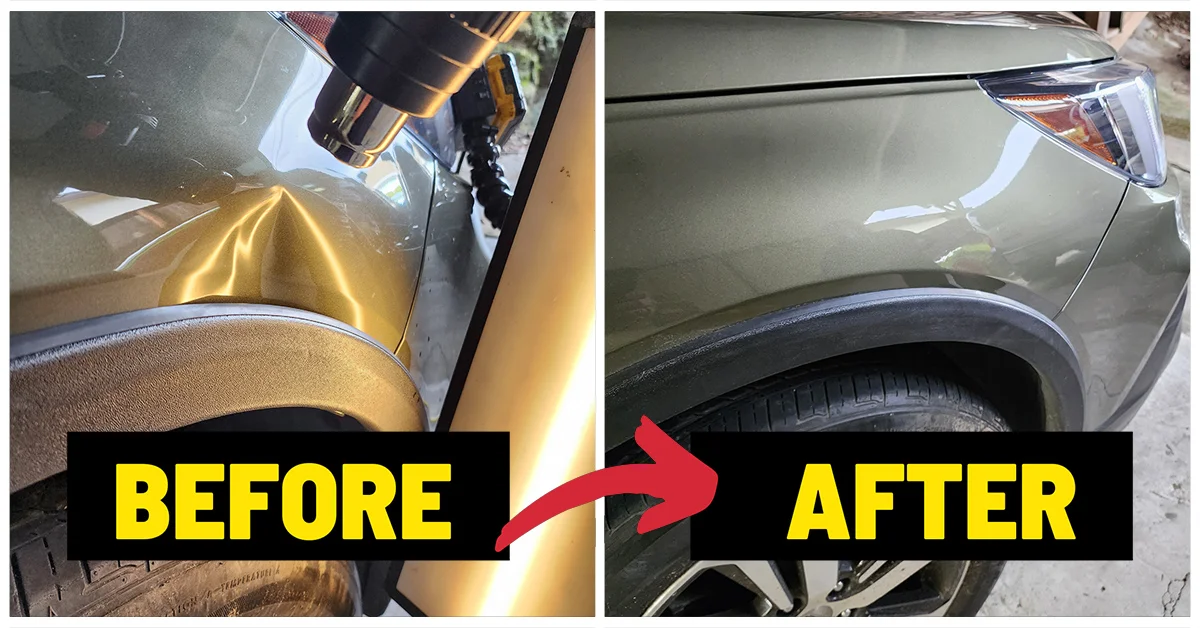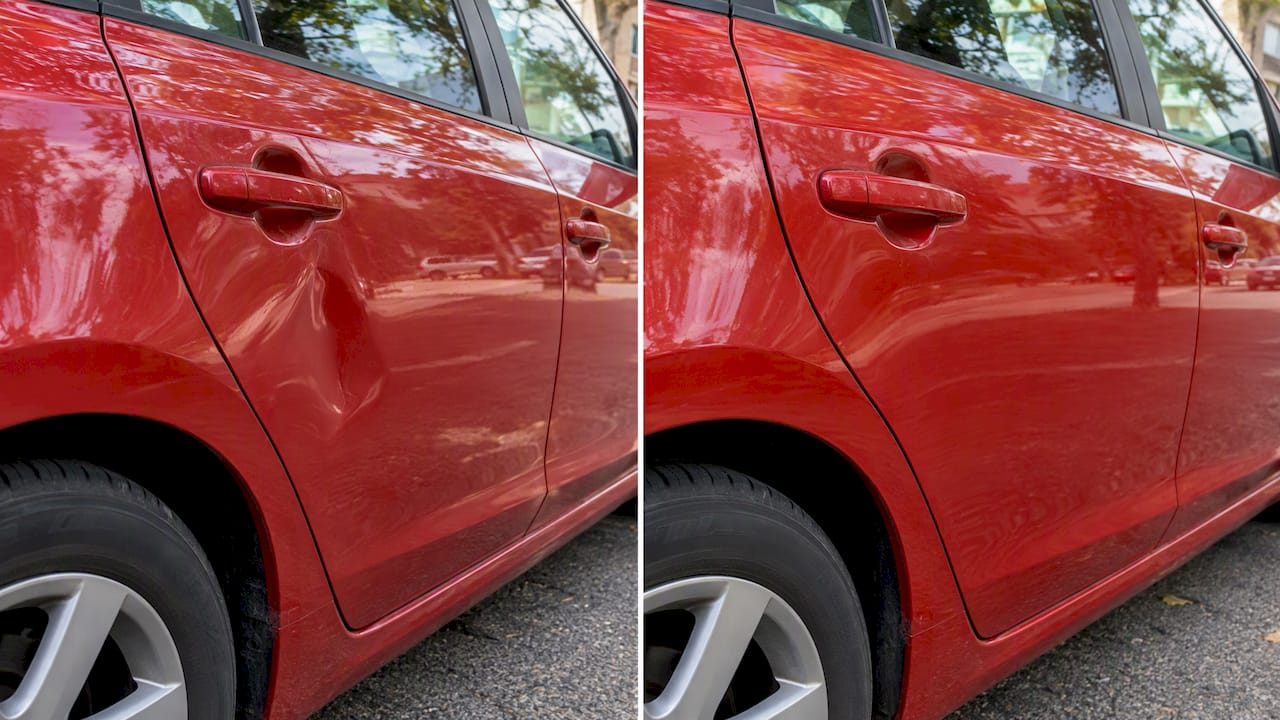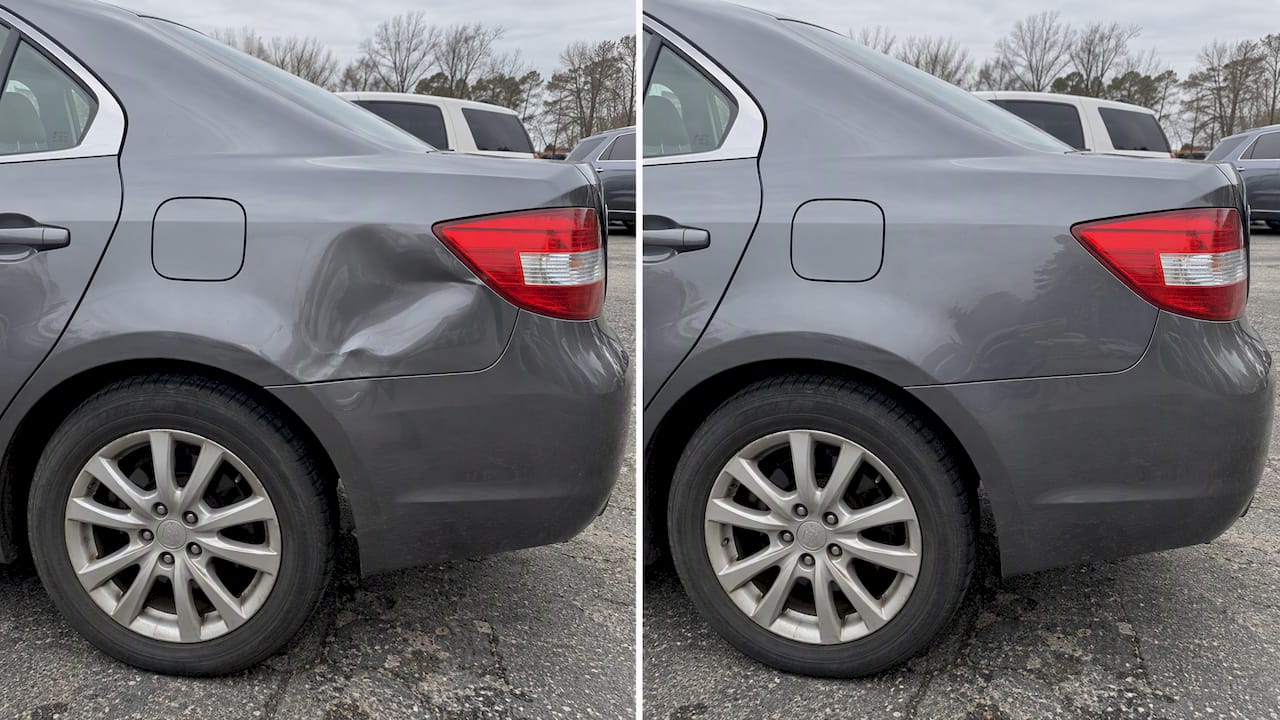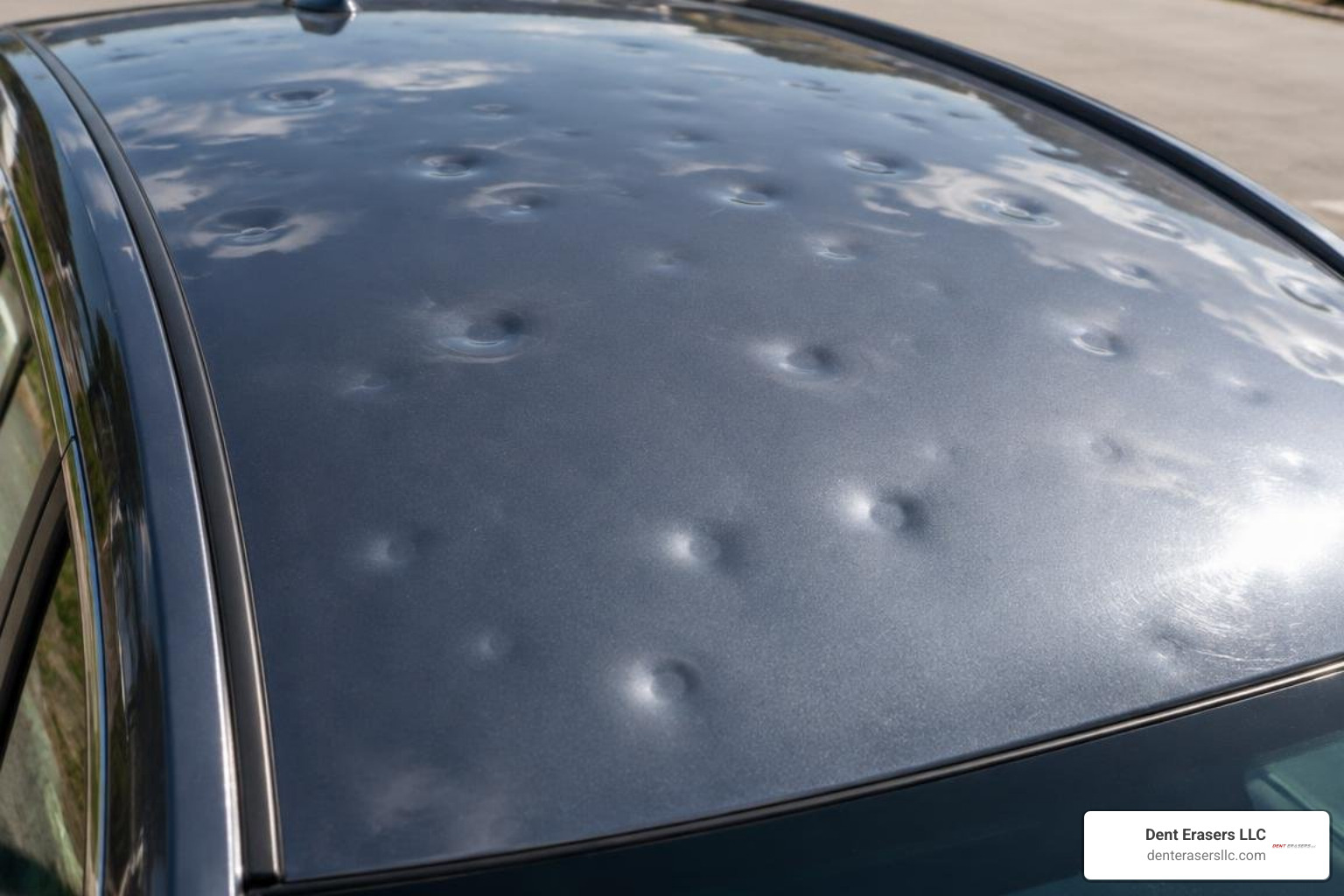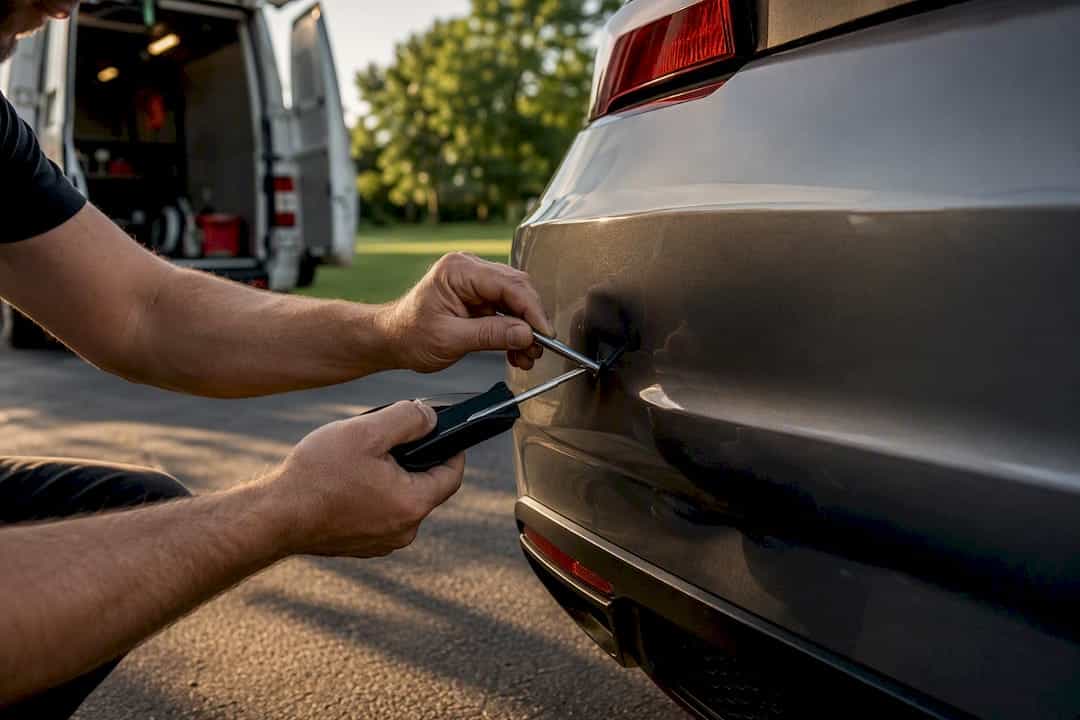
The right exotic car repair shop shows proof, not promises, across eight areas: hands-on experience with your specific marque, factory or ASE-level training, an OEM parts policy, advanced diagnostic and calibration equipment, specialized bodywork skills, secure storage practices, transparent written estimates with real warranties, and documented insurance handling. These qualities matter because exotic vehicles use materials, electronics, and tolerances that punish shortcuts most general shops never have to think about.
Before you hand over your keys, confirm the shop can check these boxes:
- Documented experience with your make and model
- Factory training or relevant ASE certification
- Clear OEM vs. aftermarket parts policy
- OEM-level diagnostic and calibration tools
- Composite, paintless dent repair (PDR), or carbon-fiber skills as needed
- Secure, climate-appropriate storage
- Itemized written estimates and a real warranty
- Insurance and liability handling for high-value vehicles
Key Takeaways
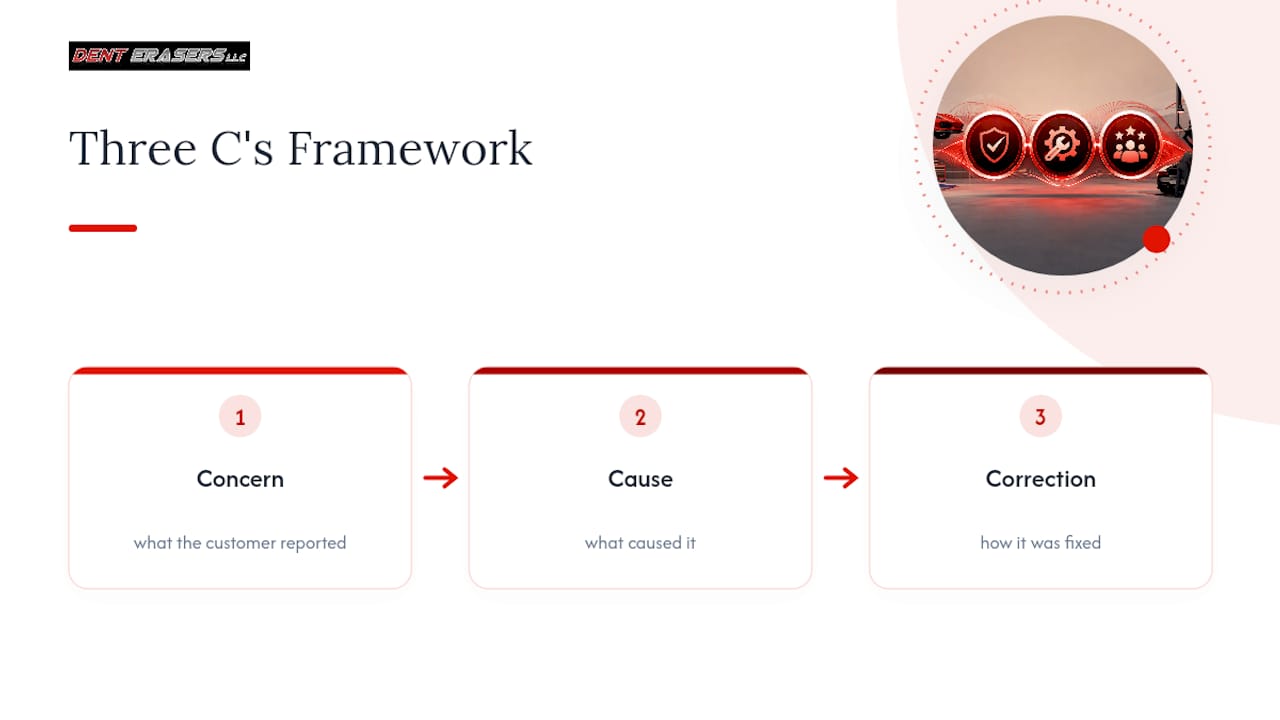
A reputable exotic car repair shop proves its qualifications with VIN-specific work history, factory or ASE training records, an OEM parts policy, and a written estimate that documents Concern, Cause, and Correction on every repair order.
| Point | Details |
|---|---|
| Verify hands-on experience | Ask for VIN-specific before/after photos and technician time-in-model, not just years in business. |
| Confirm training and certifications | Request to see factory training certificates and ASE credentials with actual dates. |
| Check the parts policy | Ask whether parts are OEM, OEM-equivalent, or aftermarket, and get warranty terms in writing. |
| Match repair method to damage type | Mobile paintless dent repair fits small dents with intact paint; composite or structural damage needs a fixed-facility specialist. |
| Choose Denterasersllc for cosmetic repairs | Denterasersllc offers mobile paintless dent repair and bumper repair with documented VIN-matched proof, reducing transport risk on low-clearance exotics. |
Where to Read More
- Exotic car definition and characteristics — background on what makes a vehicle “exotic” and why repairs differ.
- The 30-60-90 maintenance rule, examined — useful context on mileage-based scheduling limits.
- Manufacturer maintenance schedule guidance — why OEM schedules outrank generic mileage rules.
- Auto repair estimates explained — internal guide to reading line-item estimates.
- Why specialized repair shops matter — internal deep dive on specialist versus generalist shops.
Table of Contents
- 1. Proven Technical Experience With Exotic and Luxury Marques
- 2. Technician Training and Certifications to Look For
- 3. Tools, Diagnostics, and Facility Standards
- 4. Parts, Materials, and Sourcing: OEM vs. Premium Aftermarket
- 5. Range of Services an Exotic Shop Should Provide
- 6. Reputation Signals, Evidence, and Red Flags
- 7. Turnaround Time and Cost Expectations
- 8. How to Evaluate a Shop: Questions to Ask and Red Flags
- 9. When Mobile Paintless Dent Repair Makes Sense for Exotics
- What Owners Consistently Get Wrong
- Why Denterasersllc Fits the Exotic Owner’s Checklist
- Sources
- FAQ
1. Proven Technical Experience With Exotic and Luxury Marques
Anyone can claim “we work on exotics.” Proof looks different. Ask for VIN-specific examples: photos of a similar model, the technician who handled it, and how long they’ve worked on that marque specifically. Years in business tells you little. Time-in-model tells you everything.
Exotic and luxury vehicles carry rare materials, low ground clearance, and unusual engineering that demand different repair techniques than a mainstream sedan. A shop that’s genuinely built for this work often runs sub-teams: one focused on electronics and calibration, another on composite bodywork, another on mechanical systems. A generalist shop that “also does exotics” usually can’t say the same.
- Ask how many vehicles of your specific model the shop has serviced in the last year
- Request before/after photos tied to a real VIN, not stock images
- Confirm whether specialized technicians handle electronics separately from bodywork
Pro Tip: Call and ask one pointed question: “What’s the last [your model] you worked on, and what did the job involve?” A specialist answers in seconds with specifics. A generalist stalls.
2. Technician Training and Certifications to Look For
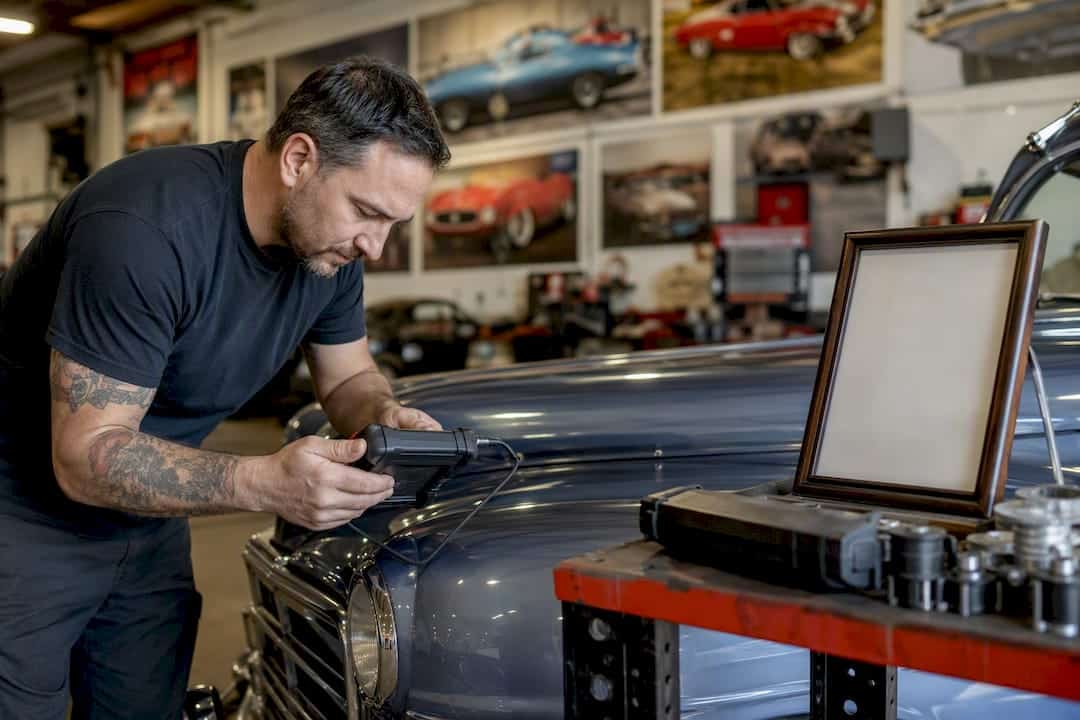
Certifications separate shops that guess from shops that know. Factory or dealer training programs teach technicians the specific torque values, wiring diagrams, and failure points for a given marque, and a shop that invests in this training usually displays certificates or technician bios openly.
ASE certification matters most for diagnostics and electrical systems, where a wrong call can cascade into a much bigger repair. Beyond that, look for OEM-level calibration training and, increasingly, high-voltage or EV certifications as more exotic manufacturers build hybrid and electric platforms.
- Factory or manufacturer-specific brand training
- ASE certification, especially for engine performance and electrical
- OEM software or calibration credentials
- High-voltage certification for hybrid or electric exotics
Pro Tip: Don’t just ask if technicians are certified. Ask to see the actual certificate and its date. Training from a decade ago on an older platform doesn’t cover this year’s electronics.
3. Tools, Diagnostics, and Facility Standards
A basic OBD-II scanner reads generic codes. It won’t touch the OEM-specific diagnostic software that exotic manufacturers require for calibration, adaptive suspension resets, or ADAS recalibration after a repair. If a shop only owns generic scan tools, that’s disqualifying for anything beyond surface work.
Facilities matter just as much as tools. Low-clearance exotics need lifts designed for their geometry, not standard-height ramps that risk splitter or rocker damage. Composite and carbon-fiber repairs require a clean, controlled space, since dust contamination ruins a resin cure.
- OEM-level diagnostic software and calibration rigs
- Lifts and alignment equipment rated for low-profile chassis
- Dedicated clean-room or booth space for composite work
- Organized bays and visible key/security protocols during your walk-through
Pro Tip: Walk the shop floor before you commit. A cluttered bay with keys hanging in plain sight tells you more about daily operations than any sales pitch.
4. Parts, Materials, and Sourcing: OEM vs. Premium Aftermarket
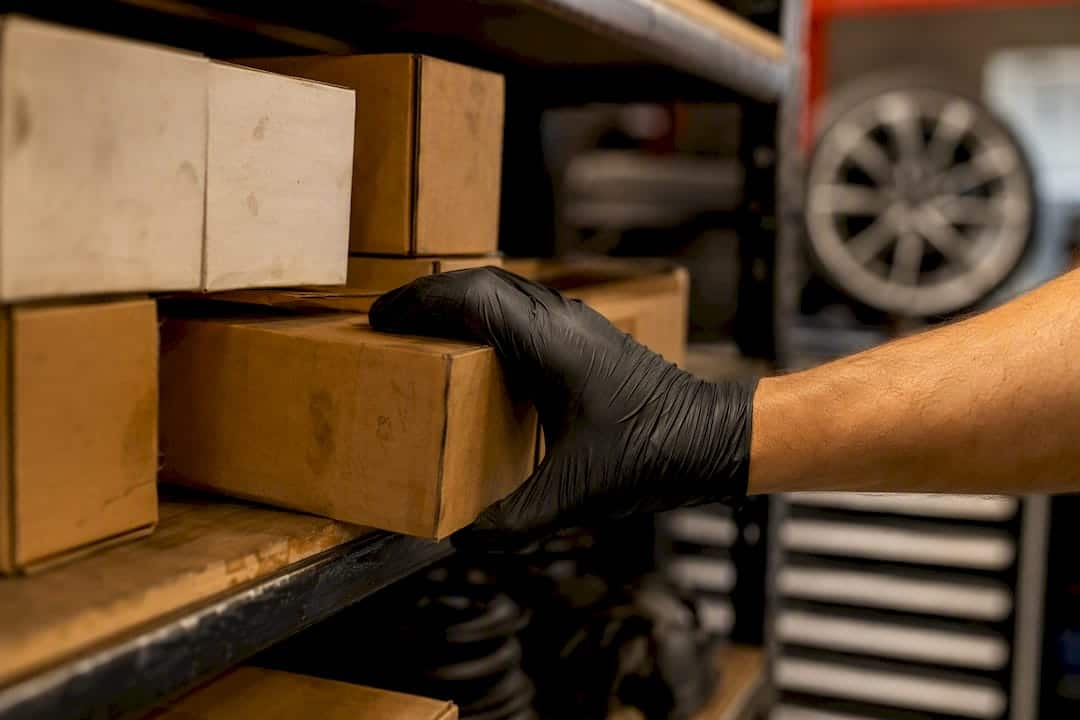
OEM parts exist for a reason on exotic and high-performance vehicles: tolerances, materials, and fitment are often too tight for generic aftermarket substitutes. Chase’s guidance on exotic vehicle ownership notes that specialty pricing on these repairs reflects specialized know-how and material handling, not just the parts invoice, and carbon fiber in particular requires repair methods that differ entirely from steel or aluminum.
Premium aftermarket can be reasonable for cosmetic trim or non-structural components, but ask direct questions before agreeing to it.
- Where does this part come from, and how long is the lead time?
- Is this OEM, OEM-equivalent, or aftermarket, and why?
- How do you document parts provenance on the repair order?
- What warranty comes with this specific part versus the labor?
- Confirm paint-matching process for factory-specific colors
- Ask whether specialty materials require vendor-certified repair steps
- Get the parts warranty in writing, separate from the labor warranty
5. Range of Services an Exotic Shop Should Provide
A full-service exotic shop covers far more than bodywork. Expect mechanical and powertrain diagnostics, electronics and software updates, suspension and alignment work suited to performance geometry, and high-performance braking service. On the cosmetic side, look for paintless dent repair, composite panel repair, bumper and trim restoration, and paint matching that accounts for factory-specific formulas.
Calibration and re-flash services matter more than most owners realize. ADAS sensors, transmission control units, and ECU software often need recalibration after even minor body or mechanical work, and skipping that step leaves safety systems misaligned.
- Mechanical, electrical, and software diagnostics
- Paintless dent repair and composite bodywork
- Suspension, alignment, and brake service
- ADAS, ECU, and transmission recalibration after repairs
- Pre-purchase inspections tailored to exotic and luxury models
6. Reputation Signals, Evidence, and Red Flags
Real reputation shows up in specifics. VIN-tied before/after galleries, testimonials that name the model and describe the actual work, and clear records of how warranty claims were handled all carry weight. Vague five-star reviews with no detail don’t.
Owner clubs and specialist communities are a genuinely useful signal too. Shops that participate in these circles, or get referred within them, tend to face more informed scrutiny from owners who know exactly what good work looks like.
- Look for reviews that mention specific models and repair types
- Check whether photo quality and detail stay consistent across a shop’s gallery
- Treat vague or generic testimonials as a caution sign
- Ask if the shop has technicians active in any marque-specific owner communities
7. Turnaround Time and Cost Expectations
Cost on exotic repairs tracks three things: parts rarity, the specialized tooling a job requires, and calibration labor after the repair is done. A modern critique of mileage-based maintenance rules points out that synthetic oils and improved metallurgy have extended service intervals on many platforms, so a shop quoting rigid mileage numbers instead of your manufacturer’s actual schedule is a soft warning sign.
Turnaround varies widely: diagnostics might take a day, paintless dent repair often finishes same-day, but composite bodywork or a full software reflash can take a week or more depending on parts lead time.
- Ask for a line-item estimate, not a lump-sum number
- Request a not-to-exceed authorization before work begins
- Confirm parts lead time upfront, especially for rare components
- Get calibration and labor costs itemized separately from parts
8. How to Evaluate a Shop: Questions to Ask and Red Flags
Run this checklist on a call or during a shop visit before committing:
- Training: “What factory or ASE training does the technician working on my car actually hold?”
- Experience: “Can you show me a VIN-specific example of this exact model?”
- Parts: “Are you quoting OEM, OEM-equivalent, or aftermarket, and why?”
- Software: “Do you have OEM diagnostic and calibration access for this platform?”
- Warranty: “What’s covered, for how long, and is it in writing?”
- Storage and security: “Where does my car sit overnight, and who has access?”
- Insurance: “How do you handle liability if something goes wrong during the repair?”
A satisfactory answer is specific and immediate. A red-flag answer is vague, defensive, or shifts to “don’t worry about it.” The Three Cs framework, which documents Concern, Cause, and Correction on every repair order, is worth asking about directly. If a shop can’t explain the concern that brought your car in, the diagnosed cause, and the exact correction performed, you have no real record if something goes wrong later.
- Watch for pressure to sign before you see an itemized estimate
- Be wary of shops that won’t let you see the work bay
- Ask for the repair order in writing, not a verbal summary
9. When Mobile Paintless Dent Repair Makes Sense for Exotics
Mobile paintless dent repair fits a specific window: small-to-medium dents where the paint surface stays intact and no structural work is needed. It doesn’t fit deep panel damage, composite repairs, or anything involving compromised paint, where a fixed-facility specialist becomes necessary instead.
Done right, a mobile technician protects a low-clearance exotic during the visit, documents the VIN match, and photographs the damage before and after. You should require written confirmation that no paint or structural work occurred if PDR is the method used, since that documentation protects your car’s resale value and repair history.
- Small dents with intact paint: good fit for mobile PDR
- Structural or composite panel damage: needs a fixed-facility specialist
- Always require VIN-matched photo documentation before and after
Pro Tip: Ask the technician to text you the before photo with a visible VIN or plate before they start. It’s a five-second step that eliminates any dispute later.
What Owners Consistently Get Wrong
Most owners over-index on price and under-index on documentation. A cheap quote with no written repair order, no parts provenance, and no calibration line item usually costs more once you factor in a comeback repair or a diminished resale value from undisclosed work.
The conventional advice tells owners to “just check reviews and get a few quotes.” That’s not wrong, exactly, but it’s incomplete. Reviews tell you how a shop treats customers. They don’t tell you whether the technician who touched your car actually holds current training on your specific platform, or whether the shop’s diagnostic software can even talk to your vehicle’s onboard systems. Those two gaps are where expensive mistakes happen, and they rarely show up in a five-star review.
The other overlooked point: mobile and onsite specialty services aren’t a compromise for exotic owners, they’re often the smarter choice for cosmetic work specifically because they eliminate transport risk on a low-clearance vehicle. The mistake is assuming mobile service means less rigor. The documentation standard should be identical whether the work happens in a shop bay or your driveway.
Why Denterasersllc Fits the Exotic Owner’s Checklist
Denterasersllc handles the cosmetic side of that checklist directly: mobile paintless dent repair, plastic bumper repair, and specialty body and trim work performed onsite, so your exotic never has to ride on a flatbed just to get a dent fixed. That matters because every mile of transport is a mile of risk on a low-clearance chassis.
Every job comes with the documentation standard this article covers: VIN-matched photos before and after, and written confirmation of what was and wasn’t touched when paintless dent repair is the method used. That’s the same proof you should demand from any shop, mobile or fixed. For bodywork beyond dents, Denterasersllc’s plastic bumper repair service covers trim and bumper restoration without sending your car to a traditional shop, and the brand coverage page lists the makes and models handled regularly. If your exotic has a dent, bumper scuff, or trim issue and the paint surface is intact, request a VIN-specific consultation and get an onsite estimate before you book anything else.
Sources
- Does The 30-60-90 Rule For Car Maintenance Actually Make Sense?
- Exotic car — Wikipedia
- Recommended Car Maintenance Service | Firestone Complete Auto Care
- Repair Order Accuracy, Authorization & the Three Cs | OpenExamPrep
FAQ
What makes a good exotic car mechanic?
A good exotic car mechanic combines documented time-in-model experience, factory or ASE training, and access to OEM-level diagnostic software, backed by a written estimate that shows the diagnosed cause and correction for every repair.
What are the three C’s of auto repair?
The three C’s are Concern, Cause, and Correction, an industry-standard framework used on repair orders to document what the customer reported, what caused it, and how it was fixed.
What makes a car exotic?
There’s no single official definition, but exotic cars typically share rarity, high performance, limited production, and distinctive styling, which is also why they often carry higher maintenance costs.
Is the 30-60-90 rule useful for maintaining an exotic car?
The 30-60-90 rule works as a rough guideline, but it’s not a strict schedule for modern exotics; manufacturer-specific schedules and actual driving conditions determine real service intervals more accurately.
Is mobile paintless dent repair safe for a luxury or exotic vehicle?
Mobile paintless dent repair is appropriate for small-to-medium dents with intact paint, and a technician should document the VIN match with before-and-after photos and confirm in writing that no paint or structural work occurred.