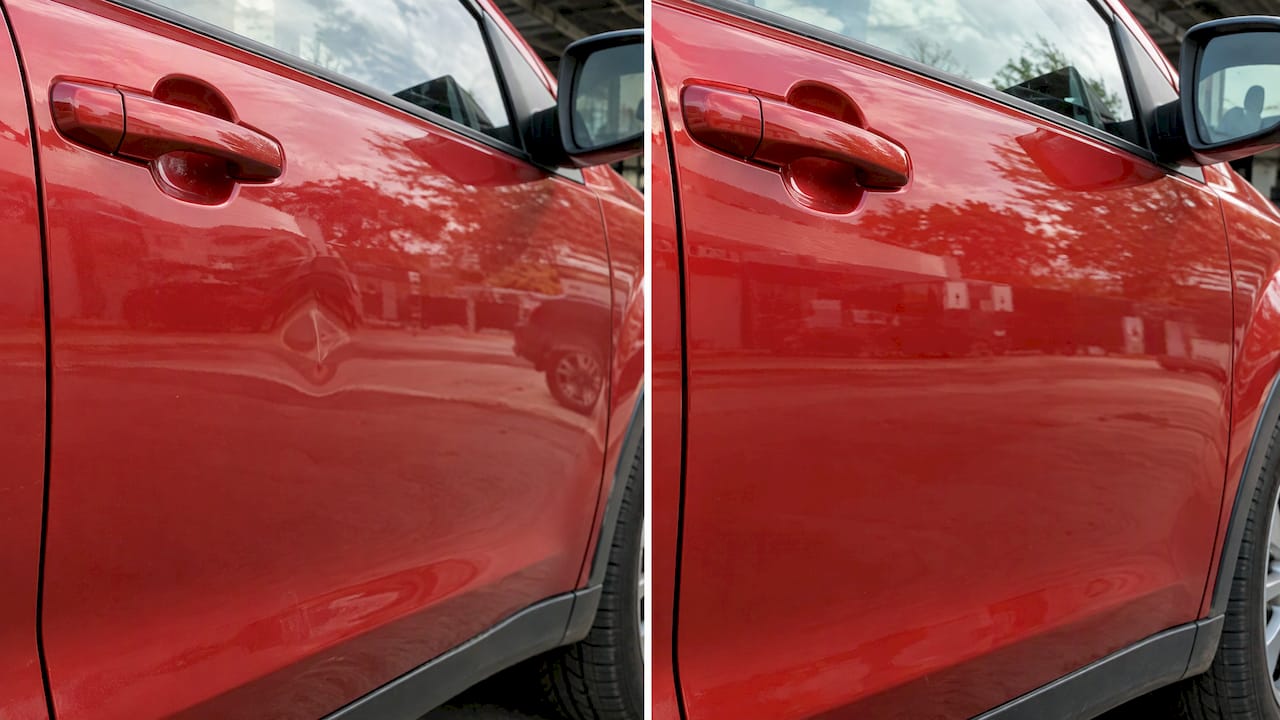
They solve different problems. Gap coverage protects you if your leased car is totaled or stolen and you owe more than it is worth. Lease wear protection pays, up to a limit, for dents, scratches and other damage charges when you hand the car back. Neither one replaces the other, so check your lease for both.
TL;DR
- Gap covers the financial hole after a total loss or theft. It does not pay for wear and tear.
- Lease wear protection covers lease-end charges for excess wear, usually with per-item and total caps. It does not pay if the car is totaled.
- Many leases already include gap. Wear plans are usually sold only at signing, so decide before you drive off.
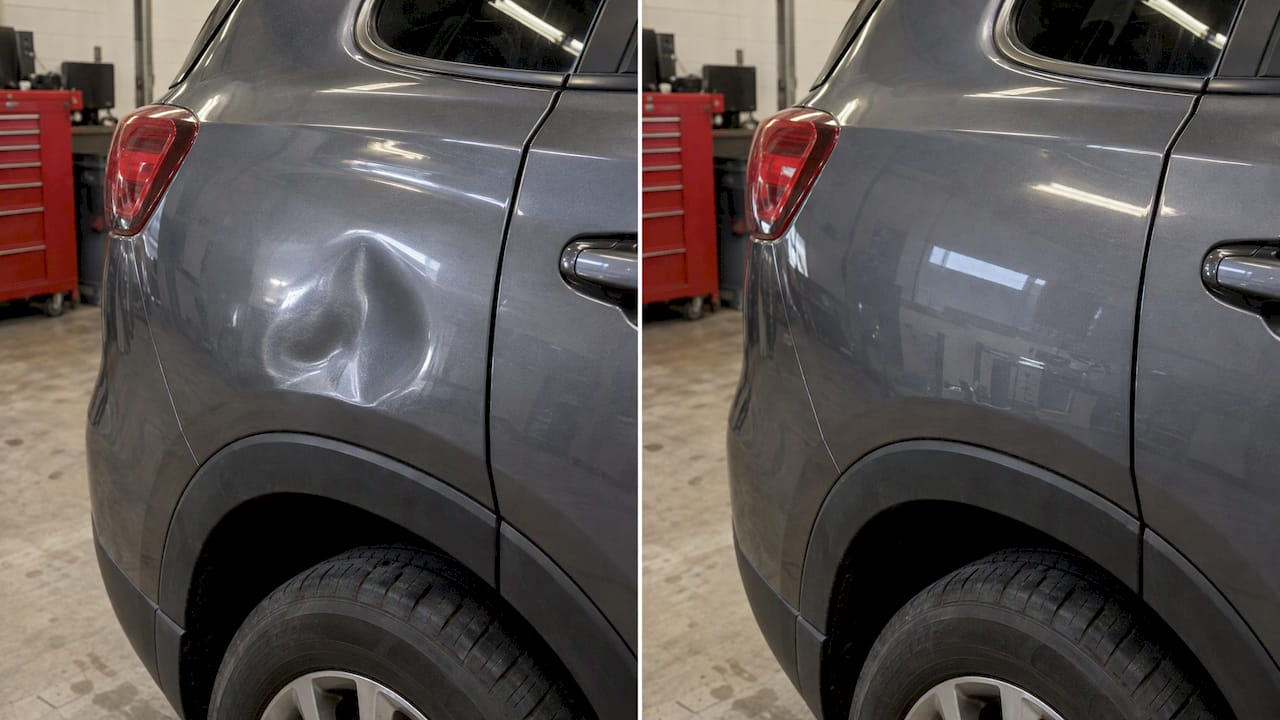
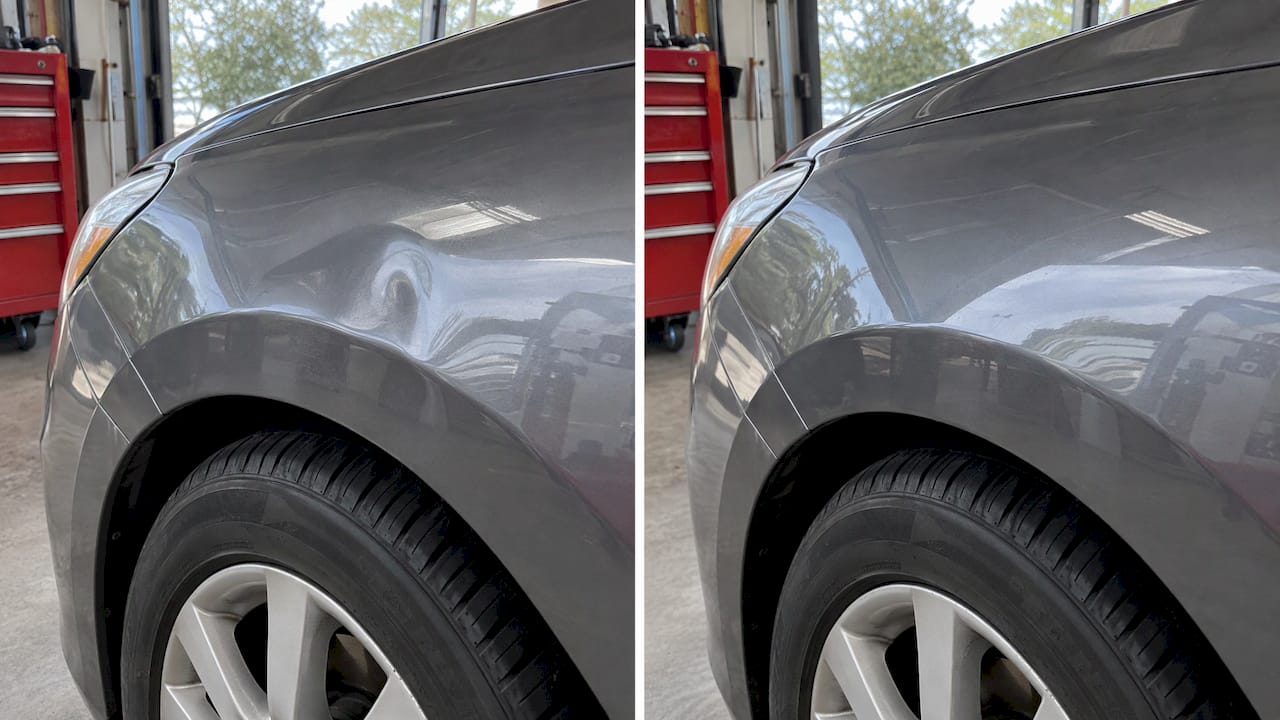
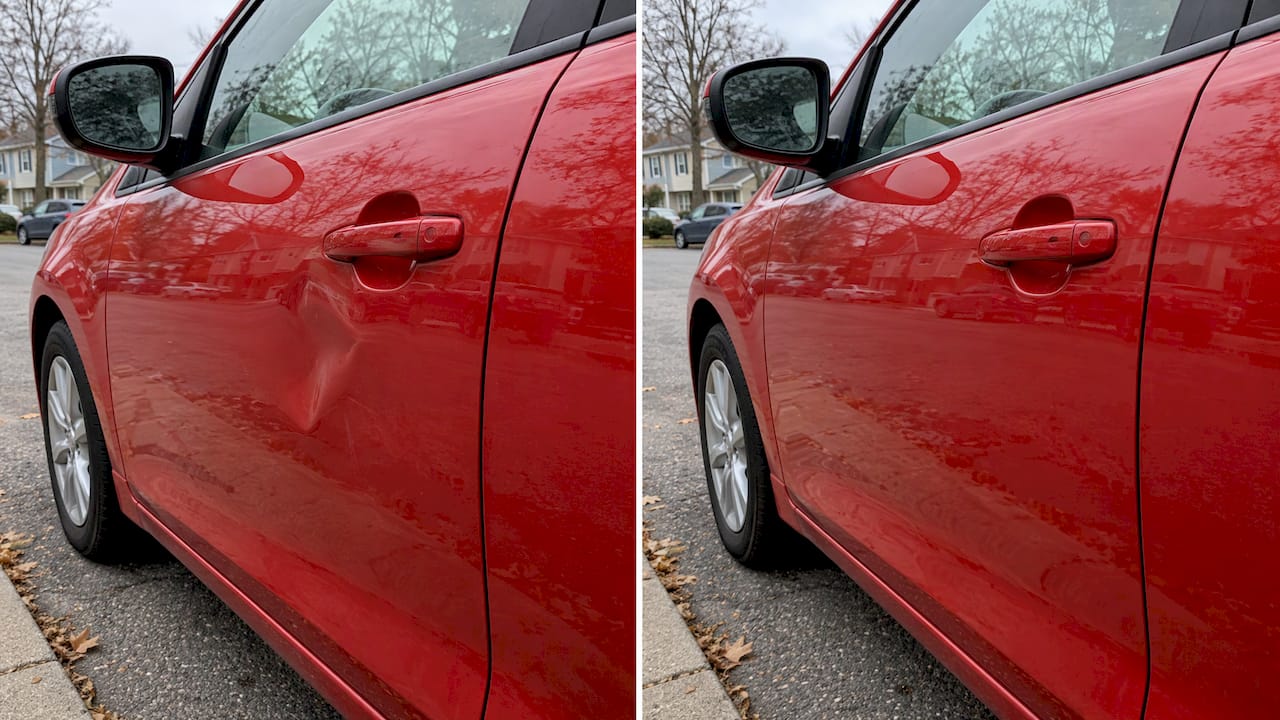
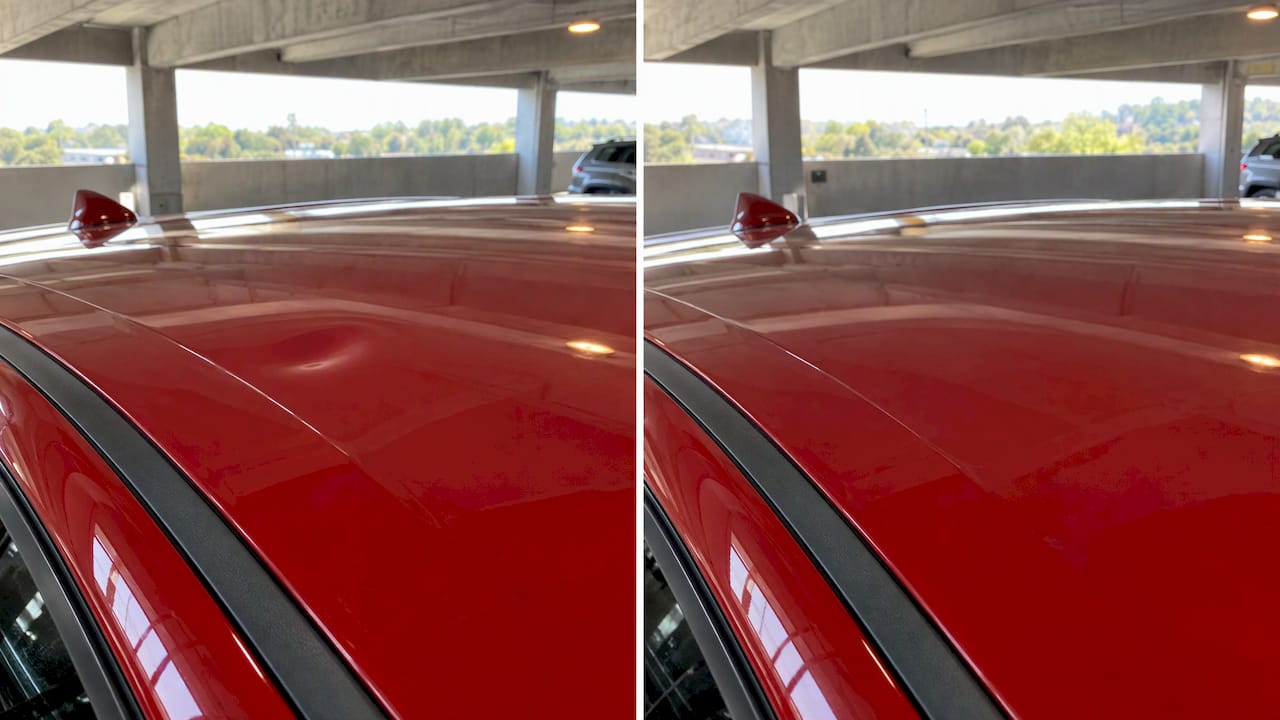
- Dents are among the most common lease-end charges. Fixing them before inspection is often cheaper than paying the lessor’s price.
Table of Contents
- The core difference in plain words
- Side-by-side comparison
- What lease wear protection usually covers
- What gap coverage covers
- Do you need either one?
- What each one costs
- Protect the car before the inspection
- Our perspective on lease protection
- Get lease dents handled before turn-in
- FAQ
- Sources
The core difference in plain words
Gap (Guaranteed Asset Protection) deals with a one-time disaster. If the car is stolen or declared a total loss, your auto insurer pays the car’s insured value. Your lease payoff can be higher than that value. The Federal Reserve Board’s leasing guide describes gap as an agreement to cover that difference, typically the amount by which the early termination payoff exceeds the insured value.
Lease wear protection deals with an ordinary end of lease. You return the car, the lessor inspects it, and anything beyond “normal” wear becomes a bill. LeaseEnd.com is clear that gap does not cover excess wear and tear charges. They are two separate things.
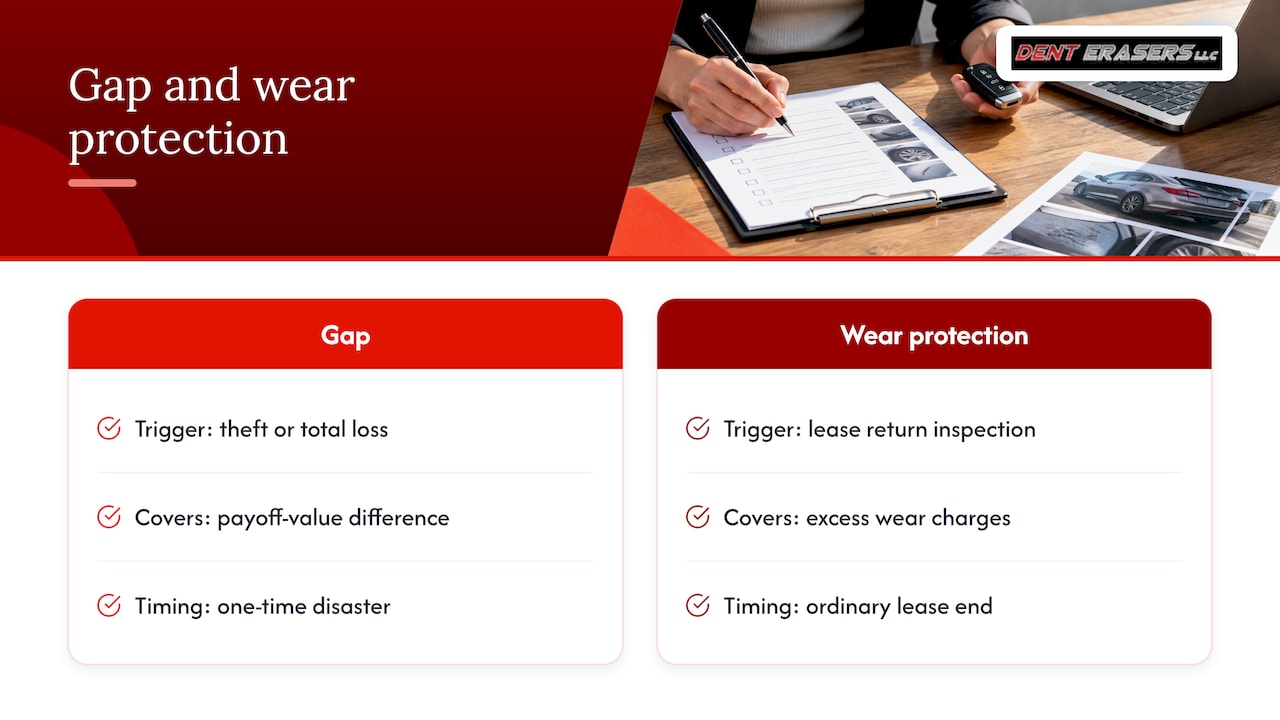
One more detail: some automaker finance arms say gap is technically a waiver rather than insurance, and that gap and wear plans can only be sold when the vehicle is sold. Timing matters.
Side-by-side comparison
| Gap coverage | Lease wear protection | |
|---|---|---|
| What triggers it | Car stolen or totaled | Lease-end inspection finds excess wear |
| What it pays | Difference between insured value and what you owe | Covered wear charges, up to plan limits |
| Typical exclusions | Past-due amounts, often the deductible | Mileage, racing, alterations, over-limit items |
| Often included in the lease? | Often, sometimes optional | Usually optional |
| When to buy | At signing (or via your insurer) | At signing |
What lease wear protection usually covers
Plans differ by manufacturer, so read your own contract. The published terms show the pattern.
- Total cap. One automaker’s lease wear product covers up to $5,000 in excess wear charges, including paint wear, exterior dents, scratches, chips, upholstery damage, glass chips, tire wear and bumper damage.
- Per-item caps. That same plan excludes any itemized charge over $1,000. GMC’s XS Wear plan also waives covered items up to $1,000 each.
- Mileage and missing parts. Mileage is usually separate. GMC’s plan waives up to $400 of covered excess mileage and up to $150 for missing parts. Ford Credit’s WearCare excludes excess mileage charges altogether.
- Eligibility. GM Financial’s brochure says coverage must be bought before delivery of the leased vehicle, and the cap drops to $2,500 if you average more than 25,000 miles a year.
- Always excluded. Racing, alterations, modifications and intentional or reckless damage.
The charges these plans target are real. GMC lists possible fees such as $288 per bumper and $130 per door for dents and dings. A few of those add up quickly.
To see how lessors judge “excess,” read our guide to lease excess wear standards and our breakdown of lease return dent charges.
What gap coverage covers
Gap pays when the insurer’s payout falls short of your balance. Progressive explains that comprehensive or collision pays the car’s actual cash value, and gap may cover the remaining lease amount if that is not enough.
The Federal Reserve’s example makes it concrete. You made a $3,000 capitalized cost reduction. The car is stolen. The payoff is $14,000, the insured value is $12,000 and your deductible is $500. The gap amount is $2,000. With gap you pay only the $500 deductible, without it $2,500.
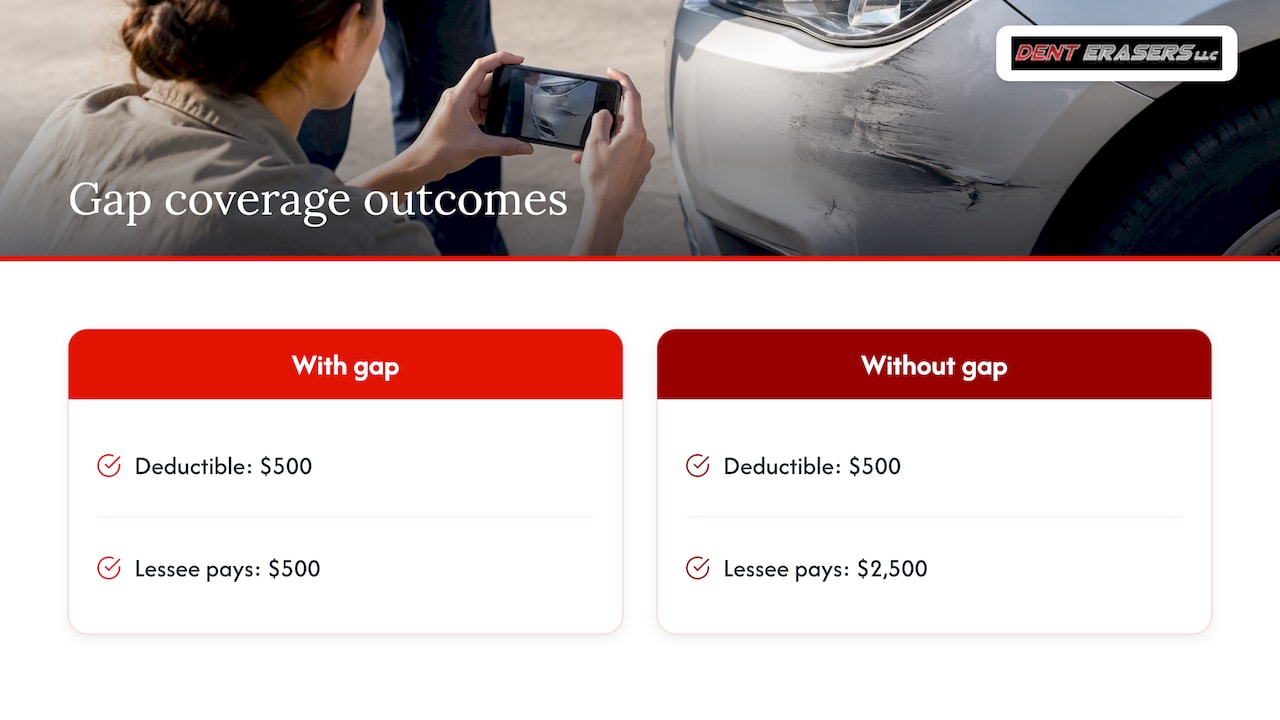
Gap does not buy you a replacement car. Experian notes that you are still responsible for your insurance deductible. Progressive’s loan/lease payoff coverage also does not cover extra lease charges such as excess mileage fees, and it is not identical to gap, so compare limits.
Do you need either one?
Gap: Many leases include gap at no separate charge, and others offer it as an option. No state legally requires loan/lease payoff coverage, but your lessor may require it. Check the lease for a gap clause before buying anything.
Wear protection: It is optional. It tends to make sense if you drive in tight parking lots, park on the street, have kids or pets, or plan to turn the car in rather than buy it. If you are careful and plan a pre-return repair, you may not need it.
Both: The two never overlap. A lease with gap but no wear plan leaves you exposed at return. A wear plan without gap leaves you exposed to a total loss.
What each one costs
Prices vary by where you buy. For gap, one source reports $20 to $100 per year through your auto insurer, $200 to $400 one time through a credit union or standalone provider, and $600 to $1,200 through a dealership. Wear plans are priced by the automaker or lessor, so ask for the figure in writing.
If your lessor requires gap, you may be able to buy it elsewhere. Progressive says to pass on proof of coverage if the lessor asks. Do this before signing, because wear plans are sold only at signing.
Protect the car before the inspection
Whether or not you bought a wear plan, the best result is a car with nothing to charge for. Keep paint and wheels clean and sealed. A guide on how to protect alloy wheels with ceramic coatings is a good place to start for curb-rash prevention.
Then book an inspection before the lessor does. Our lease vehicle inspection checklist walks you through every panel. Also note that GMC’s plan excludes repairs performed prior to lease termination, so read how your plan treats pre-return fixes before you book one. For a broader view of who pays for what, see who pays for repairs on a leased car.
Our perspective on lease protection
We have spent 27+ years removing dents, and lease returns are a regular part of that work. The pattern is consistent: most lease-end bills come from small things. A door ding, a bumper scuff, a crease on a fender.
That is why we see wear protection and gap as two different tools. Gap is your safety net for the worst day. Wear protection is a budget for the ordinary one. But neither is a reason to ignore dents until turn-in.
Our paintless dent repair keeps your factory finish and comes to you, so you do not lose a day at a shop. We publish $100 to $500 for minor dent repair, and $150 to $1,500 for large dents. Compare that to a lessor’s per-panel charge and fixing early is often the simple choice.
If you do hold a wear plan, we can also help you document and repair damage the right way. Ask about our insurance claim assistance.
Brian Blanc
Get lease dents handled before turn-in
Dent Erasers LLC offers mobile paintless dent repair across Contra Costa County and nearby areas. We come to your home or office, and we handle lease return dent repair, plastic bumper repair and body work. Our approach is designed to preserve your original paint.
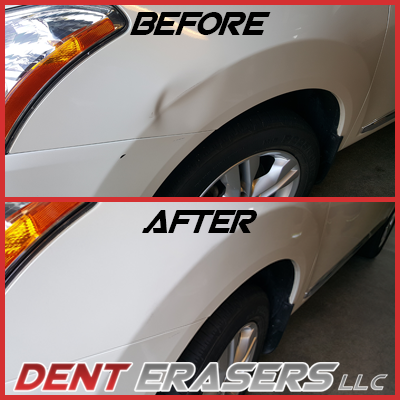
Planning a return? See our lease return dent repair service, or get a free dent quote. For one dent, see minor dent repair. Not sure whether insurance or paying yourself is smarter? Read auto insurance vs. out-of-pocket for dent repairs.
FAQ
Does gap insurance cover excess wear and tear on a lease?
No. Gap covers the difference between what your insurer pays and what you owe after a total loss or theft. LeaseEnd.com states these are two separate things. For wear charges you need a wear plan or you pay out of pocket.
Is gap already included in my lease?
Often, yes. Many leases include gap at no separate charge, while others sell it as an add-on. Look for a gap clause in your lease paperwork, or ask your lessor to confirm.
Can I buy lease wear protection after I sign?
Usually not. Ford Credit’s WearCare is only available at signing, and GM Financial says its plan must be bought before delivery. If you want one, decide at the dealership.
Can I get cheaper gap coverage than the dealer offers?
Possibly. Your own auto insurer or a credit union can cost less than a dealership. Progressive notes you may save by adding it to your existing policy. Confirm your lessor accepts it first.
Sources
- Excess Wear and Tear Charges on a Leased Car, LeaseEnd.com
- Gap Coverage, Federal Reserve Board
- FlexCare Vehicle Protection Plans, Stellantis Financial Services
- Lease Wear and Tear, Mopar Vehicle Protection
- XS Wear Lease Protection Plan, GMC
- XS Wear brochure, GM Financial
- Vehicle Protection Plans, Ford Credit
- Loan/Lease Payoff Coverage, Progressive
- Do You Need Gap Insurance on a Lease? Progressive
- Do You Need Gap Insurance if You Already Have Full Coverage? Experian
- How Much Does GAP Insurance Cost?
- How to protect alloy wheels with ceramic coatings