What to Do After a Body Shop Collision (And How to Get Your Car Restored Fast)
A body shop collision repair can feel overwhelming — especially when you’re already stressed from the accident itself. Here’s a quick overview of what you need to know:
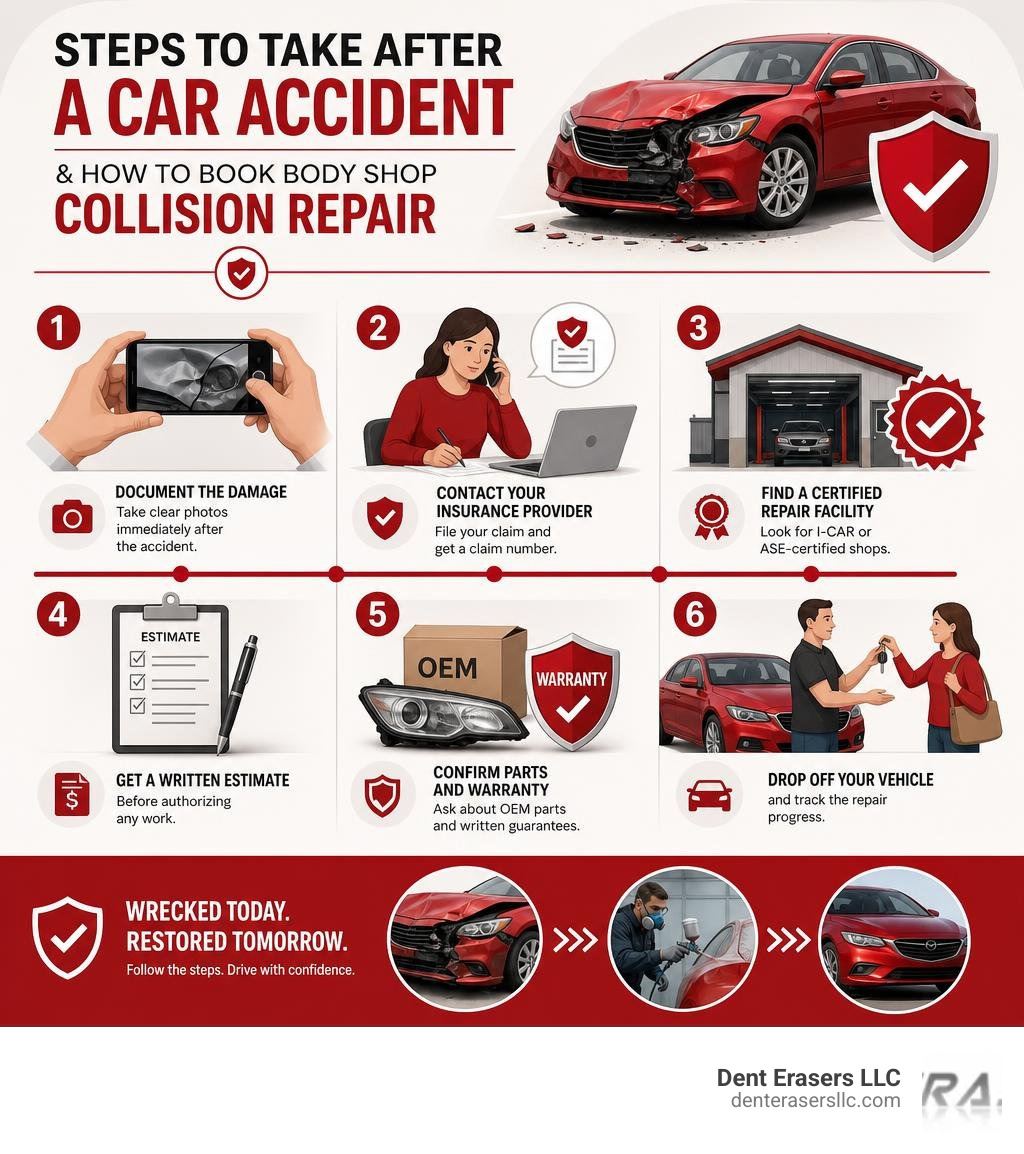
Quick Answer: How to Book Collision Repair
- Document the damage — take clear photos immediately after the accident
- Contact your insurance provider — file your claim and get a claim number
- Find a certified repair facility — look for I-CAR or ASE-certified shops
- Get a written estimate — before authorizing any work
- Confirm parts and warranty — ask about OEM parts and written guarantees
- Drop off your vehicle — and track the repair progress
According to the National Safety Council, one in every eight drivers will be involved in a motor vehicle accident this year. That means a collision isn’t just possible — for most drivers, it’s likely at some point.
When it happens, the road from wrecked to restored isn’t always clear. Which shop do you call? How does insurance work? What parts should they use? How long will it take?
This guide answers all of that — in plain language.
I’m Brian Blanc, owner of Dent Erasers LLC and a master technician with 28 years of hands-on experience in mobile paintless dent repair throughout the East Bay Area. Over nearly three decades, I’ve worked alongside auto body shops, dealerships, and insurance companies on everything from minor door dings to significant body shop collision damage — so I know this process inside and out. Let’s walk you through everything you need to make a confident, informed decision.
Body shop collision vocabulary:
Auto Body Shop vs. Mechanical Repair: What’s the Difference?
When your vehicle suffers damage, one of the most common sources of confusion is where to take it. Should you book an appointment with your local mechanic, or do you need a specialized body shop collision center?
While both keep your vehicle running safely on our Northern California roads, they focus on completely different aspects of your car. An auto body shop restores the structural integrity, exterior panels, and cosmetic appearance of your vehicle. A mechanical repair shop, on the other hand, deals with the internal systems that make the car run and stop, such as the engine, brakes, suspension, and electrical systems.
Here is a quick breakdown to help you understand where your car belongs:
| Feature/Service | Auto Body & Collision Shop | Mechanical Repair Shop |
|---|---|---|
| Primary Focus | Structural safety, exterior panels, paint, and aesthetics | Internal engine, drivetrain, electrical, and running gear |
| Common Services | Frame straightening, dent removal, bumper replacement, painting | Oil changes, brake replacements, engine diagnostics, tune-ups |
| Post-Accident Role | Restores vehicle to pre-accident cosmetic and structural safety | Fixes mechanical components damaged by collision impact |
| Specialized Tools | Laser frame measurers, paint booths, welding equipment | Diagnostic scanners, vehicle lifts, engine hoists, brake lathes |
If you get into a fender bender on Highway 4, your bumpers, fenders, and headlights will need structural and cosmetic attention. This requires a certified auto body technician. The level of skill required is highly specialized; in fact, the median annual salary for automotive body and related repairers in the United States was $51,680 in May 2024, reflecting the technical precision needed to safely reshape modern automotive metals.
Sometimes, a severe body shop collision requires both types of work. For example, if an impact pushes your front bumper into the radiator, a collision center will handle the frame and body panels, while either their in-house mechanics or a trusted local partner will replace the radiator and perform engine diagnostics.
To help you plan your budget and understand how these professional services are priced, check out The complete guide to auto body repair costs.
Navigating Your Body Shop Collision Repair Process
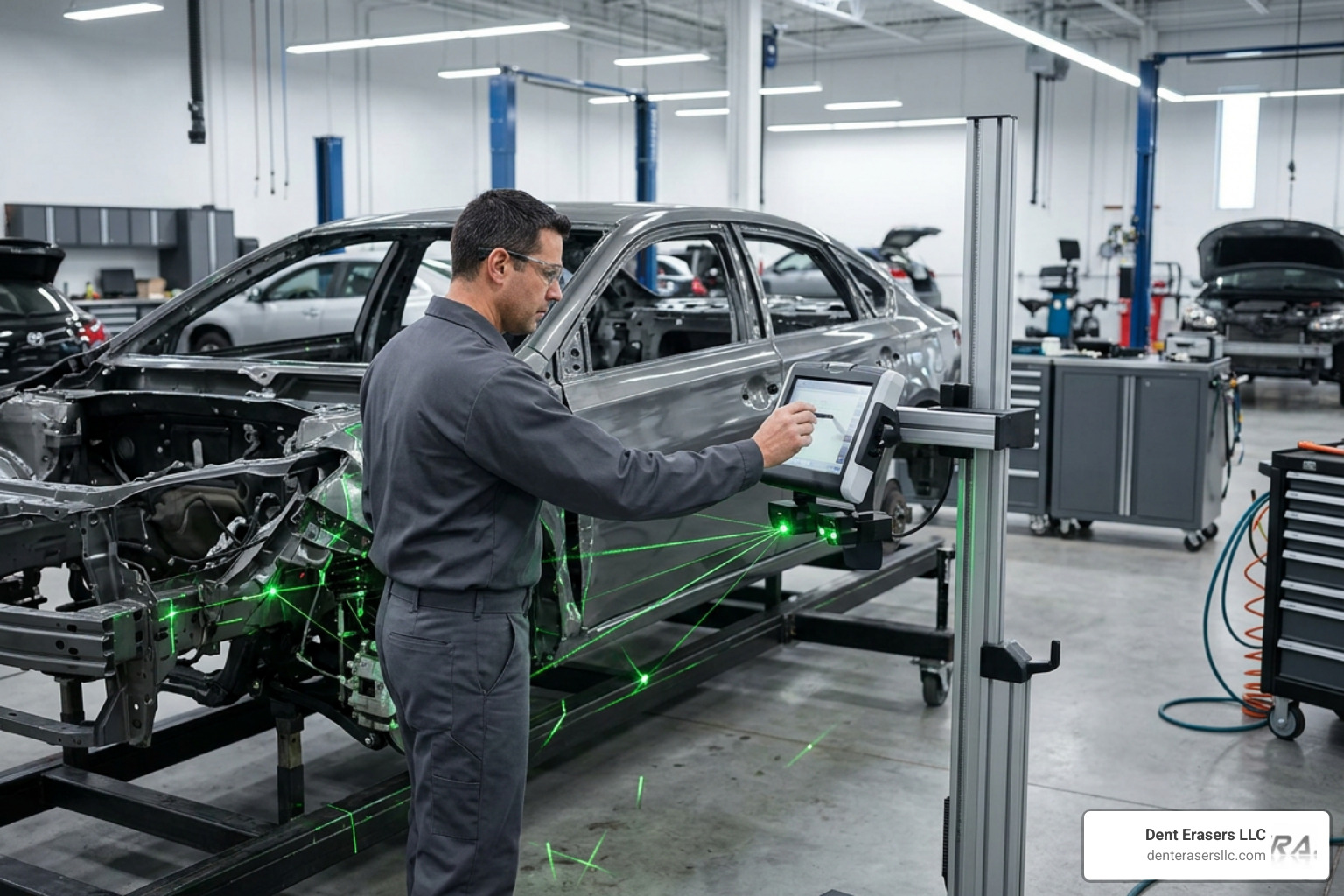
When you walk into a professional collision facility in Contra Costa County, the journey from drop-off to delivery follows a highly structured path. Modern vehicles are incredibly complex, and repairing them to pre-accident safety standards requires a combination of heavy industrial machinery and delicate computer calibration.
To help you visualize this sequence, we have mapped out the industry-standard repair workflow:
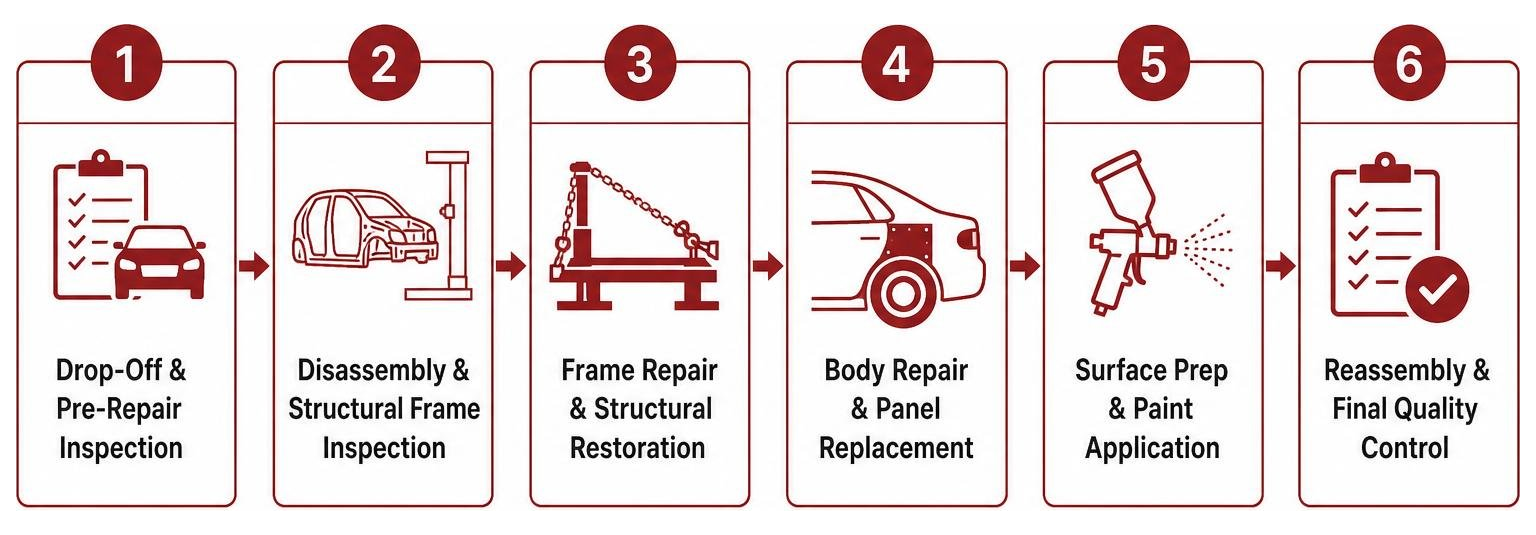
1. Drop-Off and Pre-Repair Inspection
The process begins when you drop off your vehicle. The shop performs a thorough visual inspection and connects a diagnostic scanner to read your car’s computer codes. This ensures they identify both visible exterior issues and hidden electronic faults from the outset.
2. Disassembly and Structural Frame Inspection
Technicians carefully disassemble the damaged areas to inspect the underlying structure. Modern vehicles feature complex, unitized body structures where the frame and body panels work together to protect occupants. Shops use advanced laser-measurement systems to inspect the frame. If the frame is bent, they use specialized hydraulic frame-pulling machinery to restore the vehicle’s structural integrity to exact Original Equipment Manufacturer (OEM) safety specifications.
3. Advanced Driver Assistance Systems (ADAS) Calibration
Nearly every vehicle built in recent years is equipped with Advanced Driver Assistance Systems (ADAS), such as automatic emergency braking, lane-keep assist, and blind-spot monitoring. Sensors, cameras, and radar units are often housed in the bumpers, windshield, and side mirrors. After a body shop collision repair, even a tiny millimeter misalignment of a bumper can cause these safety systems to fail. Precise ADAS calibration is now a standard, non-negotiable step in the modern repair workflow.
4. Painting and Color Matching
Once the metalwork and structural repairs are complete, the vehicle moves to the refinishing department. To ensure the new paint matches your car’s existing finish seamlessly, painters use computerized color-matching technology and factory package paints. The paint is applied in a controlled, down-draft paint booth to prevent dust contamination. After the clearcoat is applied, it is baked at temperatures between 122°F and 140°F for approximately 25 minutes to cure and harden the finish for long-term UV protection.
5. Reassembly and Final Detailing
With the paint fully cured, technicians reassemble the trim, lights, interior panels, and emblems. The vehicle then receives a thorough detailing inside and out. This final cleanup ensures all dust, polishing residue, and fingerprints from the repair process are completely removed.
6. Quality Assurance and Final Inspection
Before you get the keys back, a quality assurance manager performs a final multi-point safety inspection. This includes a test drive to verify wheel alignment and suspension performance, followed by a final diagnostic scan to confirm all electronic modules are communicating correctly.
For a deeper look into how these individual steps translate to your bottom line, refer to our Step-by-step guide to car body repair price.
Understanding Insurance Claims and Deductibles in a Body Shop Collision
Managing the financial side of a collision can be just as stressful as the physical repairs. Most collision repairs are funded through auto insurance policies. Many collision centers operate as “direct repair facilities” (DRFs) for major insurance companies, meaning they have pre-negotiated workflows that can speed up the claim approval process.
However, you should always remember that you have the legal right to choose any repair shop you want in California. You are not obligated to use the shop your insurance provider suggests.
When coordinating with insurance adjusters, a reputable shop will advocate for your vehicle’s safety. For instance, a critical but often overlooked safety step is destructive weld testing. This process involves welding scrap pieces of the same metal together and physically tearing them apart to verify that the welding equipment is calibrated correctly for your car’s specific steel or aluminum panels.
Shockingly, according to a Who Pays for What? industry survey, 44% of shops report that insurers never pay for destructive weld testing. Despite this resistance, top-tier shops perform this test anyway because failure to do so compromises your vehicle’s structural integrity in a future accident.
If you are concerned about out-of-pocket costs, ask the shop manager how they handle deductibles. While some shops may offer deductible assistance programs or flexible financing options, make sure all financial agreements are documented in writing before work begins. For advice on selecting a shop that values safety over insurance shortcuts, read our guide: Don’t brush it off and choose the best body paint car services.
Choosing Between OEM and Aftermarket Parts for Your Body Shop Collision
During the estimating stage, you will have to make a choice regarding the types of parts used to rebuild your vehicle:
- Original Equipment Manufacturer (OEM) Parts: These parts are made directly by your vehicle’s manufacturer (such as Toyota, Ford, or BMW). They are identical to the parts your car was built with, guaranteeing a perfect fit, optimal structural integrity, and compliance with the manufacturer’s original safety specifications.
- Aftermarket Parts: These are produced by third-party manufacturers. While they are often less expensive and widely accepted by insurance companies to keep repair costs down, their fit, finish, and metal strength can vary.
Using non-OEM parts on structural components can sometimes accelerate vehicle depreciation or even complicate lease returns. If you drive a luxury, classic, or electric vehicle, preserving the original factory panels is crucial to maintaining the car’s resale value and warranty status. Always discuss the parts list with your estimator to understand what is being installed on your vehicle.
How to Choose a Reliable Collision Repair Facility
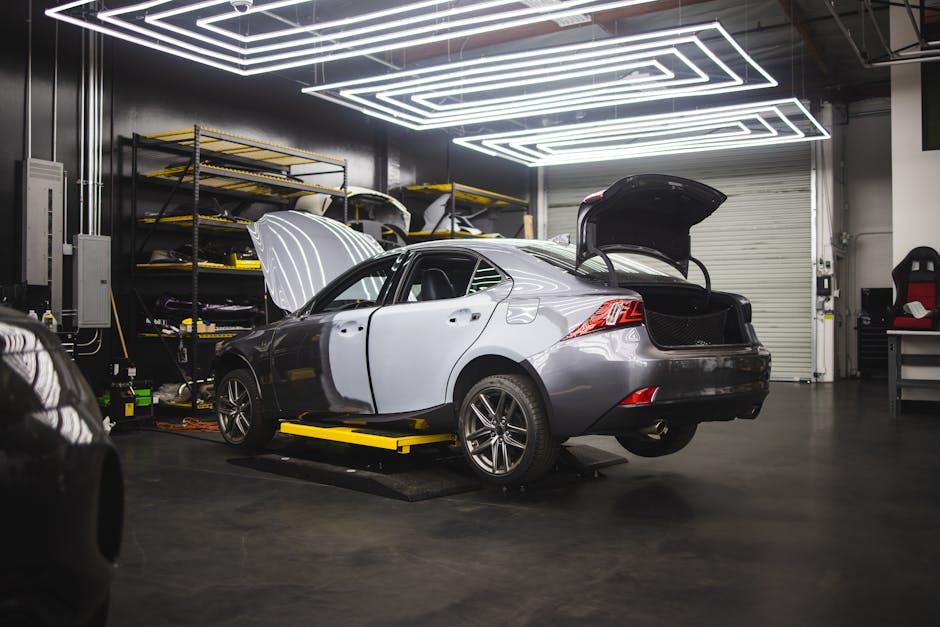
Choosing the right shop in the San Francisco Bay Area requires looking beyond the lowest estimate. You want to find a facility that prioritizes safety, employs highly trained technicians, and stands behind its craftsmanship.
Here are the key credentials and factors to verify before booking:
- I-CAR Gold Class Certification: This is the highest role-relevant training achievement in the collision repair industry. It indicates that the shop’s technicians undergo regular, ongoing training to stay current on modern vehicle technologies and repair safety standards.
- ASE Blue Seal of Excellence: Look for technicians certified by the National Institute for Automotive Service Excellence (ASE), which ensures a high standard of mechanical and structural competence.
- Written Warranties: Reputable shops should offer a written warranty on their workmanship. For refinishing, look for facilities that offer recognized guarantees, such as the PPG Lifetime Paint Performance Guarantee, which covers paint failures like cracking, peeling, or hazing for as long as you own the vehicle.
If you live in Contra Costa County, you have access to several highly rated local facilities. We highly recommend checking out independent consumer advocacy resources like the Top Rated Auto Body Contractors for Contra Costa County to find verified, high-performing shops near you.
When searching for a reliable shop in cities like Concord, Walnut Creek, Antioch, Pittsburg, Brentwood, Richmond, or San Ramon, always look for certified facilities that prioritize OEM standards and carry proper industry credentials.
To compare local feedback and find a shop that aligns with your expectations, refer to our curated list of Detailed reviews of the top 10 collision repair shops.
Paintless Dent Repair (PDR): The Modern Alternative to Traditional Body Work
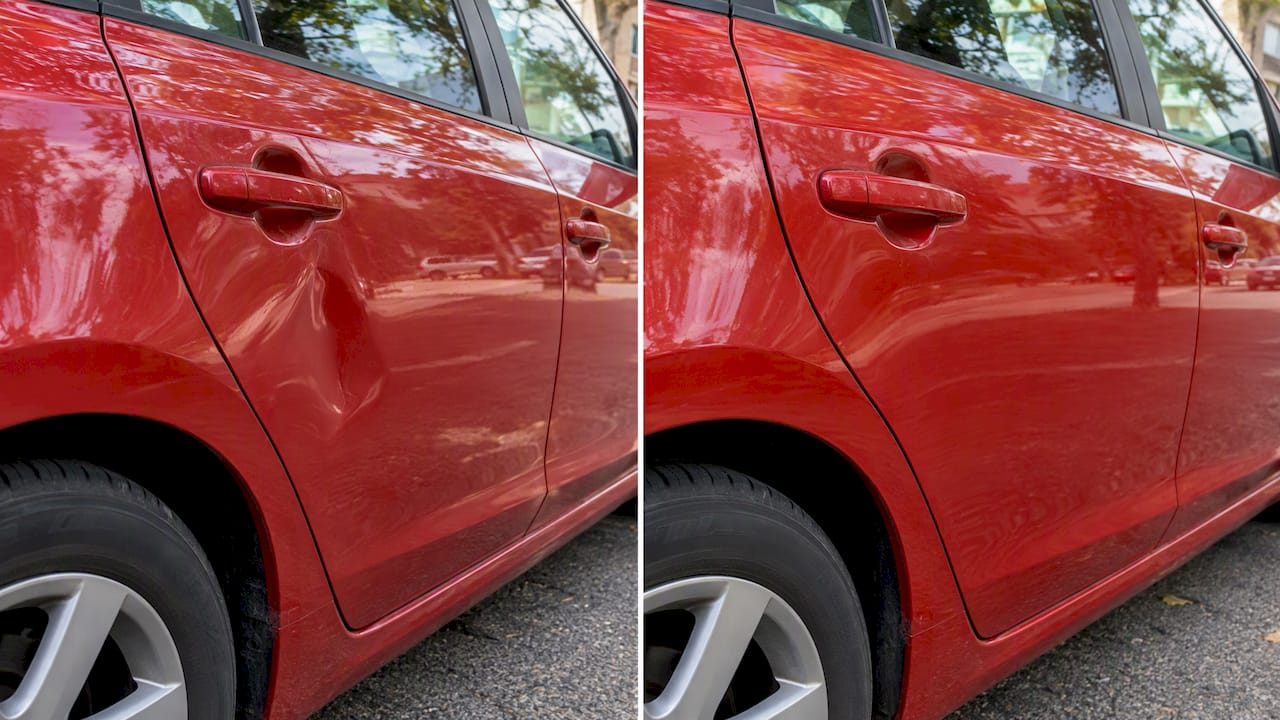
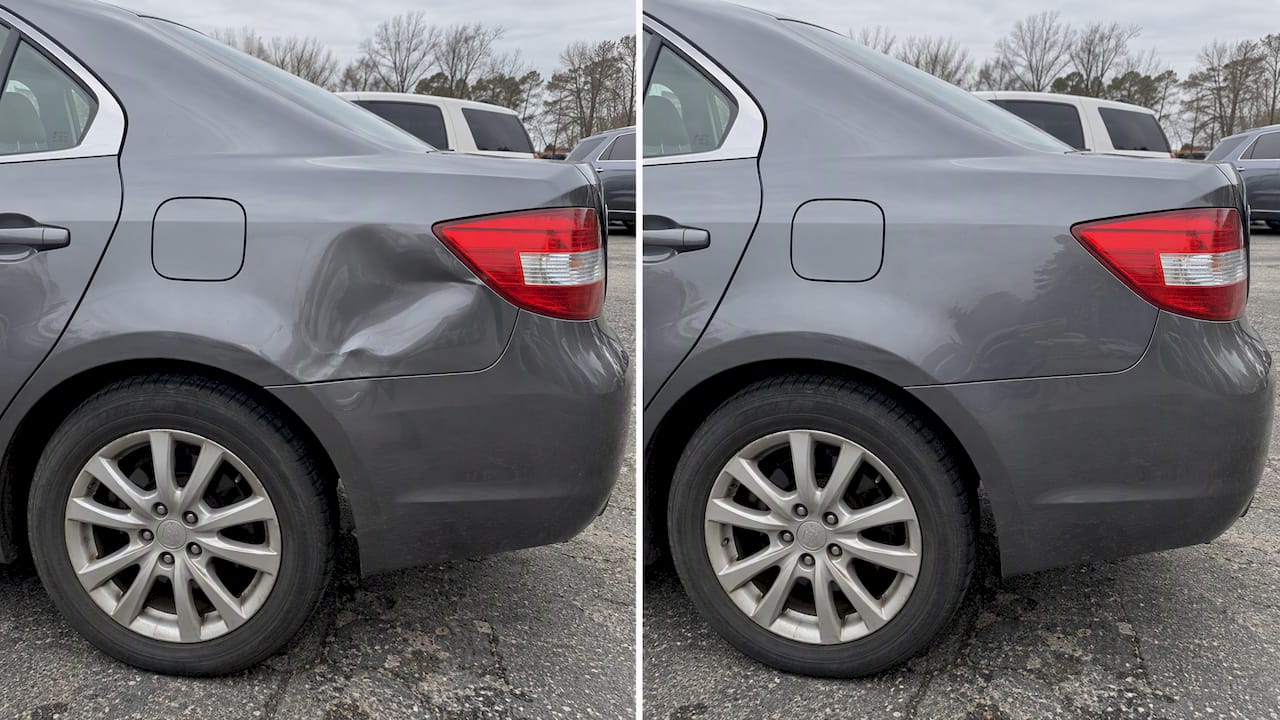
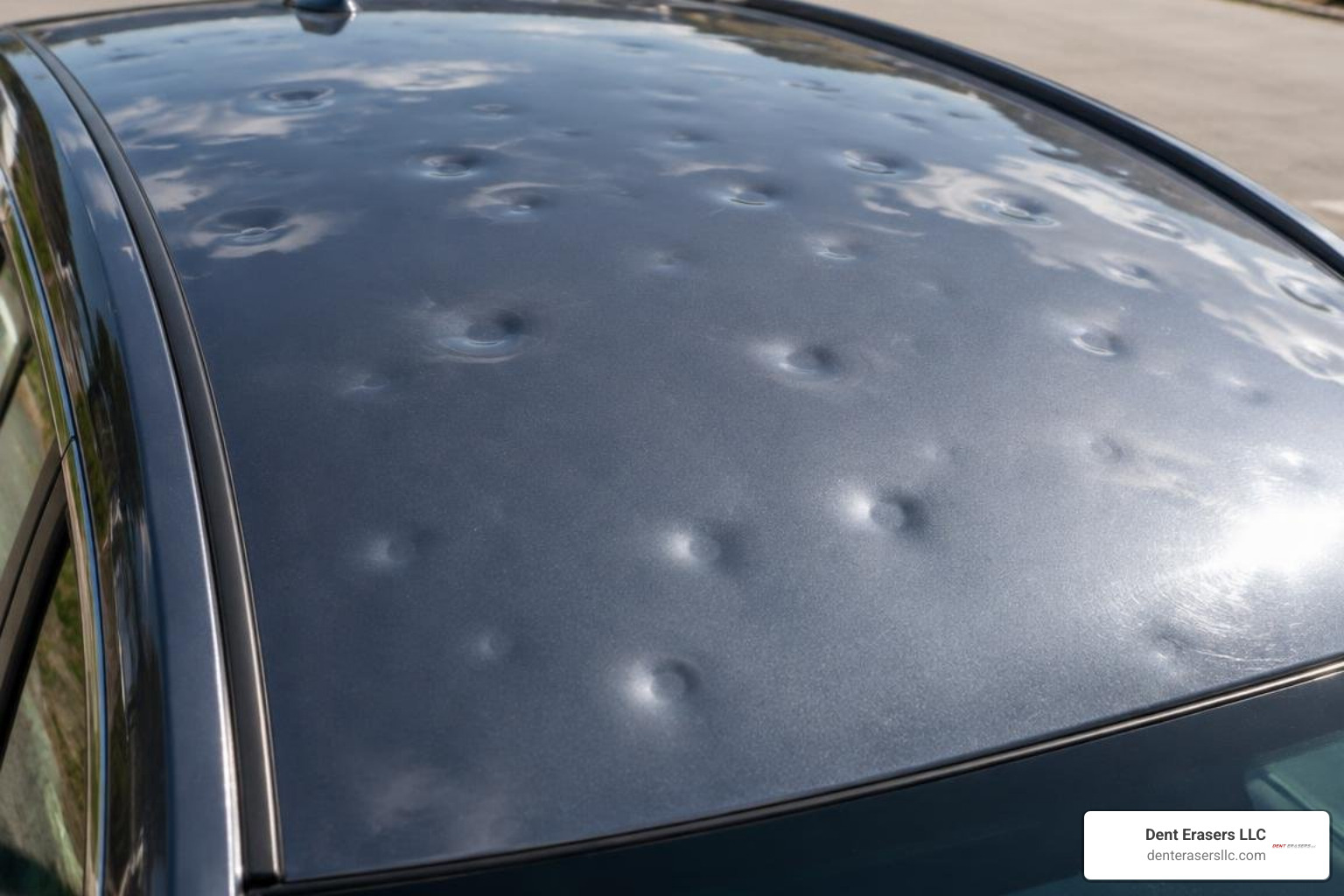
Not every body shop collision requires invasive structural rebuilding, sanding, and repainting. If your vehicle has suffered minor impact damage, door dings, or hail damage, and the paint finish is still entirely intact, you may be a candidate for Paintless Dent Repair (PDR).
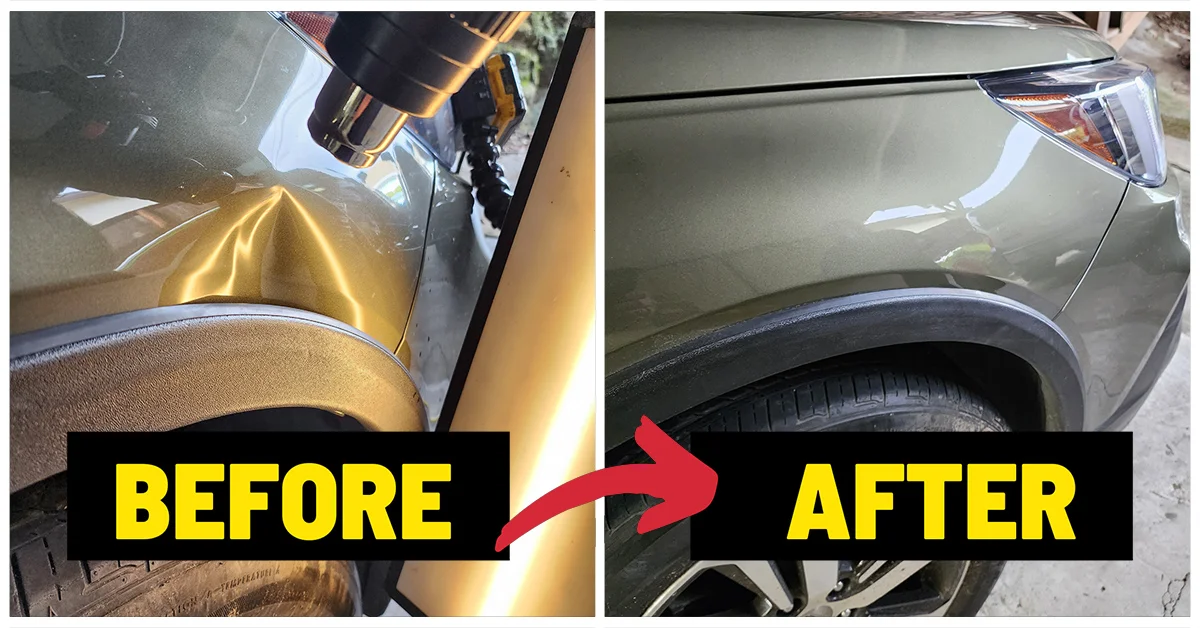
PDR is a highly specialized, non-invasive restoration technique. Rather than filling a dent with plastic body filler (bondo) and respraying aftermarket paint over the panel, a master PDR technician uses specialized metal rods and picks to access the backside of the damaged panel. By applying precise, micro-pressure, the technician gently massages the metal back to its original factory shape.
For areas where backside access is impossible — such as structural roof pillars or double-walled panels — we use advanced glue-pulling techniques. This involves adhering specialized tabs to the exterior of the dent and using a lifting tool to gently pull the metal flat without damaging the clearcoat.
Why Choose PDR Over Traditional Collision Repair?
- Preserves Factory Paint and Value: Your vehicle’s original factory paint is baked at extremely high temperatures at the assembly plant, making it far more durable than any aftermarket paint. PDR keeps this factory finish completely intact, preserving your car’s resale value and preventing future paint matching issues.
- Time Savings: Traditional body shops often require several days or even weeks to repair and paint a panel. PDR can typically be completed in just a few hours.
- Eco-Friendly: Because PDR uses no body fillers, primers, basecoats, clearcoats, or chemical solvents, it generates zero hazardous waste, making it the most environmentally responsible repair method available.
- Cost-Effectiveness: Traditional body shops must charge for paint materials, booth time, and extensive labor. PDR bypasses these steps entirely, making it highly affordable. At Dent Erasers LLC, our professional, mobile PDR services typically range from just $150 to $500, saving you hundreds of dollars compared to conventional body shop rates.
Frequently Asked Questions About Collision Repairs
How long does a typical collision repair take?
The turnaround time depends entirely on the severity of the damage and parts availability. A minor cosmetic repair, such as replacing and painting a damaged bumper cover, typically takes 3 to 5 business days. However, if your vehicle has suffered structural frame damage requiring laser alignment, ADAS calibration, and multiple new OEM body panels, the repair process can take anywhere from 2 to 4 weeks.
What warranties should a reputable body shop offer?
A reputable collision center should always provide a written lifetime warranty on their workmanship for as long as you own the vehicle. This warranty should cover structural alignment integrity, panel fitment, and paint adhesion (protecting against peeling, cracking, or premature fading). Always ask for a copy of the written warranty before signing the repair authorization.
What is destructive weld testing and why does it matter?
Destructive weld testing is a safety protocol where a technician performs sample welds on scrap metal of the identical thickness and type as your vehicle’s panels, then uses machinery or hand tools to physically break the weld apart. This test verifies that the weld is structurally sound and that the welding machine’s voltage and wire-feed settings are correct. It is vital because modern high-strength steels can become brittle or fail if welded with incorrect settings, putting your safety at risk in a future accident.
Conclusion
A body shop collision doesn’t have to disrupt your life for weeks on end. By understanding the repair process, knowing your rights with insurance companies, and choosing the right repair method, you can get back on the road safely and with complete peace of mind.
If your vehicle has sustained minor collision damage, door dings, or hail damage where the paint is still intact, you may not need to leave your car at a traditional body shop at all.
At Dent Erasers LLC, we specialize in mobile paintless dent repair, bringing our master-level expertise directly to your home or office in Concord, CA, and throughout Contra Costa County. Whether you drive a daily commuter, a motorcycle, a classic collector car, or a high-end luxury vehicle, we preserve your original factory paint, offer quick turnarounds, and keep repairs highly affordable, with most services priced between $150 and $500.
Ready to restore your car to perfect condition without the wait? Schedule your auto body repair with Dent Erasers LLC today, or text us a photo of your vehicle’s damage for a fast, honest estimate!