What Car Body Repair Price Should You Expect in 2026?
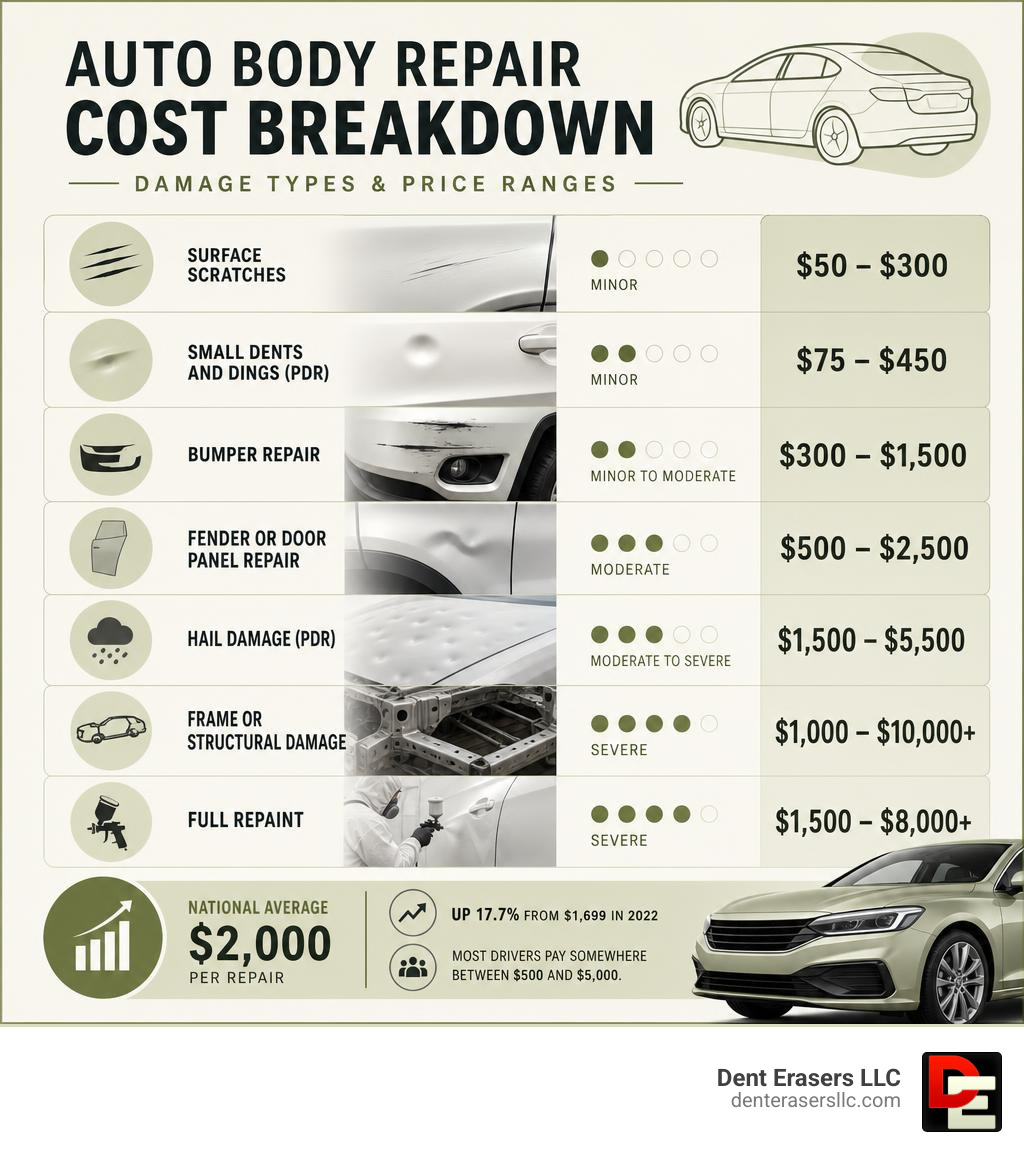
Car body repair price ranges widely depending on the type and severity of damage. Here’s a quick snapshot:
| Damage Type | Typical Price Range |
|---|---|
| Surface scratches | $50 – $300 |
| Small dents and dings (PDR) | $75 – $450 |
| Bumper repair | $300 – $1,500 |
| Fender or door panel repair | $500 – $2,500 |
| Hail damage (PDR) | $1,500 – $5,500 |
| Frame or structural damage | $1,000 – $10,000+ |
| Full repaint | $1,500 – $8,000+ |
The national average sits at $2,000 per repair — up 17.7% from $1,699 in 2022. Most drivers pay somewhere between $500 and $5,000.
Getting a repair estimate can feel like reading a foreign language. Labor fees, parts markups, paint blending charges, hidden damage — the final bill often lands much higher than the number you expected when you first walked into a shop.
And if you’re dealing with something as common as a parking lot ding or a hail storm aftermath, paying $1,000+ at a traditional body shop can feel completely out of proportion to the actual damage.
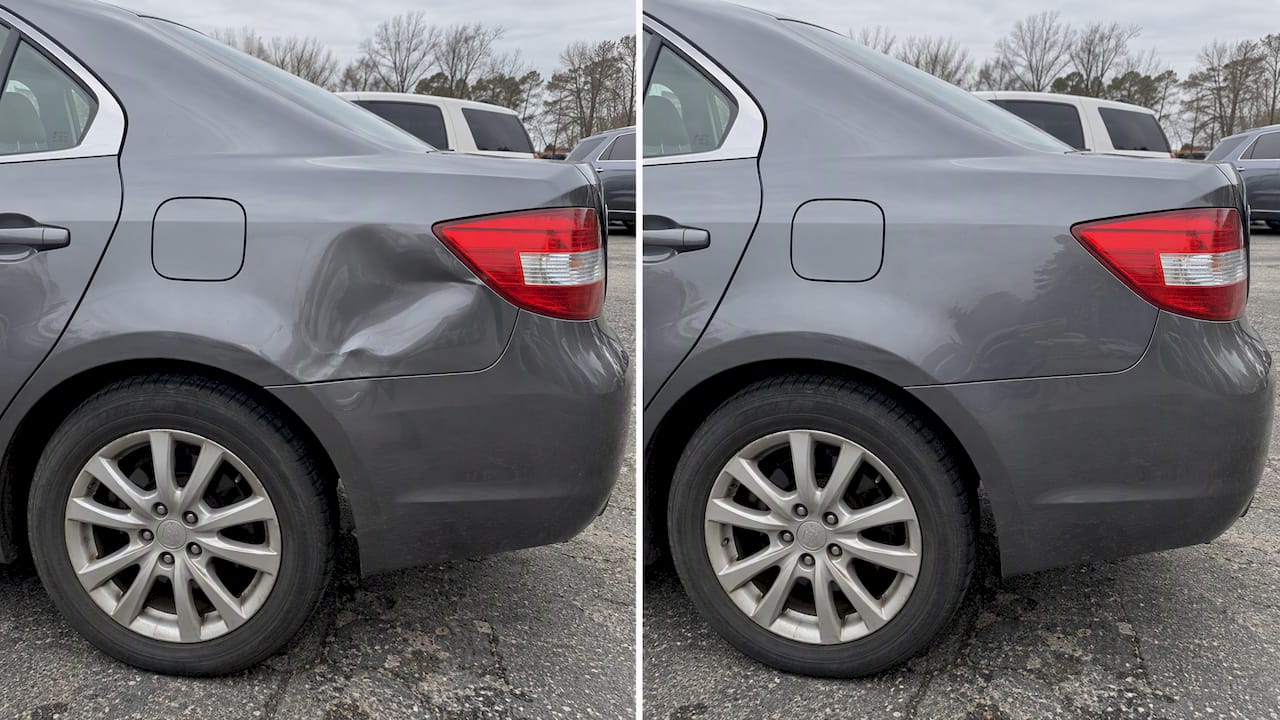
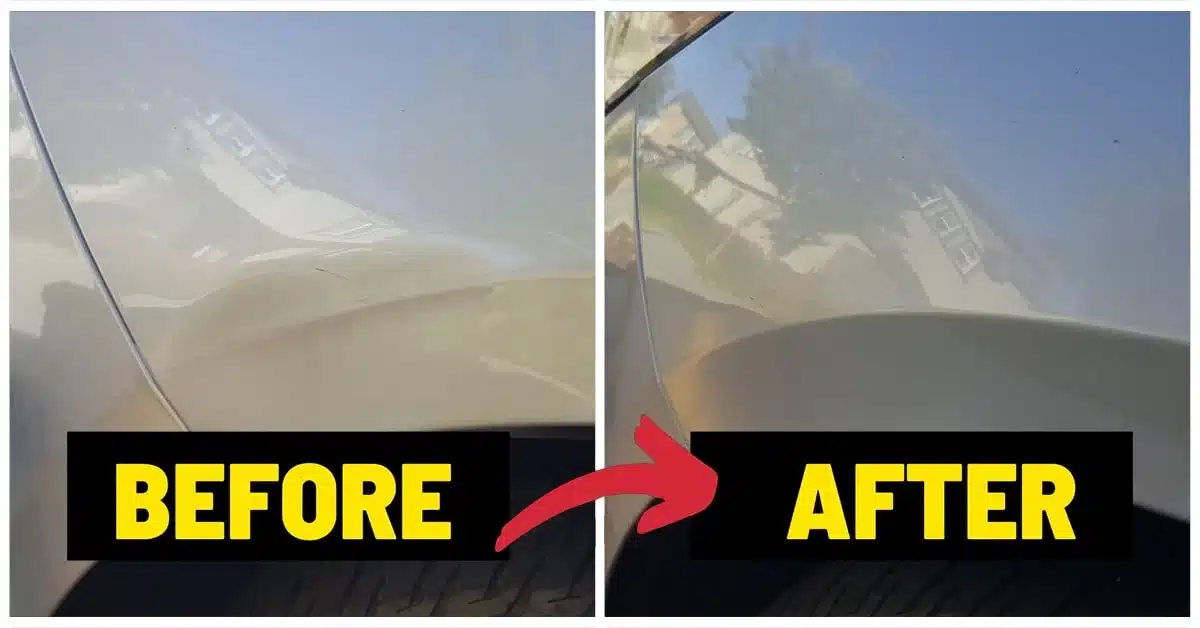
The good news? Not every dent requires a full shop repair. Many of the most common types of damage — door dings, small creases, bumper dents, hail damage — can be fixed faster and for far less money using paintless dent repair (PDR), which skips the paint booth entirely and restores your factory finish directly.
This guide walks you through exactly what drives repair costs, where you can save, and how to make a smart decision before you hand over your keys.
I’m Brian Blanc, founder of Dent Erasers LLC and a mobile PDR specialist with nearly three decades of hands-on experience helping East Bay vehicle owners navigate car body repair price — without the body shop markup. In this guide, I’ll show you the real numbers behind repair costs and where paintless dent restoration can save you hundreds compared to traditional methods.
What is the Average Car Body Repair Price in 2026?
As we navigate through 2026, the cost of keeping our cars looking pristine continues to climb. The national average car body repair price has settled at $2,000 per incident. Over the past five years, the industry has seen a steady 17.7% increase, driven by rising labor costs, specialized vehicle materials (like aluminum and carbon fiber), and complex safety electronics embedded in body panels.
To give you an idea of how these costs scale, here is a general breakdown of average repair costs based on damage severity:
| Severity Level | What’s Included | Typical Cost Range |
|---|---|---|
| Minor Cosmetic | Small scratches, minor door dings, paint touch-ups | $100 – $800 |
| Moderate Damage | Dented bumpers, medium door/fender creases, minor side-impacts | $1,000 – $3,000 |
| Major Collision | Structural frame damage, multiple crumpled panels, airbag deployment | $3,000 – $10,000+ |
For a deeper dive into the broader market trends, you can check out this comprehensive look at Collision Repair Costs in 2026: What You’ll Actually Pay | Otto .
In California — and specifically across Contra Costa County — these averages run slightly higher. Strong local demand, higher overhead for physical shops, and strict environmental regulations on automotive paint materials mean local drivers often pay a premium for traditional bodywork.
Cost Breakdown by Type of Vehicle Damage
Every ding has its own story, and unfortunately, its own price tag. When you bring your car to a traditional shop, they look at each panel as an individual project.

Understanding the standard costs for specific panels can help you spot a fair estimate from a mile away. For a broad overview, read our guide on 10 Common Auto Body Damage Repairs and Their Costs.
Bumper Dent Repair and Restoration Costs
Bumper covers are the most frequently damaged parts on any vehicle. Because modern bumpers are packed with safety tech like radar sensors, backup cameras, and parking sensors, even a minor tap can get expensive.
At a traditional body shop, a dented bumper cover often results in a recommendation for a full replacement. A new bumper cover plus paint, clear coat, and sensor recalibration can easily set you back $800 to $2,500. However, if the plastic is simply dented but the paint remains intact, paintless dent restoration can reshape the bumper cover for a fraction of that cost — typically between $150 and $500 — completely bypassing the need for expensive replacement parts.
Fender, Hood, and Door Panel Dent Repair Price
Metal panels like your hood, fenders, and doors behave differently under stress. Fenders and doors are highly susceptible to side-impact dings and runaway shopping carts.
If you take a dented hood to a conventional shop, they will often quote you for a replacement panel, paint matching, and blending into the surrounding fenders to ensure the color looks uniform. This process quickly pushes the price into the $1,000 to $3,500 range.
By contrast, using specialized PDR techniques allows us to massage the metal back into shape from behind the panel. This preserves your factory paint and keeps your costs incredibly low. To understand why hoods and other large panels cost what they do, read our detailed analysis on The Price of a Panel and What Fixing Your Hood Really Costs.
Hail Damage and Crease Repair Costs
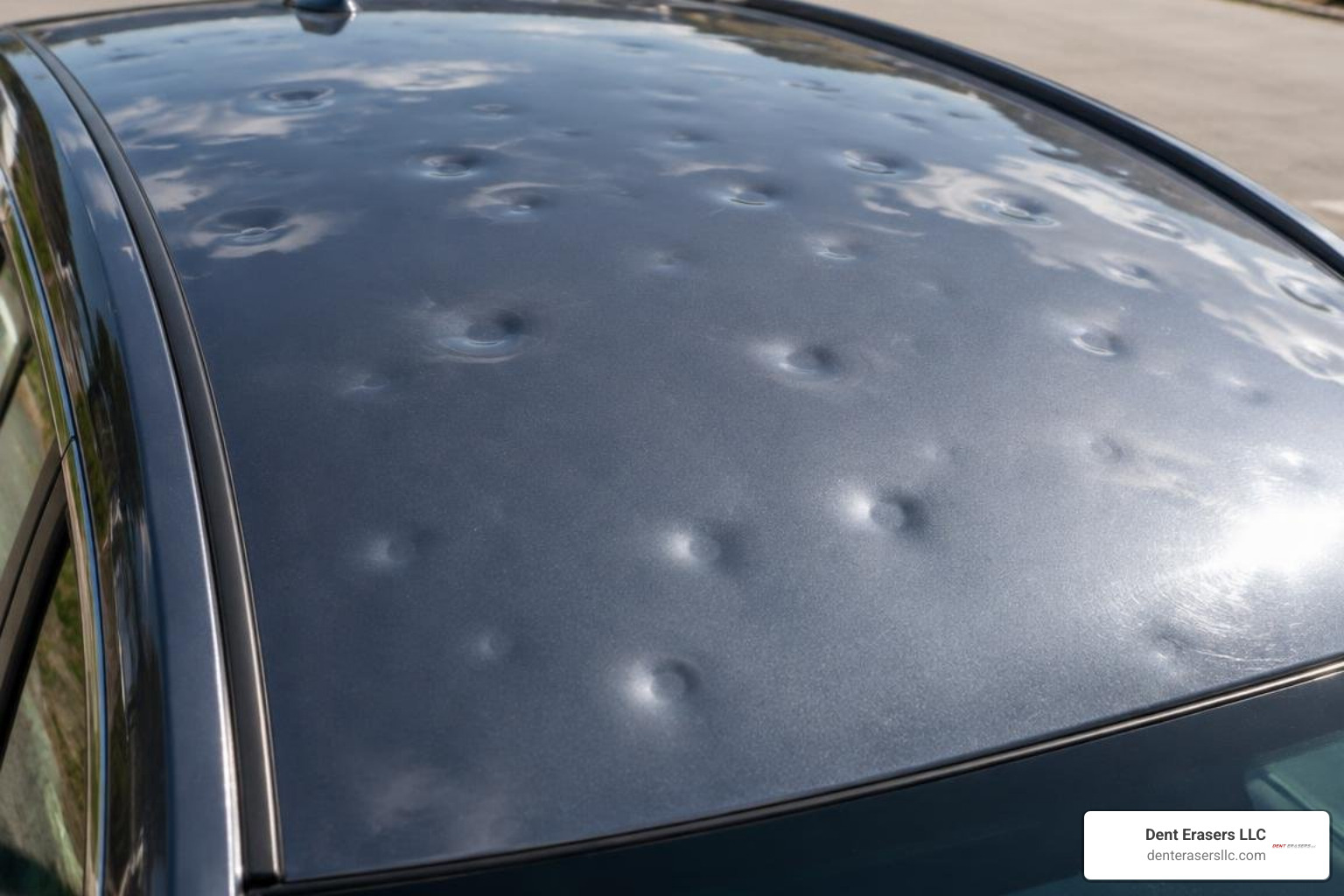
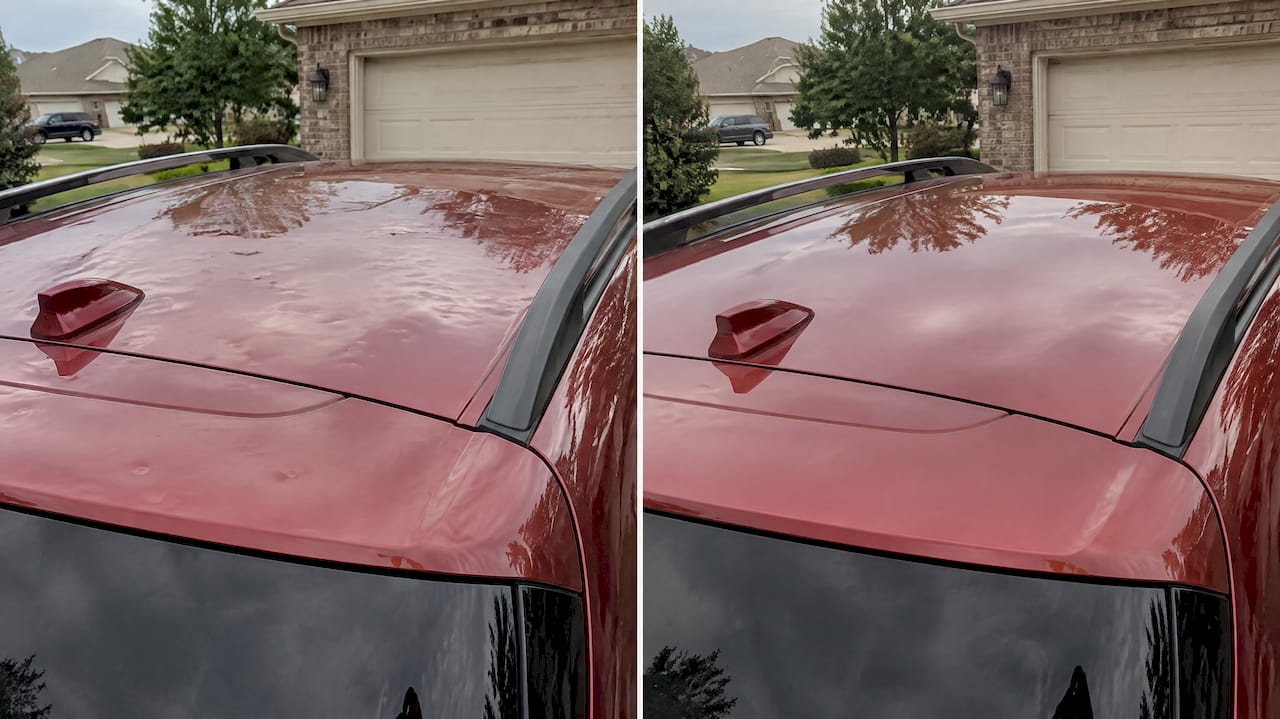
Hail storms and heavy falling debris can leave your hood, roof, and trunk looking like the surface of the moon. Traditional body shops handle hail damage by sanding down the panels, filling the dings with body filler (Bondo), and repainting the entire vehicle — a process that can easily exceed $5,000 to $10,000 and take weeks.
PDR is the industry-preferred method for hail damage restoration. Because the paint is usually unbroken, we can systematically massage out dozens of tiny dings. This keeps the repair fast, keeps the costs down, and preserves your vehicle’s original factory finish.
Key Factors That Influence Your Final Repair Bill
When a technician inspects your vehicle, they aren’t just guessing a number. They are calculating a formula based on several key variables.

Labor Rates and Regional Price Variations
Labor is the single largest component of any auto body estimate, typically accounting for 60% to 70% of the final bill. These rates vary dramatically by region.
In the San Francisco Bay Area, certified collision technicians command top dollar. For instance, if you visit a traditional shop in Walnut Creek or San Ramon, you can expect labor rates ranging from $120 to $200+ per hour.
Local educational institutions, such as the Automotive Collision Repair program at Contra Costa College in San Pablo, work hard to train the next generation of skilled technicians, but the local demand keeps professional labor rates among the highest in the state.
How Dent Restoration Avoids Expensive OEM and Aftermarket Parts
If a shop decides to replace a damaged panel instead of repairing it, you will have to choose between three types of parts:
- OEM (Original Equipment Manufacturer) Parts: Made by your vehicle’s manufacturer. They fit perfectly but cost 20% to 40% more than alternatives.
- Aftermarket Parts: Third-party copies. They are cheaper but can sometimes suffer from alignment and fitment issues.
- Recycled/Used Parts: Salvaged from other vehicles.
By choosing paintless dent restoration, you completely eliminate the parts category from your bill. We work with the metal your car was built with, saving you hundreds of dollars on markups.
Why Paint Fees Drive Up Traditional Repair Costs (and How PDR Bypasses Them)
Traditional painting is incredibly labor-intensive. It requires sanding, priming, painting multiple base coats, applying clear coats, and baking the panel in a specialized booth.
Furthermore, modern paint finishes make matching incredibly difficult. If you have metallic, pearl, or tri-coat paint, a colorist must carefully match the color. The shop must also “blend” the paint into adjacent panels to hide any slight color variations, adding $300 to $500 per adjacent panel. PDR completely bypasses this entire headache by keeping your original paint untouched.
Paintless Dent Repair (PDR) vs. Traditional Bodywork
To make the best decision for your wallet, it helps to compare these two repair methods side-by-side. For a complete breakdown of the financial differences, check out Save on Repairs: Paintless Dent Repair vs Traditional Costs.
Traditional bodywork is necessary when the metal is stretched, the paint is cracked or scraped off, or there is structural frame damage. Traditional collision centers handle these heavy repairs by replacing panels, welding, and repainting.
However, if your paint is completely intact, choosing traditional bodywork means you are paying for materials and labor you don’t actually need. PDR uses specialized tools to gently massage the metal back into its original shape from behind, preserving your factory finish and keeping your car’s resale value intact. To see how these costs compare across different types of dings, explore our resources on Dent Repair Costs.
When to Choose PDR for a Lower Car Body Repair Price
PDR is the clear winner for:
- Parking lot door dings
- Minor creases on fenders or doors
- Hail damage
- Bumper dings where the plastic isn’t cracked
If you live in Contra Costa County, you can find localized pricing details in our guide on Precision Dent Pulling Price Contra Costa.
Navigating Insurance, Deductibles, and Hidden Fees
Before you file an insurance claim for a minor dent, do some quick math.
If your insurance deductible is $500 or $1,000, and a traditional shop quotes you $800 for a repair, filing a claim only saves you a small amount upfront. However, that claim goes on your insurance record and can raise your monthly premiums by $200 to $400 per year for the next three to five years. Paying out-of-pocket for minor repairs is almost always the smarter financial move.
Additionally, keep an eye out for hidden fees on traditional body shop estimates, such as:
- Hazardous Waste Disposal Fees: Charged for disposing of paint chemicals and primers.
- Labor Overlap: When a shop charges full labor rates for two tasks that are performed simultaneously.
- ADAS Calibration Fees: Charging $150 to $500 per system to reset cameras and sensors, even if they weren’t directly impacted.
Frequently Asked Questions about Car Body Repair Price
How much does it cost to fix a dented bumper?
A traditional body shop will typically charge between $400 and $1,500 to repair or replace a dented bumper cover, including paint and refinishing. If the paint is undamaged, mobile paintless dent repair can usually restore the bumper for $150 to $500, saving you hundreds.
Will filing an auto body claim raise my insurance premiums?
Yes, in many cases. If you file a collision claim for an at-fault incident, your premiums will likely rise. For minor cosmetic damage that costs close to or less than your deductible, paying out-of-pocket keeps your insurance record clean and saves you money in the long run.
Why is Paintless Dent Repair (PDR) more cost-effective than traditional body shops?
PDR eliminates the most expensive parts of auto body repair: replacement parts, paint materials, and the extensive labor hours required for sanding and painting. Because we don’t have to match paint or wait for coats to dry, we can complete the work in hours instead of days, passing those massive savings directly to you.
Conclusion
Understanding the factors that shape your car body repair price empowers you to make the smartest choice for your vehicle and your wallet. You don’t have to lose your car to a physical shop for a week just to fix a frustrating door ding or bumper crease.
At Dent Erasers LLC, we bring the repair shop to you. We provide expert, mobile paintless dent repair for cars, motorcycles, luxury, and classic vehicles right in your driveway or office parking lot. Serving Concord, CA, and communities throughout Contra Costa County, we specialize in preserving your car’s original factory paint with quick, high-quality turnarounds and highly affordable pricing (typically ranging from $150 to $500).
Ready to get that factory finish back without the body shop premium? Schedule your mobile auto body repair today and let us handle the rest!