What Is Collision Repair — and How Do You Choose the Right Shop?
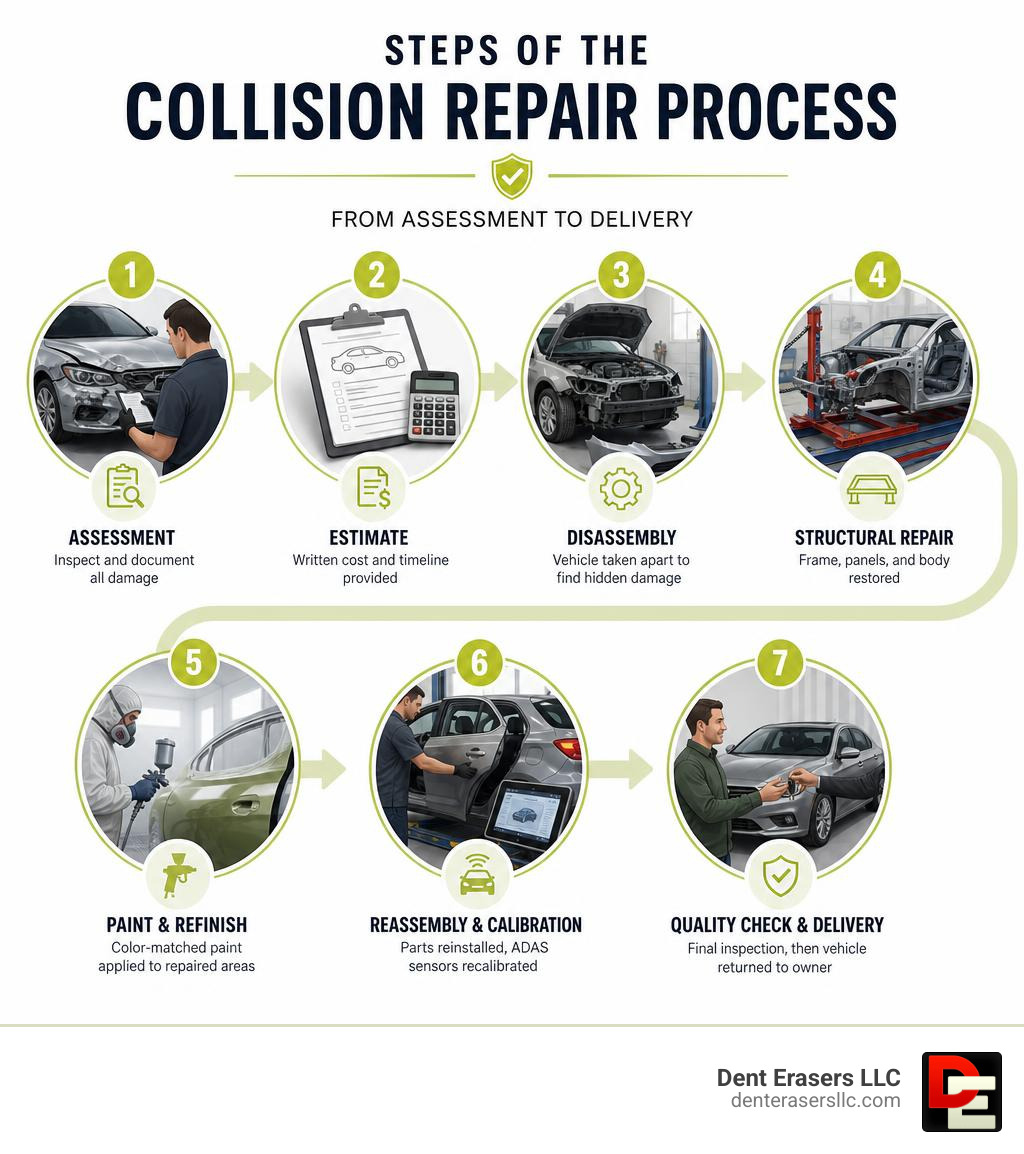
Collision repair is the process of restoring a vehicle to its pre-accident condition after damage from a crash, hail, or impact. Here’s a quick overview of what it typically involves:
| Stage | What Happens |
|---|---|
| 1. Assessment | Technician inspects and documents all damage |
| 2. Estimate | Written cost and timeline provided before work begins |
| 3. Disassembly | Vehicle taken apart to find hidden damage |
| 4. Structural Repair | Frame, panels, and body restored |
| 5. Paint & Refinish | Color-matched paint applied to repaired areas |
| 6. Reassembly & Calibration | Parts reinstalled, ADAS sensors recalibrated |
| 7. Quality Check & Delivery | Final inspection, then vehicle returned to owner |
Over 30 million vehicles are involved in collisions every year in the U.S. — and the average repair claim runs between $4,000 and $5,000. That’s a big decision. Choosing the wrong shop can mean poor paint matching, missed structural damage, or safety systems left uncalibrated.
This guide reviews the top 10 collision repair options so you can make a confident, informed choice — whether you need full structural work or just a quick dent fix.
My name is Brian Blanc, and as the founder of Dent Erasers LLC with nearly three decades in the auto restoration industry, I’ve worked alongside body shops, dealerships, and fleets to understand exactly what separates a great collision repair experience from a frustrating one. That hands-on perspective shapes every review in this guide.
Understanding the Professional Collision Repair Process
When your vehicle is damaged, the path back to a pristine, safe ride requires an exact science. A professional collision repair is much more than pulling out a hammer and slapping on some body filler. It is a highly engineered sequence of events designed to restore both the cosmetic look and structural safety of your vehicle.
First, a professional technician conducts a comprehensive damage assessment. This is followed by complete vehicle disassembly. Many car owners don’t realize that what looks like a minor bumper scrape can hide bent brackets, cracked structural reinforcement bars, or damaged safety sensors underneath. By executing a 100% disassembly up front, a quality shop ensures there are no surprises midway through the job.
Once the hidden damage is identified, the parts ordering stage begins. This is followed by structural repair—where heavy machinery pulls the vehicle’s frame back to precise factory specifications—and then paint matching. Finally, the vehicle undergoes meticulous quality assurance testing to verify that every bolt is tightened and every safety sensor is active.
Understanding this sequence highlights The Importance of Getting a Professional Collision Repair After an Accident. Trying to cut corners or ignoring minor frame misalignments can compromise your vehicle’s crumple zones, putting you and your passengers at serious risk in a future accident. To keep your experience stress-free, make sure to avoid these 5 Common Mistakes to Avoid When Seeking Collision Repairs, such as accepting the first insurance estimate without a professional secondary teardown.

Key Factors Influencing Your Collision Repair Timeline
“When will my car be ready?” It’s the question every driver asks, and the answer depends on several moving parts:
- Damage Severity: Simple cosmetic fixes can take just a few days, while severe structural damage requiring frame straightening can push the repair duration to several weeks.
- Parts Availability: In today’s automotive market, sourcing original equipment manufacturer (OEM) parts can sometimes take time, especially for rare, luxury, or brand-new electric vehicles.
- Insurance Approvals: The speed at which your insurance claims adjuster reviews and approves the shop’s supplemental estimates directly dictates when technicians can pick up their tools.
- Customer Communication: Shops that prioritize transparent, proactive updates prevent delays by getting quick approvals from vehicle owners when unexpected issues arise.
How Certified Facilities Meet OEM Collision Repair Standards
Today’s vehicles are essentially supercomputers on wheels. Restoring them to factory specifications requires specialized training. This is why looking for industry-recognized certifications is so critical.
The gold standard for technician training is the I-CAR Gold Class certification. Shops with this designation have demonstrated a commitment to ongoing education, ensuring their team knows how to handle high-strength steel, aluminum frames, and complex electrical systems. Locally, programs like the Automotive Collision Repair – Contra Costa College play a vital role in training the next generation of technicians to meet these rigorous standards.
Beyond structural integrity, modern collision repair centers must master the calibration of Advanced Driver-Assistance Systems (ADAS). These systems include lane-departure warnings, automatic emergency braking, and adaptive cruise control. If a bumper or windshield is replaced, even a millimeter of misalignment in the underlying sensors can cause these safety features to fail. Ensuring these sensors are perfectly calibrated is one of the many 8 Benefits of Professional Collision Repair Services.
Insurance, Warranties, and Paintless Dent Repair (PDR) Options
Dealing with insurance paperwork after an accident can feel like trying to solve a Rubik’s Cube in the dark. Thankfully, reputable repair shops act as your advocate, working directly with major insurance providers to streamline the claims process, submit supplemental documentation, and secure quick approvals.
When choosing a shop, always ask about their warranty. Over 80% of certified collision centers offer a lifetime warranty or workmanship guarantee on their repairs. This means that if the paint begins to peel or a body panel shifts years down the road due to a repair defect, the shop will fix it free of charge. Utilizing professional Insurance Specialty Service coordination ensures that your deductible assistance, rental car logistics, and claim payouts are handled smoothly from start to finish.

Traditional Body Shop Repairs vs. Paintless Dent Repair (PDR)
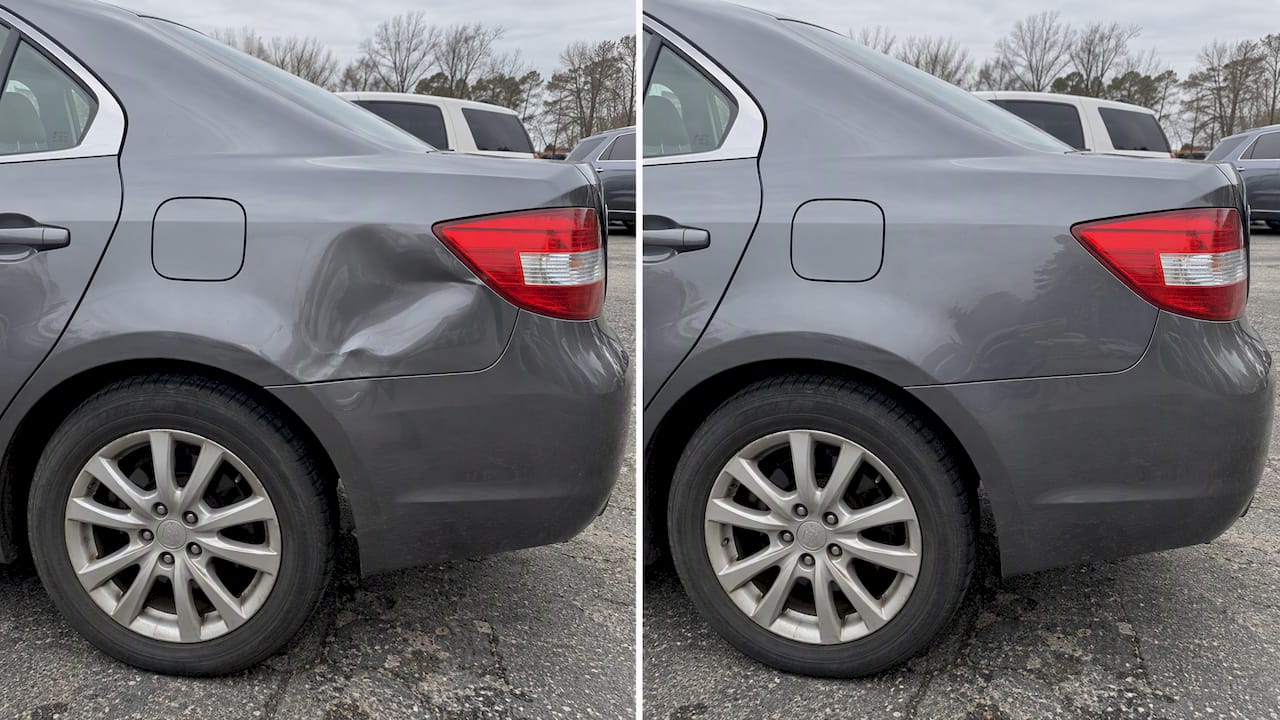
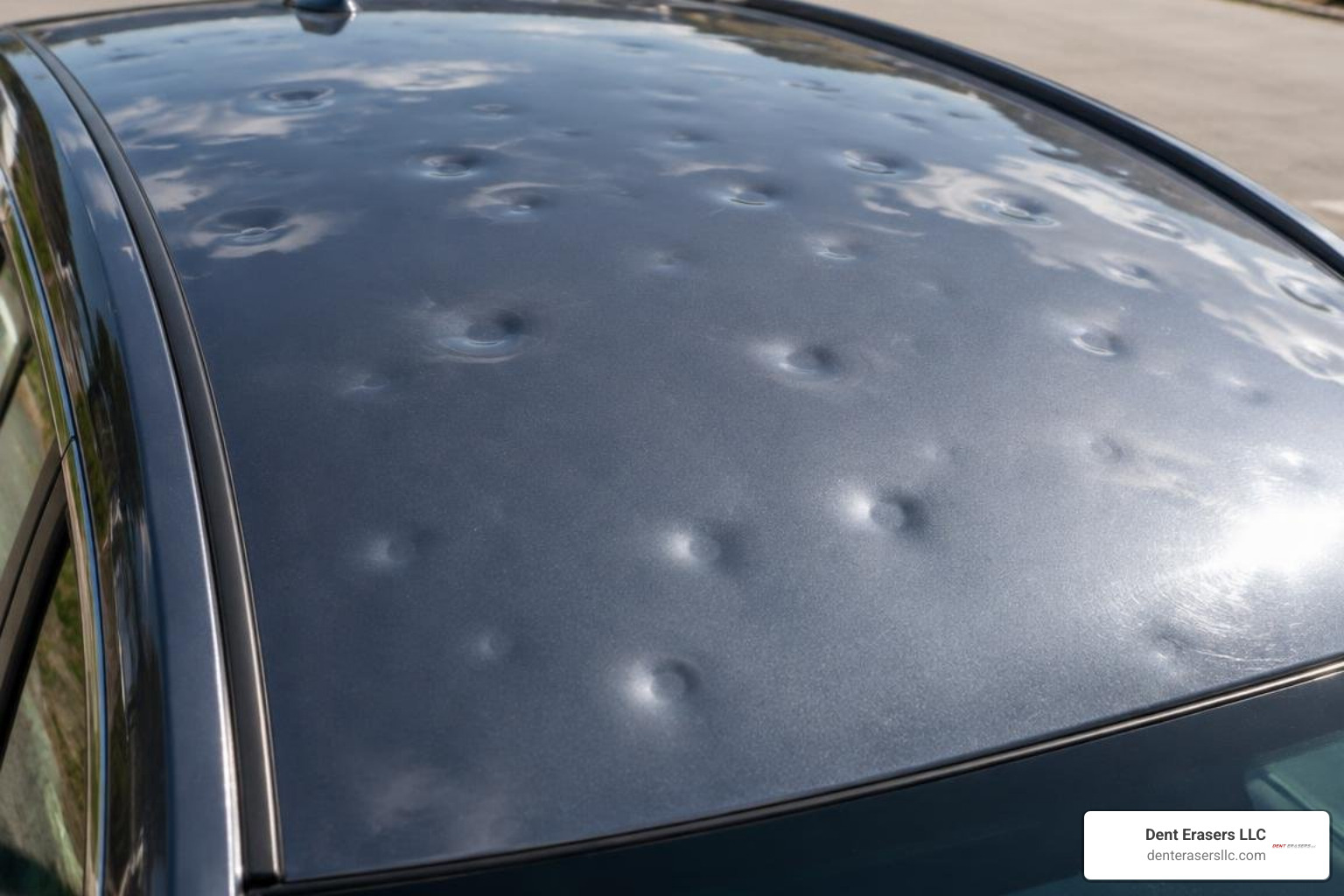
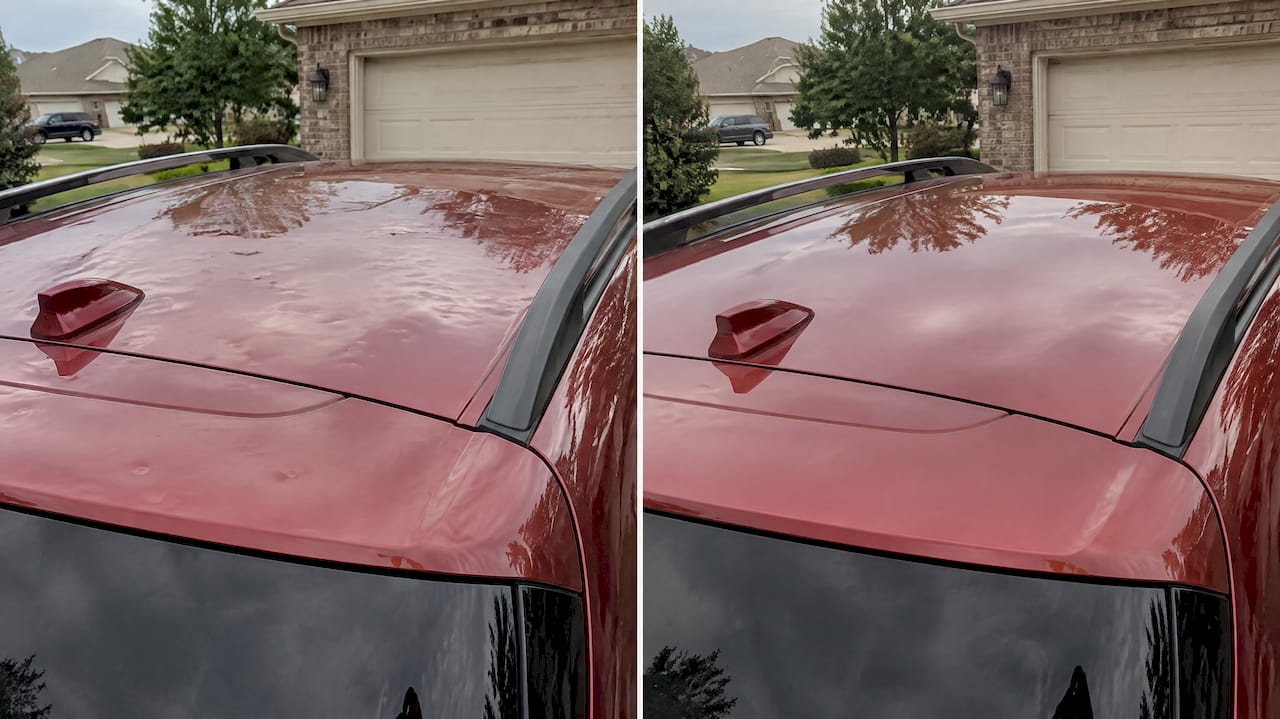
Not every dent requires a trip to a traditional body shop. For minor impacts, door dings, and hail damage where the paint remains completely intact, Paintless Dent Repair (PDR) is often the superior choice.
| Feature | Traditional Body Shop Repair | Paintless Dent Repair (PDR) |
|---|---|---|
| Process | Sanding, body filler, priming, painting, baking | Massaging metal from the backside using specialized tools |
| Original Paint | Repainted (may cause slight color mismatch) | 100% Preserved (maintains factory clear coat) |
| Turnaround Time | Several days to weeks | Same-day service (often completed in hours) |
| Cost-Effectiveness | Higher ($1,000 – $5,000+) | Extremely affordable ($150 – $500) |
| Carfax Impact | Often reported as a collision repair | Typically not reported as structural damage |
By choosing PDR when appropriate, you achieve original paint preservation and keep your vehicle’s factory warranty intact. If you want to explore more about keeping your car looking its best without breaking the bank, check out our Auto Body Repairs Category for expert tips and insights.
Detailed Reviews of the Top 10 Collision Repair Shops
Choosing where to take your vehicle after an accident is all about trust. You want a team that combines cutting-edge technology with stellar customer service. To help you navigate your options in Contra Costa County and the wider Bay Area, we have compiled detailed reviews of the top 10 collision repair shop types and regional leaders. Explore our Collision Repairs Category for more localized guides.
1. Dent Erasers LLC (Concord, CA)
If you are looking to fix annoying door dings, minor creases, or hail damage without losing your car to a body shop for a week, Dent Erasers LLC is the premier choice in Contra Costa County.
Operating as a fully mobile paintless dent repair specialist, we bring our shop directly to your home or office in Concord, Walnut Creek, Antioch, San Ramon, Pittsburg, Brentwood, and surrounding areas. Our primary focus is original paint preservation. By using specialized PDR rods and glue-pulling systems, we massage the metal back to its factory shape without using body fillers, sanding, or non-matching paint.
- Why We Stand Out: We offer a quick turnaround—most repairs are completed in under two hours—and highly affordable pricing ranging from $150 to $500. It’s the ultimate hassle-free way to restore your vehicle’s value.
2. OEM-Certified Collision Repair Specialists
When your vehicle has suffered significant structural damage, taking it to an OEM-certified facility ensures it is repaired using the exact parts and methods specified by the manufacturer.
Elite certified shops showcase what it means to hold dozens of manufacturer certifications, demonstrating that the shop invests in the precise tooling and training required for luxury and high-performance brands. They provide factory-certified repairs that utilize genuine OEM parts to maintain your vehicle’s strict safety ratings.
- Why Choose Them: They guarantee your vehicle is restored using parts designed specifically for your make and model, preserving factory warranties and structural safety.
3. I-CAR Gold Class Certified Facilities
For general collision repairs where you want peace of mind that the technicians are highly trained, look for an I-CAR Gold Class certified shop.
Technicians at these certified facilities undergo continuous, rigorous testing to stay up-to-date on modern vehicle materials and safety systems. They leverage Gold Class standards to ensure that every repair—from a minor bumper replacement to major collision damage—is handled with precision.
- Why Choose Them: Gold Class shops consistently achieve 25% higher customer satisfaction rates due to their standardized training and reliable repair protocols.
4. Local Family-Owned Auto Body Repair Shops
There is something incredibly reassuring about working with a local, family-owned business that relies on community trust and word-of-mouth reputation rather than massive corporate advertising budgets.
Family-owned options are known for providing highly personalized service, walking you through every line item of your estimate, and treating you like a neighbor rather than a claim number.
- Why Choose Them: Exceptional customer care, deep roots in the local community, and a willingness to go the extra mile to make the repair process as comfortable as possible.
5. Insurance-Preferred Direct Repair Program (DRP) Partners
If your primary goal is to make the insurance process as hands-off as possible, choosing a Direct Repair Program (DRP) partner is a smart route.
DRP partners work hand-in-hand with major insurance carriers. Because they are preferred partners, they can write estimates, get instant digital approvals, and coordinate your rental car drop-off and pick-up directly at their facility.
- Why Choose Them: They minimize administrative delays, handle the paperwork directly with your adjuster, and often offer streamlined deductible processing.
6. Precision Color-Matching & Paint Refinishing Shops
Few things ruin a car’s appearance faster than a mismatched paint job where the newly repaired door looks slightly different than the rest of the body.
Top-tier refinishing shops utilize computerized color-matching technology and advanced refinishing systems. They scan your vehicle’s existing paint to account for natural sun fading, ensuring the newly applied waterborne paint blends seamlessly into the original finish.
- Why Choose Them: They guarantee a flawless finish where only you and the technician will ever know the vehicle was in an accident.
7. Advanced ADAS Calibration & Safety Systems Integration
As vehicles become more technologically advanced, a simple fender bender can throw off your vehicle’s camera, radar, and lidar systems.
Top-tier modern repair facilities prioritize advanced ADAS calibration. They perform a digital pre-scan upon vehicle intake to diagnose all system faults, and a post-scan after reassembly to confirm that your blind-spot monitoring, lane assist, and collision avoidance systems are fully operational and safely integrated.
- Why Choose Them: Essential for any modern vehicle (built after 2018) to ensure your automated safety features don’t malfunction on the highway.
8. Full-Service Auto Body & Panel Repair Facilities
For major accidents where your vehicle requires a combination of frame straightening, mechanical work, glass replacement, and sheet metal panel repair, you need a heavy-duty, full-service facility.
These facilities are fully equipped to manage massive rebuilds. They handle everything from structural frame alignment to glass replacement and suspension repairs under one roof.
- Why Choose Them: A true one-stop shop capable of taking a severely damaged vehicle and restoring it completely to pre-accident condition.
9. Mobile Paintless Dent Repair (PDR) Specialists
For drivers who value convenience and want to avoid the high overhead costs of a traditional body shop, independent mobile PDR specialists are the perfect solution.
These experts use specialized LED lighting and custom-designed steel rods to gently massage dents out from behind the body panels. Because they don’t use paint or body filler, they preserve the vehicle’s original factory paint. It is an eco-friendly, fast, and incredibly cost-effective option for door dings, minor shopping cart creases, and hail damage.
- Why Choose Them: Unmatched convenience—they come to your home or office and finish the job in a fraction of the time of a traditional shop.
10. Eco-Friendly & Green-Certified Auto Body Shops
With environmental standards continuing to evolve in 2026, many vehicle owners prefer to support shops that minimize their carbon footprint.
Green-certified auto body shops utilize state-of-the-art waterborne paint systems, which drastically reduce volatile organic compound (VOC) emissions compared to traditional solvent-based paints. They also implement advanced spray booth filtration and robust recycling programs for scrap metal, plastics, and cardboard.
- Why Choose Them: High-quality structural and cosmetic repairs performed with a conscious effort to protect the local Bay Area environment.
Frequently Asked Questions about Collision Repair
How long does a typical collision repair take?
The timeline varies widely based on the extent of the damage. Minor cosmetic repairs or paintless dent removal can be completed in a few hours to a couple of days. However, moderate to severe structural damage involving parts ordering and ADAS sensor calibration typically takes between one to three weeks.
What certifications should I look for in a repair shop?
At a minimum, look for an I-CAR Gold Class certification, which ensures the technicians receive continuous training on modern vehicle safety standards. Additionally, look for manufacturer-specific OEM certifications if you drive a luxury, electric, or highly specialized vehicle.
How do shops handle ADAS sensor calibration after an accident?
Reputable shops perform a digital diagnostic pre-scan to identify any fault codes in your vehicle’s computer system. After the physical repairs are completed, they use specialized targeting equipment to recalibrate the cameras, radar, and sensors, followed by a post-scan to verify everything is operating safely.
Conclusion
Getting into an auto accident is stressful, but restoring your vehicle doesn’t have to be. By understanding the repair process, choosing certified technicians, and selecting the right shop for your specific needs, you can get back on the road with total confidence.
If your vehicle has suffered minor dents, door dings, or hail damage, you don’t need to leave it at a body shop for days. We invite you to schedule our professional Auto Body Repair Service for fast, convenient, and affordable mobile paintless dent removal. Have questions or want a free estimate? Contact Us today, and let us bring our expert dent restoration services straight to your driveway!