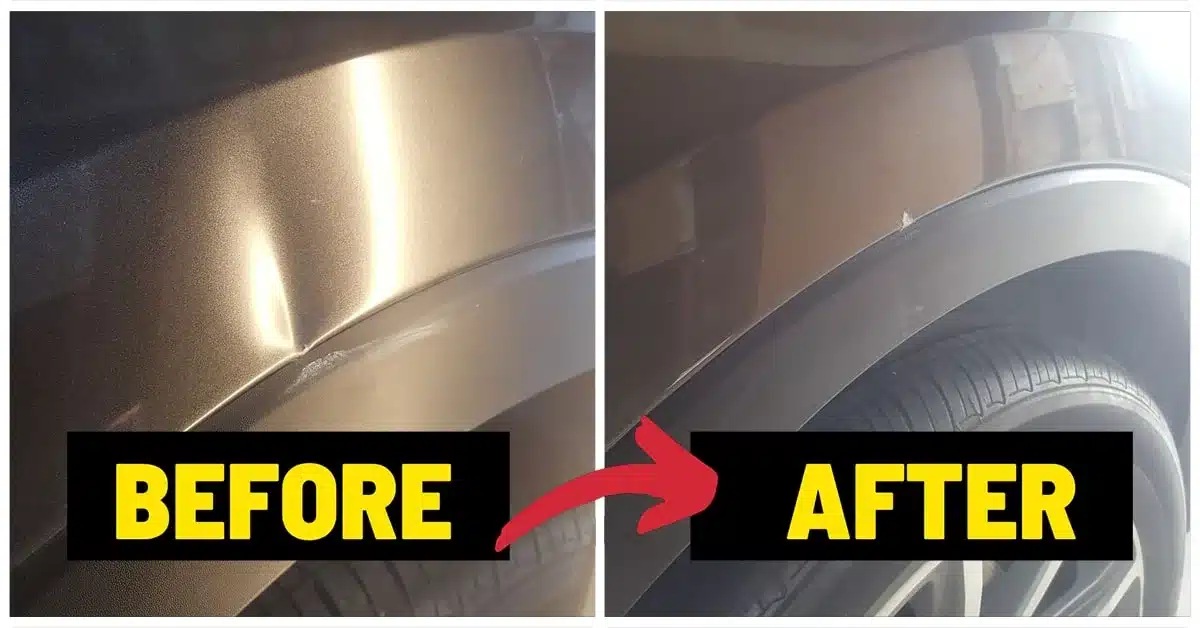
Is a Car Dent Plunger Worth It? Here’s the Quick Answer
A car dent plunger is a suction-based tool designed to pull shallow dents out of vehicle panels. Here’s what you need to know fast:
- Best for: Small, shallow dents on flat metal surfaces (doors, hoods, fenders)
- Not ideal for: Creased dents, dents near edges, or any dent with paint damage
- Effectiveness: Roughly 50/50 — it works on simple dents, but can make things worse if misused
- Suction cups typically remove only 75–80% of a dent, even in good conditions
- Better alternative: Paintless dent repair (PDR) by a professional delivers cleaner, more reliable results
Parking lot dings. A careless door slam. A rogue shopping cart. Minor dents happen to every vehicle owner — and with auto repair costs rising significantly over recent years, it’s no surprise that more people are reaching for a plunger before calling a body shop.
But does it actually work? Sometimes. And when it doesn’t, it can leave you with a bigger problem than you started with — stretched metal, cracked paint, or what body shops quietly call a “friendly dent”: damage that’s been made harder (and more expensive) to fix.
This guide walks you through exactly how to use a car dent plunger correctly, what types of dents it can handle, and when you’re better off calling a professional.
I’m Brian Blanc, founder of Dent Erasers LLC and a paintless dent repair specialist with nearly 30 years of hands-on experience removing everything from minor door dings to complex hail damage — and I’ve seen what happens when a car dent plunger is used on the wrong dent. I’ll give you the honest breakdown so you can make the smartest call for your vehicle.
What Is a Car Dent Plunger and How Does It Work?
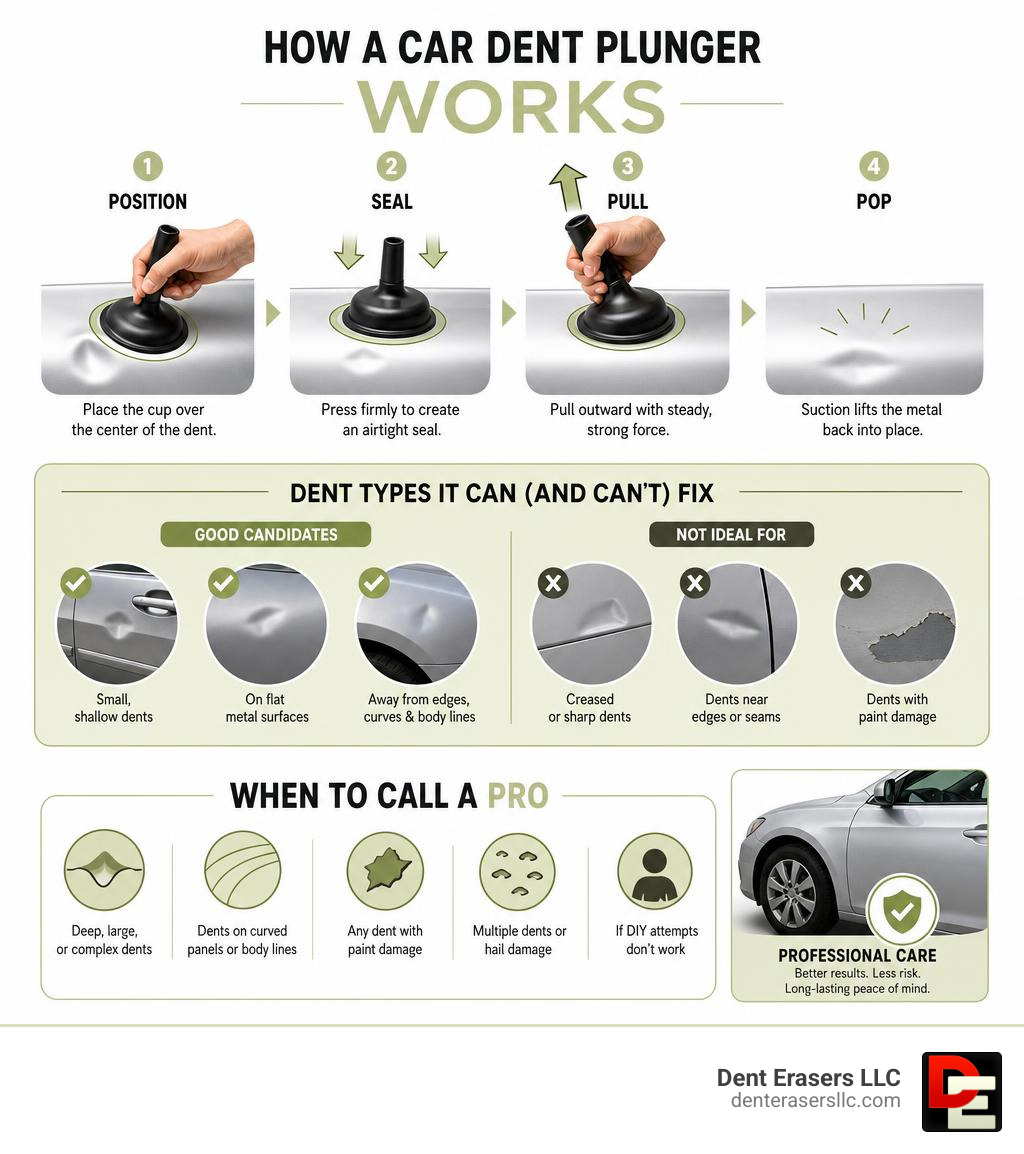
At its core, a car dent plunger is a specialized suction cup tool designed to create a powerful airtight seal against a vehicle’s body panel. By applying force and pulling outward, the tool uses negative air pressure (suction) to pop the sunken metal or plastic back into its original shape.

While it sounds like a simple physics trick, the effectiveness of this method depends heavily on the surface area and the shape of the damage. In a real-world test conducted by automotive enthusiasts, researchers wanted to see if a basic plunger could hold up to the hype. The findings from Can You Remove Dents in Your Car with a Plunger? We Tested It Out – TopCarNews confirmed that while it is technically possible to pull out some metal depressions, the tool’s success rate is highly conditional.
When you press a cup plunger down onto a flat, non-porous car panel, you push the air out from underneath the rubber cup. When you pull back, the vacuum created inside the cup pulls the metal along with it. However, because vehicle panels are stamped and rolled during manufacturing, they possess “metal memory.” They want to stay in their stamped shape, but once a dent stretches that metal, a simple plunger lacks the precision to restore the panel’s original contours perfectly.
Types of Dents a Plunger Can Fix
Before you go raiding your bathroom or ordering a suction tool online, you need to assess the damage. A car dent plunger is not a magic wand, and it only works on very specific types of dings:
- Shallow, Round Dents: If a basketball hit your door or someone leaned too hard against your fender, leaving a wide, shallow depression without sharp creases, a plunger has a solid chance of popping it back out.
- Plastic Bumpers: Modern plastic bumpers are highly flexible. If your bumper has a large, soft cave-in, heating the plastic and using a plunger can often restore its shape.
- Large, Flat Metal Panels: The center of doors, hoods, and roofs are flexible enough to respond to suction.
If your dent has sharp creases, is located on a body line, or sits right at the edge of a panel, a plunger will not work. The metal in these areas is too rigid, and trying to pull it with suction can stretch the metal permanently, leading to unsightly waves.
Choosing the Right Car Dent Plunger
If you decide to go the DIY route, do not just grab any plunger. A standard bellows-style toilet plunger is designed to push water through pipes, not create a flat vacuum seal on metal. You need a flat-bottomed cup plunger.
For those looking for a tool designed specifically for automotive use, there are dedicated options. For example, the Plunger Type Air Suction Dent Puller | RE012 | Sealey is a professional-grade tool featuring an integral vacuum generator and multiple suction pad sizes (75mm, 100mm, and 125mm) to match the size of your dent.
If you are buying a consumer-grade tool, look for:
- A strong, heavy-duty rubber cup that won’t collapse under pressure.
- A sturdy handle (preferably with a locking suction lever) to allow you to pull straight back with force.
- The correct diameter: The suction cup should be slightly smaller than the flat base of the dent itself so it can sit entirely inside the depressed area to create a seal.
How to Remove a Car Dent with a Plunger
If you’ve determined your dent is a good candidate for a DIY attempt, proper preparation is the difference between a successful pop and a scratched, ruined paint job.
Before you touch the plunger to your car, you must clean the area thoroughly. Any dirt, road grit, or wax on the panel will prevent the plunger from making a perfect airtight seal. Even worse, if there is grit trapped under the rubber cup when you push and pull, you will grind those tiny rocks directly into your clear coat, leaving a swirl of deep scratches. Wash the area with soapy water, rinse it clean, and dry it completely.
Step-by-Step Guide to Using a Car Dent Plunger
Follow these steps carefully to maximize your chances of success while protecting your paint:
Step 1: Heat the Metal (Optional but Recommended)
Cold metal is stiff and resistant to movement. To make the panel more pliable, pour warm (not boiling) water over the dent, or gently warm the area with a hair dryer on a low setting. Keep the heat source moving to avoid overheating the paint.
Step 2: Apply Lubrication
To get a perfect vacuum seal, you need a wet interface. Apply a small amount of water or a light splash of soapy water to both the rim of the car dent plunger and the dented area of your car.
Step 3: Position and Push
Place the plunger directly over the center of the dent. Push down firmly but slowly to expel the air from under the cup. Do not slam the plunger down, as sudden force can actually push the dent deeper or crease the edges.
Step 4: Pull Straight Back
Grip the handle firmly and pull straight back toward you with a quick, steady motion. Avoid pulling at an angle, which can break the suction prematurely or put uneven pressure on the metal. You are looking for a clean, sudden release that pops the metal back into place.
Step 5: Repeat and Assess
If the dent pops out partially, re-lubricate the cup and try again. However, if you have tried three or four times and the metal hasn’t budged, stop. Continuous pulling on stubborn metal will only stretch it, turning a simple fix into a complex repair.
Pros and Cons of DIY Plunger Dent Repair
While the idea of a quick, cheap fix is highly appealing, DIY dent pulling comes with significant trade-offs.
| Pros of Plunger Repair | Cons of Plunger Repair |
|---|---|
| Incredibly Cheap: A basic suction cup or plunger costs under $20. | Limited Success: Only works on very specific, shallow, round dents (50/50 success rate). |
| Convenient: Can be attempted at home in your driveway in minutes. | Risk of Paint Damage: Can crack aged paint, damage clear coat, or lift paint if applied over previous body filler. |
| No Paint or Fillers: Preserves original paint if successful. | Stretched Metal: Can pull the metal too far, creating high spots or “friendly dents” that are harder to fix. |
| Good for Plastic Bumpers: Highly effective when combined with heat on plastic. | Incomplete Repair: Suction cups typically leave behind 20% to 25% of the dent around the edges. |
If you are dealing with a newer or high-value vehicle, the risks often outweigh the rewards. For instance, average car repair costs increased by 18% between 2021 and 2023. With professional body shop rates climbing, making a mistake on a DIY repair can quickly turn a minor ding into an expensive multi-panel paint job.
When DIYers pull too hard or use improper tools, they often stretch the metal. Stretched sheet metal loses its structural integrity, creating waves or high spots. In the professional auto body world, these are known as “friendly dents” because they look like waves or ripples that require specialized metal-shrinking techniques to correct.
Better Alternatives to the Plunger Method
If a car dent plunger isn’t cutting it, or if you want a flawless finish without risking your paint, there are far more precise DIY and professional alternatives available.
If you still want to try fixing it yourself, consumer paintless dent repair kits have become highly popular. You can find products like the VEVOR Dent Puller Kit, Paintless Car Dent Removal Tool, Auto Fender Damage Repair Puller Lifter with Curved Rod, Crowbar, Rubber Hammer, Airbag, Detachable & Repair Pens, Replacement Heads Tools Kit | VEVOR EU, which boasts an average rating of 4.7 out of 5 stars from verified customers. These kits use glue-pulling tabs and mini-lifters to pull the dent out from the front side without damaging the paint.
For heavier duty damage, some DIYers turn to slide hammers, such as the Heavy-Duty Dent Puller Repair Kit with 10 lbs. Slide Hammer Tool sold at Home Depot, or specialized tools like the Universal Car Dent Puller Pliers Repair Kit for Mazda, Ford, and Honda – Maagnia. However, these heavy-duty tools require a high level of skill to avoid tearing the metal or destroying your vehicle’s finish.
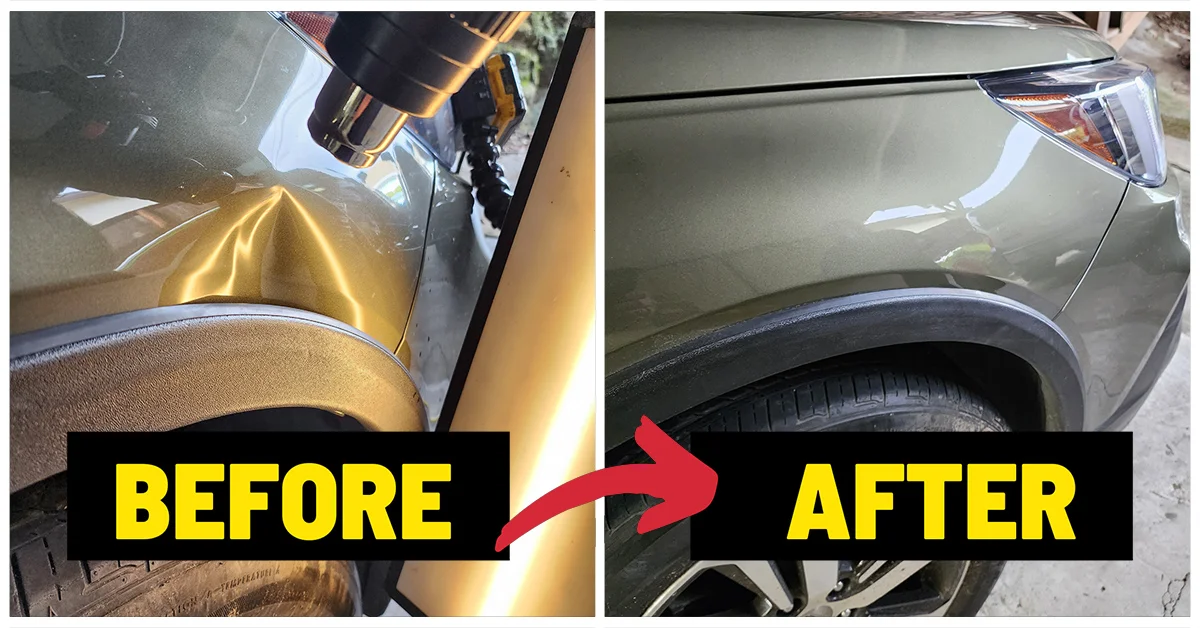
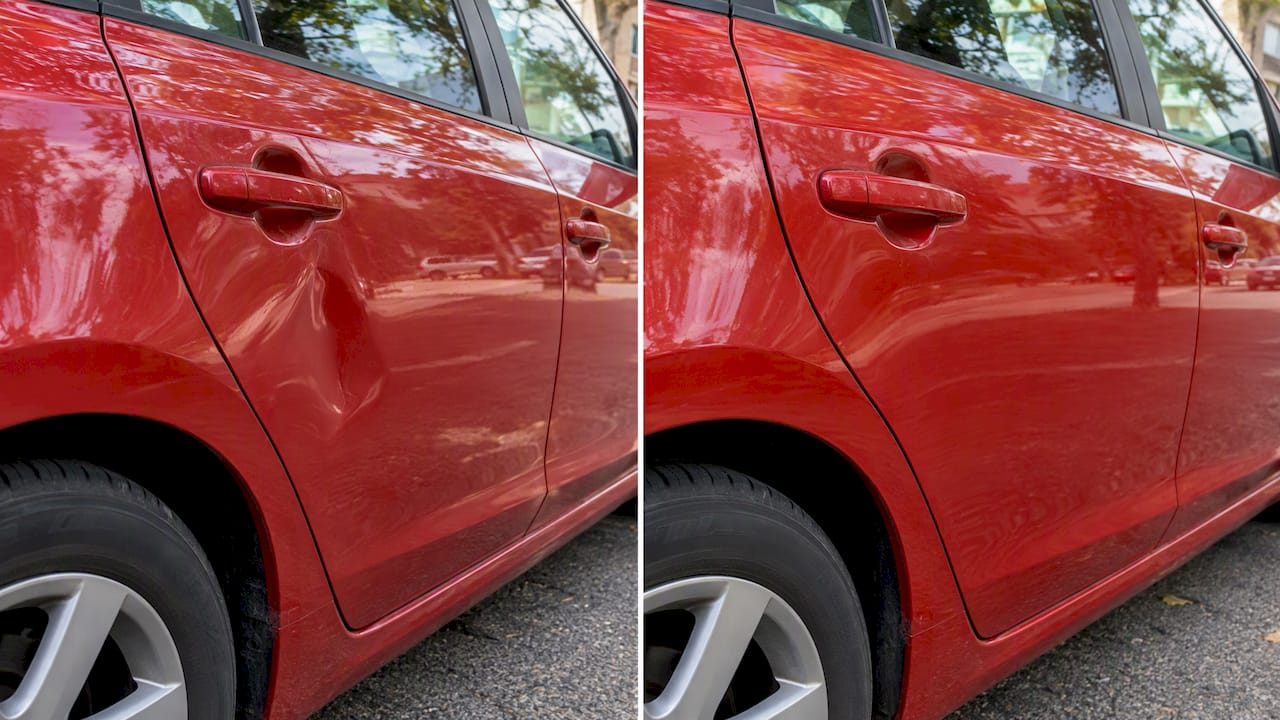
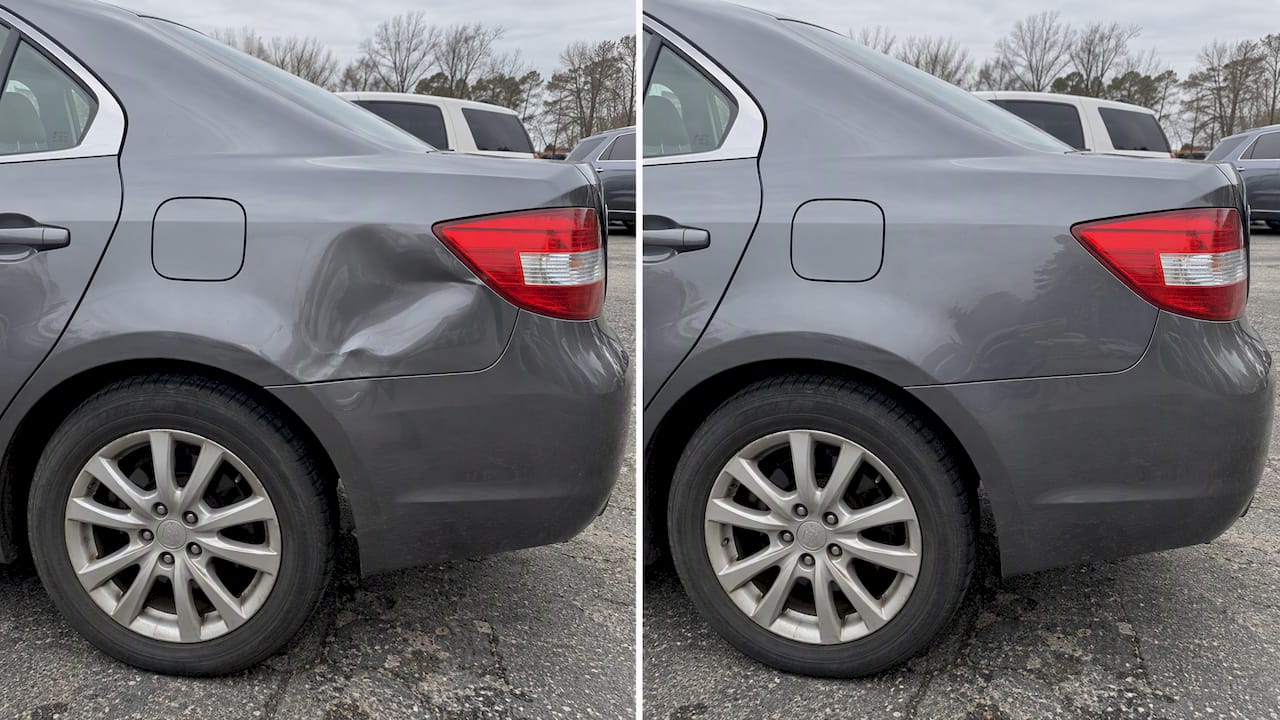
The absolute best alternative to any DIY method is professional Paintless Dent Repair (PDR). Understanding What Is Paintless Dent Repair? Understanding the Benefits for Your Vehicle highlights why this method is preferred by collectors and insurance companies alike: it removes the dent completely from behind the panel using specialized rods, preserving your car’s original factory paint.
Furthermore, when you look at the economics, choosing professional PDR is incredibly smart. You can Save on Repairs: Paintless Dent Repair vs Traditional Costs because PDR bypasses the need for expensive body fillers, sanding, and color-matching paint. It keeps your vehicle’s original factory finish intact, which preserves its resale value.
Frequently Asked Questions About DIY Dent Repair
Can a household toilet plunger fix a car dent?
Generally, no. A standard toilet plunger with a bellows-style bottom is designed to push and pull water through a clogged pipe, not create a flat vacuum seal on a metal car panel. To pull a car dent, you need a flat-bottomed cup plunger or a dedicated automotive suction cup tool that can form a tight, airtight seal on a smooth, non-porous surface.
Will hot water and a plunger damage my car’s paint?
It can if you aren’t careful. While warm water is great for making plastic bumpers or metal panels more pliable, using boiling water can cause thermal shock. This sudden extreme temperature change can crack your car’s clear coat or cause the paint to lift and peel. Always use warm, not boiling, water, and never apply heavy suction to paint that is already chipped, scratched, or cracked.
When should I avoid DIY dent removal?
You should completely avoid DIY methods if:
- The dent has sharp creases or folded metal lines.
- The paint inside or directly around the dent is cracked, scratched, or chipped.
- The dent is located on a double-walled panel or right on the edge of a door or fender.
- You drive a luxury, classic, or electric vehicle where panel replacement costs are exceptionally high. In these cases, a minor DIY mistake can easily escalate into a thousands-of-dollars repair bill.
Final Assessment of DIY Plunger Repairs
While a car dent plunger can be a fun, inexpensive weekend experiment for a minor ding on an older daily driver, it is far from a guaranteed fix. With a success rate of about 50/50, and the very real risk of stretching your metal or cracking your paint, taking the DIY route can sometimes cost you more in the long run.
If you want a flawless, guaranteed repair without the stress, let the experts handle it. At Dent Erasers LLC, we provide high-quality, mobile Paintless Dent Repair directly to your home or office. We serve Concord, CA, and the surrounding Contra Costa County areas, including Walnut Creek, Antioch, Richmond, San Ramon, and Pittsburg.
Our expert technicians specialize in restoring your car, motorcycle, or luxury vehicle to pristine condition while preserving its original factory paint—all with a quick turnaround and highly affordable pricing (typically ranging from just $150 to $500).
Skip the plunger and the plumbing aisle. Contact us today for a free estimate, and let us make those dents disappear!