Paint Matching and When PDR Isn’t Enough
Comprehensive Guide to Paint Matching and When Paintless Dent Repair Isn’t Enough
By Brian Blanc, Dent Erasers LLC
When a dent breaks or chips the paint, paintless dent repair (PDR) alone isn’t enough — paint matching becomes critical to achieve an invisible repair. Understanding paint matching dent repair, when PDR is not enough, and how to handle dent repair with paint damage is essential for restoring your vehicle’s appearance and value.
Understanding Paint Matching and Limitations of PDR
- Paint matching blends repairs with the factory finish.
- PDR fixes minor dents without repainting.
- PDR is unsuitable for deep, creased, or cracked paint.
- Repainting or body repair is required for severe damage.
- Spectrophotometers and formulas enable accurate color matching.
- Mobile services provide convenient on-site repairs.
- PDR helps preserve resale value by keeping factory paint.
- Assess dent depth, location, and paint condition before choosing.
- Combining PDR and repainting often gives the best result.
Paint Matching Process: Color Code Retrieval, Challenges, and Blending Techniques
Paint-matching dent repair starts with retrieving the vehicle’s exact color code, usually found on the manufacturer’s label inside the doorjamb or under the hood. Technicians use this code to access OEM paint formulas, but perfectly matching factory paint is challenging due to factors such as fading, environmental exposure, and complex paint systems.
Modern vehicles often use tri-coat or pearl finishes, which include multiple layers such as a base color, pearl or metallic flakes, and a clear coat. These multi-stage coatings require precise blending techniques to ensure the repaired area seamlessly integrates with the surrounding paint. Technicians carefully blend new paint into adjacent panels, feathering edges to avoid visible lines.
Despite advanced methods, factory paint is difficult to replicate exactly because of variations in paint batches, aging, and the original application process. Skilled technicians rely on experience and specialized equipment to achieve the best possible match.
Why California Paint Codes Are Trickier
California’s unique environment and regulations add complexity to paint matching. High UV exposure in the Bay Area accelerates paint oxidation, causing colors to fade and shift over time. Temperature swings between hot days and cool nights further stress paint layers, leading to subtle changes in gloss and hue. Coastal salt air also contributes to paint degradation, especially near the shoreline.
Additionally, California’s strict VOC (volatile organic compound) regulations require specialized paint formulas that differ from those in other states. These formulas can affect color consistency and blending, making exact matches more challenging. Technicians must account for these factors when performing paint matching dent repair in Contra Costa County and surrounding areas.
The 3-Stage Paint Matching Process Explained
Accurate paint matching involves replicating the vehicle’s multi-layer paint system, typically composed of three stages:
- Base Coat: The primer layer that provides adhesion and corrosion resistance.
- Color Coat: The pigmented layer that gives the vehicle its color and effect, such as metallic or pearl finishes.
- Clear Coat: A transparent protective layer that adds gloss and durability.
Even factory paint codes can drift over the years due to batch variations and environmental exposure. Technicians must carefully adjust formulas and blending techniques for each layer to achieve a seamless repair that matches the aged finish.
Paint Damage Severity Guide
Limitations of Paintless Dent Repair (PDR)
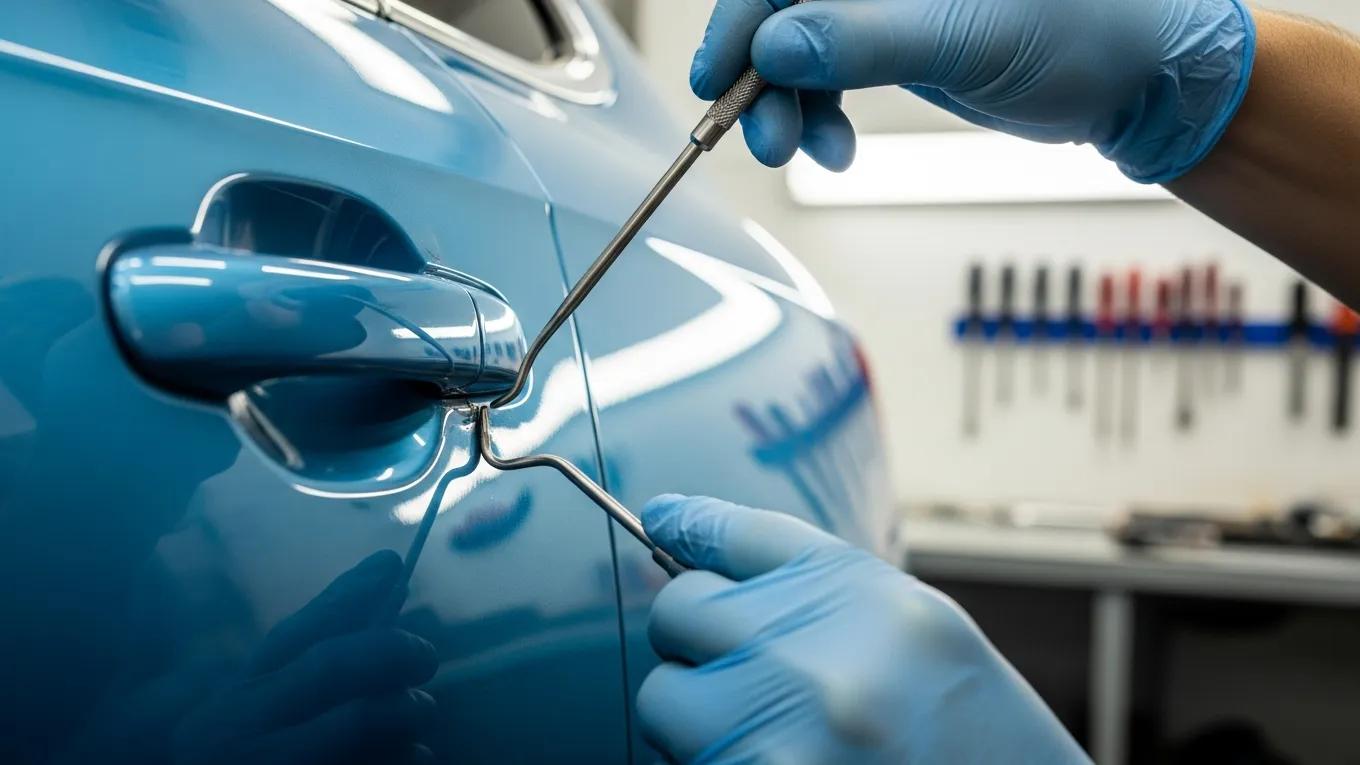
PDR is effective for small, shallow dents but cannot reliably fix deep, creased, or badly stretched panels. If paint is cracked or flaking, or the panel is inaccessible, traditional body repair is usually required.
When PDR Is Not Enough: Scenarios Requiring Traditional Paint Repair
There are specific situations where traditional paint repair is necessary after or alongside PDR to address paint damage effectively:
- Chips along crease lines where metal flex causes paint to crack.
- Chipped bumpers with damaged paint and underlying material.
- Scraped door edges where paint is worn or removed.
- Faded panels that require repainting to restore uniform color.
In these cases, combining PDR with targeted repainting ensures both the dent and paint damage are properly repaired for a flawless finish.
Alternative Solutions for Effective Vehicle Restoration
When PDR can’t restore the damage, technicians use panel repair, filler, and targeted repainting. Often a hybrid approach—PDR where possible and repainting where required—delivers the best cosmetic and cost outcome.
Modern Paint Matching Technology: Spectrophotometers, OEM Databases, and Multi-Stage Blending
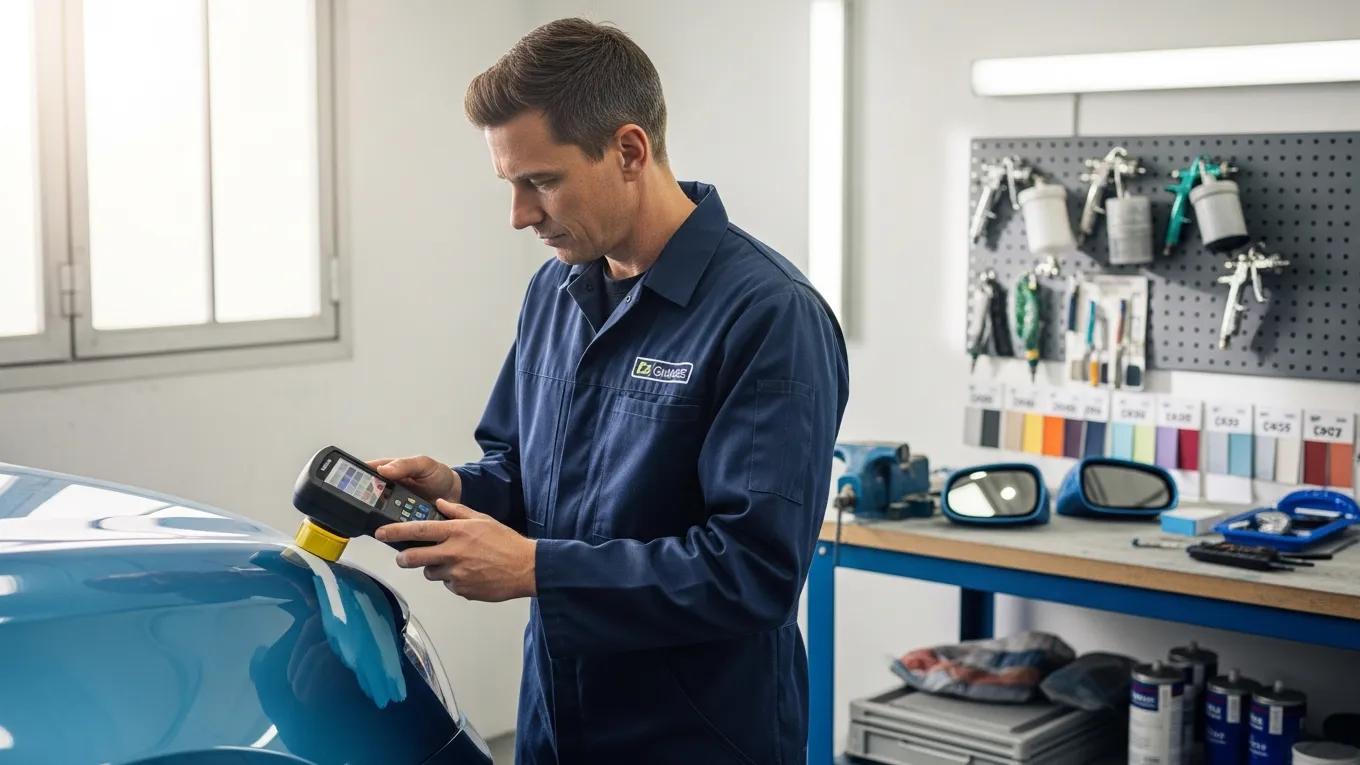
Advancements in paint matching technology have greatly improved repair accuracy. Computerized spectrophotometers measure the exact color and reflectance of the damaged area, capturing data beyond human perception. This data is cross-referenced with OEM color databases to retrieve precise paint formulas.
Technicians then apply multi-stage blending techniques to replicate complex finishes, including metallic and pearl effects. This technology investment, combined with extensive experience handling difficult multi-coat finishes, ensures high-quality results that preserve the vehicle’s original appearance.
Brian Blanc’s Expertise in Paint Assessment
Brian Blanc, founder of Dent Erasers LLC, is trained in OEM color matching techniques and works closely with certified paint partners for cases requiring touch-up or full respray. His expertise ensures that every paint matching dent repair meets the highest standards of accuracy and finish quality, especially in challenging environments like the Bay Area.
What Is Paintless Dent Repair and How Does It Preserve Original Car Paint?
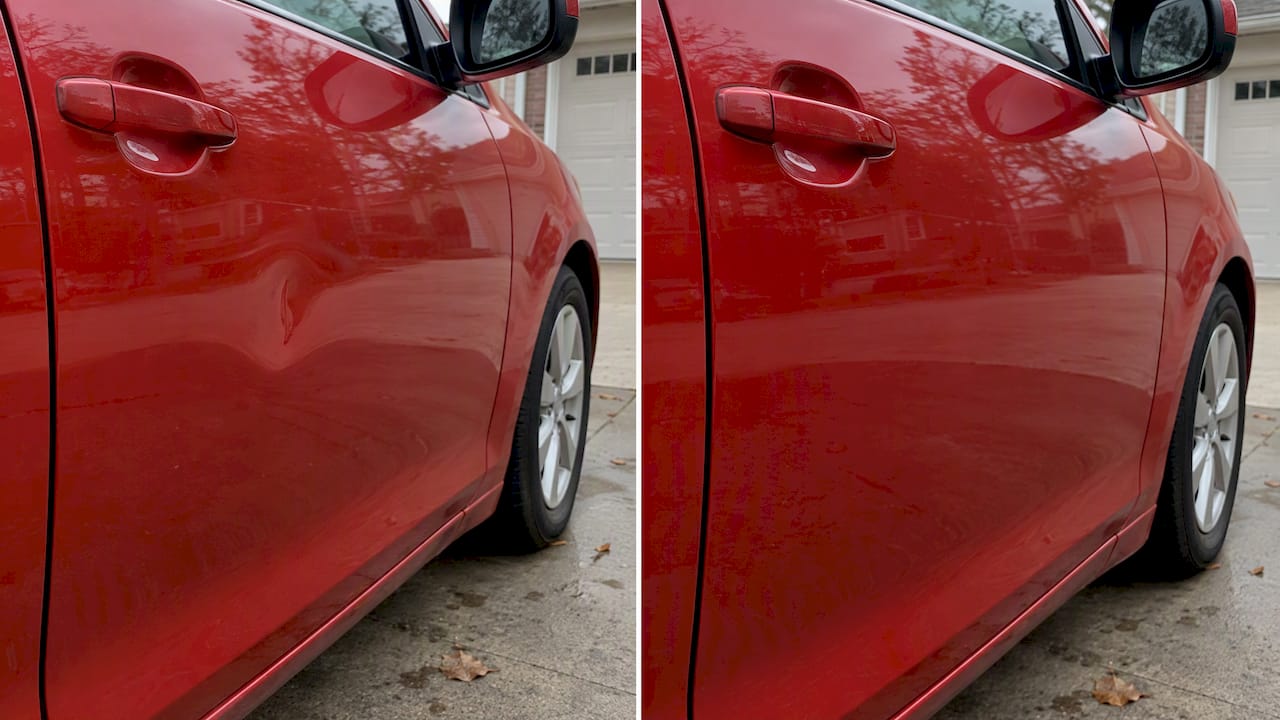
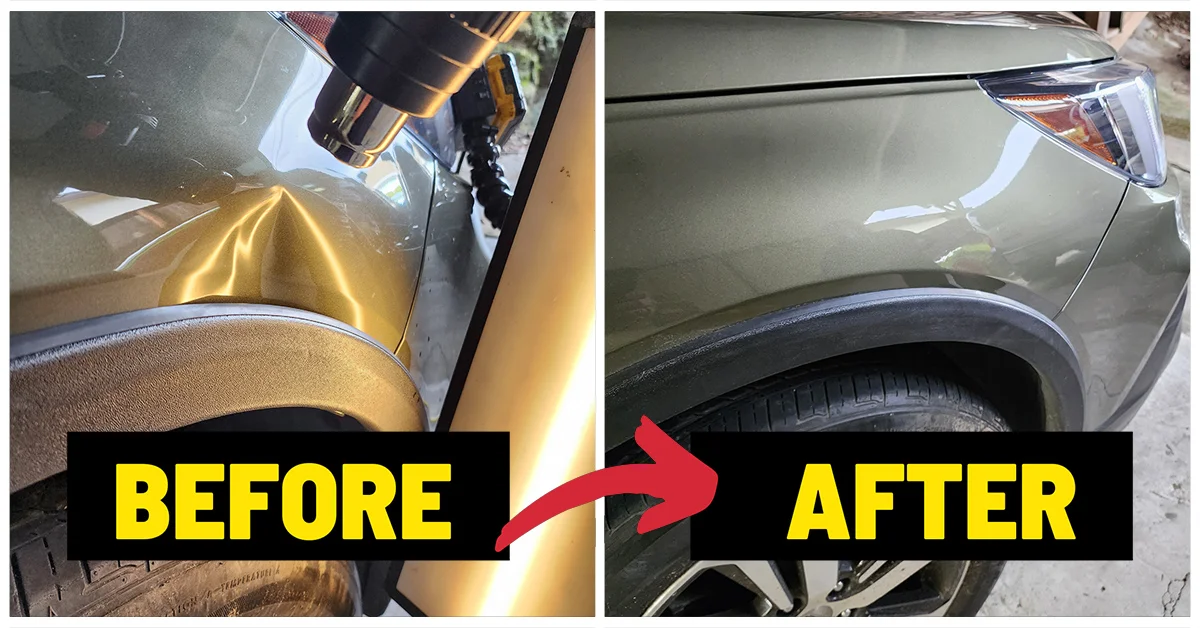
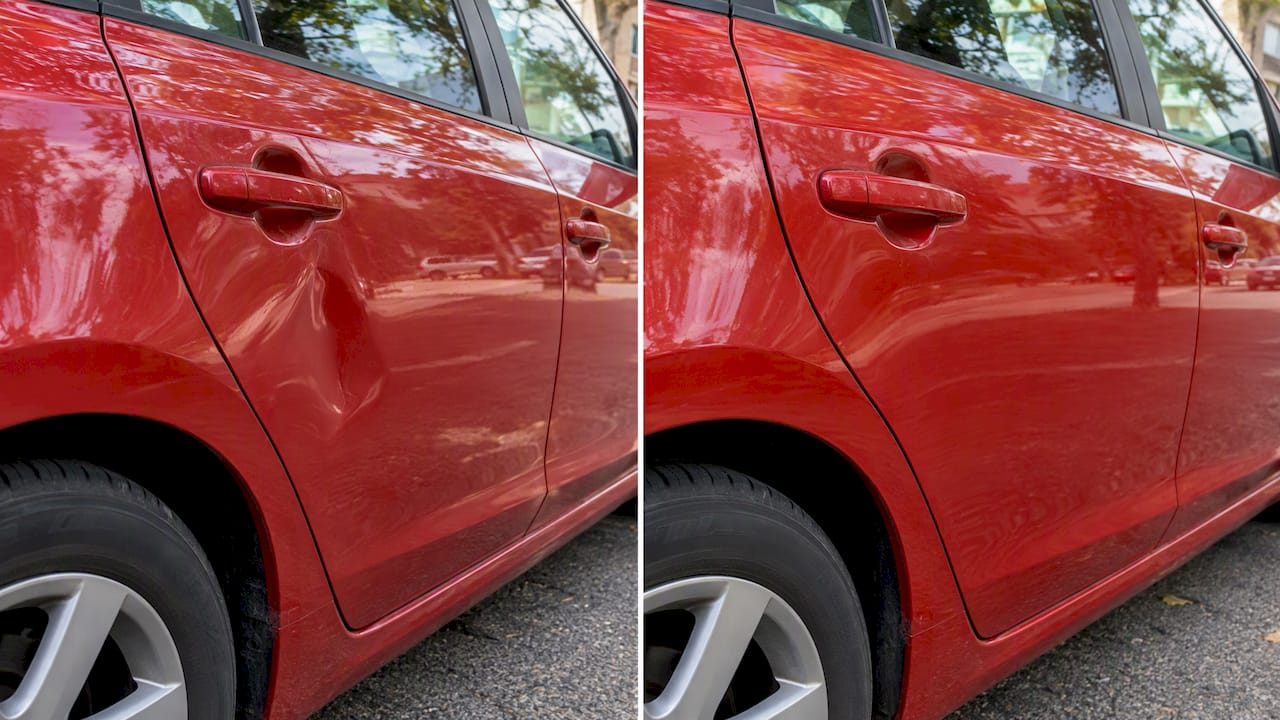
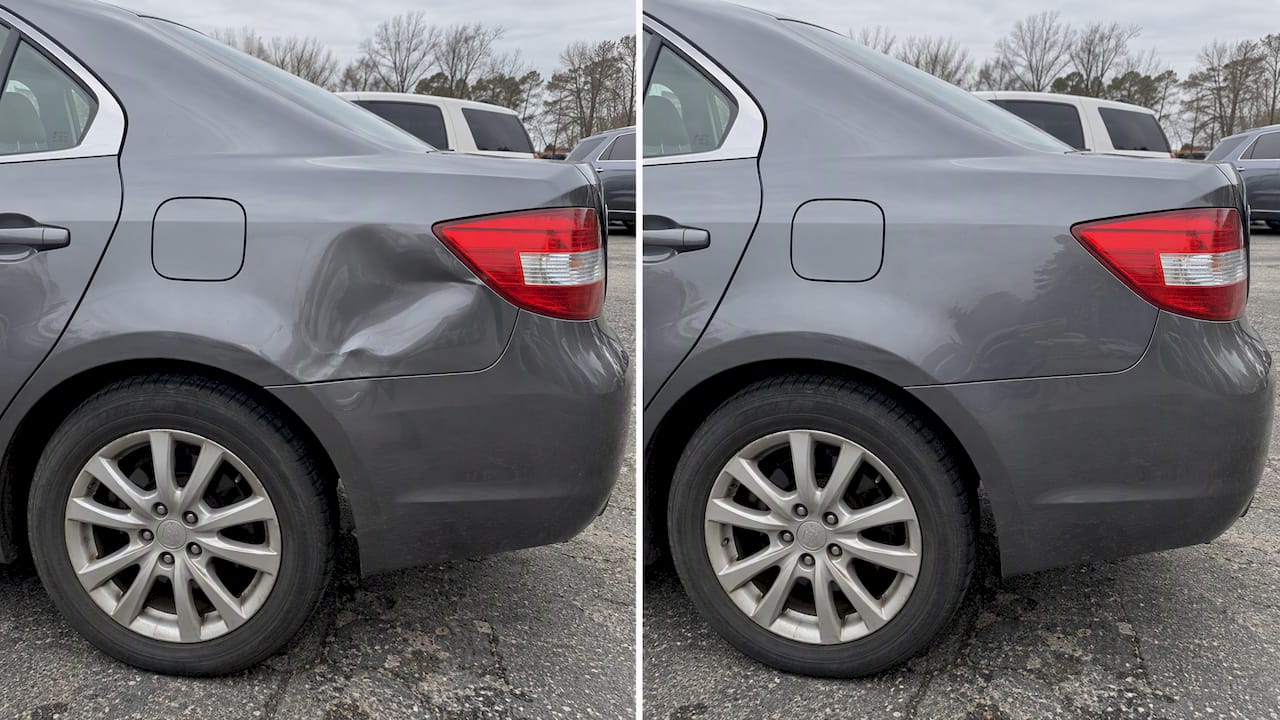
Paintless dent repair removes dents without disturbing factory paint by manipulating the metal from behind the panel. Preserving the original finish helps maintain appearance and resale value when PDR is suitable.
Research highlights tool designs that allow dents to be removed while preserving the original finish, supporting PDR’s effectiveness for appropriate damage.
Paintless Dent Repair (PDR) Technology & Design
A paintless dent remover is designed to correct dents without removing the paint. These tools are built to access and work at multiple angles, enabling repairs that might not be possible with other devices.
How Does Paintless Dent Repair Work to Fix Dents Without Repainting?
Technicians use specialized rods, tabs, and light to push or pull metal back into shape, working from behind the panel. Heat or controlled pressure can assist; avoiding repainting preserves the factory finish where possible.
What Are the Advantages of Choosing Paintless Dent Repair for Auto Body Panel Repair?
Choosing PDR offers clear benefits:
- Cost-Effectiveness: Typically less expensive than full panel repair or replacement.
- Speed of Repair: Many repairs finish in hours, not days.
- Preservation of Resale Value: Maintaining factory paint protects vehicle value.
For minor dents and dings, PDR offers practical advantages.
When Is Paintless Dent Repair Insufficient and Repainting Becomes Necessary?
Repainting is needed when dents are creased, the metal is severely deformed, the paint is damaged, or access prevents effective PDR. Choosing repainting early avoids repeated attempts and inferior results.
What Are the Common Signs That Indicate the Need for Panel Repainting?
Look for these signs:
- Cracked or flaking paint indicates a compromised coating.
- Dents on edges or body lines where panel shape is critical.
- Large or deep dents that PDR cannot fully correct.
Recognizing these signs helps you select the most effective repair method.
How Do Paintless Dent Repair Limitations Affect Repair Decisions?
Decisions rely on dent size, depth, location, and paint condition; when damage exceeds PDR’s scope, traditional repair and repainting give reliable results.
How Does Car Paint Color Matching Work and What Are the Challenges?
Color matching uses measurement tools plus paint formulas to recreate the finish. Challenges include fading, batch differences, metallic or multi-stage coatings, and environmental effects on drying and adhesion.
Why Choose Mobile Dent Repair Services in Contra Costa County for Paint Matching and Repairs?
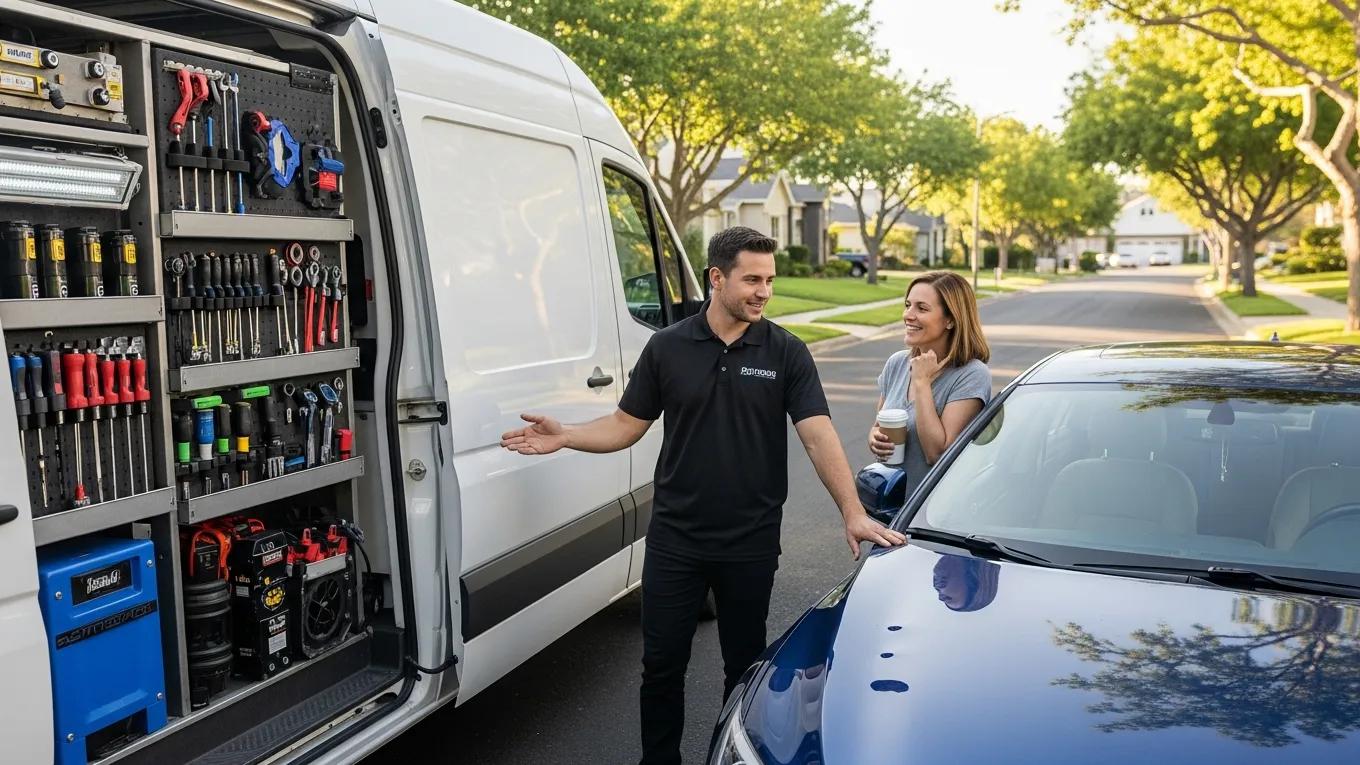
Mobile dent repair brings technicians to you, reducing downtime and often lowering cost. Experienced mobile techs can perform PDR and targeted paint blending on-site when conditions allow.
How Does Dent Erasers LLC Provide Expert Mobile Paintless Dent Repair and Repainting?
Dent Erasers LLC offers mobile PDR and repainting from trained technicians, flexible scheduling, and clear pricing so customers understand the recommended repair and expected outcome.
What Are the Steps to Request a Free Estimate and Schedule Mobile Dent Repair?
Requesting service is straightforward:
- Requesting a Quote: Contact via phone or email with photos or a description.
- Choosing Repair Type: Technician advises PDR, repainting, or a hybrid approach.
- Scheduling the Repair: Set a convenient on-site appointment for the work.
This process ensures prompt, professional service tailored to your needs.
Frequently Asked Questions
Can you perfectly match my car’s paint color?
While modern technology and expert techniques enable highly accurate matches, perfect replication of factory paint is challenging due to fading, batch variations, and multilayer finishes. We strive to achieve the closest possible match for a seamless repair.
How long does paint matching take?
Paint matching typically takes a few hours, depending on the complexity of the finish and the extent of blending required. Our technicians work efficiently to minimize your vehicle’s downtime.
Is paint matching included in PDR pricing?
Paint matching is usually a separate service from PDR because it involves repainting and blending. We provide clear pricing upfront so you know what to expect.
What if the paint on my car has faded?
Faded paint can complicate matching, but our advanced spectrophotometers and experience with multi-coat finishes help us adjust formulas to blend repairs effectively with aged surfaces.
What factors influence the cost of paint matching and repair services?
Cost depends on the extent of damage, repair method (PDR vs. repainting), paint type, labor rates, and location; get multiple quotes for comparison.
How can I maintain my vehicle’s paint after a repair?
Regular washing, waxing, avoiding prolonged sun exposure, and periodic detailing help protect repaired paint.
Are there any DIY methods for minor dent repairs?
Simple DIY tricks exist for very shallow dents, but they carry risk and rarely match professional results; consult a pro for anything beyond a minor mark.
What should I look for when choosing a mobile dent repair service?
Choose experienced technicians, clear reviews, transparent pricing, proper tools, and any warranties or guarantees.
How does weather affect the paint matching process?
Humidity and temperature affect drying and adhesion; controlled conditions give the most consistent color match and finish.
What are the benefits of combining PDR with traditional repainting?
Combining methods preserves factory paint where possible while correcting deeper damage with targeted repainting, saving time and cost compared with full-panel replacement.
How can I tell if my vehicle needs professional repair versus DIY methods?
If a dent is deep, creased, on a body line, or paint is compromised, seek professional repair; minor surface dents may respond to simple DIY fixes.
How do I know if my car’s paint can still be matched after years of sun exposure?
Our technicians assess paint condition using spectrophotometers and visual inspection to determine if fading or oxidation has altered the color beyond repair. In many cases, advanced blending techniques can still achieve a close match despite sun exposure.
Will a spot repaint be noticeable on a darker colored car?
Spot repainting on darker colors can be challenging due to light reflection and depth of color. However, with expert blending and multi-stage paint application, we minimize visibility to ensure a seamless finish.
Can you do paint correction after PDR?
Yes, paint correction such as polishing or compounding can be performed after PDR to restore gloss and remove minor surface imperfections, enhancing the overall appearance of the repaired area.
We Assess Every Dent for Paint Integrity
At Dent Erasers LLC, we carefully evaluate each dent to determine if paint repair is needed alongside PDR. Get a free evaluation to ensure your vehicle receives the right combination of paint matching dent repair and dent removal for the best results.
Serving Concord, Walnut Creek, and All of Contra Costa County for PDR and Paint Assessment
Contact Dent Erasers LLC today for expert paint matching dent repair and paintless dent repair services tailored to your vehicle’s needs. Get your free evaluation and restore your car’s appearance with confidence.
Conclusion
Understanding paint matching,dent repair, and when PDR is not enough helps you choose the right repair path to protect your vehicle’s appearance and value. Whether dealing with minor dents or dent repair with paint damage, combining expert paint matching with PDR ensures a seamless, professional finish. Contact us for a free estimate and professional mobile dent repair tailored to your vehicle.