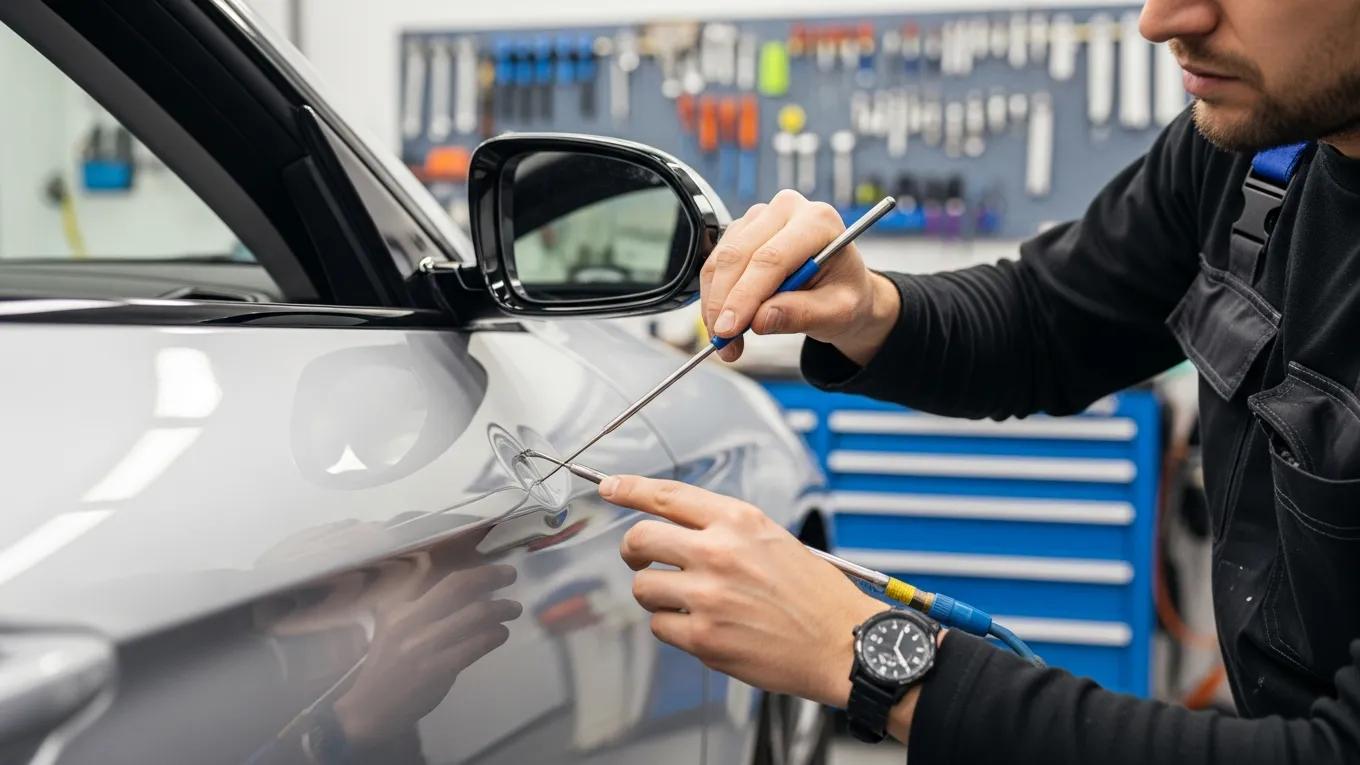
Paintless Dent Repair Step-by-Step Process Explained
By Brian Blanc, Dent Erasers LLC
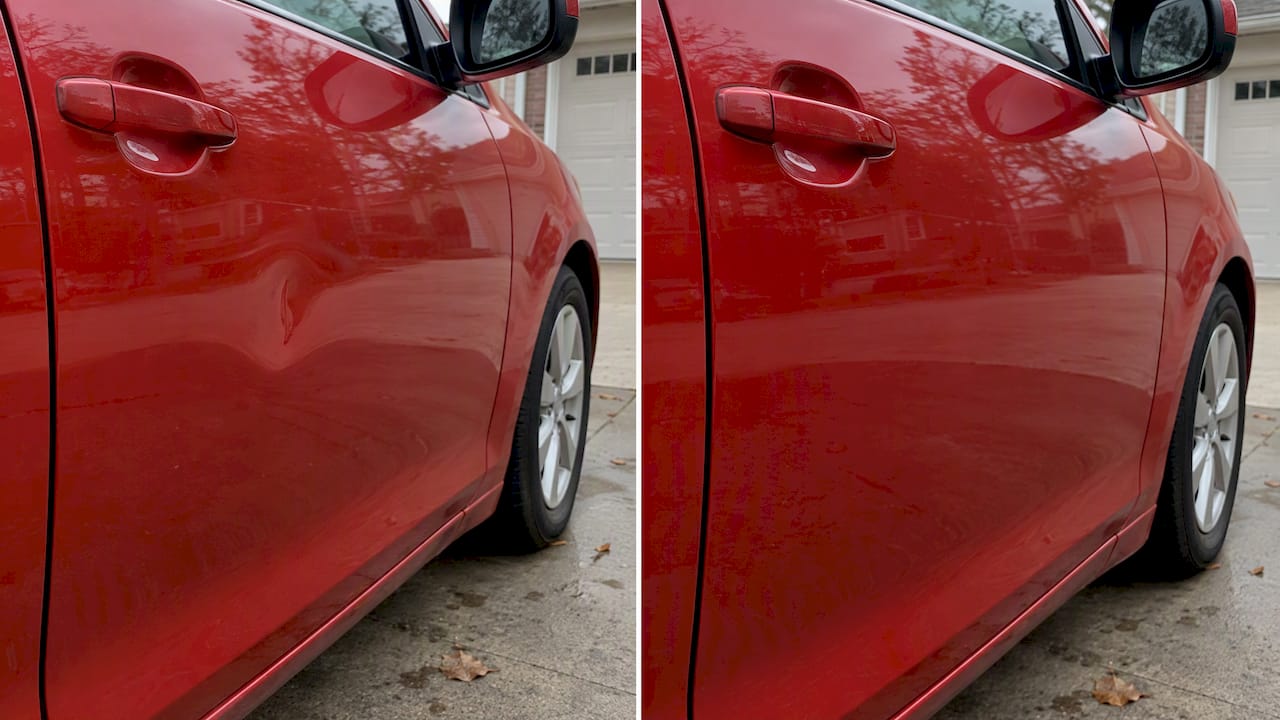
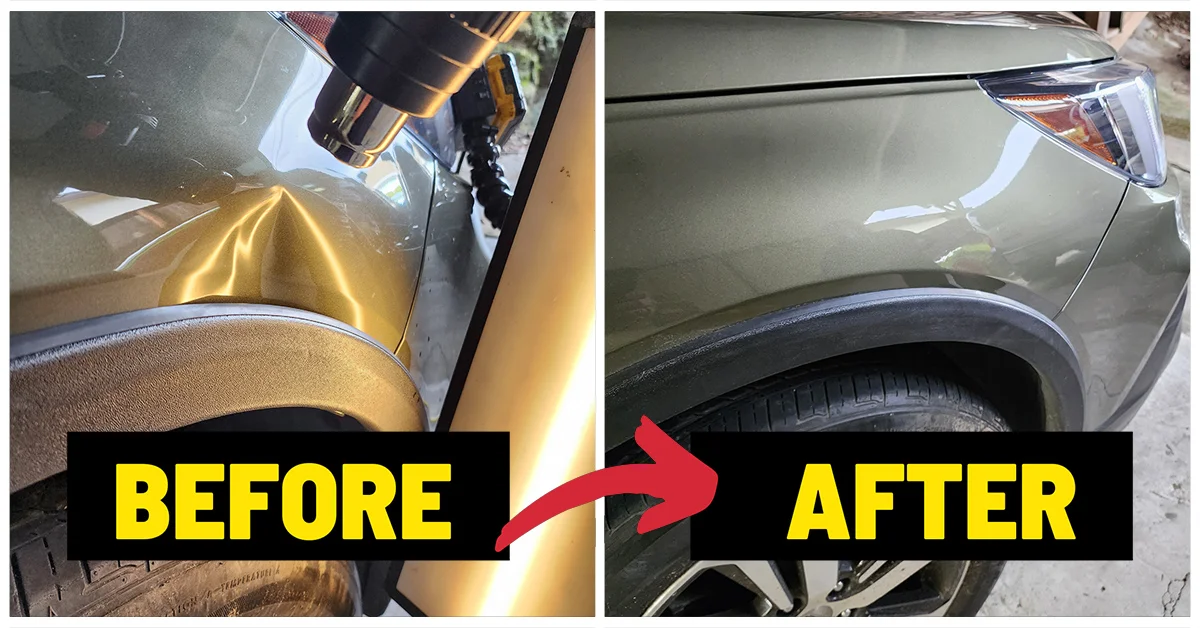
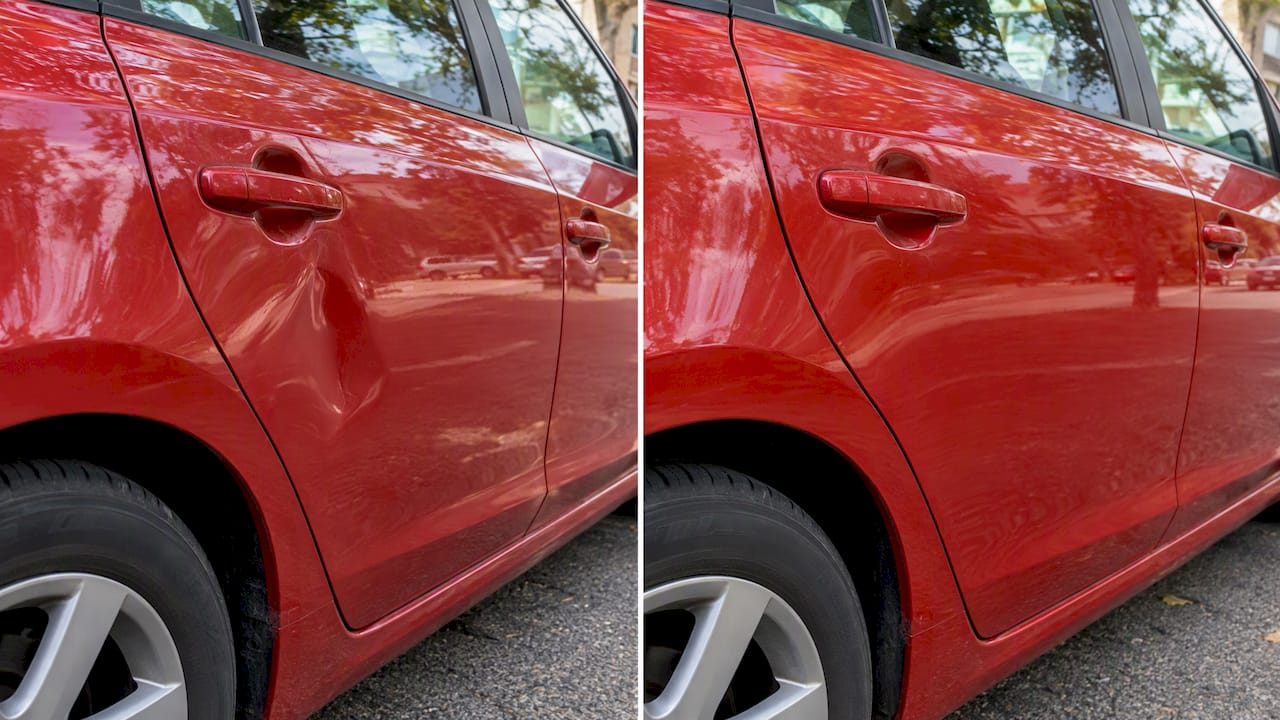
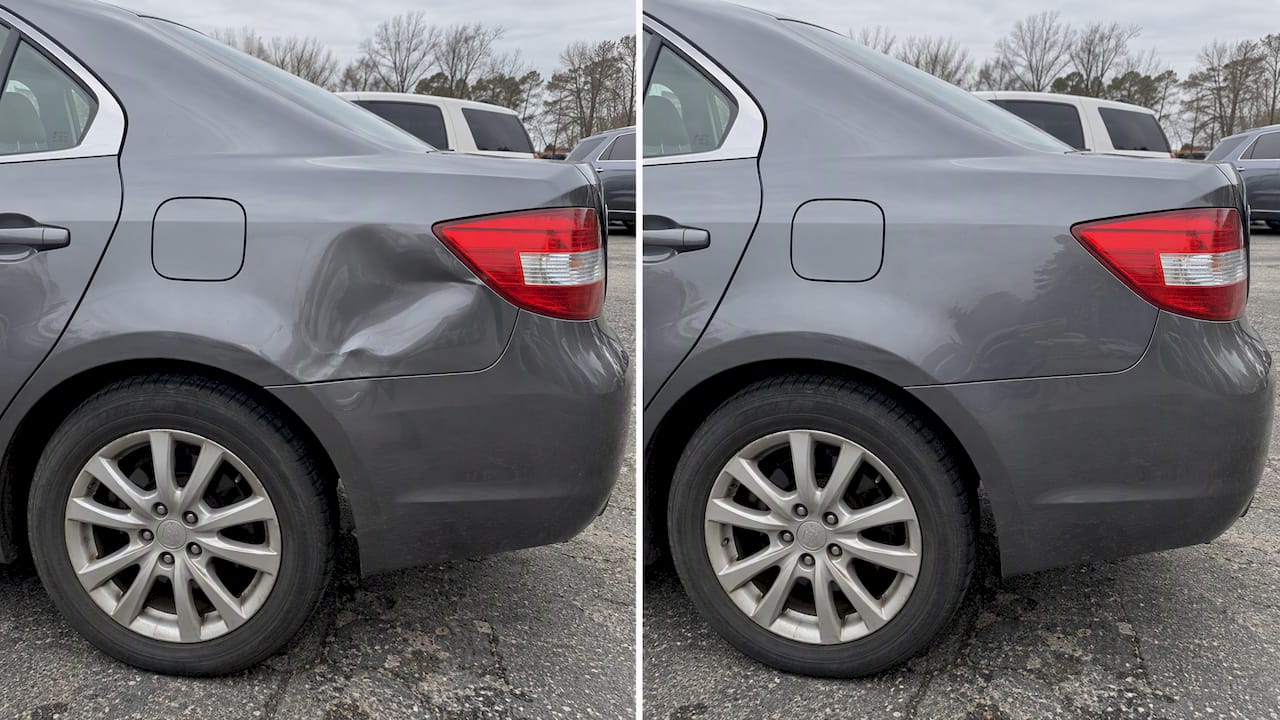
Paintless Dent Repair (PDR) removes minor dents and dings while preserving the vehicle’s original paint. It is typically faster and less costly than conventional bodywork. This article summarizes the PDR workflow, essential tools, expert techniques, and the benefits of mobile service so owners can choose a paint-safe, cost-effective repair that maintains appearance and resale value.
Core Principles of the Paintless Dent Repair Process
- PDR removes minor dents without repainting the vehicle’s finish.
- Repairs start with assessing dent size, location, depth and paint condition.
- Access may require panel removal or specialised reach tools depending on dent position.
- Precision pulling reshapes metal with controlled pressure to protect paint.
- Final inspection under proper lighting verifies smoothness and alignment.
- Polishing and optional sealant restore shine and protect the finish.
- Techniques include rod-and-massage, glue pulling and heat assistance.
- Mobile PDR offers convenient, quick, eco-friendlier on-site repairs.
- Essential tools: dent pullers, rod tools and heat guns for best results.
Assessing the Dent
The first step is a focused assessment of the dent’s size, location, depth and the condition of the paint. Technicians consider metal type and panel curvature to determine feasibility and select the best method, setting realistic expectations for the outcome.
Accessing the Dent
After assessment, the technician gains access to the dent. This may involve removing trim or using specialised tools to reach the panel rear. Some dents suit glue pulling while others require interior access; identifying access constraints early supports a successful repair.
Precision Dent Pulling
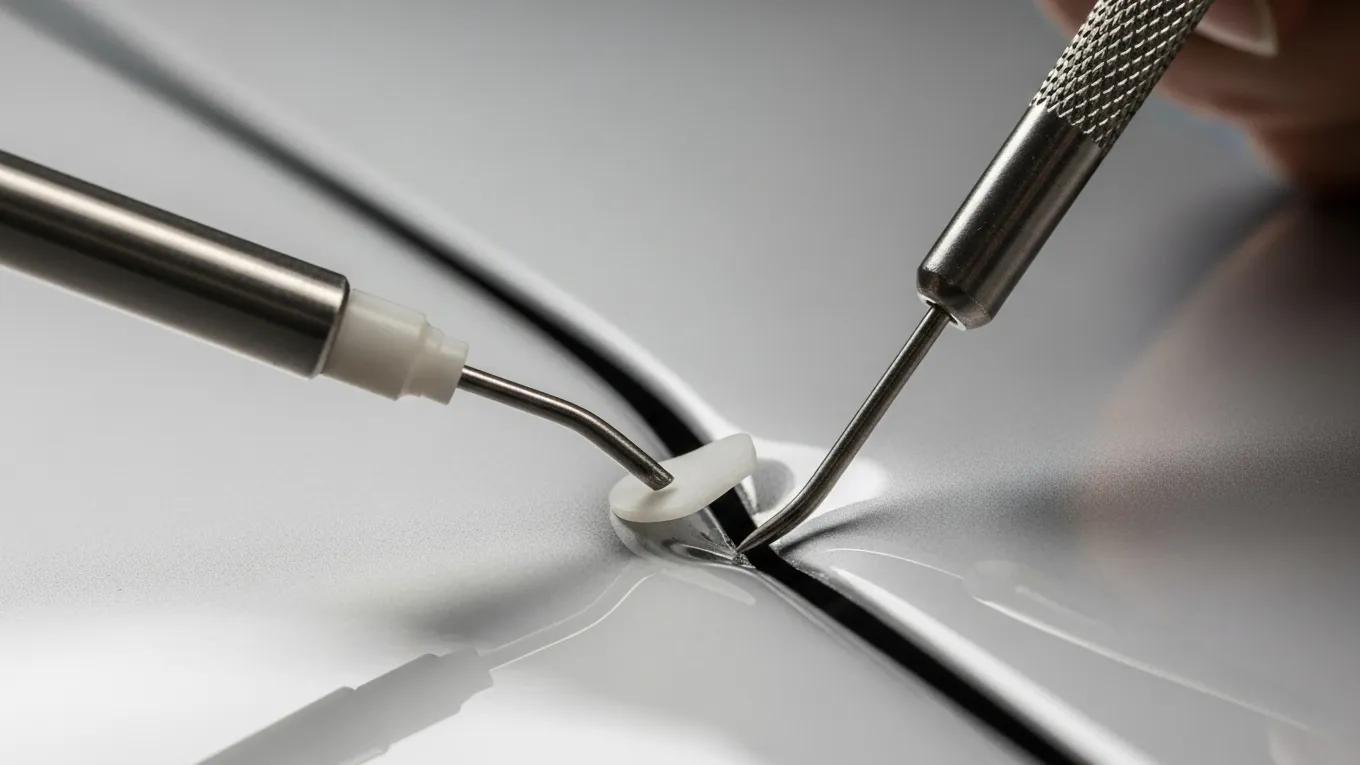
Precision dent pulling uses purpose-built tools to apply calibrated pressure and restore the metal’s contour while protecting paint. Correct technique and force are essential; improper work can worsen damage. Skilled technicians adapt tools and strokes to the metal’s response to achieve a seamless finish.
Recent research notes that modern paintless dent removers are designed for efficient operation across a range of angles, improving adaptability and performance.
Paintless Dent Remover Design & Efficiency
In this regard, a dent remover is designed to remove dents without removing the paint. Modern paintless dent removers are also engineered to work at different angles that older tools could not reach. This angular capability expands the working range and improves overall efficiency.
Design & Development of Dent Remover without Removal of Paint, MZ Khan, 2025
Final Inspection
Once the dent is addressed, the technician inspects the area under appropriate lighting to confirm smoothness and panel alignment. Quality checks include close visual inspection and small adjustments as needed to meet standards and ensure customer satisfaction.
Polishing and Finishing Touches
The final stage restores appearance. Technicians polish to blend the repair with surrounding paint and may apply a sealant for added protection. A final review confirms the finish meets the client’s expectations.
Expert Techniques
Beyond standard tools, technicians use advanced methods—rod-and-massage, glue pulling and heat assistance—to handle different dent types. Choosing the right technique improves repair quality and reduces the risk of further damage.
Mobile Service Options
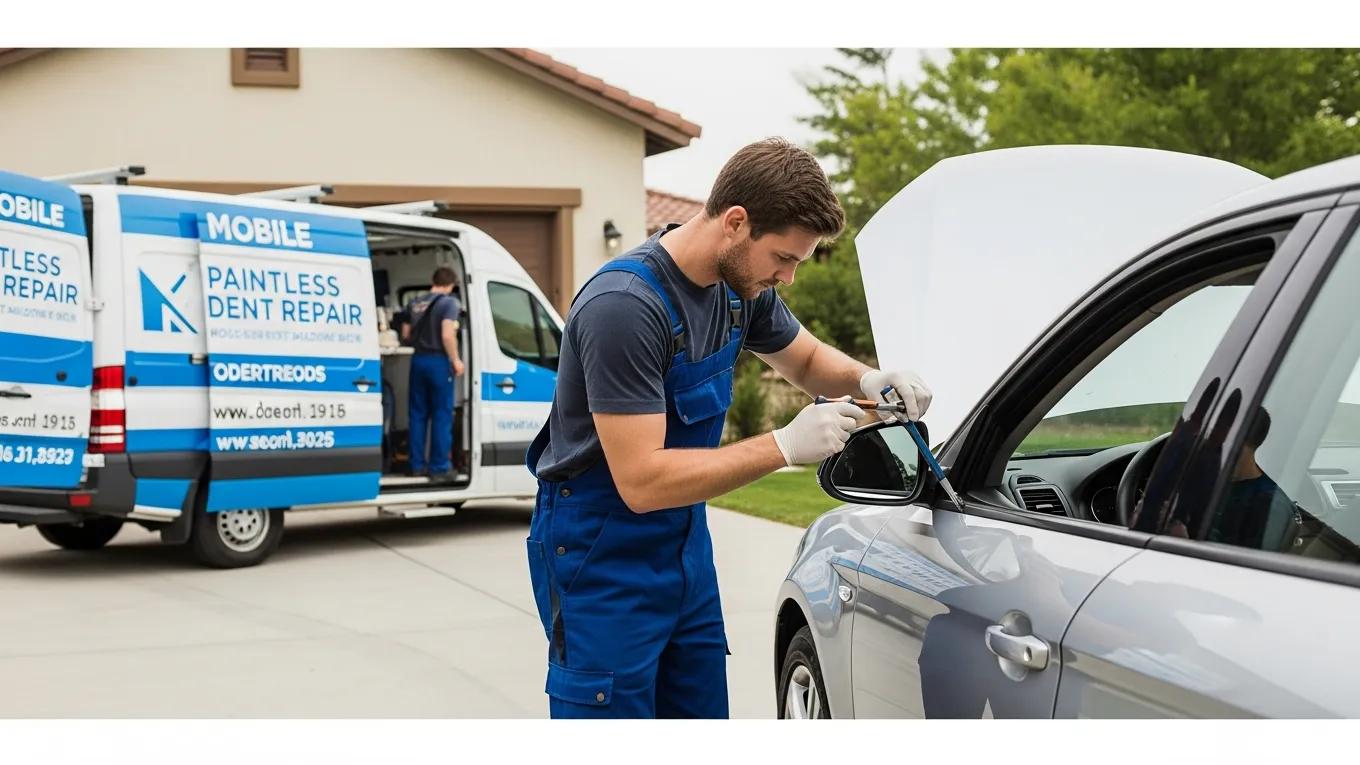
Mobile PDR brings professional repairs to the customer with flexible scheduling and often same‑day service. On‑site work reduces transport and material use, making repairs more efficient and environmentally considerate while saving time.
What Is Paintless Dent Repair and How Does It Preserve Your Vehicle’s Finish?
Paintless Dent Repair is a non‑invasive method that restores metal shape without fillers or repainting, preserving the factory finish. By avoiding sanding and repainting, PDR helps maintain appearance and supports resale value.
Understanding the Fundamentals of PDR Techniques
PDR fundamentals prioritize non‑invasive methods that protect the original finish. These techniques work on a range of dents—from shallow dings to moderate creases—reducing additional damage while maintaining structural integrity.
Why Dent Removal Without Paint Damage Matters for Car Owners
Preserving paint protects visual appeal and resale value. PDR eliminates repainting in many cases, keeping the factory finish intact—an important consideration for buyers and owners.
Which Tools Are Essential in the Paintless Dent Repair Process?
The tools used in Paintless Dent Repair are specialised and task-specific. Essential equipment includes:
- Dent Pullers: Used to pull the dent back into shape without damaging the paint.
- Rod Tools: Employed to push the metal from behind the panel, allowing precise adjustments.
- Heat Guns: Used to soften the metal, making it easier to manipulate.
Knowing each tool’s role is critical to deliver consistent repairs and protect the longevity of the vehicle’s finish.
What Are the Key Steps in the Paintless Dent Repair Process?
The key PDR steps are:
- Assessment: Evaluating the dent’s size, location, and paint condition.
- Accessing the Dent: Using tools to reach the back of the dent.
- Precision Dent Pulling: Applying controlled pressure to reshape the metal.
- Final Inspection: Ensuring the repair meets quality standards.
- Polishing and Finishing Touches: Restoring the vehicle’s shine and applying sealant.
Following these steps helps ensure a high‑quality repair that meets customer expectations.
How Does Mobile Dent Repair Service Enhance Convenience and Efficiency?
Mobile dent repair services bring the work to you, eliminating the need for shop visits and enabling flexible scheduling. Many providers offer same‑day service and competitive pricing, making maintenance faster and less disruptive.
Benefits of On-Site Paintless Dent Repair in Contra Costa County
On‑site Paintless Dent Repair in Contra Costa County offers practical benefits for local owners. These include:
- Convenience: Vehicles can be repaired at the customer’s location, saving time.
- Cost-Effectiveness: Local services often provide competitive pricing.
- Time Savings: Appointments fit busy schedules without disrupting routines.
These advantages make on‑site PDR an attractive option for residents.
How to Request a Free Estimate and Book an Appointment
Requesting a free estimate and booking an appointment is straightforward. Contact Dent Erasers LLC by phone at 510-773-9900 or by email at denterasersllc@gmail.com. Provide details about the dent—size and location—to receive an accurate estimate. Ensuring clear access to the vehicle on the day of service helps streamline the appointment.
Frequently Asked Questions
What types of dents can be repaired using Paintless Dent Repair?
Paintless Dent Repair is effective for minor dents such as door dings, hail damage and small creases, provided the paint remains intact. Larger or complex dents, or those with significant paint damage or deep creases, may not be suitable. A technician will evaluate paint condition and metal integrity before proceeding.
How long does the Paintless Dent Repair process typically take?
Repair time depends on the dent’s size and complexity. Minor dents generally take 30 minutes to a few hours; larger or multiple dents require more time. Many mobile PDR providers offer same‑day service to minimise disruption.
Is Paintless Dent Repair safe for all vehicle types?
PDR is safe for most vehicles, including aluminium and steel panels. Effectiveness varies with paint type and panel curvature; a qualified technician should assess whether PDR is appropriate for a specific vehicle and dent.
Can Paintless Dent Repair be performed on older vehicles?
PDR can be performed on older vehicles if the original paint is intact and the metal is not excessively damaged. Many classic car owners prefer PDR to preserve the original finish, provided a thorough evaluation confirms suitability.
What should I do if my vehicle has a dent but the paint is cracked?
If the paint is cracked, PDR is unlikely to be suitable because the method depends on paint integrity. Traditional repairs involving repainting may be necessary; consult a professional technician to determine the best approach.
Are there any limitations to Paintless Dent Repair?
PDR has limitations: it is not suitable for large dents, deep creases, or areas with chipped or otherwise damaged paint. Difficult-to-access locations can complicate repairs. A qualified technician will assess the damage and advise whether PDR is the right solution.
Conclusion
Paintless Dent Repair provides an efficient, cost-effective way to remove minor dents while preserving your vehicle’s original paint finish. Using specialised tools and proven techniques, PDR maintains appearance and resale value without fillers or repainting. For a convenient option, consider mobile PDR services for reliable, on‑site repairs delivered to your location.