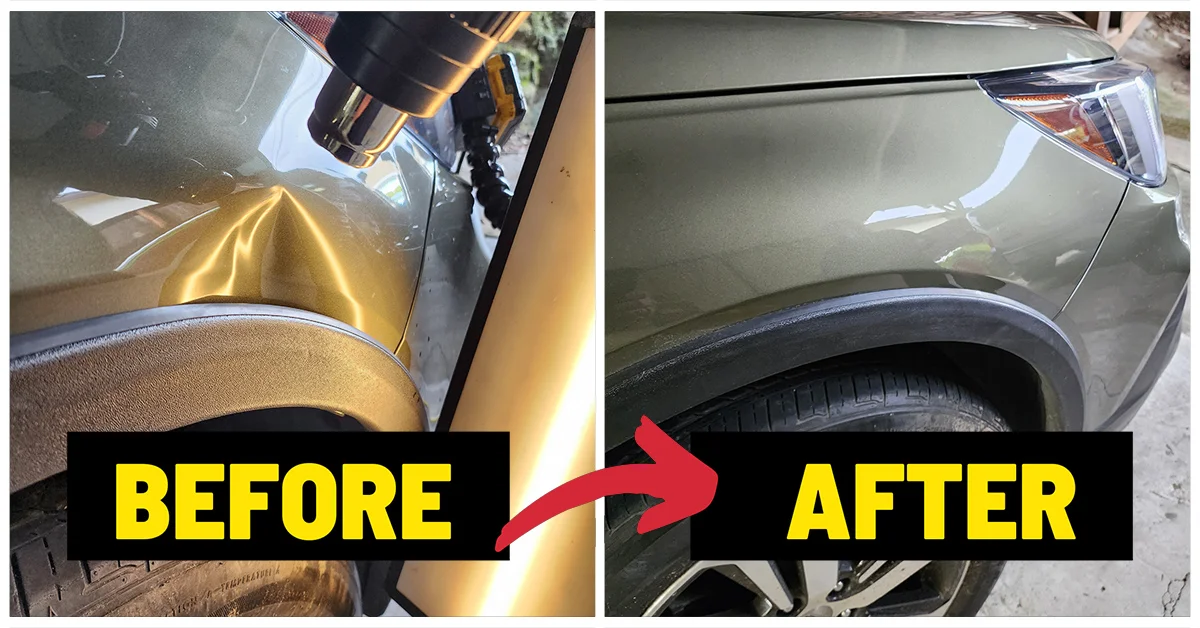
How to Get Rid of Minor Dents in Your Car
Start by checking the paint. If it is intact and the dent is shallow, clean the area and try a gentle pull with a cup plunger or a glue-based dent puller. Stop if the paint cracks or the panel starts to distort. Sharp creases, dents near panel edges, and chipped paint are better left to a professional.
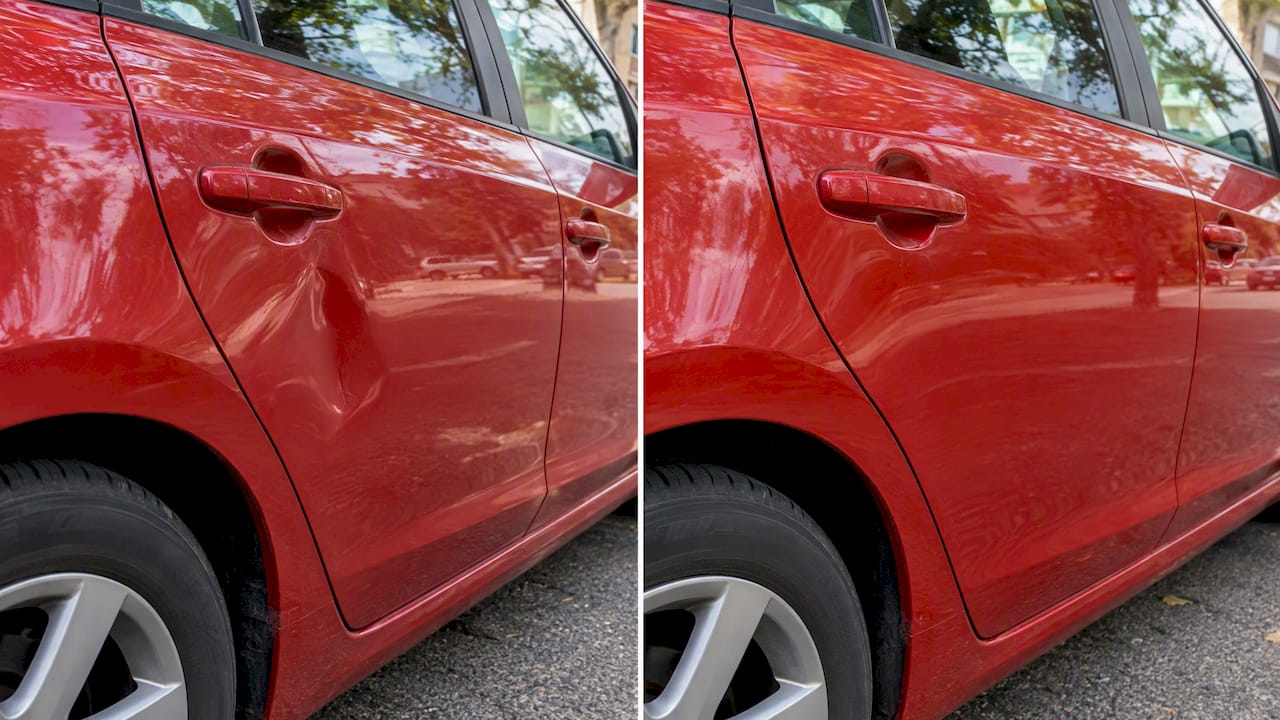
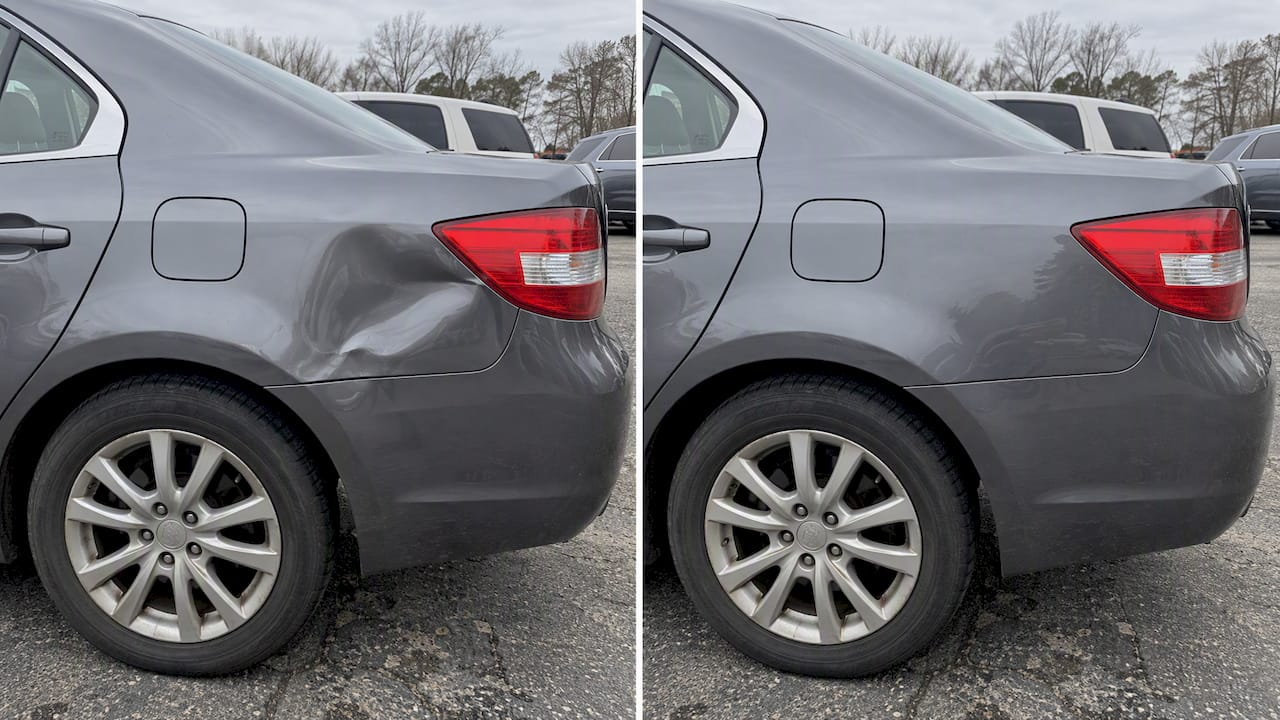
For dents with intact paint, paintless dent repair (PDR) can restore the panel without filler or repainting. A dented plastic bumper needs a different approach than a metal door, so identify the panel before reaching for a tool. Learning how to get rid of dents in car panels starts with matching the method to the material and damage type.
I’m Brian Blanc, owner of Dent Erasers LLC, and I’ve spent 28 years helping East Bay drivers get rid of dents in car doors, hoods, and other panels. I’ll help you see which fixes are worth trying at home and when a mobile PDR visit is the safer choice.
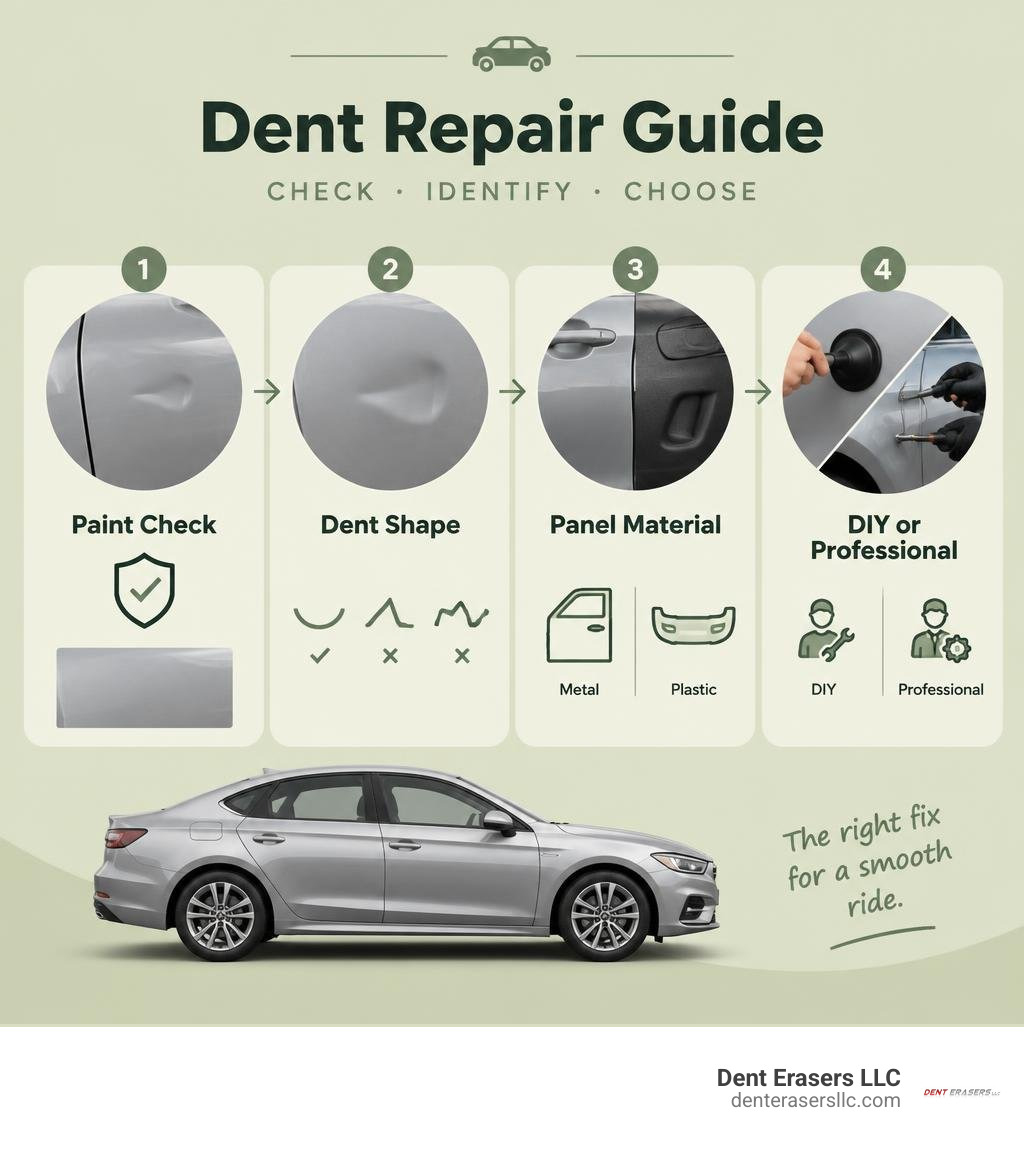
Similar topics to get rid of dents in car:
Identifying Dent Types and Damage Severity
Before grabbing any tool from your garage, you need to understand what kind of blemish you are dealing with. As a dedicated dent doctor who has inspected thousands of damaged panels across Contra Costa County, I always remind car owners that no two impacts behave exactly the same way. Proper minor dent repair begins with a careful visual and tactile assessment under consistent lighting.
To properly evaluate your panel, look closely at these core indicators outlined in this guide on how to remove a car dent:
- Impact diameter: A broad, shallow depression distributes tension evenly across the sheet metal, making it far easier to manipulate.
- Depth and profile: Shallow, bowl-shaped dings have a gentle gradient, whereas deep indentations concentrate stress at the center point.
- Location on the panel: Dents located in the middle of a door skin behave much differently than those sitting within two inches of a seam, brace, or edge.
- Paint condition: Check if the clear coat is smooth or showing signs of spiderweb cracking, chipping, or flaking.
Assessing Dings, Creases, and Body Lines
Dents generally fall into three structural categories: round dings, sharp creases, and body-line impacts. Round dings—often caused by runaway shopping carts or stray baseballs—leave the underlying metal relatively relaxed. These are the prime candidates for simple at-home fixes.
Sharp creases and body-line strikes are entirely different beasts. When an object strikes a vehicle along a styled character contour, the metal undergoes significant stretching. Once sheet metal stretches beyond its elastic limit, the tension locks into place. Forcing a creased dent with amateur tools can lead to metal high spots or reverse dimples. Addressing minor imperfections promptly is crucial for preventing damage escalation before road vibration and weather exposure worsen panel distortion.
Evaluating Paint Integrity and Panel Materials
Vehicle panels are not created equal. Today’s cars feature a mix of traditional stamped steel, lightweight aluminum, and flexible thermoplastic bumpers:
- Steel Panels: Steel possesses natural structural memory. When dented gently without creasing, it often wants to return to its original curvature if manipulated with the right amount of leverage or vacuum.
- Aluminum Panels: Commonly found on modern hoods, tailgates, and luxury vehicles, aluminum is lighter, stiffer, and less elastic than steel. It requires significantly more precision and force control to reshape, making DIY pulling far riskier.
- Plastic Bumpers: Thermoplastic bumper covers do not suffer from metal stretch, but they deform under direct impact. They respond remarkably well to controlled heat rather than standard pulling tabs.
Always run your fingernail across the depression. If your nail catches on an edge, the clear coat or base paint is fractured. In that case, pulling on the area with adhesives or extreme suction will tear the paint right off the substrate.
Proven DIY Techniques to Get Rid of Dents in Car Panels
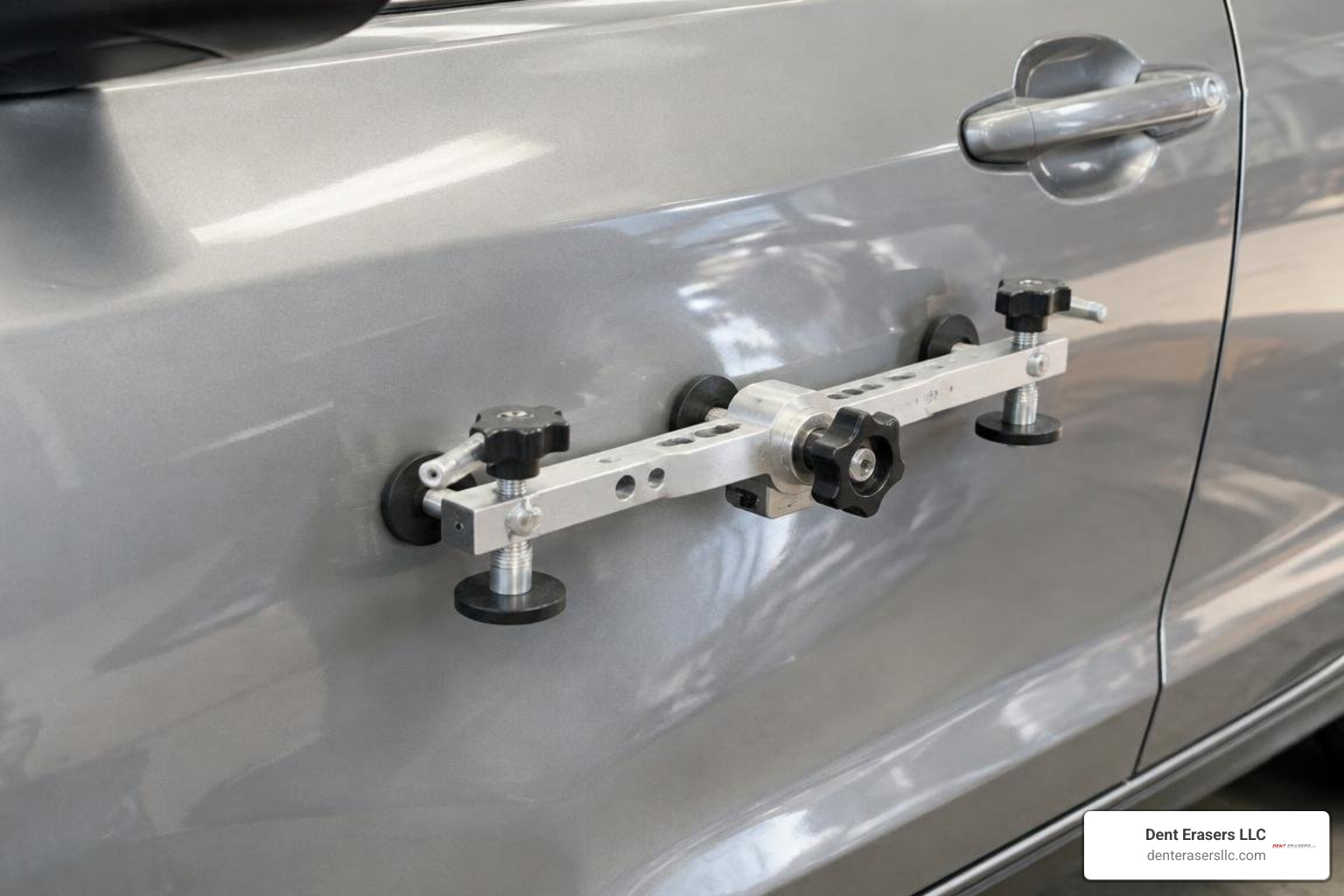
If your inspection reveals intact paint, a gentle contour, and a standard steel panel, you can explore several budget-friendly dent fixes. Household hacks and entry-level kits can work wonders when applied with patience and realistic expectations, as detailed in these DIY dent removal solutions.
The Plunger and Thermal Heat-and-Cold Methods
One of the oldest garage tricks relies on leveraging suction tools. A flat cup plunger (like a standard sink plunger, not an accordion toilet plunger) creates a temporary vacuum seal over shallow, wide dents on flat panels like door skins or hoods.
To execute the plunger method:
- Thoroughly wash and dry the vehicle panel to remove grit that could scratch your clear coat.
- Moisten the rubber rim of the plunger with water to ensure an airtight seal.
- Place the cup directly over the center of the depression and press firmly to expel trapped air.
- Pull straight outward with smooth, steady pressure rather than a violent yank.
If suction alone falls short, you can experiment with thermal expansion and contraction. Metal expands when heated and contracts when chilled rapidly. By warming the perimeter of the dent with a standard hair dryer on medium heat for 30 to 60 seconds, you soften the panel’s resistance. Immediately following this with an inverted can of compressed air sprays freezing liquid fluorocarbon over the warm metal. These rapid cooling techniques trigger quick contraction, occasionally causing shallow surface dings to pop back into shape with an audible snap.
Using Glue Puller Kits to Get Rid of Dents in Car Doors
For slightly firmer dings where plungers slip, a bridge-style glue puller kit provides mechanical advantage. These kits cost under $50 and mimic some of the external pulling principles used in professional workshops. Careful equipment selection makes a big difference in avoiding paint damage.
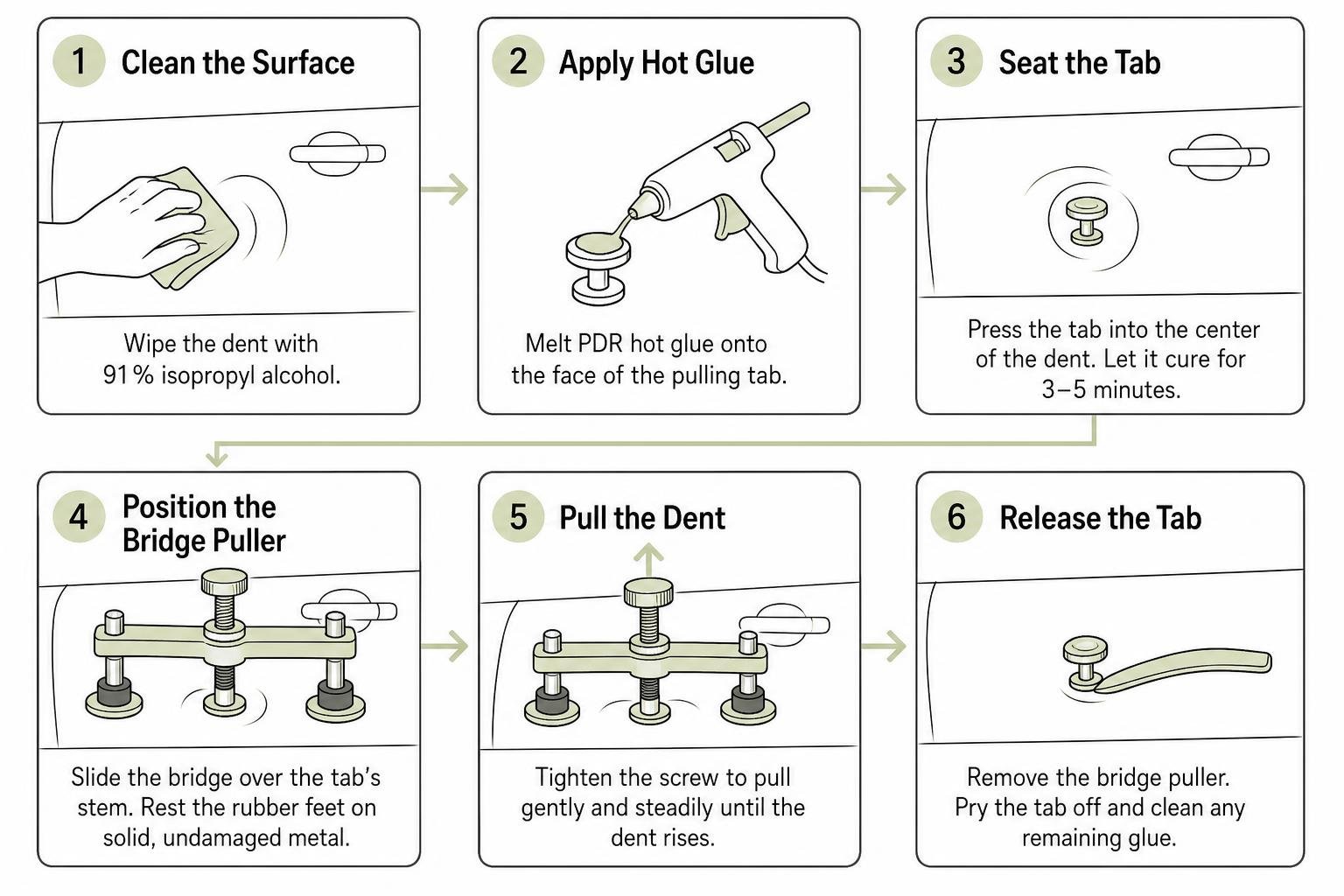
Follow these door panel repair steps for the best results:
- Clean the Surface: Wipe the dent with 91% isopropyl alcohol to strip away protective road grime, wax, and ceramic coatings.
- Apply Hot Glue: Melt specialized PDR hot glue onto the face of an appropriately sized pulling tab. The tab should match the diameter of the dent’s lowest point.
- Seat the Tab: Press the tab firmly into the center of the dent. Allow the adhesive to cure for 3 to 5 minutes until it feels firm but slightly pliable to the touch.
- Position the Bridge Puller: Slide the bridge apparatus over the tab’s stem, resting the rubber support feet on solid, undamaged metal surrounding the blemish.
- Turn the Knob: Slowly twist the tension knob clockwise. As tension builds, the tab lifts the sunken metal upward.
- Release the Glue: Once the metal levels or the tab breaks away, spray 91% isopropyl alcohol around the glue base. The alcohol neutralizes the adhesive bond, allowing you to peel the residue cleanly away without scraping your finish.
How to Get Rid of Dents in Car Bumpers Using Heat
Plastic bumpers behave completely differently from metal body panels. Because modern bumper covers are made of molded thermoplastic, they possess high thermal elasticity.
To pop out a pushed-in bumper corner:
- Boil a kettle of water (around 200°F).
- Slowly pour the hot water directly over the indented area to saturate and soften the plastic polymers.
- Reach behind the bumper cover wearing heavy heat-resistant work gloves.
- Apply steady outward pressure with your hand or a padded wooden block from the inside out.
- Once the contour pops back out, immediately pour cold water over the exterior to set the plastic in its original shape.
When Paint Damage Makes DIY Dent Removal Unsuitable
While tackling small repairs at home feels empowering, there are clear mechanical limits to what DIY tools can achieve. Attempting to pull metal with cracked or missing paint will turn a minor cosmetic flaw into an expensive body shop ordeal. If you are dealing with deeper issues, understanding the mechanics of popping out deeper dents helps you recognize when structural metal is compromised.
Recognizing Paint Damage and Rust Risk
Any time sheet metal suffers an impact that breaks through the clear coat and color layer, the underlying primer and bare steel are exposed to moisture, road salt, and ambient oxygen. Applying glue pullers over chipped paint will rip the remaining paint away from the e-coat, accelerating corrosion.
If you spot jagged hairline fractures, flaking clear coat, or bare gray/silver metal at the impact point, do not use suction or adhesives. The bare metal must be sealed, primed, block-sanded, and painted to stop rust from eating into the panel structure.
When to Stop a DIY Repair
Step away from the toolbox and call a professional if you encounter any of the following red flags:
- Sharp creasing: The bottom of the dent resembles a sharp knife-edge crease rather than a smooth dish.
- Crowns and high spots: The metal around the rim of the dent is visibly raised higher than the rest of the body line.
- Double-walled panels: The ding is located on a reinforced boxed section, structural pillar, or near door hinges where you have zero rear access and high panel stiffness.
- Metal stretch: The panel flexes and pops back and forth like an oil can lid when pressed, indicating the metal has thinned and expanded past factory tolerances.
DIY vs. Paintless Dent Repair
Understanding the differences between home fixes and Paintless Dent Repair (PDR) helps you protect your vehicle’s long-term resale value.
| Factor | DIY Dent Removal | Professional Paintless Dent Repair (PDR) |
|---|---|---|
| Typical Cost | $0 – $50 | $150 – $500 |
| Turnaround Time | 1 – 3 hours | 1 – 3 hours (On-site/Mobile) |
| Paint Preservation | Risk of clear coat damage | 100% factory paint preserved |
| Tooling Required | Plunger, hot glue kit, hair dryer | Custom surgical steel rods, LED reflection boards |
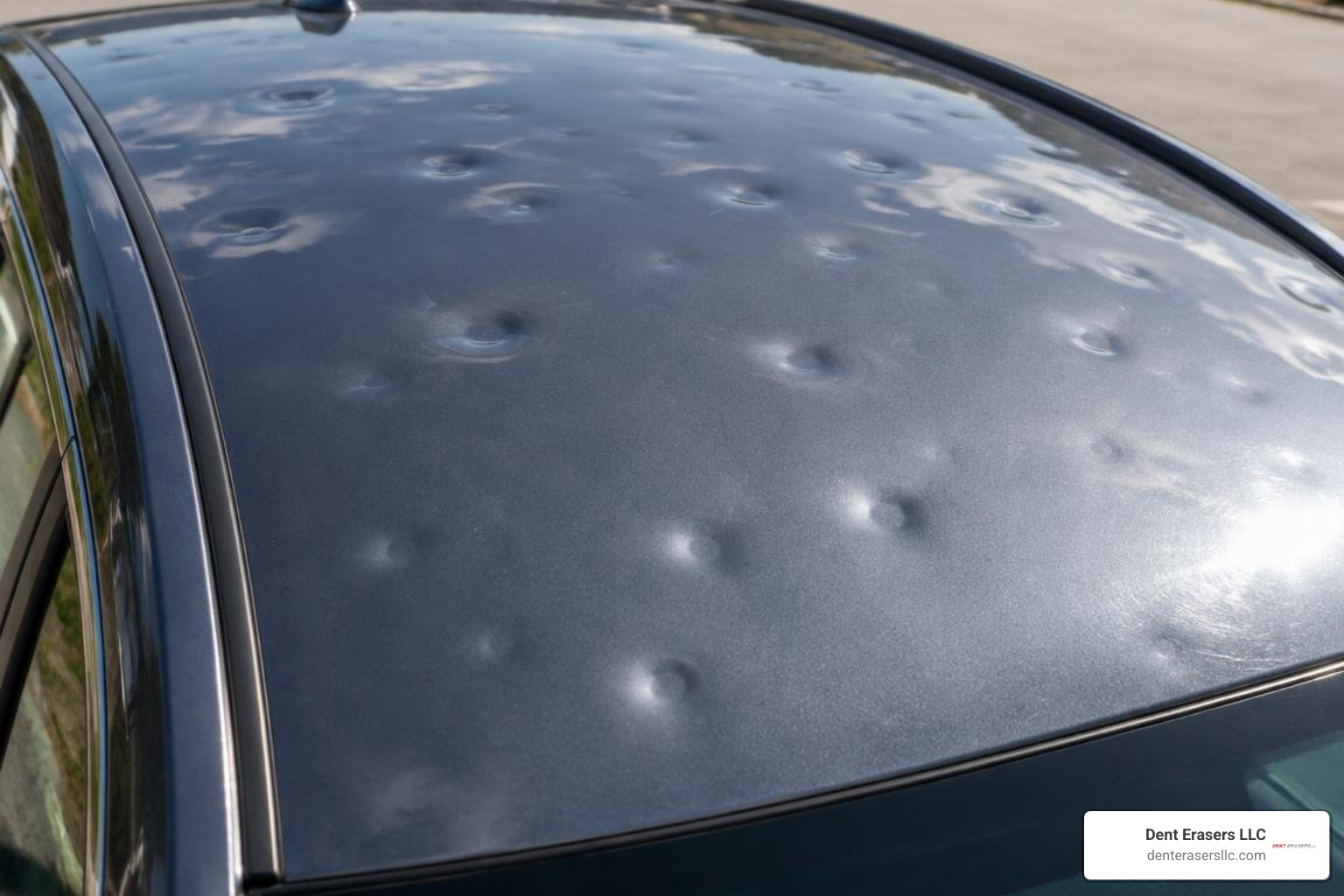
| Ideal Damage Type | Shallow, small dings on flat panels | Dings, body creases, large dents, hail damage |
| Skill Requirement | Beginner / Experimental | Master PDR technician certification |
Comparing Repair Costs, Quality, and Resale Value
A DIY repair using household tools is practically free, and quality puller kits cost under $50. However, if a DIY attempt goes wrong—pulling a high spot that cracks your clear coat—you can quickly turn a simple blemish into a costly repainting project.
Repainting a damaged panel typically means grinding down the factory finish, filling the low spot with body filler, applying primer, and blending color coats into adjacent doors or fenders. This process easily runs between $800 and $5,000 depending on panel blending requirements. Worst of all, repainted panels rarely match original factory orange-peel texture and clear coat hardness, which hurts your vehicle’s trade-in value on Carfax reports.
Professional Paintless Dent Repair sits in the sweet spot. Averaging $150 to $500 for most minor to medium dings, PDR completely restores the metal while keeping your factory warranty and original paint 100% intact.
When to Choose Professional Paintless Dent Repair
Professional PDR is an art form rooted in metallurgy and hand-eye coordination. Rather than pulling blindly from the outside, a true PDR wizard accesses the backside of the dent through factory access holes, window channels, or behind inner fender liners.
Using custom-machined surgical steel rods and specialized high-definition LED reflection boards, we read the distorted light lines across your car’s clear coat. We then apply hundreds of micro-presses from behind, gently massaging the stretched metal back into its exact factory position down to the millimeter—without using a drop of body filler or aftermarket paint.
Frequently Asked Questions About Vehicle Dent Removal
Can boiling water fix a dent on a metal car door?
Boiling water works well on flexible plastic bumper covers, but it rarely produces enough thermal energy to reshape structural automotive steel or aluminum. Metal doors feature structural inner bracing and require targeted mechanical leverage or high-strength glue pulling tabs to shift the dented profile.
Will DIY dent removal damage factory clear coat?
It can if done incorrectly. Using cheap hot glue sticks that cure too hard, applying excessive pulling force, or heating the panel above 160°F with a commercial heat gun can blister, burn, or lift your clear coat. Always use 91% isopropyl alcohol to break glue bonds instead of prying tabs off with screwdrivers or scrapers.
How much does professional paintless dent repair cost?
In Contra Costa County and across the East Bay, professional mobile PDR for standard quarter-sized dings typically ranges between $150 and $250. Larger palm-sized dents or deep body-line creases generally cost between $300 and $500 depending on depth, metal type (steel vs. aluminum), and access complexity.
Conclusion
Minor door dings and fender mishaps are an inevitable part of everyday driving, but they do not have to ruin your vehicle’s appearance or drain your bank account. If you are dealing with a shallow, smooth ding on a flat steel door, a clean plunger or a gentle glue puller kit can be a satisfying weekend fix.
However, when you want a flawless, factory-level restoration without the risk of paint damage, high spots, or costly body shop delays, professional help is the smart route. At Dent Erasers LLC, our mobile team brings expert craftsmanship directly to your driveway in Concord, Walnut Creek, San Ramon, Richmond, and surrounding communities.
To restore your car’s smooth body lines while keeping your original factory paint intact, explore our paintless dent repair services and request a quick, zero-obligation estimate today.
— Brian Blanc, Founder and Master Technician at Dent Erasers LLC