Fixing a car dent without breaking the bank is achievable when you choose the right method for the right dent. Paintless dent repair (PDR) is the most cost-effective professional option available, costing $75–$400 per panel compared to $500–$2,500 at a traditional body shop. DIY kits priced at $30–$100 give you another affordable path for minor damage. The key to keeping costs low is understanding which repair method fits your dent before spending a dollar. This guide walks you through how to plan dent repair on a budget, from DIY techniques to professional services.
What is paintless dent repair and why is it the budget-friendly choice?
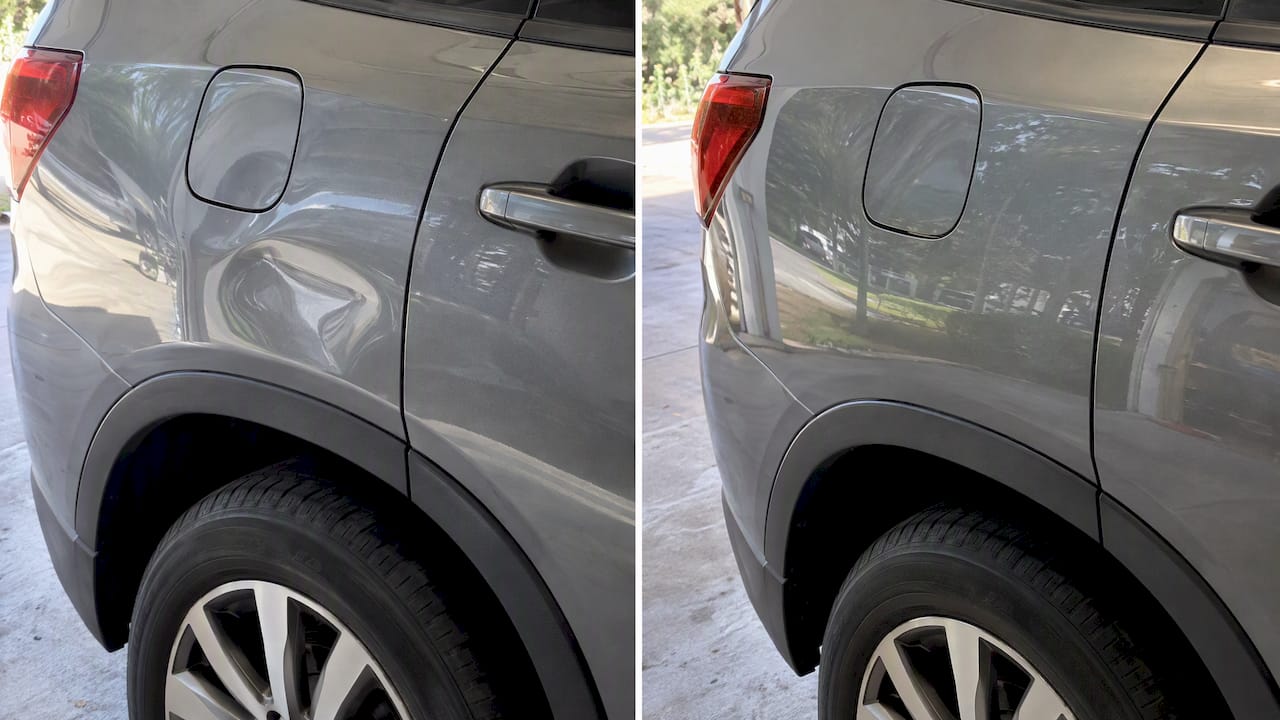
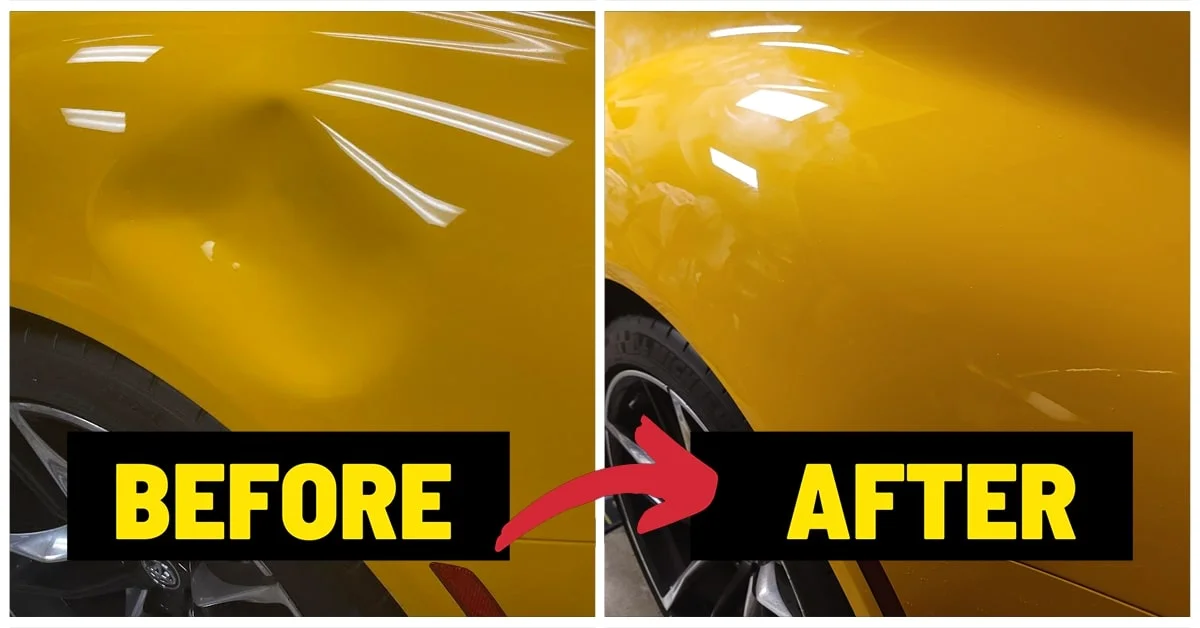
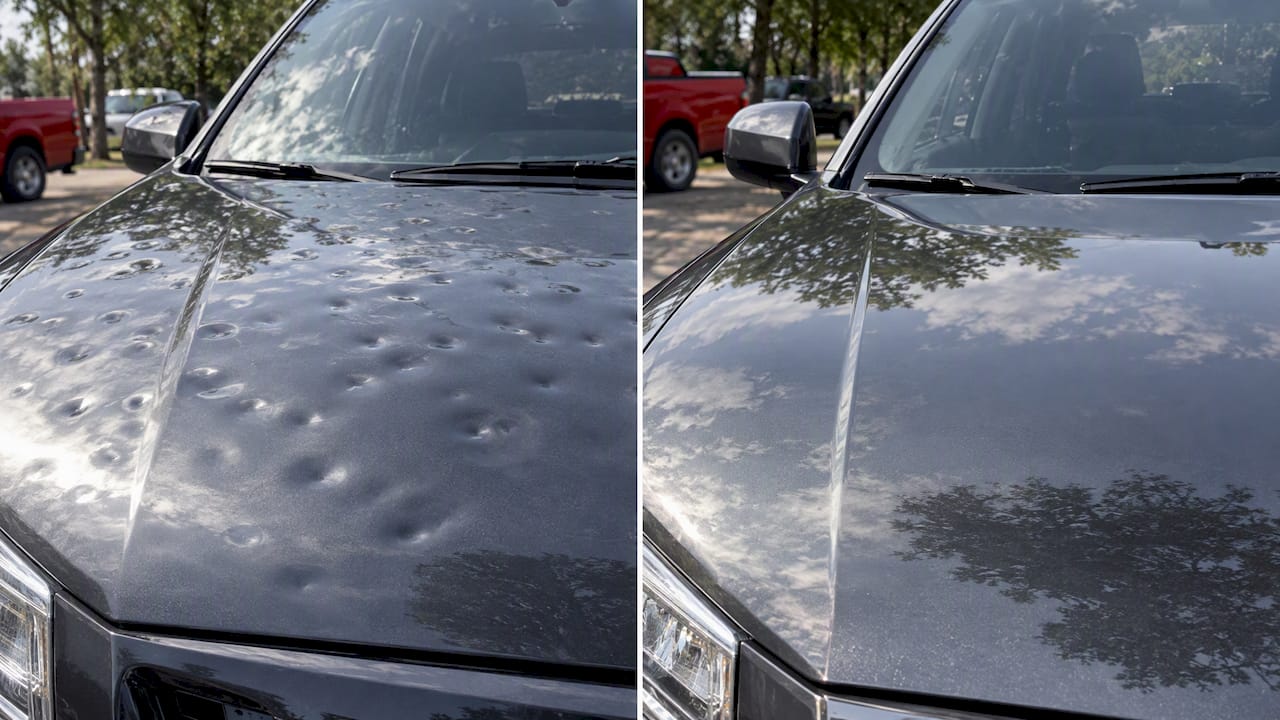
Paintless dent repair is the industry standard term for a technique that massages metal back into its original shape without sanding, filling, or repainting. A technician uses specialized rods and picks to work the dent from behind the panel, preserving your factory finish entirely. No paint means no color matching, no bondo, and no drying time. That is why PDR costs a fraction of traditional bodywork.
The cost advantage of PDR is significant. Small dents with intact paint typically run $75–$150 and take 30–90 minutes to complete. A typical PDR job for a medium dent runs $195–$350. Compare that to a body shop repaint for a paint-damaged dent, which averages $500–$1,000, and the savings are clear.
PDR works best when:
- The paint is fully intact with no chips or cracks
- The dent is shallow and round, not creased or folded
- The damage is accessible from behind the panel
- The metal has not been stretched or work-hardened
Pro Tip: Run your fingernail across the dent. If the paint feels smooth and unbroken, you are likely a strong candidate for PDR. Any roughness or flaking means the paint has cracked, and PDR alone will not cover it.
The benefits of PDR over traditional methods go beyond cost. You keep your original factory paint, which protects resale value and avoids the color mismatch risk that comes with repainting.
How to plan and execute DIY dent repair on a budget
DIY dent repair is a real option for shallow, round dents with no paint damage. The key is matching the right tool to the right dent type. Using the wrong method on a complex dent can stretch the metal and make professional repair harder and more expensive later.
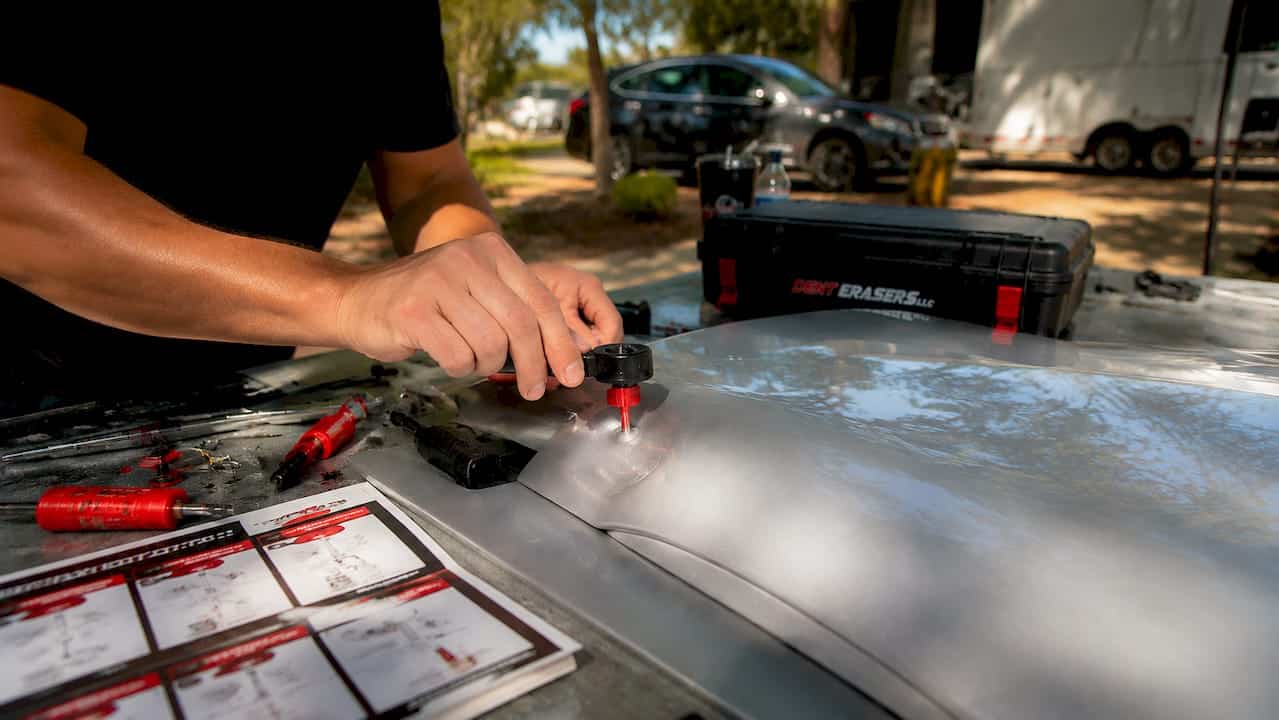
DIY PDR kits priced at $30–$100 are a one-time investment that can handle multiple minor repairs. Most kits include glue tabs, a slide hammer, and a knockdown tool. Glue puller kits alone run around $20–$40 and deliver solid cosmetic results on the right dent type.
Common DIY methods, ranked from simplest to most involved:
- Plunger method: Works on large, shallow dents on flat panels. Wet the plunger and the dent, then push and pull firmly. Best for door panels and hoods.
- Glue puller kit: Attach a glue tab to the dent center, let it cure, then pull steadily. Effective on round dents up to a few inches wide.
- Hot and cold method: Apply boiling water or a heat gun to soften the metal, then use compressed air or an ice pack to contract it back. Works on plastic bumpers more than steel panels.
- Knockdown tool: Used after pulling to tap down any high spots left behind. Included in most mid-range kits.
DIY kits are best suited for round, shallow dents. Attempting DIY on a creased or deep dent risks stretching the metal, which complicates professional repair and raises the final cost. If the dent has a sharp fold or the metal feels stiff, stop and call a pro.
Pro Tip: Practice your glue puller technique on a small, hidden dent first, like one near the door jamb. You will get a feel for the right pull angle and pressure before working on a visible panel.
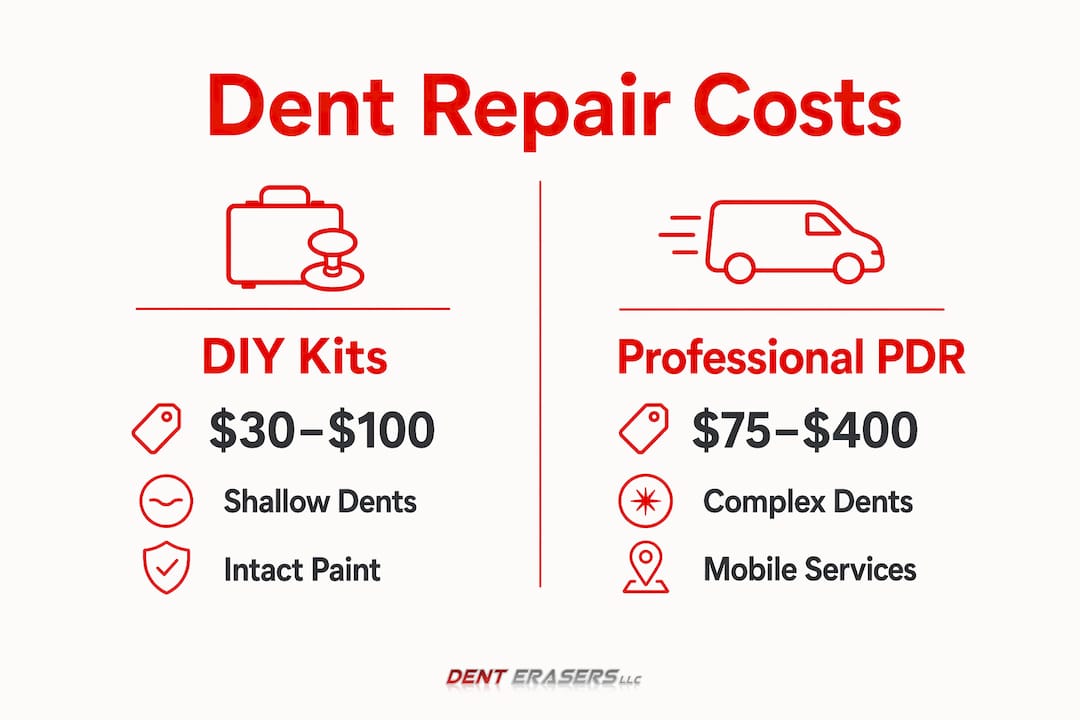
Comparing DIY versus professional PDR comes down to dent complexity and your comfort level. For a $30 kit versus a $195 professional minimum, DIY wins on simple dents. For anything with a crease or near a body line, the professional is the cheaper choice in the long run.
When does professional dent repair make more sense for your budget?
Professional repair becomes the right call when the dent is too complex for DIY or when the paint is already compromised. Three clear triggers signal it is time to call a technician: the dent has a sharp crease, the metal feels stretched, or the paint is chipped.
Paint damage disqualifies a dent from PDR, pushing repair costs from the $75–$400 PDR range up to $500 or more for body shop work. Acting before the paint breaks saves you three to five times the repair cost. That is the single most important cost-saving fact in dent repair planning.
| Repair type | Typical cost | Best for |
|---|---|---|
| DIY PDR kit | $30–$100 | Shallow, round dents, intact paint |
| Professional PDR | $75–$350 | Small to medium dents, intact paint |
| Traditional body shop | $500–$2,500+ | Paint damage, deep creases, large dents |
Panel material also affects your bill. Aluminum panels add 30–50% to repair costs compared to steel panels. Aluminum hardens when worked, a property called work-hardening, which makes PDR more difficult and time-consuming. Luxury vehicles and many electric vehicles use aluminum extensively, so owners of those cars should budget higher.
Mobile PDR services are one of the best budget-friendly professional options available. A technician comes to your location, which cuts overhead and often translates to lower pricing than a fixed shop. Denterasersllc operates exactly this way across Contra Costa County, bringing professional PDR directly to vehicle owners. When vetting any mobile service, check reviews, ask for a written estimate, and confirm the technician’s experience with your panel type.
Choosing the right service matters. These tips for selecting a PDR service help you avoid overpaying and spot red flags before committing.
Cost-saving tips to plan dent repair effectively
The most powerful cost-saving move is speed. Acting before paint cracks keeps you in PDR territory and away from body shop pricing. A dent that costs $150 today can cost $800 next month if the paint chips and rust begins forming underneath.
Practical steps to keep repair costs down:
- Get at least two estimates before committing to any professional repair. Prices vary widely between shops and mobile technicians.
- Check your insurance policy. Comprehensive coverage often covers dents from hail or falling objects. Weigh the repair cost against your deductible before filing a claim.
- Use DIY kits wisely. Stick to dents that clearly fit the kit’s capability. Stopping early and calling a pro is cheaper than fixing a DIY mistake.
- Protect your paint. Preventing rust after a dent is critical. Exposed metal rusts quickly, especially in wet climates. Preventing paint deterioration after a dent keeps your repair options open longer.
- Budget for car maintenance overall. Dent repair is one line item in a broader vehicle care plan. Budgeting for car maintenance as a whole prevents surprise costs from derailing your finances.
Pro Tip: Take a clear photo of the dent in good lighting immediately after it happens. This documents the damage before any paint changes and gives technicians the information they need to quote accurately.
| Situation | Recommended action | Estimated cost |
|---|---|---|
| Small dent, paint intact | DIY kit or PDR | $30–$150 |
| Medium dent, paint intact | Professional PDR | $150–$350 |
| Any dent, paint chipped | Body shop repair | $500–$2,500+ |
| Aluminum panel dent | Professional PDR specialist | Add 30–50% to base cost |
Key takeaways
Paintless dent repair is the most cost-effective solution for dents with intact paint, costing $75–$400 compared to $500–$2,500 at a traditional body shop.
| Point | Details |
|---|---|
| PDR saves the most money | PDR costs $75–$400 per panel, far less than body shop repairs at $500–$2,500. |
| Paint condition is the deciding factor | Intact paint qualifies you for PDR; chipped paint forces costlier body shop work. |
| DIY kits work for simple dents | Kits priced at $30–$100 handle shallow, round dents effectively with the right technique. |
| Act fast to keep costs low | Delaying repair until paint cracks can multiply your repair cost by three to five times. |
| Aluminum panels cost more to repair | Expect 30–50% higher costs on aluminum panels compared to standard steel. |
What I have learned from years of budget dent repairs
After years of working on dents across Contra Costa County, the pattern I see most often is this: vehicle owners wait too long. A small parking lot ding sits untreated for weeks. The paint starts to crack at the edge. What was a $150 PDR job becomes a $700 body shop visit. That gap is entirely preventable.
I also see a lot of DIY attempts gone wrong. Glue pullers are genuinely useful tools, but people use them on dents with creases and then wonder why the metal looks worse. The metal has memory. When you force it in the wrong direction, it does not forget. A professional has to work harder to undo that, and the cost reflects it.
The factor most vehicle owners overlook is panel material. If you drive a newer luxury vehicle or an electric vehicle, there is a good chance your panels are aluminum. Aluminum work-hardens as it is manipulated. That means each attempt to correct the dent makes the metal stiffer and less cooperative. Knowing this upfront changes how you plan your repair budget.
My honest advice: get a professional assessment before touching a dent yourself. Most reputable PDR technicians will tell you honestly whether DIY is viable. That five-minute conversation can save you hundreds of dollars.
— Brian Blanc
Affordable professional dent repair from Denterasersllc
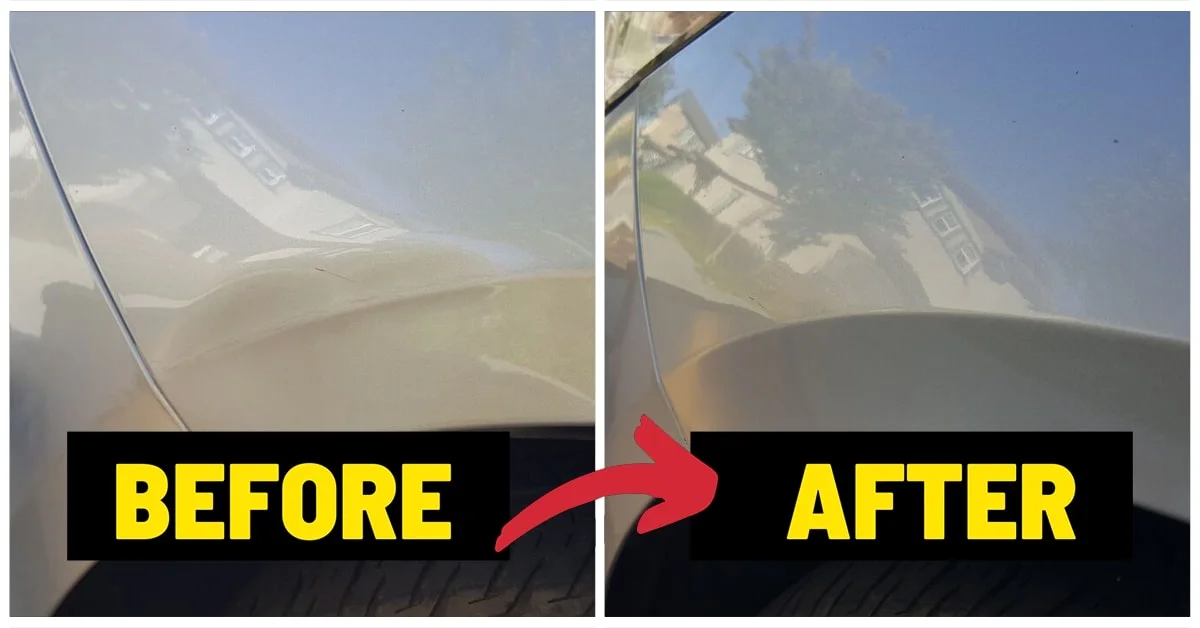
Denterasersllc specializes in mobile paintless dent repair across Contra Costa County, bringing professional results directly to your location without the body shop markup. For vehicle owners dealing with minor fender damage, the results speak for themselves.
The seamless fender repair work Denterasersllc delivers shows exactly what professional PDR can accomplish on real-world minor damage. The factory paint stays intact, the repair is completed fast, and the cost stays well below traditional body shop rates. If you have a dent that qualifies for PDR, getting a professional quote from Denterasersllc costs nothing and gives you a clear picture of your options before you spend a cent.
FAQ
What is the cheapest way to fix a car dent?
DIY PDR kits priced at $30–$100 are the cheapest option for shallow, round dents with intact paint. For anything more complex, professional PDR at $75–$350 is far cheaper than a body shop.
Does paint damage disqualify a dent from PDR?
Yes. Paint damage disqualifies a dent from PDR and pushes repair costs to $500 or more at a body shop. Acting before paint chips or cracks is the single most effective way to keep repair costs low.
How long does a professional PDR repair take?
Small dents with intact paint are typically completed in 30–90 minutes. Larger or more complex dents take longer, but PDR is consistently faster than traditional body shop repairs.
Are DIY dent repair kits worth buying?
DIY kits are worth the investment for shallow, round dents on flat panels. They are not suitable for creased, deep, or edge dents, where improper use can stretch the metal and increase professional repair costs.
Does car insurance cover dent repair?
Comprehensive coverage often covers dents caused by hail, falling objects, or vandalism. Compare your repair estimate to your deductible before filing a claim, since small repairs may cost less than the deductible itself.