A prestige vehicle care checklist is a seasonal, system-level action plan that keeps your luxury or vintage car mechanically sound, cosmetically pristine, and fully documented. Success looks like this: a car that starts reliably, stops safely, wears its original paint without compromise, and carries a service history that tells its whole story.
The five non-negotiables, right now:
- Complete spring prep before the first drive of the season
- Inspect fluids and tire pressure monthly
- Flush brake fluid regularly as recommended to maintain safety
- Replace tires by DOT date code, not tread depth
- Log every service with receipts and photos
Hagerty makes the point plainly: neglecting preventative care because a car looks fine is the most critical owner mistake. Failing seals, hoses, and bushings don’t announce themselves.
Key Takeaways
A disciplined prestige vehicle care checklist, built around seasonal workflows, correct fluid specs, and documented service history, is the single most effective way to preserve both the safety and value of a luxury or vintage car.
| Point | Details |
|---|---|
| Seasonal rhythm is non-negotiable | Spring prep, driving-season checks, and fall storage steps prevent the majority of classic-car failures. |
| Fluids must match the car’s era | Use ZDDP-containing oil for older engines and IAT coolant for copper/brass radiators; flush brake fluid every two years. |
| Replace tires by age, not tread | Tires older than six years need replacement regardless of tread depth; tires past ten years are unsafe at any speed. |
| Documentation raises value | A complete service history with receipts and photos supports appraisals, insurance, and resale outcomes. |
| Stewardship beats reactive repair | Addressing small issues early, from fluid changes to PDR, costs far less than collateral damage from deferred maintenance. |
Table of Contents
- What does a prestige vehicle care checklist look like in practice?
- How does a seasonal workflow protect your car year-round?
- What routine inspections should you run before each drive?
- Which fluids and mechanical specs matter most for prestige vehicles?
- Are your tires and brakes actually safe?
- How do you protect your paint and exterior finish?
- What does proper long-term storage actually require?
- Why does documentation protect your car’s value?
- How do you find the right specialist for a prestige vehicle?
- What should you carry in your emergency kit?
- At-a-glance maintenance timeline for prestige vehicles
- Stewardship beats ownership every time
- Denterasersllc can help you protect your investment
- Sources
- FAQ
What does a prestige vehicle care checklist look like in practice?
Think of this as your go-to reference before a drive, before storage, and before any seasonal transition.
Before every drive:
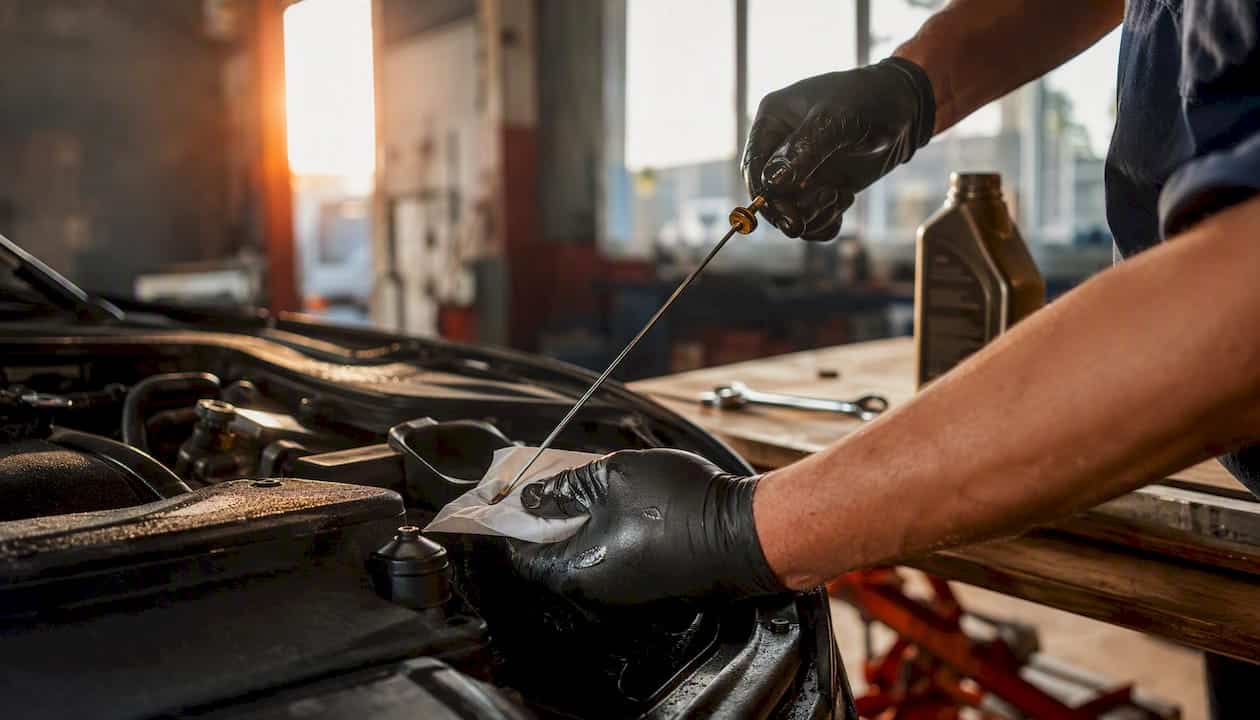
- Check engine oil level on the dipstick
- Confirm tire pressure (cold, to spec)
- Walk around for visible leaks under the car
- Test all lights, horn, and basic brake feel
- Glance at battery charge indicator or voltage gauge
Weekly:
- Top off fluids as needed
- Inspect tire sidewalls for cracking or bulging
- Verify maintenance charger is connected during storage periods
Monthly:
- Full fluid check (coolant, brake fluid, power steering)
- Visual undercarriage scan for rust or weeping seals
- Test wipers, cabin vents, and belt condition by eye
Pro Tip: Add Sta-Bil 360 to your fuel at every fill-up during low-use months. It protects against ethanol corrosion and gum buildup without requiring a full drain.
For a ready-made template you can adapt, a preventive maintenance checklist gives you a solid scheduling framework.
How does a seasonal workflow protect your car year-round?
A disciplined seasonal rhythm prevents most classic-car failures before they occur.
Spring prep:
- Change engine oil and filter with the correct spec (ZDDP-containing for older engines)
- Inspect all belts and hoses for cracking or softness
- Load-test the battery; replace if it fails
- Check coolant concentration and condition
- Inspect brake pads, rotors, and hose condition
Driving season:
- Check fluids every two weeks during active use
- Wax or apply sealant regularly for UV protection
- Spot-check brake feel and tire pressure before longer runs
Fall storage:
- Fill the tank with ethanol-free fuel when available (find stations at Pure-gas), then add Sta-Bil 360
- Connect a Battery Tender or CTEK maintenance charger
- Inflate tires to the upper end of the recommended range to reduce flat-spotting
- Cover with a breathable cotton or flannel cover, never plastic
Winter hibernation:
Most owners do more harm leaving cars idle than driving them. Engines must reach full operating temperature to burn moisture and acids out of the oil. Schedule a monthly warm-up that runs the engine to full temp, not just a cold idle.
Pro Tip: Set a calendar reminder for the 15th of each month during storage season. A 20-minute warm-up drive protects more than any additive.
What routine inspections should you run before each drive?
Catching a problem in your driveway costs nothing. Catching it on the road costs everything.
Before every drive: Check oil level, tire pressure, visible leaks, lights, horn, and brake pedal feel.
Weekly: Check battery voltage if the car sits more than a few days. Inspect tire sidewalls for cracking, especially on low-mileage classics that age chemically faster than they wear mechanically.
Monthly: Do a slow walk under the car with a flashlight. Look for weeping seals, rust bubbles, or anything that wasn’t there last month. Test belts by pressing them; more than half an inch of deflection signals wear.
Pro Tip: Train your ears. A new knock, a whine under acceleration, or a squeal on braking are data points. Log them with the date in your service notebook the moment you hear them.
Which fluids and mechanical specs matter most for prestige vehicles?
The wrong fluid in a vintage drivetrain causes damage that no repair can fully undo.
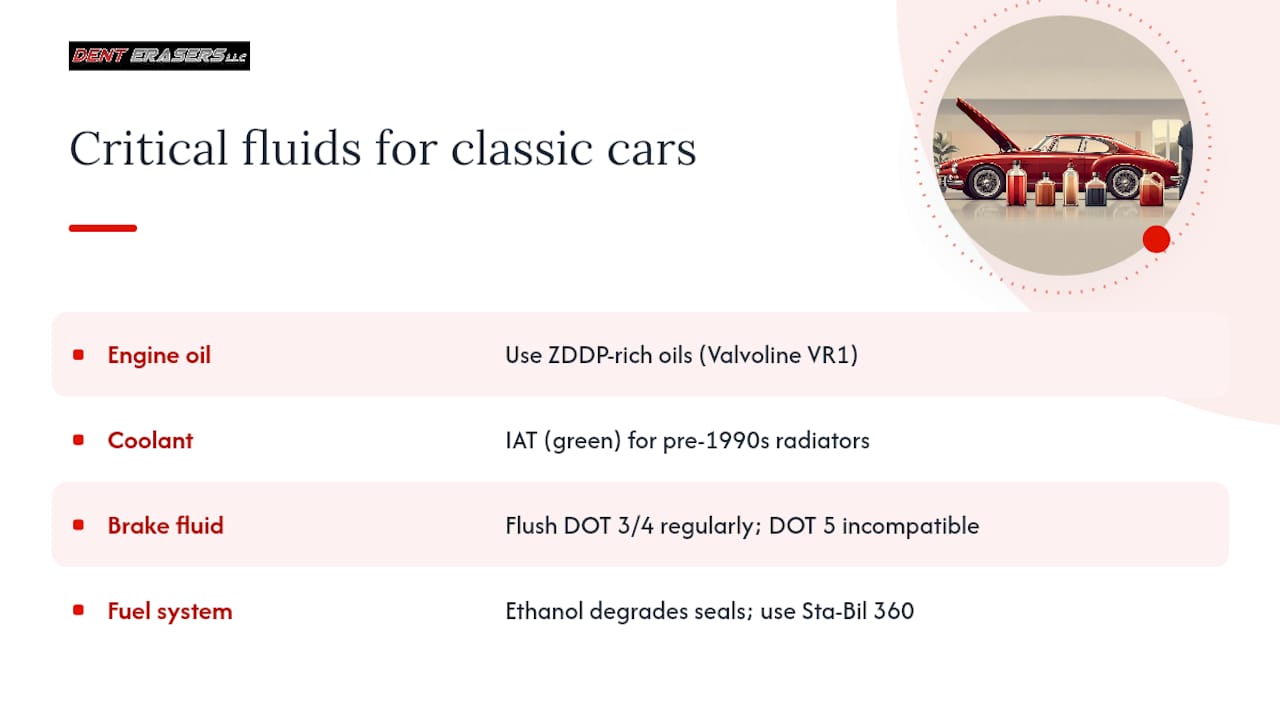
Engine oil: Older engines with flat-tappet camshafts need ZDDP (zinc dialkyldithiophosphate) for anti-wear protection. Many modern API-rated oils have reduced ZDDP levels to protect catalytic converters. Use a specialty oil like Valvoline VR1, Brad Penn, or a dedicated classic-car blend that specifies ZDDP content.
Coolant: Copper and brass radiators in pre-1990s vehicles require IAT (Inorganic Additive Technology) coolant, the traditional green formula. OAT (Organic Acid Technology) coolants, common in modern cars, can corrode older metals. Change IAT coolant at regular intervals recommended by manufacturers; use test strips to check inhibitor strength between changes.
Brake fluid: Brake fluid absorbs moisture over time which lowers its boiling point. Flush DOT 3 or DOT 4 systems as per best safety practices and more frequently if used on a track. High-performance options include ATE Typ 200, Motul RBF 600, and Castrol SRF. DOT 5 is silicone-based and incompatible with most systems designed for glycol-based fluid; consult a marque specialist before switching.
Fuel system: Ethanol blends (E10 and above) degrade rubber seals, diaphragms, and aluminum components in carbureted and early fuel-injected systems. Use ethanol-resistant rebuild parts, and treat stored fuel with Sta-Bil 360 or Lucas Safeguard Ethanol Fuel Conditioner.
Are your tires and brakes actually safe?
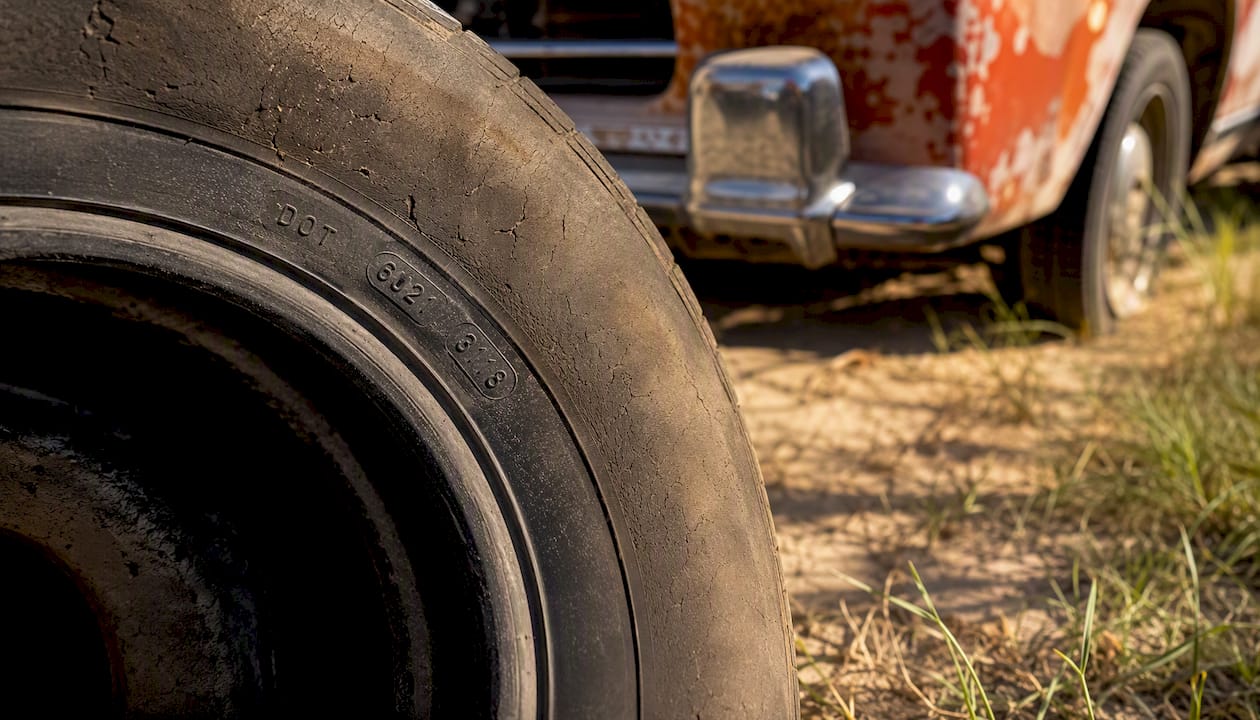
Tread depth is not the right measure for a low-mileage classic. Tires age chemically and should be replaced when they exceed typical safe age limits regardless of tread condition. The DOT date code, a four-digit number on the sidewall (week and year of manufacture), is your reliable indicator.
For period-correct fitments, Coker Tire offers historically accurate options. Michelin, Pirelli, and Vredestein each produce heritage or classic ranges that balance period appearance with modern safety construction.
Brake hoses degrade internally even when they look fine externally. Replace rubber brake hoses periodically to avoid internal degradation and maintain braking safety. Braided stainless-steel hoses, where available for your application, resist expansion under pressure and last longer.
Drum brakes require periodic adjustment. If the pedal travel increases noticeably or the car pulls to one side under braking, have the drums inspected and adjusted by a specialist familiar with your system.
How do you protect your paint and exterior finish?
Automatic car washes are one of the most common sources of paint damage on prestige vehicles. The brushes and recycled water introduce swirl marks and micro-scratches that dull a factory finish over time.
The two-bucket hand-wash method:
- Fill one bucket with pH-neutral car wash soap and water
- Fill a second bucket with clean rinse water
- Wash one panel at a time, rinsing the mitt in the clean bucket between panels
- Dry with a clean microfiber towel using a blotting motion, not a drag
Wax every 2–3 months for UV protection. For ceramic-coated vehicles, use only pH-neutral soap and wash every 2–3 weeks to maintain the coating’s hydrophobic properties.
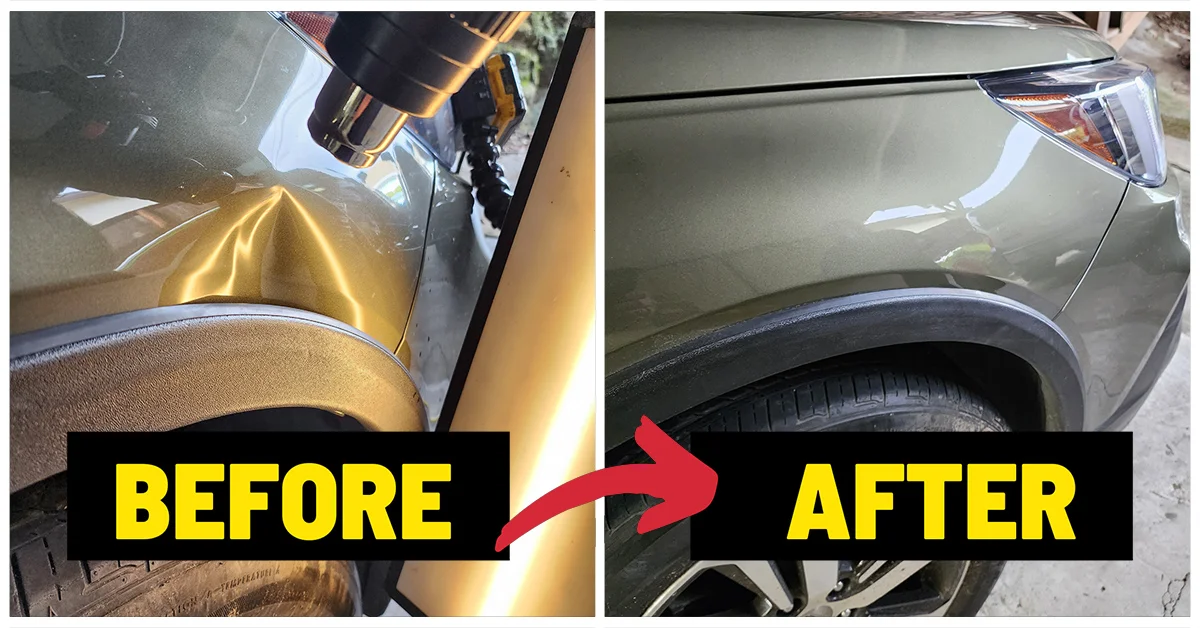
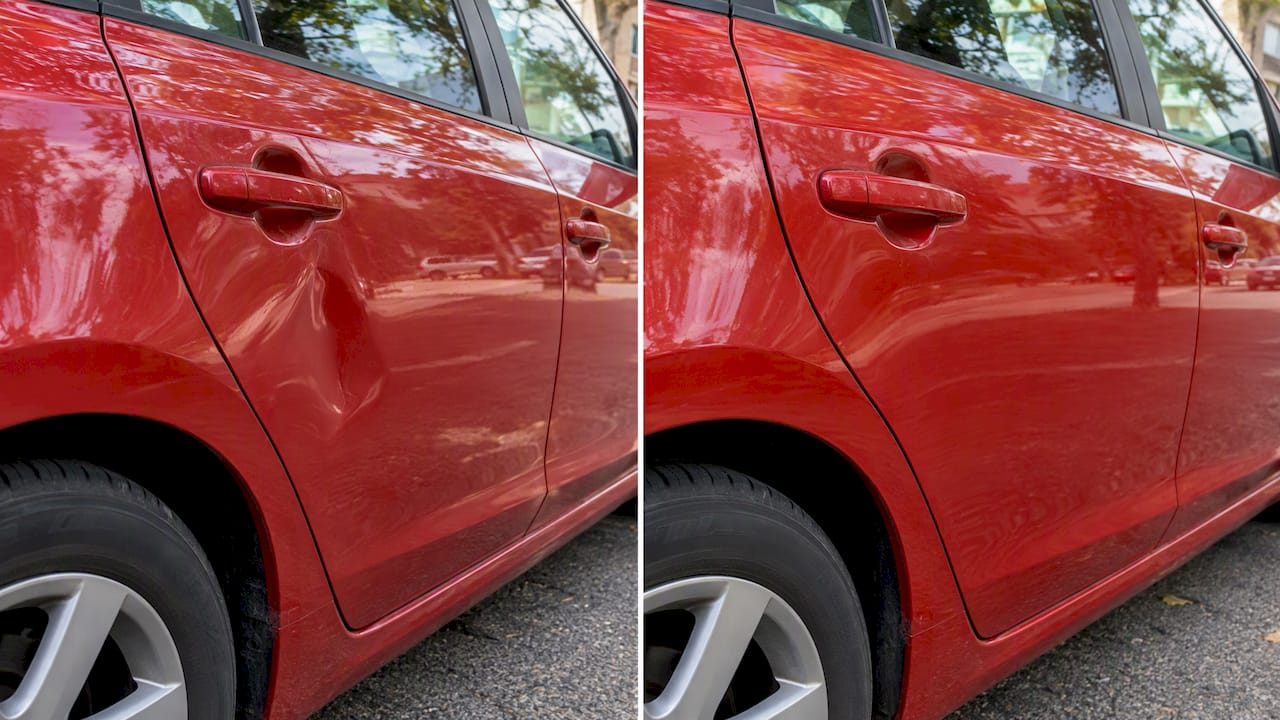
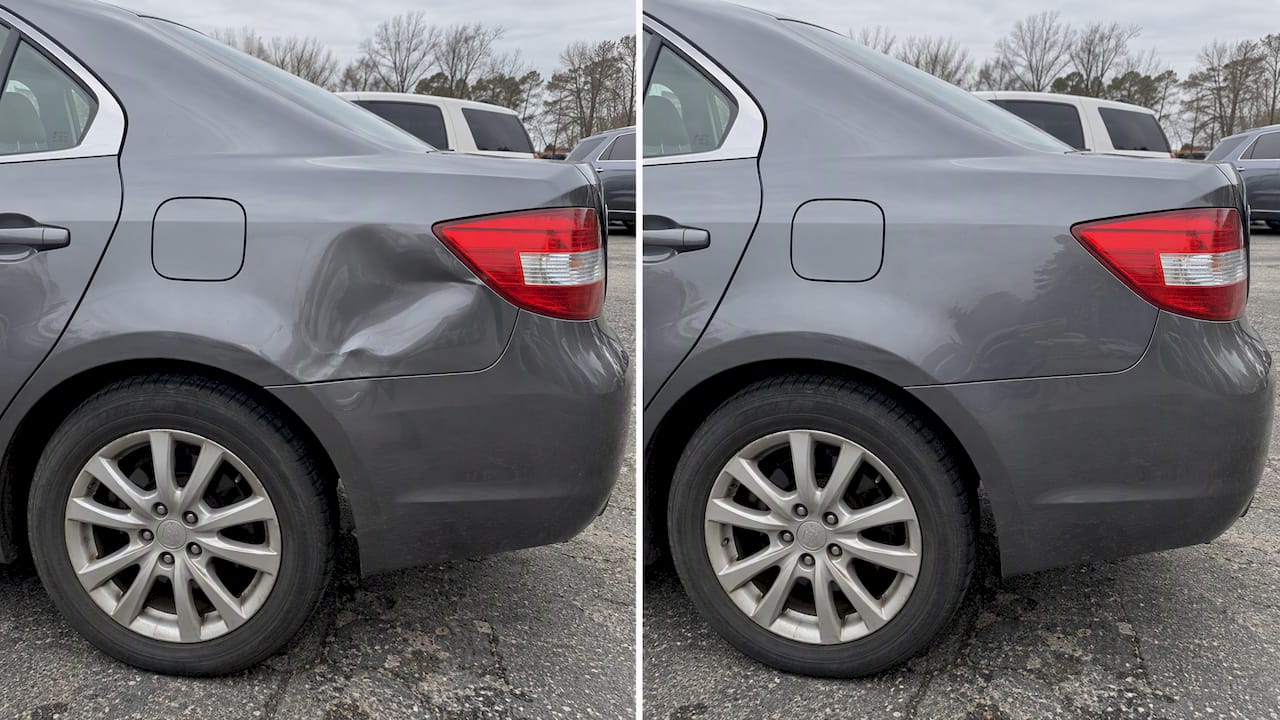
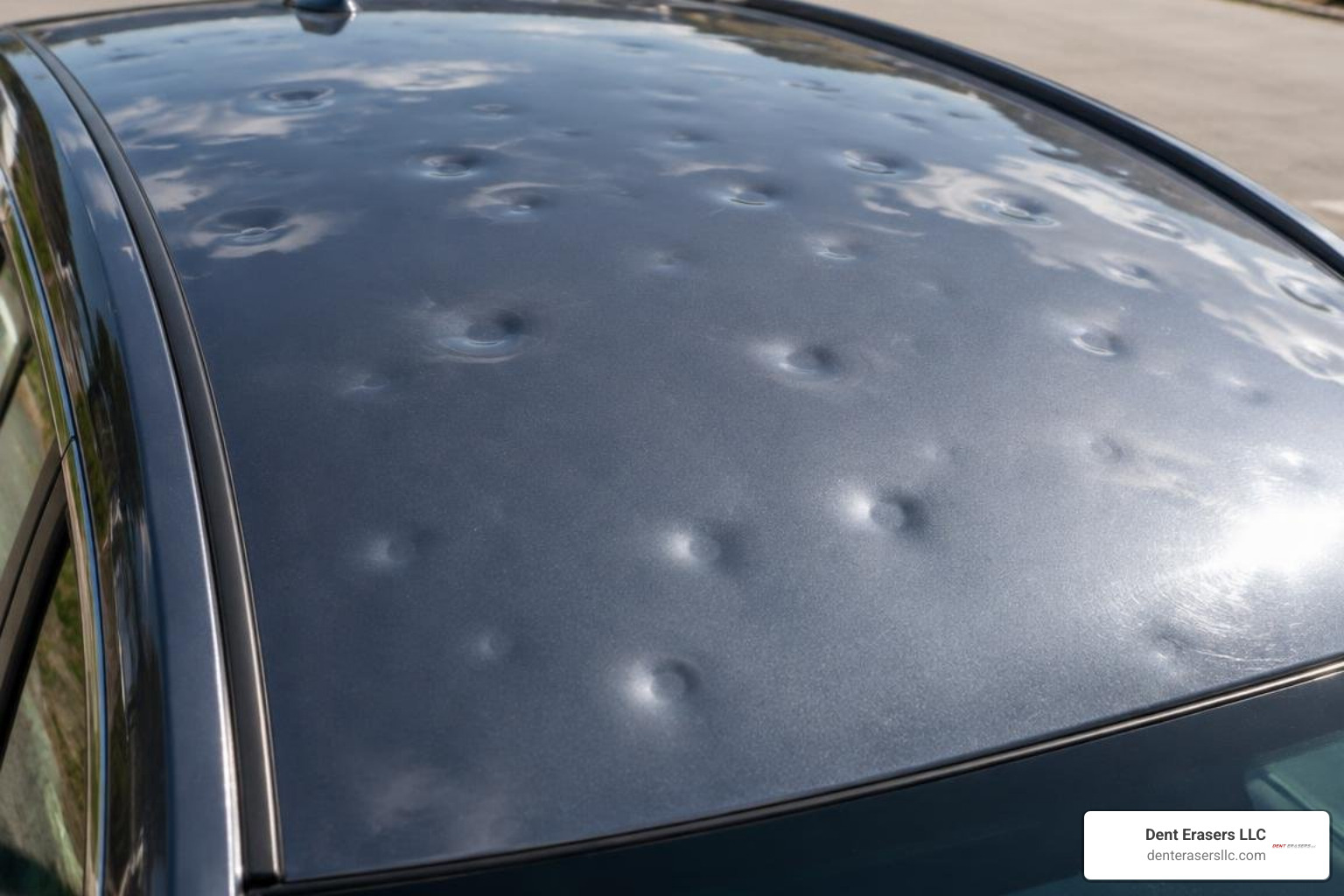
Paintless dent repair (PDR) is the gold standard for addressing minor dings and door dents on prestige vehicles because it preserves the factory paint layer entirely. No filler, no repainting, no color-match risk. For high-gloss luxury finishes, PDR is almost always the right first call.
Pro Tip: Bird droppings and tree sap are acidic. Remove them within 24 hours using a dedicated spot remover and a soft microfiber cloth. Waiting even a day can etch clear coat permanently.
What does proper long-term storage actually require?
Storage is where most preventable damage happens, quietly, over months.
Environment: Dry, ventilated, and temperature-stable. A dehumidifier or desiccant packs help in damp garages.
Battery: Connect a Battery Tender or CTEK maintenance charger rather than disconnecting the battery entirely. These smart chargers maintain charge without overcharging, and they keep the car’s computer memory intact.
Fuel: Fill the tank to minimize condensation space, add Sta-Bil 360 or Lucas Safeguard, and run the engine for 10 minutes to circulate treated fuel through the system.
Pest prevention: Place dryer sheets or steel wool in the exhaust pipe openings and cabin air intakes. Rodents find engine bays and interiors attractive during cold months.
- Inflate tires to the upper spec limit
- Place the car on jack stands if storing longer than three months to prevent flat-spotting
- Leave windows cracked slightly for air circulation inside a breathable cover
- Check on the car monthly and run it to full operating temperature
Pro Tip: Never store a car with a wet interior or a dirty exterior. Moisture and contaminants trapped under a cover cause more damage than the elements they’re meant to block.
Why does documentation protect your car’s value?
A meticulous service history materially increases resale value and supports insurance and appraisal outcomes. Buyers and appraisers pay a premium for cars whose stewardship they can verify.
Keep these documents:
- All service receipts and parts invoices
- Restoration photos (before, during, after)
- Original window sticker, build sheet, or factory order if available
- Appraisal reports and insurance declarations
- Any owner correspondence or historical letters
Storage strategy:
- Store originals in a climate-controlled home safe
- Keep photocopies in the glovebox
- Digitize everything and back it up to cloud storage
Hagerty offers valuation tools and guidance that help you understand what your documentation is worth in the market. The Auto Appraisal Group provides professional appraisal services that rely heavily on documented provenance.
Pro Tip: Start a dedicated notebook for your car today. Date every entry. A handwritten log with receipts stapled in is more convincing to a serious buyer than a verbal claim.
How do you find the right specialist for a prestige vehicle?
AAA’s practitioner guidance frames it well: treat your prestige vehicle as a machine requiring consistent interaction and a trusted mechanic relationship. Model-specific quirks and long parts lead times make that relationship worth building before you need it urgently.
Vetting checklist for any shop or specialist:
- Documented experience with your specific marque or era
- References from owners of similar vehicles
- Clear policy on OEM vs. modern-material substitutions
- Written warranty on labor and parts
- Transparent storage and transport policy for consignment work
Questions worth asking:
- What is your typical lead time for parts on my model?
- Do you document all work with photos?
- How do you handle safety upgrades (dual-circuit brakes, braided hoses) without harming provenance?
For onsite work that doesn’t require a full shop, mobile specialists like Denterasersllc handle paintless dent repair at your location, preserving factory finish without the risk of a shop environment. For full restoration or mechanical rebuilds, a marque-specialist shop is the right call. Knowing which situation calls for which resource saves both money and paint.
For a thorough vetting framework, review what to look for in a quality auto body repair shop before committing to any provider.
Pro Tip: Ask to see a completed restoration, not just photos. Walk around the car, open the doors, and look at the jambs. The quality of the hidden work tells you everything.
What should you carry in your emergency kit?
A prestige vehicle deserves a kit that matches its needs, not a generic roadside bag.
Core items:
- One quart of the correct-spec engine oil (sealed, labeled with your spec)
- Spare fuses (full set for your model’s fuse box)
- Spare fan belt sized for your engine
- Basic tool kit: screwdrivers, pliers, adjustable wrench, zip ties
- Compact fire extinguisher (ABC-rated, mounted securely)
- Tire pressure gauge (analog, not digital, for reliability)
For older vehicles with points-style ignitions:
- Spare points and condenser
- Spare rotor and distributor cap
Finish protection:
- Two clean microfiber towels
- A small bottle of quick detailer spray for post-incident cleanup
- Business card or saved contact for your trusted shop and mobile PDR provider
Before any event or long trip, check the kit. Confirm the oil is the right spec, the extinguisher is charged, and the fuses match your car’s requirements.
At-a-glance maintenance timeline for prestige vehicles
The Classics Lifestyle maintenance guide outlines the full seasonal rhythm behind these intervals, including the spring and fall workflows that anchor the annual calendar.
Stewardship beats ownership every time
The owners I’ve seen keep their prestige vehicles in the best shape over decades share one trait: they treat the car as something they’re holding for the next owner, not just using for themselves. That mindset changes everything, from how carefully they wash it to whether they bother logging a minor fluid top-off.
The reactive approach, fixing things only when they break, costs more money, more time, and often more paint than the disciplined preventative approach. A brake hose that costs $40 to replace on schedule costs $400 in labor and collateral damage when it fails on the road. A tire replaced at year six costs a fraction of what a blowout at highway speed costs in every dimension.
Mobile PDR is a good example of stewardship in action. Addressing a door ding the week it happens, before the paint edge has time to lift or rust to start, is exactly the kind of small, timely intervention that keeps a car at its best. Denterasersllc specializes in that kind of work for luxury and vintage vehicles, coming to your location so the car never has to sit in a shop queue.
Build your team before you need them. One trusted marque specialist, one reliable mobile PDR provider, and a documented service log are the three things that separate a car that holds its value from one that doesn’t.
Denterasersllc can help you protect your investment
When a ding or dent threatens your prestige vehicle’s factory finish, Denterasersllc brings the repair to you. Our mobile paintless dent repair service covers luxury, vintage, and specialty vehicles throughout Contra Costa County and surrounding areas, with no shop drop-off and no paint-match risk.
Plastic bumper repair and full PDR services are available onsite. Contact Denterasersllc to schedule your repair and keep your car’s finish exactly as it left the factory.
Sources
- Classic Car Maintenance Guide: Preserving Your Vintage Automobile for Generations — Classics Lifestyle
- Hagerty — classic car guidance and valuation
- The value of history — Auto Appraisal Group
FAQ
How often should you flush brake fluid on a classic car?
Flush DOT 3 or DOT 4 brake fluid every two years; for track use, flush annually. Brake fluid absorbs moisture over time, which lowers its boiling point and increases fade risk.
What does the DOT date code on a tire tell you?
The last four digits of the DOT code show the week and year the tire was manufactured. Replace tires older than six years regardless of tread depth, and consider any tire past ten years unsafe at any speed.
Why do older engines need ZDDP oil?
Older engines with flat-tappet camshafts need zinc dialkyldithiophosphate (ZDDP) for anti-wear protection because many modern API-rated oils have reduced ZDDP levels. Use a specialty classic-car blend that specifies ZDDP content.
Can you use OAT coolant in a vintage car?
OAT (Organic Acid Technology) coolants can corrode the copper and brass components common in pre-1990s cooling systems. Use IAT (Inorganic Additive Technology) green coolant and change it every two years.
When is paintless dent repair the right choice for a prestige vehicle?
PDR is the right first call for minor dings and door dents where the paint surface is intact. It preserves the factory finish without filler or repainting, making it the preferred method for luxury and vintage vehicles where original paint is a key value driver.