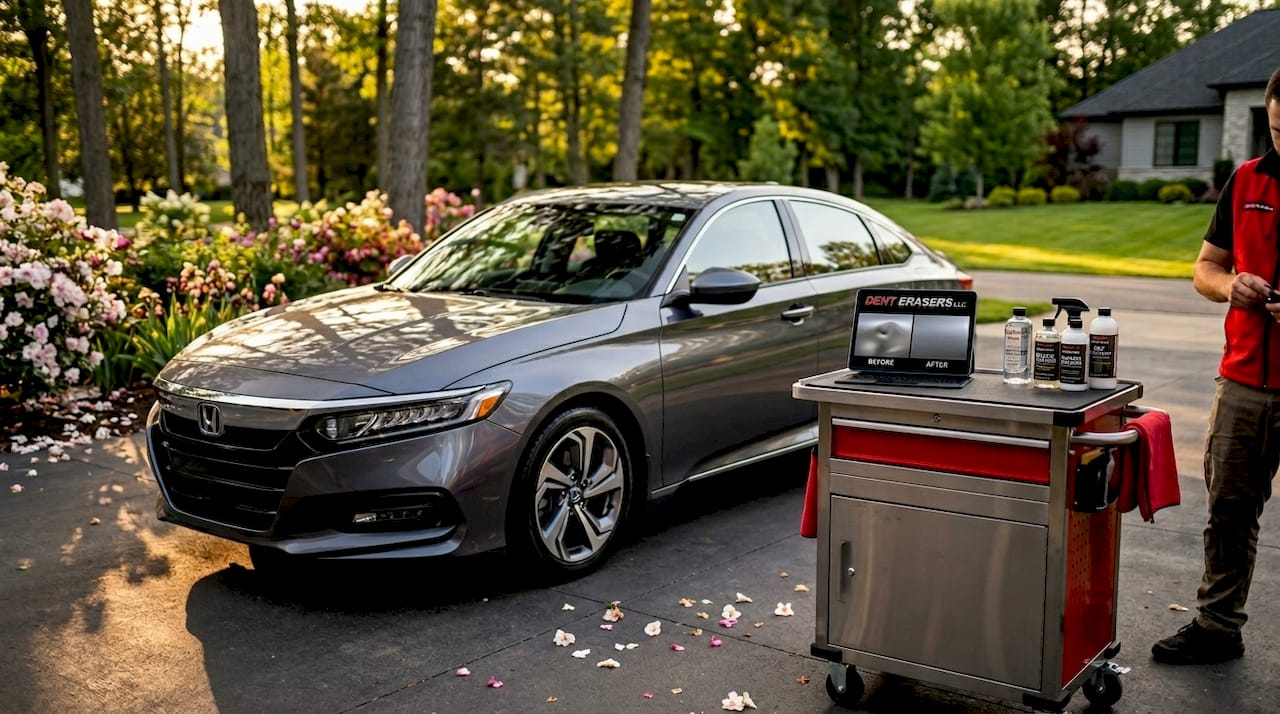
Auto body damage is any physical harm to a vehicle’s exterior panels, paint, or structural components that reduces its appearance, value, or integrity. The most effective ways to avoid auto body damage combine protective products like paint protection film (PPF) and ceramic coatings with smart parking habits and defensive driving. Ignoring even minor dents or scratches accelerates rust, weakens paint adhesion, and shrinks your repair options fast. This guide gives you the exact habits and tools that keep your car looking new and your repair bills low.
1. Ways to avoid auto body damage with protective films and coatings
PPF and ceramic coatings are the two most powerful tools for shielding your vehicle’s exterior before damage ever occurs. They work differently and protect against different threats, so understanding each one helps you choose the right approach.
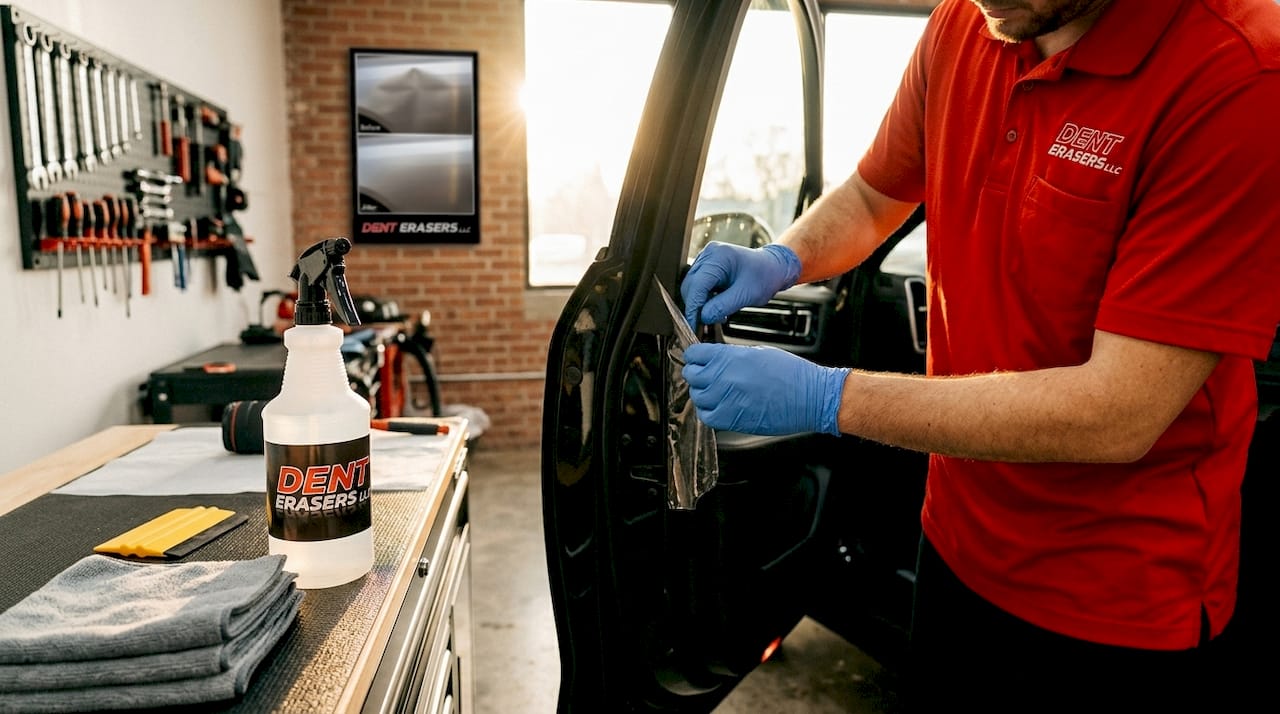
Paint protection film is a thermoplastic polyurethane film applied directly to high-impact zones like the front bumper, hood, and door edges. It acts as a sacrificial layer, absorbing rock chips and debris impacts that would otherwise pit or crack your paint. Modern PPF carries self-healing properties: minor surface scratches disappear with heat exposure from sunlight or warm water. That alone makes it worth the investment for anyone who drives on highways regularly.
Ceramic coatings bond chemically to your paint and create a semi-permanent hydrophobic layer that repels water, dirt, and UV rays. Unlike wax, which sits on the surface and wears off in weeks, a quality ceramic coating lasts years and prevents oxidation and fading. It will not absorb a rock chip the way PPF does, but it keeps contaminants from bonding to your paint and makes washing far easier.
- PPF: Best for front-of-motion zones (bumper, hood, mirrors) where physical impacts are most frequent
- Ceramic coating: Best for full-body contamination resistance, UV protection, and low-maintenance shine
- Combined approach: Apply PPF to high-impact zones first, then layer ceramic coating over the entire vehicle for maximum protection
Pro Tip: Apply PPF to door edges and cup handles in addition to the front bumper. These are the highest-contact zones on any daily driver and the spots most likely to collect door dings and fingernail scratches.
2. Washing techniques that protect your car’s finish
Controlled contact and contamination control during washing are the most overlooked causes of micro-scratches and swirl marks. Most paint damage does not come from road debris. It comes from improper washing.
Follow these steps every time you wash:
- Rinse thoroughly first. Blast loose dirt and grit off the surface before any mitt touches the paint. Skipping this step drags abrasive particles across your clear coat.
- Use the two-bucket method. One bucket holds your soapy wash water; the other holds clean rinse water. The two-bucket method prevents you from reapplying dirt to the paint surface, which is the primary cause of micro-scratches during hand washing.
- Wash top to bottom. The lower panels carry the most grit. Washing them last prevents contaminated water from running over already-cleaned surfaces.
- Use a dedicated iron fallout remover periodically. Brake dust and industrial fallout embed in paint and cannot be removed by soap alone. Products like CarPro IronX dissolve ferrous contamination before it causes rust staining.
- Dry with a microfiber waffle-weave towel. Standard terry cloth drags across the surface. A microfiber towel lifts water away without friction, eliminating the swirl marks that dull paint over time.
Avoid automatic tunnel car washes entirely. The brushes and recycled water in most tunnel washes trap grit and drag it across your paint repeatedly. Hand washing takes 20 extra minutes and saves you from years of compounding damage.
Pro Tip: Before applying any new coating or wax, do a thorough decontamination wash. Sealing contaminants under a protective layer accelerates paint degradation from the inside out.
3. Parking habits that reduce dents and door dings
Many preventable damages stem directly from proximity and visibility issues in parking environments. A few deliberate choices each time you park can eliminate the majority of door dings and lot scrapes.
- Park at the end of rows or in low-traffic areas. Fewer neighboring vehicles means fewer opportunities for door contact. The extra 60-second walk is worth it.
- Choose well-lit spots at night. Visibility deters careless maneuvering from other drivers and helps you spot obstacles when backing out.
- Park with extra space between your vehicle and adjacent cars. Even a foot of extra clearance dramatically reduces the chance of a swinging door reaching your panels.
- Use removable heavy-duty door guards in tight environments. Strong, wide door guards absorb and distribute impact from neighboring doors, preventing metal dents in apartment lots and shopping mall garages where spaces are narrow.
- Use your backup camera and physically check clearances in garages. Cameras show distance but compress depth perception. A quick visual check before pulling into a tight garage prevents the slow-speed scrapes that are surprisingly expensive to fix.
| Parking situation | Recommended protection |
|---|---|
| Shopping mall or busy lot | Removable door guards plus end-of-row parking |
| Apartment complex garage | Backup camera check plus foam wall guards |
| Street parking at night | Well-lit spot plus extra lateral spacing |
| Tight residential driveway | Physical clearance check before pulling in |
4. Defensive driving to avoid road debris damage
Defensive driving habits including maintaining safe speed, slowing in bad weather, and scanning the road ahead are the most direct ways to prevent impact damage from debris and collisions. Most rock chips and debris strikes are avoidable with distance and awareness.
- Maintain at least three seconds of following distance on highways. Tailgating puts you directly in the debris spray zone of the vehicle ahead. Gravel, metal fragments, and road grit become projectiles at highway speeds.
- Slow down in rain, snow, or construction zones. Reduced speed means reduced impact force if debris does strike. It also gives you more time to steer around hazards you spot ahead.
- Scan 10 to 15 seconds ahead of your vehicle. Spotting a debris field or pothole early gives you time to change lanes or slow down before impact.
- Use headlights in low-visibility conditions. This is as much about other drivers seeing you as it is about your own visibility. Rear-end collisions are a leading cause of bumper and trunk damage.
5. Why addressing minor dents promptly matters
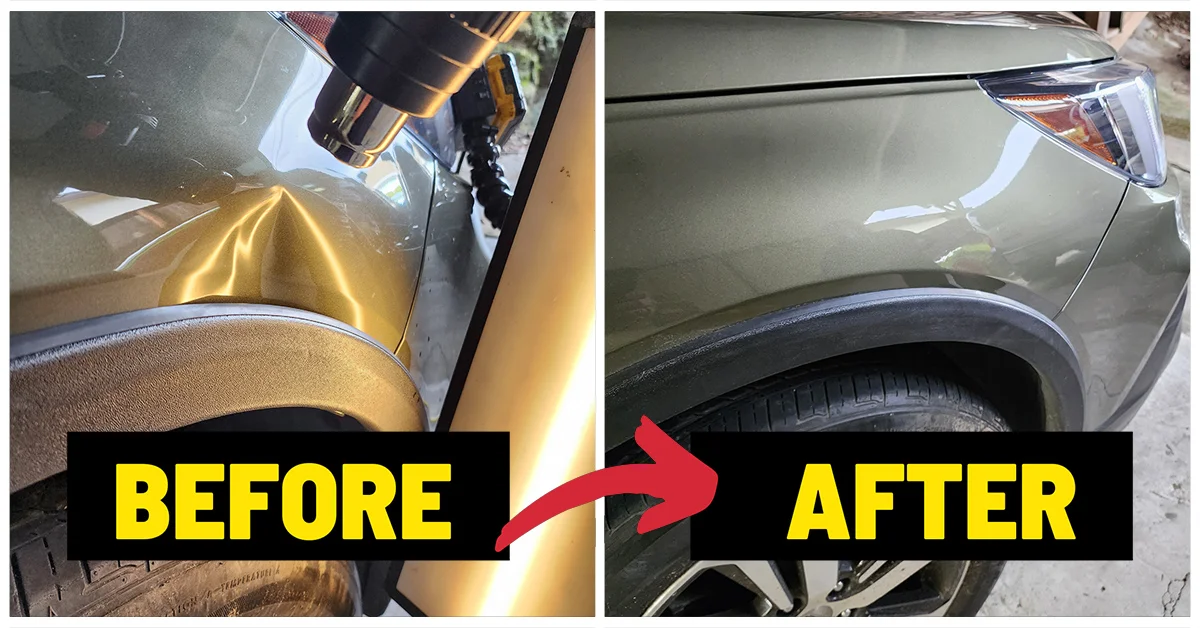
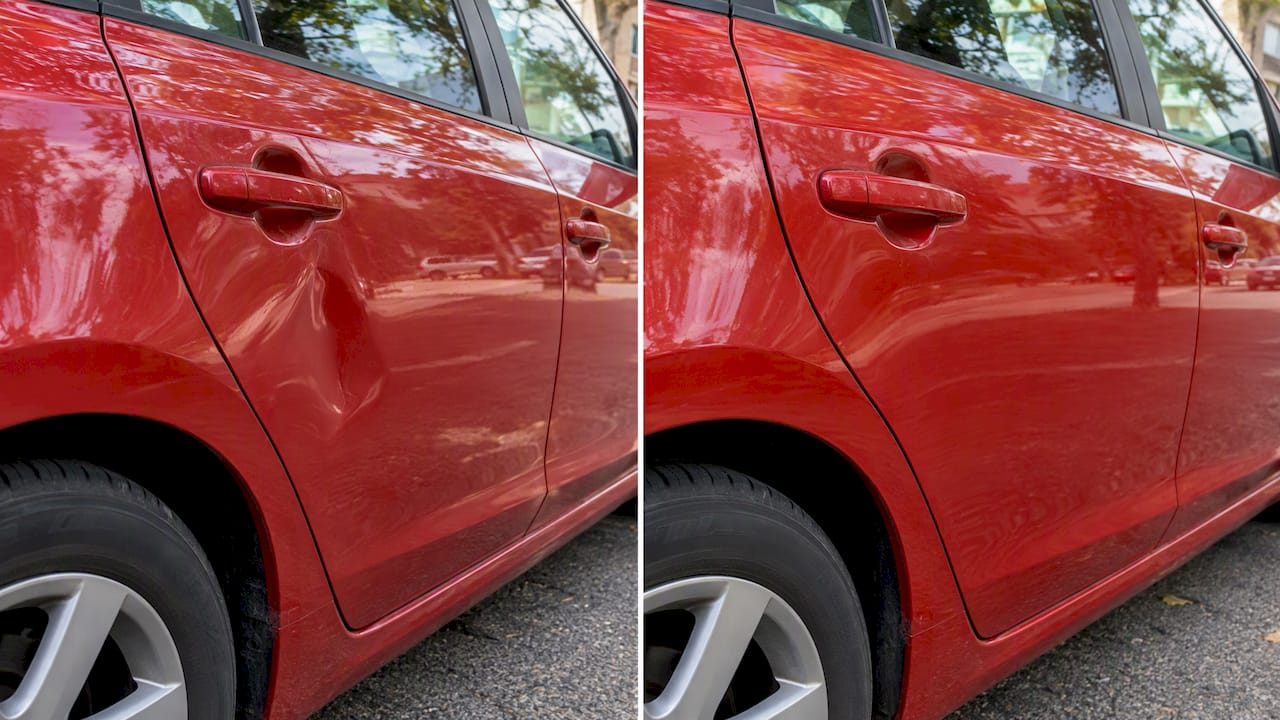
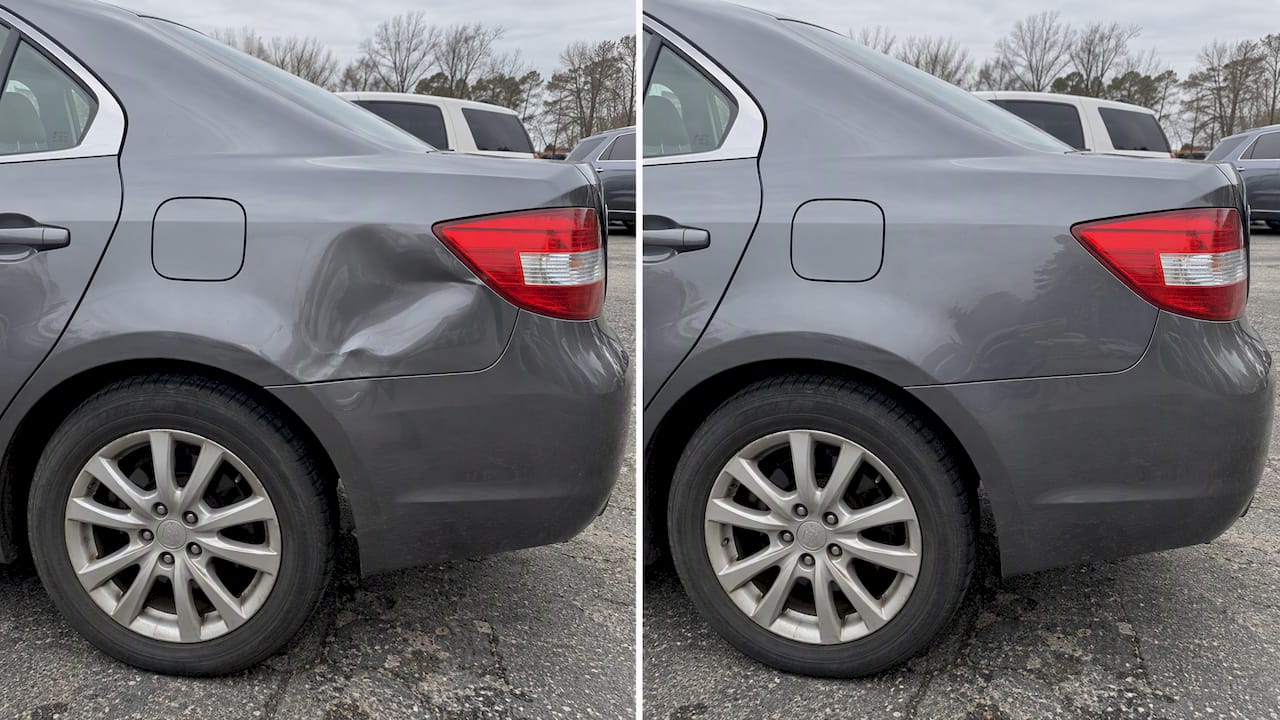
Approximately 80% to 90% of typical dents qualify for paintless dent repair (PDR) when the paint remains intact and the metal has not stretched. That number drops fast once you delay. Waiting turns a $150 PDR job into a $600 repaint.
Delaying minor dent repair allows moisture to penetrate micro-cracks in the paint, which starts the rust cycle from the inside out. Once rust takes hold, the repair shifts from a simple massage of the metal back into shape to a full restoration involving filler, primer, and color matching. PDR preserves your factory finish entirely. Full restoration does not.
- Get a professional evaluation within a few weeks of any new dent. A trained eye can tell immediately whether the metal has stretched or the paint has cracked, both of which eliminate PDR as an option.
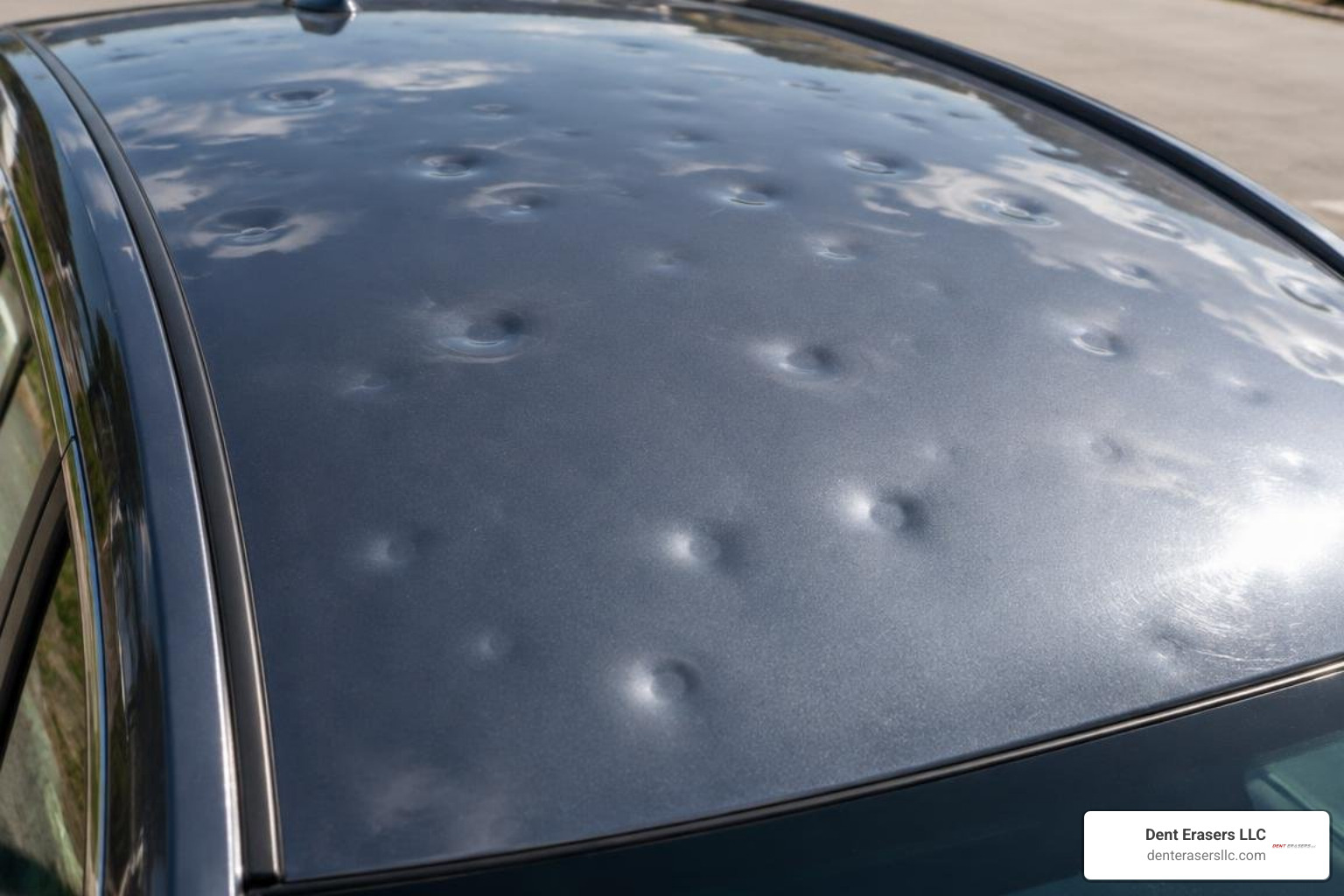
- Check your PDR eligibility before assuming the worst. Most hail damage, parking lot dings, and minor collision dents qualify.
- Understand that paintless dent repair preserves resale value in a way that body filler and repaints cannot. Factory paint is always worth more than refinished panels on a used car appraisal.
Key takeaways
Protecting your vehicle’s body requires layered prevention: physical barriers like PPF, proper washing habits, smart parking, defensive driving, and prompt repair of minor damage before it escalates.
| Point | Details |
|---|---|
| Layer your protection | Combine PPF on impact zones with ceramic coating over the full body for maximum coverage. |
| Wash with discipline | Use the two-bucket method and microfiber towels to prevent self-inflicted micro-scratches. |
| Park strategically | End-of-row spots, door guards, and well-lit areas eliminate most lot damage. |
| Drive with distance | Three seconds of following distance removes you from the debris spray zone of vehicles ahead. |
| Repair dents early | Most dents qualify for PDR only while paint is intact. Delay costs you that option. |
What I’ve learned after years of repairing preventable damage
Here is the honest truth I share with every customer who comes to me after a parking lot ding or a fresh rock chip: most of the damage I repair was completely avoidable. Not because the car owner was careless, but because nobody ever explained the cost of waiting or the value of a few simple habits.
The combination of PPF on the front bumper and hood plus a quality ceramic coating over the rest of the vehicle is the closest thing to a set-it-and-forget-it protection system I have seen in this industry. It is not cheap upfront, but it is far cheaper than a single repaint. I have seen customers spend $2,000 on a full PPF and coating package and then come back two years later with a car that still looks showroom fresh. That is money well spent.
The mistake I see most often is ignoring a small dent because it “doesn’t look that bad.” Paint is not just cosmetic. It is your metal’s only defense against moisture and oxygen. Once that seal breaks, you are on a clock. The sooner you get a professional to look at it, the more options you have and the less it costs. I always say: a dent with intact paint is a quick fix. A dent with cracked paint is a project.
— Brian
Let Denterasers LLC restore what the road takes away
When prevention is not enough and damage does happen, the quality of your repair matters as much as the speed of it. At Denterasers LLC, we specialize in mobile paintless dent repair and precision auto body work across Contra Costa County and surrounding areas, so you never have to drop your car at a shop and wait days for results.

Our technicians handle everything from small parking lot dings to larger panel damage, always prioritizing your factory finish. See the kind of results we deliver in our seamless fender repair gallery, where a new driver’s mishap became a flawless restoration. If your vehicle has taken a hit, contact Denterasers LLC for a fast, honest assessment and a repair that holds up.
FAQ
What is the best way to prevent door dings in parking lots?
Park at the end of a row in low-traffic areas and use removable heavy-duty door guards on your door edges. Extra spacing between your vehicle and neighboring cars is the single most effective habit.
Does PPF really prevent rock chips?
Yes. PPF is a thermoplastic polyurethane film that absorbs impact from road debris and can self-heal minor scratches with heat exposure, making it the most effective physical barrier for front-of-vehicle protection.
How soon should I repair a dent after it happens?
Get a professional evaluation within a few weeks. 80% to 90% of dents qualify for paintless dent repair when paint is intact, but delays that allow paint cracking or metal stretching eliminate that option.
Is hand washing really better than an automatic car wash?
Hand washing with the two-bucket method is significantly better. Automatic tunnel washes trap grit in their brushes and drag it across your paint, creating the swirl marks and micro-scratches that dull your finish over time.
Can a ceramic coating replace paint protection film?
No. Ceramic coatings repel water, dirt, and UV rays but do not absorb physical impacts. PPF handles rock chips and debris strikes. For full protection, use both: PPF on high-impact zones and ceramic coating across the entire vehicle.