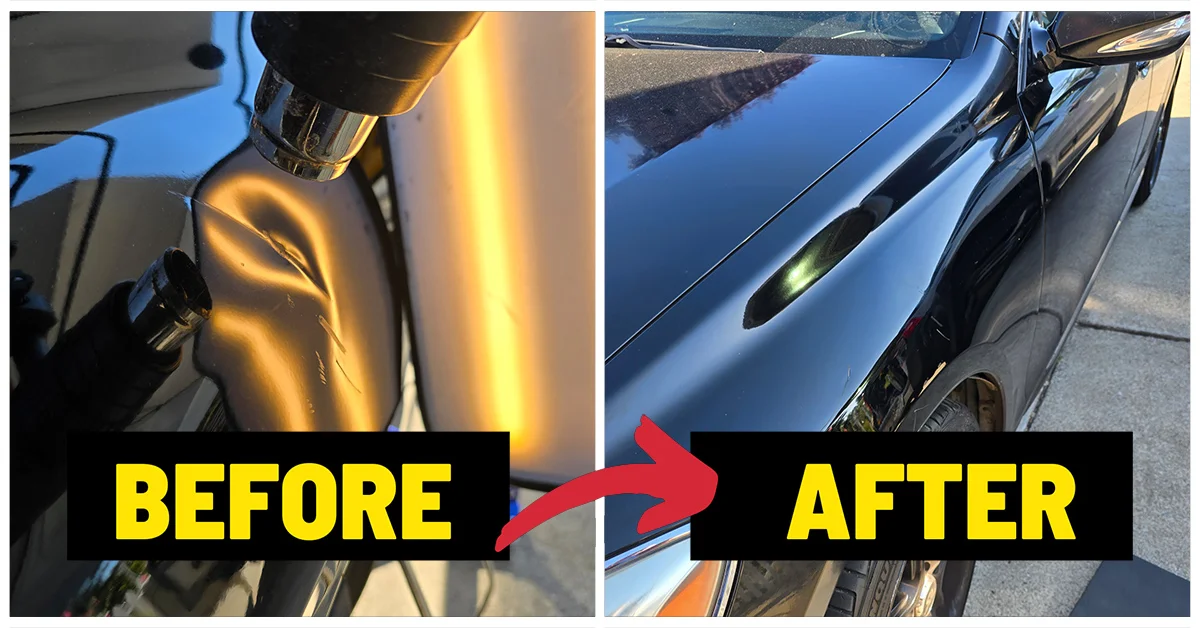
What a Dent Puller for Hail Damage Can (and Can’t) Do for Your Car
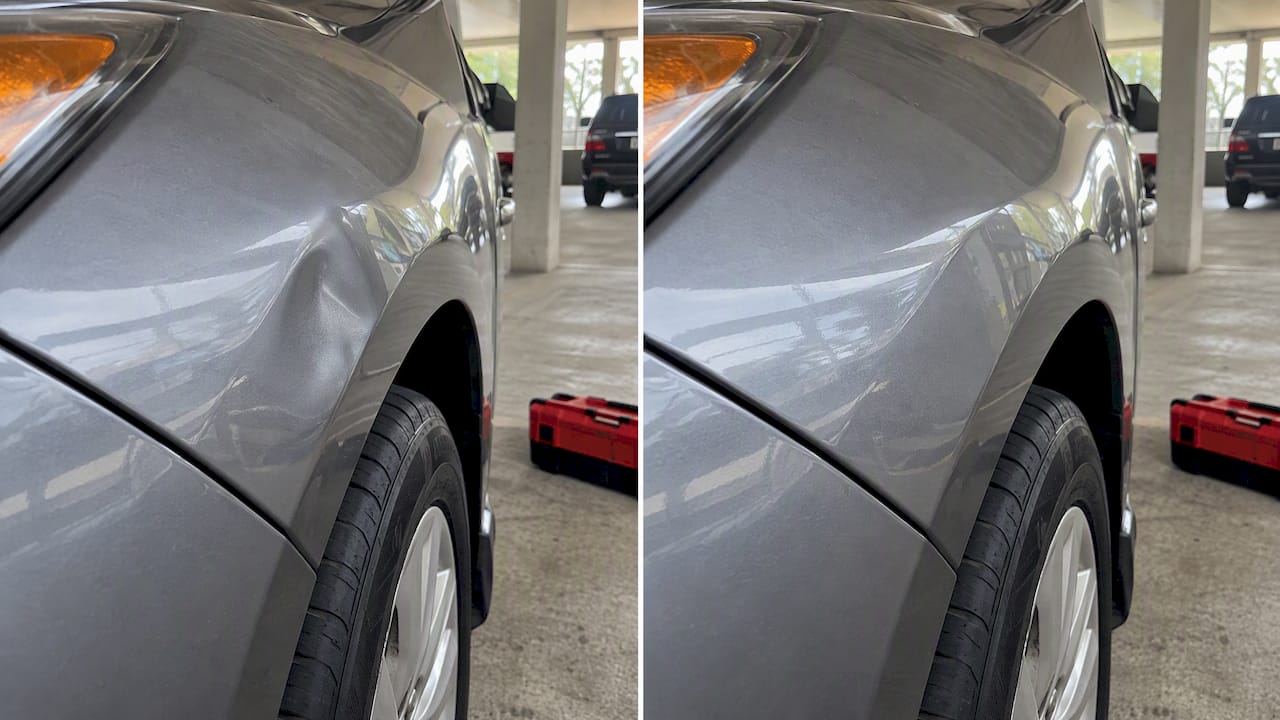
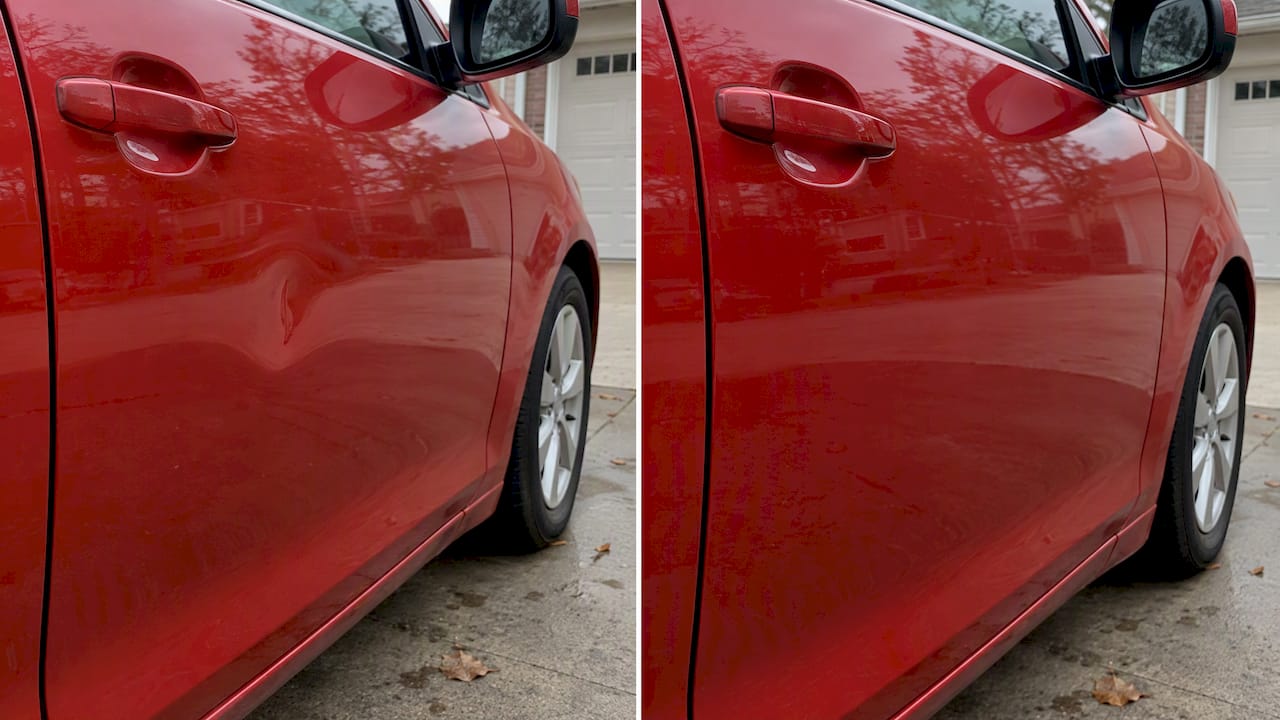
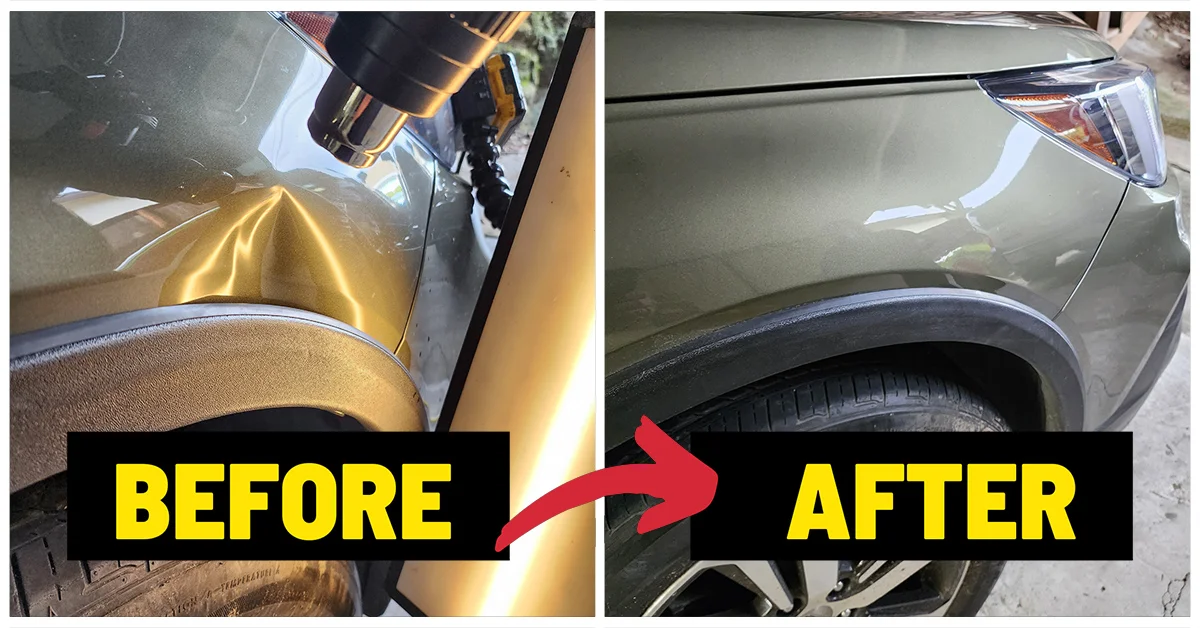
Using a dent puller for hail damage is one of the fastest ways to tackle those frustrating dimples left across your hood, roof, and trunk after a storm — often without touching your factory paint.
Here’s a quick answer if you’re short on time:
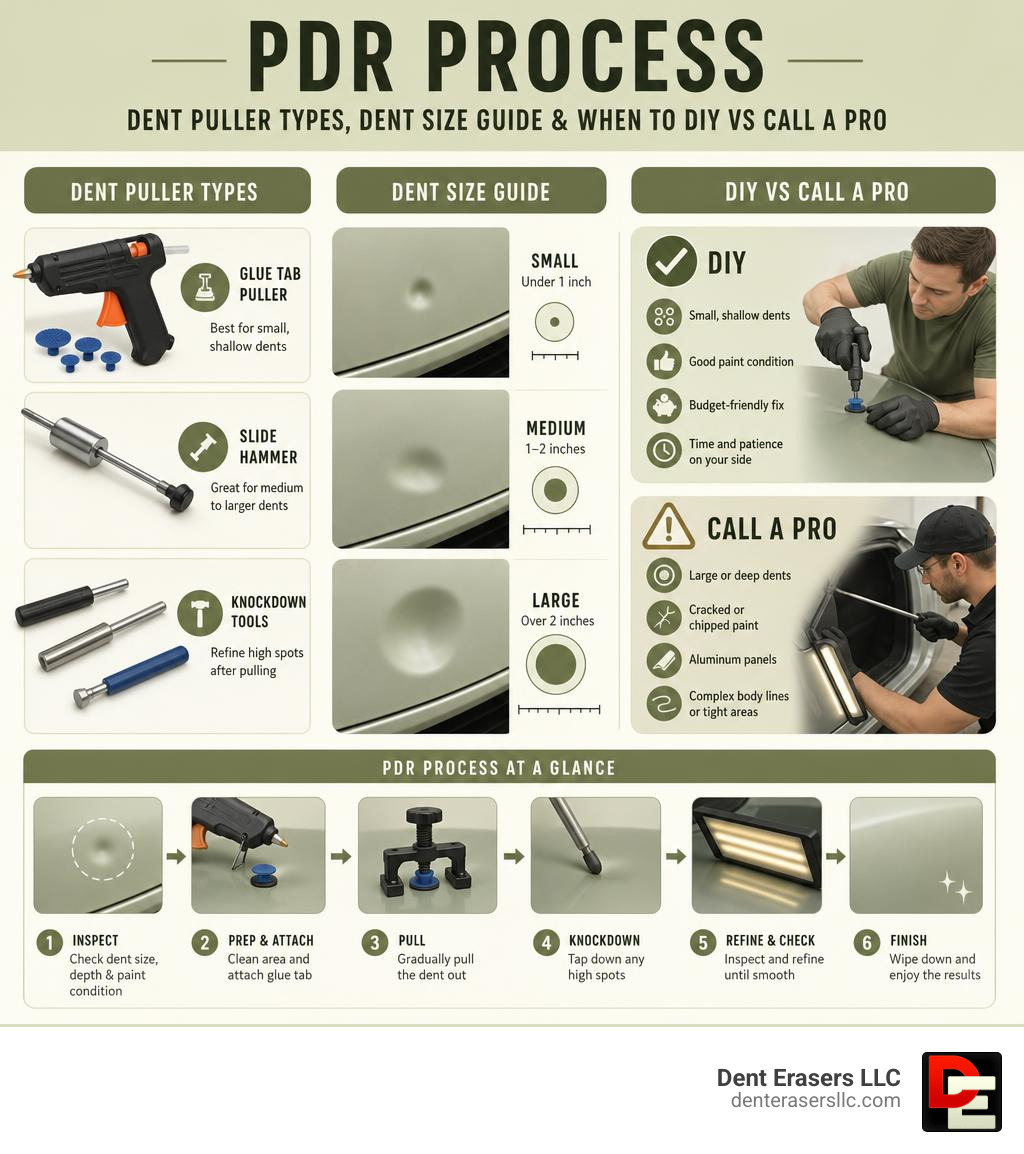
- Small, shallow hail dents (under 1 inch) — glue tab pullers work well as a DIY option
- Medium dents (1–2 inches) — may need a slide hammer kit or combination of glue tabs and knockdown tools
- Large or deep dents — best left to a professional PDR technician
- Dents on aluminum panels — DIY pulling is risky; aluminum behaves differently than steel
- Cracked or chipped paint — dent pullers won’t help; traditional bodywork is needed
The good news? Most hail dents are shallow and round — exactly the kind that respond well to paintless dent repair (PDR) techniques, including pull-based tools you can buy today for under $100.
But results vary a lot depending on the tool you choose, the panel you’re working on, and your technique. Pull too hard or skip key steps, and you can stretch the metal or even crack the paint — making a cheap fix suddenly very expensive.
This guide walks you through everything: how different dent pullers work, which ones are worth buying, and when it makes more sense to call a pro.
I’m Brian Blanc, founder of Dent Erasers LLC and a mobile PDR specialist with nearly three decades of hands-on experience — including using and evaluating virtually every type of dent puller for hail damage on the market. In the sections below, I’ll share what actually works based on real repairs, not just product specs.
Understanding Hail Damage and Paintless Dent Repair (PDR)
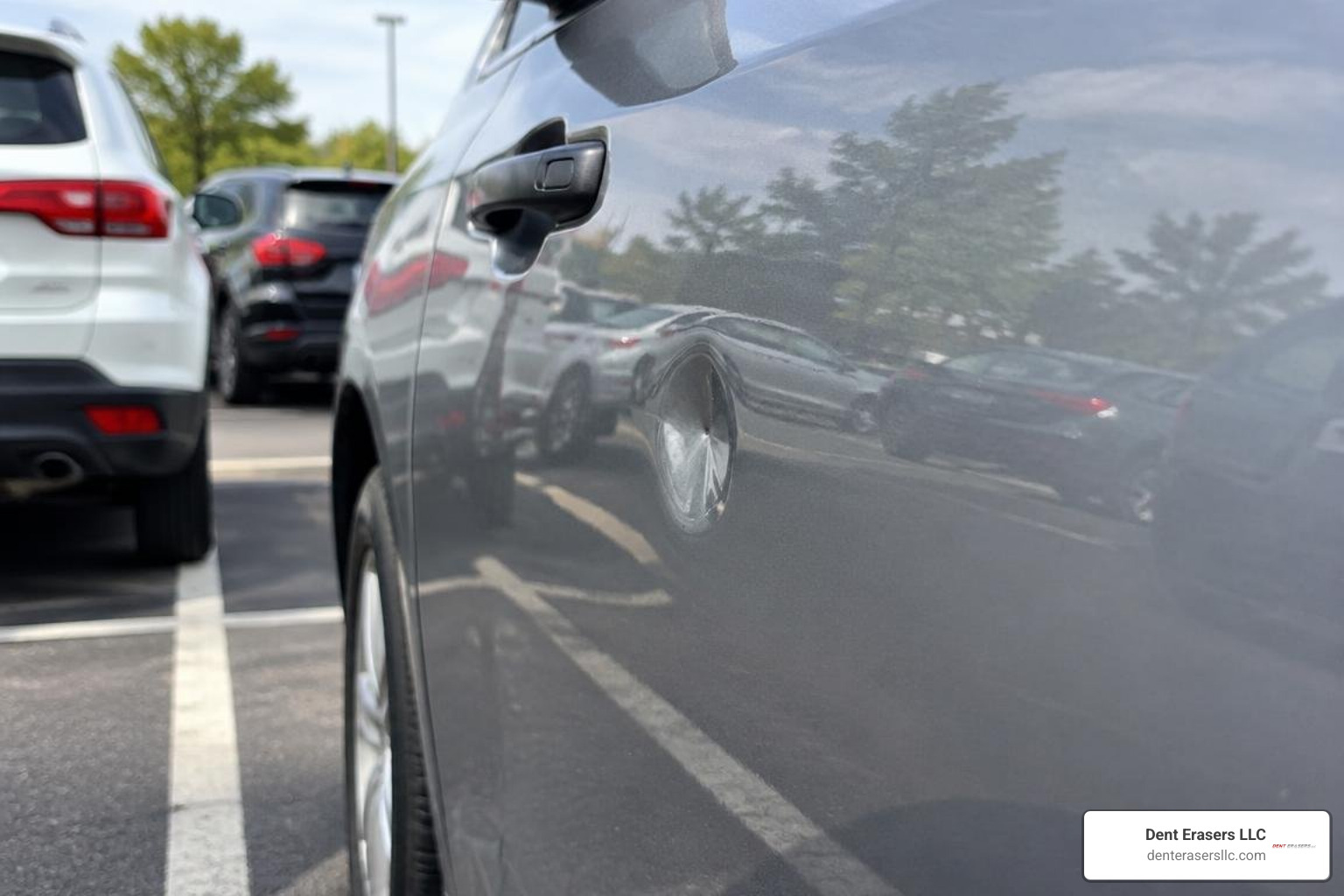
Before you grab a glue gun and start pulling, it helps to understand how metal behaves. When a hailstone strikes your car, it doesn’t just push the metal down; it creates a tiny crater with a high, slightly raised crown around the edges.
Every metal panel on your vehicle has what we call “metal memory.” This means the panel wants to return to its original, stamped factory shape. Paintless Dent Repair (PDR) is the art of using this memory to massage or pull the metal back into its proper place without disturbing the factory paint.
Preserving your factory paint is the single most important factor in maintaining your car’s resale value. Once a panel is repainted, it rarely matches the rest of the car perfectly, and you lose the durable, rust-resistant seal applied at the factory. By utilizing PDR, we keep the original finish intact. To understand the science behind this, you can read our deep dive on Understanding Paintless Dent Repair.
However, there is a limit to what metal can handle. If a hailstone hits too hard, it can cause “stretched metal.” This happens when the metal is pushed past its elastic limit, leaving it thin and structurally altered. If you try to use a standard dent puller for hail damage on stretched metal, you will likely end up with an unsightly high spot or cracked paint.
Different panels also present unique challenges. Roofs and hoods are highly visible and directly exposed to vertical hail impacts, making them the most common targets. To explore how PDR addresses these panels, see What is Paintless Dent Repair: Understanding the Benefits for Your Vehicle.
Choosing the Right Dent Puller for Hail Damage
Not all dent pullers are created equal. Choosing the wrong tool can turn a minor dent into a permanent blemish. Here is a quick breakdown of the most common puller types:
| Puller Type | Best For | Pros | Cons |
|---|---|---|---|
| Glue Tab Puller | Small to medium shallow hail dents | Safe for factory paint, highly precise | Slow process, glue fails in extreme heat/cold |
| Slide Hammer | Deeper, stubborn dents | Delivers strong, vertical pulling force | Easy to over-pull and stretch the metal |
| Suction Cup | Large, shallow cave-ins | Cheap, fast setup | Ineffective on small, sharp hail dents |
| Electromagnetic | Soft, shallow panel dents | Extremely fast, no glue required | Expensive, professional-grade only |
Glue Tab Pullers
These are the gold standard for DIY hail repair. You glue a plastic tab into the center of the dent, let it cool, and use a lifter tool or hand puller to pop the metal back up. Because the pulling force is distributed through the glue, it is highly controlled.
Slide Hammers
For tougher dents, a slide hammer uses a sliding weight to create sudden, upward momentum. Heavy-duty options like the Heavy-Duty Dent Puller Repair Kit with 10 lbs. Slide Hammer Tool or the larger 13 lbs. version from Heavy-Duty Dent Puller Repair Kit with 13 lbs. Slide Hammer Tool (18-Piece) are built for heavy collision work. However, using these on small hail dents requires an incredibly light touch to avoid over-pulling.
Suction Cups
While products like the Klutch Heavy-Duty Dent Puller | Northern Tool are fantastic for moving large, flat panels or glass, they lack the pinpoint precision needed for small, round hail dimples. A suction cup simply cannot grab a half-inch hail dent.
Advanced Professional Systems
In professional shops, we use high-end equipment like the VAC-U-PULL | Dent Pulling Tower :: Pro Spot or the mobile GUNI™ Fast Puller | Portable Dent Puller | GUNI Products which deliver hundreds of pounds of controlled pulling force using pneumatic vacuum bases. For steel panels, heavy-duty stations like the Dent Fix The MAXI – 110v DF-505/110V weld temporary wiggle wires or pins directly to the metal for maximum leverage—though this is far beyond the scope of a standard DIY driveway repair!
Step-by-Step Guide to DIY Hail Dent Removal
If you’ve decided to tackle those minor hail dings yourself, patience is your best friend. Here is how to do it safely.

How to Use a Glue Dent Puller for Hail Damage
- Clean the Surface: Clean the dented area thoroughly with 91% or 99% isopropyl alcohol. Any wax, dirt, or road grime will cause the glue to release prematurely.
- Select the Right Tab: Choose a glue tab that matches the size of the dent. The tab should be slightly smaller than the crater itself.
- Apply Hot Glue: Apply a generous amount of specialized PDR hot glue to the center of the tab.
- Place the Tab: Press the tab directly into the center of the dent. Do not push too hard—you want a thin cushion of glue (about 1-2mm) between the tab and the car’s paint.
- Let it Cool: Wait 3 to 5 minutes. The glue should be warm but firm to the touch. If it’s too hot, it will pull apart; if it’s too cold, it will snap off without moving the metal.
- Apply Pulling Force: Attach your hand lifter or mini slide hammer to the tab. Squeeze or pull with smooth, steady pressure until the tab releases with a “pop.”
- Remove Glue Residue: Spray the remaining glue on the paint with isopropyl alcohol. It will break the bond, allowing you to peel the glue off cleanly with a plastic scraper.
Using Knockdown Tools and PDR Rods
Often, pulling a dent will create a small “high spot” or crown around the edges. To flatten these out, professionals use knockdown tools—typically made of polished plastic or wood—and tap them gently with a lightweight hammer to shrink the metal back down.
If you have access to the backside of the panel (such as under the hood liner), you can also use PDR rods to massage the dent from the inside out. This requires a high level of coordination and specialized lighting to read the shadows of the metal. If you are working on modern aluminum panels, keep in mind that they require different pressure and heat levels. You can learn more about this in our guide on Fixing Aluminum Panel Dents with PDR.
DIY Kits vs. Professional PDR Services
It is easy to jump on Amazon and buy a “hail damage repair kit” for $30 to $50. In fact, over 1,000 of these kits are bought every month. But there is a massive difference between a cheap consumer kit and professional-grade gear.
A high-quality professional setup, like a 63-piece foundational tool set, can cost upwards of $2,150. Even a basic professional starter kit for side panels runs around $630, while specialized hook sets cost around $180. Professional kits like the MADDOX Deluxe Paintless Dent Repair Kit retail for around $409.50.
The biggest risk of DIY repair is making the damage worse. Common beginner mistakes include:
- Over-pulling: Creating high, sharp pimples in the metal that are incredibly difficult to flatten.
- Cracking the paint: Pulling too hard on cold paint or using the wrong glue, which can rip the clear coat right off the panel.
- Stretching the metal: Working on a dent that is too deep, turning a simple repair into a panel that must be replaced.
If you want to understand why professional PDR is consistently preferred over traditional body filler and repainting, check out 5 Reasons to Choose Paintless Dent Repair Over Traditional Methods. To get an idea of what professional, high-precision repairs cost in our local area, take a look at our guide on Precision Dent Pulling Price Contra Costa.
When a DIY Dent Puller for Hail Damage Falls Short
Some vehicles and panels simply should not be touched by DIY tools. For instance, electric vehicles (EVs) require specialized handling due to high-voltage systems and unique panel compositions. If you own an EV, read Dent Repair for Electric Vehicles before attempting any repairs.
Furthermore, if your car has sustained hundreds of hits across multiple panels, attempting to pull them all yourself is incredibly tedious and risky. In these cases, filing an insurance claim is usually the best path forward. Because hail is an act of nature, it is covered under your comprehensive insurance policy, meaning it will not raise your premium rates.
If you are looking for professional, insurance-approved paintless dent repair in our service areas, Dent Erasers LLC provides expert mobile service throughout Contra Costa County, including Brentwood, Pittsburg, Walnut Creek, San Ramon, and Antioch. We handle the entire process seamlessly, ensuring your vehicle is restored to its original factory finish without the hassle of visiting a traditional body shop.
Frequently Asked Questions about Hail Dent Pullers
Will a dent puller ruin my car’s factory paint?
If your car has its original factory paint and you use a proper PDR glue puller, it will not ruin the paint. Factory paint is highly elastic and designed to withstand the pulling force. However, if your car has been repainted or has existing paint chips, the glue can bond too strongly to the aftermarket clear coat and pull it off. Always use isopropyl alcohol to release the glue safely.
Can I use a slide hammer on aluminum panels?
We highly advise against DIY slide-hammering on aluminum. Aluminum is much stiffer than steel and has almost no “metal memory.” It requires specialized heat application to soften the metal before pulling, and it “work-hardens” very quickly. If you pull too hard or too fast with a slide hammer, you can easily crack the aluminum panel.
Does insurance cover professional PDR for hail damage?
Yes! Hail damage is classified as an act of nature and is covered under your comprehensive insurance policy. Filing a comprehensive claim for hail will not increase your insurance rates. If you want to make sure you are fully prepared before speaking with an adjuster, read The Complete Paintless Dent Removal Checklist: What You Should Know.
Conclusion
Using a dent puller for hail damage can be a fun and satisfying DIY project if you are dealing with a few minor, shallow dings on a steel panel. However, if your car has been peppered by a severe storm, has deep creases, or features aluminum body panels, DIY tools can easily cause permanent damage to your paint and metal.
At Dent Erasers LLC, we specialize in mobile, professional-grade Paintless Dent Repair and Mobile Dent Repair. We bring our specialized tools, LED lighting, and decades of experience directly to your home or office in Concord, CA, and throughout Contra Costa County.
Whether you are in Concord, Walnut Creek, Pittsburg, Antioch, or San Ramon, we can restore your vehicle to its factory finish in a fraction of the time and cost of a traditional body shop—typically ranging from just $150 to $500. Skip the frustration of DIY kits and let us handle the hard work. Contact us today for a free quote!