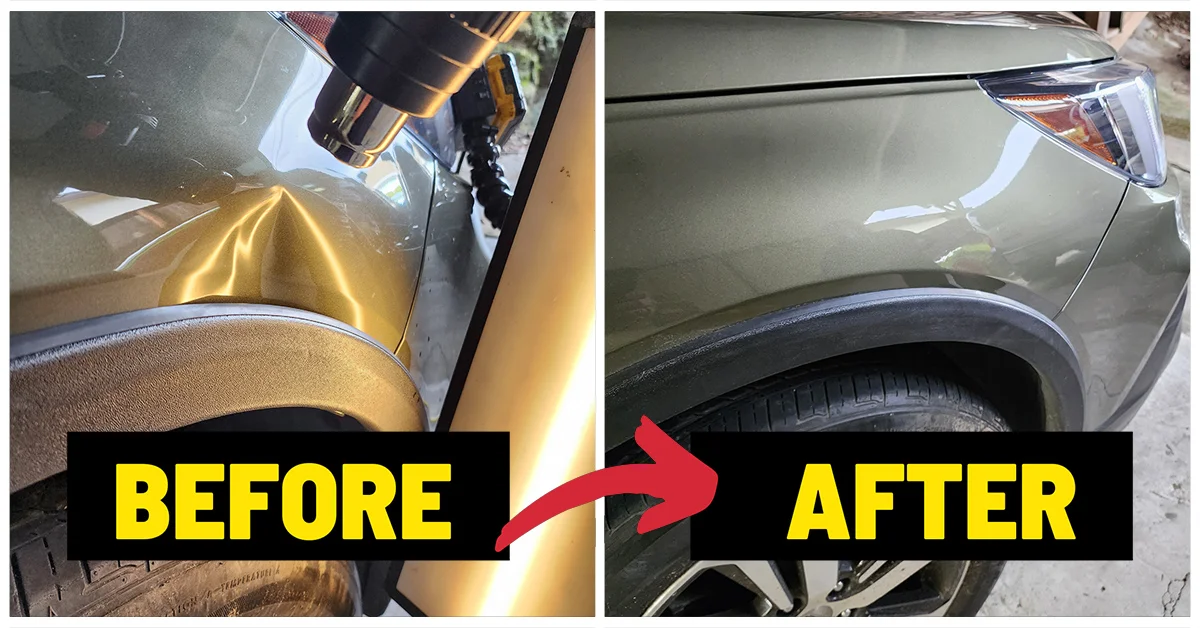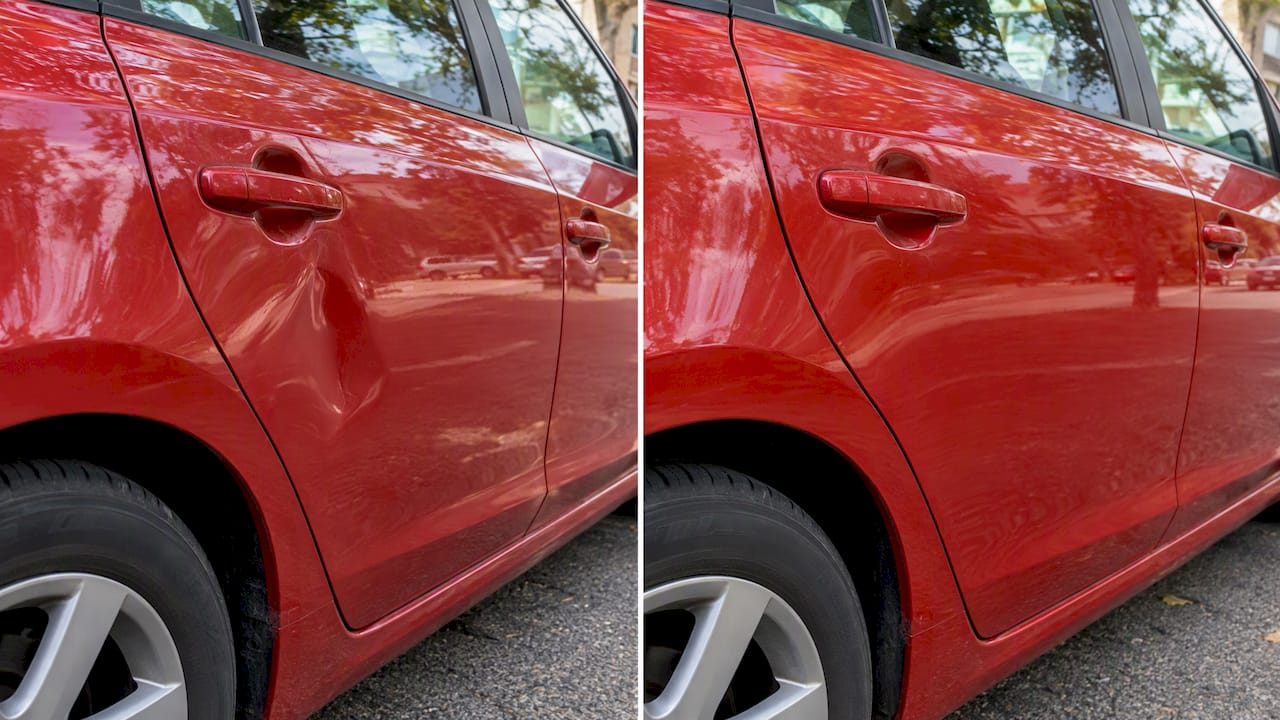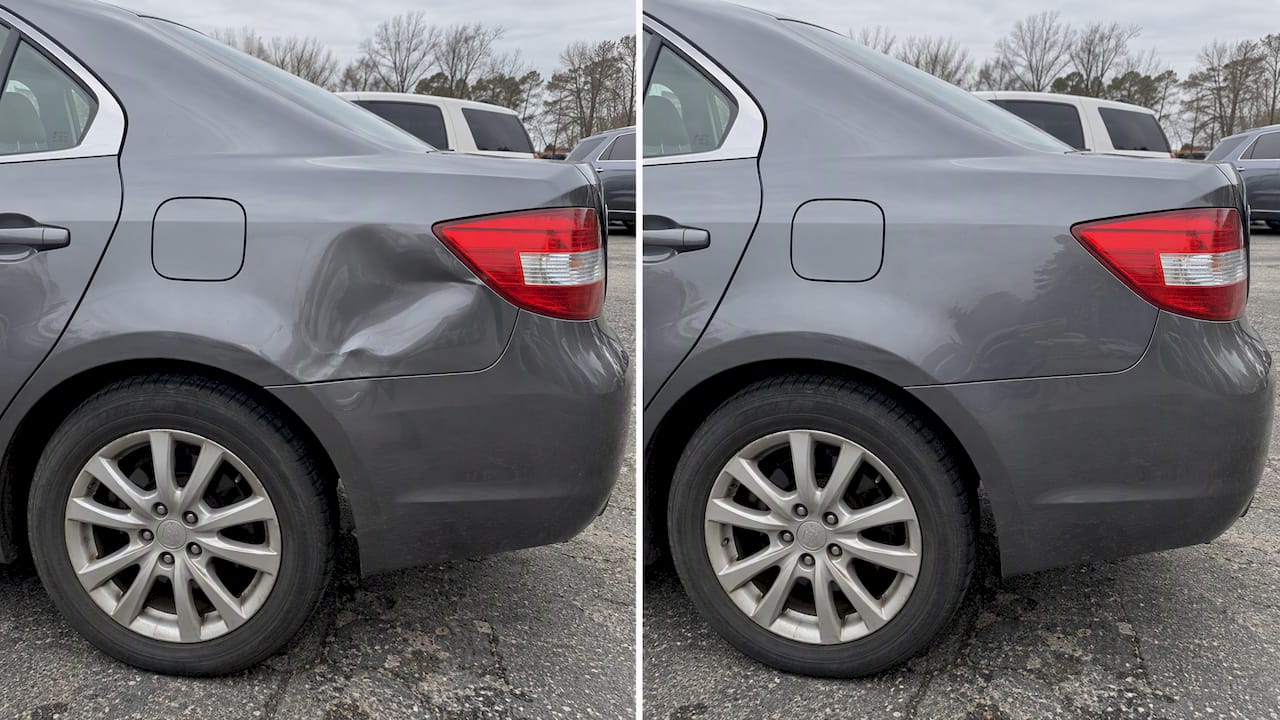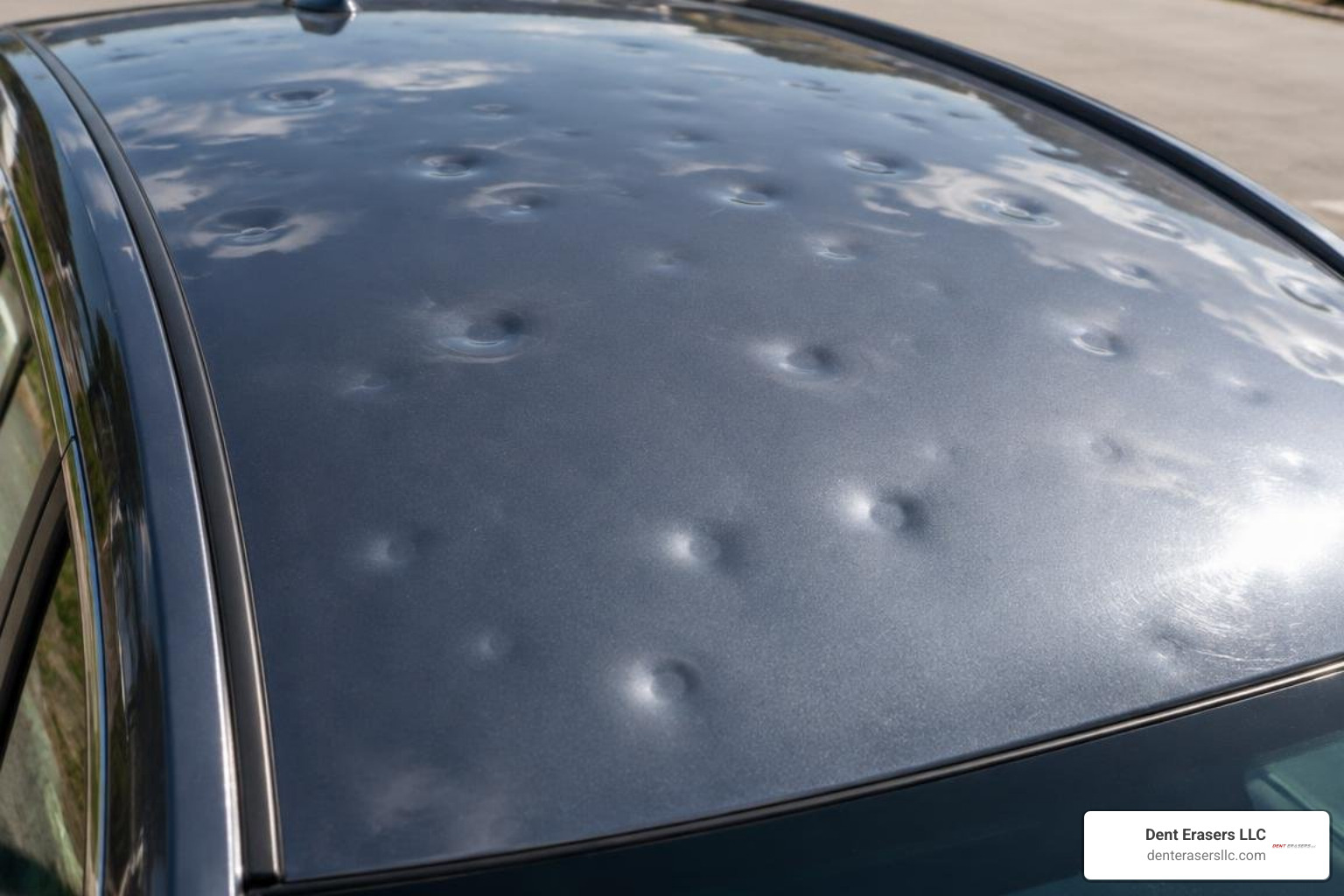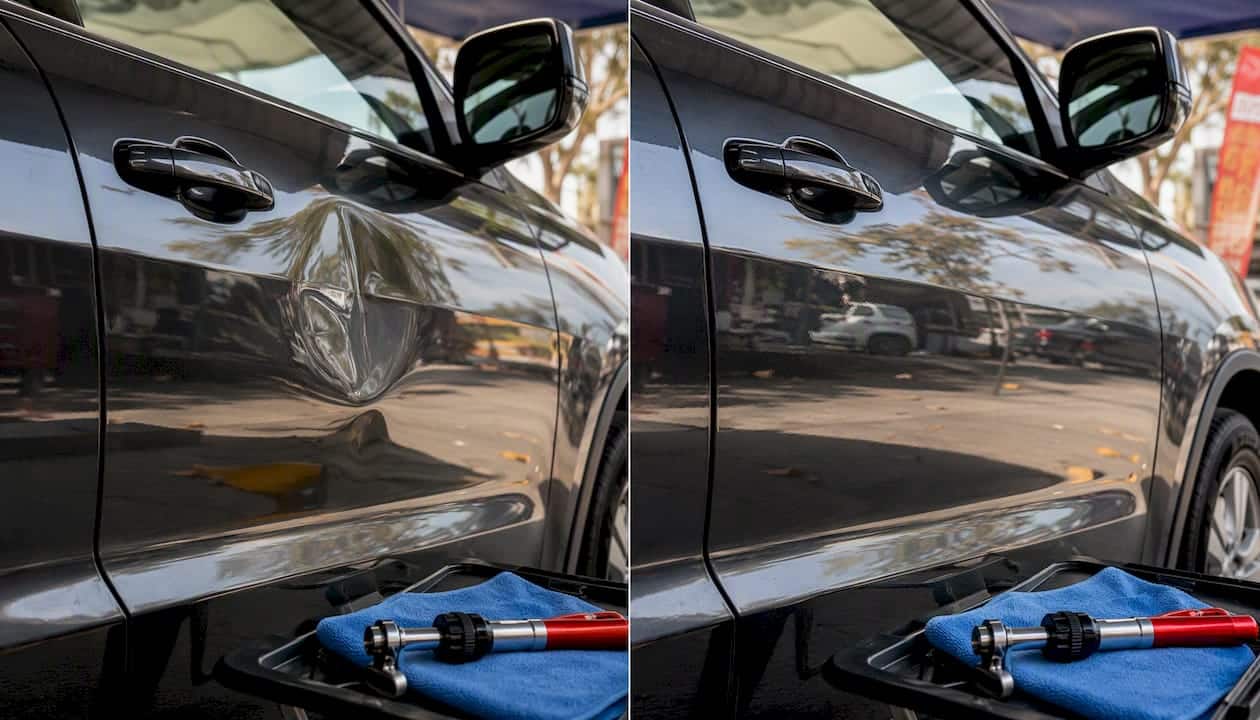
Mobile paintless dent repair (PDR) is the right call when your paint is intact and the metal hasn’t torn. It preserves your factory finish, leaves no vehicle-history record, and most jobs wrap up the same day. Brian Blanc and the team at Denterasersllc have built their work around exactly this approach: skip the body shop when the damage qualifies, and protect what your car left the factory with.
Pro Tip: Snap two photos right now — one straight-on and one at a 45° angle in natural light — and send them to a mobile PDR tech for a fast assessment before booking anything.
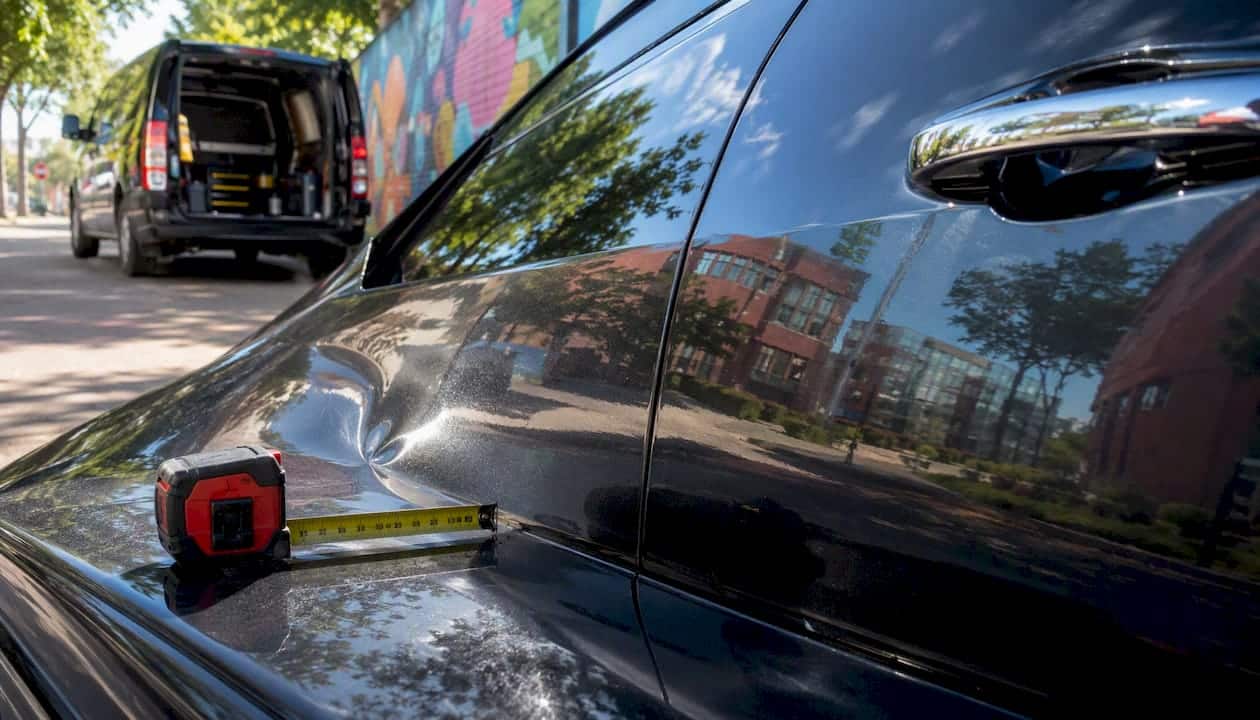
The benefits of PDR over traditional methods are real and well-documented: no filler, no repaint, no mismatch. For vehicle owners who want practical vehicle restoration tips without committing to a full body-shop overhaul, mobile PDR is usually the fastest, cleanest path forward.
Table of Contents
- When is mobile PDR actually the right choice for your dent?
- How to prepare your vehicle for a mobile PDR visit
- What actually happens during an onsite PDR appointment
- Cost and timeline: what drives the price and how long it takes
- DIY vs. professional: what you can safely try and what to avoid
- How do you choose a trustworthy mobile PDR provider?
- Key Takeaways
- The case for protecting your factory paint from the start
- Denterasersllc brings mobile PDR directly to you
- Useful sources
- FAQ
When is mobile PDR actually the right choice for your dent?
PDR works when the damage profile lines up with what the technique can do. Steel has what technicians call “metal memory” — it wants to return to its stamped shape, and a skilled tech uses that. Aluminum panels lack that memory, which means they require more force and specialist tooling, but they’re still repairable.
PDR is appropriate when:
- Paint film is fully intact (no cracks, chips, or missing clear coat)
- Dent is shallow to moderate in depth
- Metal has not been stretched or torn
- Damage is accessible from behind the panel (not folded over a sharp body edge)
- No structural or frame damage is involved
Skip mobile PDR and go to a certified shop when:
- Paint is cracked, chipped, or missing
- Metal shows sharp tears or has been stretched past its elastic limit
- Damage sits on a body-line edge with no rear access
- Airbags deployed or ADAS sensors were affected
- Rust has started where the paint broke
Mobile repair cannot address frame damage, large-area repainting, or major collision repairs. If any exclusion above applies, a certified collision shop is the honest answer.
Pro Tip: If you’re unsure whether paint is cracked or just dirty, clean the area gently with a microfiber cloth and look at it under direct sunlight at a low angle. Cracks will catch the light differently than surface grime.
How to prepare your vehicle for a mobile PDR visit
Good preparation speeds the job and prevents surprises. Before the tech arrives, gather these:
Photos to send in advance: Two angles minimum — straight-on and 45° — plus a close-up with a coin or ruler in frame for scale. Natural shade (not harsh noon sun) gives the truest read of depth and paint condition.
Onsite access: Clear anything stored in the trunk or door pockets if the tech may need to remove interior trim. Unlock the vehicle or have keys ready. Park in a shaded spot if possible; direct sunlight heats panels and makes reading the metal harder. Heat-assisted PDR is sometimes used on aluminum in cold conditions to reduce paint stress, so temperature matters both ways.
Documents and info to have ready: year, make, and model; paint code if you know it (usually on a sticker inside the driver’s door jamb); any prior panel repairs on the affected area; and your preference on payment method (out of pocket vs. insurance claim).
Most single-dent mobile appointments run one to three hours. Multiple dents or a full hail job extend that, and the tech will give you a time estimate after the initial inspection.
What actually happens during an onsite PDR appointment
The process is more precise than most people expect. Technicians use specialized rods, glue tabs, and LED reflection boards to reshape metal without touching the paint surface. Here’s the sequence:
- Inspection and paint check. The tech reads the panel under LED raking light from multiple angles, checking paint condition and dent depth before quoting.
- Access determination. Depending on location, the tech accesses the panel back through door cavities, trim openings, or by carefully removing interior panels.
- Trim removal (if needed). Professional disassembly and reassembly is a standard step — it’s what separates a trained tech from a DIY attempt.
- Metal massage. Using long steel rods and body-line picks, the tech applies hundreds of small, controlled pushes to move the metal back toward its original shape.
- LED reflection checks. The reflection board isn’t just for visibility — it lets the tech “read” micro high and low spots across the panel surface.
- Knockdowns and fine-tuning. Small high spots are tapped down with non-marring tools. Heat may be applied on aluminum panels.
- Final inspection and warranty discussion. The tech walks you through the result and covers warranty terms before closing out.
A single door ding typically takes about one to one and a half hours. Multiple dents multiply that time proportionally. If the tech finds cracking paint or a sharp metal tear mid-repair, work stops and you’ll be referred to a body shop — a reputable tech calls that out before it becomes a bigger problem.
Cost and timeline: what drives the price and how long it takes
A small door ding via PDR costs $75–$150, while a traditional body shop repair for the same damage typically runs $300–$500. Medium dents may be quoted around $150–$300 for PDR and $600–$1,200 or more at a body shop.
Primary cost factors:
- Dent size and depth
- Number of dents (multi-dent jobs scale, but often at a lower per-dent rate)
- Panel accessibility (tight access means more labor)
- Aluminum vs. steel (aluminum requires more precision and time)
- Glue-pull vs. rod access method
- Regional labor rates
| Repair type | PDR turnaround | Traditional body shop |
|---|---|---|
| Single door ding | Same day, 1–2 hours | 3–7 business days |
| Multiple dents / hail | 1–2 days | 1–3 weeks |
| Plastic bumper scuff | Same day | 3–5 business days |
Out of pocket vs. filing a claim: For small dents, paying out of pocket usually makes more sense. PDR leaves no vehicle-history record when done outside an insurance claim, which protects trade-in and resale value. If your deductible is $500 and the repair costs $150, filing a claim costs you more and flags your history. Save the claim for major damage.
DIY vs. professional: what you can safely try and what to avoid
Minor suction or glue-pull attempts can help on very shallow, superficial dings — but the margin for error is thin.
Safe, low-risk DIY actions:
- Photograph the dent thoroughly before touching it (protects resale and insurance discussions)
- Try a basic suction cup on a very shallow, centered ding with no paint stress
- Keep documentation of the dent’s original condition
What to avoid:
- Hammering or tapping from the outside
- Aggressive pulling with hardware-store suction tools
- Repeated heat application with a heat gun or hair dryer
- Attempting PDR on a repainted panel — aftermarket finishes lack the factory-cure flexibility and are far more likely to crack under pressure
Warning: Stretched metal or cracked paint from a failed DIY attempt makes professional repair significantly harder and more expensive. What started as a $100 fix can become a $600 body-shop job.
The non-invasive repair approach that professionals use depends on controlled, incremental pressure — something that takes trained hands and the right tools to execute without damaging the paint.
How do you choose a trustworthy mobile PDR provider?
Ask these questions before booking anyone:
- How long have you been doing PDR, and do you hold I-CAR, ASE, or NAPDRA certifications?
- Can you show me before-and-after photos of comparable jobs?
- Do you carry liability insurance?
- Will you provide a written estimate before starting?
- Is interior trim removal included, and will you reassemble it?
- What are your warranty terms, and do you put them in writing?
Reputable mobile providers will answer all of these without hesitation. A reasonable workmanship warranty covers the repaired area against any recurrence of the same dent and is stated in writing.
Red flags to watch for:
- No written estimate before work begins
- Refusal to show before-and-after photos
- No mention of liability insurance
- Pressure to file an insurance claim for a small dent
- Vague or evasive answers about whether your paint qualifies
Pro Tip: Ask the tech to evaluate the panel under proper LED light before they quote. A quote given from a photo alone, without hands on the metal, is a guess — not an assessment.
Key Takeaways
Mobile PDR is the fastest, most paint-preserving repair for dents with intact paint, typically completed the same day for $75–$150, with no vehicle-history record when paid out of pocket.
| Point | Details |
|---|---|
| PDR qualification | Paint must be intact; cracked paint, torn metal, or edge damage requires a body shop. |
| Prep before the visit | Send two angled photos with a scale reference; park in shade and have your paint code ready. |
| Cost vs. body shop | Single door dings run $75–$150 via PDR versus $300–$500 at a traditional shop. |
| Out-of-pocket advantage | Paying out of pocket avoids a vehicle-history record and protects resale value. |
| Denterasersllc | Offers mobile PDR, plastic bumper repair, and same-day onsite service with a satisfaction guarantee. |
The case for protecting your factory paint from the start
Most vehicle owners don’t think about resale value until they’re standing at a dealership getting a trade-in offer that’s lower than expected. A repainted panel — even a clean one — reads as a flag to any trained appraiser. A paint-thickness gauge shows it immediately, even when Carfax doesn’t.
What I’ve seen repeatedly in the field is that the owners who protect their factory finish from the first ding are the ones who walk away with the strongest trade-in numbers. PDR isn’t just a repair method. It’s a preservation strategy. The factory paint on your vehicle cannot be perfectly replicated once it’s gone — the bake conditions, the exact chemistry, the layering — none of that can be reproduced in a body shop spray booth.
The portfolio at Denterasersllc reflects this. Before-and-after results from real jobs show panels restored to factory condition, not refinished approximations. That’s the standard worth holding to.
Denterasersllc brings mobile PDR directly to you
Skip the body shop drop-off and the days without your vehicle. Denterasersllc provides mobile paintless dent repair and plastic bumper repair onsite at your location, serving Contra Costa County and surrounding areas. The work is done at your home, office, or wherever your vehicle is parked — same-day for most single-dent jobs, with no repainting and no vehicle-history entry.
Every repair comes with a satisfaction guarantee. The factory finish stays intact, the process is eco-friendly (no solvents, no filler, no overspray), and the results speak through a real before-and-after gallery. Send two photos of your dent to get a fast assessment and a written estimate — no commitment required. Book your onsite mobile repair today and have your vehicle looking factory-correct by end of day.
Useful sources
- Paintless Dent Repair — Wikipedia
- How Paintless Dent Removal Works — HowStuffWorks
- How Does Paintless Dent Repair Work? — Carlson PDR
- Mobile Auto Body Repair Near Me: What You Need to Know — Brea Auto Body
- Denterasersllc — Mobile PDR and Auto Body Services
FAQ
What dents can mobile PDR actually fix?
PDR repairs door dings, hail damage, creases, and minor collision dents as long as the paint is intact and the metal hasn’t been torn or stretched past its elastic limit.
How long does a mobile PDR appointment take?
Most single-dent jobs complete in one to three hours. Multi-dent or hail repairs can take one to two days, compared to three to seven business days or more at a traditional body shop.
Will PDR show up on my vehicle history report?
No. PDR paid out of pocket involves no body-shop work order and no repaint, so there is nothing for a vehicle-history service to record — your resale value stays protected.
How do I know if my dent qualifies for PDR?
Take two photos (straight-on and 45°) in natural light and send them to a mobile PDR provider for a quick assessment. If paint is cracked or metal is torn, a body shop is the right path.
What should a good mobile PDR warranty cover?
A reputable workmanship warranty covers the repaired area against any recurrence of the same dent and should be provided in writing before work begins.