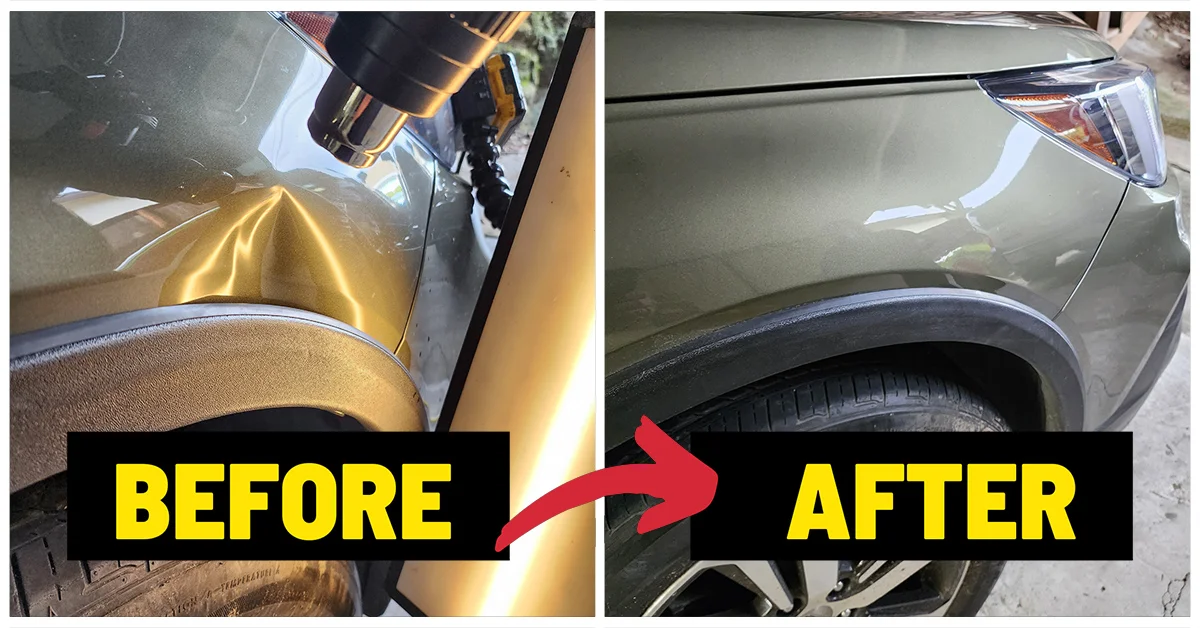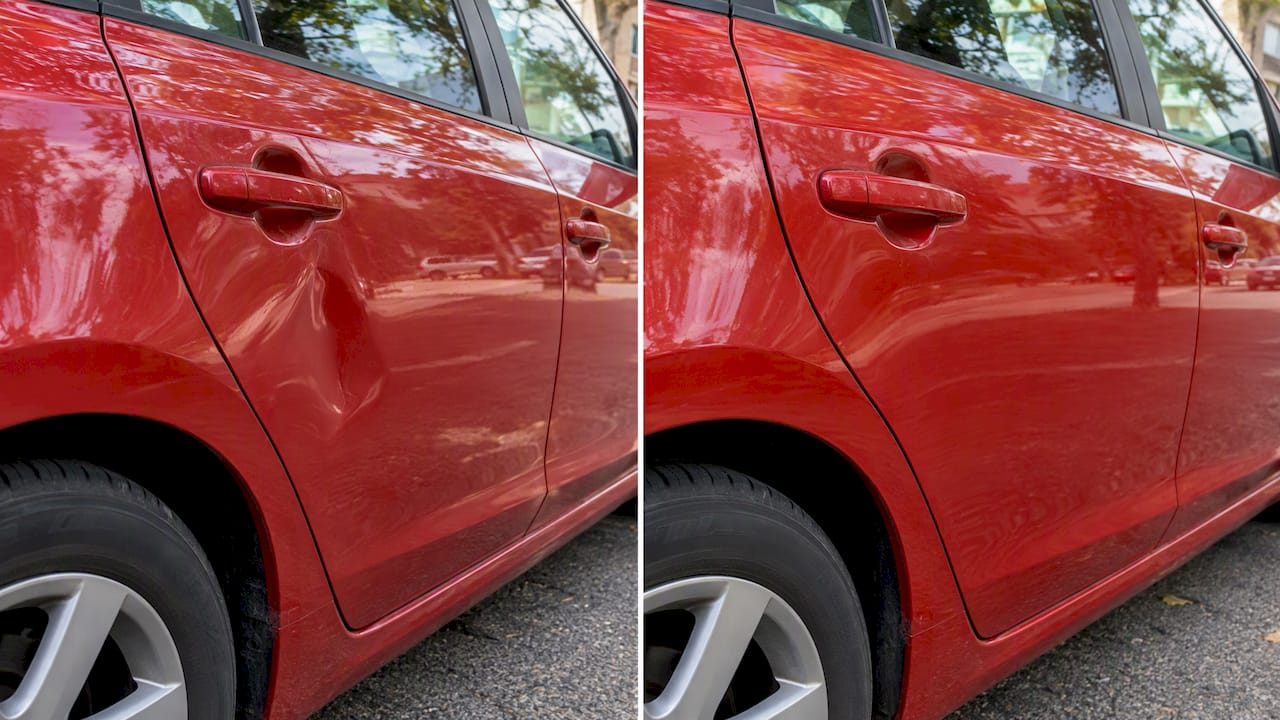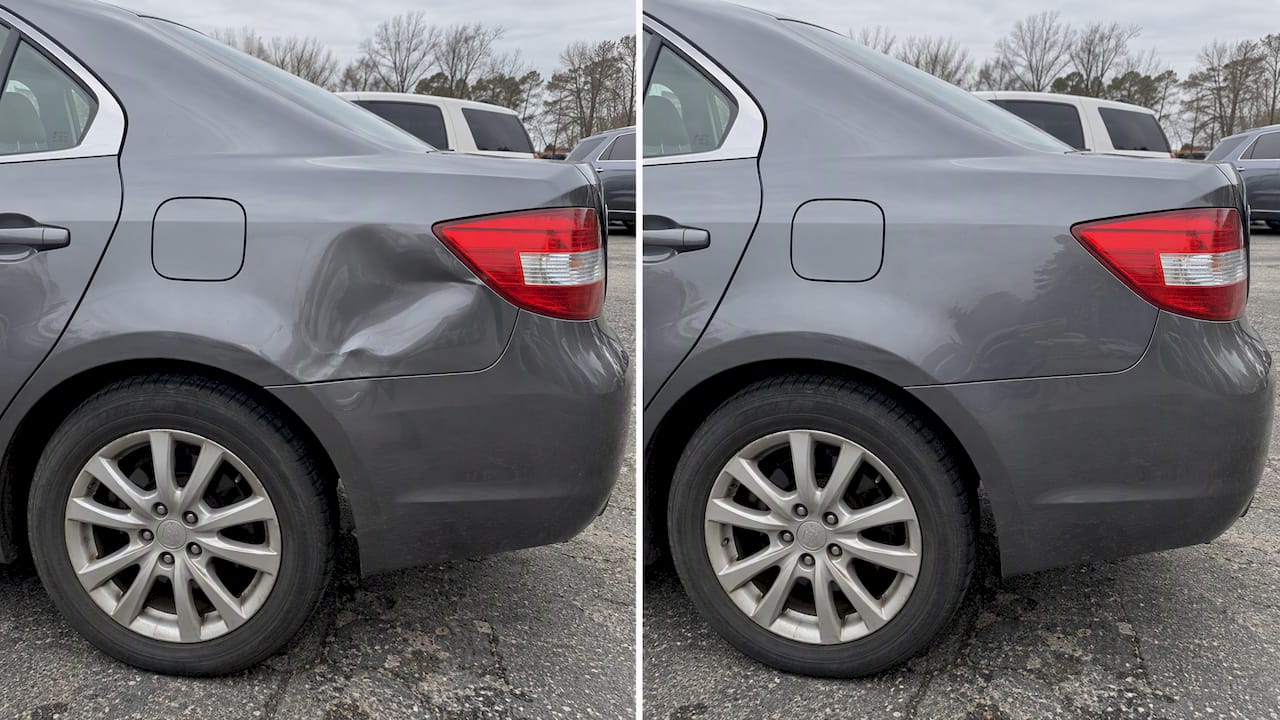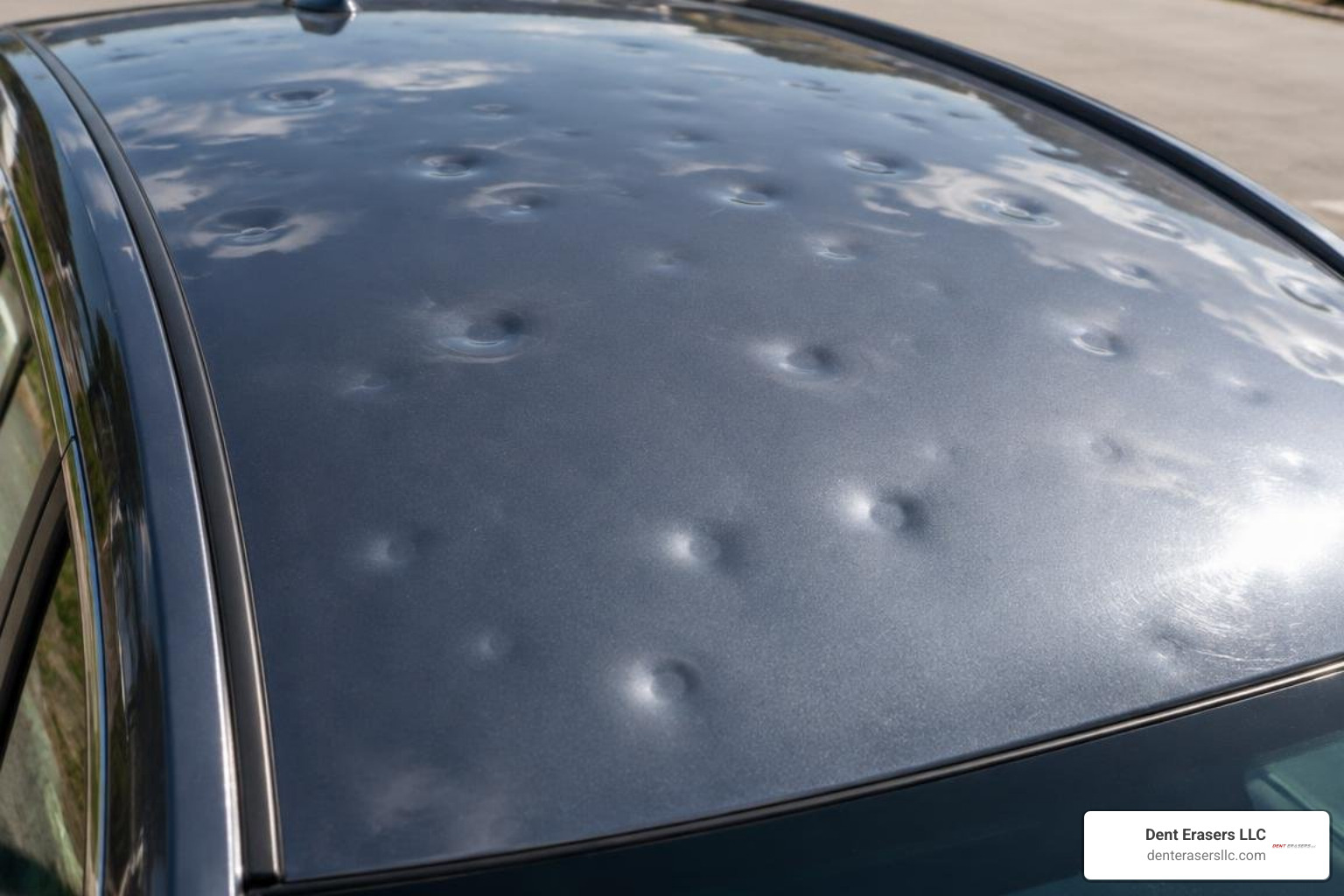
Minor collision damage is defined as surface-level vehicle harm that leaves your car safe to drive and does not compromise structural integrity or critical safety systems. The industry term is “cosmetic collision damage,” and it typically covers small dents under six inches, bumper scuffs, paint chips, and misaligned trim. Understanding what qualifies as minor versus major damage shapes every decision you make after a fender bender, from repair method to insurance strategy. This guide gives you the full picture, including real repair costs, documentation steps, and how even minor damage can affect your vehicle’s resale value.
What is minor collision damage vs. major damage?
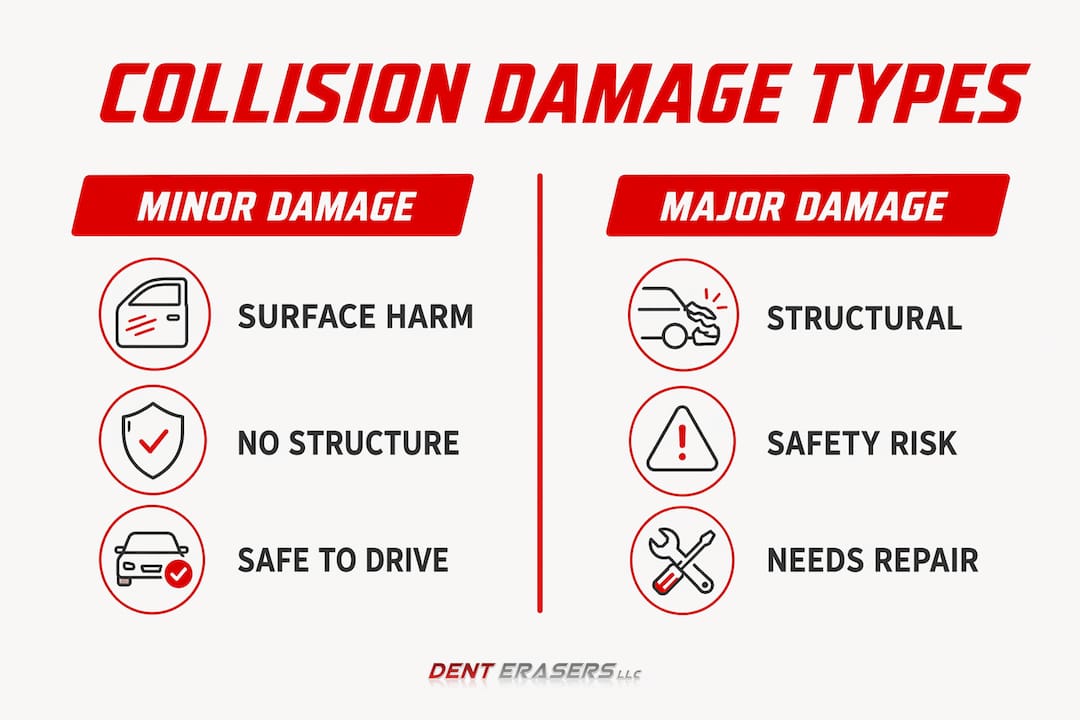
Minor collision damage is surface harm limited to panels, trim, or bumpers without structural or safety system compromise. The vehicle remains safe to drive. Major damage, by contrast, involves frame bends, crumple zone deformation, airbag deployment, or misalignment that affects steering and handling.
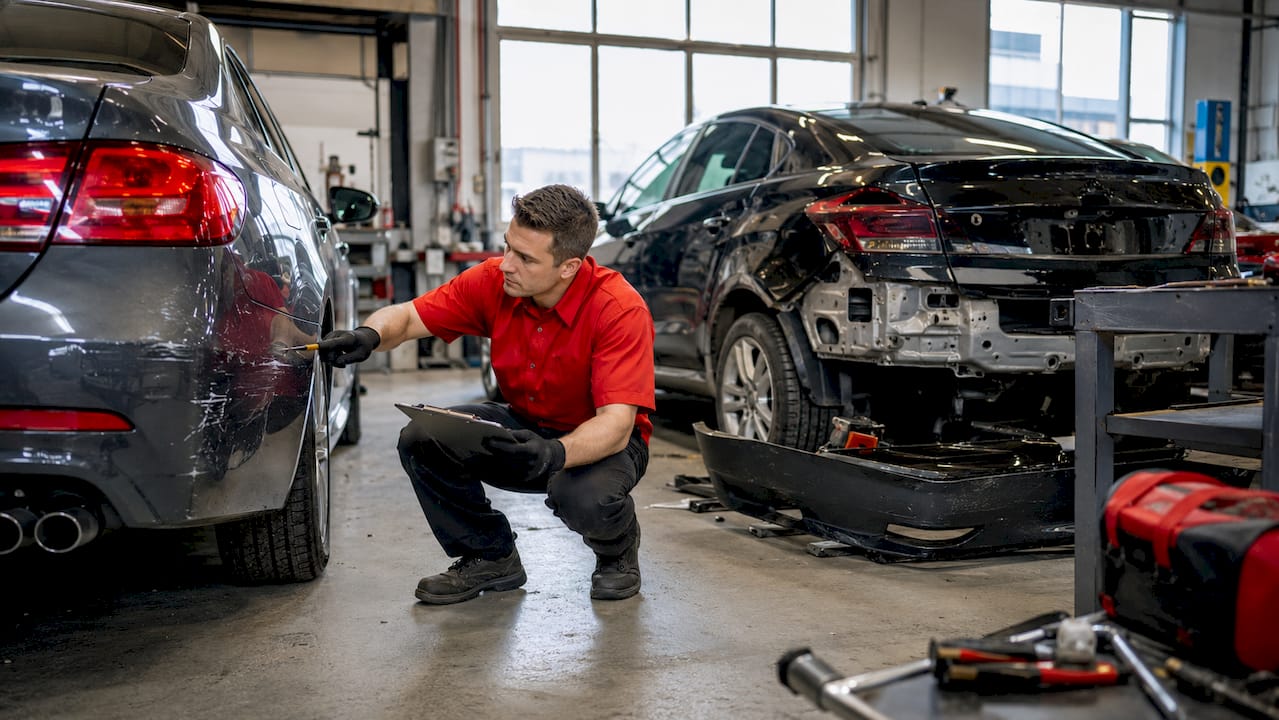
The key differentiator is structural impact, not the size of the dent you can see. A small crease on a door panel is cosmetic. A crease that runs into the door frame or affects how the door closes crosses into major damage territory.
Minor damage types:
- Small dents under six inches in diameter
- Bumper scuffs and surface scratches
- Paint chips and clear coat damage
- Cracked or crumpled bumper covers
- Door dings from parking lot contact
- Misaligned trim pieces
Signs of major damage:
- Visible frame bends or deep structural creases
- Doors or hoods that no longer align properly
- Suspension components that feel loose or pull to one side
- Deployed airbags or triggered safety sensors
| Feature | Minor Damage | Major Damage |
|---|---|---|
| Structural integrity | Unaffected | Compromised |
| Safe to drive | Yes | Often no |
| Typical repair method | PDR or paint touch-up | Frame straightening, panel replacement |
| Repair cost range | $200–$1,500 | $1,500 and above |
| Insurance claim advised | Often no | Yes |
How much does minor collision repair cost?
Minor collision repairs typically cost between $200 and $1,500, depending on dent size, paint condition, and whether sensors are involved. That range covers most real-world scenarios you will encounter after a parking lot bump or low-speed fender bender.
The repair method drives the cost more than anything else. Paintless Dent Repair (PDR) is the most cost-effective option when the paint surface is intact. PDR technicians use specialized tools to massage the metal back to its original shape from behind the panel, preserving the factory finish entirely. Simple PDR jobs for dents under three inches run $75–$200. Conventional repairs involving filler, sanding, and repainting cost $300–$600 for a single panel.
Factors that affect your final repair bill:
- Dent size and depth. Larger or deeper dents require more labor and may need filler.
- Paint condition. Cracked or chipped paint rules out PDR and adds repainting costs.
- Panel location. Edges and creases near body lines are harder to access and cost more.
- ADAS sensors. Modern bumpers contain radar and camera sensors. ADAS recalibration after bumper repairs costs $300–$1,800, and many insurance estimates leave this out entirely.
- Shop certification. Certified technicians charge more per hour but reduce costly rework.
Pro Tip: When your paint is fully intact after a dent, PDR saves 50–70% compared to conventional body shop repairs. Ask specifically whether your damage qualifies before agreeing to any estimate that includes repainting.
For a detailed breakdown of common repair costs by damage type, that resource covers everything from door dings to bumper replacements with real pricing.
Why does documenting minor collision damage matter?
Systematic documentation after a collision prevents future disputes and helps you prove exactly when and how damage occurred. Proper documentation includes photos of all affected panels, witness contact information, and a police report, even when visible damage looks minimal.
The reason this matters more than most car owners realize: about 806,000 vehicle occupants annually suffer whiplash in low-speed collisions. Injuries and vehicle damage that are invisible at the scene can surface days later. A formal record protects you in both scenarios.
Steps to document minor collision damage:
- Photograph everything immediately. Shoot all four corners of both vehicles, close-ups of damage, license plates, and the surrounding scene.
- Collect witness information. Names and phone numbers from bystanders carry weight with insurers.
- File a police report. Even for minor accidents, a report creates an official timestamp and account of events.
- Get a professional inspection within 48 hours. Hidden structural damage inside crumple zones, suspension mounts, and wiring harnesses does not show up on a visual check.
- Keep all repair estimates and invoices. These become part of your vehicle’s documented history.
Pro Tip: A dashcam recording of the collision is one of the strongest forms of evidence you can have. Dashcam footage captures impact angle and speed, which directly supports your damage assessment and insurance claim.
Professional assessments go beyond what you can see from the outside. Technicians remove trim panels and inspect beneath the vehicle because hidden damage is frequently excluded from basic insurance estimates. Catching it early costs far less than discovering it after a repair is already closed.
What are the insurance and resale value implications?
Paying out-of-pocket for minor repairs under about $1,000 typically avoids insurance premium increases. Filing a collision claim can raise your rates 20–40% for three years. That math usually favors self-pay for small cosmetic repairs.
The decision changes when structural damage or multiple panels are involved. Those repairs cross into territory where insurance coverage becomes the smarter financial move.
Key considerations before deciding:
- Repair cost vs. deductible. If the repair costs less than your deductible, filing a claim makes no sense.
- Claim history. Multiple claims in a short period trigger rate increases regardless of fault.
- Comprehensive vs. collision claims. Comprehensive claims, such as hail damage, often do not raise premiums. Collision claims almost always do.
- Vehicle history reports. Repairs logged through insurance show up on Carfax and AutoCheck. That record reduces resale value even when the repair was done correctly.
Car owners are entitled to more than just repair costs after a collision. Rental reimbursement and compensation for diminished vehicle value are legitimate claims. Never sign a release until all damage and losses are fully accounted for. Signing early forfeits your right to claim anything discovered later.
Always request a written estimate that includes ADAS sensor recalibration. Insurers frequently omit this line item, leaving you to cover a $300–$1,800 cost that should have been part of the original claim.
Key Takeaways
Minor collision damage is cosmetic surface harm that does not affect structural integrity, but even small impacts can hide serious issues that require professional assessment to catch early.
| Point | Details |
|---|---|
| Definition of minor damage | Surface harm to panels, trim, or bumpers with no structural or safety system compromise. |
| Best repair method | PDR saves 50–70% when paint is intact; conventional repair is needed when paint is cracked or chipped. |
| Document everything | Photos, police reports, and professional inspections within 48 hours protect your claim rights. |
| Insurance decision | Pay out-of-pocket for repairs under $1,000 to avoid premium increases of 20–40% for three years. |
| ADAS recalibration | Always confirm sensor recalibration is included in estimates; costs run $300–$1,800 and are often omitted. |
What I’ve learned after years of repairing “minor” damage
The most expensive mistake I see car owners make is treating minor visible damage as minor actual damage. Those are two very different things. A bumper that looks like a simple scuff can be hiding a bent mounting bracket, a cracked sensor housing, or a wiring harness that got pinched on impact. I have pulled panels off cars where the owner was shocked at what was underneath.
The second mistake is signing an insurance release too fast. Adjusters work quickly. You should not. Get a full professional inspection before you agree to anything in writing. Once you sign, you give up the right to claim damage found later, and later is exactly when hidden damage tends to show up.
My honest advice: choose a certified technician every time, even if the hourly rate is higher. Shops with proper training and equipment do the job right the first time. Rework costs more than the premium you paid upfront. And if your paint is intact, always ask whether paintless dent repair is an option before agreeing to conventional body work. It is faster, cheaper, and preserves your factory finish.
— Brian Blanc
Denterasersllc: expert minor collision repair, done right
Denterasersllc specializes in mobile paintless dent repair and minor collision damage services across Contra Costa County and surrounding areas. If you are dealing with a door ding, bumper scuff, or small dent from a recent fender bender, the team comes to you with the tools and training to assess and repair the damage on the spot.
Every job starts with a thorough damage assessment, not just a visual glance. Denterasersllc’s certified technicians check beneath panels and around sensors before quoting a price, so you get an accurate estimate with no surprises. See a real example of the team’s work in this fender repair case that shows exactly what professional minor collision repair looks like from start to finish. Contact Denterasersllc for a personalized assessment and a transparent repair estimate.
FAQ
What qualifies as minor collision damage?
Minor collision damage is surface harm to panels, bumpers, or trim that does not affect structural integrity or safety systems. Examples include small dents under six inches, paint chips, bumper scuffs, and misaligned trim.
Is minor collision damage safe to drive with?
Yes, minor cosmetic damage does not affect vehicle safety or driveability. Major damage involving frame bends, airbag deployment, or suspension issues is not safe to drive without repair.
How do I assess car damage after a minor accident?
Photograph all affected panels immediately, file a police report, and get a professional inspection within 48 hours. Visual checks miss hidden damage inside crumple zones and wiring harnesses.
Does minor collision damage affect resale value?
Yes. Repairs logged through insurance appear on vehicle history reports like Carfax and reduce resale value even when the repair quality is high. Self-pay repairs for small damage often protect resale value better.
When should I use PDR for minor car accident repair?
PDR is the right choice when the paint surface is fully intact and the dent is under six inches. It costs 50–70% less than conventional repair and preserves the factory finish without filler or repainting.