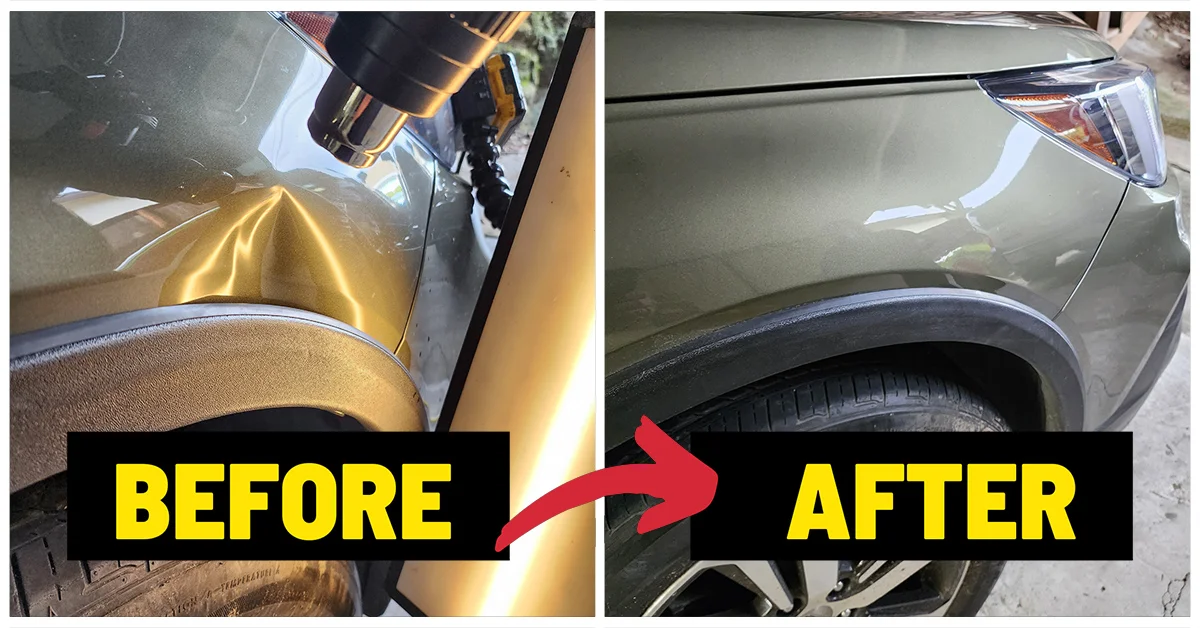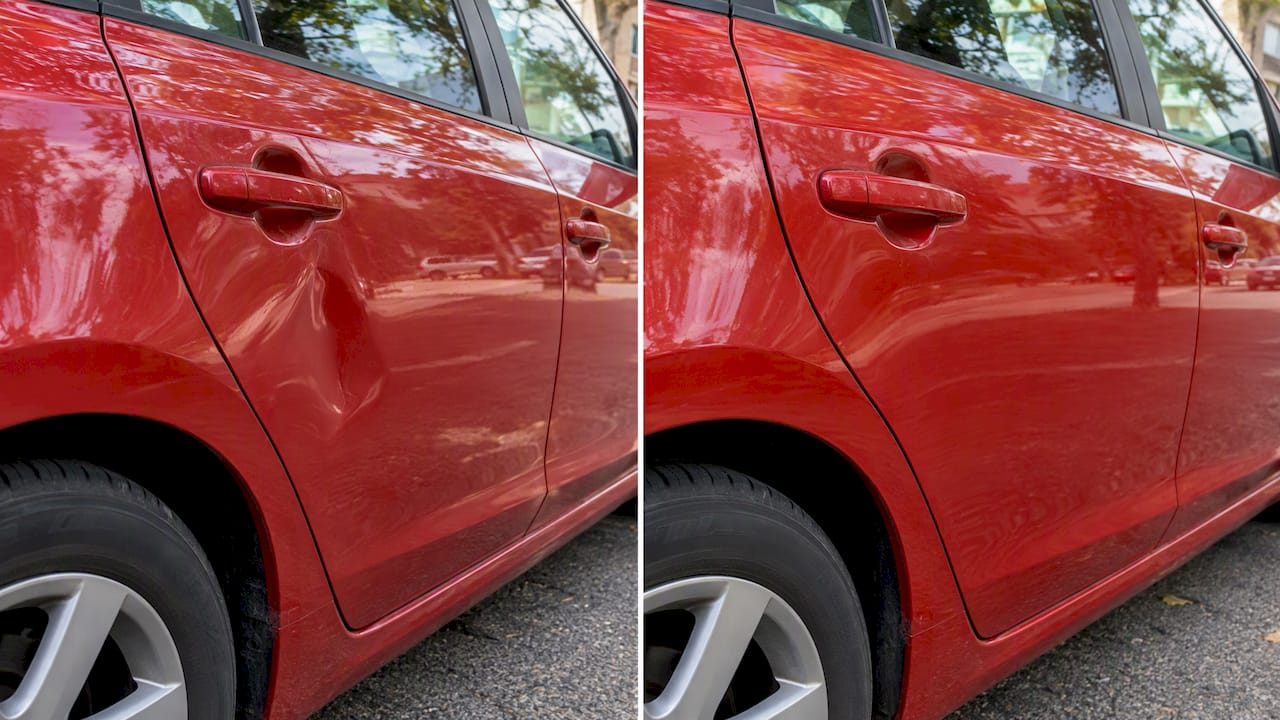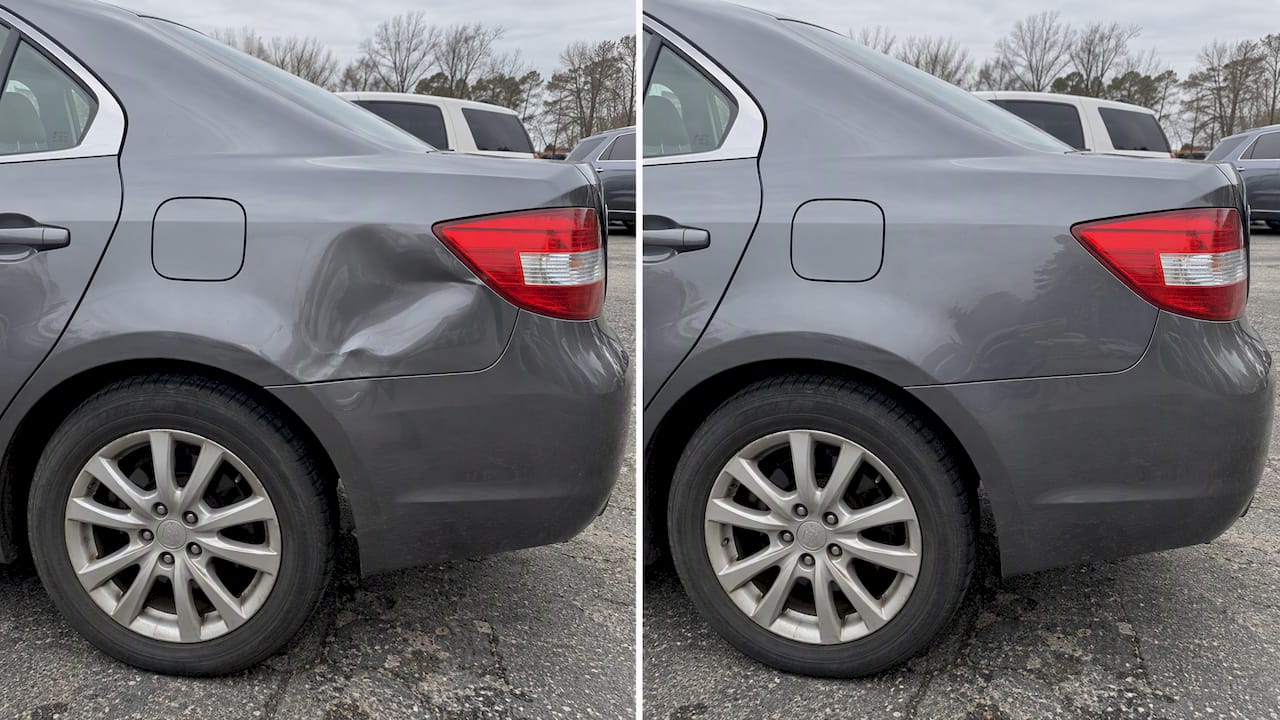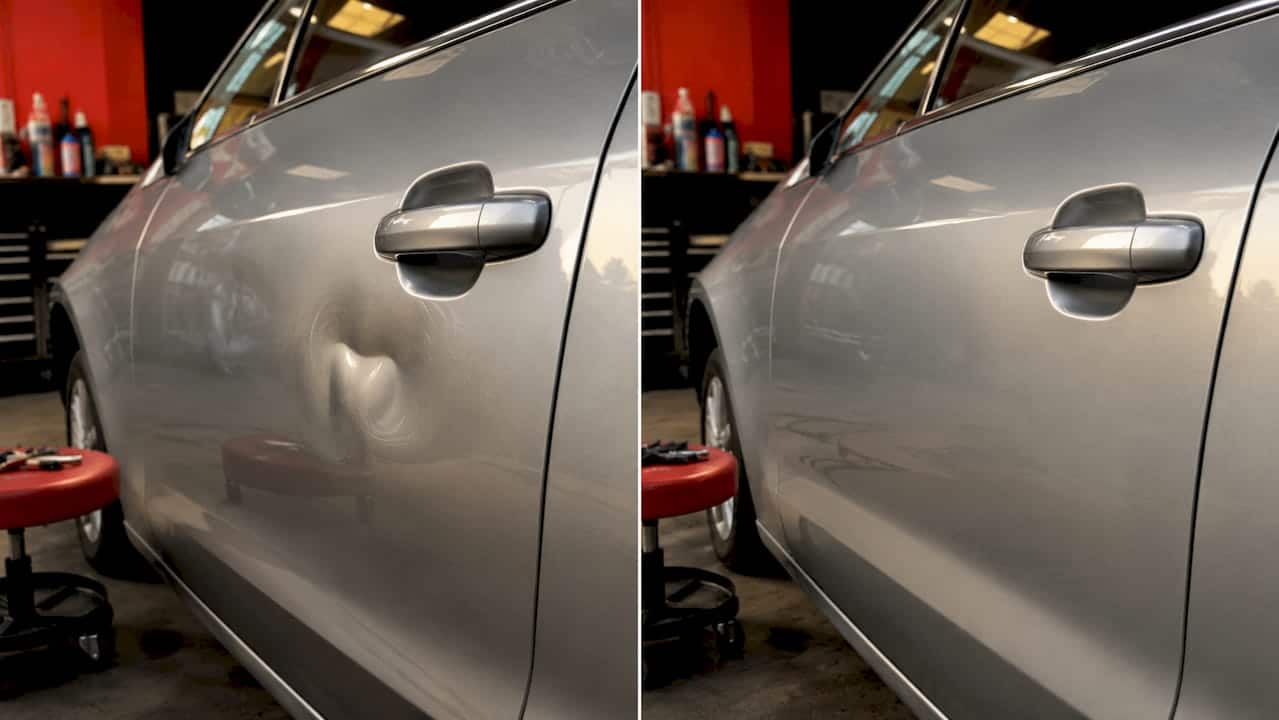
Traditional body shops repair dents by stripping your vehicle’s factory paint, filling damaged metal with body filler, and repainting the panel. That process sounds thorough, but it creates lasting problems: compromised paint integrity, inflated costs, and a permanent damage record that follows your car at resale. Paintless dent repair (PDR) is the industry term for the modern alternative, and for most minor dents and dings, it outperforms traditional bodywork on every measure that matters to car owners. Understanding why you should avoid traditional body shops starts with knowing exactly what happens to your car inside one.
Why avoid traditional body shops: what they do to your paint and metal
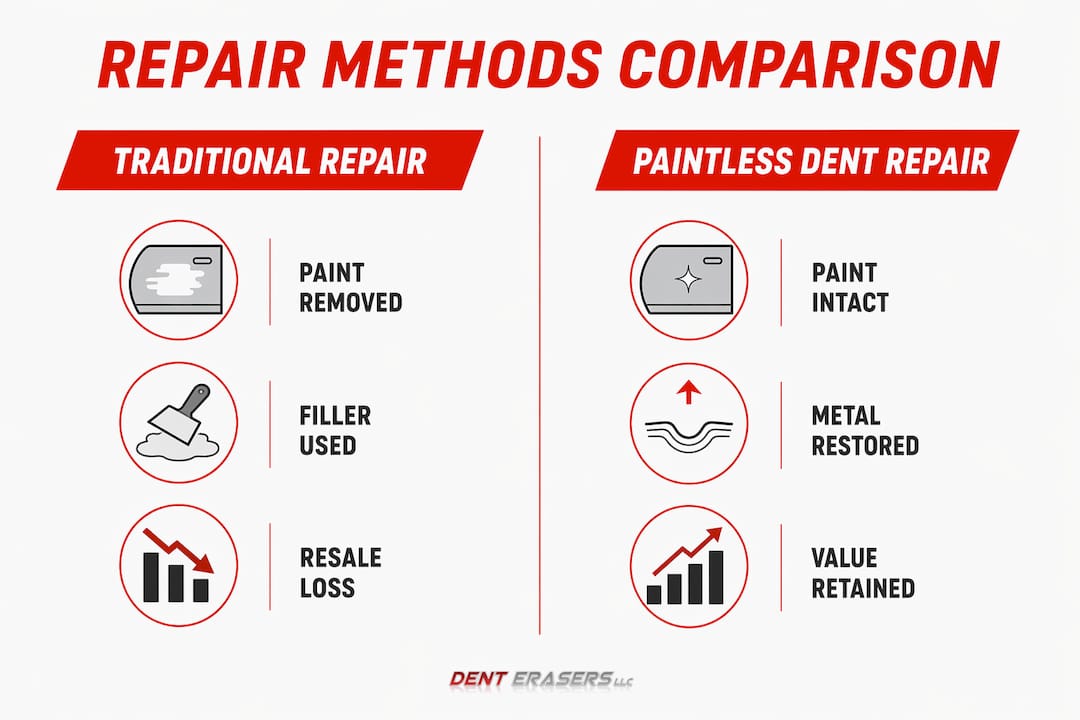
Traditional body shops fix dents by filling them, not restoring them. A technician grinds down the damaged area, applies body filler (commonly called Bondo), sands it smooth, primes it, and repaints the panel. Every step in that chain removes or covers your factory finish permanently.
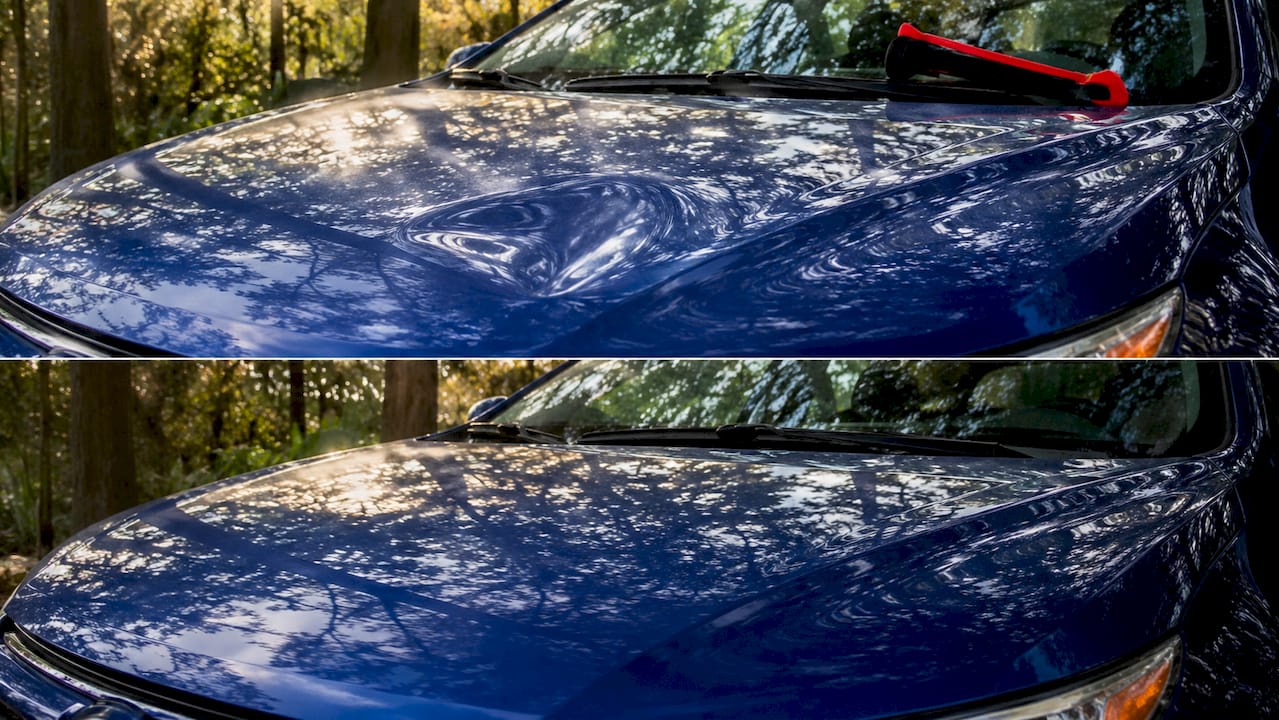
Body filler expands and contracts at a different rate than the surrounding metal. That thermal mismatch causes the filler to sink, micro-crack, and telegraph through the paint surface within a few years. You end up with a visible repair defect on a car that looked fine when you drove it off the lot.
The paint problem compounds over time. Repainted panels age differently than the original factory finish on adjacent panels. In direct sunlight, that patchwork effect becomes obvious within 3–5 years. Color-matching technology has improved, but no shop can perfectly replicate the way factory paint cures and weathers over a decade.
- Bondo application: Filler bonds to bare metal but not permanently. It absorbs moisture and eventually separates.
- Sanding and priming: Both processes remove factory clear coat, which cannot be fully restored.
- Panel repainting: Adjacent panels often need blending, meaning more original paint gets disturbed.
- Structural cuts and welds: Severe damage repairs may involve cutting and welding that alters original metal integrity.
Pro Tip: Ask any shop whether your dent qualifies for PDR before agreeing to filler and paint. If the paint is unbroken and the metal is not creased, PDR is almost always the better path.
How body shop repairs hurt your car’s resale value
A body shop repair does not just affect how your car looks. It affects what your car is worth on paper. Insurance-filed repairs generate Carfax flags showing reported accidents or damage. Buyers see those flags and immediately discount their offer.
Repairs involving structural work or significant repainting can reduce resale value by 15% to 35%. On a $40,000 vehicle, that is a loss of $6,000 to $14,000. The repair quality does not matter to most buyers. The history record does.
PDR sidesteps this problem entirely. Because PDR physically restores the metal to its original position without filler or paint, paying out of pocket for PDR leaves no reportable damage on your vehicle history. Your Carfax stays clean. Your resale value stays intact.
| Repair factor | Traditional body shop | Paintless dent repair |
|---|---|---|
| Vehicle history record | Creates Carfax flag if insurance is filed | No reportable record when paid out of pocket |
| Paint condition | Factory finish removed and replaced | Factory finish fully preserved |
| Resale value impact | 15%–35% reduction possible | Minimal to no impact |
| Aftermarket parts risk | Common in insurance-driven repairs | Not applicable |
Using aftermarket parts instead of OEM components makes the value loss worse. Certified shops using OEM procedures maintain structural specs that support both safety and resale price. Most standard body shops do not meet that bar on routine repairs.
What makes PDR a better option for minor dents
Paintless dent repair works by using specialized tools to massage the metal back to its original shape from behind the panel. No filler. No paint. No grinding. The factory finish stays exactly as the manufacturer applied it, which is the single most important factor for both appearance and value.
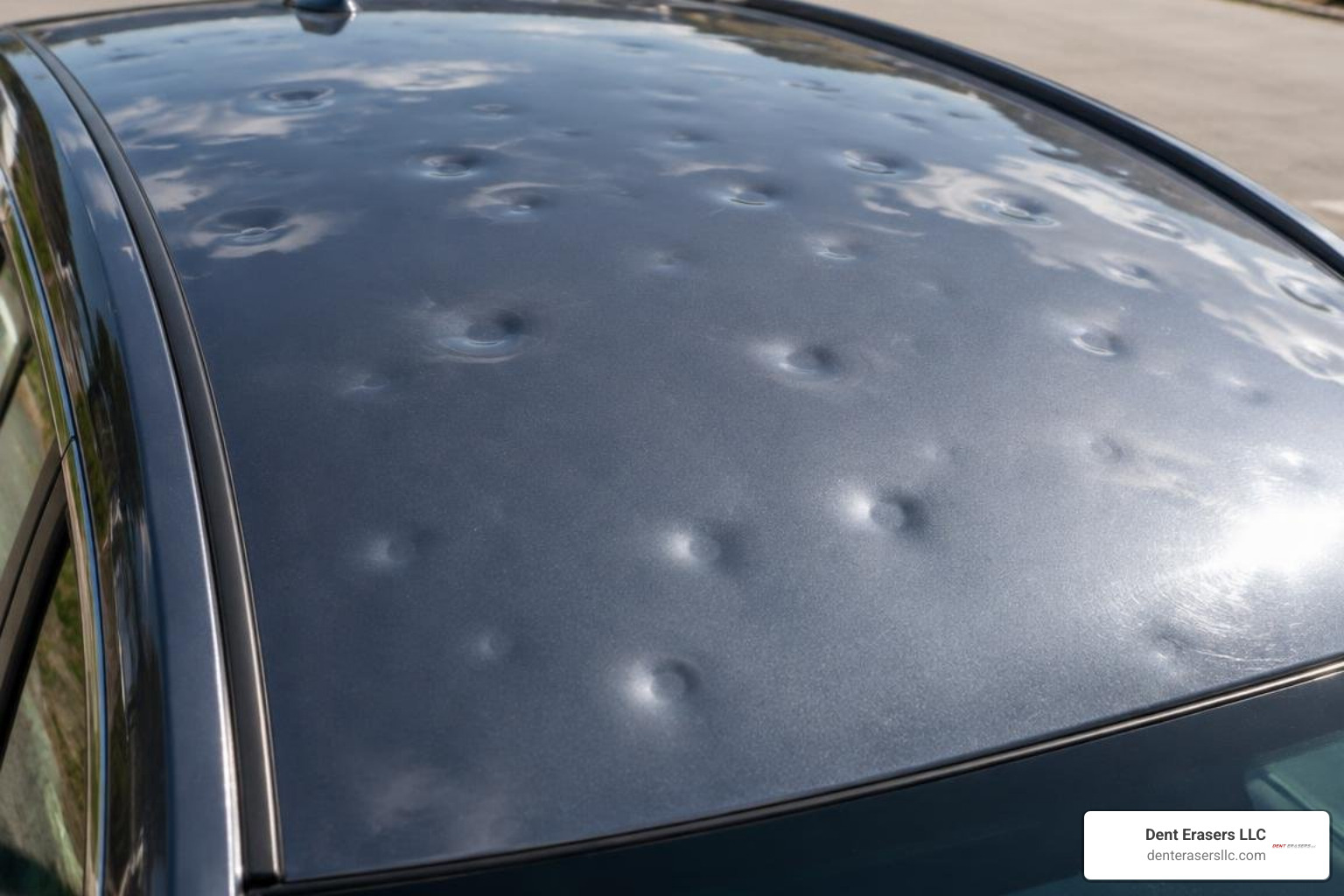
The cost advantage is significant. PDR runs 40%–70% cheaper than traditional bodywork for minor dents. Multi-panel hail damage repaired by PDR typically costs $1,200 to $4,000 or more, while the same job at a conventional shop costs considerably more once stripping and refinishing are factored in.
Speed is the other major difference. Body shops typically require 3–7 days to complete a dent repair because of the drying time between filler, primer, and paint coats. PDR is usually finished the same day, often within a few hours. For busy car owners, that difference is real.
PDR does have limits. It works best when the paint is intact and the dent has no sharp creases. Deep structural damage, torn metal, or paint that has already cracked requires traditional repair. A qualified PDR technician will tell you honestly when a dent falls outside PDR’s range. That transparency is part of what separates non-invasive repair methods from the standard body shop model.
Pro Tip: Mobile PDR services come to your home or office, so you skip the rental car and the waiting room entirely. For eligible dents, it is the most convenient repair option available.
How to choose the right repair option and avoid unnecessary work
Choosing the right repair path protects both your car and your wallet. These steps help you avoid being upsold on work you do not need.
- Check paint integrity first. If the paint over the dent is unbroken, ask specifically about PDR before accepting any quote involving filler or paint.
- Ask about certifications. I-CAR or manufacturer-certified shops follow documented repair procedures. That documentation matters at resale.
- Request OEM parts in writing. Aftermarket parts are cheaper for the shop and worse for your car’s value. Get the parts specification in your written estimate.
- Understand the upsell pattern. Most traditional shops are not trained for PDR, so they default to full paint jobs even when PDR would work. A shop that never mentions PDR as an option is not giving you the full picture.
- Compare turnaround times. A repair that takes a week when a same-day option exists is costing you time and likely money. Use the PDR cost comparison to benchmark what you should expect to pay.
Choosing the right repair method the first time prevents the compounding problems: filler failure, paint mismatch, and a vehicle history that works against you at trade-in.
Key takeaways
Traditional body shops cause lasting paint, value, and history damage that PDR avoids entirely for eligible dents.
| Point | Details |
|---|---|
| Factory paint is irreplaceable | Body filler and repainting permanently remove the original factory finish. |
| Resale value drops significantly | Structural or repaint history can reduce a vehicle’s value by 15%–35%. |
| PDR costs 40%–70% less | For minor dents with intact paint, PDR is faster and far cheaper than traditional repair. |
| Clean history preserves value | Out-of-pocket PDR leaves no Carfax record, keeping your vehicle history clean. |
| Certifications and OEM parts matter | When traditional repair is necessary, certified shops using OEM parts protect safety and resale price. |
What I have learned after years of watching body shop repairs age
I have seen the same pattern repeat itself dozens of times. A car owner brings in a vehicle that had a fender repaired at a traditional shop two or three years earlier. The paint looked fine at delivery. Now there is a subtle color shift in direct sunlight, and if you press the panel lightly, you can feel the filler underneath. The repair was technically “done right” by that shop’s standards. But the factory finish is gone, and it is not coming back.
What surprises most car owners is how often PDR was the right call from the start. The dent was small, the paint was intact, and the shop quoted a full repaint anyway because that is what they know how to do. Most traditional shops are not equipped for PDR. It requires specialized tools and training that a general body shop simply does not invest in.
The resale impact is the part that really stings. Car owners rarely think about Carfax when they drop a car off for repair. They think about it two years later when a buyer offers $4,000 less than expected because of a damage flag. Protecting your vehicle history is not a luxury consideration. It is a financial one. Choosing the right PDR service from the start is one of the most practical decisions you can make as a car owner.
— Brian Blanc
Denterasersllc: modern repair that protects your car’s value
Denterasersllc specializes in mobile paintless dent repair and auto body collision services across Contra Costa County and surrounding areas. Every repair is designed to preserve your factory finish, skip the insurance claim, and get your car back to you the same day.
For dents, dings, and bumper damage, Denterasersllc brings the repair to you. No shop drop-off. No rental car. No paint mismatch two years from now. The plastic bumper repair service is a strong example: modern repair techniques that restore your bumper without the cost or paint disruption of a traditional body shop visit. If you want to understand all the ways PDR outperforms conventional repair, the benefits of paintless dent repair page lays it out clearly.
FAQ
What is the main risk of traditional body shop repairs?
The main risk is permanent damage to your factory paint finish. Body filler and repainting remove the original finish and create color mismatches that worsen over time.
Does a body shop repair show up on Carfax?
Yes, if the repair is filed through insurance. Insurance-reported repairs generate vehicle history flags that reduce buyer trust and resale value by 15%–35%.
When is PDR not an option?
PDR requires intact paint and metal with no sharp creases. Deep structural damage, torn metal, or cracked paint requires traditional repair methods.
How much cheaper is PDR than a traditional body shop?
PDR typically costs 40%–70% less than traditional bodywork for minor dents, with same-day turnaround compared to the 3–7 days a body shop usually requires.
How do I know if a shop is recommending the right repair?
Ask directly whether your dent qualifies for PDR. A shop that never offers PDR as an option likely lacks the training and tools to perform it, which means you may be quoted for unnecessary paint work.