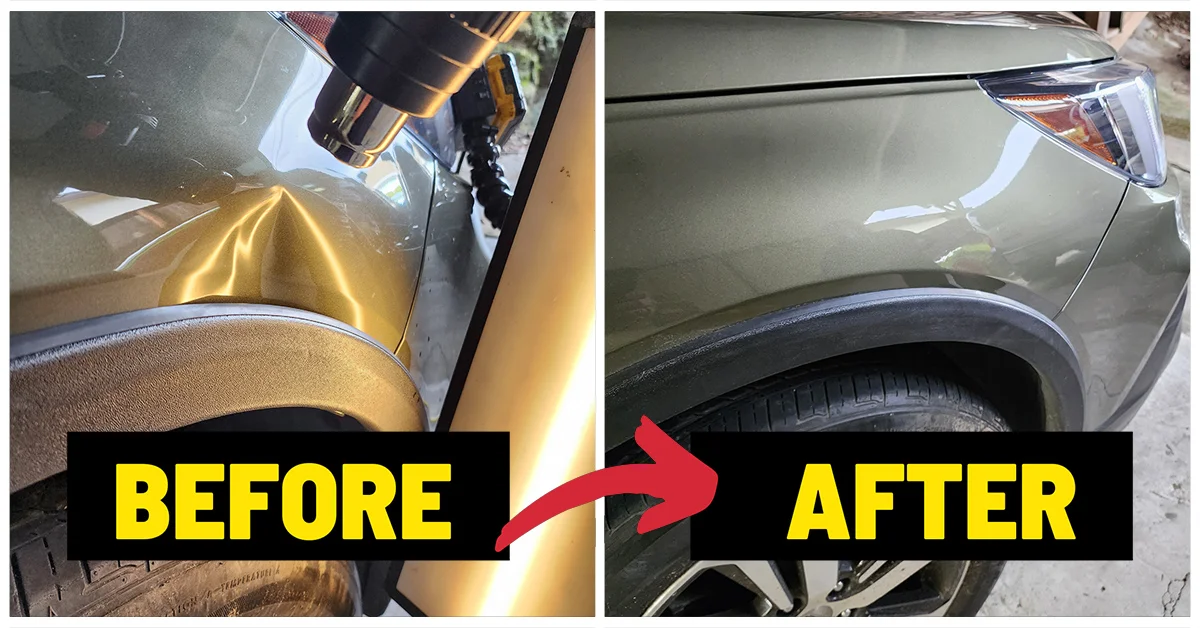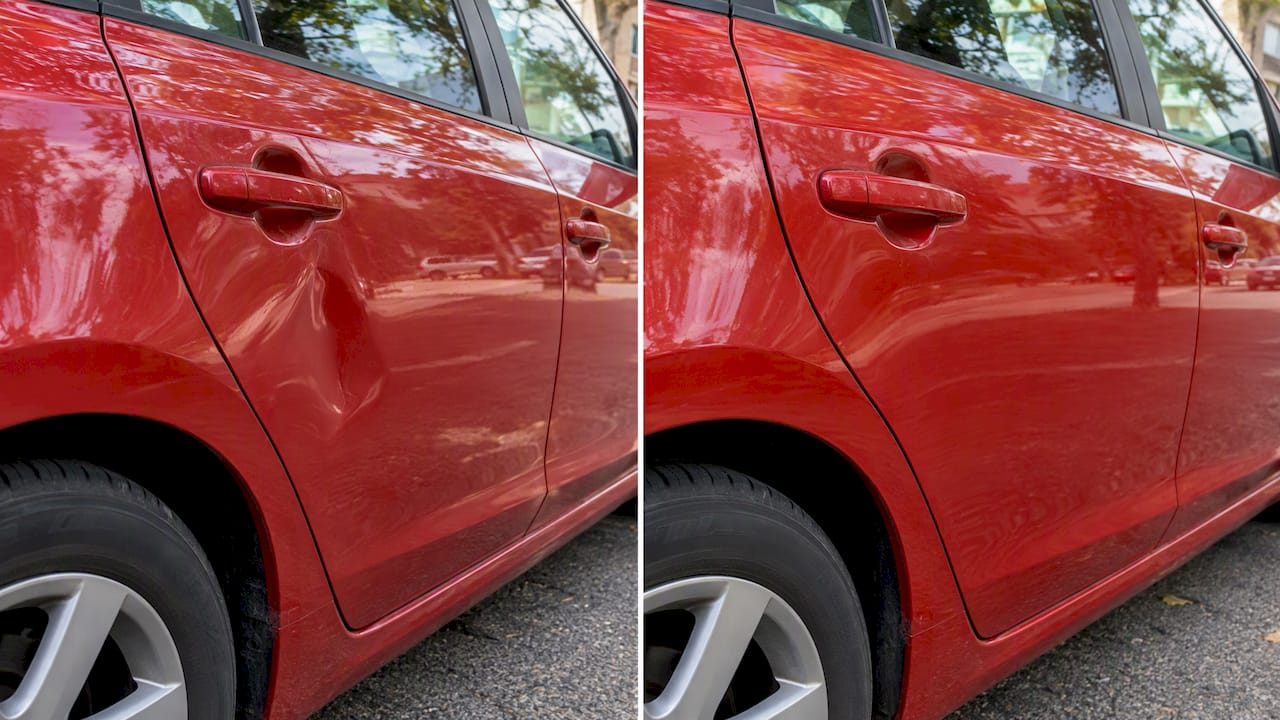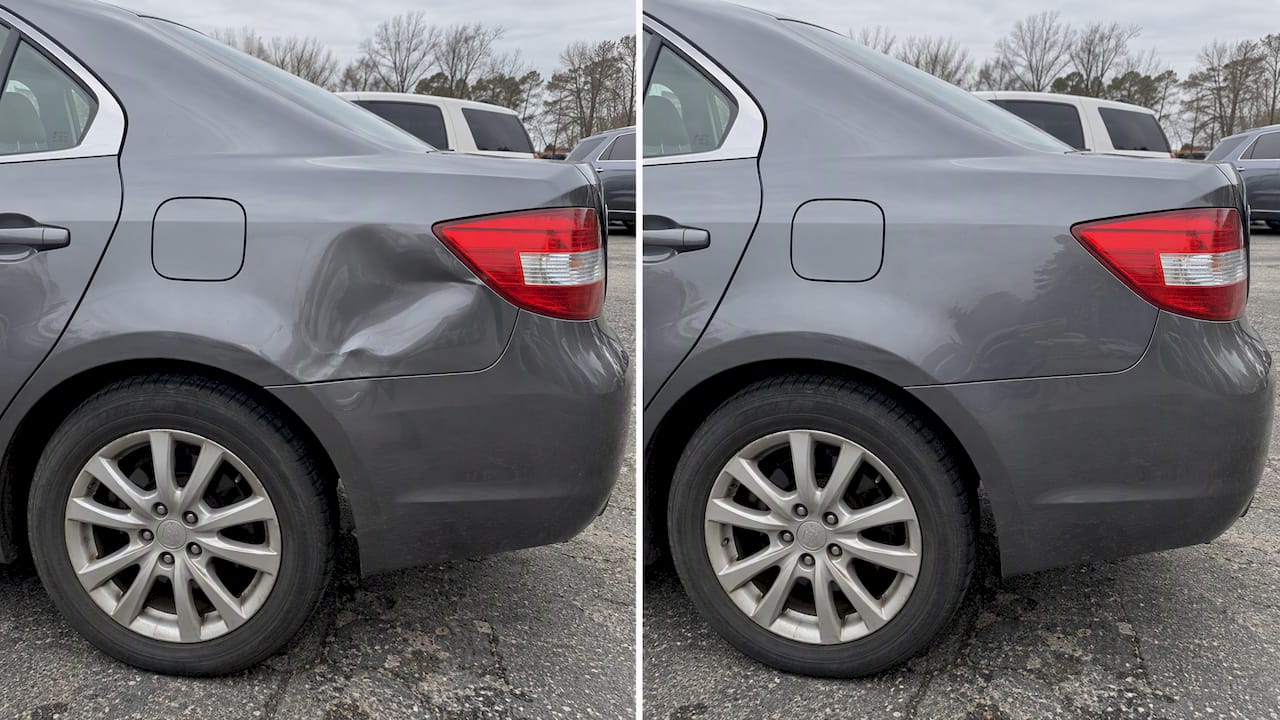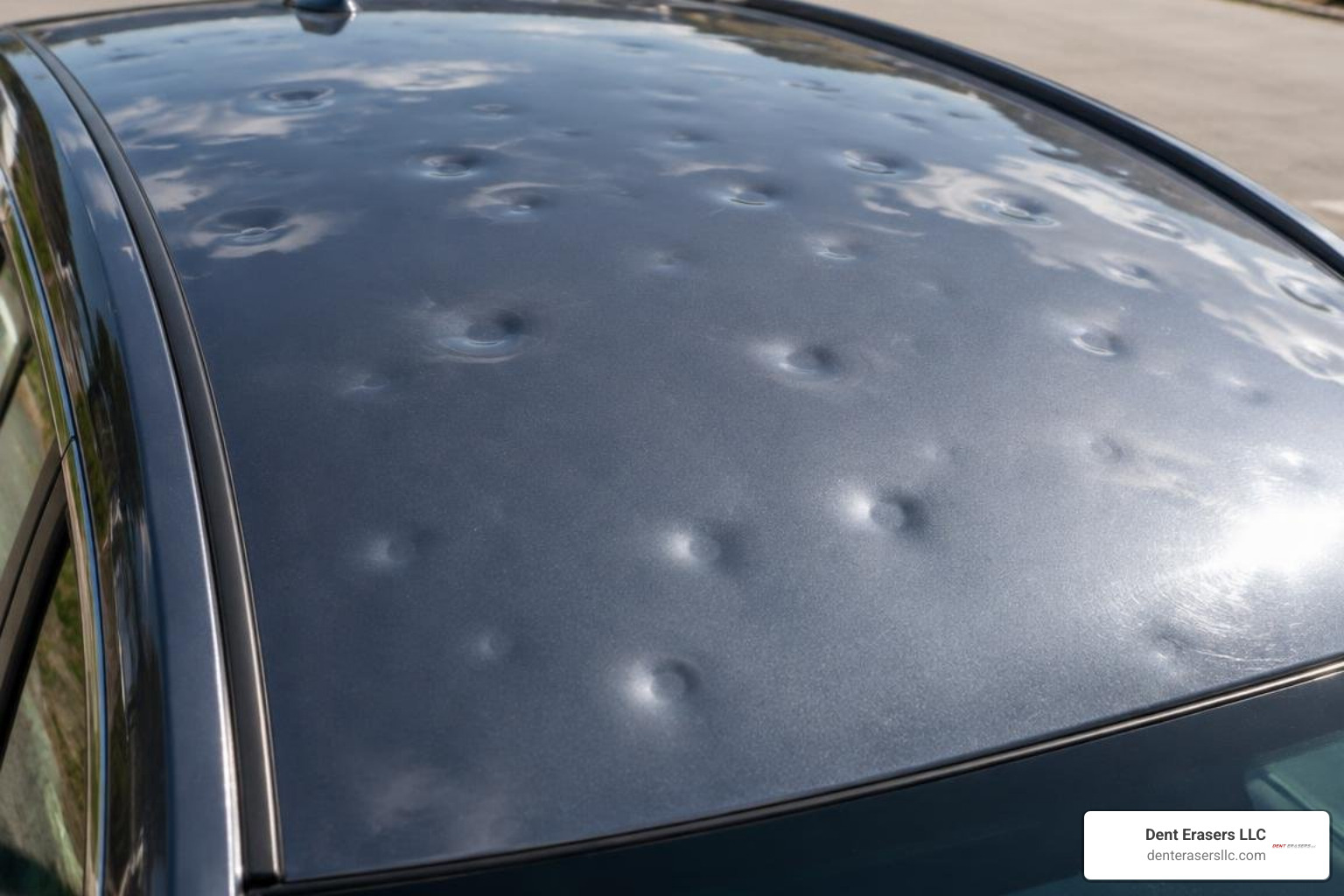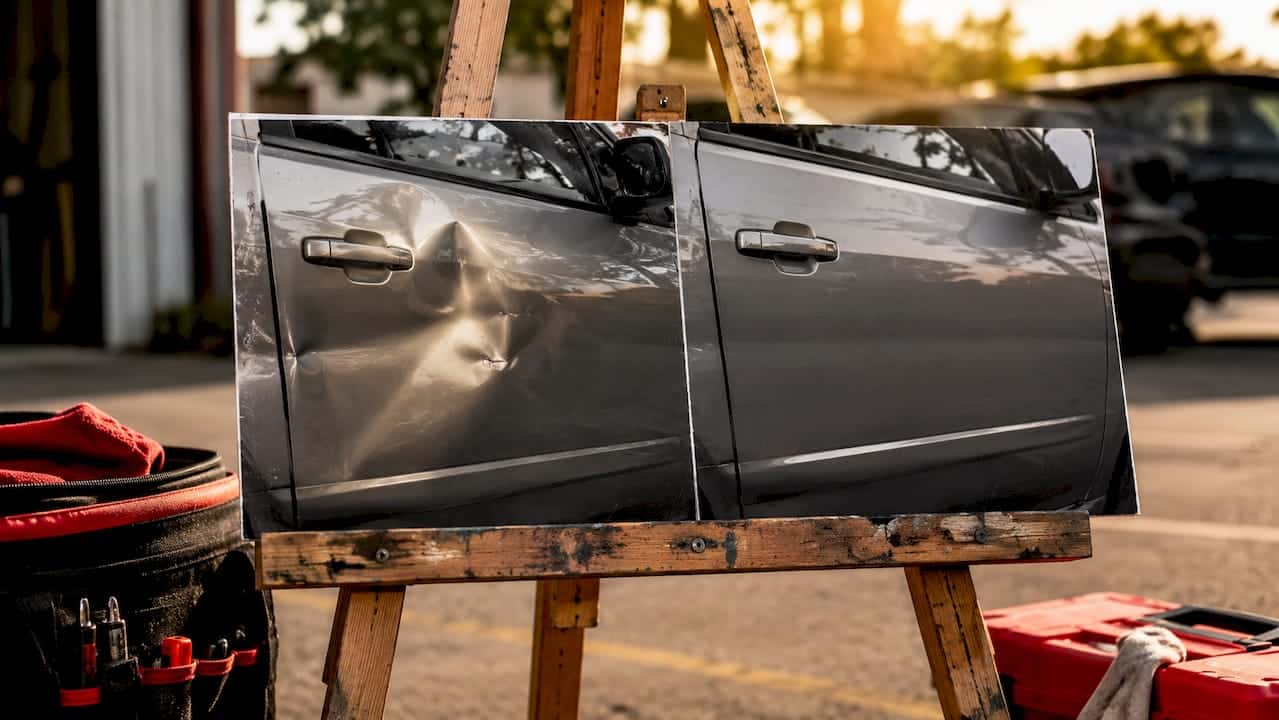
Certified dent technicians are professionals who have passed rigorous, hands-on training programs to prove they can restore vehicle metal without causing additional damage. The industry term for their core skill is paintless dent repair, or PDR, a method that reshapes dented metal from behind the panel while preserving the factory paint. Certification programs like I-CAR Gold Class and Vale PDR set the standard for who qualifies as a true professional in this field. When you hire a certified tech, you get someone whose skills have been tested, not just claimed. That distinction matters more than most car owners realize.
Why use certified dent technicians instead of anyone with a set of tools?
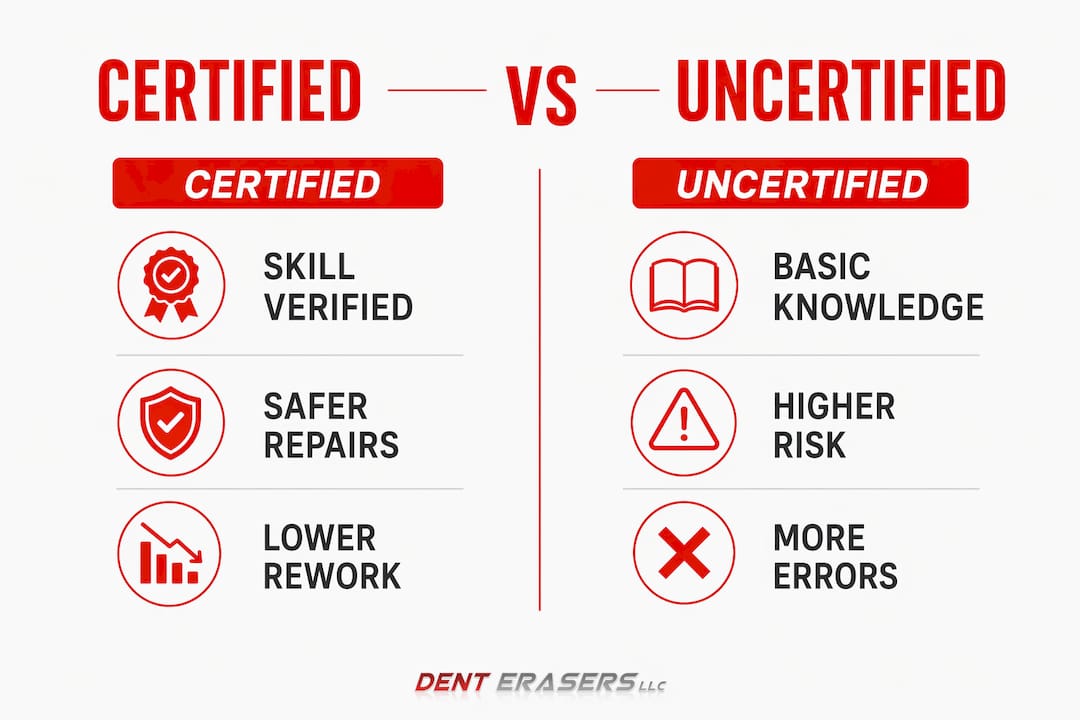
Certification separates technicians who understand the full scope of dent repair from those who only know the basics. The Vale Training Program has certified about 30,000 PDR technicians nationally, using timed, hands-on exams that verify a tech’s ability to restore metal without touching the paint. Passing that exam is not easy. It requires real skill under pressure, not just classroom knowledge.
I-CAR Gold Class is the collision repair industry’s highest professional training standard. Fewer than 20% of US collision repair shops hold this designation, which demands ongoing annual training for every role in the shop. That low number tells you something important: most shops are not keeping pace with how fast vehicle technology is changing.
Key certifications and what they verify:
- I-CAR Gold Class: Requires annual training for all technicians and covers modern repair methods, high-strength steel, and safety systems.
- Vale PDR Certification: A hands-on, timed exam that confirms a tech can reshape metal cleanly without paint damage.
- ASE Certifications: Cover broader automotive repair competency, including structural and electrical systems relevant to modern vehicles.
Shop-level certification and individual technician certification are two different things. A shop can hold I-CAR Gold Class status only when all its technicians meet the annual training requirement. That means the whole team stays current, not just the owner.
How does certification affect the quality and safety of dent repairs?
Certified technicians see damage that uncertified techs miss. A dent that looks purely cosmetic can hide stress fractures in the metal or interference with sensors mounted behind the panel. Certified technicians distinguish cosmetic from structural damage, preventing repairs that compromise vehicle safety.
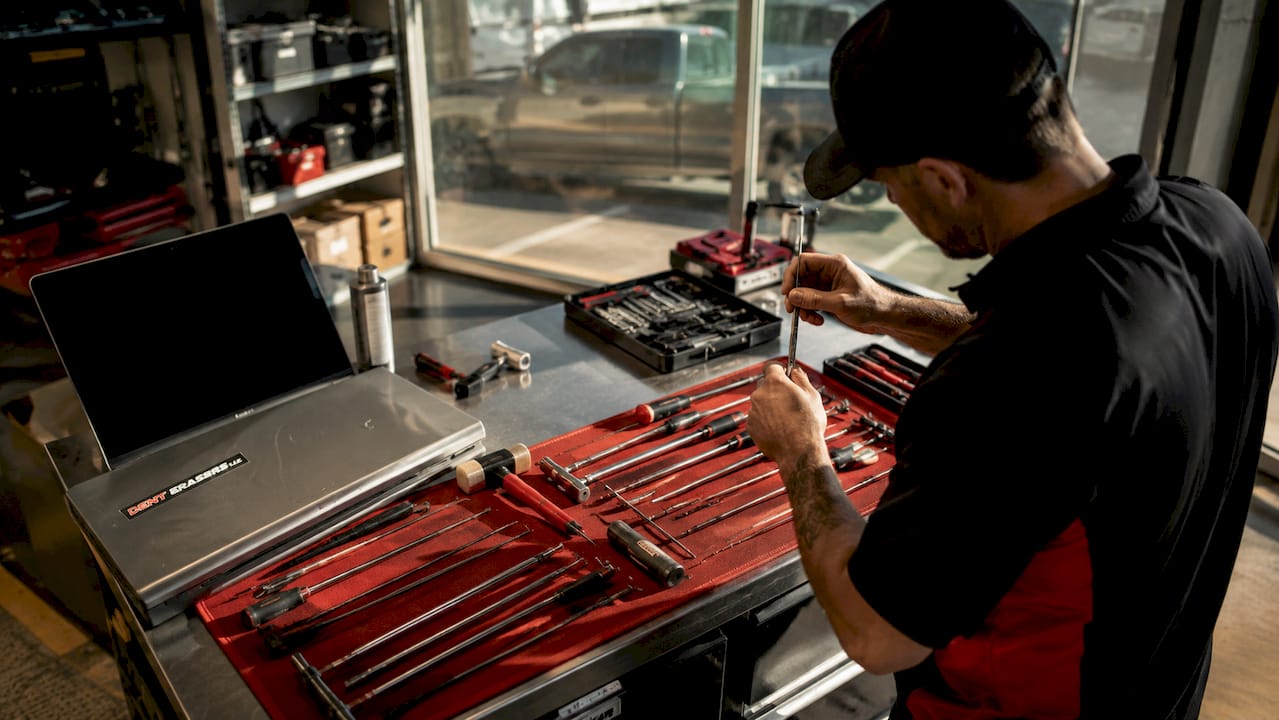
Modern vehicles carry Advanced Driver Assistance Systems, or ADAS, which include cameras, radar sensors, and proximity detectors built into body panels and bumpers. Certified techs understand these safety systems and know when diagnostic scanning is required before and after a repair. An uncertified tech who skips that step can leave your ADAS miscalibrated without you ever knowing.
Pro Tip: Ask any technician directly whether they perform a pre-repair scan on vehicles with ADAS. A certified tech will say yes without hesitation. If the answer is vague, walk away.
The benefits of certified repair quality include:
- Accurate damage assessment that goes beyond what you can see on the surface
- Proper use of specialized PDR tools to massage metal back without cracking paint
- Diagnostic scanning to protect ADAS and structural integrity
- Lower rework rates and fewer follow-up repairs needed
Certified shops report fewer supplemental estimates and lower rework rates compared to non-certified facilities. Fewer reworks mean less time without your vehicle and fewer unexpected bills.
What are the cost and time benefits of hiring certified dent technicians?
PDR performed by a certified technician saves 25% to 50% compared to traditional body repair. Traditional methods involve sanding, chemical fillers like bondo, repainting, and blending adjacent panels. PDR skips all of that. The result is a faster repair that costs less and keeps your factory paint intact.
The cheapest quote is often the most expensive mistake. Non-certified or DIY repairs can cause hidden damage that costs far more to fix later. A certified technician provides a firm, transparent quote only after inspecting the damage under specialized lighting.
Certified technicians conduct a 15–30 minute in-person consultation under proper lighting before quoting any price. That process prevents the surprise “supplemental estimates” that uncertified shops often add after the job is already underway.
| Repair type | Typical cost range | Paint preserved? | Same-day service? |
|---|---|---|---|
| PDR by certified tech | Lower (saves 25–50%) | Yes | Often yes |
| Traditional body repair | Higher | No (repainted) | Rarely |
| Non-certified PDR | Varies, often hidden costs | At risk | Sometimes |
Insurance companies prefer I-CAR Gold Class shops for their preferred provider networks. That preference can simplify your claims process and reduce out-of-pocket costs when filing through insurance.
How to verify and choose a certified dent technician for your vehicle
Choosing the right technician takes five minutes of asking the right questions. Here is a practical process:
- Ask for credentials. Request proof of Vale PDR certification or I-CAR Gold Class status before agreeing to any work.
- Request a proper consultation. A certified tech will inspect your vehicle under specialized lighting, not in a parking lot under fluorescent overhead lights.
- Confirm ADAS awareness. Ask whether the tech checks for sensor interference before and after the repair on your specific vehicle.
- Check experience with your vehicle type. Modern vehicles with aluminum panels and high-strength steel require different techniques than older steel-bodied cars.
- Review customer feedback and insurance relationships. Shops endorsed by insurers and backed by consistent reviews have a track record worth trusting.
Pro Tip: Before your appointment, review the questions to ask your dent technician so you walk in prepared and confident.
The tips for choosing a PDR service consistently point to one factor above all others: verified credentials. A technician who cannot show you proof of certification is asking you to take their word for it.
What I’ve learned after years of certified dent repair work
After working in this industry for years, the pattern I see most often is this: car owners who went with the cheapest option first end up paying twice. The first repair looked fine for a few weeks. Then the paint cracked, or a sensor started misfiring, or the metal shifted because the tech did not account for the panel’s metal memory.
Vehicle technology has changed faster in the last decade than in the previous three combined. High-strength steel, aluminum body panels, and ADAS sensors have made dent repair a genuinely technical skill. A certification is not a piece of paper. It is proof that a technician has kept up with those changes through continuous annual training and passed real-world skill tests.
My honest advice: treat certification the way you treat a medical license. You would not let an unlicensed doctor treat you. Your vehicle’s safety systems deserve the same standard.
— Brian Blanc
Key Takeaways
Certified dent technicians provide safer, more reliable repairs because their skills are verified through programs like I-CAR Gold Class and Vale PDR, not just assumed.
| Point | Details |
|---|---|
| Certification verifies real skill | Vale PDR and I-CAR Gold Class require hands-on exams and annual training, not just coursework. |
| Safety systems need certified knowledge | Certified techs scan for ADAS interference before and after every repair on modern vehicles. |
| PDR saves 25–50% over traditional repair | Certified PDR preserves factory paint and often delivers same-day service. |
| Cheap quotes carry hidden risks | Non-certified repairs frequently cause rework costs that exceed the original savings. |
| Insurance prefers certified shops | I-CAR Gold Class status supports insurance preferred provider relationships and smoother claims. |
Denterasersllc: certified dent repair you can count on
Denterasersllc brings certified paintless dent repair directly to you in Contra Costa County and surrounding areas. Every technician on the team works to verified professional standards, which means your vehicle gets an honest damage assessment, not a rushed quote.

Whether you need plastic bumper repair or certified work on a luxury, vintage, or everyday vehicle, Denterasersllc handles it with the training and tools the job actually requires. You can also browse dent repair by vehicle brand to see the range of makes the team services. Schedule a consultation and get a firm, transparent quote from a certified technician who has already seen what your vehicle needs.
FAQ
What does a certified dent technician do?
A certified dent technician uses specialized tools to reshape dented metal from behind the panel without damaging the factory paint. This process, called paintless dent repair, requires verified training through programs like Vale PDR or I-CAR Gold Class.
How do I know if a dent technician is truly certified?
Ask to see their Vale PDR certificate or confirm the shop holds I-CAR Gold Class status. Certified shops maintain documented proof of current training for every technician on staff.
Are certified dent technicians more expensive?
Certified PDR technicians typically cost less than traditional body shops because PDR eliminates painting, fillers, and extended labor. PDR saves 25–50% compared to conventional repair methods.
Can a non-certified technician damage my car’s safety systems?
Yes. Non-certified technicians may not check for ADAS sensor interference during repairs. Modern vehicles require diagnostic scanning before and after dent work to confirm safety systems remain properly calibrated.
Does insurance cover repairs by certified technicians?
Insurance companies prefer and often require I-CAR Gold Class certified shops for their preferred provider networks. Using a certified shop can simplify your claim and reduce out-of-pocket costs.