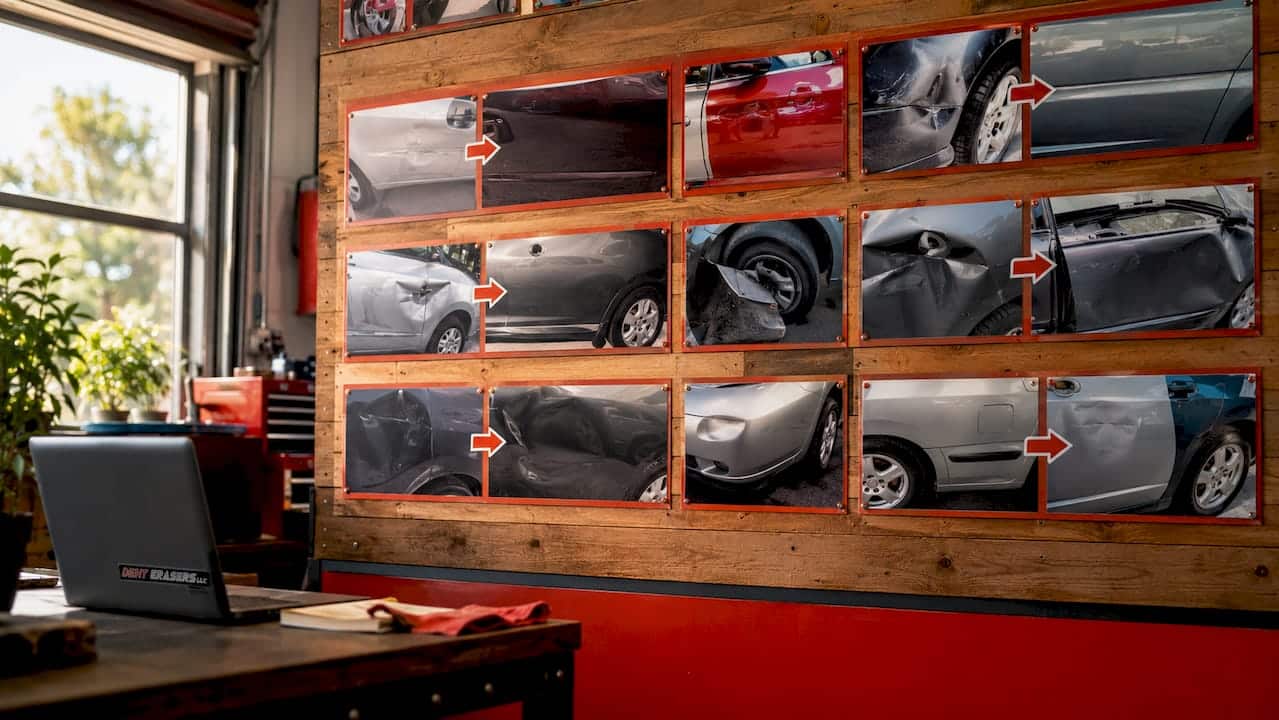
An auto repair estimate is a written document that breaks down the expected cost of vehicle repairs, listing parts, labor, and fees before any work begins. Understanding auto repair estimates protects you from surprise charges and gives you the confidence to ask the right questions before you approve a single dollar of work. The estimate is your financial roadmap, and reading it correctly is the difference between getting fair value and overpaying. Industry standards like flat-rate labor guides from Mitchell and Chilton, along with legal consumer protections in most states, give you more leverage than most car owners realize.
What are the key components of an auto repair estimate?
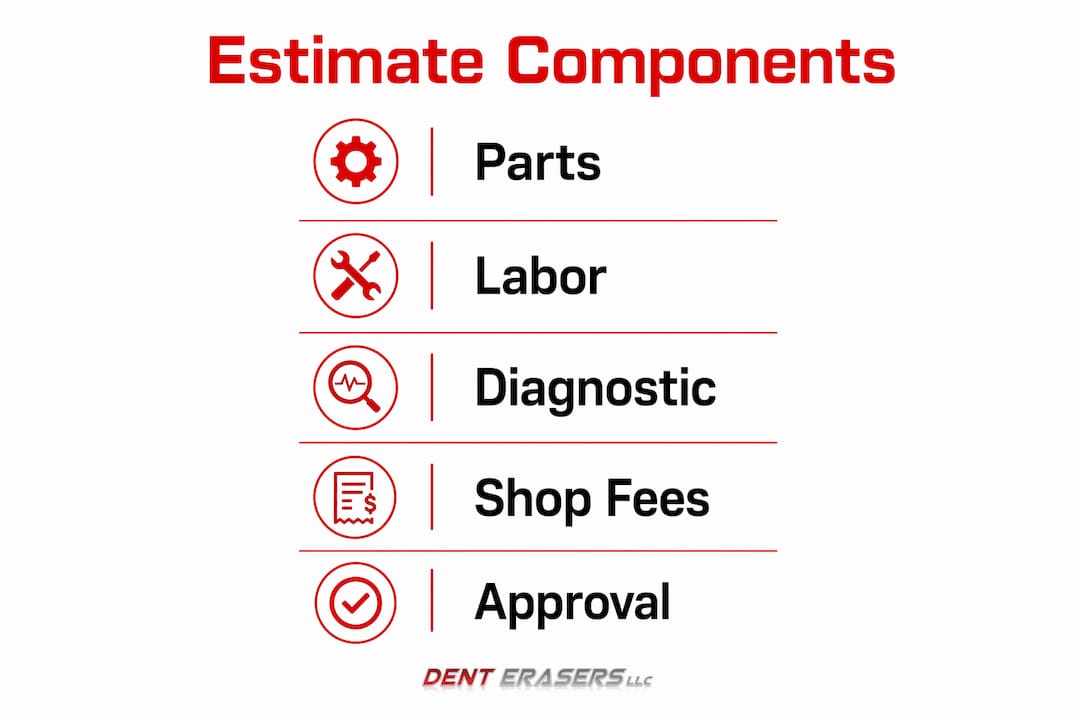
A well-written estimate lists parts with prices and quantities, indicates whether parts are new OEM, aftermarket, or used, and itemizes labor and diagnostic fees separately. Each category tells a different story about where your money goes.
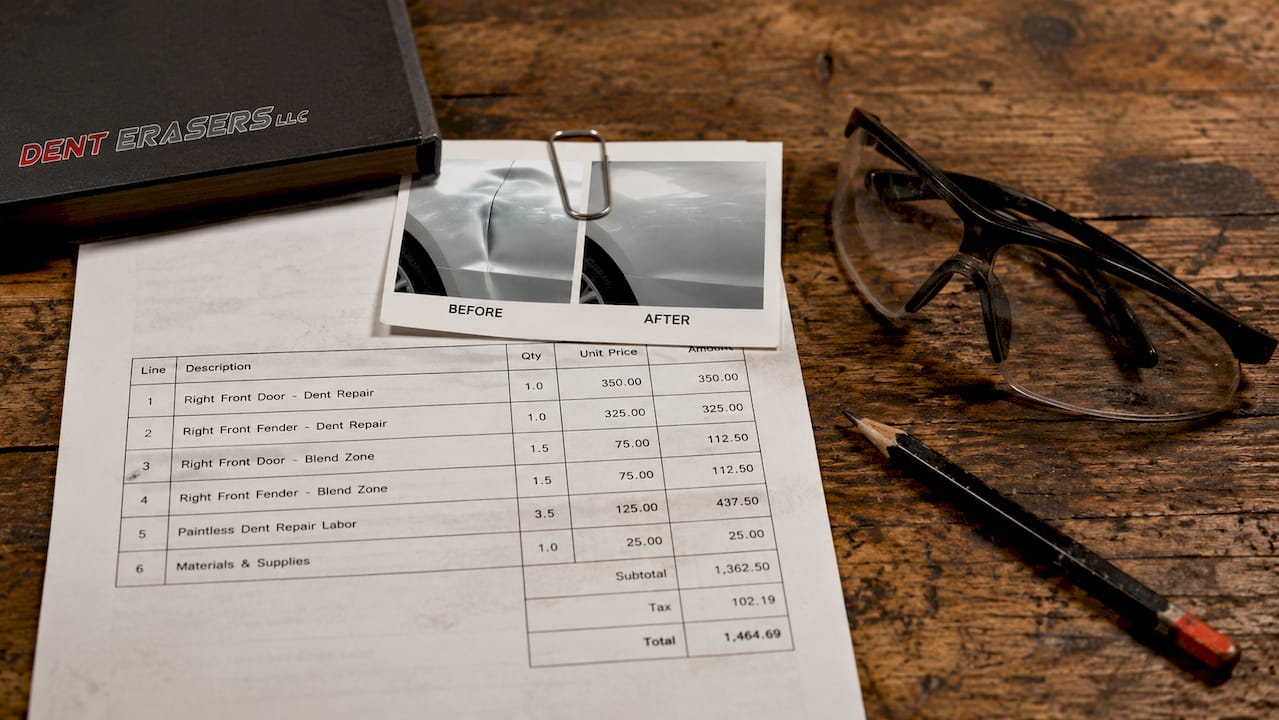
Parts
Parts fall into three categories. OEM (original equipment manufacturer) parts come directly from your vehicle’s maker and carry the highest price. Aftermarket parts are made by third-party manufacturers and typically cost less. Used or salvage parts are pulled from other vehicles and cost the least, though they carry more risk. Shops mark up parts above their wholesale cost, which is standard practice. Ask what type of part is being used and whether you have a choice.
Labor
Most shops use a flat-rate labor system based on industry guides like Mitchell or Chilton. You pay a set number of hours per task, called “book time,” regardless of how long the mechanic actually takes. A job listed at 2.5 hours costs the same whether the technician finishes in 90 minutes or three hours. This system rewards shop efficiency but can confuse car owners who expect hourly billing.
Diagnostic fees
Diagnostic fees cover the technician’s time to connect scan tools, read fault codes, and identify the root problem before ordering parts. Some shops credit the diagnostic fee toward your total repair bill if you approve the work. Always ask upfront whether this credit applies.
Shop supplies and other fees
- Shop supplies: Covers small consumables like rags, lubricants, and cleaning solvents. This fee is often capped at around $35 or a small percentage of labor and should appear as a clear line item, not a vague add-on.
- Taxes: Applied to parts in most states, sometimes to labor as well.
- Hazardous waste disposal: Covers proper disposal of fluids and materials. Legitimate and typically small.
Pro Tip: Ask the service advisor to walk you through each line item before you sign. A shop that cannot explain a charge clearly is a shop worth questioning.
How can you interpret, compare, and question repair estimates effectively?
Treat every estimate as a negotiating document, not a fixed price. Car owners who approach estimates this way consistently get better outcomes than those who simply sign and wait.
Here is a practical framework for evaluating any repair quote:
- Ask for the symptom, suspected cause, and evidence. Asking for these three things shifts the conversation from a sales pitch to a technical consultation. You deserve to know what the mechanic observed, not just what they recommend.
- Request photos or videos. Good shops provide photos or videos of the problem area. If a shop refuses or says it is too much trouble, treat that as a red flag.
- Compare line items across estimates. Get at least two written quotes for any repair over $300. Focus on part type, labor hours, and fee structure. A lower total price built on used parts and fewer labor hours is not always the better deal.
- Ask about urgency. Not every flagged repair needs to happen today. Ask the technician to rank repairs by safety risk so you can budget accordingly.
- Watch for rushed approvals. A shop that pressures you to sign before you finish reading is not acting in your interest. You have the right to take the estimate home and review it.
Pro Tip: When comparing two estimates for the same job, check whether both shops are quoting the same part type. An aftermarket part versus an OEM part can account for a $200 price difference on its own.
For a broader look at common repair costs by damage type, that context helps you gauge whether a quote falls within a reasonable range before you walk into a shop.
What legal protections and consumer rights exist for auto repair estimates?
Consumer protection laws in most states require shops to provide a written estimate before starting any work. These laws exist because verbal quotes are easy to dispute and hard to enforce.
Key protections most car owners do not know they have:
- Written estimate requirement: Many states require a written estimate before repairs begin and cap cost overruns without owner consent, often at a 10% maximum above the original quote.
- Authorization for changes: If a shop discovers additional problems mid-repair, they must contact you and get approval before proceeding. Work done without your consent may not be billable.
- Right to your old parts: In most states, you can request the return of replaced parts. This confirms the work was actually done.
- Regulatory oversight: California’s Bureau of Automotive Repair enforces these rules under the Automotive Repair Act, one of the strongest consumer protection frameworks in the country. Most states have a comparable automotive repair board.
A shop that ignores estimate rules risks losing payment rights for unauthorized work and may face fines or disciplinary action. That legal exposure is exactly why reputable shops document everything carefully. If you ever feel a shop has violated your rights, your state’s automotive repair board is the right place to file a complaint.
What practical tips help car owners avoid surprises on repair bills?
Knowing how to read a repair quote is only half the battle. How you interact with the shop before and during the repair shapes the final bill just as much.
- Understand the “While You’re In There” factor. When related repairs share labor, shops often recommend doing them together. Replacing a timing belt and water pump together is a classic example. The water pump adds minimal labor cost when the timing belt is already off. This bundling saves you money long term and is worth considering, not dismissing.
- Verify that shop supply fees are capped. Ask the service advisor what the maximum shop supply charge is. A capped and itemized fee is fair. An open-ended percentage with no ceiling is not.
- Document everything in writing. Keep a copy of every estimate, authorization, and invoice. If a dispute arises, your paper trail is your best defense.
- Get a second opinion on large repairs. Any repair over $500 warrants a second written quote. The time invested almost always pays off.
- Consider turnaround time as part of the value equation. A shop that completes quality work quickly reduces your time without a vehicle. Fast turnaround matters more than most car owners factor into their decision.
Key Takeaways
Reading repair estimates carefully and asking the right questions before you approve work is the single most effective way to control auto repair costs and avoid disputes.
| Point | Details |
|---|---|
| Know the three cost categories | Every estimate breaks down into parts, labor, and fees. Understand each before signing. |
| Flat-rate labor is standard | Shops charge book time per task, not actual clock time. Ask how many hours are billed per job. |
| Legal protections cap overruns | Most states limit cost increases to 10% above the written estimate without your approval. |
| Treat estimates as negotiable | Compare line items across shops and ask for evidence before approving any repair. |
| Bundle related repairs wisely | The “While You’re In There” factor can save labor costs when related jobs share disassembly time. |
Why estimate literacy is the real repair skill
I have worked with car owners across Contra Costa County for years, and the pattern is consistent. The ones who feel burned after a repair are almost never victims of outright fraud. They are victims of not knowing what questions to ask before the work started.
The shift I see in car owners who take time to understand their estimates is real. They stop feeling like passengers in the process and start acting like informed partners. They ask about part types. They request photos. They push back on vague line items. And shops respond to that. A car owner who clearly knows how to read a quote gets treated differently than one who just nods and hands over the keys.
My honest observation is this: the estimate is where the repair relationship is made or broken. A shop that gives you a clear, itemized document and welcomes your questions is a shop that respects your money. One that rushes you through the paperwork is telling you something important about how they operate. Trust that signal. For guidance on what to look for in a quality shop, the transparency of the estimate process is always near the top of my list.
— Brian Blanc
Denterasersllc: clear estimates, quality auto body repairs
At Denterasersllc, every repair starts with a written, itemized estimate. No vague line items, no surprise charges when you pick up your vehicle.
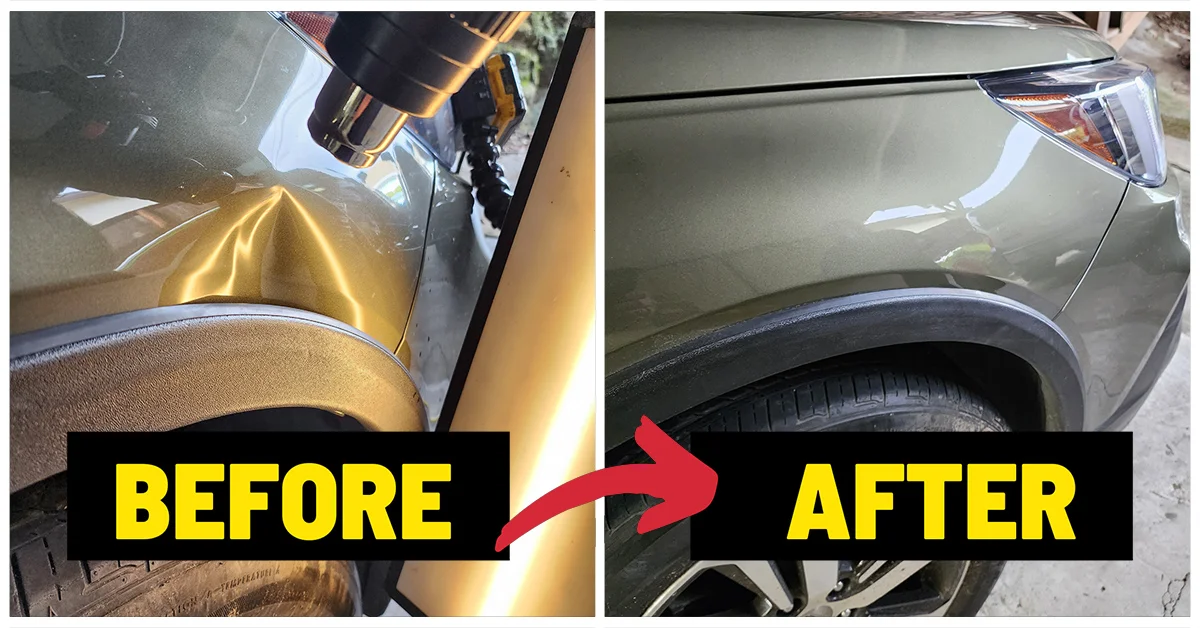
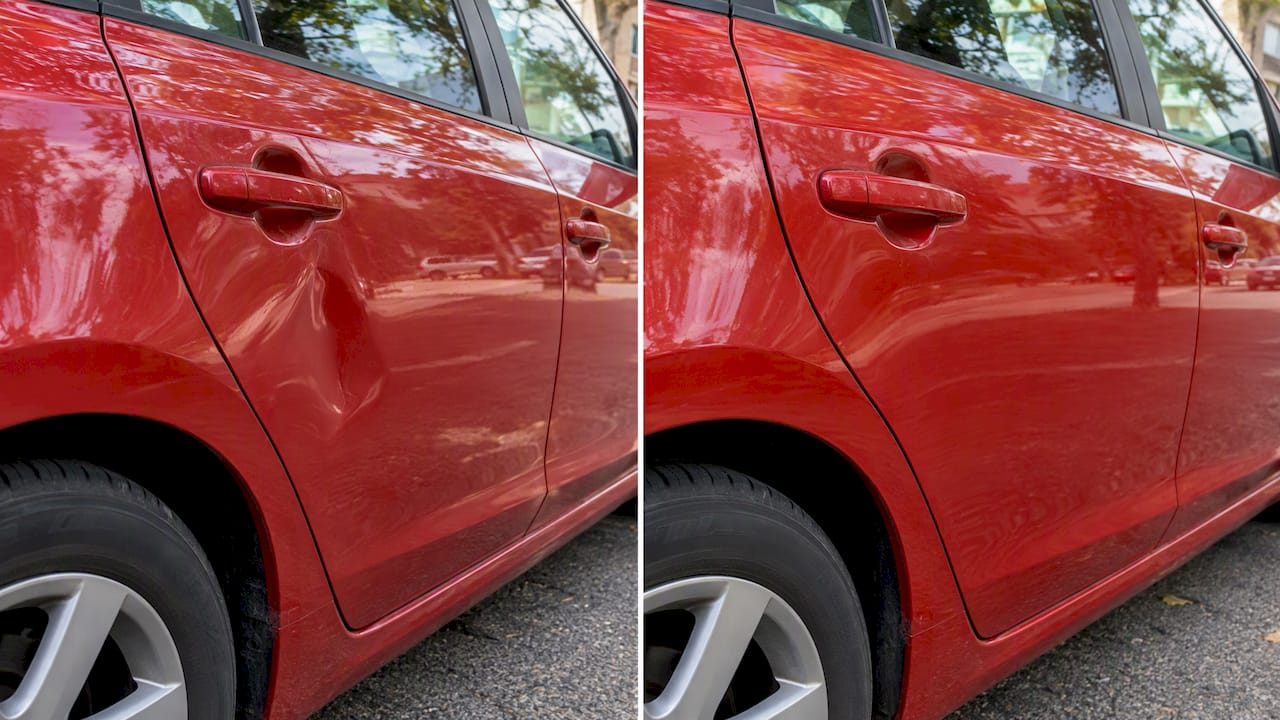
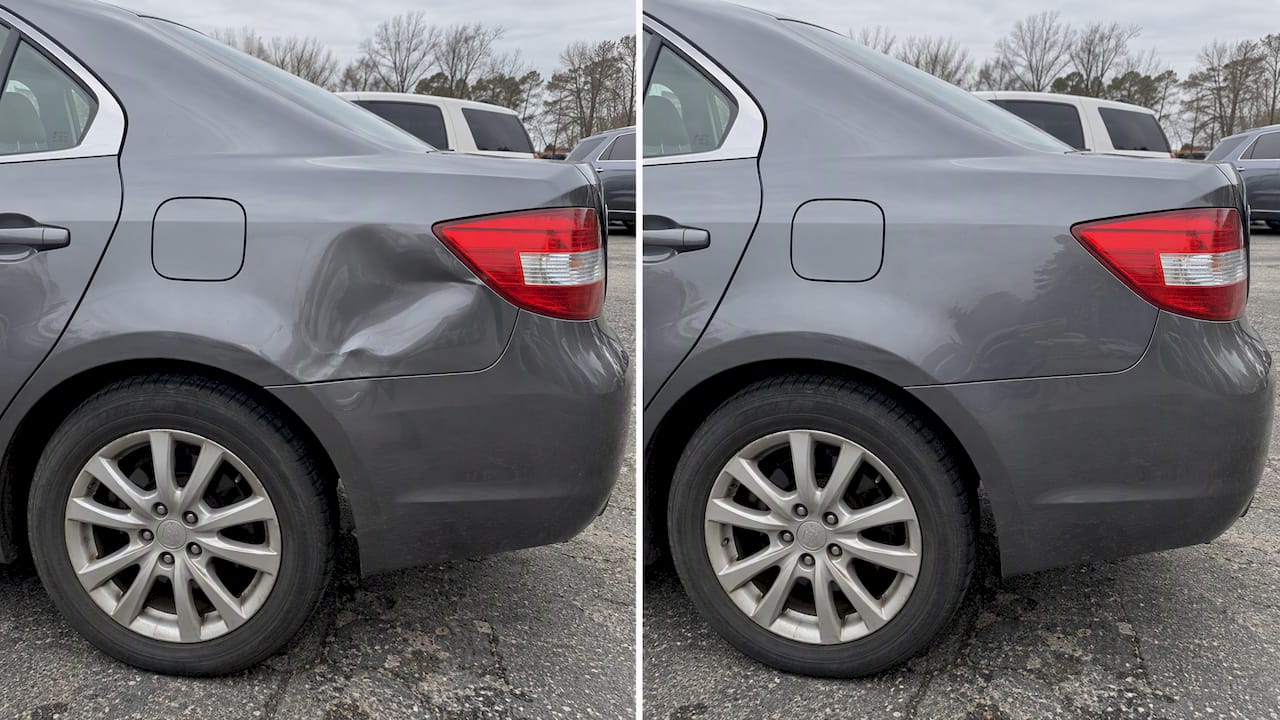
Whether you need paintless dent removal, plastic bumper repair, or a more involved collision fix, you get a full cost breakdown before any work begins. Our mobile service covers Contra Costa County and surrounding areas, so you do not have to rearrange your day around a shop visit. Take a look at a real example of our work and pricing transparency with this fender repair case and see what a fair, honest estimate looks like in practice. Call or message us to get your written quote today.
FAQ
What is an auto repair estimate?
An auto repair estimate is a written document listing the expected cost of parts, labor, and fees for a specific repair. It serves as a financial agreement between you and the shop before any work begins.
Can a shop charge more than the written estimate?
Most states cap cost overruns at 10% above the written estimate without your explicit approval. Any additional work discovered mid-repair requires your authorization before the shop can proceed.
What does flat-rate labor mean on an estimate?
Flat-rate labor means the shop charges a set number of hours per task based on industry guides like Mitchell or Chilton, regardless of how long the actual repair takes.
Should I get more than one estimate?
For any repair over $300, getting at least two written estimates is worth the time. Compare part types and labor hours, not just the bottom-line total.
What are shop supply fees on an estimate?
Shop supply fees cover small consumables like rags, lubricants, and solvents used during the repair. This fee should be capped and clearly listed as a separate line item on your estimate.