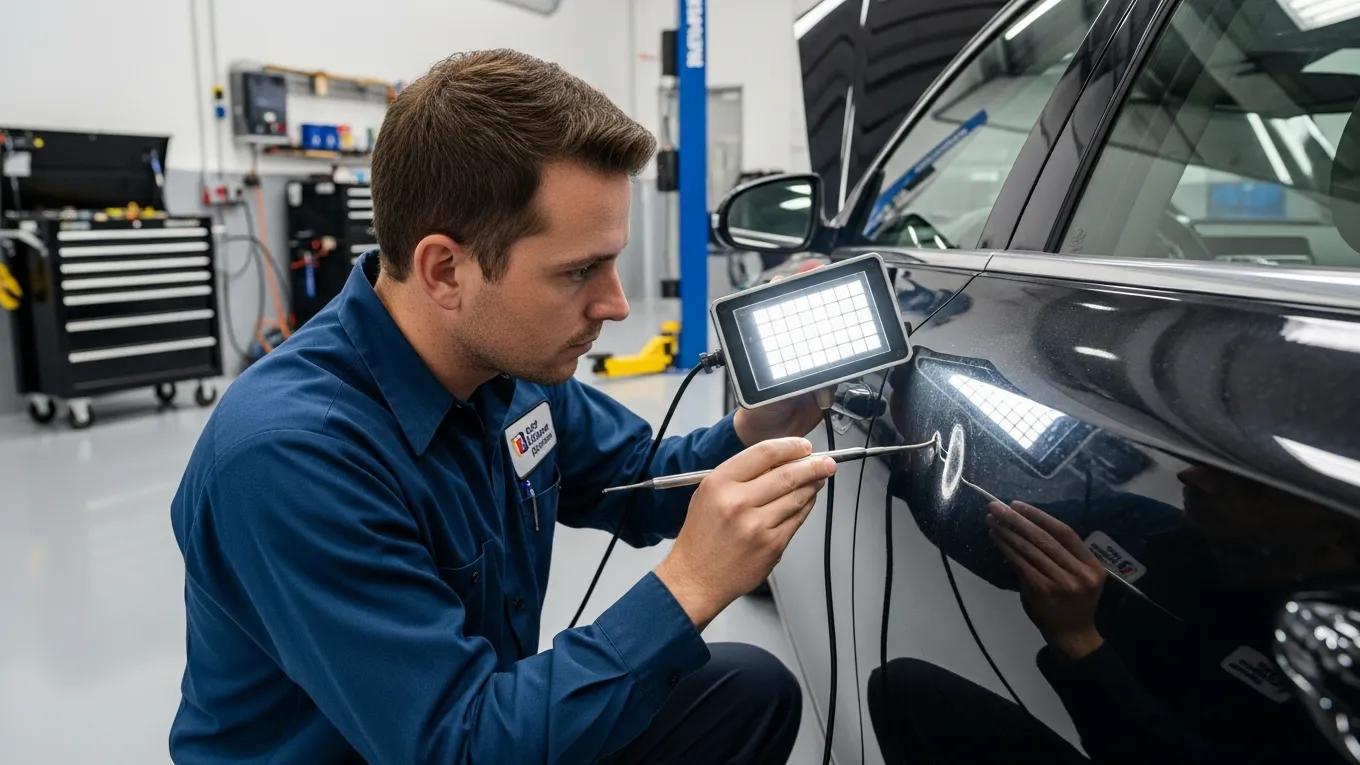
Understanding Paintless Dent Repair: Costs and Expert Methods
By Brian Blanc, Dent Erasers LLC
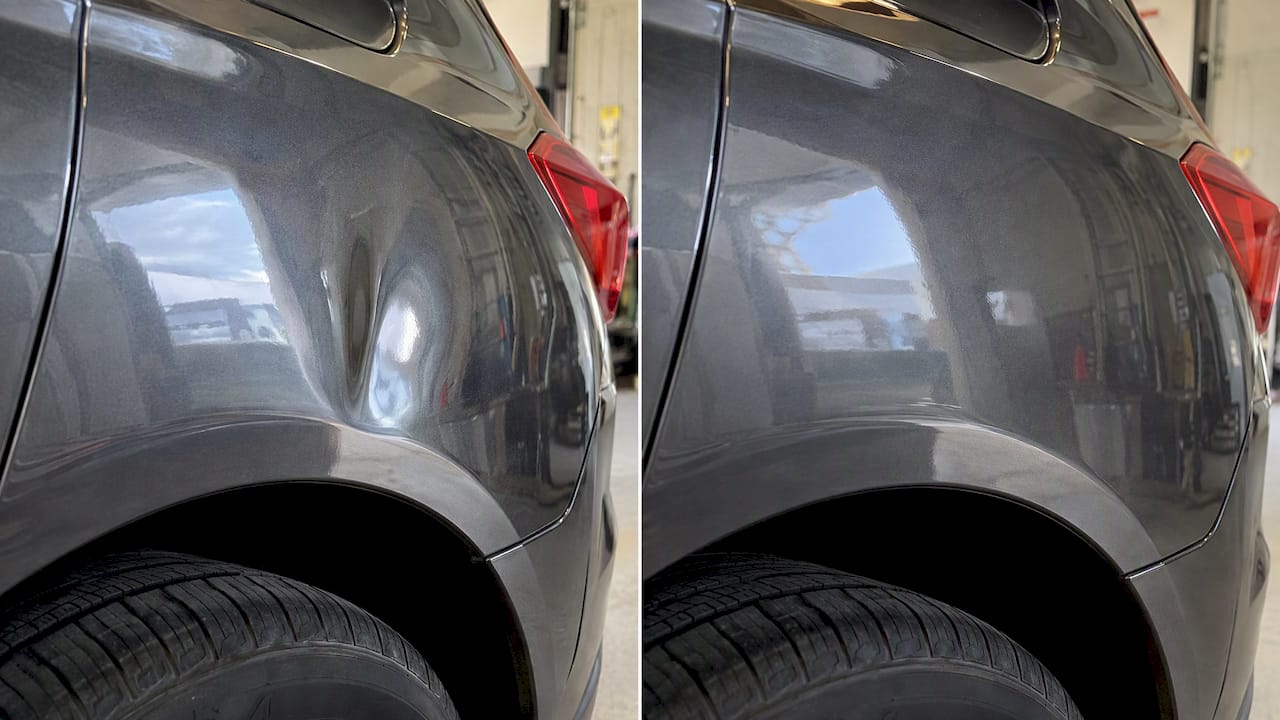
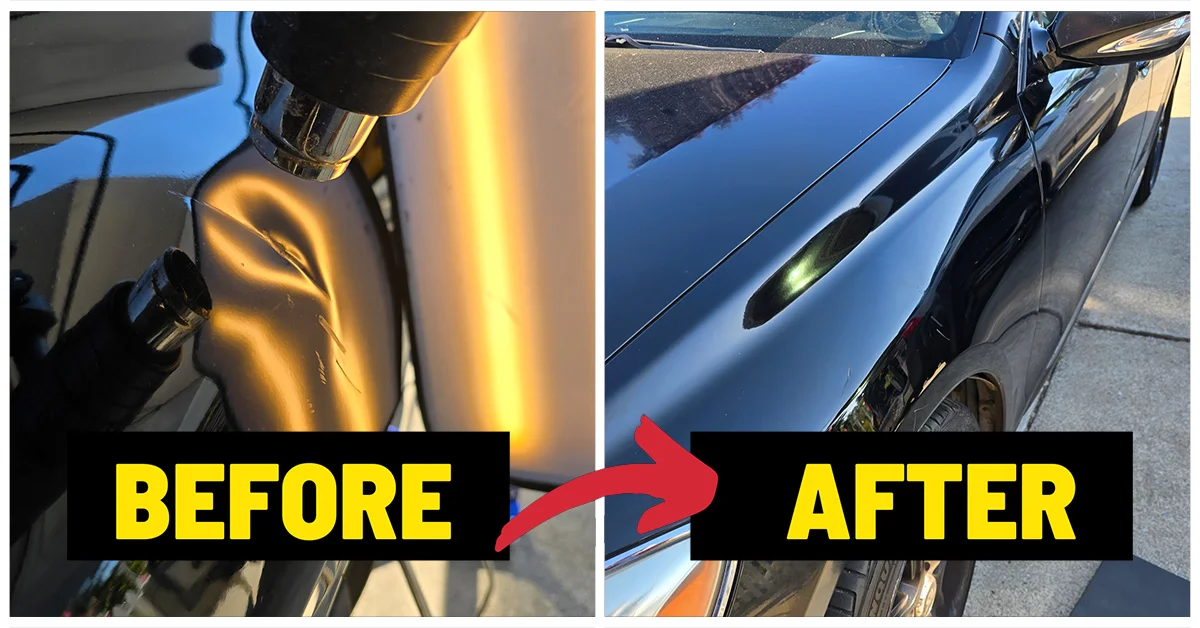
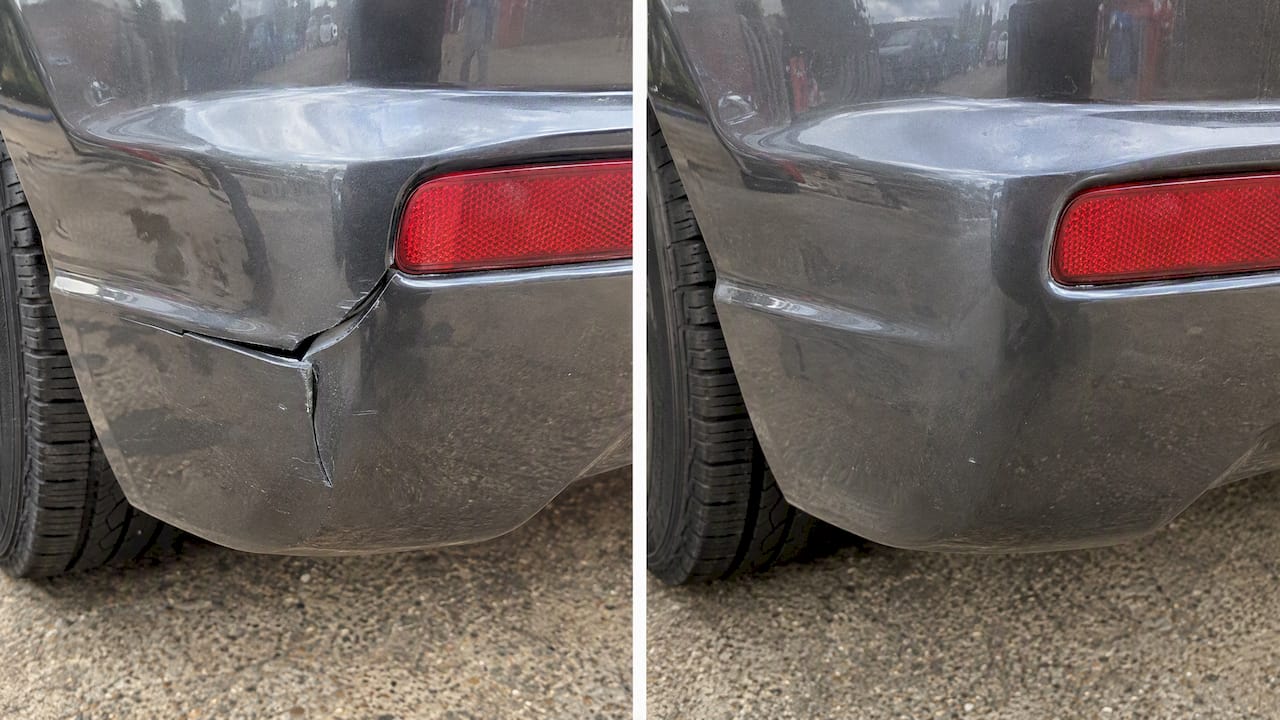
Paintless Dent Repair (PDR) restores dents without conventional bodywork, preserving the original paint and panel structure. This guide summarizes core PDR techniques, typical costs, maintenance advice, and how mobile services work so vehicle owners can make informed repair decisions.
The core principle of PDR lies in its non-destructive nature, a key aspect highlighted in recent research on automotive repair techniques.
Non-Destructive Automotive Repair Techniques
This paper reviews non-destructive techniques for damage identification and repair, and outlines processing steps relevant to automotive composites. It highlights methods that preserve existing surfaces while addressing structural damage.
Potential repair techniques for automotive composites: A review, VS Balakrishnan, 2018
Key Takeaways
- Paintless Dent Repair (PDR) fixes dents while preserving factory paint and structure.
- Push-to-paint is best for creases and larger dents with rear-panel access.
- Glue pulling removes shallow dents where back access is limited.
- Tap-down smooths raised edges and complements other PDR methods.
- Typical PDR costs range from $50 to $800; it often saves 30–50% versus traditional repair.
- Mobile PDR brings convenient on-site repairs to homes or workplaces.
- Professionals use dent rods, glue tabs, and tap-down tools for precise results.
- Post-repair care—washing, waxing, and avoiding tree parking—preserves results.
- Professional PDR generally yields better, faster outcomes than most DIY attempts.
Expert Solutions for Dent Repair Techniques:
PDR includes several targeted techniques. Choosing the right method depends on dent type, size, and panel access.
Push-to-Paint Technique
Technicians push the metal from behind the panel to restore creases and larger dents while keeping factory paint intact; many repairs are completed quickly when access is available.
Glue Pulling Method
Glue tabs attach to the dent and pull the metal outward—useful for door dings and shallow dents when rear access is limited.
Tap-Down Method
Tap-down tools smooth high spots and refine shape after pulling work; commonly used for hail damage and final blending.
Insights into the Costs of Services:
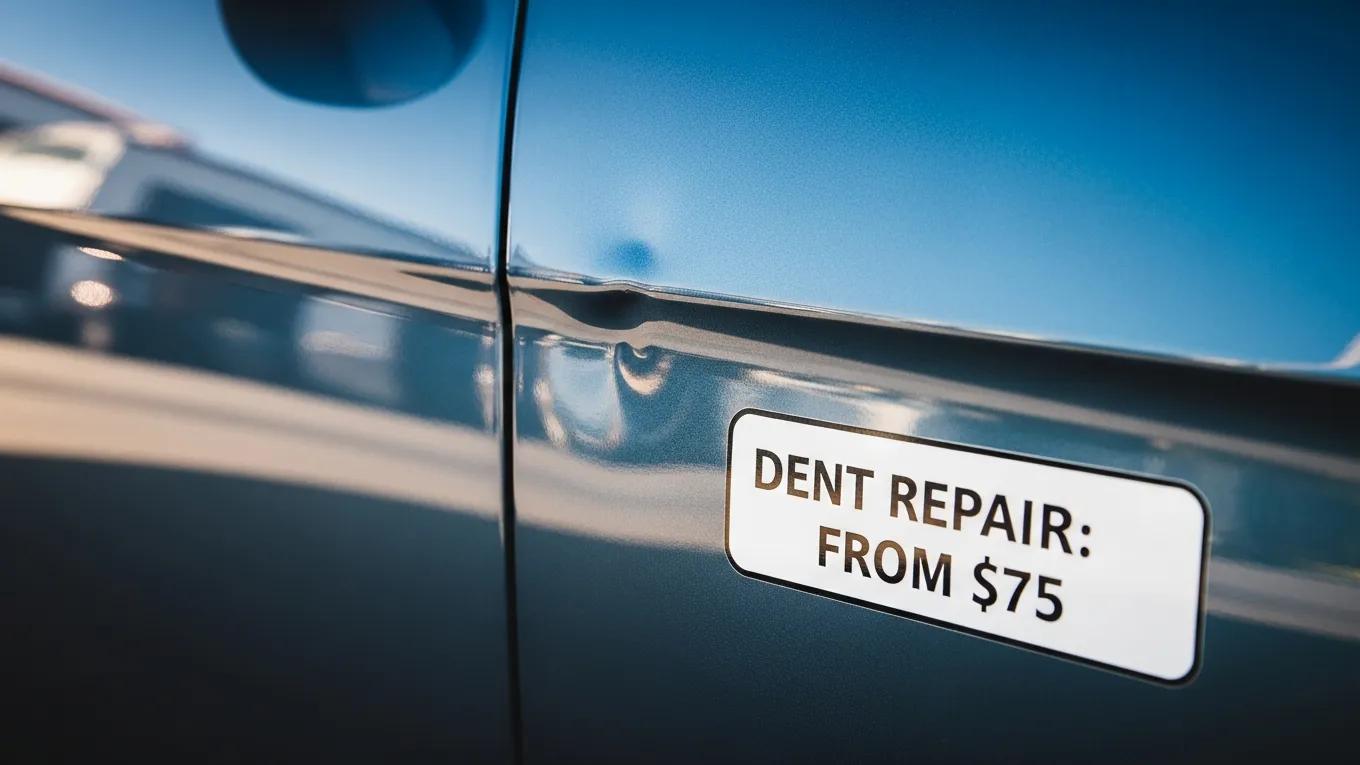
PDR pricing depends on dent size, location, vehicle material, and required technique. These variables influence labor and total time on the job.
Overall, PDR commonly ranges from about $75 to $800 and often costs significantly less than traditional repair because it avoids repainting and fillers.
Tips for Maintaining the Vehicle’s Appearance:
After PDR, simple maintenance prolongs the finish and helps protect the repair.
- Regular Washing: Remove dirt and contaminants that can dull paint.
- Waxing: Apply wax every few months to protect and add shine.
- Avoid Parking Under Trees: Prevent sap and droppings that damage paint.
Routine care keeps repairs and overall appearance in good condition.
What Is Paintless Dent Repair and How Does It Preserve Vehicle Value?
PDR restores a panel’s original shape without repainting, maintaining the factory finish and avoiding paint-matching issues that can reduce resale value.
Understanding the Paintless Dent Repair Process and Techniques
Technicians assess the damage, access the panel, then use tailored tools to manipulate metal back into shape. Skill and precision are required for a seamless finish.
How Paintless Dent Repair Maintains Original Vehicle Paint and Appearance
Because PDR avoids fillers and repainting, it eliminates color mismatch risk and preserves the vehicle’s aesthetic and market value.
What Are the Typical Costs and Timeframes for Paintless Dent Repair?
Use dent-size ranges to estimate time: small dents (1–2 hours), medium (2–4 hours), larger repairs (up to several hours). These ranges help plan budgets and scheduling.
Knowing the factors that affect cost and time helps you choose the most appropriate repair path.
Factors Influencing Dent Repair Cost and Time Estimates
Key considerations include dent size and depth, vehicle material, and dent location—especially if access is restricted. These determine the technique and labor involved.
- Dent Size and Depth: Larger or deeper dents need more work.
- Vehicle Material: Aluminium or composites may need special handling.
- Location of the Dent: Hard-to-reach areas increase labor time.
Account for these variables when requesting an estimate.
How Paintless Dent Repair Offers Cost Savings Compared to Traditional Methods
PDR reduces materials and labor by avoiding repainting and fillers, and faster turnaround often lowers the total cost and inconvenience.
How Do Mobile and On-Site Paintless Dent Repair Services Enhance Convenience?
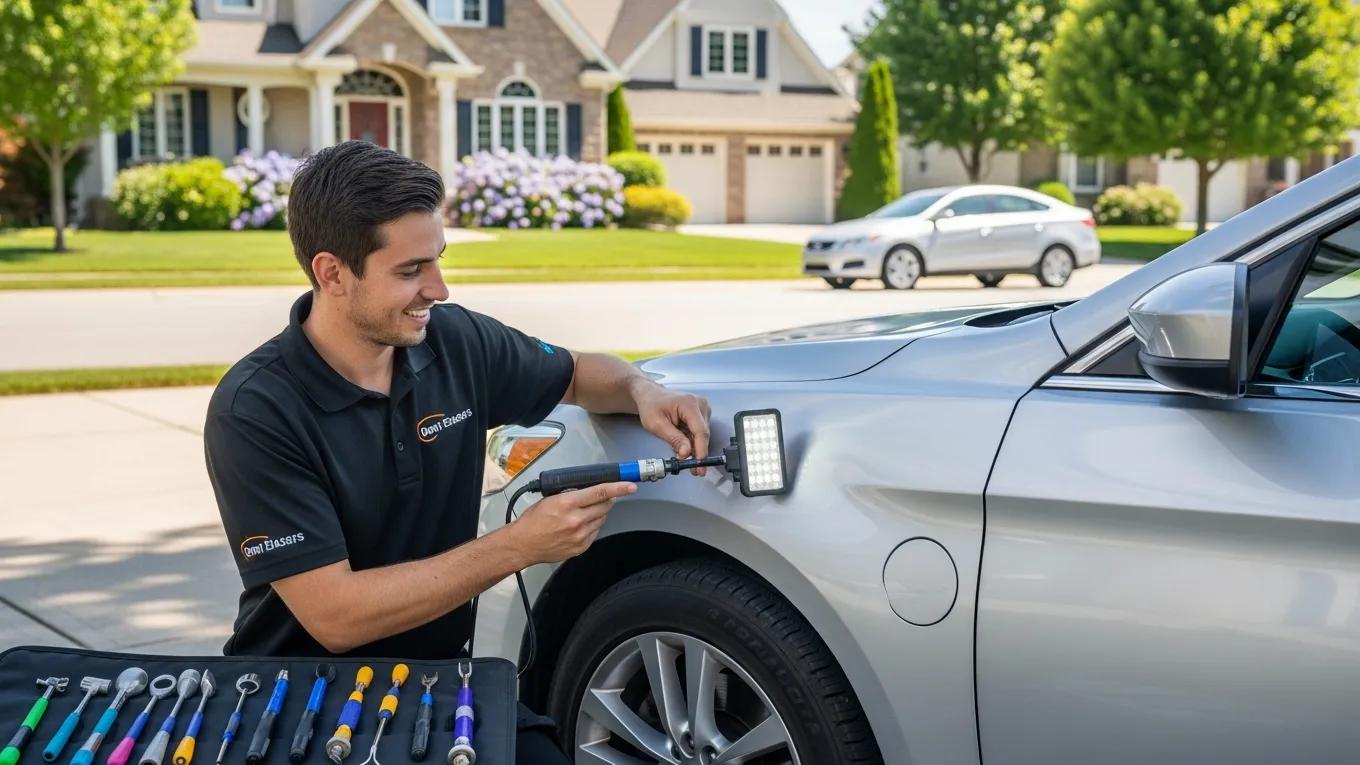
Mobile PDR brings technicians to your location, saving transport time and minimizing disruption—ideal for busy owners who prefer on-site service.
Benefits of Mobile Dent Repair Services in Contra Costa County
Local mobile services offer scheduling flexibility and on-site convenience that many customers prefer over visiting a shop.
- On-Site Service: Technicians work at your home or workplace.
- Quick Booking Process: Appointments are easy to schedule.
- Customer Satisfaction: Many clients value the convenience and quality.
These traits make mobile PDR an attractive option for local vehicle owners.
Booking and Free Estimate Process for On-Site Paintless Dent Repair
Booking is straightforward: request a quote, choose mobile or in-shop service, and schedule an appointment. Clear steps help plan the repair efficiently.
- Request a Quote: Contact the provider for an estimate based on dent size and location.
- Choose Service Type: Decide between mobile or in-shop repair.
- Schedule an Appointment: Pick a convenient time for the technician.
For inquiries, you can reach Dent Erasers LLC at (510) 773-9900 or via email at denterasersllc@gmail.com.
Which Tools and Techniques Are Used in Professional Paintless Dent Removal?
Professional PDR uses specialised tools chosen for the dent type and access constraints to deliver consistent results.
- Dent Removal Rods: Push and shape metal from behind the panel.
- Glue Pulling Kits: Pull shallow dents where rear access is limited.
- Tap Down Tools: Smooth raised areas and refine the finish.
These tools are essential to achieve high-quality paintless dent repair.
The effectiveness of these specialized tools is further underscored by ongoing research into their design and efficiency.
Paintless Dent Remover Design & Efficiency
This study presents a paintless dent remover designed to work without removing paint. It highlights angular working capability that increases the effective span of repair and improves efficiency.
Design & Development of Dent Remover without Removal of Paint, MZ Khan, 2025
Comparing DIY Methods Versus Professional Paintless Dent Repair Services
DIY attempts may work on trivial dents, but trained technicians provide more reliable, consistent results and reduce risk of stretched metal or paint damage.
- Effectiveness: Pros achieve better cosmetic outcomes.
- Time Efficiency: Professionals complete repairs faster.
- Quality Assurance: Reputable providers offer consistent results and warranties.
For best results, consider professional PDR for most dents.
Frequently Asked Questions
What types of dents are best suited for paintless dent repair?
PDR works best for minor dents, dings and creases that have not cracked the paint—typical examples are door dings and hail marks that are accessible from behind the panel.
How long does the paintless dent repair process typically take?
Repair time varies by size and location: small dents often take 1–2 hours, medium dents 2–4 hours, and larger repairs may take longer depending on complexity.
Can paintless dent repair be performed on all vehicle types?
PDR is suitable for many vehicles but depends on panel material and access; steel panels are the easiest, while aluminium and composites may need specialist handling.
What should I do if my vehicle has a dent after a hailstorm?
Seek a prompt PDR assessment—many hail dents are repairable with PDR. Avoid DIY attempts that can worsen damage; get a professional estimate for scope and cost.
Are there any risks associated with paintless dent repair?
When performed by experienced technicians, PDR is low risk. Inexperienced work can stretch metal or damage paint, so choose a reputable provider and check reviews or references.
How can I find a reliable paintless dent repair service?
Search local providers and review feedback on platforms like Google or Yelp, ask for recommendations, and contact technicians to discuss experience, methods and warranties.
Conclusion
Paintless Dent Repair (PDR) is an efficient, cost-effective way to restore minor dents while preserving factory paint and panel value. Understand techniques, costs and maintenance options, and prefer professional or mobile PDR when quality and resale value matter. Contact our team for a clear estimate and reliable service.