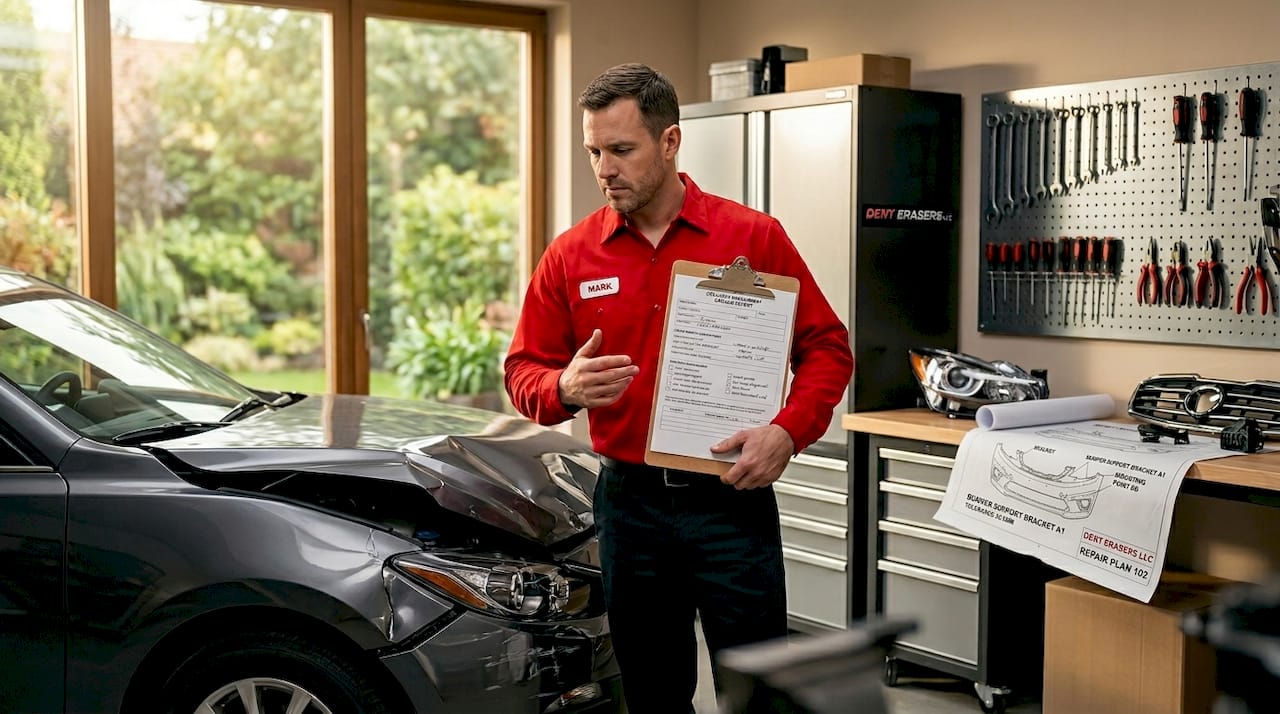
Collision damage is categorized into three distinct types: cosmetic, structural, and hidden damage, each carrying different safety and cost implications. Understanding these categories matters because a fender scuff and a bent frame require completely different repair approaches, and confusing the two can cost you thousands. Modern vehicles add another layer of complexity through systems like Advanced Driver Assistance Systems (ADAS), which can be knocked out of calibration without a single warning light appearing on your dashboard. Knowing the examples of collision damage your vehicle may have sustained is the first step toward getting the right repair at the right price.
1. Common cosmetic collision damage examples
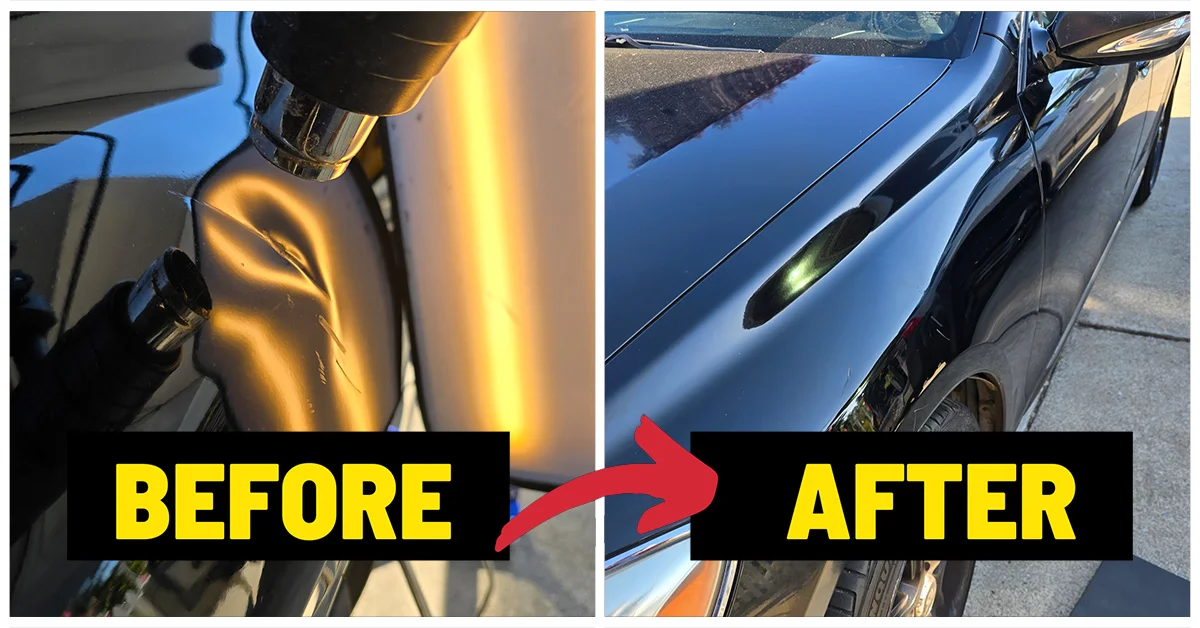
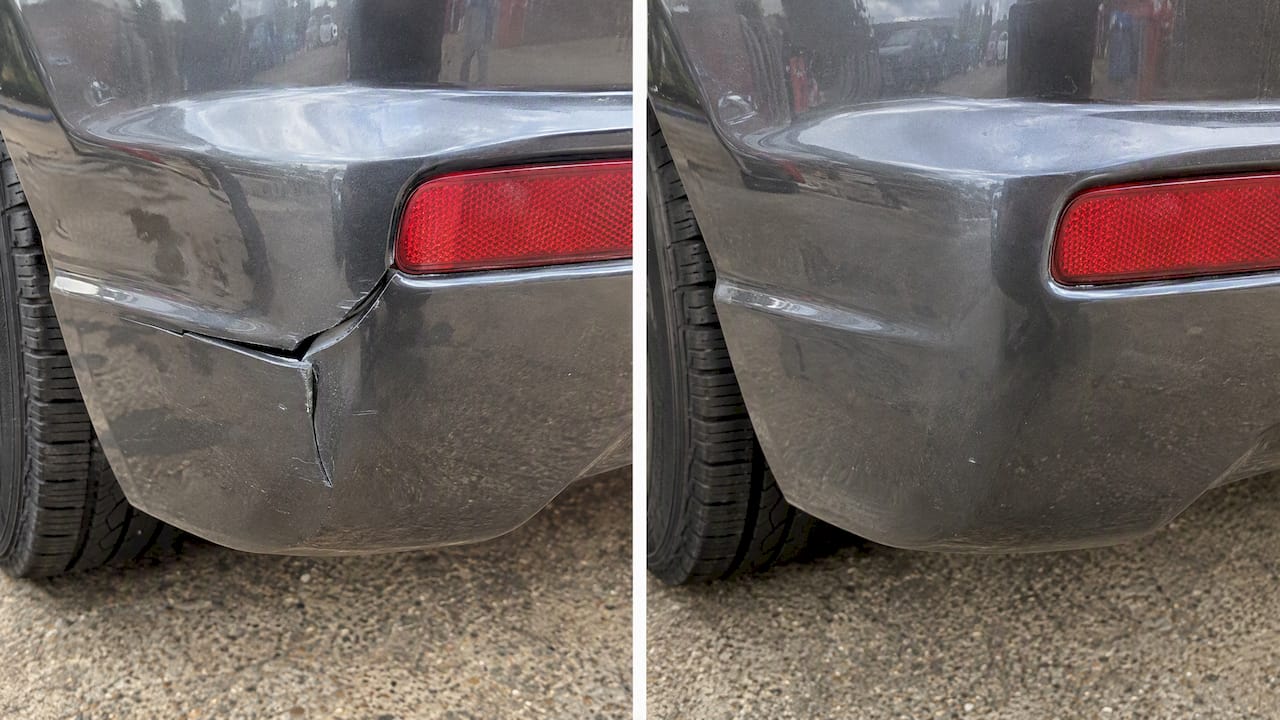
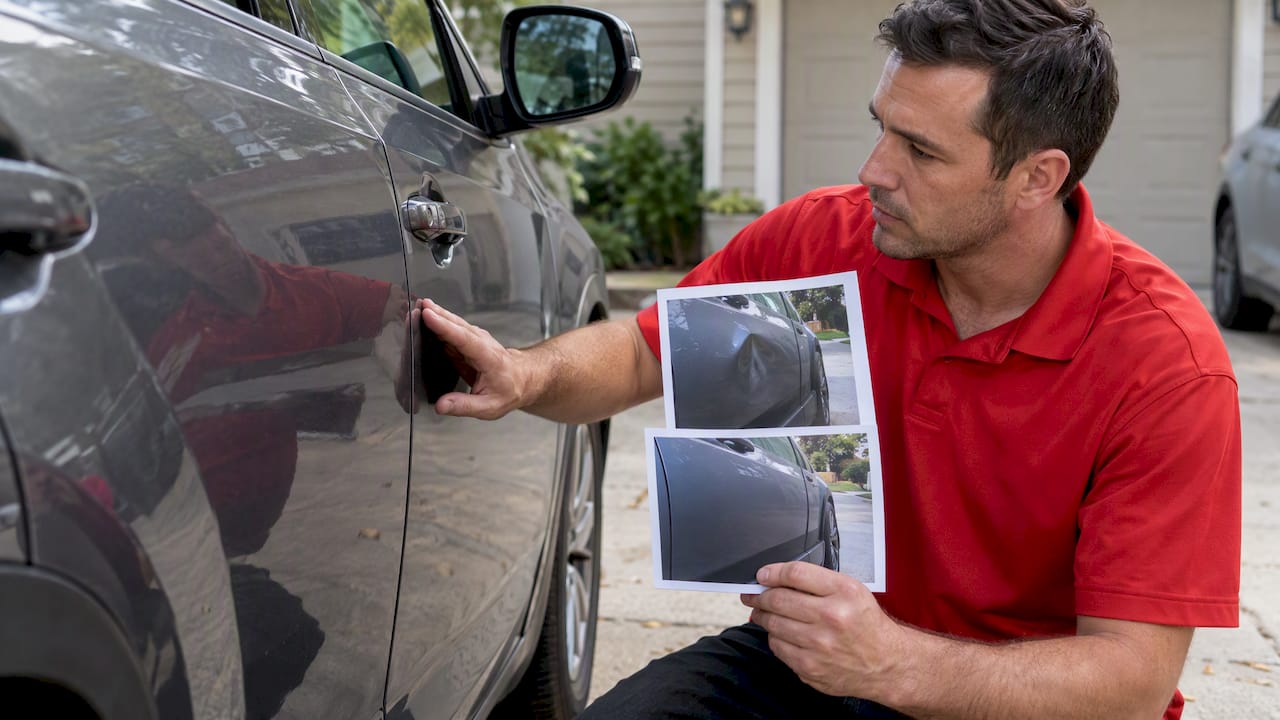
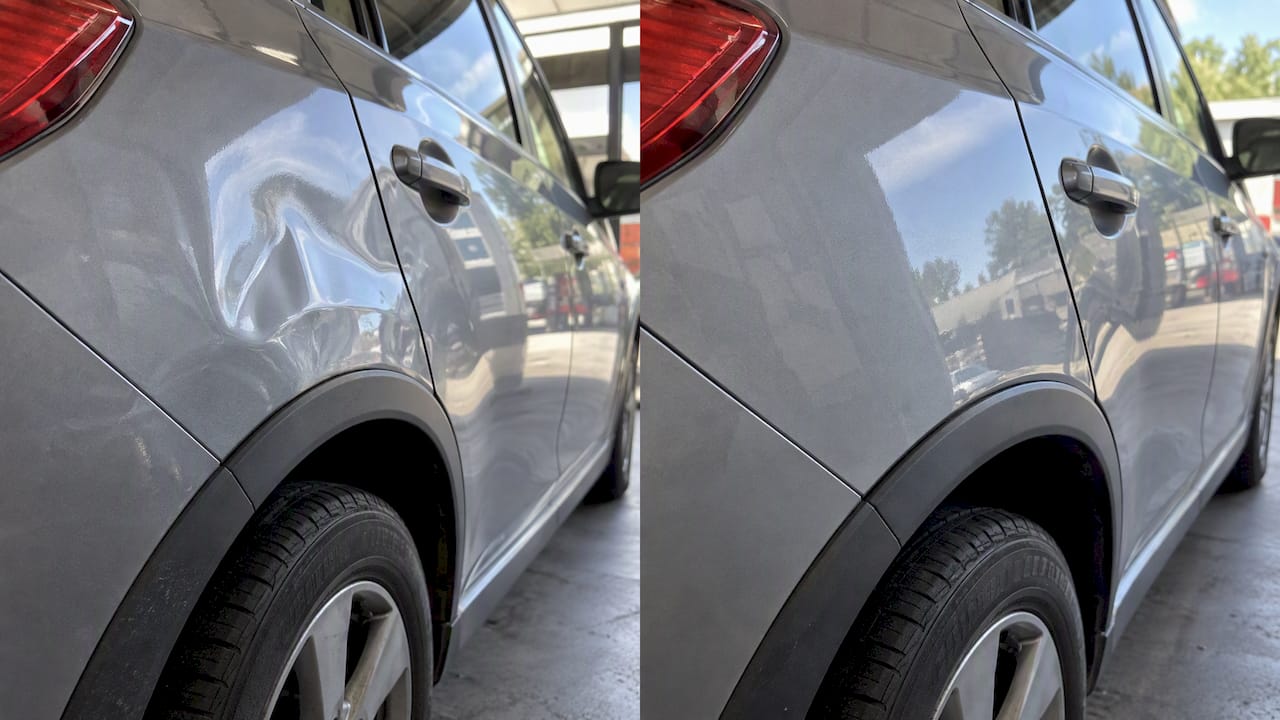
Cosmetic damage is the most visible category of vehicle collision damage and covers anything that affects appearance without compromising the vehicle’s structural integrity. These are the damages you can see standing in a parking lot: scratches, paint chips, minor dents, door dings, scuffs on bumper covers, and cracked side mirrors. They look bad, but they do not affect how the car drives.
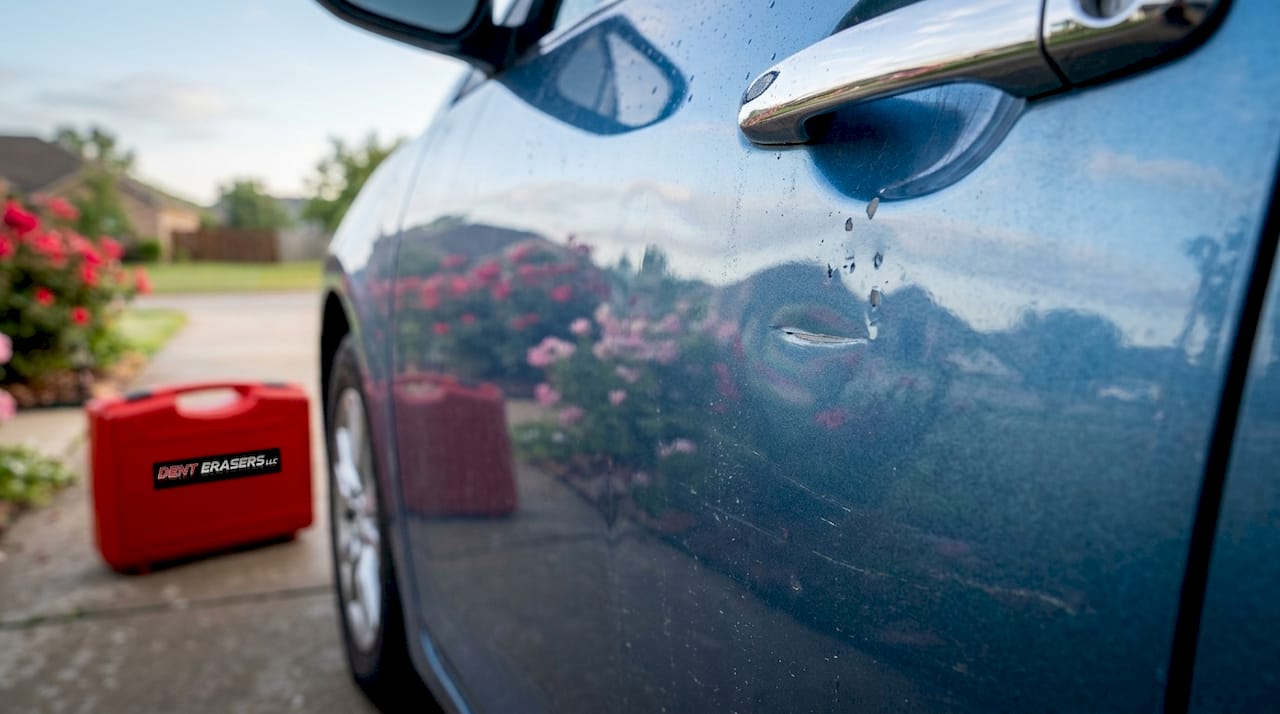
What many owners miss is that cosmetic damage carries a hidden risk. Small dents that crack paint expose bare metal directly to moisture and road salt, which accelerates corrosion. A $150 dent repair ignored for a season can become a $900 rust repair by spring.
Common cosmetic damage types and typical repair approaches:
- Scratches and paint chips: Clear coat or paint touch-up; deeper scratches may require wet sanding and respray
- Minor dents and dings: Paintless dent repair (PDR) when paint is intact; body filler and repaint when paint is broken
- Bumper scuffs and cracks: Plastic bumper repair or full bumper replacement depending on crack depth
- Side mirror damage: Mirror glass replacement or full mirror housing swap
- Panel surface dents: PDR for shallow dents with good metal memory; conventional body repair for work-hardened or creased metal
Pro Tip: Address paint-breaking dents within 30 days. Once moisture reaches bare metal, PDR is no longer an option and your repair bill climbs significantly.
2. Examples of structural collision damage
Structural damage involves the vehicle’s frame, chassis, and safety-critical components. This is the category that directly affects how your car protects you in a future crash. Bent frames and suspension misalignment are the two most common structural outcomes, and both influence tire wear, steering response, and overall handling in ways you may not notice until something goes seriously wrong.
Crumple zones are engineered to absorb crash energy by deforming in a controlled pattern. Once a crumple zone has done its job, that section of the vehicle no longer provides the same protection in a second impact. This is why a car that “looks fine” after a moderate collision may actually be significantly compromised.
The table below compares common structural and cosmetic damage side by side to clarify the difference in severity and repair complexity.
| Damage type | Category | Repair complexity | Safety impact |
|---|---|---|---|
| Paint chip or scratch | Cosmetic | Low | None |
| Minor dent (paint intact) | Cosmetic | Low | None |
| Bent frame rail | Structural | High | Critical |
| Crumple zone deformation | Structural | High | Critical |
| Suspension misalignment | Structural | Moderate to high | Significant |
| Chassis twist | Structural | Very high | Critical |
Rear-end collisions are the most common crash type in the United States, with about 1.7 million annually. That volume matters because rear impacts frequently cause suspension and frame damage that looks minor from the outside but requires professional frame straightening equipment to diagnose and correct.
Pro Tip: After any collision that moves your vehicle more than a few feet, get a professional frame and alignment check before driving long distances. Structural issues worsen with mileage.
3. Examples of hidden collision damage and why they matter
Hidden damage is the most dangerous category because it produces no obvious visual cues. Collision repair professionals stress diagnosing invisible damage beyond visible dents, using electronic scans and physical tests to confirm that safety-critical systems are functioning within factory specifications. A car can pass a visual inspection and still have compromised wiring, a cracked sensor mount, or a transmission cooler line that is slowly leaking.
ADAS sensors are particularly vulnerable. Sensors can be off by millimeters yet still cause system errors in lane-keeping assist, automatic emergency braking, and blind-spot monitoring. The unsettling part is that these errors may never trigger a dashboard warning. You could be driving with a non-functional automatic braking system and have no idea.
Common hidden damage examples and the technology involved:
- Wiring harness damage: Frayed or severed connectors disrupt everything from power windows to ABS; requires full electrical diagnostic scan
- ADAS sensor misalignment: Radar, camera, and ultrasonic sensors need post-repair calibration using OEM-spec equipment
- Engine and transmission damage: Rear impacts can shift drivetrain mounts and crack fluid lines; symptoms appear gradually
- Fuel system damage: Tank or line damage from undercarriage impacts; a fire risk that may not show immediately
- Airbag system faults: Deployed or partially triggered airbag modules require full replacement and system reset
Modern vehicles require OEM-tolerant structural repair before ADAS recalibration. Skipping the structural step means calibrating sensors on a frame that is still out of spec, which defeats the purpose entirely.
Analyzing Collision Damage: Repair Costs and Safety Implications
Repair costs vary widely depending on whether the damage is cosmetic, structural, or hidden. Cosmetic repairs like PDR for a small dent typically run $75 to $300. Structural repairs involving frame straightening start around $600 and can exceed $3,000 for severe frame damage. Hidden damage repairs, particularly those involving ADAS recalibration and electrical diagnostics, add $200 to $1,500 on top of bodywork costs.
The safety implications of untreated structural or hidden damage are not theoretical. A misaligned frame affects how the vehicle distributes crash energy in a future collision, reducing the protection the crumple zones were designed to provide. Untreated suspension damage accelerates tire wear and can cause handling failures at highway speeds.
From an insurance perspective, the type of damage determines claim complexity. Cosmetic claims are straightforward. Structural and hidden damage claims require documented diagnostics, which is why professional collision repair documentation matters for both safety and resale value.
Pro Tip: Get a written damage assessment that separates cosmetic, structural, and hidden damage line items. This protects you during insurance negotiations and prevents shops from bundling costs.
5. How to identify and assess collision damage effectively
A thorough collision damage assessment combines what you can see with what a diagnostic scan reveals. Proper assessment includes visual checks, recognizing warning signs like abnormal noises and uneven tire wear, and professional diagnostic scans for hidden faults. Start with what you can observe, then escalate to professional evaluation.
Follow these steps after any collision:
- Walk the perimeter and photograph every panel, bumper, mirror, and wheel from multiple angles before moving the vehicle
- Check panel gaps between doors, hood, and trunk lid. Uneven gaps indicate frame shift even when panels look undamaged
- Inspect tires and wheels for bulges, cracks, or camber changes that signal suspension impact
- Listen during the first drive for new noises: clunking over bumps points to suspension damage, pulling to one side suggests alignment issues
- Watch for warning lights in the first 48 hours, particularly ABS, traction control, and lane assist indicators
- Request a full diagnostic scan at a certified shop, especially if the vehicle has ADAS features. Timely auto body repairs prevent small issues from compounding into larger ones
Self-checks cover cosmetic and obvious structural damage well. Hidden damage requires professional diagnostic equipment that reads fault codes from every module in the vehicle, not just the powertrain.
Key takeaways
Collision damage falls into three categories, and structural and hidden damage carry safety consequences that cosmetic damage does not.
| Point | Details |
|---|---|
| Three damage categories | Cosmetic, structural, and hidden damage each require different repair approaches and carry different costs. |
| Cosmetic damage risks | Paint-breaking dents left untreated cause corrosion that multiplies repair costs within months. |
| Structural damage severity | Bent frames and crumple zone damage compromise crash protection even when the car drives normally. |
| Hidden damage danger | ADAS sensors misaligned by millimeters can disable safety features without triggering any warning light. |
| Assessment sequence | Visual inspection first, then professional diagnostic scan, especially for vehicles with modern safety systems. |
What I’ve learned from years of assessing collision damage
After working on hundreds of vehicles across Contra Costa County, the pattern I see most often is owners underestimating what a “minor” collision actually did to their car. The cosmetic stuff is obvious. What gets people into trouble is the damage they cannot see.
I have worked on vehicles where the owner brought in what looked like a simple rear bumper scuff, and when we got into the repair, the bumper reinforcement bar was cracked and the trailer hitch mount had pushed into the rear floor pan. Nothing on the surface suggested that. The car drove fine. But that vehicle was not going to protect its occupants properly in a second rear impact.
The ADAS calibration issue is the one I want every driver to take seriously. Precision calibration and professional diagnostics are indispensable for restoring modern car safety features after collisions. A shop that does the bodywork but skips the sensor calibration step has not finished the job. Ask specifically whether calibration is included in your repair estimate. If the shop looks confused by the question, find a different shop.
My honest advice: treat any collision that leaves a mark as a reason to get a full assessment, not just a visual once-over. The cost of a diagnostic scan is a fraction of what you pay when hidden damage surfaces six months later as a failed safety system or a transmission problem.
— Brian
Let Denterasersllc handle your collision repair

At Denterasersllc, we handle everything from minor door dings to moderate collision repairs across Contra Costa County and surrounding areas. Our mobile paintless dent repair service means we come to you, preserving your factory finish without the wait of a traditional body shop. For more involved collision work, our team assesses cosmetic, structural, and hidden damage so nothing gets missed. Check out our seamless fender repair gallery to see the quality we deliver. If your vehicle took a hit and you want a straight answer about what it needs, reach out to us directly at denterasersllc.com.
FAQ
What are the main types of collision damage?
Collision damage falls into three categories: cosmetic (scratches, dents, paint chips), structural (frame damage, crumple zone deformation, suspension misalignment), and hidden (ADAS sensor disruption, wiring damage, internal mechanical issues). Each type requires a different repair approach and carries different cost and safety implications.
Can a car look fine but still have serious collision damage?
Yes. Hidden damage to wiring harnesses, ADAS sensors, and suspension components often produces no visible signs. Professional diagnostic scans are the only reliable way to confirm whether internal systems are functioning within factory specifications after a collision.
How much does collision damage repair typically cost?
Cosmetic repairs like paintless dent repair run $75 to $300. Structural frame repairs start around $600 and can exceed $3,000. Hidden damage repairs involving ADAS calibration and electrical diagnostics add $200 to $1,500 on top of standard bodywork costs.
Why does ignoring minor cosmetic damage matter?
Small dents that crack the paint expose bare metal to moisture, which causes corrosion. A minor cosmetic repair addressed promptly costs far less than treating rust damage that develops when the same dent is left untreated for months.
Do ADAS sensors need recalibration after a collision?
Yes. ADAS sensors including radar, cameras, and ultrasonic units require precise recalibration after any collision repair. Sensors misaligned by even a few millimeters can disable lane-keeping assist or automatic emergency braking without triggering a dashboard warning.