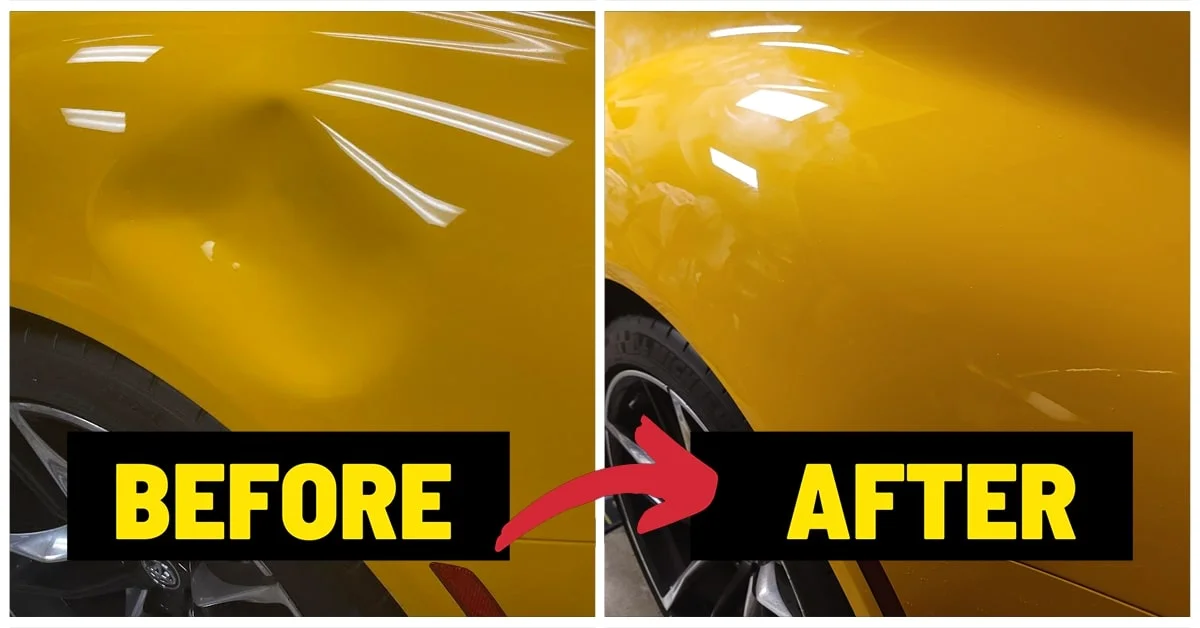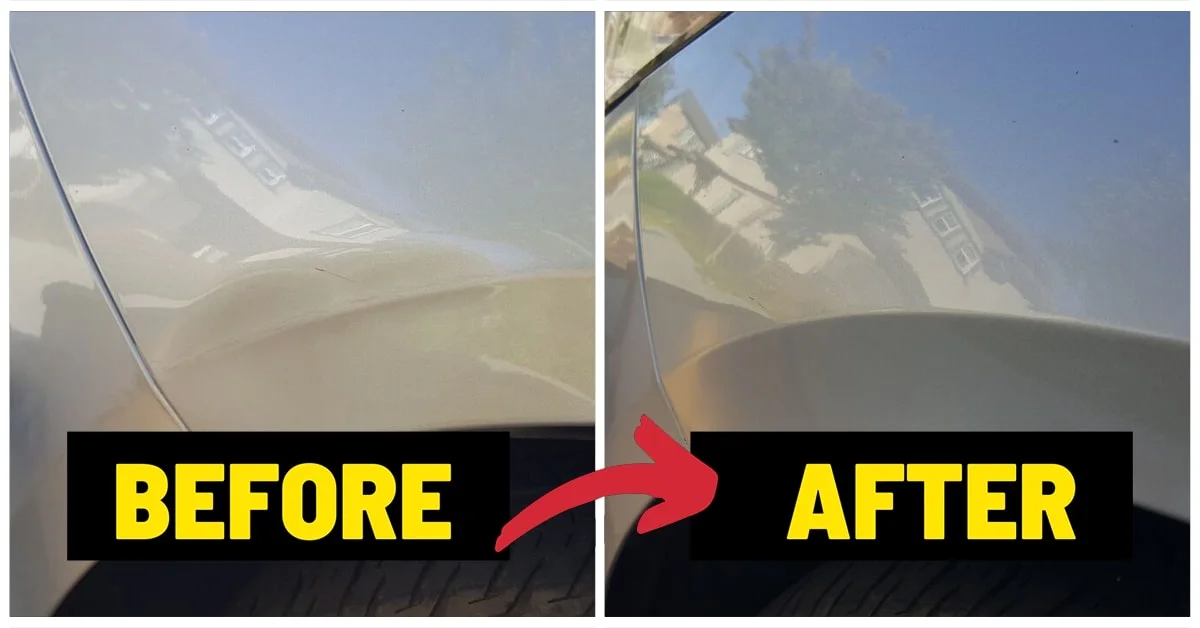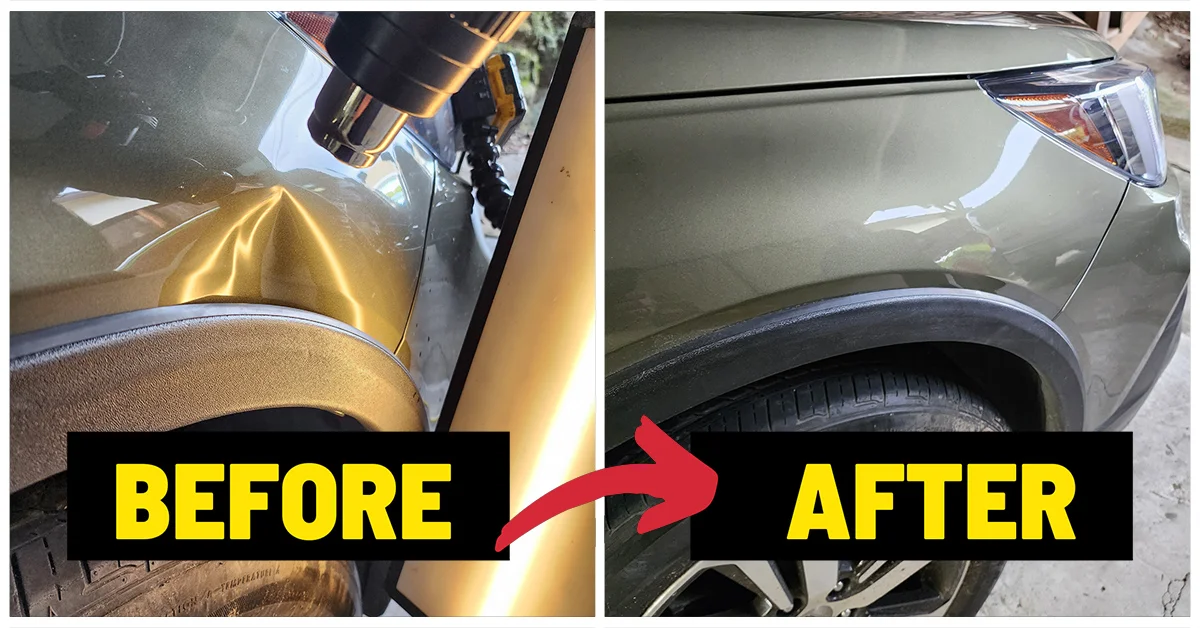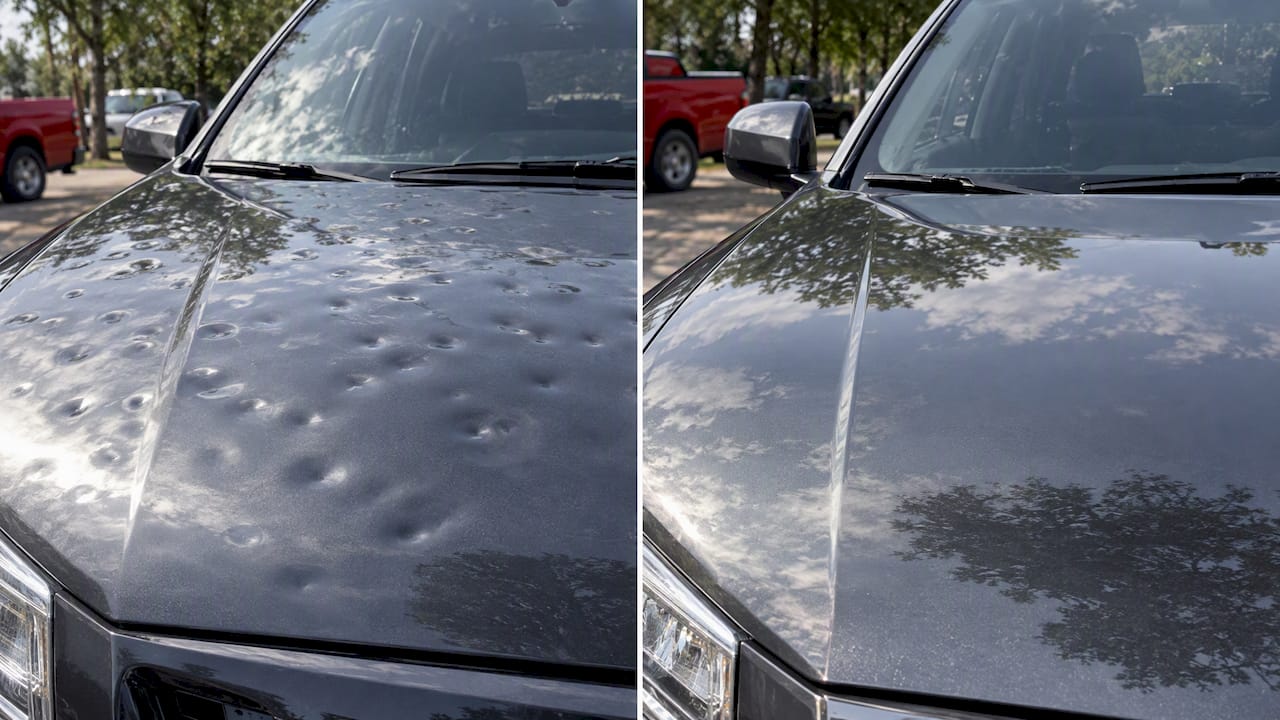
Most hail dent repairs typically range in price, with paintless dent repair often charged per dent, minor damage commonly costing a few hundred to around a thousand dollars, and severe multi-panel damage costing several thousand dollars or more. If your written estimate lands near or below your comprehensive deductible, paying out of pocket usually makes more sense than filing a claim. Either way, your first move is the same: document the damage and get a written PDR estimate before you decide anything else.
TL;DR:
- Repair costs for hail dents depend heavily on dent size, depth, location, and whether the paint or clear coat is damaged, with severe damage often exceeding several thousand dollars.
- Estimators should list costs per dent to identify possible overpricing, especially when multiple dents are involved or near difficult-to-access panel areas.
- Filing an insurance claim makes sense only if the repair estimate significantly exceeds your comprehensive deductible, as minor damage may be cheaper to pay out-of-pocket.
- Paintless dent repair is only suitable for undamaged paint and becomes ineffective on complex dents near edges, creases, or with cracked finishes, requiring traditional bodywork.
- Documentation like photos, VIN, and detailed estimates help secure fair repair costs, whether paying out of pocket or filing an insurance claim.
Table of Contents
- Price ranges for common hail damage scenarios
- Why hail repair estimates vary so much
- PDR versus body shop work versus windshield repair
- How your deductible decides whether you should file a claim
- Documenting damage and getting a reliable written estimate
- What to expect from Denterasers LLC
- Costs beyond the repair bill itself
- Choosing between paying out of pocket and filing a claim
- Get a written estimate from Denterasers LLC
- Sources
- FAQ
Price ranges for common hail damage scenarios
Hail damage pricing follows a predictable pattern once you understand how shops count dents versus panels. A single quarter-size dent on a hood or roof, repaired with paintless dent repair, typically runs in that same $75 to $250 per dent window depending on size and how hard the panel is to access from behind, a range that background industry pricing suggests holds across most 2026 guides. Multiply that by dent count and the math gets real fast.
Here’s how that typically breaks down by severity:
- Minor damage (a handful of small dents on one or two panels): $300 to $1,000 total.
- Moderate damage (dozens of dents across the hood, roof, and trunk): $1,000 to $3,000 total.
- Severe damage (deep dents, high counts across every panel, or damage on both sides of the vehicle): $3,000 and up.
Those figures assume the paint is undamaged. Once a dent has cracked the clear coat or paint, or sits on a sharp body line, PDR alone won’t finish the job, and you’re looking at body filler, blending, and repainting on top of the dent work, which pushes per-panel costs toward the higher end of that moderate to severe range. Windshield damage is billed separately from body panels entirely, and we’ll get to that in the repair methods section below.
Why hail repair estimates vary so much
Two cars with “similar” hail damage can get wildly different quotes, and the reasons come down to a few mechanical realities of the repair process.
- Size and depth: A shallow, wide dent is often easier to massage back into shape than a small, deep one, because the metal on a sharp dent has already work-hardened and resists returning to its original curve.
- Location matters: Dents near panel edges, creases, or seams require more careful tool access and sometimes can’t be reached from behind at all, which pushes the job toward body filler or panel replacement.
- Quantity changes the math: Shops often quote high dent counts at a lower blended rate per dent than a single isolated dent, since setup and access time gets spread across more repairs.
- Materials complicate access: Aluminum panels, truck beds, and high-end factory finishes can require different tools and more careful technique, which adds labor time.
- Existing paint damage disqualifies PDR: If the finish is already cracked, chipped, or was repainted after a prior repair, paintless methods may not hold, and traditional bodywork becomes the only real option.
Pro Tip: Ask any shop quoting your repair to separate their price into per-dent line items rather than one lump sum. You’ll spot overpricing faster, and you’ll know exactly what you’re paying for.
PDR versus body shop work versus windshield repair
Paintless dent repair works by accessing the backside of a panel and gently massaging the metal back into its original shape, without cutting, sanding, or repainting. State Farm explains that PDR removes dents without disturbing the finish and is suitable specifically when the factory paint is intact, which is why it preserves the original finish and typically costs less than panel replacement.
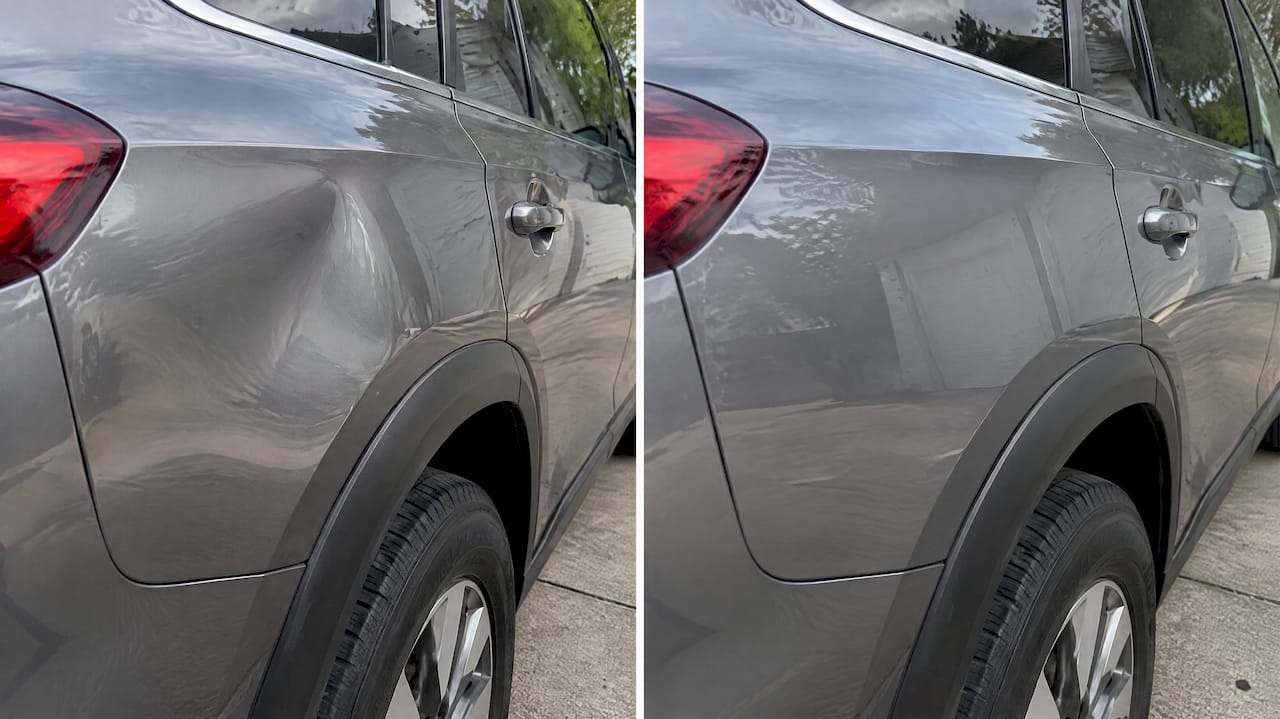
Once paint is cracked, a crease is too sharp, or a dent sits right on a body line, PDR stops being viable. At that point you’re into traditional body shop territory: filler, sanding, primer, paint, and clear coat, often with a color-match blend into neighboring panels to hide the repair. That work costs more and takes longer, sometimes days instead of hours, because paint needs to cure between stages.
Windshield damage follows its own track entirely:
- Chip repair is a quick resin injection job, usually completed in under an hour.
- Full replacement is needed when cracks spread beyond a small chip or sit in the driver’s sightline.
Glass claims are frequently handled under a separate, often deductible-free provision in many comprehensive policies, so ask your insurer how your specific policy treats windshield damage before assuming it’s bundled with your body panel deductible.
How your deductible decides whether you should file a claim
Comprehensive coverage is the piece of your policy that pays for hail damage, not collision coverage, which only applies to at-fault crashes. Comprehensive deductibles commonly range from $100 to $2,000, and that number is the real decision point for every hail repair.
Here’s the practical sequence:
- Get a written estimate first. Progressive recommends comparing a professional PDR quote against your deductible before contacting your insurer.
- Compare the number to your deductible. If the estimate is close to or below what you’d pay out of pocket anyway, filing a claim buys you little.
- File when the gap is meaningful. If repairs clearly exceed your deductible by a real margin, a claim is usually the better financial move.
- Know you can choose your shop. Insurers often list preferred repair facilities, but you generally retain the right to select where your car gets fixed.
One more thing worth knowing: comprehensive claims for events like hail are generally less likely to raise your premium than an at-fault collision claim, since insurers tend to treat weather damage as outside your control.
Documenting damage and getting a reliable written estimate
Good documentation protects you whether you file a claim or pay out of pocket, and it takes less time than most owners expect.
- Shoot wide shots of every panel in daylight, then close-ups of individual dents with something for scale.
- Capture your VIN and license plate in at least one frame so the photos are clearly tied to your vehicle.
- Timestamp everything, ideally right after the storm, before any further weather or road debris adds confusion.
- Request an itemized written estimate that lists dent counts per panel, per-dent pricing, and any panel work called out separately, a step consumer guidance on verifying repair estimates strongly recommends before authorizing any work.
- Get two or three estimates if the damage is extensive, and compare line items rather than just the bottom number. Watch for shops that quote panel replacement where a PDR specialist would simply work the dents out.
Pro Tip: A legitimate PDR estimate should show dent counts and per-dent rates, plus a clear explanation of any exceptions where panel replacement is recommended instead of repair.
Mobile inspections typically take 20 to 40 minutes on-site, and many PDR repairs are completed the same day once scheduled.
What to expect from Denterasers LLC
We handle mobile paintless dent repair, large and minor dent jobs, and insurance claim assistance, matching common hail scenarios from a single dent to full multi-panel damage. The process preserves factory paint using onsite techniques, and every job starts with a written estimate before work begins.
Costs beyond the repair bill itself
The repair invoice isn’t always the whole story. If your car needs several days in a shop for paint and panel work, rather than a same-day mobile PDR appointment, you may need a rental car, and not every policy includes rental reimbursement automatically. Check whether your comprehensive coverage includes rental car benefits before you assume it’s covered, since some policies require a separate rider.
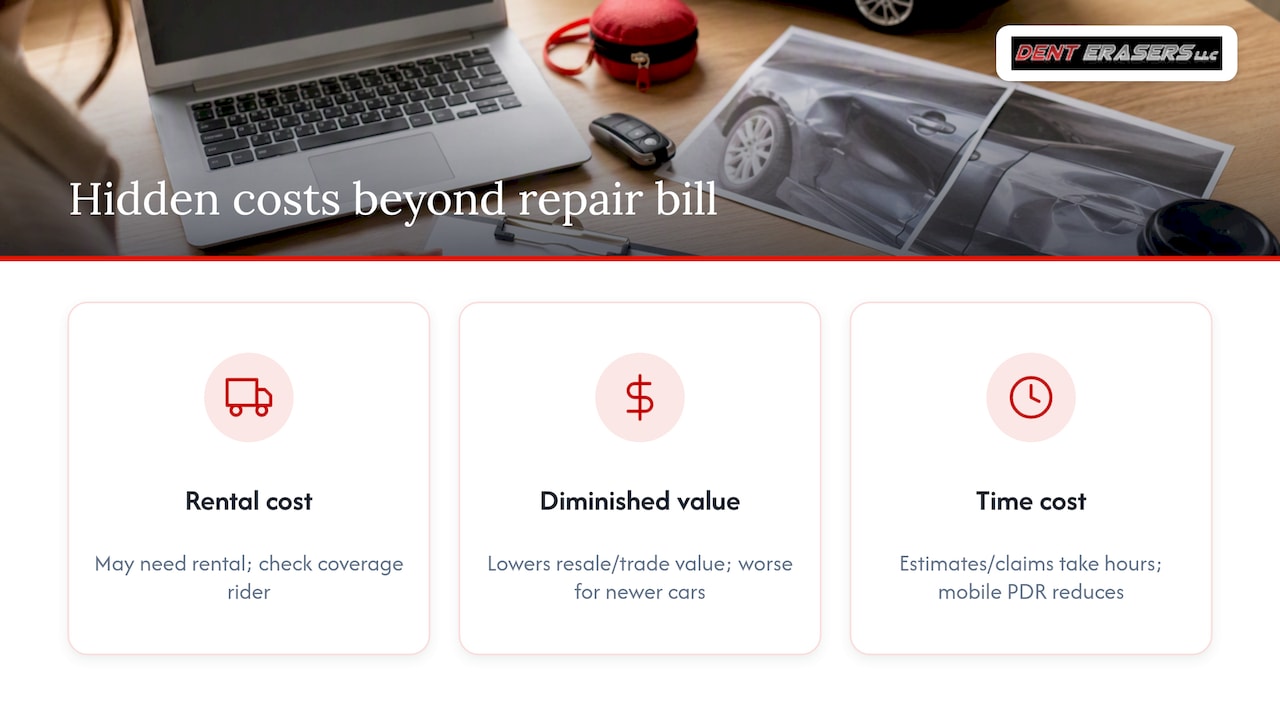
There’s also a less visible cost: diminished value. A vehicle with a documented hail repair history, particularly one involving panel replacement or visible paintwork, can sell or trade for less than an identical car with no repair record, even when the repair itself looks flawless. This matters more for newer vehicles, leased cars approaching turn-in, and anything you plan to sell privately in the next few years. It matters far less for an older daily driver you intend to keep long term.
Time is a cost too. Multiple estimate appointments, a claims process, and shop scheduling all take hours you weren’t planning to spend. Mobile paintless dent repair cuts into that burden by bringing the estimate and often the repair itself to your driveway or office parking lot, which is part of why many owners prefer it for small to moderate hail damage over a multi-day shop visit.
Choosing between paying out of pocket and filing a claim
Pay out of pocket when your estimate sits close to your deductible, your car is older, or the damage is purely cosmetic with no structural concerns. File a claim when you’re facing extensive multi-panel damage, an expensive windshield replacement, or a lease or loan agreement that requires documented repairs.
— Brian Blanc
Get a written estimate from Denterasers LLC
Once you know your price range, the fastest path forward is a mobile inspection at your home or office rather than a shop visit you have to schedule around. We provide written estimates on the spot, covering everything from a handful of dents to full multi-panel hail damage, and we can walk you through insurance claim assistance if your damage exceeds your deductible.

Check availability for a mobile dent repair appointment or browse our large dent repair and minor dent repair options to get a clearer sense of where your vehicle fits before you book.
Sources
- Does Car Insurance Cover Hail Damage? | Progressive
- Car Hail Damage: How To Spot It and What To Do – State Farm®
- What is covered by collision and comprehensive auto insurance? | III
FAQ
How much does it cost to fix dents from hail?
Most hail dents cost $75 to $250 each with paintless dent repair, while full vehicles with multiple dents typically run $300 to $1,000 for minor damage and $3,000 or more for severe, multi-panel cases. The exact price depends on dent count, size, and whether the paint is intact.
Can hail dents be popped out?
Yes, many hail dents can be massaged back into shape from behind the panel using paintless dent repair, a method State Farm confirms works when the factory paint remains undamaged. Dents with cracked paint, sharp creases, or damage near body seams often need traditional body filler and repainting instead.
How much does paintless dent removal cost for hail damage?
Paintless dent repair for hail is usually priced per dent and can vary widely, with total vehicle repair costs ranging from moderate amounts for minor damage to several thousand dollars for severe, extensive damage. Obtaining a written estimate is the best way to determine your vehicle’s specific cost.
Why is hail damage repair so expensive?
Costs add up because hail rarely causes just one dent, and each one requires individual access and labor time, especially near panel edges or creases where tools are harder to maneuver. When paint is cracked or a dent is too sharp for paintless methods, the job shifts to body filler, sanding, and repainting, which raises the price well beyond simple dent removal.