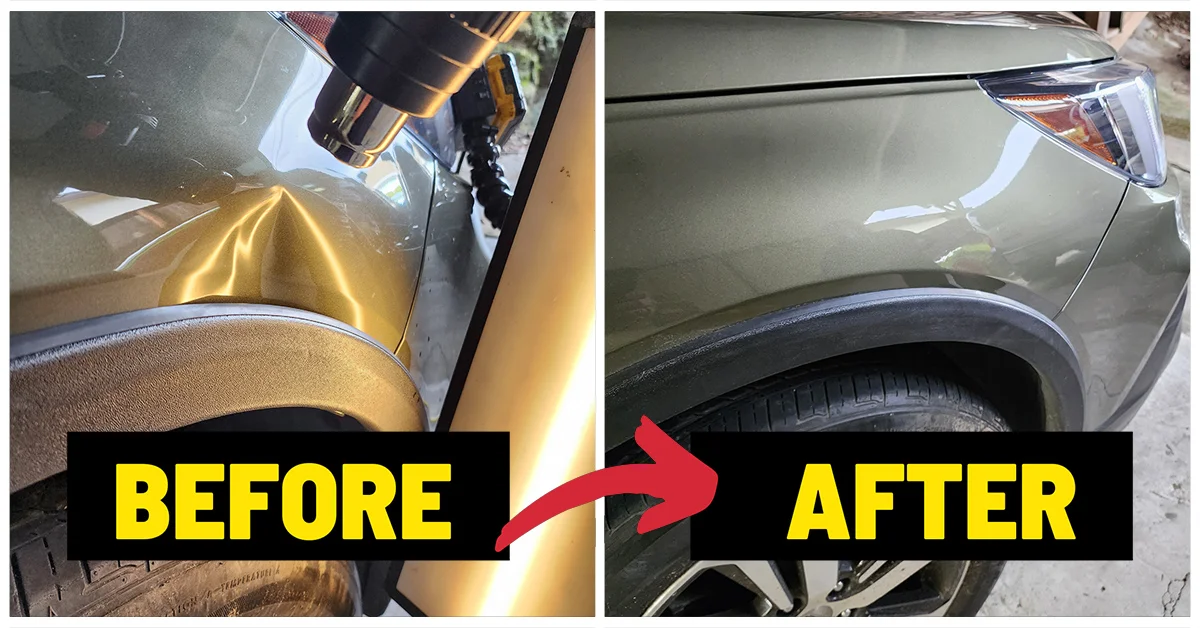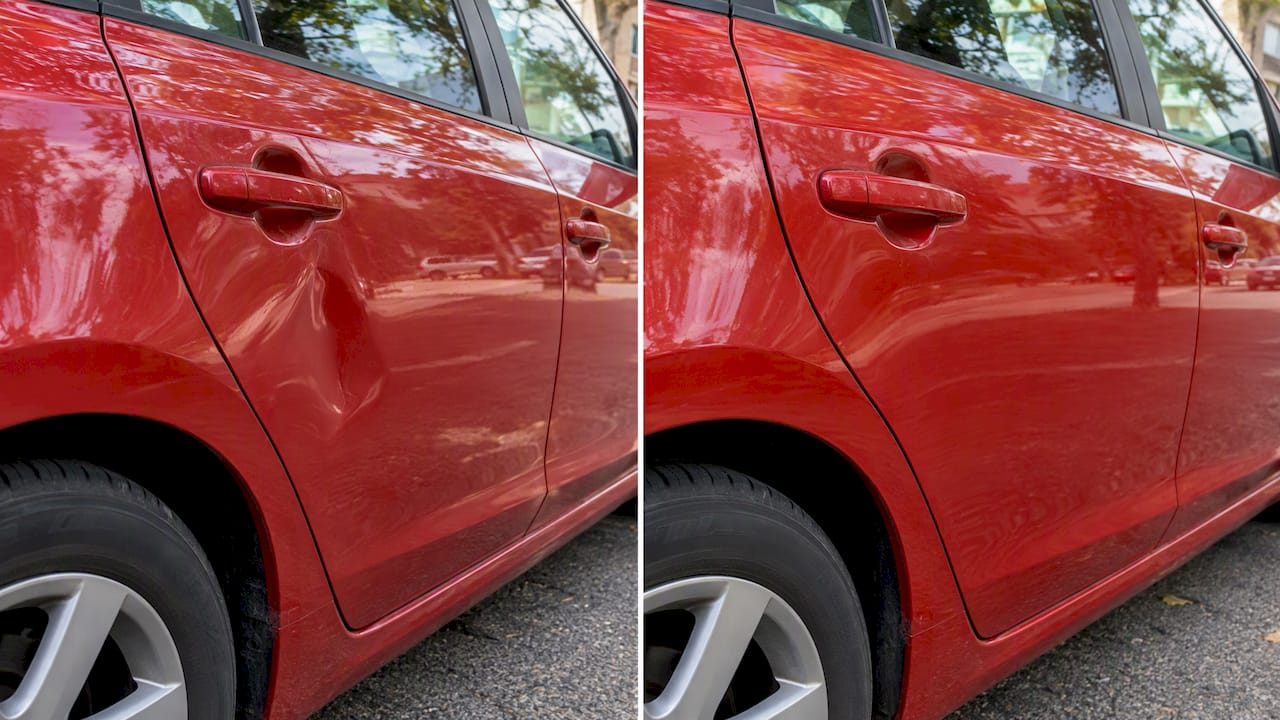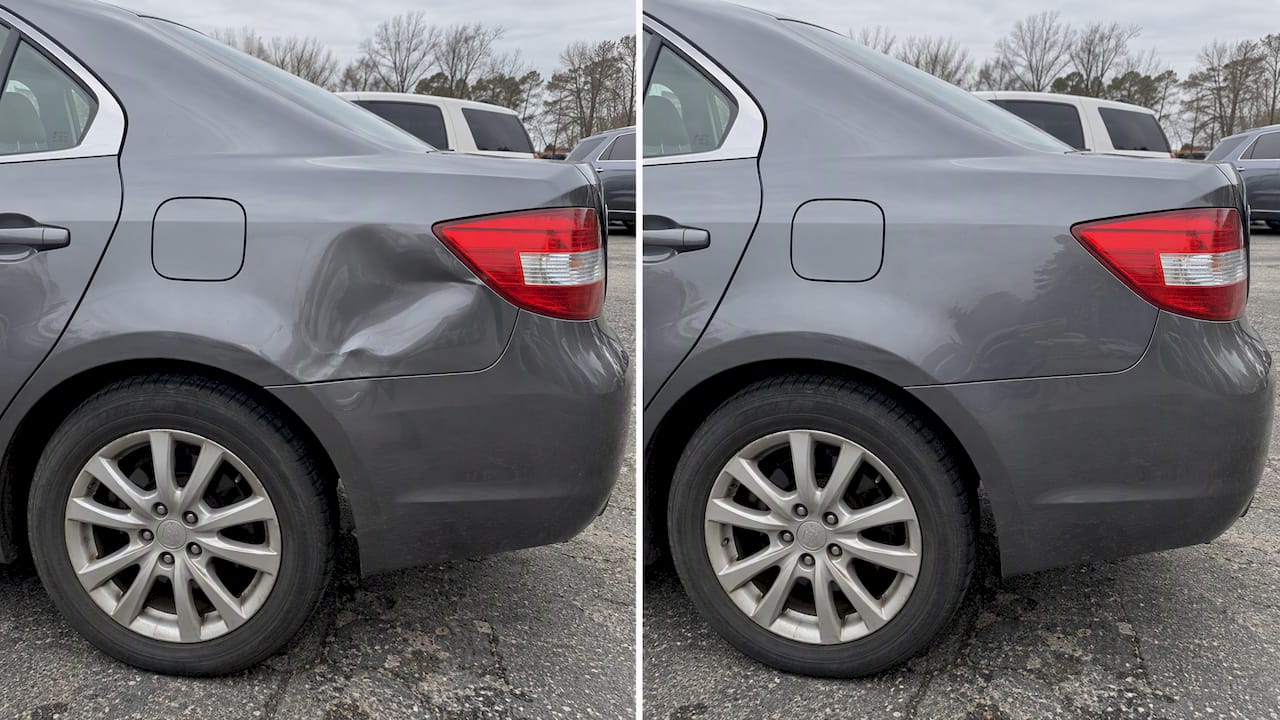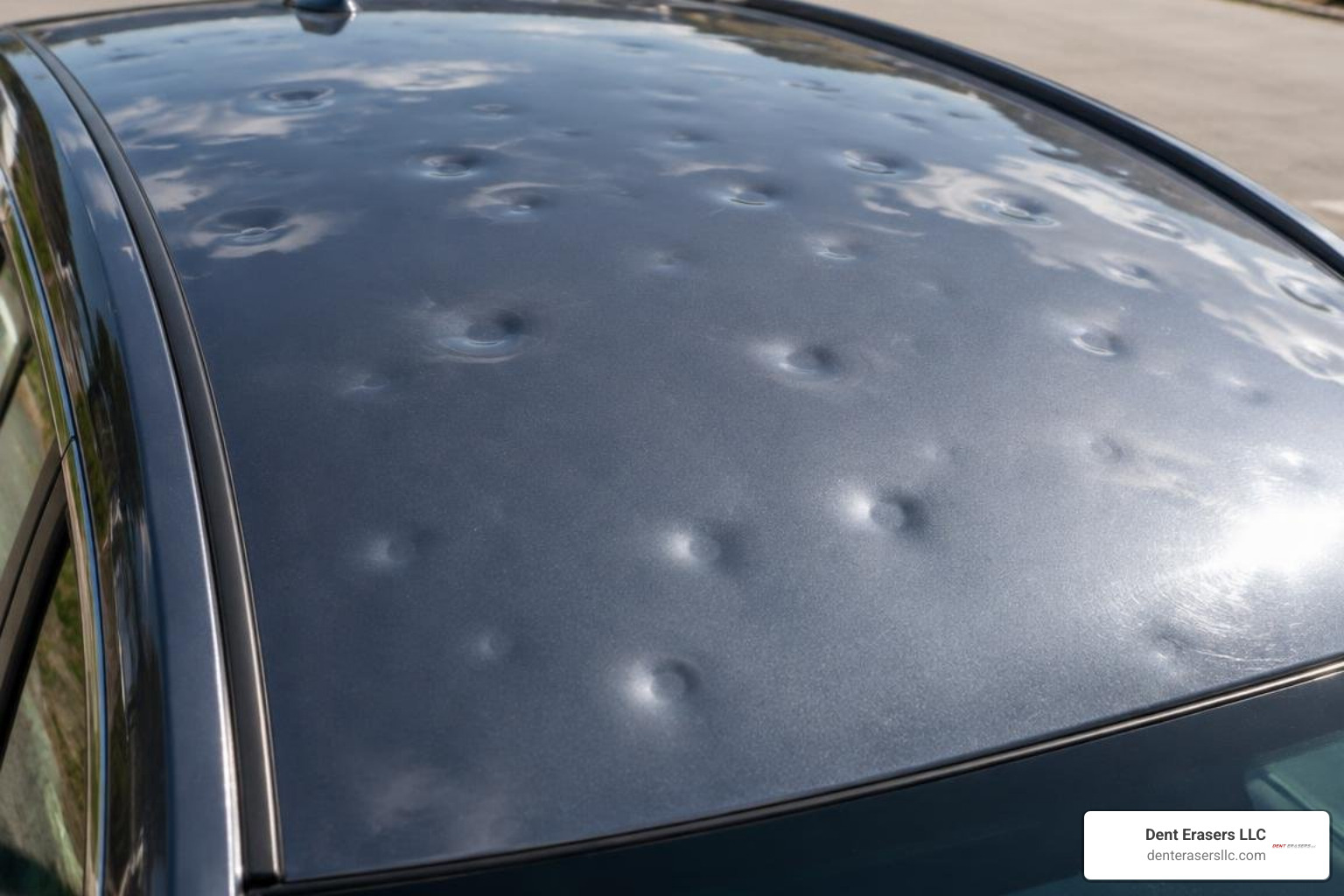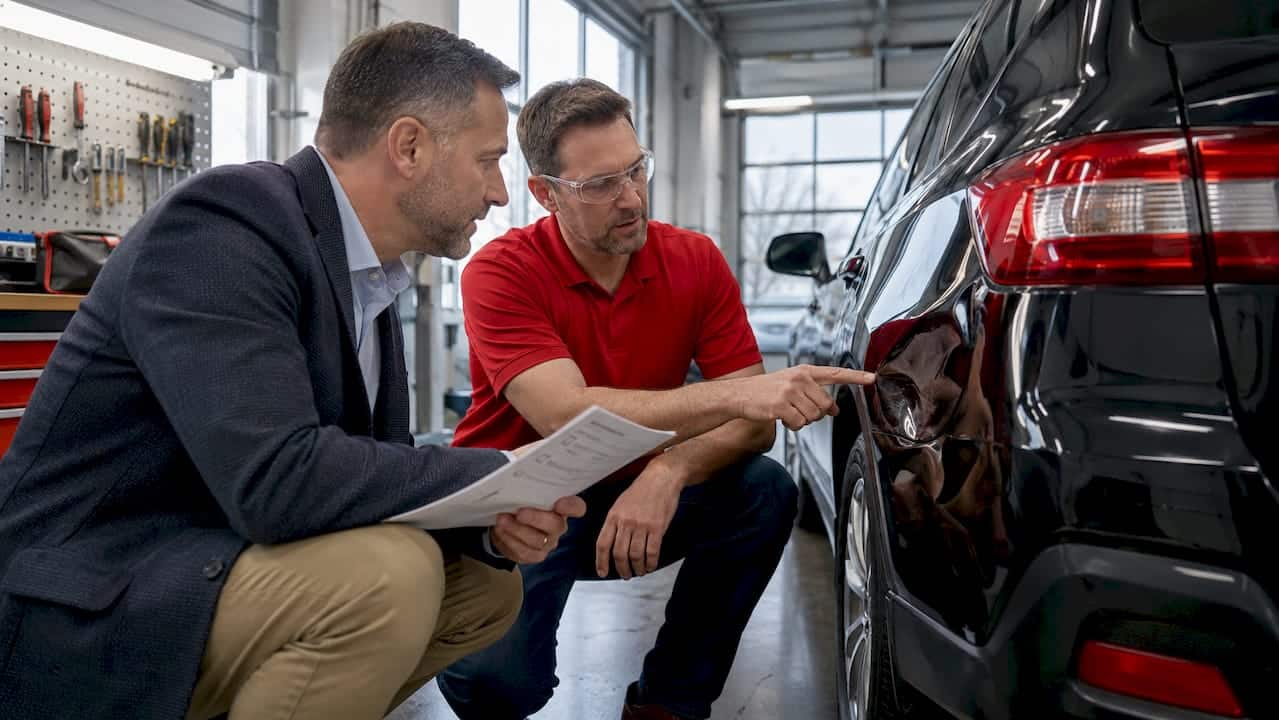
Asking the right questions to ask your dent technician is the single most effective way to protect your car, your wallet, and your time before any repair begins. Paintless dent repair (PDR) is the industry standard term for the technique most mobile technicians use today. It works by carefully massaging metal back to its original shape without disturbing the factory paint. The questions you ask upfront reveal a technician’s real skill level, pricing honesty, and whether your specific vehicle is even a good candidate for PDR.
1. What experience and certifications should your dent technician have?
Experience is the most reliable indicator of repair quality in PDR. 5+ years of experience is the industry benchmark for excellent PDR work in 2026. That threshold exists because PDR has a steep learning curve. Reading metal, controlling pressure, and knowing when to stop are skills built over thousands of repairs, not weeks of training.
Ask specifically about certified training programs and whether the technician pursues ongoing education. The PDR industry evolves, and modern vehicles demand updated skills.
- Ask if the technician has completed formal PDR training through a recognized program
- Confirm how many years they have worked specifically on PDR, not just general auto body
- Ask if they have experience with your vehicle’s make and model
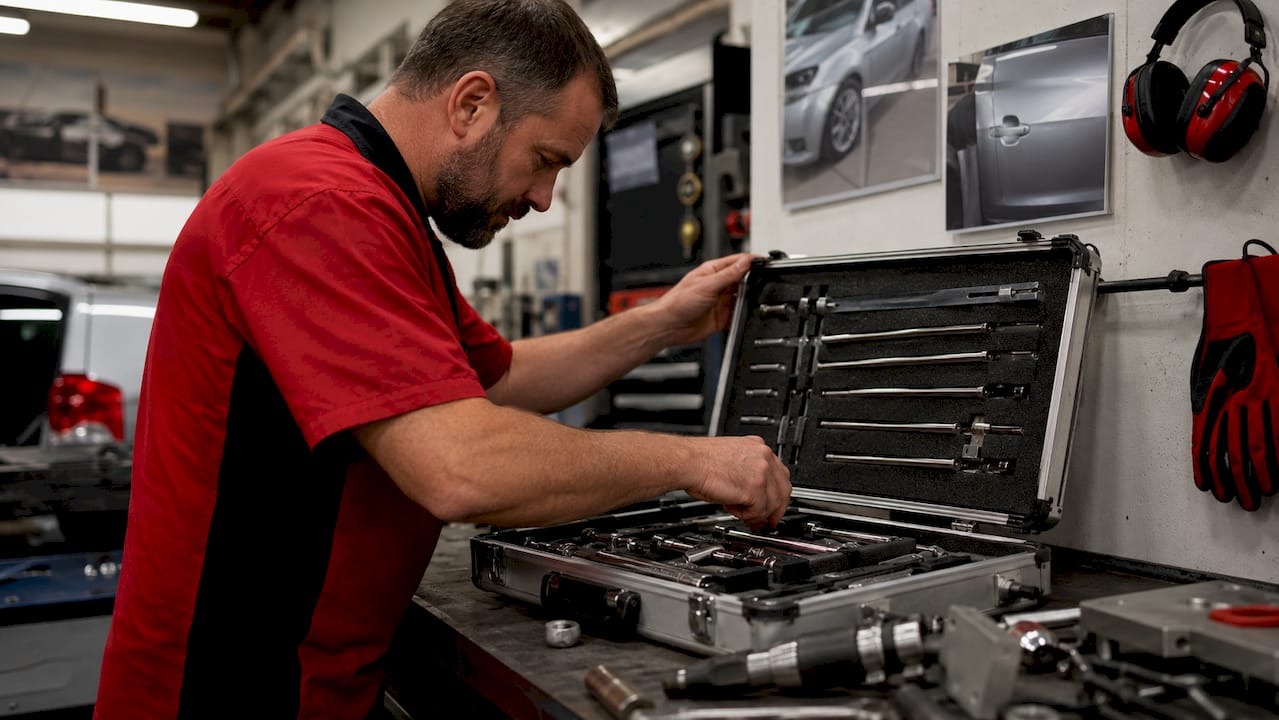
One detail most car owners miss: aluminum-specific tooling is critical for modern vehicles. Using legacy steel-era tools on aluminum panels, like those found on Tesla models or Ford F-150s, can cause irreversible micro-marks. Ask directly whether the technician owns and uses aluminum-specific tools.
Pro Tip: Ask the technician if they have ever turned down a PDR job because the dent was not a good candidate. A technician who turns down unsuitable jobs is demonstrating integrity, not weakness. That honesty protects you.
2. How to understand the dent repair process and timelines
A quality PDR repair is not a race. Careful, gradual technique prevents paint cracking and produces better results than a rushed job. Metal has memory. Push too fast and the clear coat can crack or the panel can warp. A skilled technician adjusts their speed to the condition of the metal, not to a clock.
Ask the technician to walk you through the repair steps for your specific dent. A confident professional will explain the process clearly, including how they plan to access the dent and what tools they will use.
- Ask how long the repair will take and what factors could extend that time
- Ask whether PDR or traditional body filler repair is the right method for your dent
- Ask if any trim or panels need to be removed to access the dent
One question most car owners never think to ask: does your vehicle need post-repair electronic scanning? Modern vehicles require electronic diagnostics after dent repairs to confirm that safety sensors and driver-assist systems are still functioning correctly. If your car has parking sensors, cameras, or radar units near the repair area, this step is not optional.
3. What should you ask regarding pricing, estimates, and hidden fees?
Pricing transparency separates trustworthy technicians from those who pad bills after the fact. Start by asking whether the technician can provide an estimate from photos. Photo-based quotes given within minutes are a sign of technician skill and confidence. A technician who insists on an in-person inspection before giving any number may be setting up an upsell.
Here are the key pricing questions to ask before you commit:
- Can you provide a written estimate before work begins?
- Is disassembly and reassembly (R&I) labor included in the quoted price?
- Are there any conditions that would change the final price after work starts?
- Do you charge a fixed price or a variable estimate based on repair difficulty?
Unexpected R&I charges can inflate repair costs significantly if not disclosed upfront. Removing a door panel or trim piece to access a dent takes time, and some shops bill for that separately without warning.
| Question | What to listen for |
|---|---|
| Can you quote from photos? | Yes, with a clear explanation |
| Is R&I labor included? | Yes, or a specific separate line item |
| Fixed or variable price? | Fixed price with defined exceptions |
| Any fees not in the quote? | None, or clearly listed |
Pro Tip: Get the estimate in writing before any work starts. A verbal quote is not a contract. Written estimates protect you if the final bill looks different from what you were told.
Verifying PDR Technician Experience and Professional Credentials
A reputable technician stands behind their work with a clear, stated warranty. Reputable shops offer complete satisfaction guarantees or a policy where you do not pay if the result is unsatisfactory. Ask exactly what the warranty covers and for how long.
Documentation is equally important. Trusted technicians perform pre-repair walk-arounds and carry insurance to protect against any new damage during the repair. That walk-around protects both you and the technician by establishing the vehicle’s condition before work begins.
- Ask if the shop documents pre-existing damage with photos before starting
- Ask what happens if you notice a problem after you pick up the vehicle
- Ask whether free touch-ups or rechecks are included within the warranty period
- Ask if the technician carries liability insurance for damage that occurs during repair
Also check with your own auto insurance carrier. Some comprehensive policies cover dent repair, and using your insurance may reduce your out-of-pocket cost. Ask the technician if they work directly with insurance companies and whether they can help you file a claim.
5. How to evaluate communication, professionalism, and insurance coverage
The way a technician answers your questions tells you as much as the answers themselves. Strong shops encourage questions and explain processes clearly. A technician who gets impatient, vague, or dismissive when you ask for details is showing you exactly how they will handle problems after the repair.
Use your first conversation as a screening tool. You can find guidance on evaluating shop professionalism to know what good communication looks like before you even pick up the phone.
- Ask how the technician will update you during the repair process
- Ask if mobile service is available and whether it affects the quality of the repair
- Ask whether the shop is insured and licensed to operate in your state
- Ask how the shop handles complaints or disputes after a repair is complete
Mobile dent repair is a genuine advantage for busy car owners. Denterasersllc, for example, brings the repair to your driveway or workplace, which eliminates the need to drop off your vehicle and wait. Ask any mobile technician whether working outside a controlled shop environment affects their tools, lighting, or results.
Key takeaways
Asking specific, direct questions before a PDR repair is the most reliable way to verify technician skill, avoid hidden fees, and protect your vehicle’s factory finish.
| Point | Details |
|---|---|
| Verify experience | Confirm 5+ years of PDR-specific experience and aluminum tooling capability. |
| Understand the process | Ask about repair steps, timelines, and whether post-repair sensor calibration is needed. |
| Get pricing in writing | Request a written estimate that includes R&I labor and lists any variable fees. |
| Confirm warranty terms | Ask for a written satisfaction guarantee and pre-repair vehicle documentation. |
| Assess communication | A technician who answers questions clearly and patiently is a technician worth trusting. |
What I have learned after years of PDR repairs
After years of doing this work, I can tell you the question that separates a confident technician from one you should walk away from: “Is this dent a good candidate for PDR?” A technician who says yes to every job without examining the dent closely is not being helpful. They are being careless.
The best repairs I have seen, and the ones I am most proud of at Denterasersllc, come from slowing down. Metal does not lie. If you rush it, it tells you. A small dent on a work-hardened panel near a crease takes three times as long as a simple door ding, and any technician who quotes them the same way is not reading the metal correctly.
My honest advice: prioritize honesty and communication over speed and price. A technician who gives you a clear written estimate, documents your car before touching it, and explains every step is worth more than the cheapest quote in town. You can review our PDR repair checklist to see exactly what a thorough repair process looks like from start to finish.
— Brian Blanc
See expert PDR results before you book
If you want to see what a skilled, transparent repair actually looks like, Denterasersllc has the gallery to back it up. Our technicians meet the 2026 experience benchmarks, use aluminum-specific tooling, and document every vehicle before work begins. We serve Contra Costa County and surrounding areas with mobile PDR that comes to you.
Browse our fender repair gallery to see real results on real vehicles. Whether your car is a daily driver or a truck you just bought, our team handles it with the same care. Visit denterasersllc.com to request a photo-based quote today. No pressure, no upsells, just honest answers.
FAQ
What is the experience benchmark for a PDR technician?
The industry standard for quality paintless dent repair is at least 5 years of hands-on PDR experience. Technicians below that threshold are still developing the metal-reading skills that prevent paint damage.
Can a dent technician quote from photos?
Yes. Skilled PDR technicians can provide accurate estimates from clear photos of the dent. A photo-based quote is a sign of confidence and reduces the risk of in-person upselling.
Do modern vehicles need electronic scanning after dent repair?
Modern vehicles with parking sensors, cameras, or radar systems often require post-repair electronic diagnostics. This confirms that safety systems were not disrupted during the repair process.
What warranty should a reputable dent shop offer?
Reputable shops provide a written satisfaction guarantee and offer free rechecks or touch-ups within a stated period. Always ask for warranty terms in writing before work begins.
Why does it matter if a technician turns down a job?
A technician who declines a dent that is not suitable for PDR is prioritizing your vehicle’s outcome over their own revenue. That honesty is a strong indicator of overall repair quality and professionalism.