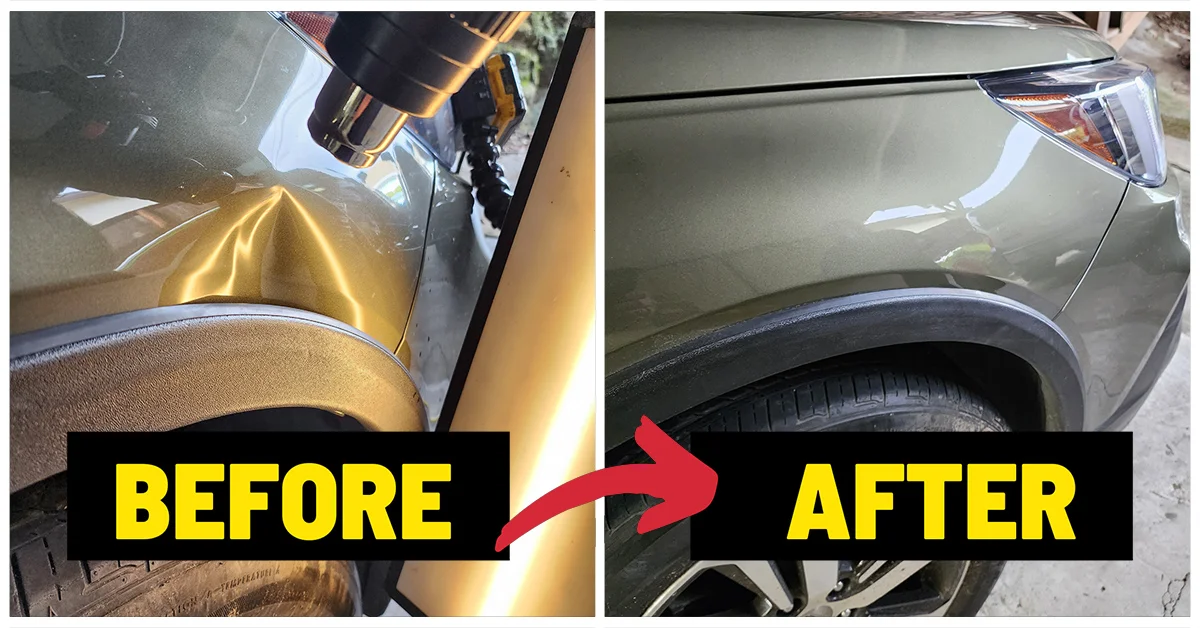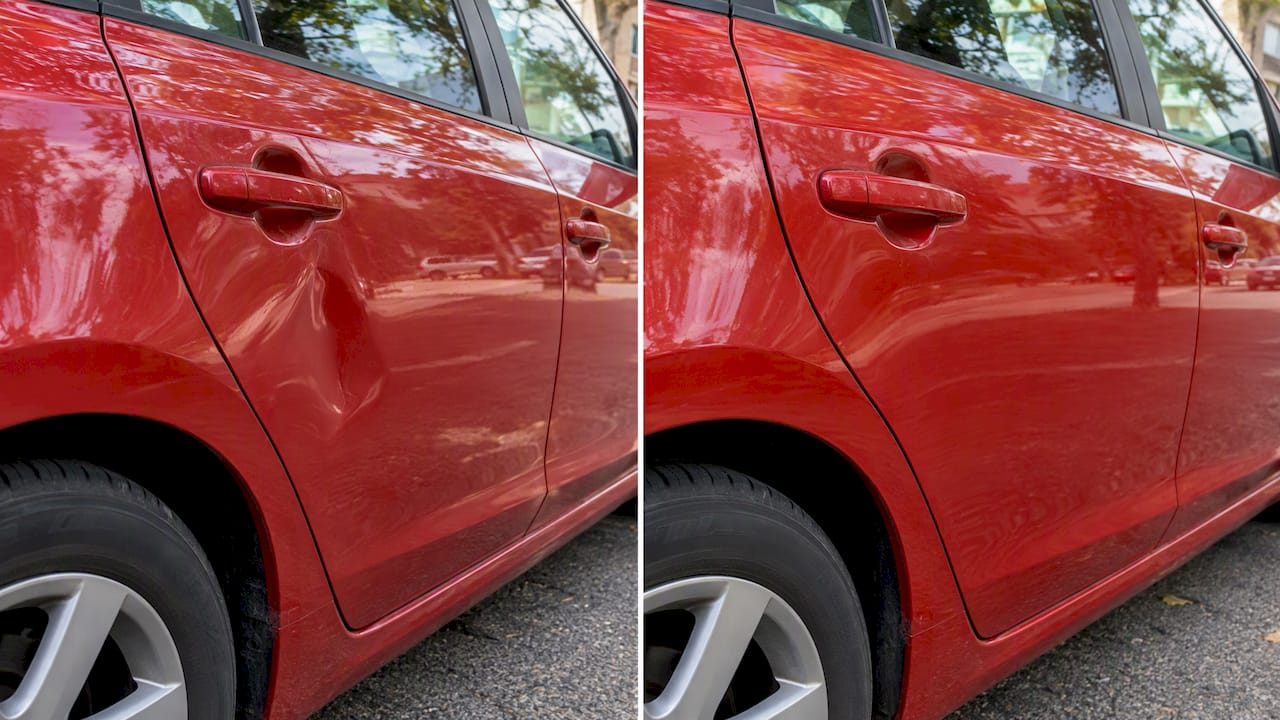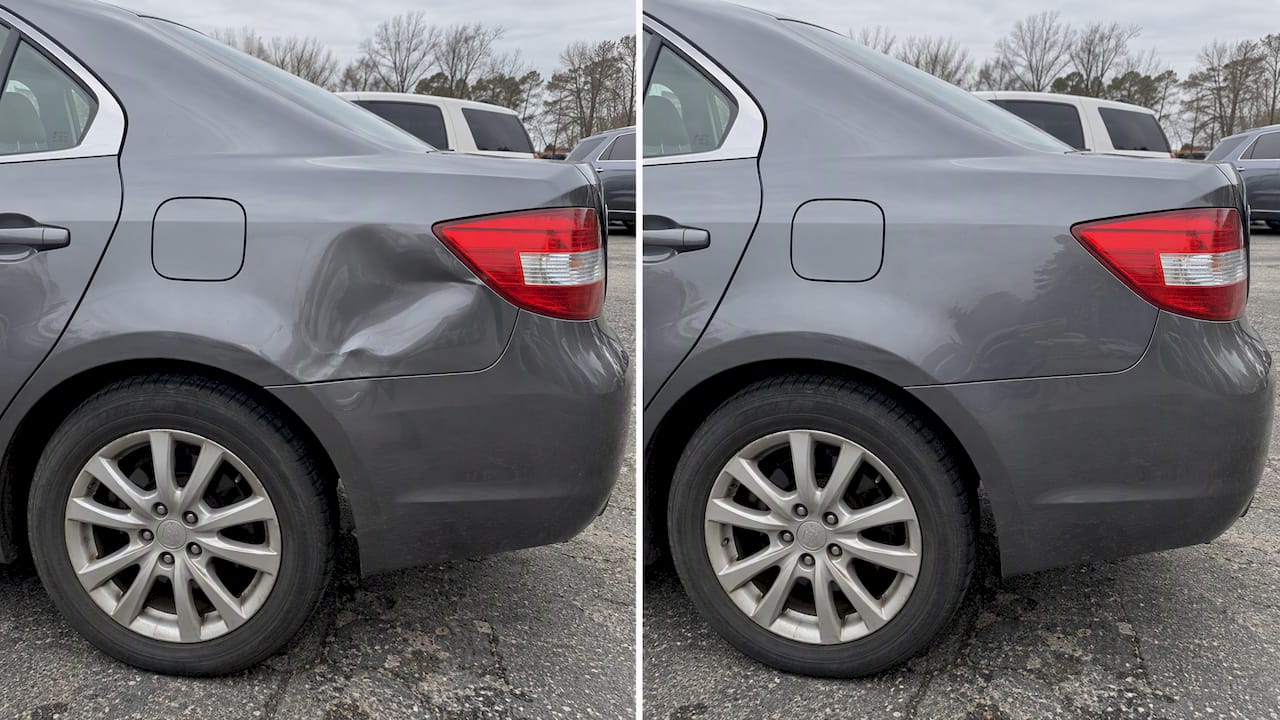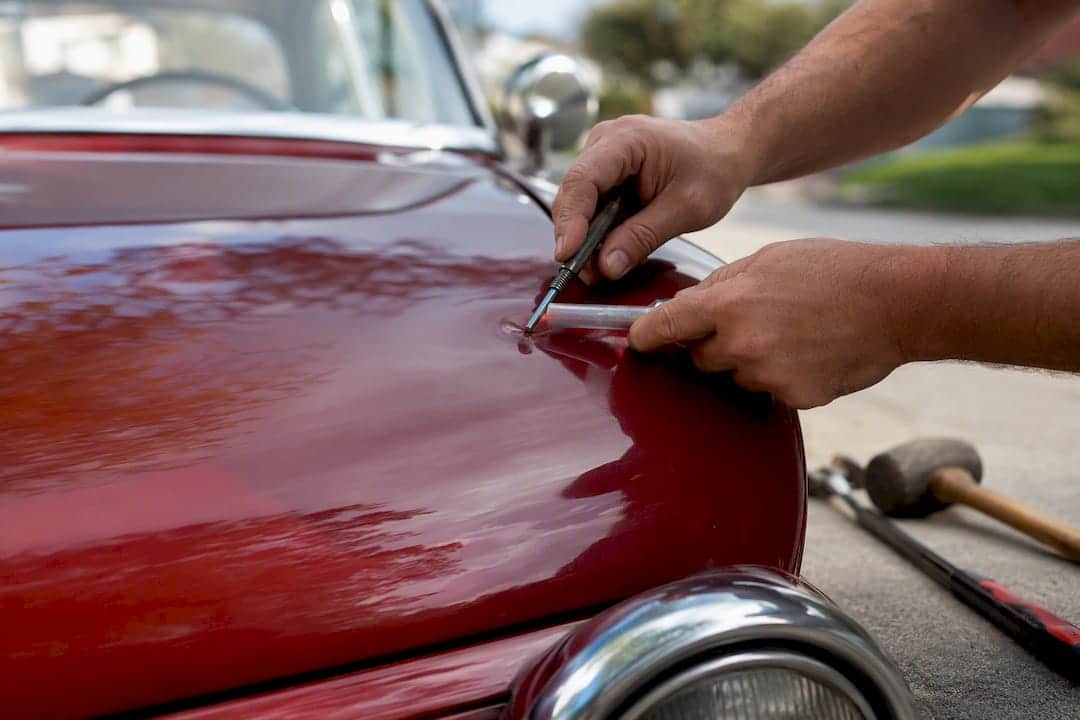
The single best way to approach a rare vehicle repair is to decide your preservation goal before a wrench touches the car: preserve, restore, restomod, or pragmatic repair. Every parts search, every specialist you hire, and every dollar you spend should flow from that one decision. The Turin Charter from FIVA gives collectors the vocabulary to define that goal precisely, and recent Bloomberg reporting on vanishing specialist mechanics explains why acting early matters. Denterasersllc handles onsite paintless dent repair and body work for luxury and vintage vehicles, and we’ve watched plenty of good projects go sideways in the first week. Do these three things today:
- Decode your VIN and write down the exact factory configuration, trim, and options.
- List every part you suspect will be hard to find, and start sourcing now, not after teardown.
- Pick one vetted specialist for your model and keep a written log of every conversation.
Key Takeaways
Rare vehicle repair succeeds when owners define a preservation goal first and build parts sourcing, specialist selection, and documentation around that single decision.
| Point | Details |
|---|---|
| Set your goal early | Choose preserve, restore, restomod, or pragmatic repair before sourcing parts or hiring anyone. |
| Document before you touch anything | Photograph VIN stamps, factory markings, and paint edges before removing a single part. |
| Vet specialists hard | Confirm model-specific experience, references, and reversible-work practices before hiring. |
| Budget for surprises | Add a 20 to 30 percent contingency for hidden rot, custom fabrication, and rework. |
Ready to get body or paintless dent work done right on a luxury or vintage vehicle? Denterasersllc handles onsite plastic bumper repair and specialty finish work for collectors who need a specialist that respects original material, not a generic body shop guessing at the process.
Table of Contents
- What Should You Check Before Starting a Rare Vehicle Repair?
- Repair, Restoration, Conservation, or Restomod: Which Fits Your Goals?
- How Do You Source Scarce Parts for a Rare Vehicle?
- How Do You Find a Specialist Who Actually Knows Your Model?
- Why Is Matching Original Paint and Finish So Difficult?
- Should You Upgrade Safety Systems or Preserve Original Parts?
- What Should You Budget and How Long Will the Work Take?
- How Should You Document a Rare Vehicle Repair?
- A Specialist’s Take on Patience and Restraint
- Where to Learn More About Preservation and Restoration Standards
- Sources
- FAQ
What Should You Check Before Starting a Rare Vehicle Repair?
Before you commit a single dollar, run through a short checklist. It won’t take long, and it will save you from decisions you can’t undo.
Start with originality and value. Is this a documented, low-mileage survivor, or a well-loved driver with three repaints already? That answer changes everything downstream, as explained in this expert Yacht hull restoration guide on material-preserving techniques and conservation-minded approaches. Next, settle on intended use: a show car and a weekend driver have completely different tolerance for modern upgrades. Then assess parts availability, realistic timelines, whether your insurance covers agreed value during the project, storage and transport logistics, and a budget buffer of at least 20 percent above your initial estimate.
Watch for red flags that should stop you before you go further:
- Missing or contradictory ownership documentation
- VIN details that don’t match body tags or engine stampings
- Structural rot hiding under cosmetically clean panels
- No available matching parts for a critical component
- A shop that can’t name a single prior project on your exact model
Pro Tip: Photograph every factory marking, VIN stamp, and casting number before anything gets removed. If a part gets replaced, keep the original with the car. Future buyers, and your own memory in five years, will thank you.
Repair, Restoration, Conservation, or Restomod: Which Fits Your Goals?
These four words get used interchangeably by people who should know better, and that sloppiness costs collectors money and, worse, historical accuracy.
The Turin Charter draws firm lines. Repair simply makes the vehicle operational again, with no obligation to preserve original material. Restoration replaces missing or damaged parts to display the vehicle in an earlier state, and it may reintroduce elements that no longer exist. Conservation stabilizes the vehicle without altering historic material at all. Restomod is the practical outlier: modern drivetrains, brakes, or electronics wrapped in a classic-looking body, chosen by owners who want Sunday-drive reliability over strict authenticity.
The Turin Charter states that repair “may not respect the conservation of historic parts,” while restoration “aims to bring the vehicle… to a previous state” and conservation focuses on “prolonging the life” of what already exists without altering it.
A show-quality collector chasing concours points should lean conservation or careful restoration. A daily driver constrained by missing parts often ends up at restomod almost by necessity. If you’re chasing reliability more than points, restoration paths built around drivability generally favor modern safety systems over strict originality.
How Do You Source Scarce Parts for a Rare Vehicle?
Sourcing is where most rare vehicle projects either stay on budget or spiral. The process rewards patience over impulse buying.
- Decode the VIN completely and note every option code, not just the base model.
- Build a written list of exact configuration details, down to bolt patterns and finish colors.
- Search marque-specific owner forums and factory archives before general marketplaces.
- Widen your search radius nationally, then internationally, once local sources dry up.
- Verify fitment with detailed photos and factory documentation before any money changes hands.
- Log provenance for every part purchased, including seller, date, and condition notes.
Donor cars for rare models are disappearing faster than most collectors realize, and reporting on the parts hunt shows reproduction coverage tracks demand closely. Popular muscle cars get robust repro catalogs; a limited-production coupe from the same era might get nothing.
Pro Tip: Always ask a seller for their return policy and any documentation proving the part’s origin before you buy. A part that “should fit” based on a forum post is a gamble, not a purchase.
When your own search stalls, a professional sourcing service that runs VIN-matching against salvage networks can locate parts faster than solo forum digging. These services typically charge for the search itself, so ask upfront:
- What salvage networks and databases they actually search
- Whether they verify physical condition before listing a part as available
- Their fee structure if no matching part turns up
How Do You Find a Specialist Who Actually Knows Your Model?
Skilled classic car mechanics are retiring faster than new ones are trained, and shops that once handled points, carburetors, and non computerized timing systems are getting harder to find. That scarcity means vetting matters more than convenience.
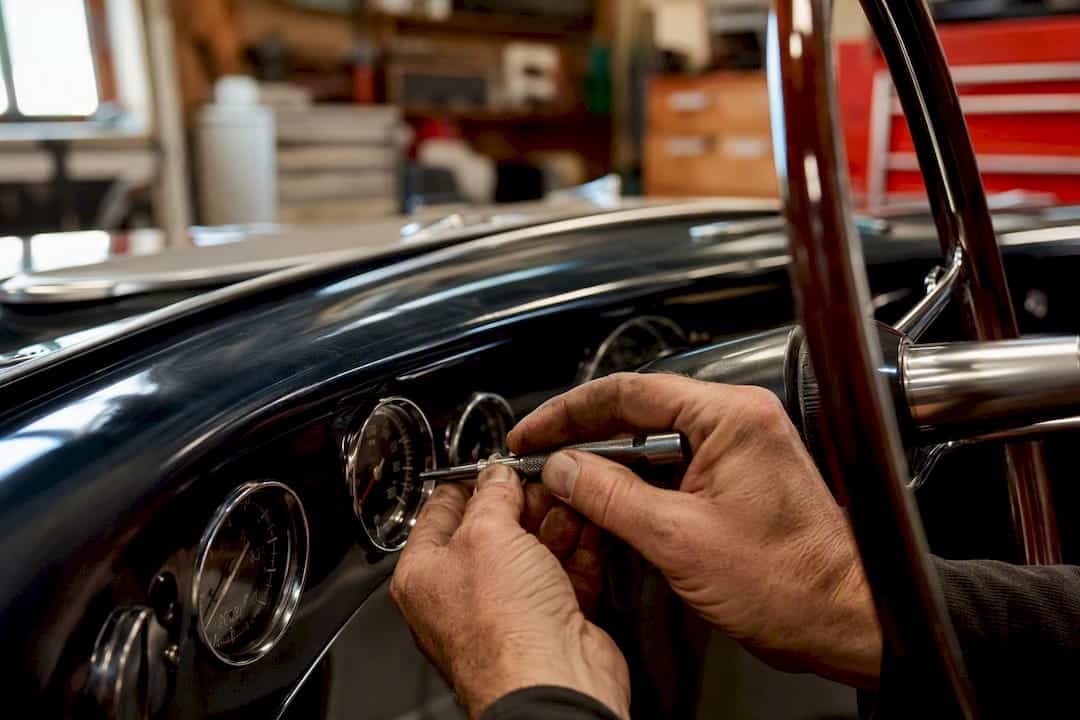
Ask any shop or independent specialist direct questions: Have they worked on your exact model and year? Can they show documented past projects, not just talk about them? Can they diagnose and tune a vehicle with no OBD port at all? Do they have the tooling and finishing capability your car needs, and what guarantees back their work?
Build a short vetting checklist before you commit:
- Request references from at least two prior clients with similar vehicles.
- Ask for inspection photos of comparable completed work.
- Confirm they document material sources for replacement parts.
- Verify they follow reversible-work practices where the vehicle’s value depends on it.
Walk away if a shop can’t speak to your VIN’s specific quirks, refuses references or photos, promises an unrealistic timeline, or can’t explain what materials they plan to use. A specialized repair shop worth hiring will answer these questions without hesitation.
Pro Tip: Ask a candidate specialist to describe a project that went wrong and how they fixed it. Anyone with real experience has a story. Anyone without one will dodge the question.
Why Is Matching Original Paint and Finish So Difficult?
Factory finishes on rare vehicles were often bespoke formulations, applied with equipment and materials that no longer exist in the same form. High-solids paints behave differently than modern basecoat systems, and decades of UV exposure shift color and sheen in ways a fresh can of “matching” paint simply can’t replicate.
Then there’s the flop: how a color shifts appearance depending on viewing angle and light. A perfect match head on can look glaringly wrong at a three-quarter angle under sunlight, which is exactly how judges and buyers inspect a car.
Before hiring a paint shop, insist on:
- A color movement test under multiple lighting conditions
- A sample panel, not just a chip match
- Aged-blend techniques that account for decades of fading
- Equipment rated for high-solids application if your car requires it
Our body paint work on rare and luxury vehicles leans heavily on this kind of testing before any spray gun comes out.
Pro Tip: Preserve adjacent original panels whenever possible and demand photographic before-and-after records. That documentation protects your car’s provenance if a future buyer or judge questions the work.
Should You Upgrade Safety Systems or Preserve Original Parts?
This is the trade-off that defines most rare vehicle projects, and there’s no universal right answer. It depends entirely on the preservation goal you set at the start.
Favor upgrades you can undo later. A bolt-on braking kit or a modular wiring adapter lets a future owner return the car closer to original spec if they want to. Engine swaps and frame modifications tend to be permanent decisions that reset your car’s value ceiling.
- Reversible upgrades protect resale flexibility for both show and driver buyers.
- Permanent modifications should only happen when safety or emissions compliance leaves no other option.
- Check local emissions and safety inspection rules early. Many regions grant historic vehicle exemptions, but the qualifying age and paperwork vary, so confirm your specific requirements before assuming you’re covered.
What Should You Budget and How Long Will the Work Take?
Set your contingency at 20 to 30 percent above your initial estimate, and expect to use it. Rare vehicle projects rarely finish on the first budget draft.
Sourcing a single rare part can take weeks if it’s out there, months if it isn’t. Paint and finish matching adds real time for sample panels and curing. A full mechanical recommissioning runs faster than a ground-up restoration, but either way, specialist shops with model-specific experience often carry a waiting list, and documentation and approval cycles between you and the shop add further delays.
Watch for the costs nobody quotes upfront:
- Structural rot discovered once panels come off
- Custom-fabricated parts when no original or repro option exists
- Rework charges after an incorrectly fitted part gets installed anyway
- Transport and secure storage fees while the vehicle sits mid-project
Donor car scarcity keeps pushing part prices upward year over year, which means the part you priced last spring may cost more by the time you’re ready to buy it.
How Should You Document a Rare Vehicle Repair?
Documentation protects your car’s history and its resale value just as much as the mechanical work does. Keep it organized from day one.
- Record the VIN decode and full factory configuration.
- Photograph factory stamps, paint edges, and chassis numbers before any work starts.
- Save every receipt with the part’s origin noted.
- Keep a restoration log with dates and shop contact details.
Mark replaced parts and store originals with the vehicle when FIVA preservation guidance applies to your project. This record settles future disputes over authenticity before they start.
A Specialist’s Take on Patience and Restraint
Patience beats speed on every rare vehicle project I’ve studied. Pick one trusted specialist and stick with them rather than shopping quick fixes across three shops. Documentation isn’t paperwork for its own sake. It’s what protects the car’s story.
The costliest mistake I keep seeing: an owner sands and polishes factory original paint before understanding what they’re erasing. That decision is permanent. Once original material is gone, no amount of budget brings it back.
Where to Learn More About Preservation and Restoration Standards
The Turin Charter remains the definitional backbone for repair, restoration, and conservation terminology, and it’s worth reading in full if you’re serious about a preservation-grade project.
- Turin Charter definitions (FIVA)
- Ferrari Club of America’s Preservation-Class Philosophy
- Bloomberg on the shrinking pool of classic car mechanics
Beyond these, marque owner clubs and model-specific forums remain the most reliable place to find parts leads and specialist recommendations from people who’ve solved your exact problem before.
Sources
- Charter of Turin (FIVA) — definitions of repair, restoration, and conservation
- From Porsche to Aston Martin, Classic Car Mechanics Are a Dying Breed — Bloomberg
- The parts hunt: what nobody tells you about building an old project car — SpeedwayMedia
- Preservation-Class Philosophy — Ferrari Club of America
FAQ
What’s the Difference Between Restoration and Conservation?
Restoration replaces missing or damaged parts to show the vehicle in an earlier state, while conservation stabilizes the existing material without altering it, per the Turin Charter.
Is a Restomod Worth Less Than an Original Restoration?
It depends on the buyer. A restomod typically appeals more to drivers than to concours collectors, so its value ceiling is usually lower than a documented, period-correct restoration.
How Do I Find Parts for a Model With No Reproduction Support?
Decode your VIN, search marque forums and archives, widen your search radius nationally, and consider a professional VIN-matching salvage sourcing service once local options are exhausted.
Should I Recommission the Engine Before Doing Cosmetic Work?
Yes. Getting mechanical systems running first keeps your options open and avoids irreversible cosmetic decisions made before you fully understand the car’s condition.
How Much Contingency Should I Budget for a Rare Vehicle Repair?
Plan for 20 to 30 percent above your initial estimate, since hidden rot, custom fabrication, and part sourcing delays are common on rare vehicle projects.