How leasing shapes your auto repair responsibilities
The role of leasing in auto repairs comes down to one clear split: you, the lessee, handle routine maintenance and minor repairs, while the manufacturer’s warranty covers factory defects and major mechanical failures. The Federal Reserve Board confirms this division is nearly universal across consumer lease agreements in the United States.
Here is the short version of who pays for what:
- Lessee pays: oil changes, tire rotations, brake pads, fluid replacements, wiper blades, and any damage caused by neglect or accidents
- Manufacturer warranty covers: factory defects, mechanical failures from faulty components, and federally mandated safety recall repairs at no cost
- Lessor’s financial interest: the leasing company owns the vehicle and holds you responsible for returning it in acceptable condition
- Lease contract governs everything: your specific obligations, wear standards, and repair approval procedures are all spelled out in the agreement you signed
Understanding this split before your lease ends can save you from a bill you never saw coming.
## 1. What routine maintenance are you responsible for?
As a lessee, routine upkeep costs are entirely yours. Oil changes, tire rotations, brake pad replacements, fluid top-offs, and air filter swaps all fall under your obligation. These are not optional courtesies; they are contractual requirements.
- Oil changes and fluid replacements per the owner’s manual schedule
- Tire rotations and replacements when tread wears below safe limits
- Brake pad and wiper blade replacements
- Compliance with any manufacturer recall notices
- No modifications or added accessories without written lessor approval
Neglecting these tasks creates two problems at once. First, it can void the manufacturer’s warranty for related components. If a timing belt snaps because you skipped a scheduled replacement, the resulting engine damage is yours to pay for. Second, the leasing company can charge you for the cost of catching up on missed service when you return the vehicle.
Keeping every receipt is not just good practice. The leasing company can demand proof that the car was properly maintained, and detailed service records are your primary defense against excessive wear charges or warranty denials.
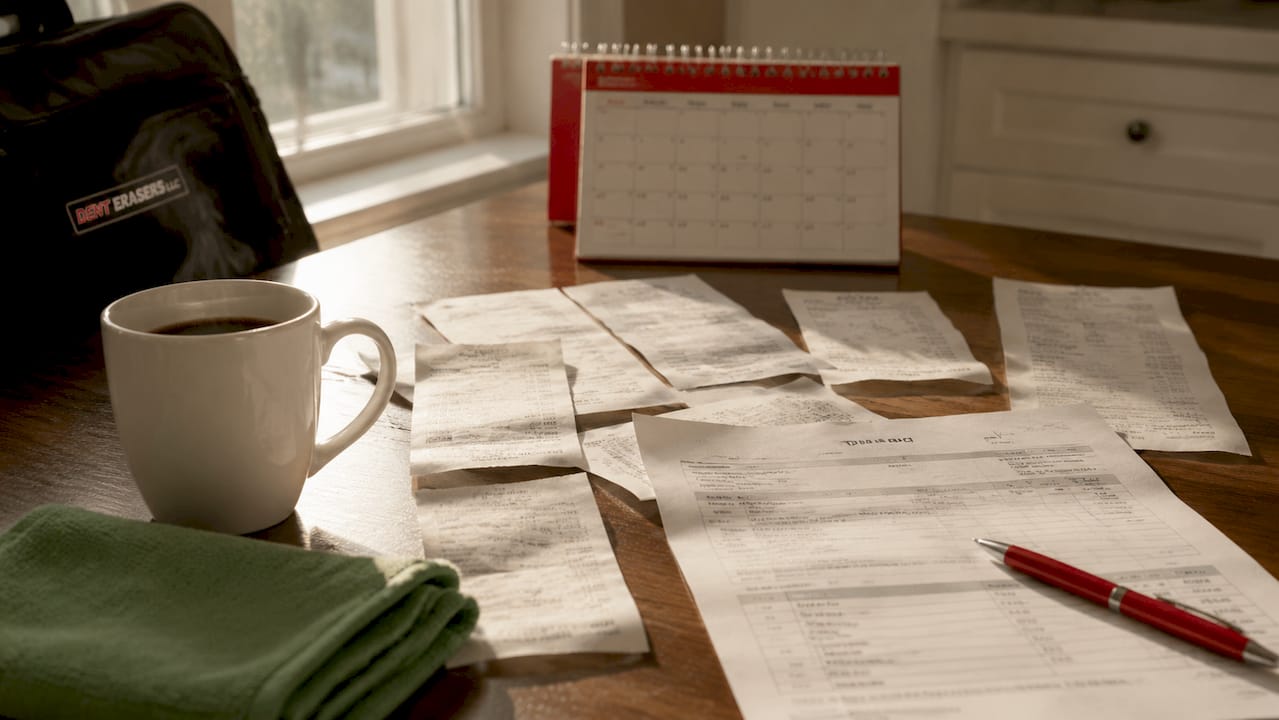
Pro Tip: Follow the manufacturer’s maintenance schedule in the owner’s manual to the letter. Set calendar reminders for each service interval so nothing slips through the cracks.
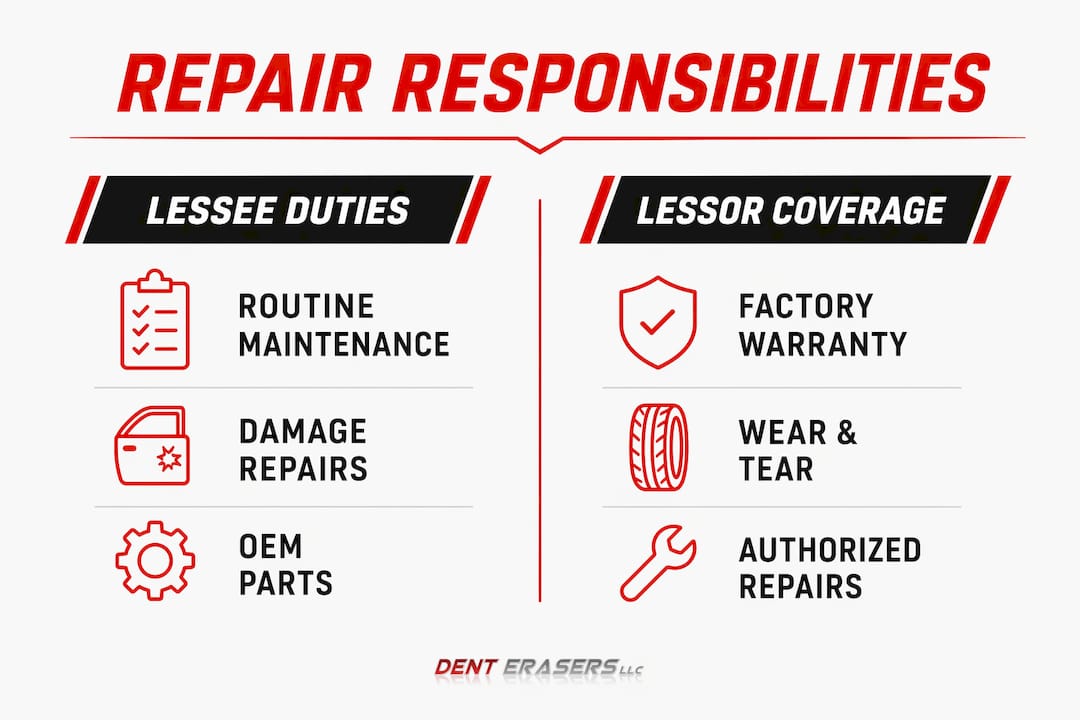
## 2. What does the lessor’s warranty actually cover?
New leased vehicles come with a manufacturer’s warranty that pays for mechanical failures caused by factory defects. A typical bumper-to-bumper warranty lasts for a standard coverage period, while powertrain coverage usually extends longer. Under these warranties, the manufacturer pays the dealership directly for parts and labor.
Major repairs typically covered under warranty include:
- Engine and transmission failures caused by factory defects
- Electrical system malfunctions from faulty components
- Suspension and steering failures not caused by road damage
- Air conditioning and heating system failures
- Any component that fails due to a manufacturing error
Lease terms are often structured to align with the basic warranty period. A 36-month lease lines up neatly with standard bumper-to-bumper coverage, so most major repairs during that window cost you nothing. The trouble starts when you exceed the mileage limit early or sign a longer lease. Once the warranty expires, any mechanical breakdown becomes your financial responsibility.
Damage from neglect or unauthorized modifications falls outside warranty protection regardless of mileage. Skipping coolant checks and causing an overheated engine? That bill is yours.
## 3. How lease contracts define your financial liability
Lease agreements require you to follow the manufacturer’s recommended maintenance schedule, and financial liability kicks in the moment you fall short of that standard. The contract is the rulebook, and it covers far more than most lessees realize before signing.
| Liability Type | What Triggers It | Who Pays |
|---|---|---|
| Routine maintenance neglect | Missed oil changes, skipped service intervals | Lessee |
| Excessive wear and damage | Dents larger than a quarter, cracked glass, torn upholstery | Lessee |
| Factory defect repairs | Mechanical failure from manufacturing error | Manufacturer warranty |
| Unauthorized modifications | Aftermarket parts, unapproved accessories | Lessee |
| Poor-quality collision repairs | Non-OEM parts, uncertified shop work | Lessee |
Most lease contracts require OEM parts and authorized repair shops for collision damage. Using aftermarket parts can reduce the vehicle’s resale value and trigger penalties at return. Lease companies also have broad discretion to define what counts as “normal” versus “excessive” wear, which is why reading those specific clauses before signing matters so much.
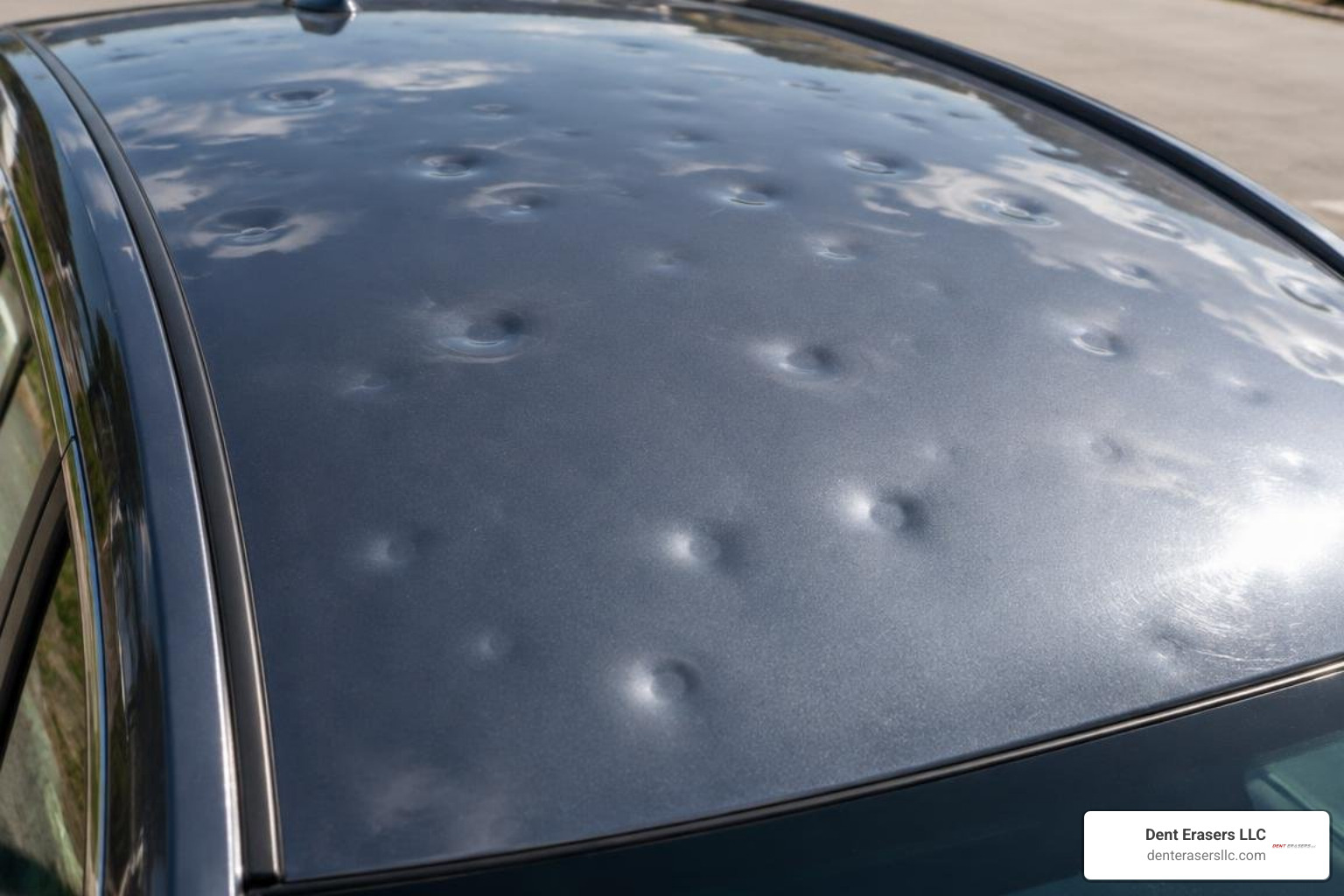
Examples of what the Federal Reserve Board classifies as excessive wear include broken or missing parts, dented or damaged body panels, cuts or burns in the fabric, excessively worn tires, cracked glass, and poor-quality repairs. Any of these can result in charges added to your final bill.
## 4. Tips to avoid costly excess wear charges at lease end
The best time to start preparing for lease return is not the week before you hand over the keys. Pre-return inspections typically occur several weeks before the contract ends, and scheduling one proactively puts you in control.
- Request a pre-return inspection from your leasing company 4–6 weeks before the end date
- Get your own independent appraisal of the vehicle’s condition before the official inspection
- Repair minor dents, windshield chips, and worn tires using independent shops or mobile repair services
- Compare the pre-inspection report’s projected charges against local repair estimates
- Organize all maintenance receipts and service records in a single folder before turn-in
- Ask your leasing company for its specific wear standards in writing if they are not clear in your contract
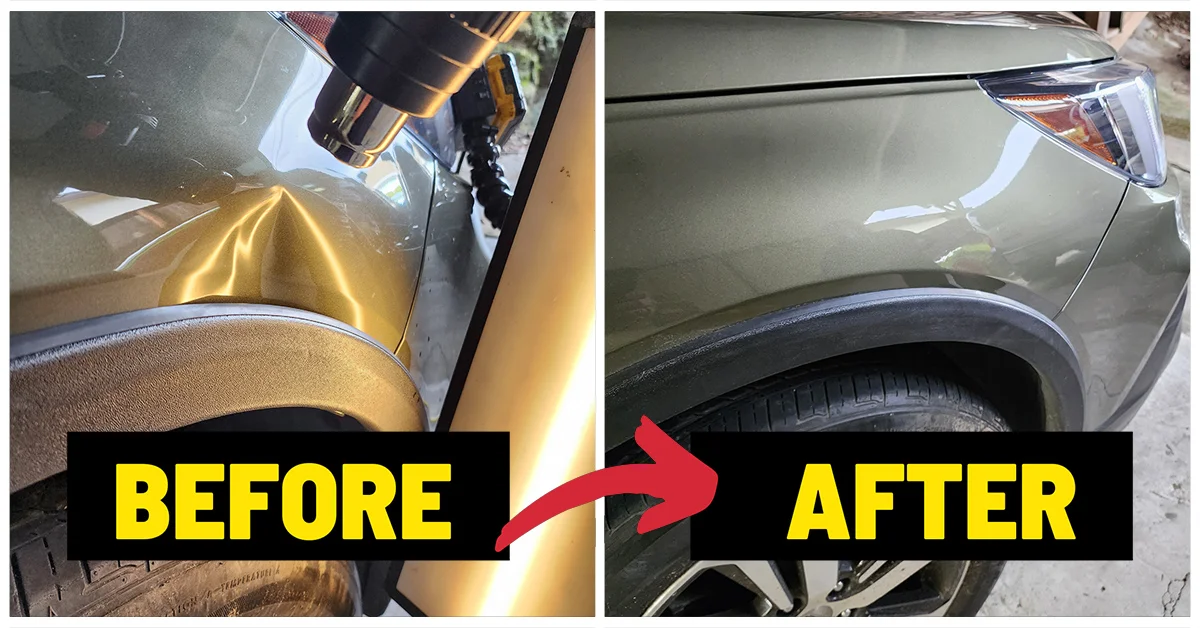
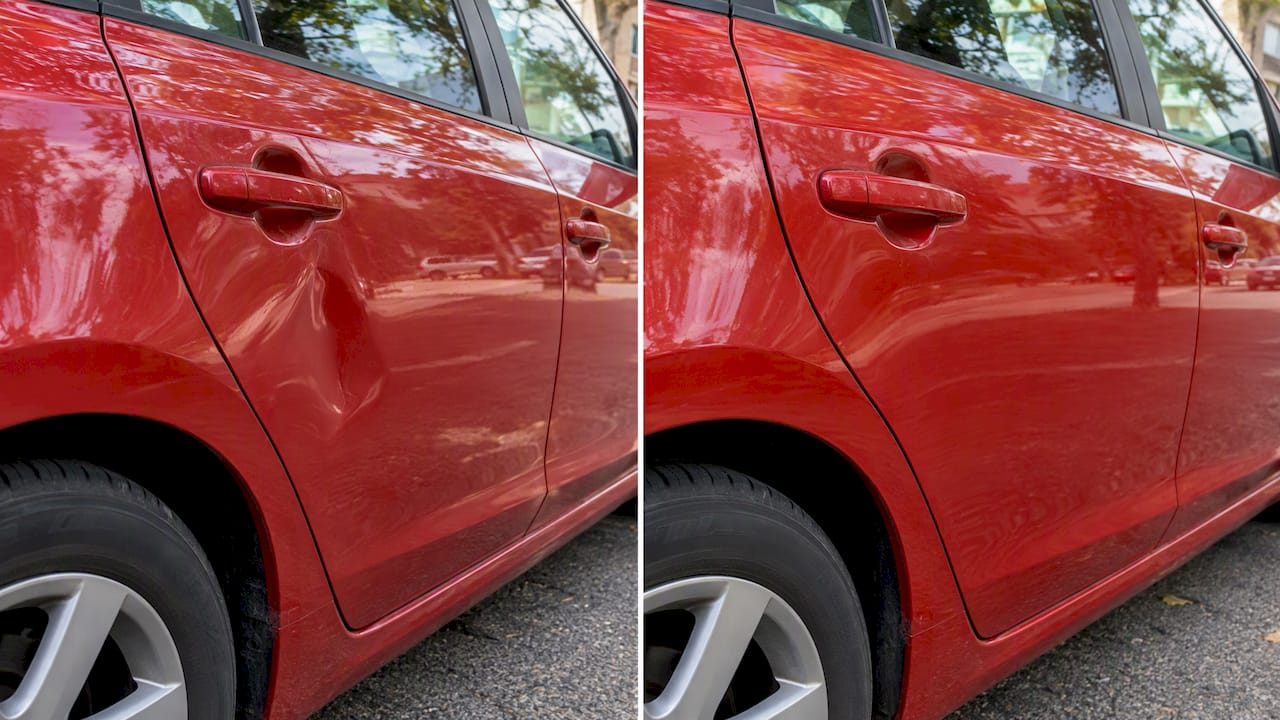
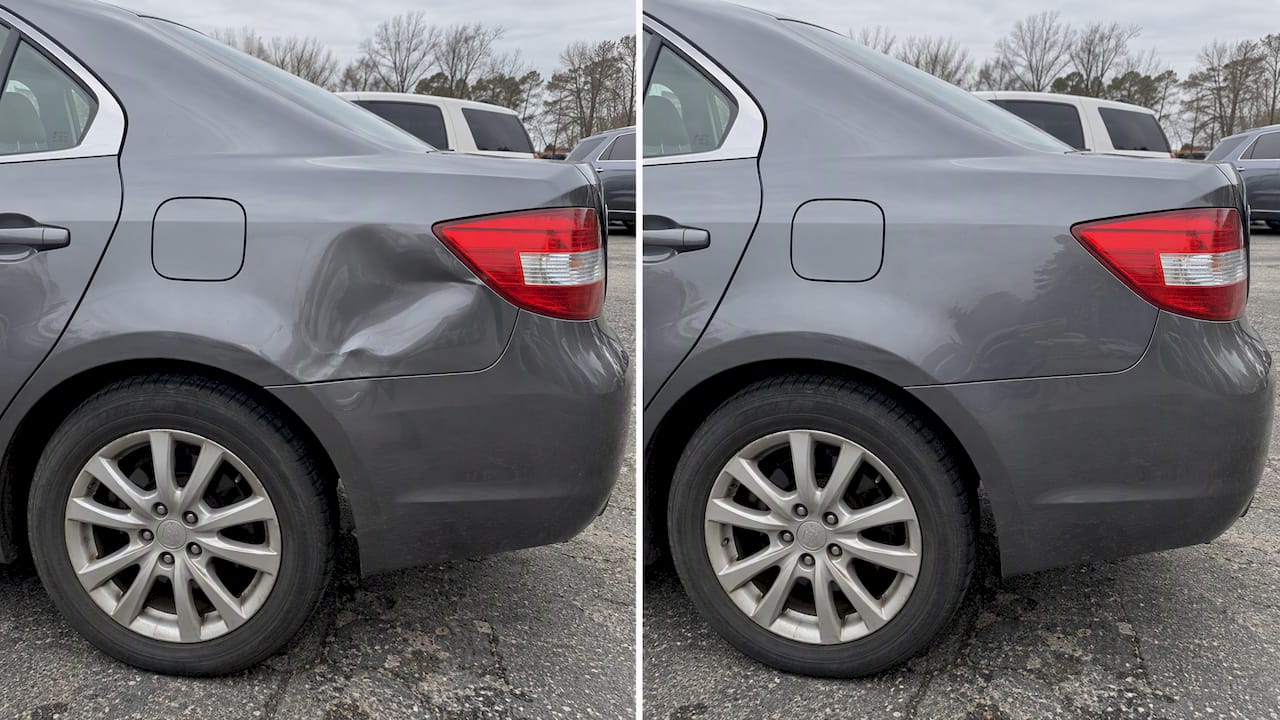
Scheduling pre-return repairs independently often costs far less than what the leasing company would bill. Paintless dent repair, for example, can address small dings and door dents without affecting the factory finish, and it typically runs a fraction of traditional body shop rates. You can learn more about lease return dent repair options that are specifically designed for this situation.
Pro Tip: Some items may cost more to repair than the excess wear charge itself. Always get a repair estimate first and compare it to the projected charge before committing to a fix.
## 5. How repair obligations differ between closed-end and open-end leases
Most consumer vehicle leases in the United States are closed-end leases, sometimes called “walk-away” leases. At the end of a closed-end lease, you return the vehicle, pay any excess mileage or wear charges, and walk away. The residual value risk stays with the lessor. Your repair obligations are limited to what the contract defines as excessive wear, and state law often caps what the lessor can charge you.
Open-end leases work differently, and they carry more financial exposure. These are more common in commercial or fleet arrangements. At the end of an open-end lease, if the vehicle’s actual market value falls below the residual value stated in the contract, you pay the difference. That means the vehicle’s condition directly affects your final bill in a much bigger way. Poor maintenance or unrepaired damage compounds the financial impact because it drives the actual value down further.
For everyday car owners, the closed-end structure is the norm. But if you are leasing a vehicle for business use, confirm which type you have before assuming your liability ends at the wear-and-tear clause.
## 6. How mileage limits affect wear and repair responsibilities
Mileage limits are not just about overage fees. They shape the entire wear-and-use picture. Most consumer leases set annual mileage allowances, and exceeding them accelerates wear on tires, brakes, and suspension components. That wear does not disappear at lease end; it shows up on the inspection report.
High-mileage driving also pushes vehicles closer to or past the manufacturer’s warranty limits faster. Once the bumper-to-bumper warranty expires, any mechanical repair becomes your cost. A lessee who drives well above the contracted mileage may find the warranty gone before the lease is up, leaving them exposed to repair bills the contract never anticipated.
Tires are a practical example. A lessee who drives heavily may need two sets of tires during a standard lease term. Returning the vehicle with tires below the minimum tread depth triggers an excessive wear charge, specifically when tread reaches 1/8 inch at the shallowest point. Replacing tires before the final inspection is almost always cheaper than paying the lessor’s assessed charge.
## 7. Insurance requirements for leased vehicles
Leasing companies require higher insurance coverage than most lenders do for financed vehicles. Comprehensive and collision coverage are mandatory, not optional, because the lessor owns the vehicle and needs it protected. Your lease agreement will specify minimum coverage levels, and falling below them puts you in breach of contract.
Gap insurance is worth serious attention. If the vehicle is totaled or stolen, standard collision coverage pays only the car’s current market value. If that amount is less than what you still owe on the lease, you are responsible for the difference. Gap coverage pays that shortfall. Some leasing companies include it automatically; others offer it as an add-on. Check your contract to know which situation applies to you.
Collision repairs on a leased vehicle also carry a nuance most lessees miss. Even after a car is fully repaired, its resale value drops because of the accident history. This loss is called diminished value. Because the leasing company owns the vehicle, you generally cannot file a diminished value claim against the at-fault driver’s insurance. That right belongs to the legal owner.
## 8. Handling emergency repairs during the lease term
An unexpected breakdown during your lease does not give you unlimited repair freedom. Your first call should be to your leasing company’s roadside assistance line, if one is included in your contract. Many leases bundle roadside assistance, and using it keeps the repair process within approved channels.
For emergency repairs that cannot wait, pay for the work and keep every receipt. Document what was repaired, by whom, and why it was urgent. If the repair involved a component covered by the manufacturer’s warranty, take the vehicle to an authorized dealership as soon as possible to have the work reviewed and potentially reimbursed.
Avoid letting any shop make permanent modifications or use non-OEM parts without checking your lease agreement first. Even in an emergency, using parts or repair methods that violate your contract can create liability at return. A quick call to your leasing company before authorizing major emergency work can prevent a much larger problem later.
## 9. How to report repairs and get approvals under your lease
For collision damage, notify your leasing company immediately, even when the damage looks minor. Most lease agreements require you to report accidents and obtain approval before authorizing repairs. Skipping this step can void your right to have the repair accepted at return.
The approval process typically works like this:
- Notify the leasing company of the damage in writing or through their designated claims line
- Get repair estimates from authorized or certified shops
- Confirm whether OEM parts are required under your specific contract
- Obtain written approval from the lessor before work begins
- Keep all repair invoices and documentation for the lease file
For routine maintenance, no approval is needed, but documentation still matters. Understanding auto body repair terms before you walk into a shop helps you ask the right questions and confirm that the work meets your lease’s standards. Repairs that do not meet the lessor’s fit, finish, or workmanship standards can still result in charges at return, even if you paid for the work yourself.
When you are preparing for lease return and need dent repairs done right, Denterasersllc specializes in mobile paintless dent repair that preserves your factory finish and meets lessor standards. Whether it is a door ding, a small crease, or bumper damage, getting it handled before the official inspection can eliminate charges that would otherwise hit your final bill.
Expert dent repair services are available across Contra Costa County and surrounding areas. Book a mobile inspection and get an estimate before your lease return date.
Key Takeaways
During a vehicle lease, the lessee pays for routine maintenance and damage, while the manufacturer’s warranty covers factory defects for typically three years or 36,000 miles.
| Point | Details |
|---|---|
| Lessee covers routine upkeep | Oil changes, tire rotations, brake pads, and fluid replacements are always the lessee’s expense. |
| Warranty covers factory defects | Bumper-to-bumper coverage typically lasts three years or 36,000 miles, matching most lease terms. |
| OEM parts often required | Lease contracts frequently mandate original equipment manufacturer parts for collision repairs. |
| Pre-return inspection saves money | Scheduling an inspection 4–6 weeks before lease end lets you fix issues at lower independent shop rates. |
| Tires below 1/8-inch tread trigger charges | Excessively worn tires are a defined excessive wear item; replacing them before return is usually cheaper. |
FAQ
When leasing a vehicle, are you responsible for repairs?
Yes. As a lessee, you are responsible for all routine maintenance and any damage caused by neglect or accidents. The manufacturer’s warranty covers factory defects, but the leasing company holds you accountable for returning the vehicle in acceptable condition.
What is the number one rule for leasing a car?
Follow the manufacturer’s maintenance schedule and document every service visit. Failing to maintain the vehicle can void warranty coverage and result in excessive wear charges when you return the car.
What is the biggest downside to leasing a car?
The open-ended liability for the vehicle’s condition at return. You must maintain the car throughout the lease and pay for any damage or excessive wear, which can add up to unexpected costs at the end of the term.
What counts as excessive wear on a leased vehicle?
The Federal Reserve Board defines excessive wear as broken or missing parts, dented or damaged body panels, cuts or burns in the upholstery, cracked glass, excessively worn tires, and poor-quality repairs that do not meet the lessor’s standards.
Can you use any repair shop for a leased vehicle?
For routine maintenance, most leases allow any qualified auto service professional, but you must document the work. For collision repairs, many contracts require authorized or certified shops and OEM parts. Always check your lease agreement before authorizing any repair work.