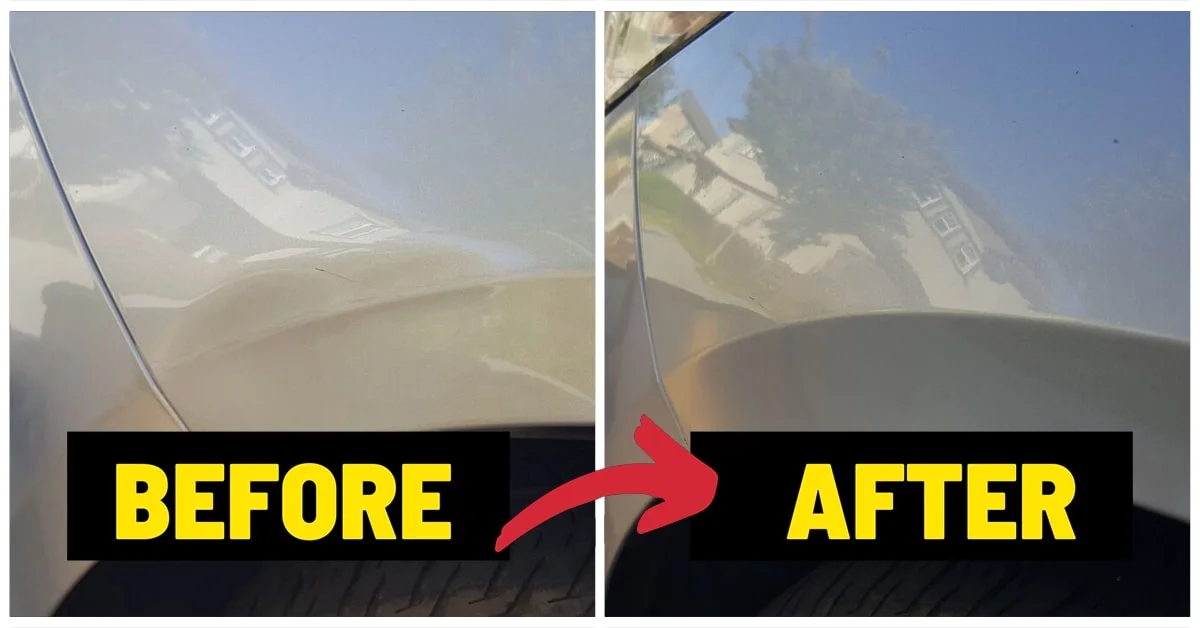
Protect Your Factory Finish With Car Paintless Dent Removal
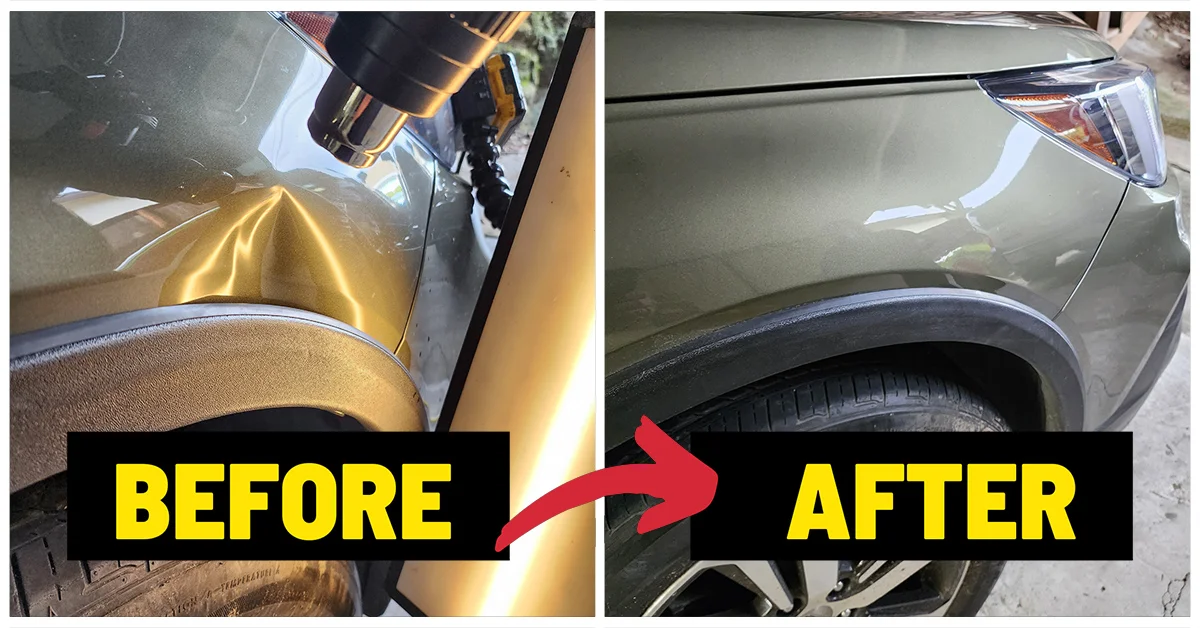
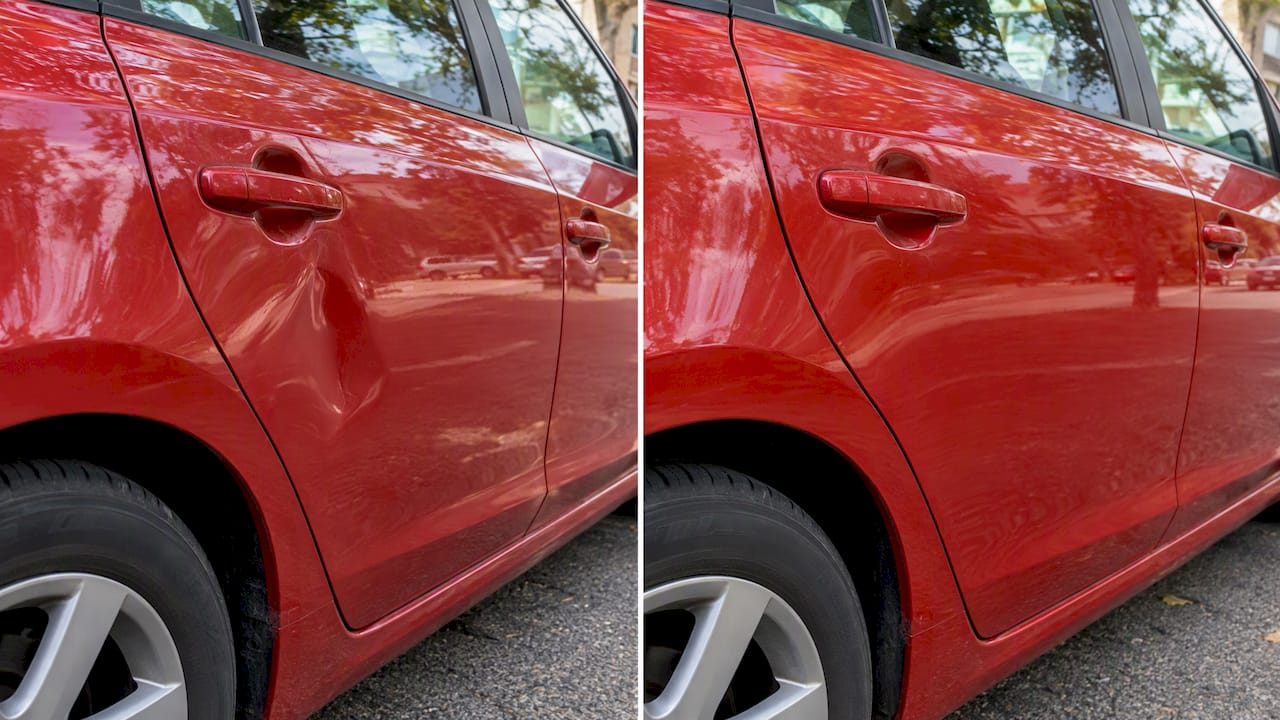
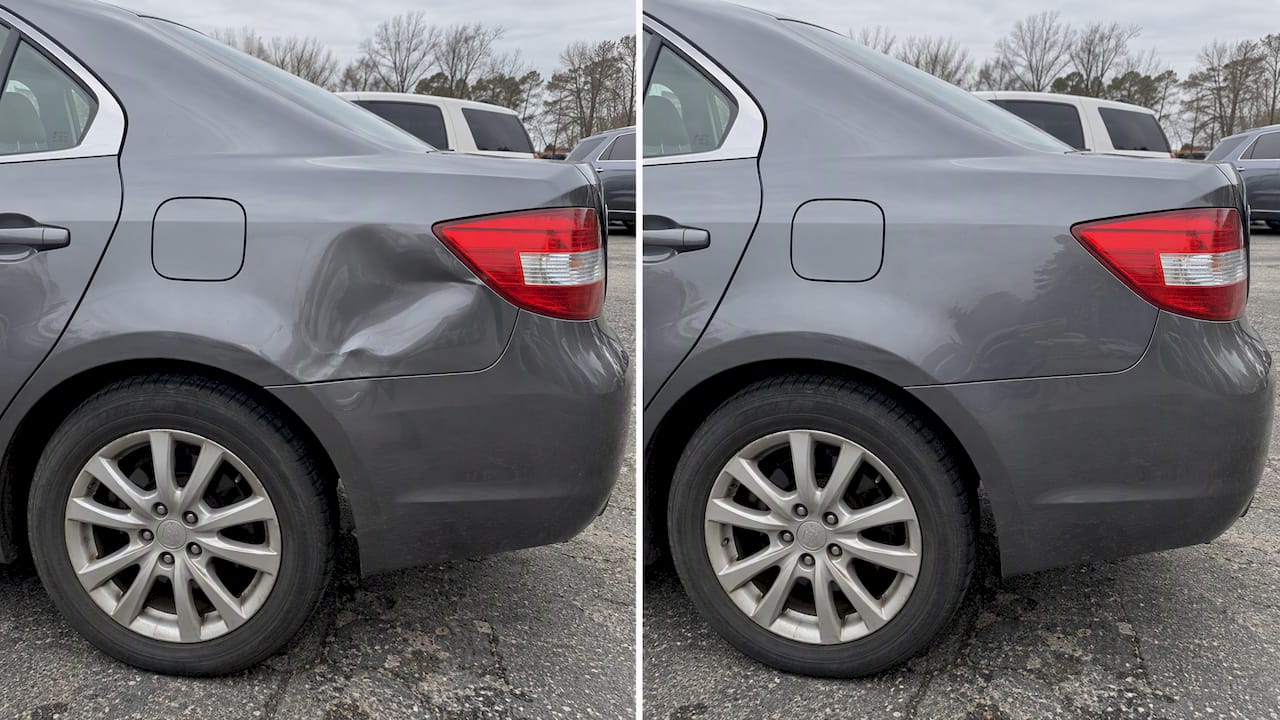
Car paintless dent removal restores many small dents and door dings without sanding, body filler, or repainting. If the paint is still intact and the metal is not badly creased or punctured, a trained technician can carefully reshape the panel from behind or use exterior glue-pulling methods where access is limited.
For high-end vehicles, that matters. Keeping the original factory paint helps avoid color-match concerns, preserves the vehicle’s finish, and can reduce both repair time and cost compared with conventional body work. A minor ding may take a professional only minutes, while deeper damage, tight panel access, or aluminum panels can require more time and skill.
The key is a prompt, accurate assessment. Paintless dent repair is often an excellent fit for smooth parking-lot dents, hail damage, and light door impacts, but cracked paint, sharp creases, and previously repainted panels may need a different repair approach.
I’m Brian Blanc, and I have spent nearly three decades performing car paintless dent removal and building Dent Erasers LLC as a mobile PDR service in the East Bay. This guide explains how the process works, what it can fix, and how to decide whether PDR is the right choice for your vehicle.
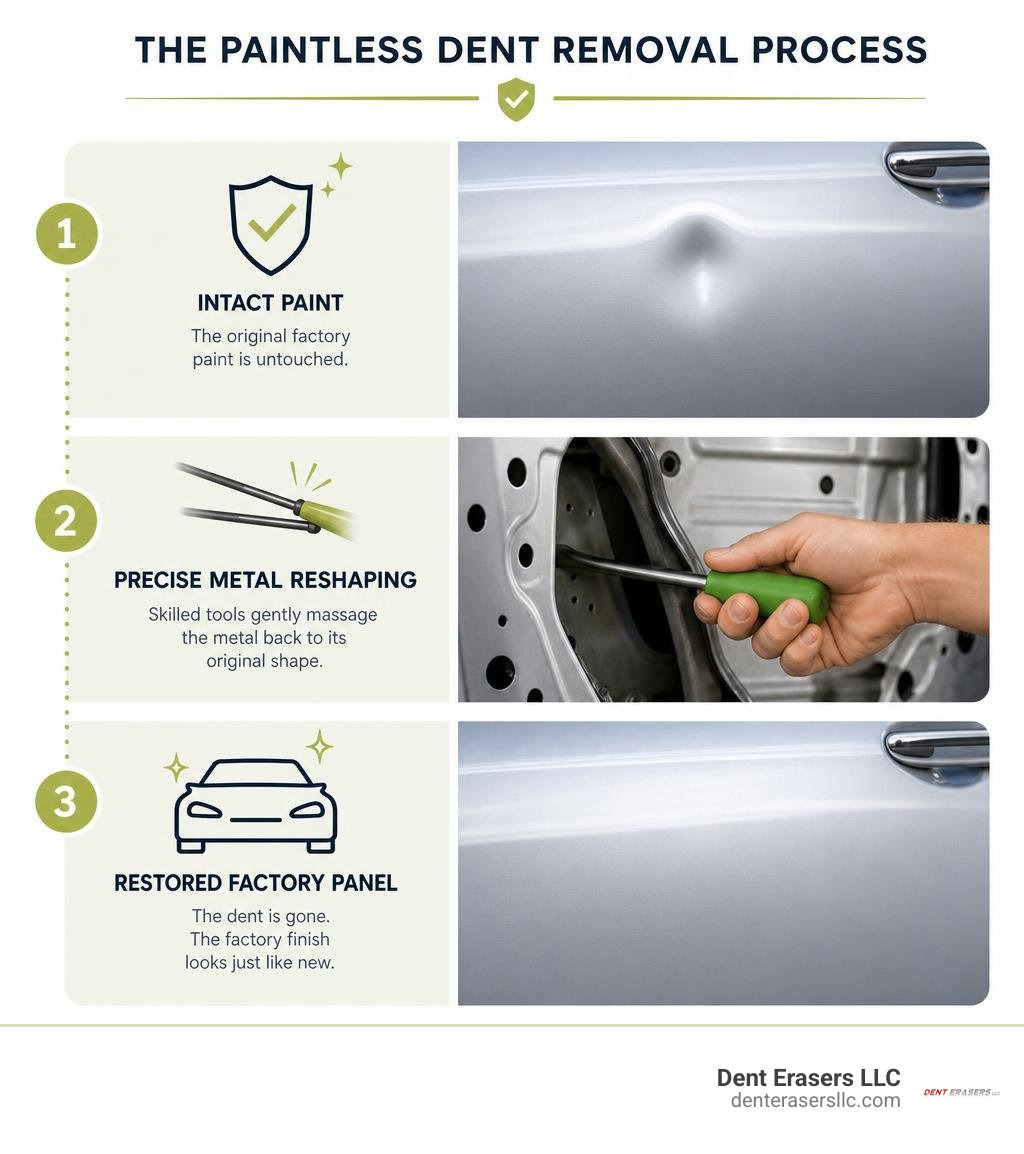
Car paintless dent removal terms explained:
What Is Car Paintless Dent Removal and How Does It Work?
Paintless dent repair (PDR) is the art and science of manipulating distorted metal back to its original factory shape without harming the paint finish. When a shopping cart strikes your door or a hailstone pelts your hood, the metal beneath the paint stretches into a depression. Rather than grinding the area down, spreading body filler, and spraying aftermarket paint, we approach the damage with surgical precision to massage the metal back into place.
Understanding this process requires looking closely at how modern automotive panels and paint systems behave under stress.
The Science of Metal Memory and Modern Finishes
Modern vehicles are engineered with elastic properties in both their sheet metal and their exterior finishes. Automotive clear coats and base coats are resilient, highly flexible polymers designed to withstand thermal expansion, intense sunlight, and minor physical impacts without fracturing. Unless an impact punctures the panel or creates a razor-sharp crease, the paint stretches right along with the underlying metal.
Sheet metal also possesses an inherent structural memory. When stamped at the factory, panels are formed under immense pressure, locking in their intended contours. When an impact causes a low spot, tension gathers around the perimeter in areas known as “crowns” or high spots. By carefully reading how light reflects across these ridges, we apply controlled tactile pressure to release the trapped tension, allowing the metal to settle back into its true contour.
The Evolution of Non-Invasive Dent Technology
The foundational techniques of non-invasive metal shaping date back to ancient metal repoussé and chasing methods from the 3rd century BC, where artisans shaped decorative metals from the reverse side. The automotive application began taking formal shape decades ago:
- 1931: Frank T. Sargent documented early cold-shaping principles in his seminal manual, The Key To Metal Bumping, outlining how metal flows under pressure.
- February 1960: Oskar Flaig, a staff member at Mercedes-Benz, made the first recorded public display of PDR at the International Motor Sports Show in New York City. Nicknamed the “golden tinsmith,” Flaig used a modified hammer handle to secretly push out trade-show dings overnight so cars looked flawless for attendees the next morning.
- 1979–1983: Juergen Holzer brought these specialized German techniques across the Atlantic, establishing commercial PDR operations across the United States.
Today’s vehicles feature high-strength steel, ultra-light aluminum alloys, and intricate body lines, evolving PDR from simple hammer-handle tricks into an advanced discipline requiring specialized optics, ergonomic tension bars, and digital induction heaters.
The Craftsmanship: Advanced Techniques and Specialized Tools
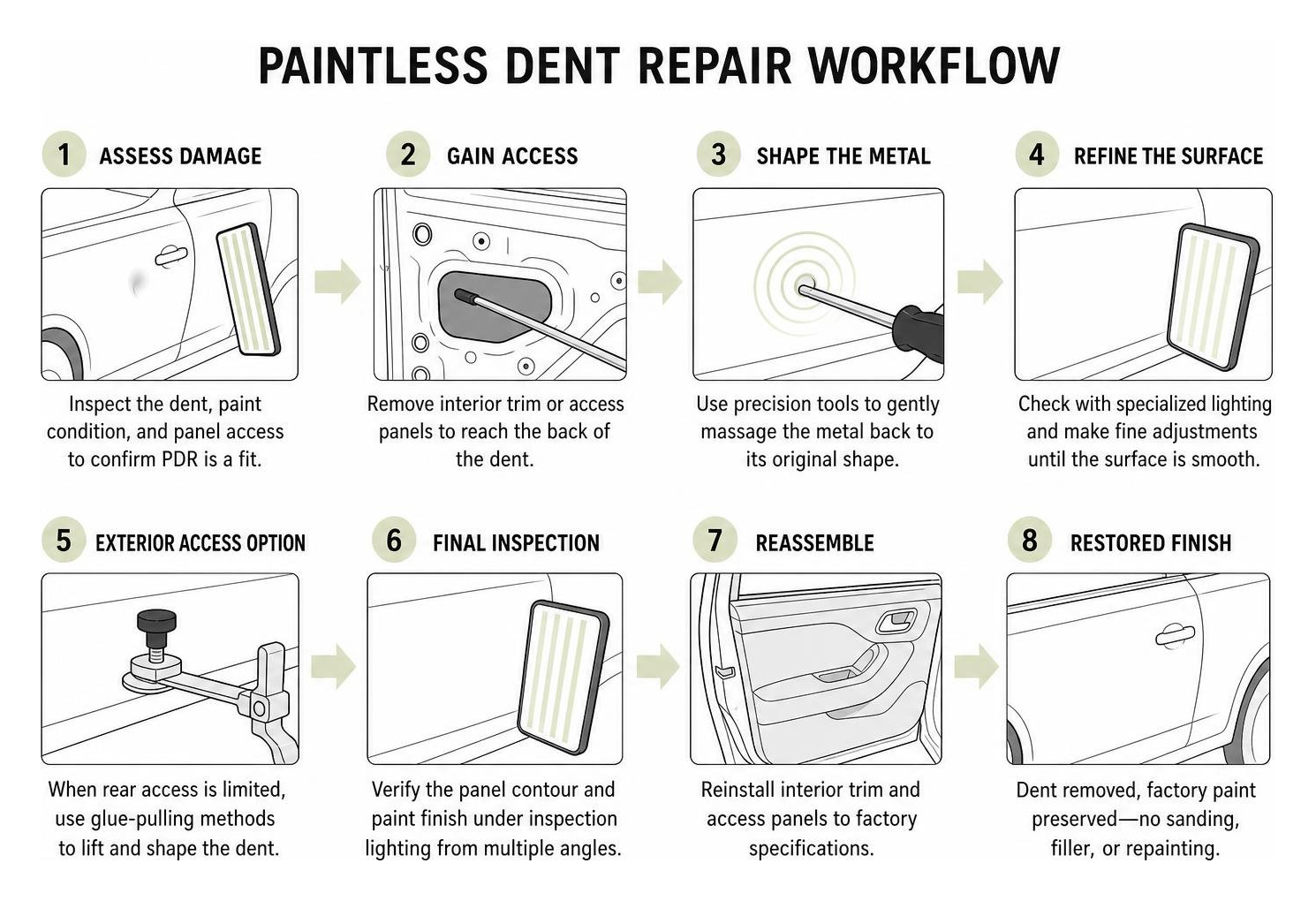
Achieving an invisible repair requires an extensive toolkit and a deeply refined sense of touch. When you want to stop the dents from driving you crazy with PDR, we rely on two primary mechanical methodologies: underside pushing and exterior glue pulling.

Underside Metal Manipulation and Precision Pushing
The traditional method involves accessing the back of the damaged sheet metal. This requires navigating window channels, interior trim panels, wiring harnesses, and inner structural bracing.
Once we establish a clean path, we set up high-intensity LED reflection boards or line boards across the vehicle panel. These boards project parallel lines onto the clear coat:
- Low spots cause the reflected lines to bow outward and distort.
- High spots compress the lines closer together.
- Using long, custom-tempered steel rods and body picks, we place micro-pushes directly at the center of the low spot.
- Working in microscopic increments, we gently lift the metal while simultaneously tapping down high crowns from the exterior using lightweight blending hammers equipped with polished, non-marring heads.
Glue Pulling and Exterior Tension Relief
When underside access is completely blocked—such as along roof rails, double-walled pillars, or rocker panels—we utilize advanced glue-pulling systems.
We bond specially engineered polycarbonate tabs to the exterior clear coat using proprietary hot-melt adhesives formulated specifically for automotive finishes. Before pulling, we apply controlled heat to the panel surface. Warming the metal and clear coat increases paint elasticity and prevents chipping or delamination.
Using slide hammers or precision mini-lifters, we pull the center of the dent upward. Once the low spot releases, an alcohol solution releases the adhesive cleanly without leaving a trace on the factory finish. We then blend and tap down any residual tension ridges until the panel is flat and true.
Which Types of Vehicle Dents Can Be Repaired?
PDR works on a wide variety of everyday vehicle mishaps, provided the clear coat has not been compromised:
- Door Dings: Typical parking lot mishaps from swinging car doors.
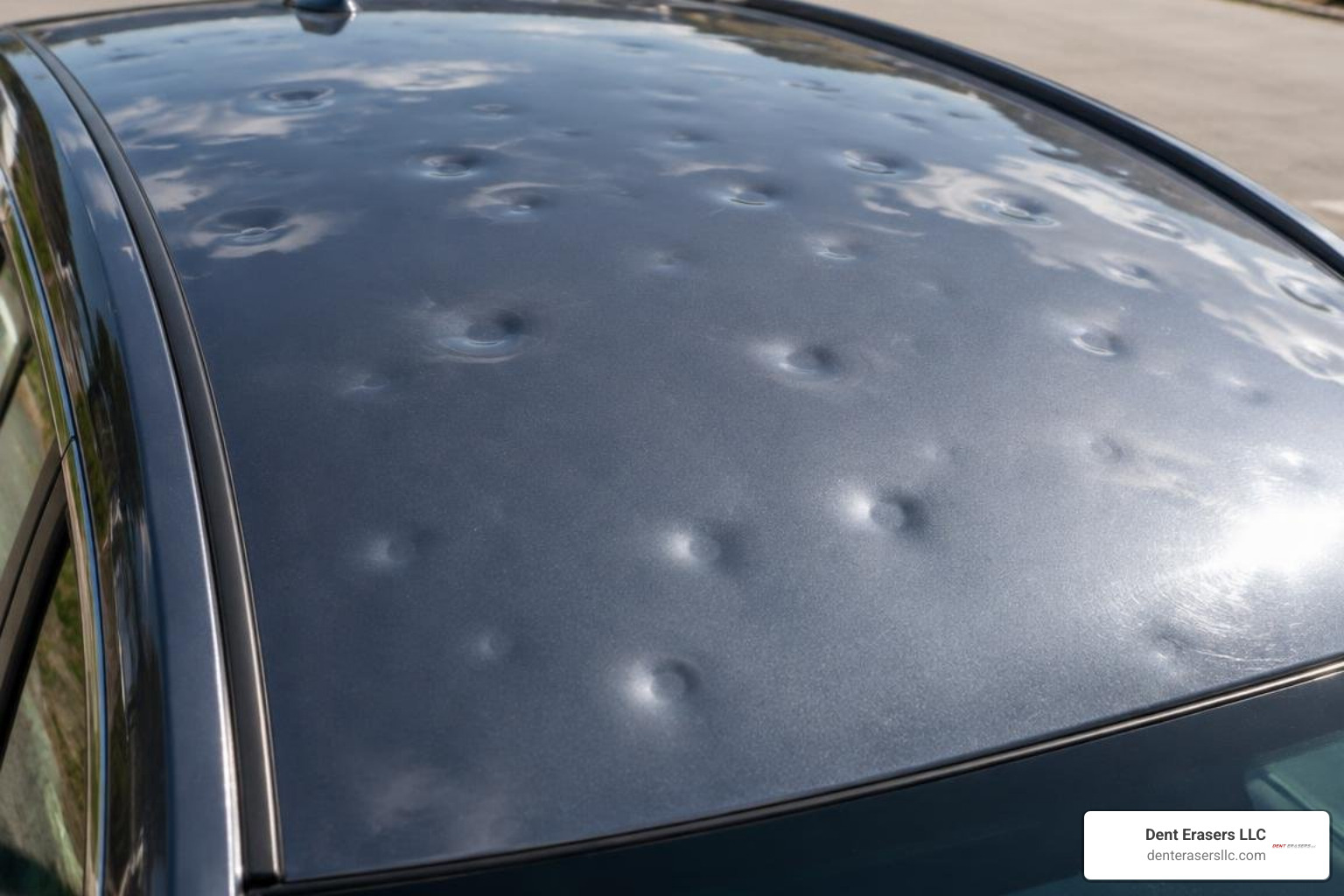
- Hail Damage: Multi-panel impacts that dimple hoods, roofs, and trunk lids. When intense weather strikes, weathering the storm with paintless hail repair provides the fastest path to factory restoration.
- Crease Dents: Elongated impressions caused by bicycle handlebars, low-speed bumper scuffs, or garage obstacles.
- Large Body Impressions: Broad, soft depressions on quarter panels or hoods caused by someone leaning or sitting on the vehicle.
We perform these repairs across our service territory, offering top-tier no paint, no problem: top paintless dent removal Brentwood services alongside comprehensive coverage throughout Concord, Walnut Creek, San Ramon, Martinez, and Richmond. For motorists searching around the bay, checking THE BEST 10 MOBILE DENT REPAIR IN RICHMOND, CA highlights how much drivers appreciate experienced on-site repairs.
Identifying When Car Paintless Dent Removal Is Not Recommended
While modern PDR covers a massive range of damage, certain structural and surface conditions make traditional bodywork necessary:
- Cracked or Broken Paint: If the metal has folded sharply enough to break the paint film, PDR cannot restore the finish. The panel will need conventional painting to prevent rust.
- Punctures and Torn Metal: Holes caused by sharp collisions rip the metal grain, requiring welding and structural replacement.
- Excessively Stretched Metal: Think of pressing your finger firmly into the plastic wrap over a case of water bottles; push too far, and the plastic loses all tension. Sheet metal behaves similarly. If an impact stretches the metal past its elastic threshold, it becomes “flabby” and cannot hold its shape without body filler or panel replacement.
- Non-Factory Repainted Panels: Aftermarket body shop paint often lacks the intense thermal baking and molecular adhesion of an OEM factory finish. Glue-pulling on previously repainted panels carries a significantly higher risk of lifting the clear coat.
In some hybrid cases, we use a technique called “push to paint” or “push to prep.” We reshape the dent as close to factory tolerance as possible, minimizing the need for heavy body filler before sending the car for minor paint blending.
Paintless Dent Repair vs. Conventional Body Shop Methods
Traditional collision centers rely on heavy interventions: sanding off the original paint, pulling dents with welded studs, applying polyester body filler (Bondo), spraying primer, and applying aftermarket paint and clear coat.
While conventional repair is necessary for major collision work, choosing it for minor dings compromises the integrity of your vehicle.
| Comparison Factor | Paintless Dent Repair (PDR) | Conventional Body Shop |
|---|---|---|
| Factory Paint | 100% Preserved; no overspray or color blending | Removed, filled, and repainted |
| Turnaround Time | Often 45 minutes to a few hours | 3 to 10+ business days |
| Vehicle Value | Maintains maximum resale/collector value | Diminished value due to non-OEM paint records |
| Color Match | Perfect (original paint is never altered) | Prone to mismatch, texture differences, or fading |
| Cost | Typically $150 to $500 per repair zone | $800 to $2,500+ due to paint, labor, and materials |
| Environmental Impact | Zero VOC emissions, chemicals, or waste | Significant paint fumes, solvents, and sanding dust |
Automotive paint at a standard body shop is like liquid cash—it drives up the repair estimate rapidly due to labor hours for prep, taping, blending neighboring panels, and bake-booth cycles. PDR bypasses these steps entirely.
Professional Mobile Repair vs. DIY: Costs, Quality, and Risks
With inexpensive suction cups and bridge pullers widely available online, many vehicle owners consider repairing dents themselves. However, dent removal is a skill honed through thousands of hours of muscle-memory training, fine optical analysis, and deep knowledge of metallurgy.
When budgeting for professional work, reviewing dents and dollars: your ultimate paintless dent repair pricing guide alongside the complete guide to PDR pricing and estimates gives you a clear look at how technicians assess damage.
According to Angie’s List, a small one-inch dent generally costs $50 to $120 to repair via paintless dent removal, with every additional half inch typically adding $10 to $30. At Dent Erasers LLC, our mobile repairs typically range from $150 to $500 depending on panel access, metal type, and dent severity—providing substantial savings compared to body shop deductibles.

Why DIY Car Paintless Dent Removal Often Causes Metal Stretching
The biggest hazard of DIY dent repair is turning a simple repair into an unfixable mess. DIY infomercial kits make dent repair look like a simple “pop-and-go” trick. In reality, sheet metal is sensitive to over-correction.
When an untrained DIYer applies excessive force with a slide hammer or pushes aggressively from behind with a makeshift rod, several problems happen immediately:
- High Spots and Pimples: Pushing even a millimeter off-center pushes sharp pimples outward through the paint, stretching the metal beyond its elastic limit.
- Permanent Metal Stretching: Over-massaging the metal causes it to lose its structural tension, leaving a loose, oil-canning panel that pops back and forth when touched.
- Paint Delamination: Pulling a glue tab without precise heat management or surface preparation can rip the clear coat directly off the primer, forcing you into a costly repaint.
Once sheet metal is over-stretched or “blown out” by an amateur tool, even an experienced master technician cannot shrink it back cleanly. Calling a professional first preserves your vehicle’s metal and saves you from paying for a full panel respray.
Frequently Asked Questions About Paintless Dent Repair
How much does paintless dent repair typically cost?
Professional PDR generally ranges between $150 and $500 for most individual door dings and minor body creases. The exact investment depends on several key variables:
- Size: Small one-inch dings are the most affordable, with costs scaling incrementally for larger impressions.
- Location and Access: Dents located behind double-walled structural pillars, intrusion beams, or sunroof cassettes require more setup and specialized tool routing.
- Panel Material: Aluminum panels and high-strength steels require specialized tools and more time, slightly increasing labor costs.
How long does a professional PDR service take to complete?
A standard parking lot door ding can take our mobile technicians as little as 45 to 90 minutes from start to finish. Minor hail damage or complex body creases across body bodylines may take two to four hours. Because we operate as a fully equipped mobile unit, we complete the entire service right in your driveway or office parking lot throughout Contra Costa County, eliminating the need to leave your car at a body shop for a week.
Can paintless dent removal be performed on aluminum panels?
Yes, PDR is highly effective on aluminum panels, though it demands a higher level of skill and technique. Aluminum is stiffer, lighter, and possesses less “elastic memory” than traditional automotive sheet steel. It requires approximately 30% to 50% more pushing force and precise thermal control. We heat the aluminum panel before and during manipulation to relax the metal’s crystalline structure, allowing it to move smoothly without cracking the clear coat.
Conclusion
Your vehicle’s original factory finish is irreplaceable. It was applied in a sterile factory environment and baked at high temperatures that standard body shops simply cannot replicate. Preserving that finish keeps your luxury or daily vehicle looking pristine while protecting its resale value.
At Dent Erasers LLC, we bring expert mobile craftsmanship directly to your location across Contra Costa County—including Concord, Walnut Creek, Danville, San Ramon, Brentwood, and surrounding communities. If you are ready to erase unsightly dings and dents without body filler or repainting, schedule your professional car paintless dent repair with our team today.