Choose single-stage paint for simple solid-color jobs and faster spot repairs, and choose a basecoat/clearcoat system when you want deeper gloss, metallic effects, or an easier long-term finish to maintain. Single-stage combines color and gloss in one product, which saves time but limits visual depth. Basecoat/clearcoat separates color from protection, giving you better metallic “flop” and an easier path to a show-quality shine. Your pick really comes down to the project in front of you: a quick panel blend or a full custom build.
TL;DR:
- Some premium urethane single stage topcoats require up to 120 days before waxing, so check the technical sheet before polishing or applying wax.
- Metallic and pearl finishes need basecoat and clearcoat for better flake orientation, while the clear layer also makes collision repair edges easier to blend.
- Choose single stage for simple solid colors, work vehicles, or period correct restorations; it usually lowers material costs but can fade and chalk sooner.
- Urethane spraying exposes painters to isocyanates, so use a supplied air respirator and proper ventilation; a dust mask is not adequate protection.
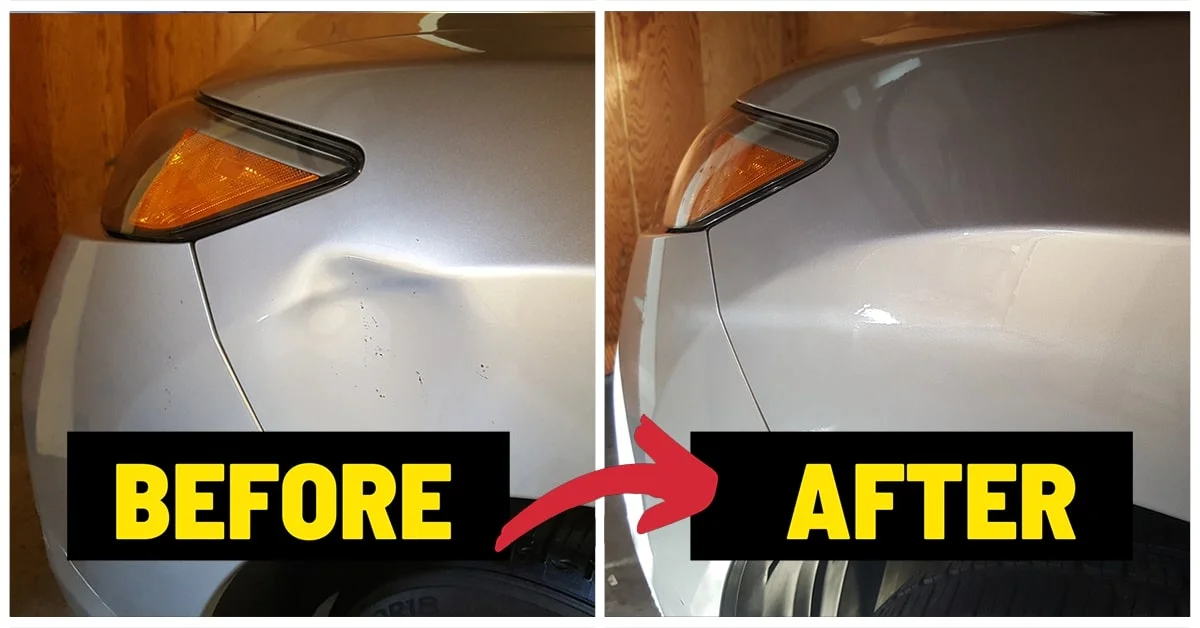
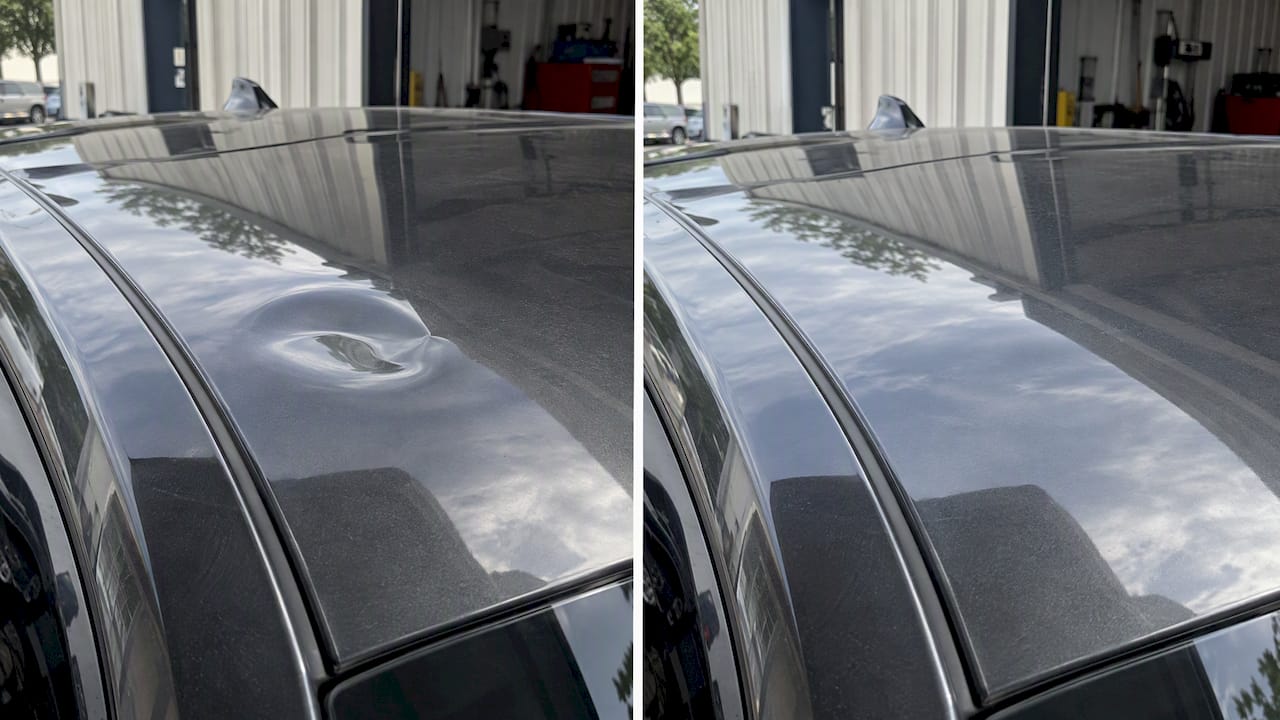
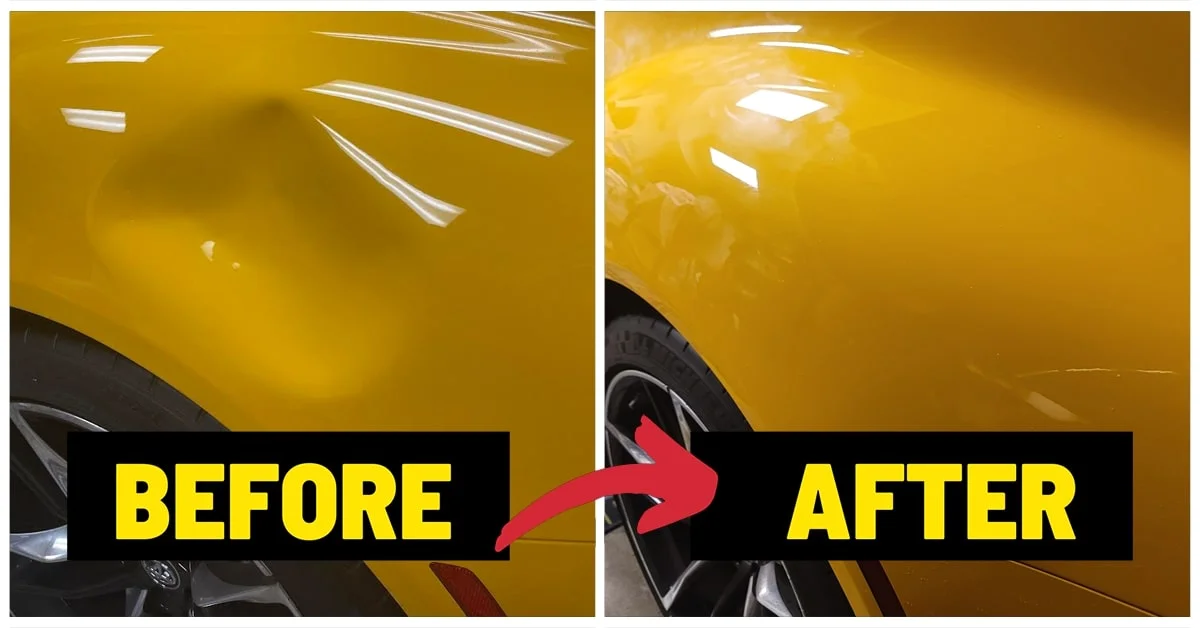
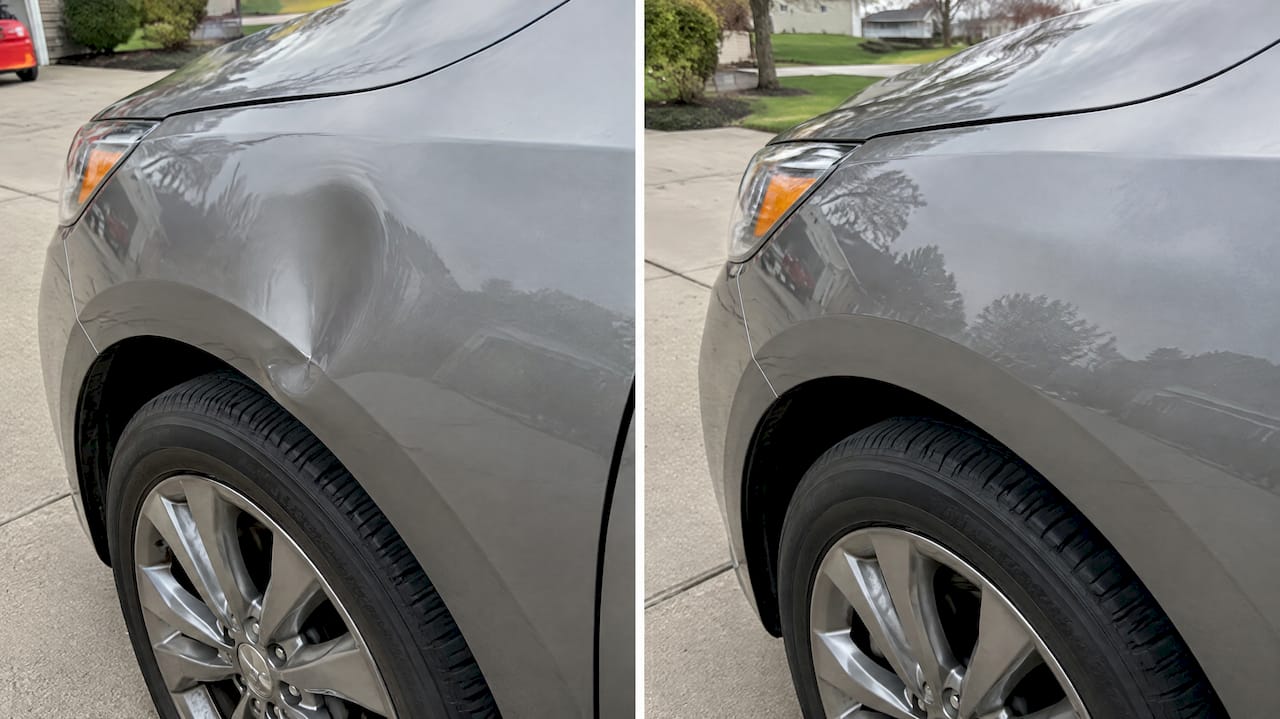
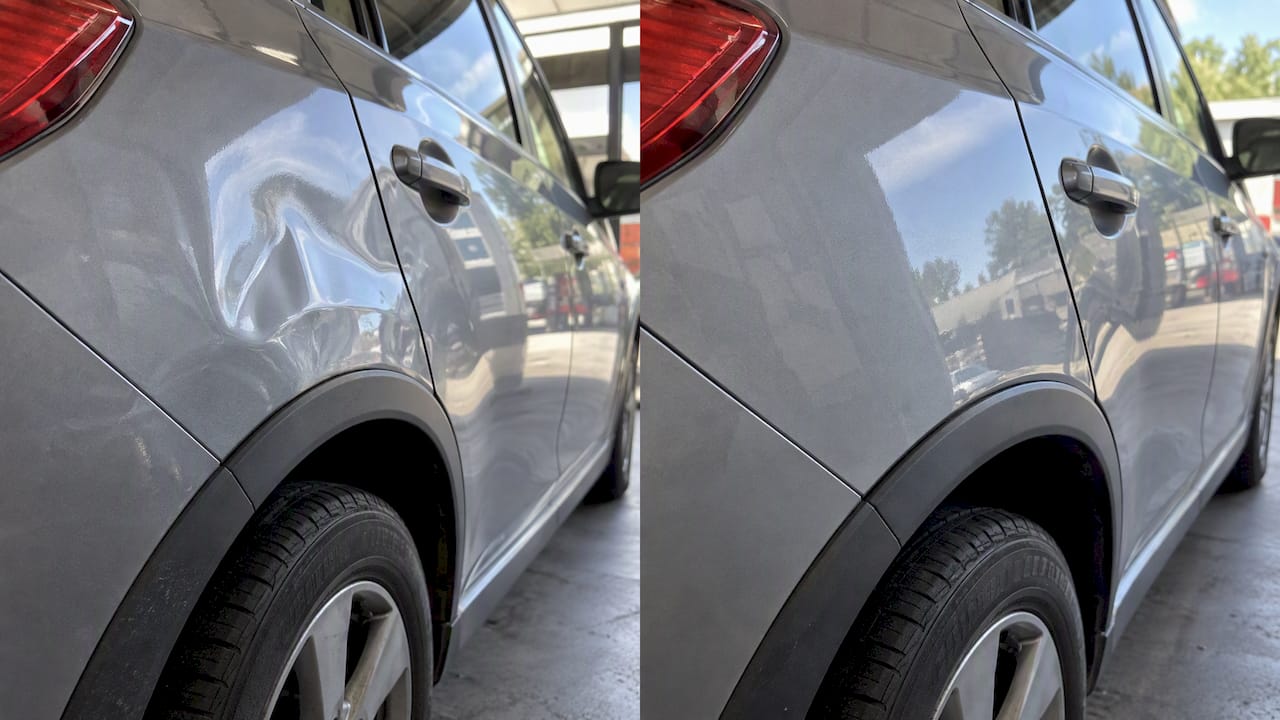
- For dents that have not damaged the paint, paintless dent repair can preserve the factory finish and avoid repainting, blending, and fresh paint cure delays.
Table of Contents
- What Is Single-Stage Paint and How Do You Apply It?
- What Are Basecoat and Clearcoat Systems, and Why Do Shops Prefer Them?
- Single Stage vs Base Coat: Pros and Cons Side by Side
- DIY or Pro: Equipment, Cost, and Safety Realities
- How Repair, Blending, and Cure Time Differ Between Systems
- Our Take: Matching the Paint System to the Project
- When Paint Preservation Matters More Than Repainting
- FAQ
- Sources
What Is Single-Stage Paint and How Do You Apply It?
Single-stage paint carries pigment, gloss, and UV protection all in one product, so what comes out of the gun is the finished color and sheen together. Most modern single-stage formulas are urethane-based, though some solid-color enamels still show up on older restorations and fleet work. We see single-stage used most often on work trucks, tractors, and classic cars where owners want a period-correct look without the extra labor of a two-layer system.
Application is more straightforward than basecoat/clearcoat, but it still demands attention to timing. A typical job calls for two to three coats, with flash times between coats that depend on temperature, humidity, and booth airflow. Manufacturer technical data sheets spell out these windows precisely because single-stage paint cures as it dries, and rushing the process leaves texture or solvent trapped under the surface.
- Mix the paint according to the manufacturer’s ratio and apply in a clean, temperature-controlled booth whenever possible.
- Allow full flash time between coats, since skipping this step causes solvent pop or uneven gloss.
- Let the finish cure before cutting and polishing, since buffing too early can burn through thin, uncured paint.
- Check the specific topcoat’s technical data sheet for wax and polish timing before touching the surface.
Some premium urethane single-stage topcoats recommend waiting up to 120 days before waxing to let the finish fully cure, according to Axalta’s ChromaPremier technical data sheet. That long cure window surprises a lot of first-time single-stage painters who assume the paint is “done” once it feels dry to the touch.
Shops sometimes add a clearcoat over single-stage anyway, even though the system does not require one. A thin clear layer makes cutting and polishing far more forgiving, and it adds a buffer of protection over a spot repair where blending the color perfectly would otherwise be difficult.
What Are Basecoat and Clearcoat Systems, and Why Do Shops Prefer Them?
Basecoat/clearcoat splits the job between two products working together. The basecoat carries pigment and whatever metallic or pearl effect the color calls for, but it has no gloss or UV protection built in. The clearcoat goes on top, pure resin with no pigment, and that layer is what gives you the depth, the shine, and most of the long-term protection.
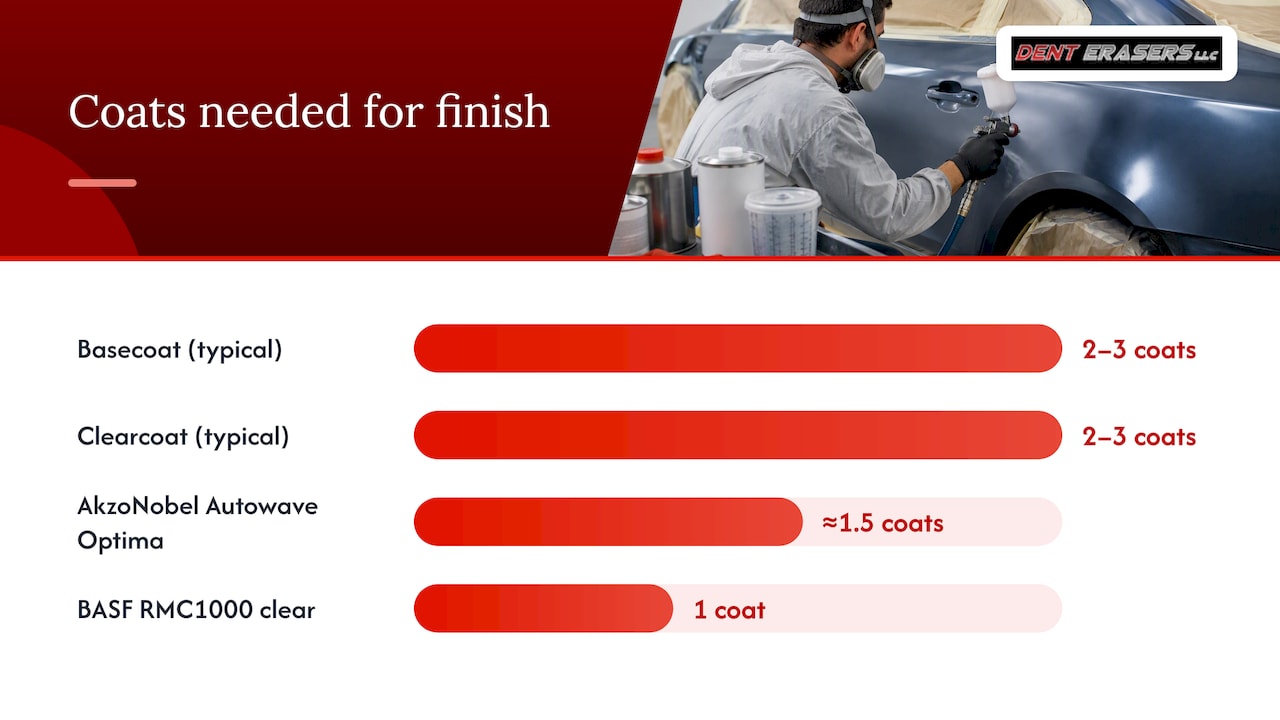
The workflow reflects that division of labor. A technician typically lays down two to three light basecoat coats, each one needing only a short flash time since basecoat dries fast and doesn’t need to fully cure before the next pass. Once color coverage looks even, the panel gets two or three clearcoat passes, and on production lines or in shops with the equipment, a drying oven speeds up the final cure.
- Apply light, even basecoat coats, since heavy coats cause mottling in metallics and pearls.
- Flash each basecoat coat for the time the technical data sheet specifies, typically a matter of minutes rather than hours.
- Apply clearcoat in two or more passes to build enough film for safe sanding and polishing later.
- Use a drying oven or force-dry setup when available to cut total turnaround time.
This separation is exactly why basecoat/clearcoat handles metallic and pearl colors so much better than single-stage. Pigment flakes in the basecoat sit at a consistent depth and angle because they’re not fighting for position with a thick, glossy resin layer, and the clear on top magnifies that effect instead of diluting it. EPA documentation on surface coating operations notes that the industry has shifted toward basecoat/clearcoat largely because of this superior appearance, alongside comparative VOC data across coating types.
Newer products are reshaping the time cost of this system. BASF’s one-coat clear, RMC1000, applies in a single wet coat with a 30-minute dry at 140 degrees Fahrenheit, cutting out the second wet coat and its flash-off entirely, according to Autobody News. AkzoNobel’s Sikkens Autowave Optima pushes in the same direction from the basecoat side, engineered to achieve hide in roughly 1.5 coats rather than the usual two to three, as reported by Autobody News. These innovations narrow the speed gap that single-stage used to hold over basecoat/clearcoat.
Single Stage vs Base Coat: Pros and Cons Side by Side
Here’s how the two systems stack up once you weigh appearance, durability, repairability, and cost against each other.
- Appearance: Single-stage gives you a flat, honest shine that suits solid colors well, while basecoat/clearcoat produces more depth and handles metallic flop far better.
- Durability and maintenance: Clearcoat resists UV and chemical exposure as a dedicated layer, so basecoat/clearcoat finishes tend to age more evenly than single-stage, which can fade and chalk since the pigment sits exposed at the surface.
- Repairability: Single-stage spot repairs are simpler in theory but harder to blend invisibly, since matching gloss and color in one pass is tougher than blending clear over a feathered edge.
- Edge blending: Basecoat/clearcoat repairs hide the repair edge inside the clear layer, which is part of why body shops default to this system for collision work.
- Time and labor: Single-stage traditionally saved time because of fewer product changes and no separate clear step, but one-coat clears and single-visit basecoats have closed much of that gap.
- Material cost: Single-stage usually costs less per job in raw materials, though basecoat/clearcoat’s efficiency gains from newer products are shrinking that difference too.
- Optional steps: Clearcoating over single-stage, or extending cure time before polishing, adds labor but improves the final result and resale look.
- Skill and equipment: Basecoat/clearcoat demands more precision in timing and film build across two products, so it generally asks more of the technician.
DIY or Pro: Equipment, Cost, and Safety Realities
Painting a car well, with either system, takes more than a spray gun and a weekend. A proper setup includes a ventilated booth or at least a dust-free, temperature-controlled space, a quality HVLP spray gun, and the patience to follow flash and cure times exactly as the technical data sheet lists them. Skipping booth conditions is one of the fastest ways to end up with runs, dust nibs, or uneven gloss.
- Budget for both materials and booth time, since basecoat/clearcoat generally requires more total passes and cure time than single-stage.
- Expect labor costs to rise with color complexity, especially for metallics and pearls that demand careful basecoat technique.
- Factor in rework risk: cheap paint or a rushed process often costs more in the end than paying for it once, done right.
- Treat isocyanate exposure as a serious hazard, not an inconvenience to work around.
Isocyanates in polyurethane paints are a leading cause of work-related asthma, and OSHA recommends engineering controls and proper personal protective equipment for anyone working with these coatings. That means a supplied-air respirator, not a basic dust mask, along with adequate ventilation whenever you’re spraying urethane single-stage or clearcoat.
Pro Tip: If you’re painting metallics, large panels, or anything that needs oven-cure clear for a durable finish, hand the job to a shop with the booth and equipment to do it right the first time.
How Repair, Blending, and Cure Time Differ Between Systems
Repairing a painted panel means working within whatever system is already on the car, and the two approaches call for different techniques. Single-stage repairs can use a clearcoat blender product that chemically melts the edge of the repair into the surrounding original finish, which is the approved method Axalta’s ChromaPremier TDS documents for blending single-stage spot repairs. Skip the blender, and you risk a visible, non-durable edge where old and new paint meet.
- Use a clearcoat blender for single-stage spot repairs to soften the transition line.
- Consider clearcoating over a single-stage repair when polishing the blend edge invisibly matters more than matching the original sheen exactly.
- Follow the manufacturer’s cure window before waxing or polishing a fresh single-stage finish.
- Treat basecoat/clearcoat repairs as inherently easier to blend, since the clear layer naturally hides the basecoat’s feathered edge.
Premium urethane single-stage topcoats can require up to 120 days before waxing, according to Axalta’s technical data sheet, since waxing too early traps solvent and interferes with the curing topcoat. This cure sensitivity is part of why preserving existing paint matters so much after a dent or bump: every repaint, even a small one, resets that clock on part of the panel. That’s where paintless dent repair earns its place in the conversation, since it can resolve dings and creases without touching the factory finish at all, sidestepping the blending and curing questions entirely.
Our Take: Matching the Paint System to the Project
In our shop’s experience helping customers protect their factory finishes, the choice between single-stage and basecoat/clearcoat really tracks the goal of the project, not just the budget. For a daily driver with a simple solid color, or a period-correct restoration where the original build used single-stage enamel, we lean toward single-stage every time. It’s quicker, it’s authentic to the era, and small touch-ups don’t demand a perfectly blended clearcoat edge.
For a show car, a metallic repaint, or any color with pearl or flake, basecoat/clearcoat is the better call without question. The depth and the long-term polishability simply aren’t there with single-stage, and newer one-coat clears and single-visit basecoats have made the labor cost of that extra layer much more reasonable than it used to be.
Budget, timeline, and your own comfort with spray equipment all matter here too. If you’re weighing a DIY attempt, be honest about your booth setup and your respirator, because isocyanate exposure isn’t a risk worth cutting corners on. A realistic first attempt on a hidden panel teaches you more than any amount of reading.
— Brian Blanc
When Paint Preservation Matters More Than Repainting
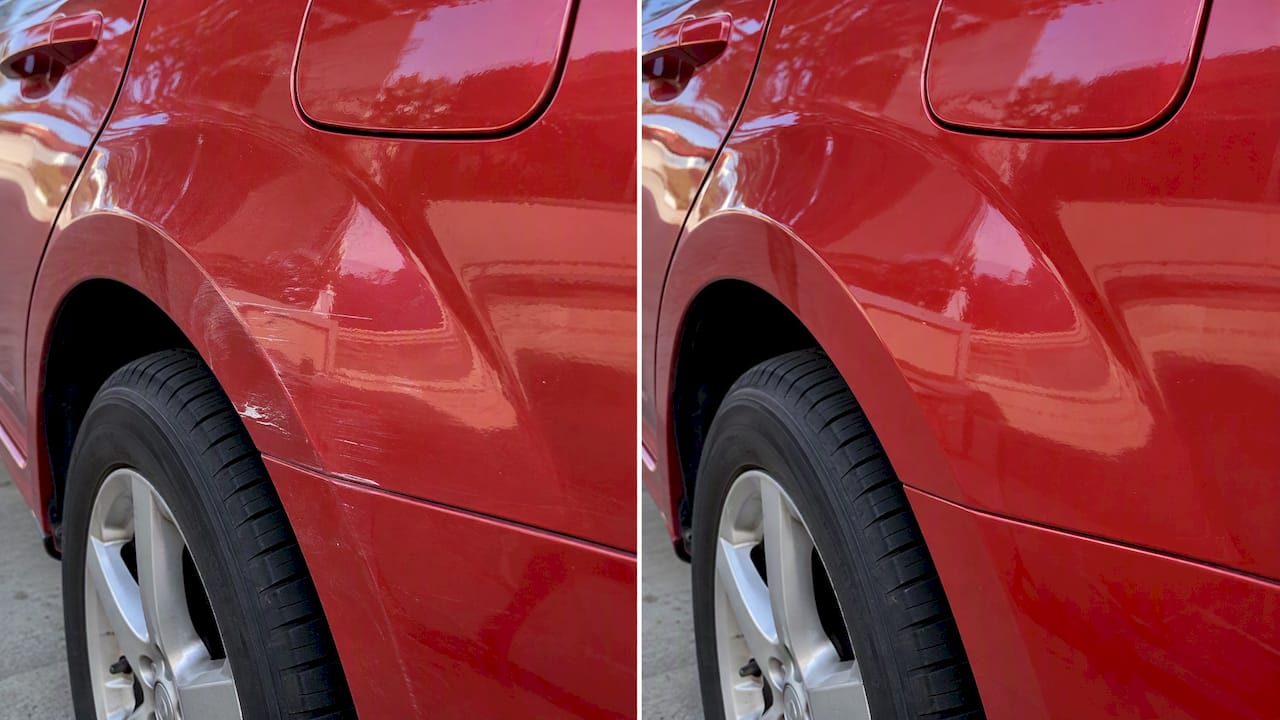
A lot of the repair decisions covered above assume a repaint is already on the table, but plenty of dents and creases never need one at all. We built our business around that gap: mobile Paintless Dent Repair that massages the metal back into shape at your location, without touching the factory clearcoat or whatever single-stage or basecoat/clearcoat finish is already on the car.

- Paintless Dent Repair: resolves dings and creases while keeping the original finish intact.
- Mobile Dent Repair: offers onsite repair services, reducing the need to visit a shop.
- Plastic Bumper Repair: addresses cracks and deformation without always requiring a full repaint.
- Auto Body & Collision Repair: provides repair for damage beyond what paintless methods can fix.
When a panel can be saved without spraying a drop of new paint, you skip the flash times, the cure windows, and the blending work entirely, and you keep the exact finish the factory or your painter originally laid down. If a dent or ding has you wondering whether a repaint is really necessary, get a free on-site quote and we’ll tell you honestly whether paintless repair can handle it.
FAQ
What are the disadvantages of single-stage paint?
Single-stage paint tends to fade and chalk faster than basecoat/clearcoat since the pigment sits exposed at the surface with no separate protective layer. It also makes metallic and pearl effects look flatter, and spot repairs are harder to blend invisibly without an added clearcoat blender step.
Does Toyota still use single stage paint?
Modern factory vehicles from major manufacturers, Toyota included, use basecoat/clearcoat systems rather than single-stage, since the industry shifted toward basecoat/clearcoat for its superior appearance and durability, as EPA documentation notes. Single-stage finishes today mostly show up on older vehicles, fleet equipment, or restorations aiming for a period-correct look.
Do I clearcoat a single stage paint?
Clearcoating single-stage paint isn’t required, since the single-stage product already contains its own gloss and UV protection. Many technicians add a thin clearcoat over single-stage spot repairs anyway, because it simplifies cutting and polishing and helps hide the blend edge.
What’s the real cost difference between the two systems?
Single-stage generally uses less material and fewer process steps, which keeps traditional labor and material costs lower, though newer one-coat clears and single-visit basecoats, like AkzoNobel’s Sikkens Autowave Optima, are narrowing that gap. The bigger cost factor is usually color complexity and rework risk rather than the system itself.
Sources
- CHROMAPREMIER® SINGLE STAGE TOPCOAT (TDS) — Axalta
- BASF introduces one-coat clear — Autobody News
- AP-42 CH 4.2.2.8 Automobile and Light Duty Truck Surface Coating Operations — EPA
- Green Job Hazards – Chemical Hazards – Isocyanates — OSHA