Insurance covers dent repair only when your policy includes comprehensive or collision coverage. Liability insurance, the minimum required in most states, does not pay for dents on your own vehicle. Understanding the role of insurance in dent repair before you file a claim is the difference between saving money and accidentally raising your premiums for the next five years. This guide breaks down which coverage types apply, how deductibles affect your decision, and when paintless dent repair (PDR) is the smarter path forward.
What types of dent damage does insurance typically cover?
Insurance coverage for dent repair depends entirely on which policy you carry and what caused the damage. The three main coverage types each handle dents differently, and confusing them is one of the most common mistakes car owners make.
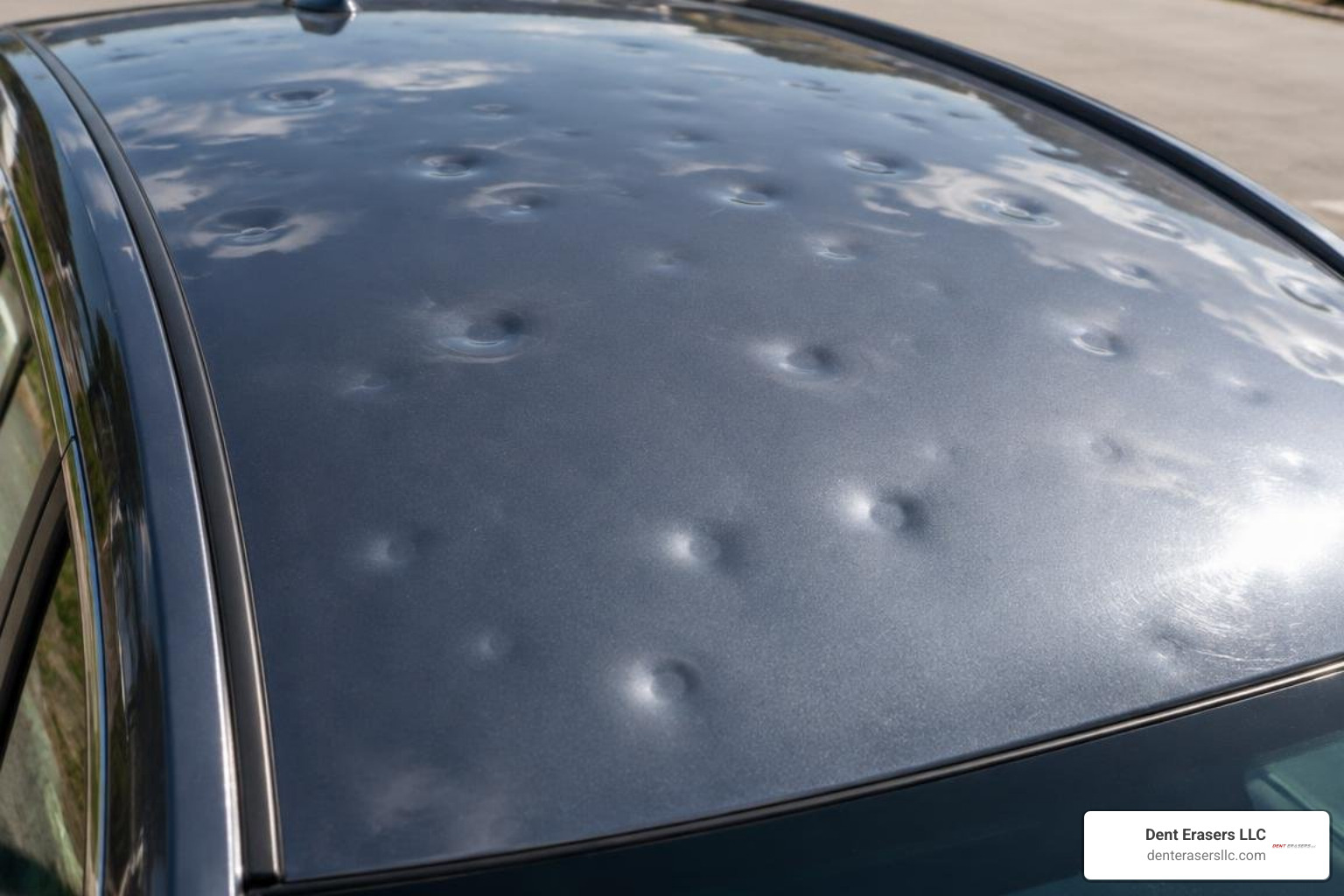
Comprehensive coverage applies to dents caused by events outside your control:
- Hailstorms and severe weather
- Falling tree branches or debris
- Vandalism or keying
- Animal collisions (a deer strike, for example)
Collision coverage applies when your vehicle makes contact with another object or vehicle:
- Rear-end accidents
- Parking lot scrapes and bumper dents
- Single-vehicle accidents where you hit a curb or barrier
Liability coverage covers damage you cause to other people’s vehicles. It does not cover dents on your own car, period.
Two common exclusions catch car owners off guard. First, purely cosmetic damage that does not affect vehicle function may be denied by some insurers. Second, pre-existing dents are a real problem. Insurers can deny claims if they cannot distinguish new damage from old unrepaired dents, which is why documenting your vehicle’s condition regularly matters. Comprehensive claims generally carry less premium impact than at-fault collision claims, making them the less costly type to file when the damage is significant.
How deductibles and repair costs affect the claim decision

The financial math behind filing a dent repair insurance claim is straightforward once you lay it out. Comprehensive deductibles typically run between $250 and $500, while collision deductibles are generally higher, often $500 to $1,000 or more depending on your policy.
Here is a practical comparison to frame the decision:
| Scenario | Repair Estimate | Deductible | Net Benefit of Filing |
|---|---|---|---|
| Minor door ding (PDR) | $150 | $500 | Negative. Pay out of pocket. |
| Hail damage (multiple dents) | $1,800 | $500 | Positive. Filing makes sense. |
| Single dent with paint damage | $900 | $500 | Marginal. Consider premium risk. |
| Bumper dent from accident | $600 | $1,000 | Negative. Pay out of pocket. |
PDR costs can start around $150, and minor dent repairs often come in under $600. When repair costs fall at or below your deductible, filing a claim costs you nothing in the short term but can cost you significantly in future premiums. The general rule used by experienced repair professionals: filing is worth it only when the repair cost is 1.5 to 2 times your deductible, accounting for the potential loss of a no-claims discount.
Pro Tip: Get a written repair estimate before you call your insurer. You cannot make a sound financial decision without knowing the actual repair cost first.
What are the implications of filing dent repair claims on premiums?
Filing a claim is not a neutral act. Claims can influence your risk profile and premium renewals for three to seven years. That is a long tail for a $300 dent repair.
The key distinctions to understand:
- Collision claims are more likely to raise your premiums, especially if you are at fault.
- Comprehensive claims carry less premium risk, but multiple claims in a short period still flag you as high risk.
- Claim frequency matters as much as claim type. Two small claims in two years can trigger a rate review regardless of the dollar amounts involved.
Filing claims immediately without assessing long-term costs is the biggest mistake car owners make. Insurance is designed for major financial loss, not minor cosmetic damage. — Filing a PDR Claim and Insurance Rates
Before filing, ask yourself three questions. Will the payout after the deductible actually cover a meaningful portion of the repair? Have you filed any other claims in the past three years? Does the damage affect your vehicle’s safety or resale value significantly? If the answers point toward a small net gain, the premium risk is not worth it.
When is paintless dent repair covered by insurance and why it matters
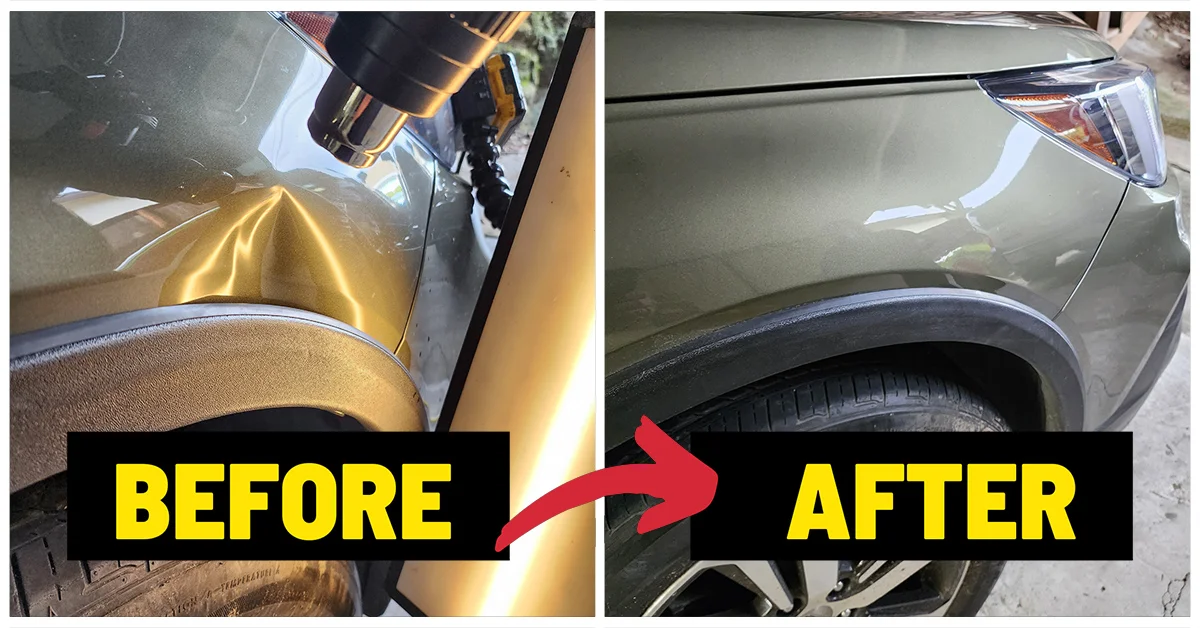
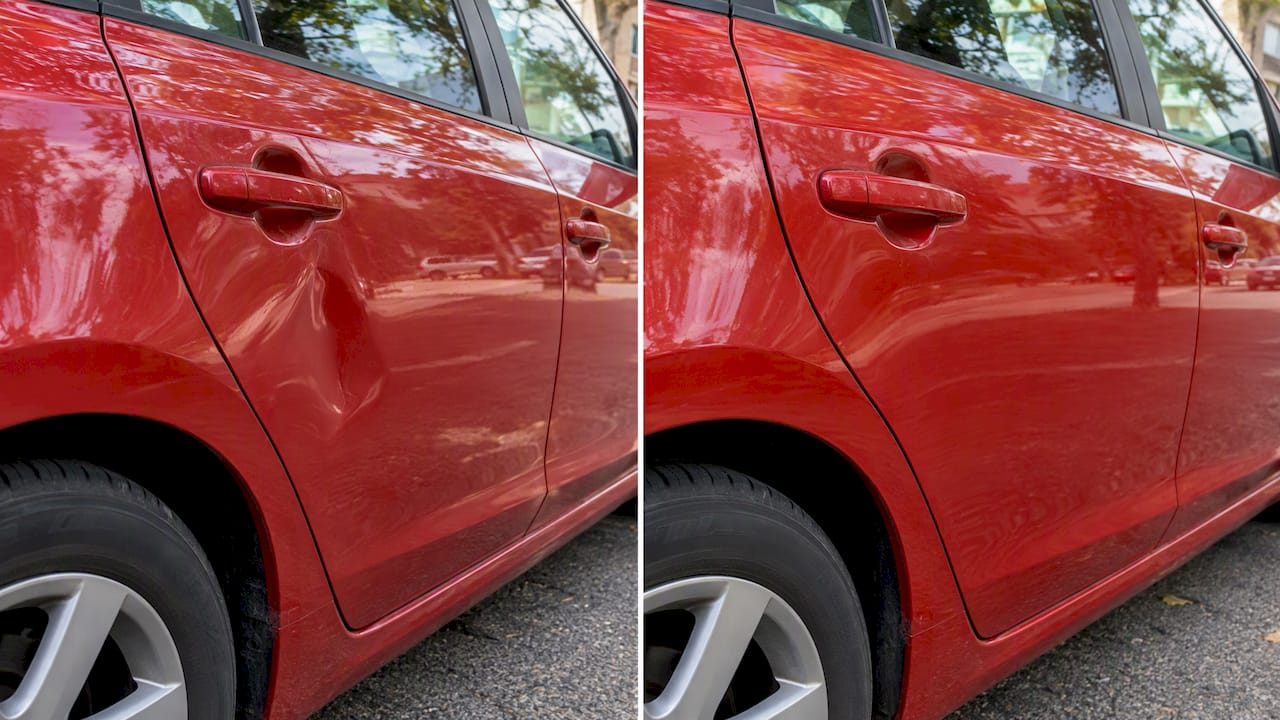
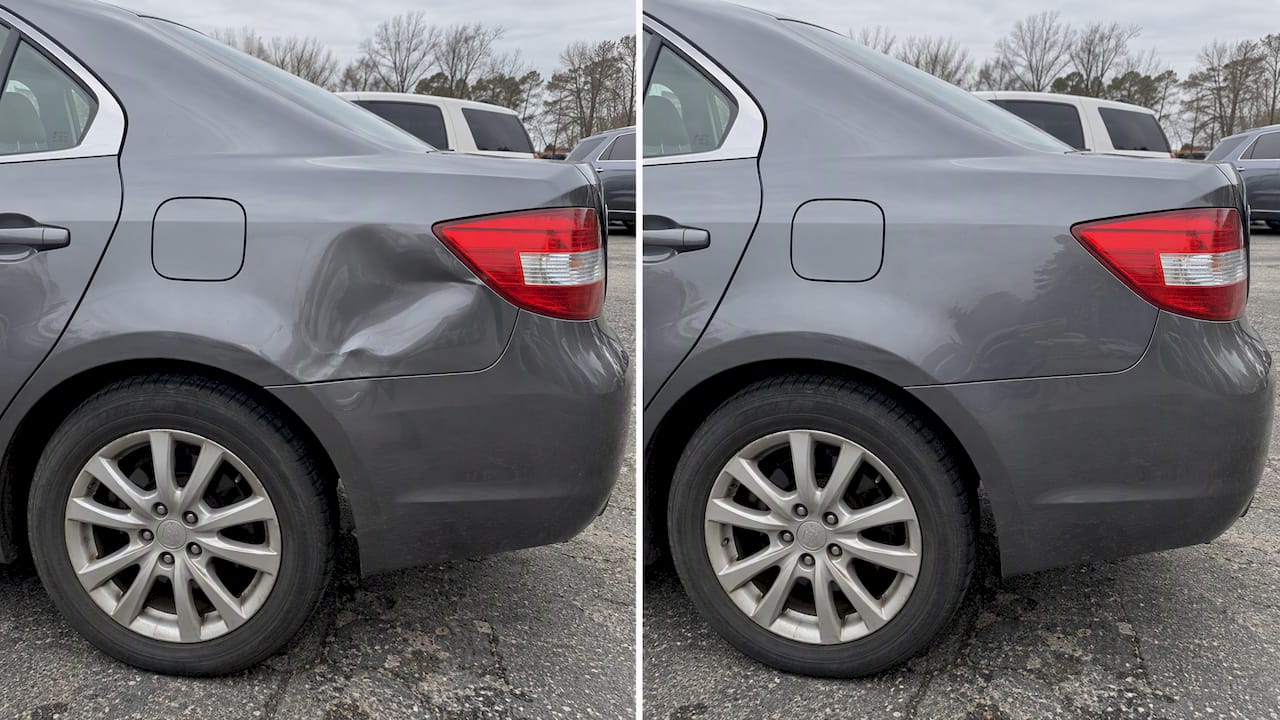
Paintless dent repair is the industry’s preferred method for removing minor dents without disturbing the vehicle’s factory paint finish. Technicians use specialized tools to massage the metal back from behind the panel, preserving the original coating entirely. For car owners, this matters because PDR preserves factory paint and is faster than traditional body shop methods, which often involve sanding, filler, and repainting.
Insurance does cover PDR when the damage falls under a valid comprehensive or collision claim. The catch is that some insurers default to authorizing traditional repairs, which cost more and can compromise your vehicle’s finish. Here is what to know:
- PDR is appropriate for dents where the paint is intact and the metal has not been stretched or creased severely.
- You can specify PDR as your preferred repair method when filing a claim. Noting PDR as preferred can save time and protect your vehicle’s factory finish better than traditional repair.
- PDR typically costs less than traditional bodywork, which benefits both you and your insurer.
- Preserving the original paint maintains resale value, which matters if you plan to sell or trade in the vehicle.
Pro Tip: When you call your insurer to file a claim, state clearly that you want paintless dent repair performed. Get that preference documented in the claim file before any repair authorization is issued.
For a deeper look at PDR benefits and process, it helps to understand exactly what the technique involves before discussing it with your adjuster.
Practical steps for deciding between a claim and out-of-pocket repair
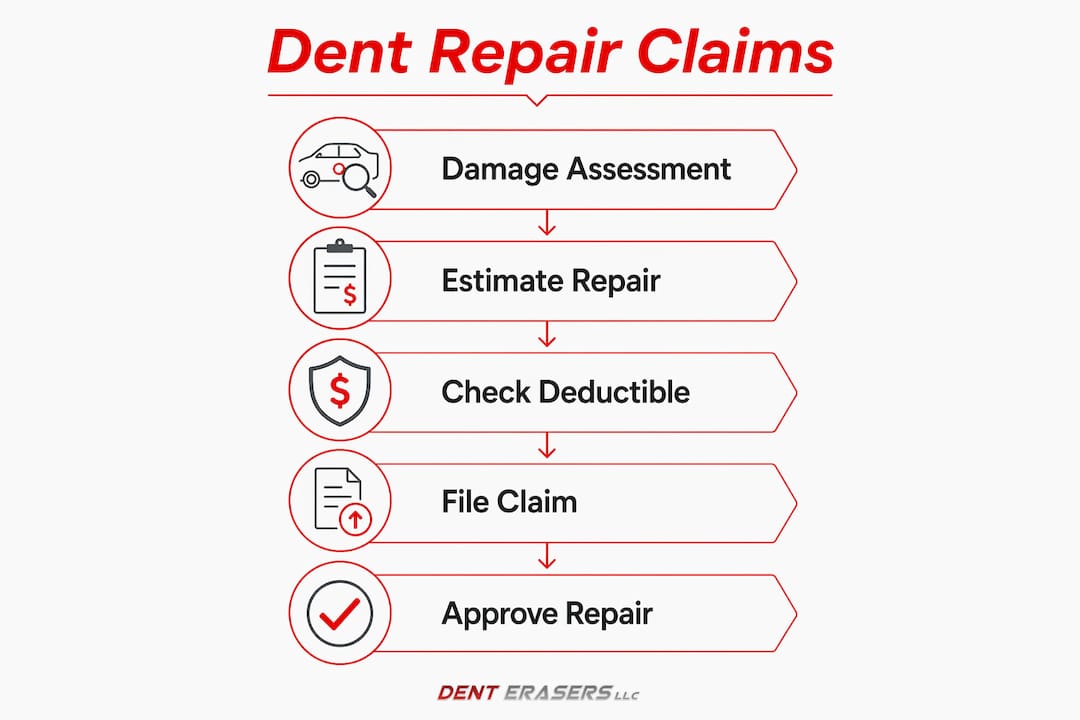
The decision framework is not complicated, but it does require you to gather information before acting. Follow these steps in order:
- Document the damage immediately. Take clear photos from multiple angles, especially after a weather event. Timely documentation after hail or storm damage is critical. Delayed claims frequently get denied because insurers cannot confirm the damage matches the reported event.
- Get a professional repair estimate. You need a real number before you can do any math. A written estimate from a qualified PDR technician gives you the baseline.
- Compare the estimate to your deductible. Pull out your policy and confirm your deductible for the relevant coverage type. If the estimate is below or close to your deductible, paying out of pocket is almost always the better move.
- Consider who caused the damage. If another driver caused the dent, their liability insurance should cover your repair. File against their policy, not yours.
- Review your recent claim history. If you have filed a claim in the past two to three years, adding another one carries compounding premium risk.
- Assess the damage type. Paint damage alongside a dent changes the equation. Paint or panel damage often justifies a claim because traditional repair costs rise quickly and can far exceed a standard deductible.
Paying out of pocket for minor repairs also gives you full control over repair quality and method. Skipping insurance for minor damage avoids premium increases and simplifies the approval process, giving you a faster turnaround and the ability to choose your own repair specialist. You can review common repair costs to benchmark what different dent types typically run before making your call.
Strategic Summary: Insurance and Repair Considerations
Insurance covers dent repair only through comprehensive or collision policies, and filing a claim is worth it only when repair costs clearly exceed your deductible by a meaningful margin.
| Point | Details |
|---|---|
| Coverage type determines eligibility | Only comprehensive and collision policies cover dents on your own vehicle. |
| Deductible math drives the decision | File only when repair costs are 1.5 to 2 times your deductible to offset premium risk. |
| Claims affect premiums for years | Insurance claims stay on your record 3 to 7 years and can raise future rates. |
| PDR is often the best repair method | Specify paintless dent repair when filing to preserve factory finish and reduce costs. |
| Document damage immediately | Photos and professional estimates taken promptly protect your claim from denial. |
What I’ve learned after years of dent repairs and insurance conversations
Here is my honest take after working on thousands of vehicles in Contra Costa County and surrounding areas. Most car owners file claims too quickly. They see a dent, they panic, and they call their insurer before they even know what the repair costs. That single habit costs people real money over time.
The claims I see that make financial sense are almost always for significant hail events, major collision damage, or paint-and-panel repairs where the bill would genuinely hurt without coverage. A door ding in a parking lot? A small crease from a shopping cart? Those are almost never worth filing. The premium impact over three to five years will outpace the repair cost every time.
What I also tell customers is to be specific with their insurer about repair methods. PDR is faster, cleaner, and preserves your vehicle’s value better than traditional bodywork. But if you do not ask for it by name, some adjusters will default to authorizing a body shop repair that involves filler and repaint. That is not better for your car, and it is often not cheaper either.
The best outcomes I see are when a customer gets an estimate first, does the math calmly, and then makes a decision based on actual numbers rather than anxiety. Insurance is a tool. Use it for the jobs it is genuinely built for.
— Brian Blanc
Get expert dent repair help from Denterasersllc
When you are weighing a dent repair insurance claim, the first thing you need is an accurate repair estimate. Denterasersllc provides professional mobile paintless dent repair across Contra Costa County, giving you the real numbers you need before you make any insurance decision.

From minor door dings to fender repair after accidents, Denterasersllc specializes in PDR techniques that preserve your factory finish and protect your vehicle’s resale value. The team also helps with claim documentation and can advise on whether your specific damage warrants filing. Mobile service means no shop drop-off, no waiting, and no disruption to your day. Contact Denterasersllc for a free estimate and make your insurance decision with confidence.
FAQ
Does insurance cover dent removal on my car?
Insurance covers dent removal only if you carry comprehensive or collision coverage. Liability insurance does not cover dents on your own vehicle.
Will filing a dent repair claim raise my insurance rates?
Collision claims are more likely to raise premiums than comprehensive claims, but any claim can affect your rates for three to seven years. Minor dent repairs that fall near your deductible are usually better handled out of pocket.
Is paintless dent repair covered by insurance?
Yes, PDR is covered under comprehensive or collision claims when the damage qualifies. Specify PDR as your preferred method when filing to avoid being directed toward more expensive traditional repairs.
When should I pay out of pocket instead of filing a claim?
Pay out of pocket when the repair estimate is at or below your deductible, or when the repair cost is less than 1.5 times your deductible. The long-term premium savings typically outweigh the short-term convenience of filing.
How do I protect my insurance claim after hail damage?
Document the damage with photos immediately after the storm and get a professional estimate as soon as possible. Delayed claims are frequently denied because insurers cannot confirm the damage matches the reported weather event.