A mobile auto technician is a certified automotive professional who travels to your location, whether your driveway, workplace, or roadside, and performs vehicle maintenance and repairs on-site using professional-grade tools. The industry term for this role is “mobile mechanic,” though “mobile auto technician” reflects the growing scope of diagnostic and repair work these professionals now handle. Many hold ASE certifications and carry scan tools capable of reading fault codes, clearing diagnostic trouble codes, and producing cost estimates before any wrench turns. For car owners who want real answers without the hassle of a shop visit, understanding what mobile auto technicians do is the first step toward smarter vehicle care.
What is a mobile auto technician and what services do they offer?
Mobile auto technicians cover a wide range of routine and intermediate repairs. The bread and butter of the job includes oil changes, brake pad and rotor replacement, battery and starter testing and replacement, spark plug services, and fluid checks. These are repairs that do not require a lift or heavy shop machinery, which makes them well suited for on-site work.
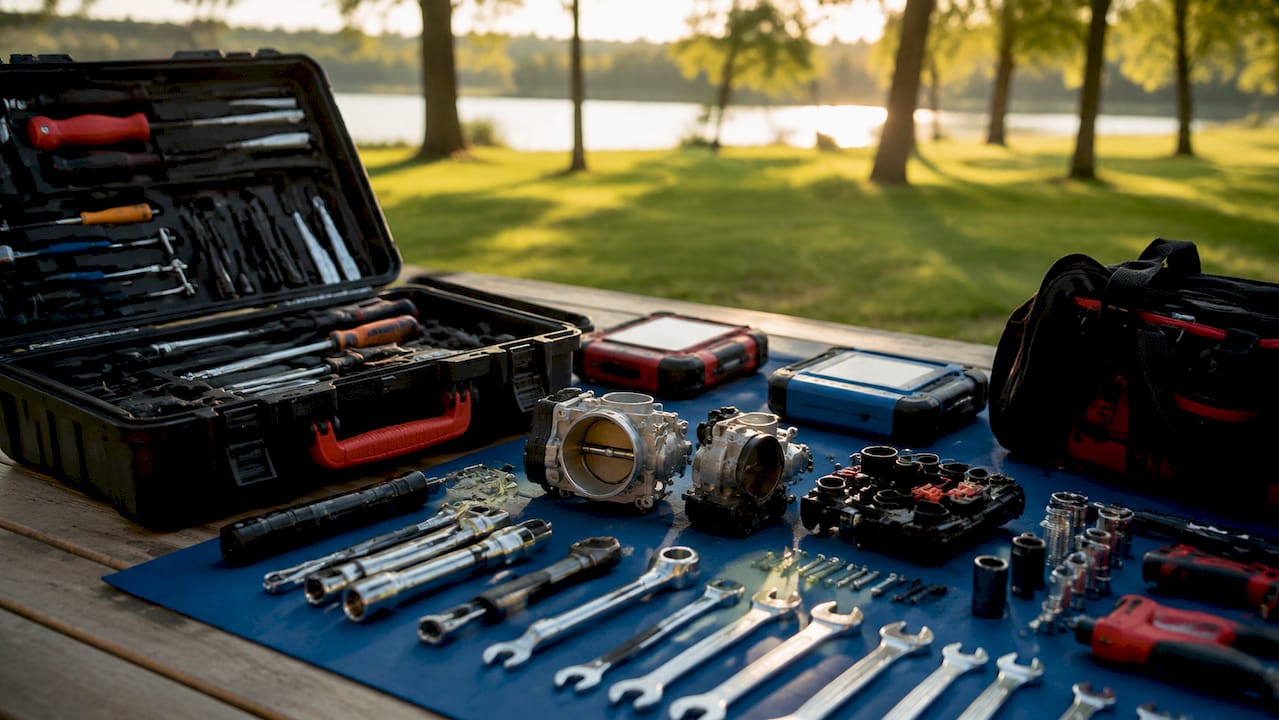
Beyond routine maintenance, mobile technicians use professional scan tools to diagnose engine, transmission, and electrical faults. They read fault codes, identify the root cause, and give you a clear repair estimate before starting work. That transparency is one of the biggest advantages of mobile mechanic services.
Common services mobile technicians handle include:
- Oil and filter changes
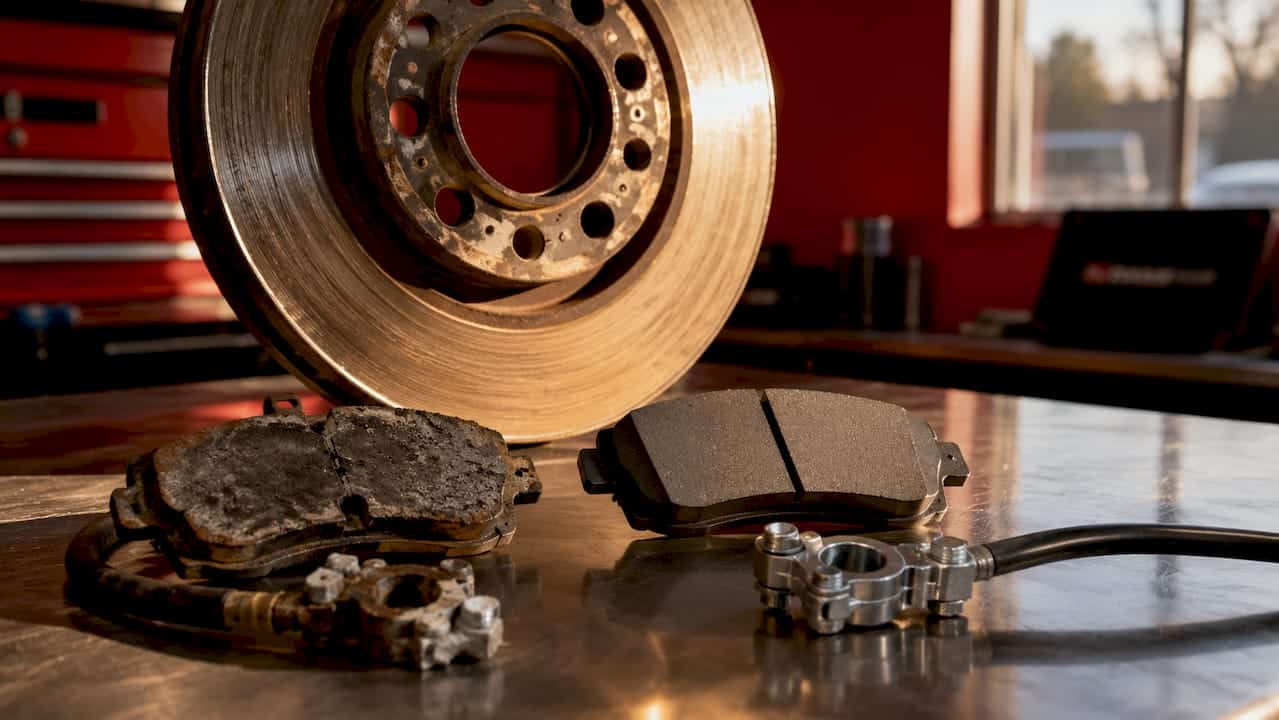
- Brake pad, rotor, and caliper replacement
- Battery, alternator, and starter replacement
- Spark plug and ignition coil service
- Coolant, transmission, and power steering fluid checks
- Check engine light diagnostics
- Serpentine belt and tensioner replacement
- Pre-purchase vehicle inspections
One category mobile technicians generally cannot handle is repairs requiring a vehicle lift, alignment rack, or heavy calibration equipment. Suspension overhauls, wheel alignments, and transmission rebuilds belong in a shop. Knowing that boundary upfront saves you time and avoids a frustrating half-finished repair.
Pro Tip: Before booking a mobile technician, describe the symptom in plain language, such as “grinding noise when braking” or “car won’t start.” A good technician will tell you immediately whether the job is suitable for on-site work.
How does a mobile mechanic differ from a traditional auto repair shop?
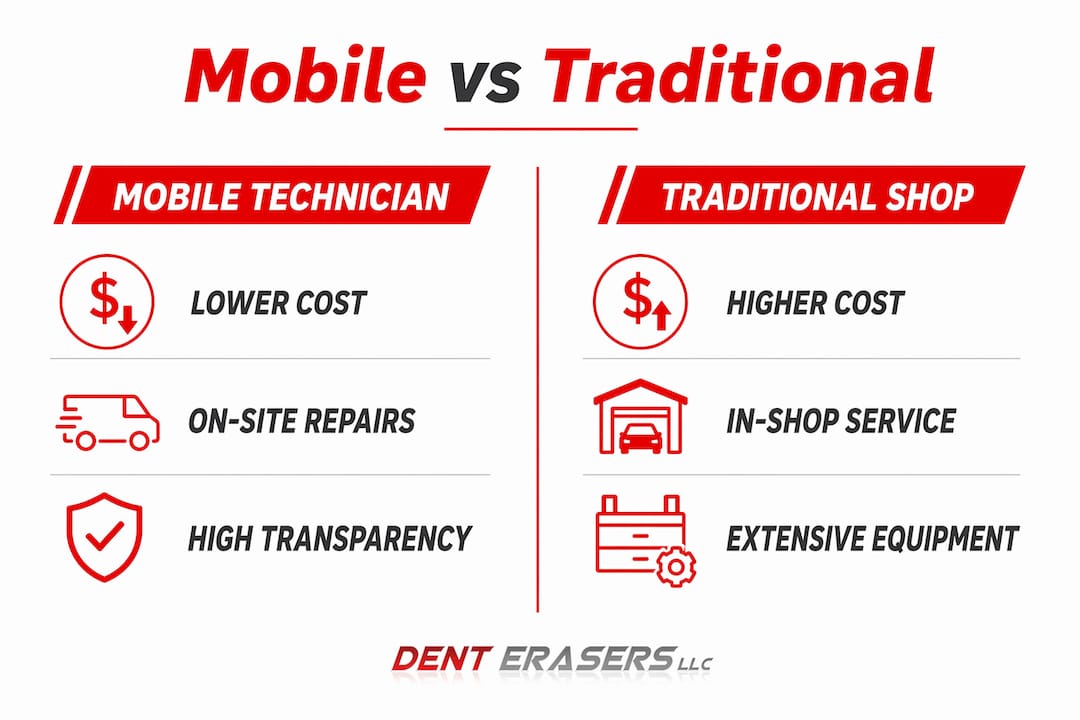
The most direct difference is overhead. Mobile technicians operate without a building, utility bills, or a large staff. That lower cost structure passes directly to you. Mobile mechanics typically charge 20% to 40% less than independent shops and 40% to 60% less than dealerships for common services like brake jobs and alternator replacements. A brake job that runs $350 or more per axle at a shop can start around $199 per axle with a mobile technician.
The second difference is convenience. A traditional shop visit means arranging a ride, waiting in a lobby, and picking up your car later. Mobile service eliminates all of that. The technician comes to you, completes the work, and you never leave home.
| Factor | Mobile technician | Traditional shop |
|---|---|---|
| Cost | 20%–40% lower on common repairs | Higher due to overhead |
| Convenience | On-site at your location | Requires drop-off and pickup |
| Transparency | You watch the repair happen | Work done out of sight |
| Equipment scope | Portable tools and scan tools | Full lifts, alignment racks, calibration rigs |
| Best for | Routine and intermediate repairs | Complex mechanical work |
The third difference is transparency. When a mobile technician shows you a worn brake pad or a corroded battery terminal in your own driveway, you understand exactly why the repair is needed. Seeing the repair on-site builds trust in a way that a shop invoice rarely does.
Pro Tip: Ask your mobile technician to photograph worn parts before and after replacement. That documentation protects you and confirms the work was done correctly.
What are the benefits and limitations of mobile auto technician services?
Mobile auto technician services deliver real, measurable advantages for the right repair jobs. The benefits of mobile auto technicians include:
- Time savings. No driving to a shop, no waiting room, no arranging a ride home.
- Cost savings. Lower overhead means lower labor rates on most common repairs.
- No towing required. A dead battery or a failed starter does not have to mean a tow truck call.
- Direct communication. You talk to the person doing the work, not a service advisor relaying messages.
- Warranty coverage. Experienced mobile technicians often back repairs with 12-month/12,000-mile warranties, comparable to traditional shops.
The limitations are equally real and worth knowing before you book:
- Equipment limits. Repairs requiring lifts, alignment racks, or precision calibration rigs cannot be done safely on-site.
- Weather and space. Rain, extreme heat, or a cramped parking spot can delay or complicate on-site work.
- Complex diagnostics. Intermittent electrical faults or deep drivetrain issues may need shop-level equipment to resolve fully.
- Parts availability. Mobile technicians carry common parts, but unusual components may require a return visit.
The quality of a mobile repair depends on the technician’s skill and the parts used, not the presence of a building. Repair quality is defined by technician expertise and adherence to safety protocols. Verify ASE certification and read reviews before booking anyone.
How to decide if your repair is right for mobile auto service
Not every repair belongs on your driveway. Use this framework to make the call quickly.
- Identify the repair type. Routine maintenance and intermediate repairs like brakes, batteries, and belts are strong candidates. Suspension work, alignments, and engine rebuilds are not.
- Check your vehicle’s specifics. Provide your vehicle’s year, make, and model to the technician before booking. Some vehicles require subframe removal or specialized procedures for what sounds like a simple job.
- Assess your location. A flat driveway or a safe parking lot works well. A steep incline, a tight garage, or a busy street shoulder creates safety risks.
- Consider the scenario. A dead battery in your driveway is a perfect mobile job. A grinding noise that appears only at highway speed may need a road test and a lift to diagnose properly.
- Ask about service suitability upfront. A reputable mobile technician will tell you honestly if your repair needs a shop. That honesty is a sign of professionalism, not a sales tactic.
Complex repairs needing lifts or alignment equipment should always go to a shop. Attempting them on-site risks poor outcomes and may require a tow anyway, costing you more in the end.
Key Takeaways
Mobile auto technicians deliver real cost and convenience advantages for routine and intermediate repairs, but knowing their limits is what makes the service work for you.
| Point | Details |
|---|---|
| Core role | Mobile technicians perform on-site repairs using professional tools and ASE-standard practices. |
| Cost advantage | Mobile services typically cost 20%–40% less than independent shops on common repairs. |
| Best use cases | Brakes, batteries, oil changes, and diagnostics are ideal for on-site mobile service. |
| Key limitation | Repairs needing lifts, alignments, or heavy calibration must go to a traditional shop. |
| Quality assurance | Verify ASE certification and ask about warranty coverage before booking any mobile technician. |
Why I think mobile auto service is underused by most car owners
From my experience working in mobile automotive repair in Contra Costa County, the biggest missed opportunity I see is car owners defaulting to a shop for jobs that are genuinely better suited for on-site service. A battery replacement, a brake job, or a pre-purchase inspection does not need a shop bay. It needs a skilled technician with the right tools, and that technician can come to you.
What I have also noticed is that car owners who watch a repair happen in their own driveway ask better questions and make better decisions going forward. That educational side of mobile service is undervalued. When you see your brake pads worn down to the metal, you understand why the repair matters. You are not just trusting a line item on an invoice.
My honest advice: use mobile service for the repairs it handles well, and do not hesitate to ask the technician directly whether your job qualifies. A good mobile technician will refer you to a shop when the job calls for it. That referral is a sign of integrity, and it is the kind of transparency that builds a long-term relationship with a customer. For body work and dent repair specifically, mobile repair options have expanded significantly, giving car owners more choices than ever before.
— Brian Blanc
Denterasersllc mobile repair services for your vehicle
Denterasersllc brings the same on-site convenience to auto body and dent repair that mobile mechanics bring to mechanical work. If you are dealing with a scuffed bumper, a parking lot dent, or collision damage, you do not need to leave your home or workplace to get it fixed right.

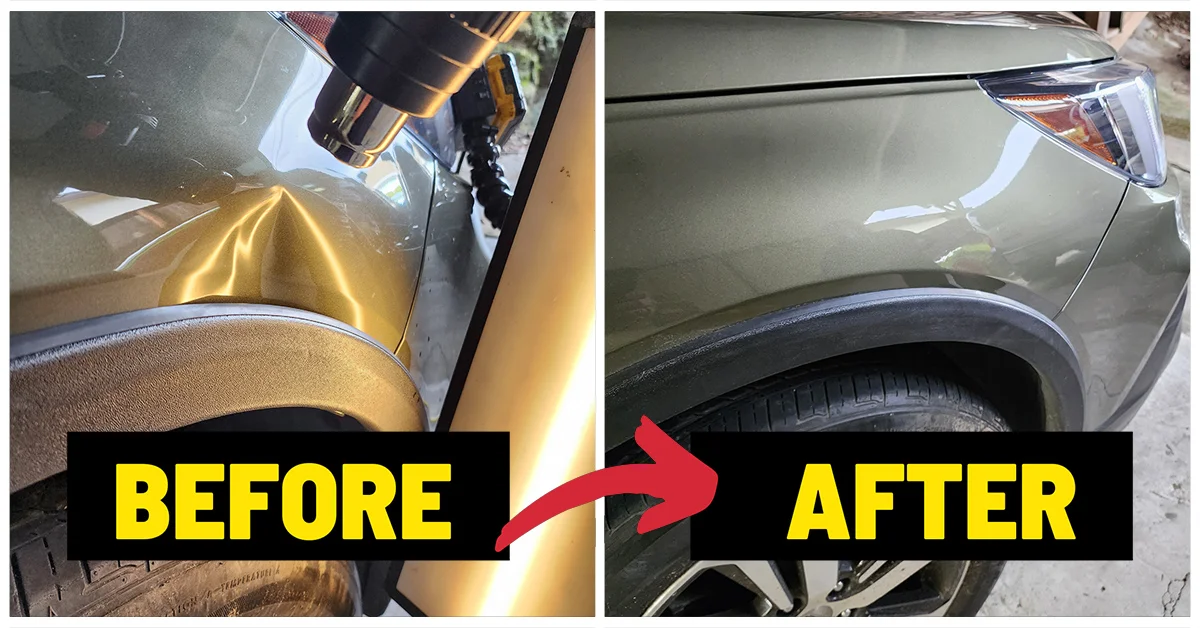
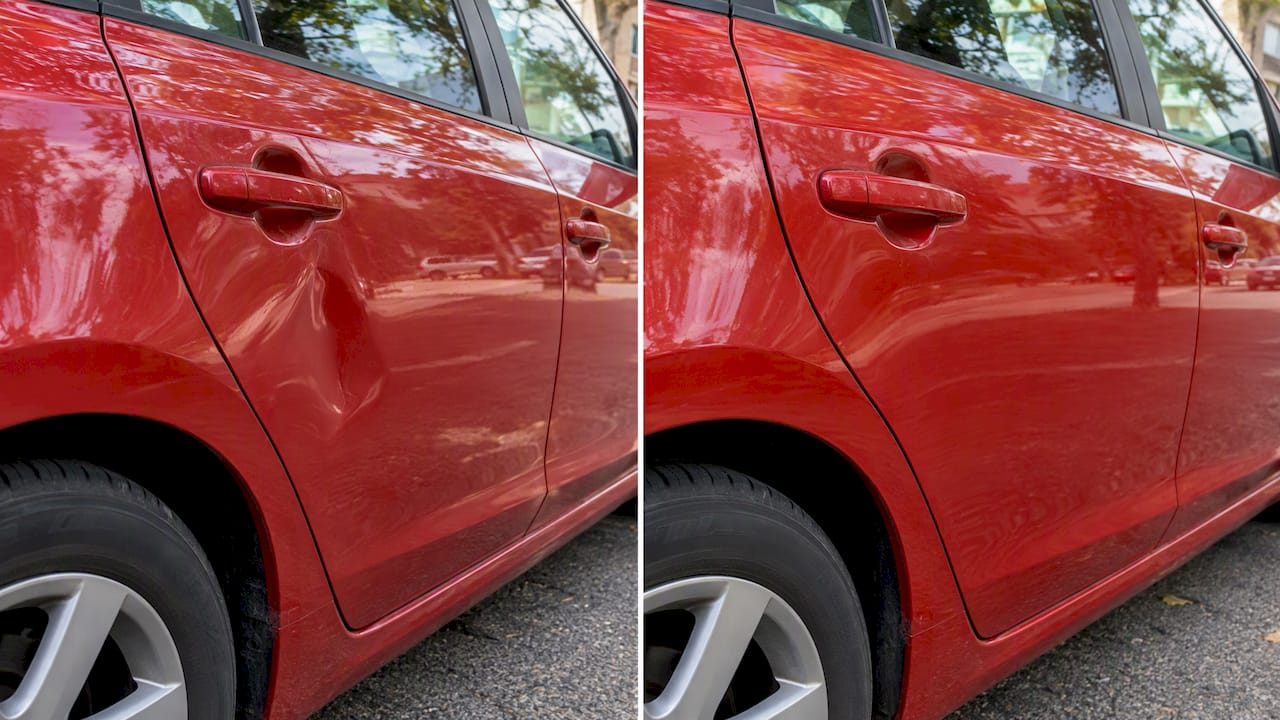
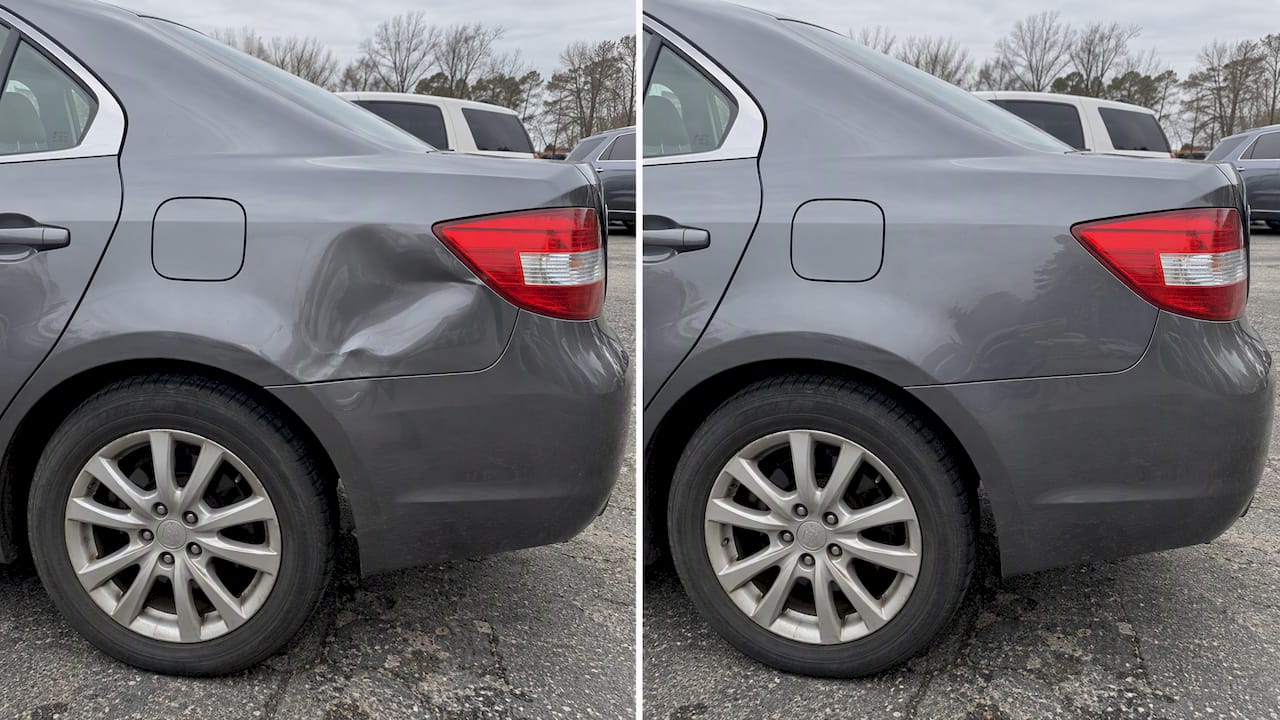
Denterasersllc specializes in plastic bumper repair and paintless dent removal, serving car owners across Contra Costa County and surrounding areas. The work preserves your vehicle’s factory finish without filler or repainting, and repairs are completed on-site at your location. Whether you drive a daily commuter or a luxury vehicle, Denterasersllc delivers professional results without the shop visit. Reach out to get a quote and see what mobile body repair looks like when it is done properly.
FAQ
What is a mobile auto technician?
A mobile auto technician is a certified mechanic who travels to your location and performs vehicle repairs and maintenance on-site using professional tools, without requiring a traditional shop visit.
How does a mobile mechanic work?
A mobile mechanic schedules an appointment, arrives at your location with professional-grade tools and scan equipment, diagnoses the issue, provides a cost estimate, and completes the repair on-site.
Are mobile auto technicians as qualified as shop mechanics?
Many mobile technicians hold ASE certifications and use OEM-equivalent parts, delivering repair quality defined by their skill and safety practices rather than the presence of a physical shop.
What repairs can a mobile technician not perform?
Repairs requiring vehicle lifts, wheel alignment racks, or heavy calibration equipment cannot be safely performed on-site and should be handled at a traditional auto repair shop.
How much does mobile auto repair cost compared to a shop?
Mobile auto repair typically costs 20% to 40% less than independent shops and 40% to 60% less than dealerships for common services like brake jobs and alternator replacements.