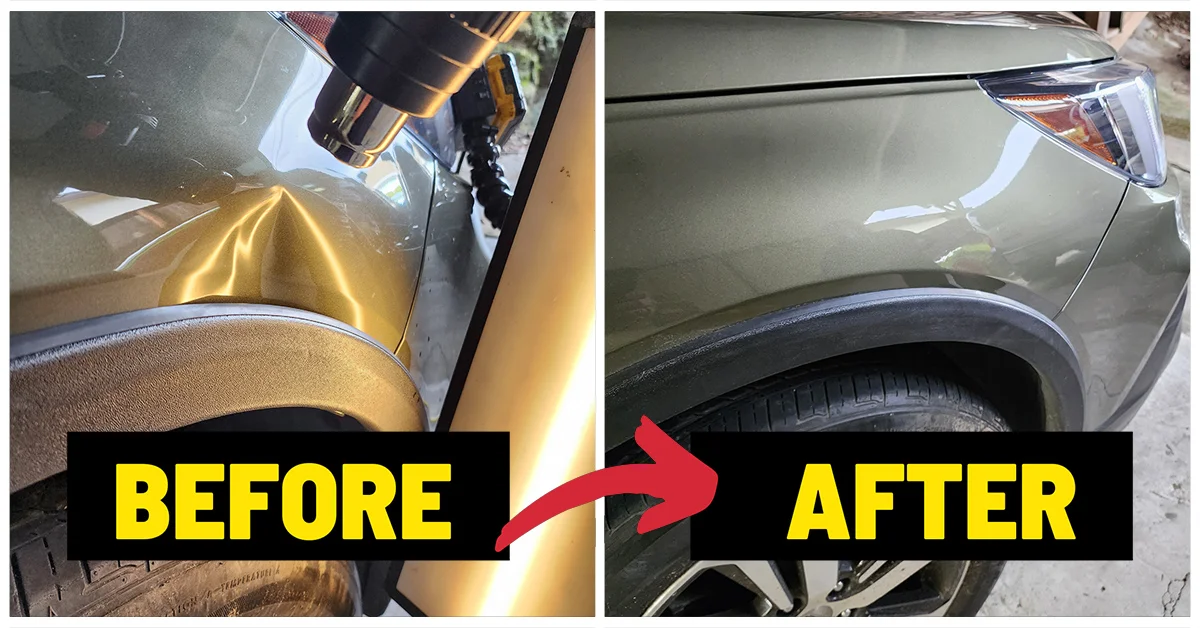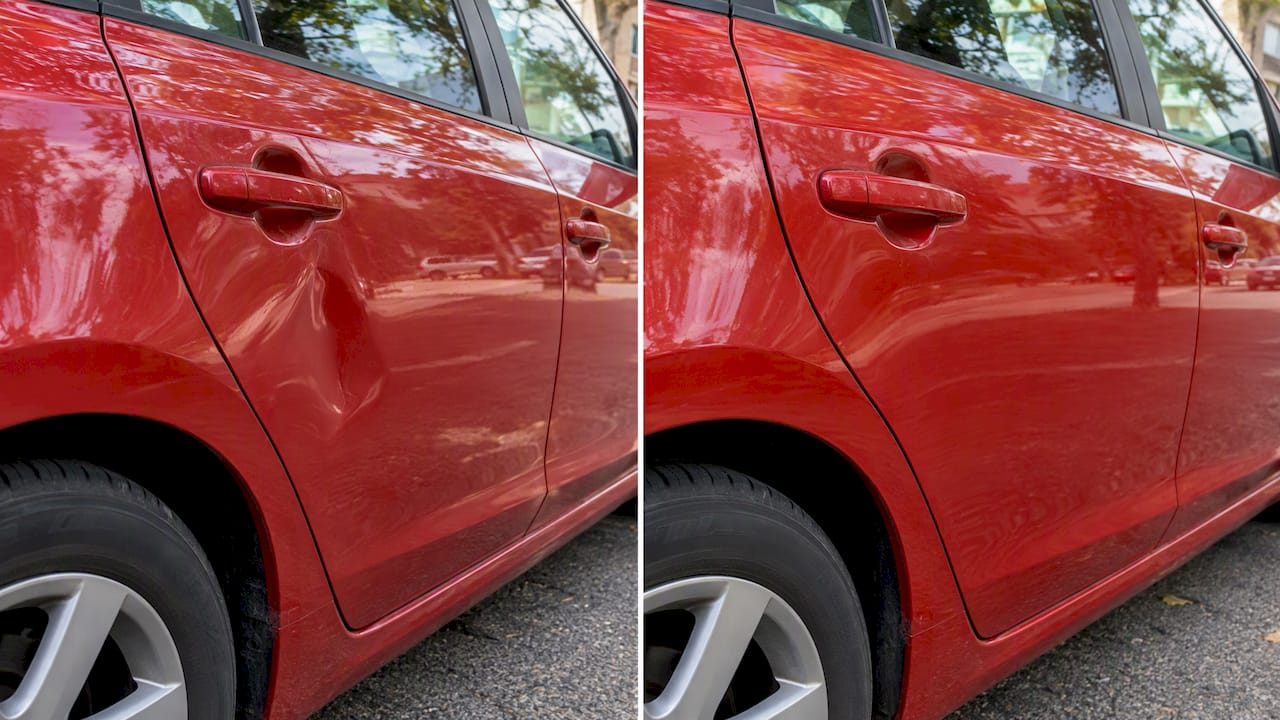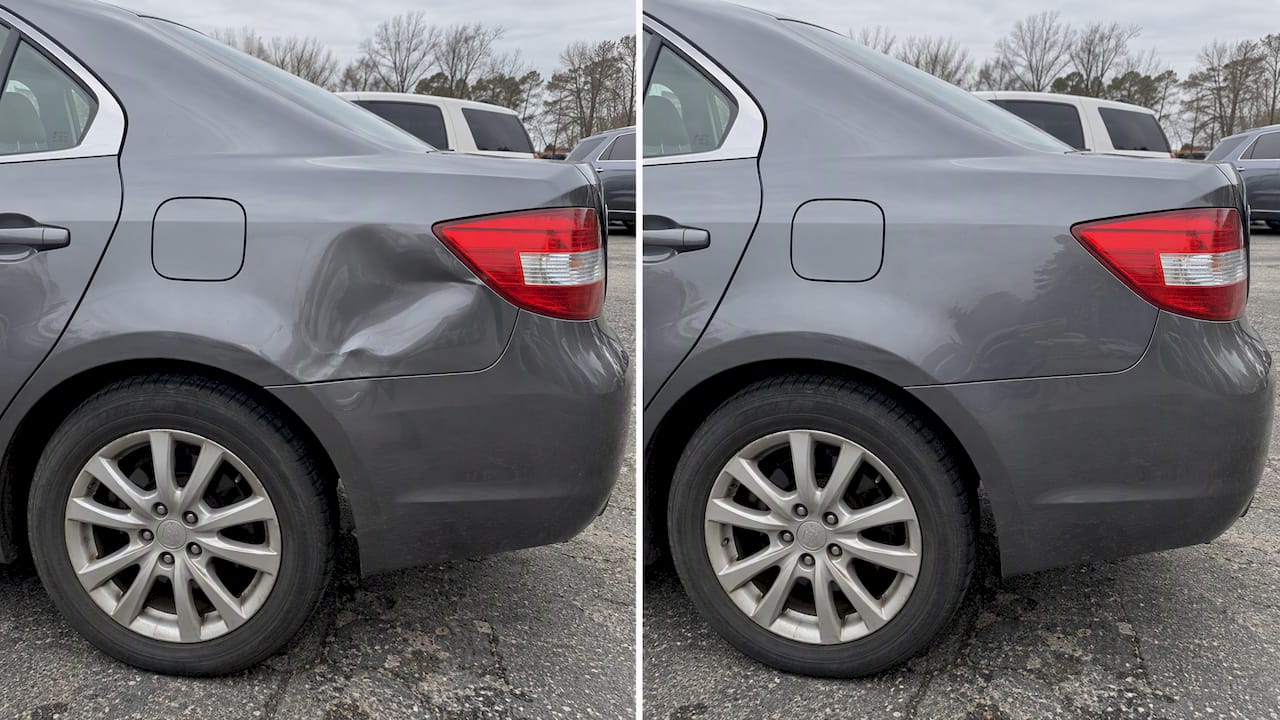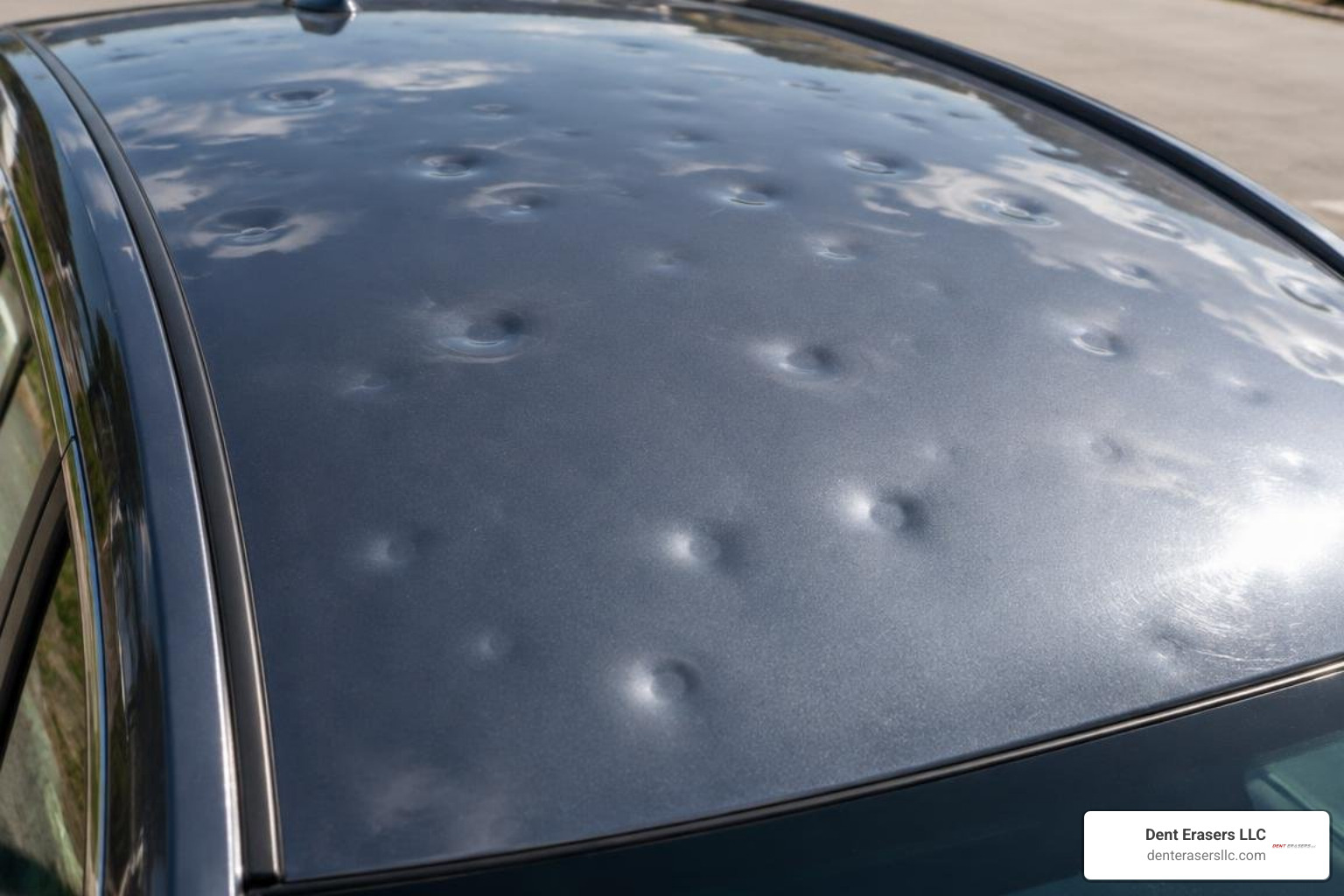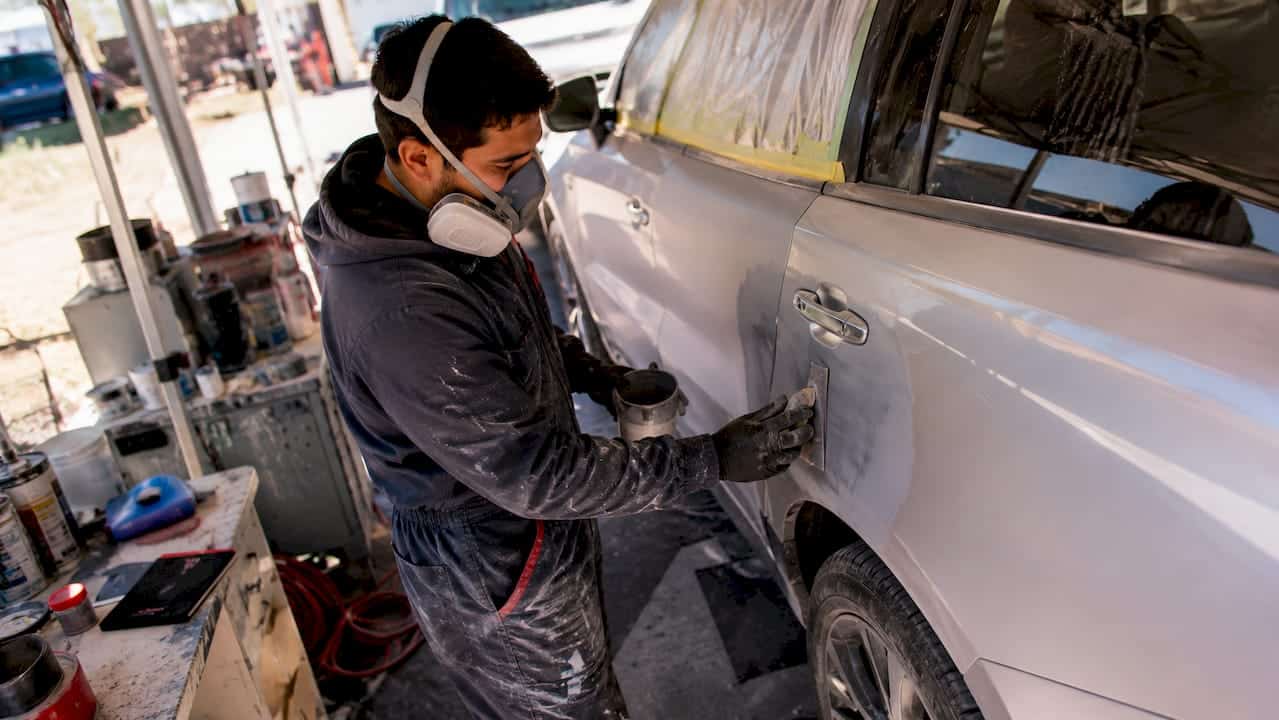
Auto body refinishing is the process of repairing and repainting a vehicle’s exterior to restore its original appearance and protect the metal from corrosion, UV damage, and wear. The industry term you’ll hear in professional shops is “auto body refinishing,” though it also covers what most people call auto painting or a respray. Whether you’re dealing with a door ding, faded clear coat, or collision damage, understanding this process helps you make smarter decisions about your car and your money.
What is auto body refinishing and how does it work?
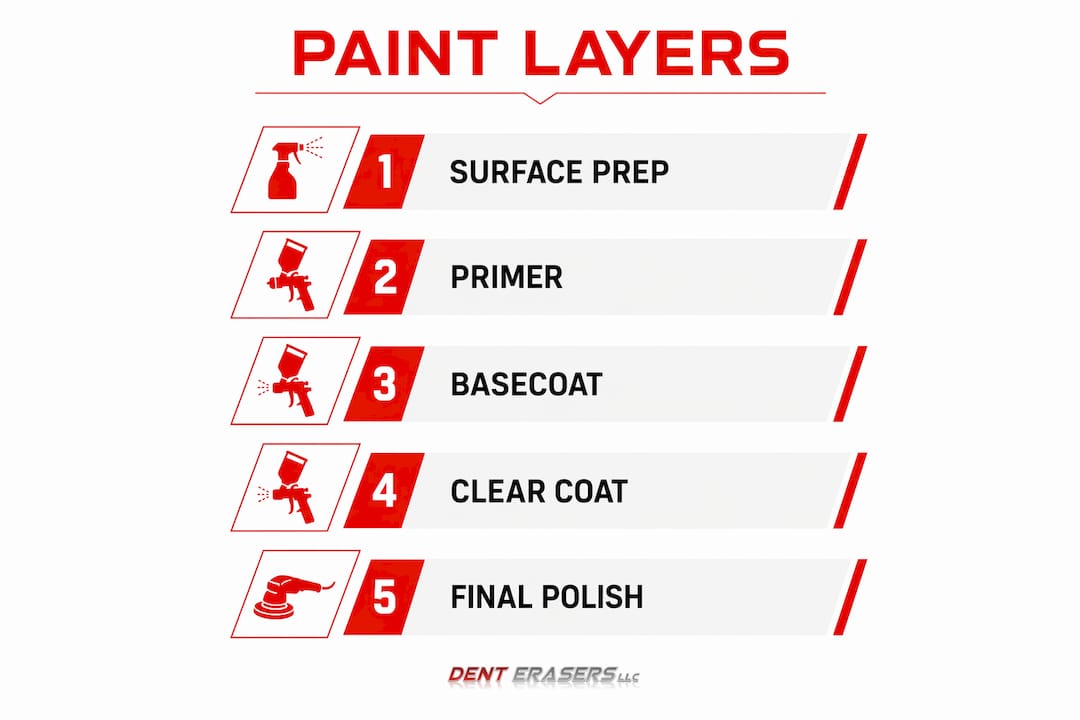
Auto body refinishing is a multi-stage process that goes far beyond slapping paint on a panel. Professional refinishing follows a strict sequence: surface preparation, priming, basecoat application, and clear coat layering, with each stage building on the last. Skipping or rushing any step produces a finish that looks good for a few weeks, then peels, bubbles, or fades.
Before any paint touches the car, structural integrity must be confirmed. Technicians use stud welders, hydraulic pulling systems, and computerized measuring to restore factory dimensions after a collision. Refinishing cannot start until that structural work is complete.
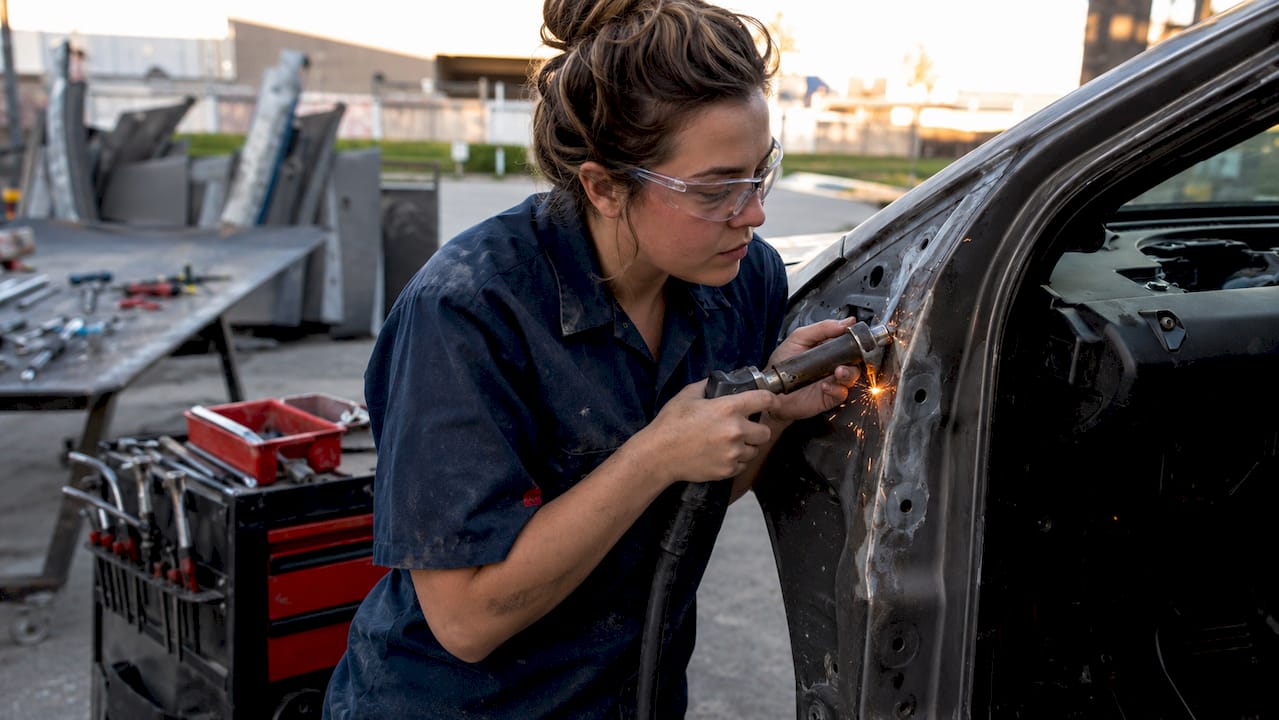
The auto body restoration process also requires knowing your auto body repair terms before you talk to a shop. Words like “primer surfacer,” “wet sand,” and “blend panel” have specific meanings that affect both the scope of work and the final quote.
What are the main steps in professional auto body refinishing?
Professional shops follow a defined sequence to produce a factory-quality result. Here is how that process unfolds:
- Surface preparation. Technicians clean the panel, sand away rust or old paint, and mask surrounding areas. Surface prep is critical because any contamination trapped under paint will cause adhesion failure later.
- Priming. A primer coat goes on next. It bonds the paint to bare metal, fills minor scratches, and creates a corrosion barrier. Primer surfacer is sanded smooth before the color coat is applied.
- Basecoat application. This is the color layer. Technicians match the factory color using paint codes from brands like PPG and Axalta, then apply two to three coats for even coverage.
- Clear coat. The final layer is a chemically crosslinked acrylic-polyurethane clear coat that delivers UV resistance and high gloss. Modern paint layers total around 0.1 mm in thickness, yet that thin stack protects the metal for years.
- Drying and curing. Waterborne paints dry in 20–40 minutes. Solvent-borne paints require 30–60 minutes. Professional shops use heated spray booths to speed curing and lock in the finish.
Pro Tip: Ask your shop whether they use a dedicated spray booth with filtered airflow. Dust inclusions are the most common cause of a rough or grainy finish, and a proper booth eliminates that risk.
What types of auto body paints and coatings are used?
The paint system on a modern vehicle is a layered structure, and each layer has a specific job. Understanding those layers helps you evaluate quotes and spot corners being cut.
| Paint Layer | Function | Common Types |
|---|---|---|
| Primer | Adhesion and corrosion protection | Epoxy primer, primer surfacer |
| Basecoat | Color and appearance | Solid, metallic, pearlescent |
| Clear coat | UV resistance and gloss | Acrylic-polyurethane, ceramic-infused |
Environmental VOC regulations are pushing shops toward waterborne paint systems, but solvent-borne paints remain in use for specific durability needs. Waterborne paints carry lower emissions and dry faster. Solvent-borne paints bond aggressively to certain substrates and handle extreme temperature cycles better.
Basecoat finishes break down into three main categories. Solid colors like white or black contain no metallic particles and are the most forgiving to apply. Metallic finishes use aluminum flakes to reflect light, which creates depth but demands careful spray technique to avoid mottling. Pearlescent finishes use mica particles that shift color with viewing angle, making them the most complex to match.
Pro Tip: When getting a color match, always ask the shop to spray a test panel and view it in natural daylight before approving the blend. Metallic and pearl colors shift dramatically between shop lighting and sunlight.
How does professional refinishing differ from DIY approaches?
Professional shops and home garages are not playing the same game. The gap is not just skill. It is equipment, environment, and access to manufacturer specifications.
- Precision measuring equipment. Even 1–2 mm of frame misalignment can compromise advanced driver assistance systems (ADAS) or affect crash performance. Shops use laser measuring systems to verify factory dimensions before refinishing begins.
- Controlled spray environments. Professional booths maintain filtered airflow and regulated temperature and humidity. Dust inclusions from an uncontrolled garage environment force sand-and-polish redo cycles that add hours to the job.
- Color matching technology. Shops use spectrophotometers and brand-specific mixing systems from PPG or Axalta to hit factory color codes. A DIY painter relies on rattle cans or small spray guns with limited color accuracy.
- Material access. Professional-grade primers, basecoats, and clear coats are not sold at retail stores. The chemistry in shop-grade products produces better adhesion, faster cure, and longer gloss retention.
Common DIY pitfalls include uneven basecoat coverage, clear coat that clouds or orange-peels, and color that looks right indoors but mismatches in sunlight. For small chips or touch-ups, a careful DIY approach can work. For panel repairs or full resprays, professional results are difficult to replicate without professional tools.
Knowing what to look for in a quality shop before you commit protects you from substandard work and inflated quotes.
Pro Tip: If you want to try a DIY repair, limit it to small chips under a quarter inch. Use a factory touch-up pen matched to your paint code, found on the door jamb sticker. Anything larger benefits from professional blending.
What are the benefits of auto body refinishing?
Refinishing is not just cosmetic. It serves real protective and financial functions that affect your car’s long-term condition.
- Corrosion prevention. Bare metal exposed by chips or scratches rusts quickly. Refinishing seals that metal before rust spreads under the surrounding paint.
- UV protection. Clear coat blocks UV rays that oxidize and fade color. Refinishing restores that barrier on panels where the original clear coat has failed.
- Resale value. Refinishing maintains resale value by blending repairs so buyers see a clean, consistent exterior rather than visible damage.
- Cost efficiency. Spot refinishing a single panel costs far less than a full repaint. Costs for auto body refinishing range from $75 to $2,500 depending on damage severity and paint type. That range reflects how targeted refinishing can be.
- Restored appearance. Fading, oxidation, and scratches all respond to refinishing. The result is a vehicle that looks maintained and cared for, which matters whether you plan to sell or keep it.
Signs your car needs refinishing include visible paint fading, clear coat peeling, deep scratches that reach bare metal, and chips that have started to rust.
Key takeaways
Auto body refinishing protects your vehicle from corrosion and UV damage while restoring its appearance, and professional results depend on controlled environments, precision equipment, and quality materials.
| Point | Details |
|---|---|
| Refinishing is multi-stage | Surface prep, priming, basecoat, and clear coat each serve a distinct protective or aesthetic role. |
| Paint type affects drying time | Waterborne paints dry in 20–40 minutes; solvent-borne paints need 30–60 minutes. |
| Environment controls quality | Professional spray booths prevent dust inclusions that ruin a finish in uncontrolled settings. |
| DIY has real limits | Color matching, material access, and environment control make panel repairs difficult without professional tools. |
| Refinishing protects value | Sealing exposed metal and restoring clear coat prevents rust and maintains resale appeal. |
My honest take on professional vs. DIY refinishing
I’ve seen a lot of DIY refinishing attempts come through the shop, and the pattern is consistent. Car owners start with a small scratch, buy a rattle can, and end up with a repair that looks worse than the original damage. The problem is not effort. It is environment and chemistry.
The single biggest mistake I see is skipping proper surface prep. Paint applied over contamination, wax residue, or unsanded edges will lift within months. Professional prep takes longer than the painting itself, and that is exactly the point.
My advice is simple. If the damage is a chip smaller than a dime and the paint code is accessible, a quality touch-up pen handles it cleanly. If you are looking at a scratch that cuts through to metal, a dent with cracked paint, or any panel that needs a blend, bring it to a professional. The importance of professional collision repair goes beyond appearance. Structural integrity and safety system calibration depend on it.
Selecting the right shop matters as much as the decision to go professional. Look for a shop with a certified spray booth, documented color matching equipment, and technicians who can explain their process clearly. Transparency about materials and process is the best indicator of quality work.
— Brian Blanc
Denterasersllc: professional refinishing results without the hassle
When a fender scrape or parking lot ding leaves your paint cracked and the metal exposed, the repair window is shorter than most car owners realize. Rust sets in fast, and a small chip becomes a costly problem.
Denterasersllc specializes in mobile auto body repair across Contra Costa County, bringing professional-grade refinishing to your location. From minor touch-ups to seamless fender repairs, the team matches factory finishes and restores your vehicle’s exterior without the long shop wait. Check out the gallery and request an estimate directly on the Denterasersllc website.
FAQ
What is auto body refinishing in simple terms?
Auto body refinishing is the process of repairing and repainting a vehicle’s exterior panels to restore their original color, gloss, and protective coating. It covers everything from spot repairs on a single panel to full vehicle resprays.
How much does auto body refinishing cost?
Costs range from $75 to $2,500 depending on the extent of damage, the paint type used, and labor rates in your area. Spot repairs on a single panel cost far less than full resprays.
Can I refinish my car at home?
Small chips and scratches under a quarter inch can be addressed with factory touch-up paint. Larger repairs require professional equipment, controlled spray environments, and professional-grade materials to achieve a lasting, matched finish.
What is the difference between a basecoat and a clear coat?
The basecoat is the color layer that gives the vehicle its appearance, including solid, metallic, or pearlescent finishes. The clear coat is the transparent top layer that protects the color from UV rays, abrasion, and environmental damage.
How long does auto body refinishing take?
A single panel repair typically takes one to two days when you factor in prep, paint application, and curing time. Larger jobs or full resprays can take several days depending on the paint system and booth availability.