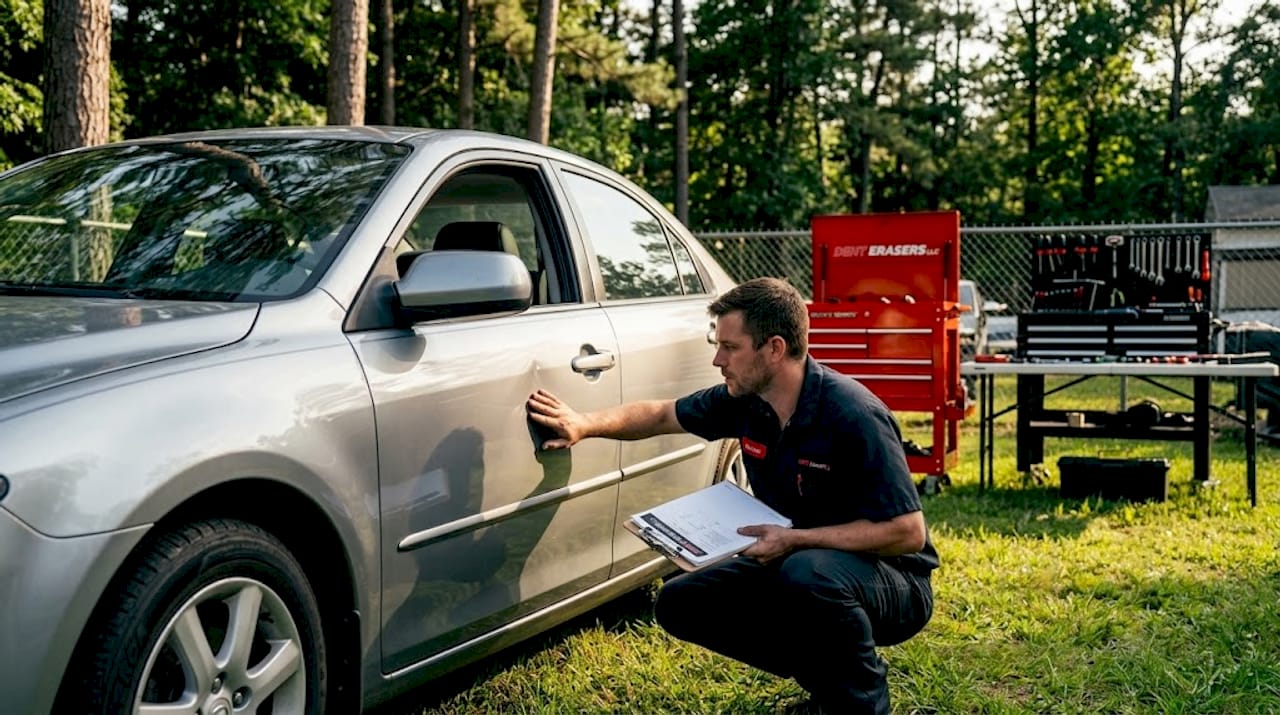
Most car owners assume a dent is just a dent. You see a dimple in your door panel, figure it’s cosmetic, and move on. But that surface-level read can cost you significantly when hidden damage goes undetected. A proper car dent assessment goes well beyond eyeballing the obvious. It determines whether a small ding is truly minor or a signal of something more serious lurking underneath. Understanding what dent assessment actually involves puts you in a far stronger position when it comes to repair decisions, insurance claims, and resale value.
Understanding the Car Dent Assessment Process
- Key takeaways
- What is car dent assessment and what does it include
- Key factors evaluated in a dent assessment
- Dent types and what they mean for repair
- Steps to take during and after your dent assessment
- My honest take on dent assessments
- How Denterasersllc handles your dent assessment
- FAQ
Key takeaways
| Point | Details |
|---|---|
| Assessment covers more than visuals | A proper car dent evaluation checks paint, metal condition, alignment, and hidden sensors. |
| Dent type drives repair method | Round dings often qualify for PDR, while sharp creases may need traditional bodywork. |
| Hidden damage is common | Electronic sensors and frame components can be affected even by seemingly minor impacts. |
| Get everything in writing | A written damage assessment report protects you during repairs and insurance negotiations. |
| PDR saves real money | Paintless dent repair can cost up to 70% less than traditional body shop methods for qualifying dents. |
What is car dent assessment and what does it include
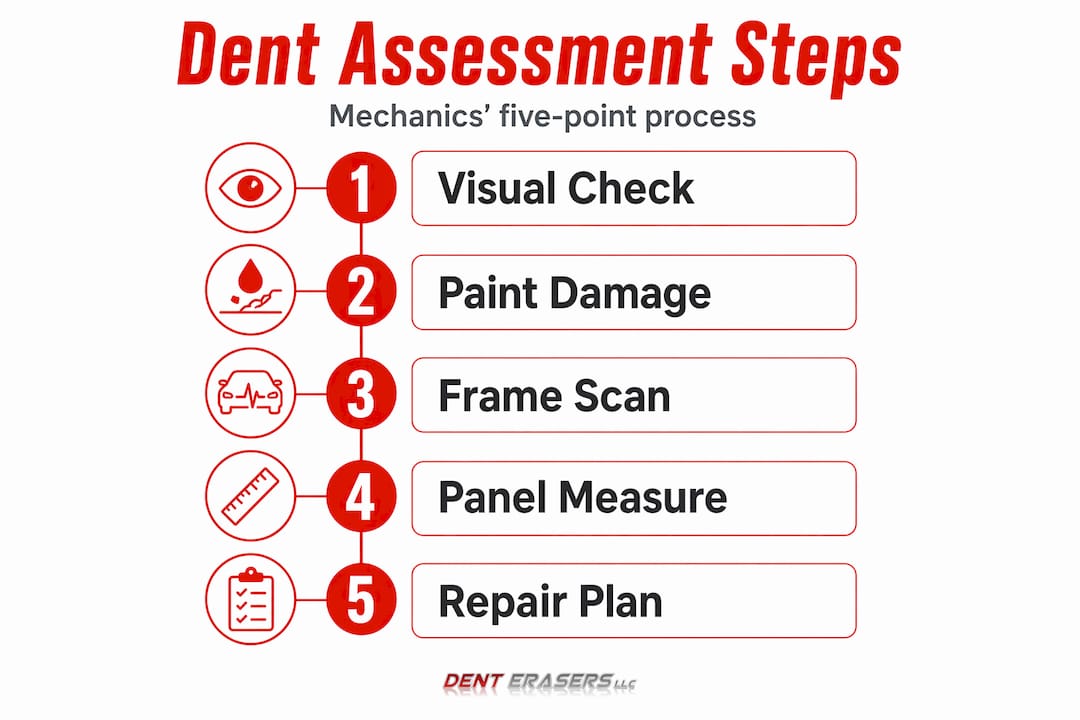
A car dent assessment is a structured evaluation of dent-related damage on a vehicle. It starts with a thorough visual inspection but, depending on the impact, goes much deeper. Visual inspection covers panels, bumpers, glass, and trim to identify surface-level damage. From there, a trained technician evaluates what’s happening under the surface.
The process identifies three categories of damage, and distinguishing between them is critical:
- Cosmetic damage: Dents and paint disruptions that affect appearance only, with no compromise to structure or safety.
- Structural damage: Involves the vehicle’s frame, which affects how the car handles and how safely it performs in a future collision.
- Hidden damage: Different damage categories require appearance-only or specialized frame repairs, and hidden issues like displaced brackets or cracked supports often go unnoticed in a surface-only look.
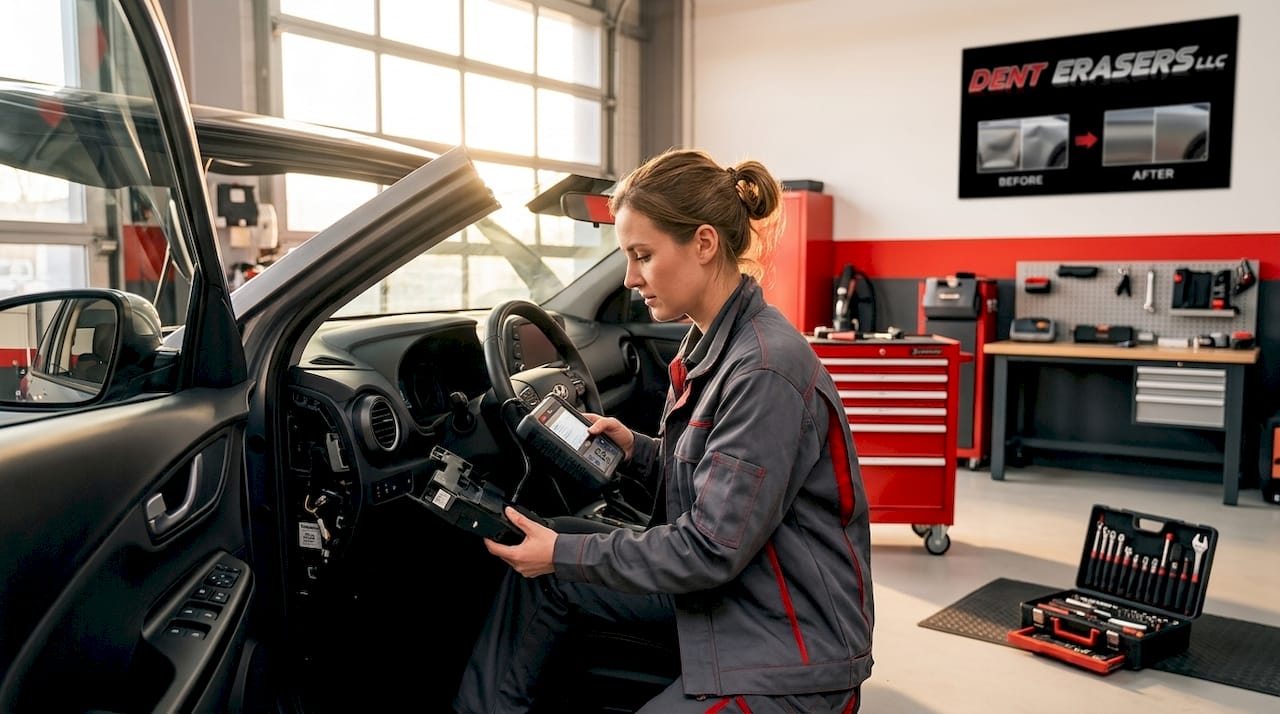
On modern vehicles, the evaluation also includes a diagnostic scan. Technicians remove parts and scan diagnostics to detect sensor failures caused by impacts. Parking sensors, cameras, and collision detection systems are mounted directly behind exterior panels. A dent that looks minor from the outside can knock one of those systems offline without any visible sign.
Frame and panel measurement tools round out the process. These instruments detect misalignment in the body structure that the naked eye simply cannot catch. The result is a complete picture that tells you exactly what repair path makes sense.
Key factors evaluated in a dent assessment
Every auto body damage assessment weighs five specific factors. Each one plays a role in determining how serious the damage is and what it will take to fix it properly.
| Factor | What technicians evaluate | Why it matters |
|---|---|---|
| Dent size and depth | Diameter and how deep the metal is pushed in | Larger, deeper dents exceed PDR limits |
| Paint condition | Cracked, chipped, or intact paint surface | Damaged paint rules out PDR as a standalone fix |
| Metal condition | Stretched, creased, or folded metal | Work-hardened or stretched metal is harder to massage back |
| Impact location | Which panel, how accessible for tools | Tight or reinforced areas limit repair technique options |
| Alignment | Panel gaps, door swing, frame geometry | Misalignment signals possible structural involvement |
A systematic fender damage assessment examines all five of these factors to determine whether a repair is minor or a full collision job. Missing even one category during an evaluation can lead to an incomplete repair plan.
Pro Tip: Ask your technician to check for paint damage under direct light and from multiple angles. Paint cracking is not always visible in dim garage lighting, and a missed crack changes both the repair method and the cost estimate.
Dent types and what they mean for repair
How you assess car dents directly shapes which repair route is appropriate. Not all dents are created equal, and the shape and location tell a trained eye a lot.
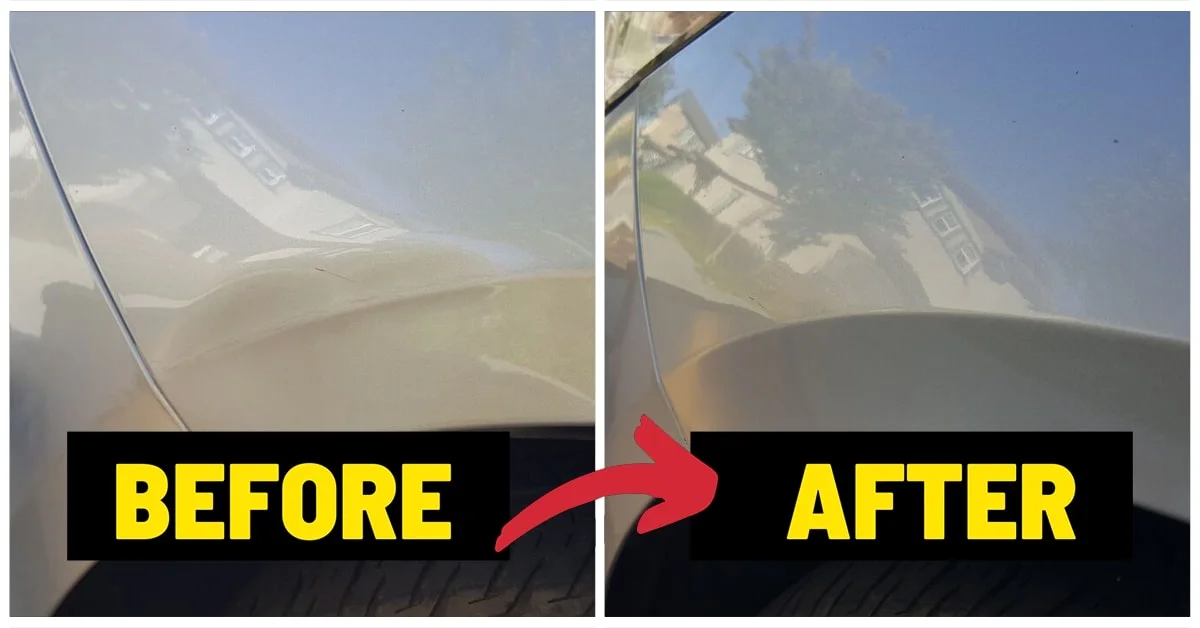
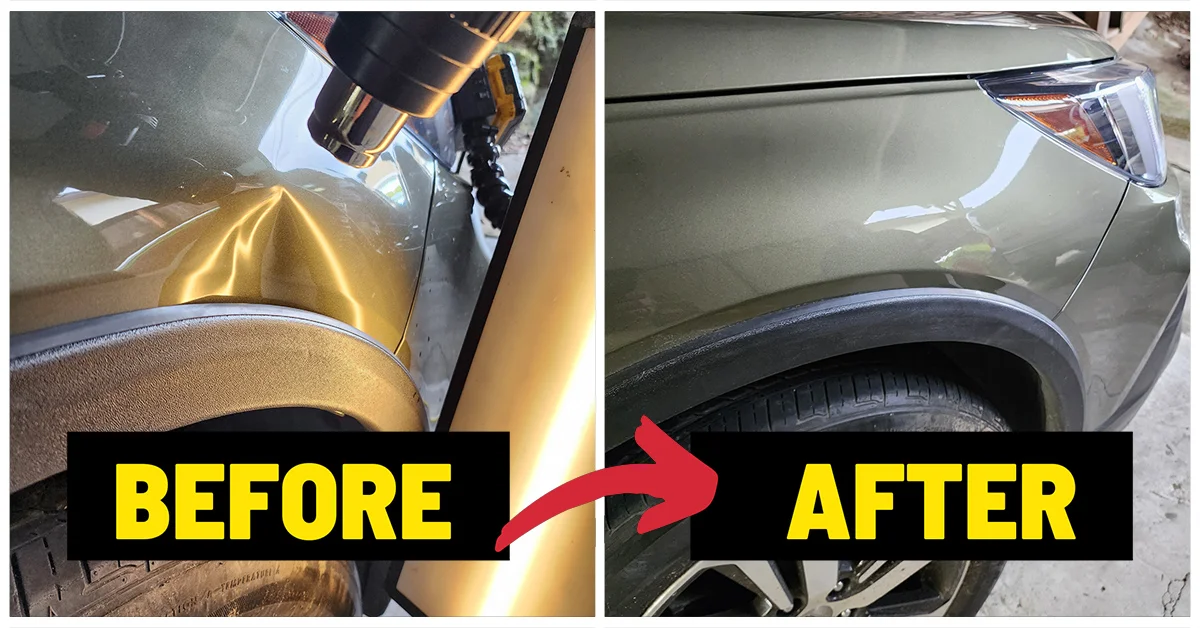
- Round door dings: These are the bread and butter of paintless dent repair. The metal is pushed in but not stretched or creased, which means a skilled technician can carefully massage it back to its original shape without touching the factory paint. Repair time typically runs 30 to 60 minutes.
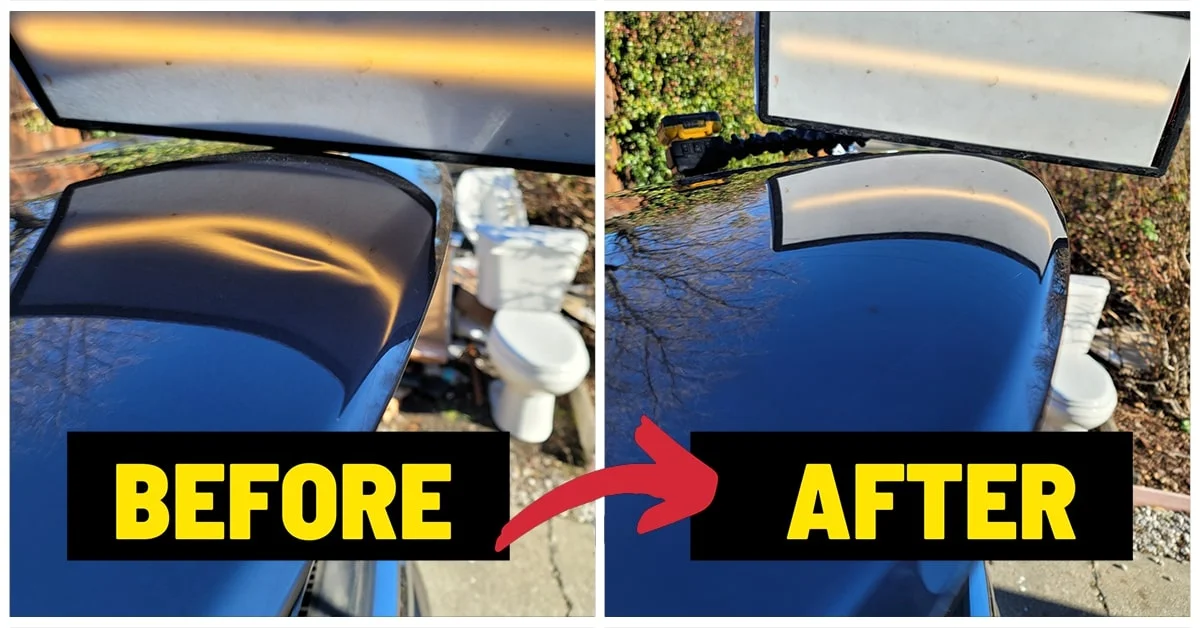
- Sharp creases: A crease means the metal has been stretched and folded along a line. Sharp creases involve metal stretching, complicating PDR or necessitating traditional repair, which can mean 3 to 5 hours of labor. Work-hardened metal along a crease resists being massaged back, so a combination of PDR and conventional bodywork is often required.
- Structural damage: When the impact reaches the frame or internal support structures, you are dealing with a repair that goes beyond cosmetic. This requires frame straightening equipment and potentially replacement parts. Using wrong repair methods leads to incomplete repairs when structural issues are missed during assessment.
For collector car dent assessment or luxury vehicle work, the stakes are even higher. Preserving original paint and factory finish carries significant value, which is exactly why the assessment must be precise before any tool touches the metal.
Pro Tip: If a technician recommends traditional bodywork on a round ding, get a second opinion from a PDR specialist. Not every shop performs PDR, and they may default to conventional methods even when PDR is the better fit. Review the PDR checklist before agreeing to any repair.
Steps to take during and after your dent assessment
Knowing what goes into a dent inspection is only part of the equation. Here is how to protect yourself and get the most out of the process.
- Request a written damage report. A verbal assessment is easy to misremember or dispute later. A written report documents every finding, which matters for insurance claims and repair accountability.
- Get at least two opinions. If the dent is more than minor, a second assessment gives you a baseline for comparing repair approaches and costs. It also reveals whether the first assessment missed anything.
- Consider mobile repair services. Mobile dent repair offers on-site convenience for minor dents without any loss in repair quality. For busy professionals, a mobile technician coming to your home or office can save hours of time. Read about how mobile repair saves time before scheduling anything.
- Weigh repair cost against vehicle value. A dent removal evaluation should always include a reality check. If the repair costs more than the vehicle is worth or more than what the damage shaves off the resale price, you may want to reconsider the scope of work.
- Ask about warranty coverage. Reputable repair providers stand behind their work. Always ask whether the repair carries a warranty before work begins.
My honest take on dent assessments
I have seen a lot of damage assessments over the years, and the most common mistake I encounter is the cosmetic-only evaluation. Someone gets a quote, the technician pokes at the dent from the outside, names a price, and calls it done. But that approach leaves real money on the table for the customer when something gets missed.
What worries me most is the electronics issue. I have worked on vehicles where a small parking lot dent had pushed a proximity sensor just enough to trigger warning lights weeks later. The owner had already paid for what they thought was a complete repair. The original shop never ran a diagnostic scan. That is not just an inconvenience. It is a safety issue.
My honest advice: choose certified repair facilities and push for a thorough automobile dent appraisal that includes a diagnostic scan on any vehicle with driver assist systems. Do not let anyone shortcut the inspection because the dent “looks small.” Looks can be misleading when it comes to auto body damage. Advocate for yourself. You are paying for accuracy, not just speed.
— Brian
How Denterasersllc handles your dent assessment

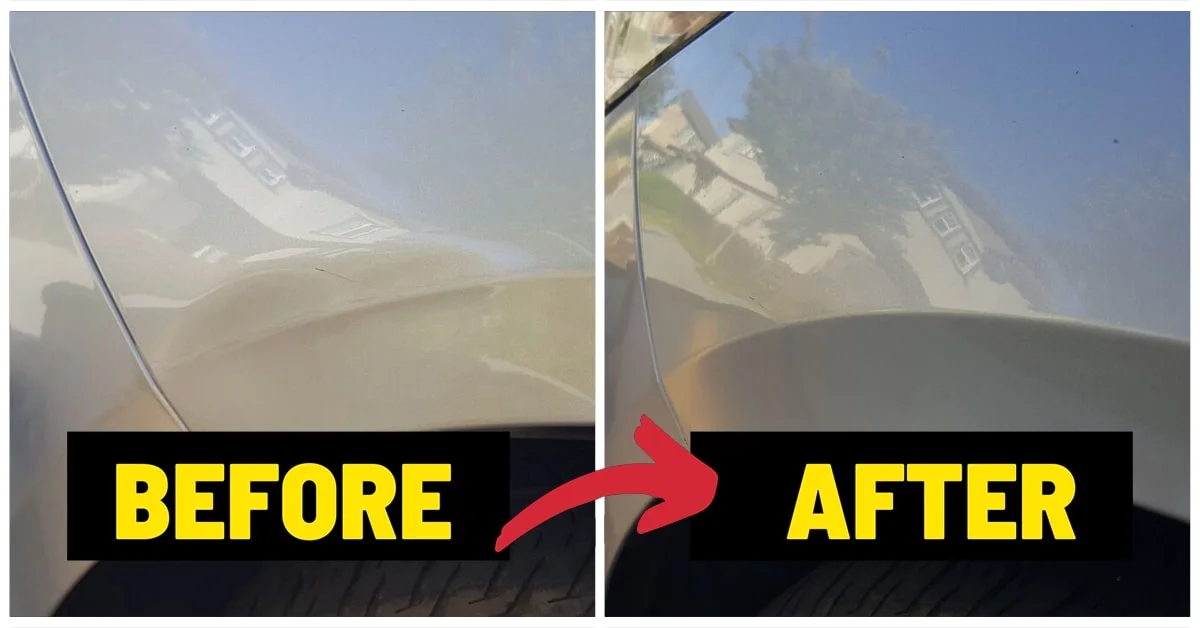
At Denterasersllc, every car dent evaluation starts with a thorough, honest assessment before a single tool is picked up. We specialize in mobile paintless dent repair and handle everything from minor door dings to more involved collision repairs across Contra Costa County and surrounding areas. Our gallery showcases real results, including seamless fender repair work that demonstrates the precision we bring to every job. We back our repairs with a commitment to quality and customer satisfaction. If you want a repair done right the first time, start with an assessment done right.
FAQ
What does a car dent assessment include?
A car dent assessment includes a visual inspection of panels, bumpers, and trim, followed by evaluation of paint condition, metal integrity, and alignment. On modern vehicles, it also involves a diagnostic scan to detect sensor or electronic system damage from the impact.
Can a small dent cause structural or hidden damage?
Yes. Even a minor-looking dent can displace brackets, crack internal supports, or knock proximity sensors and cameras out of alignment, especially on vehicles with built-in driver assistance technology.
When is paintless dent repair the right choice?
Paintless dent repair works best on round dents where the paint surface is still intact and the metal has not been stretched or creased. PDR can save up to 70% compared to traditional bodywork for qualifying dents.
How long does a dent assessment take?
A basic visual dent inspection takes 15 to 30 minutes. A full assessment that includes a diagnostic scan and frame measurement check can take longer depending on the vehicle and the extent of the impact.
Why should I get a written damage assessment report?
A written auto body damage assessment protects you during insurance claims, helps you compare quotes accurately, and holds the repair provider accountable for every documented issue found during the evaluation.