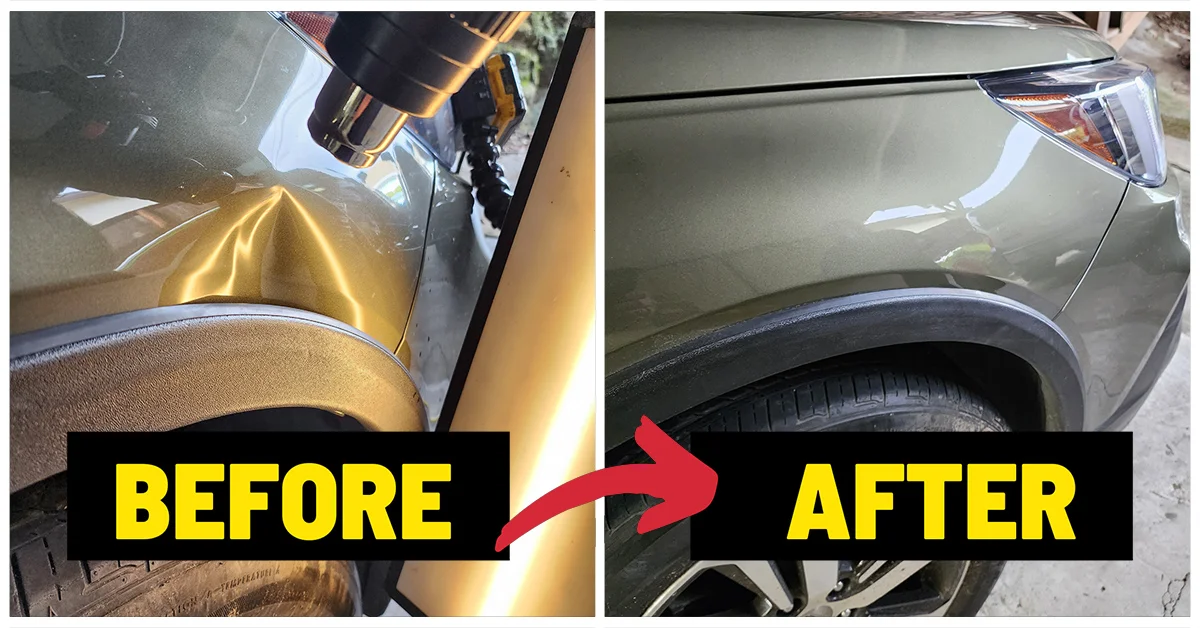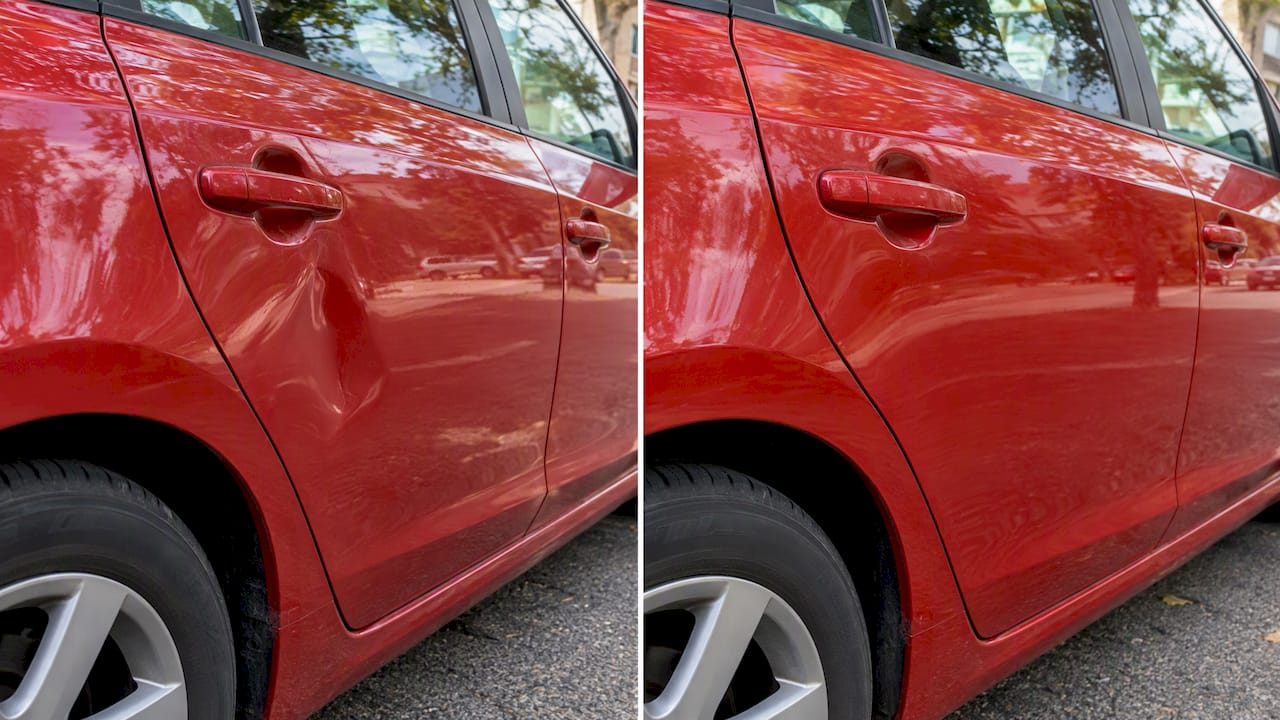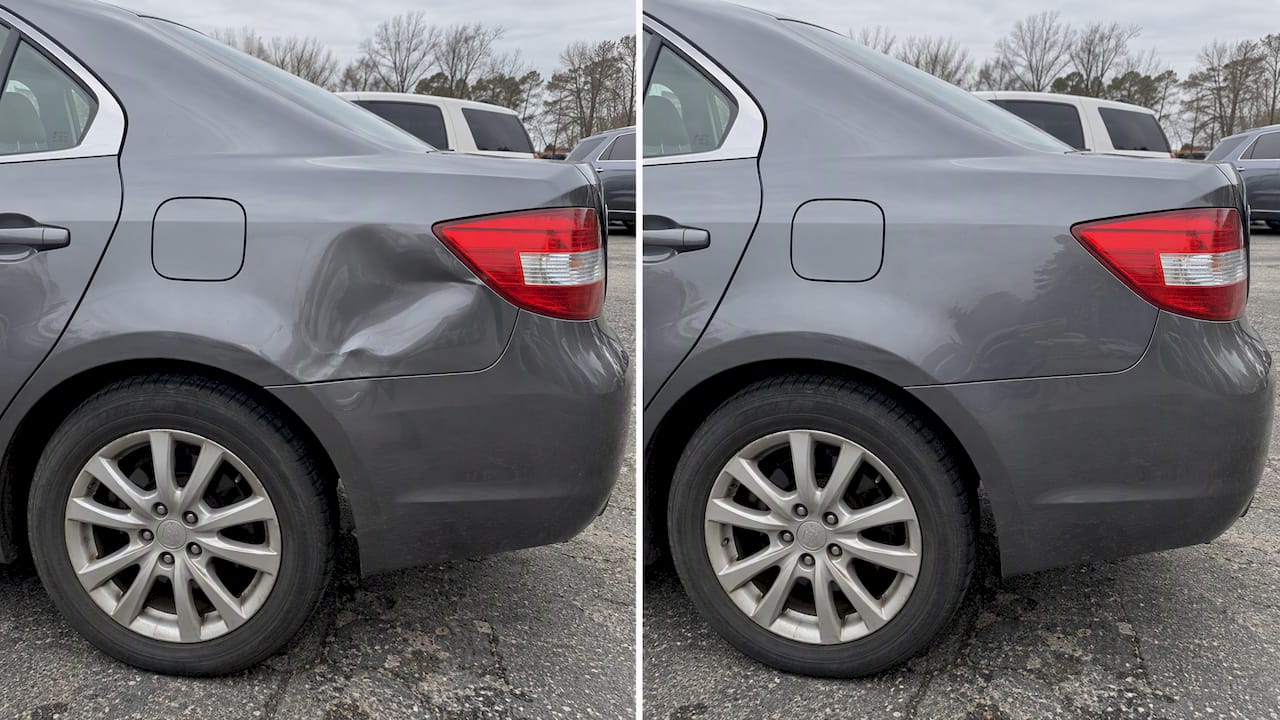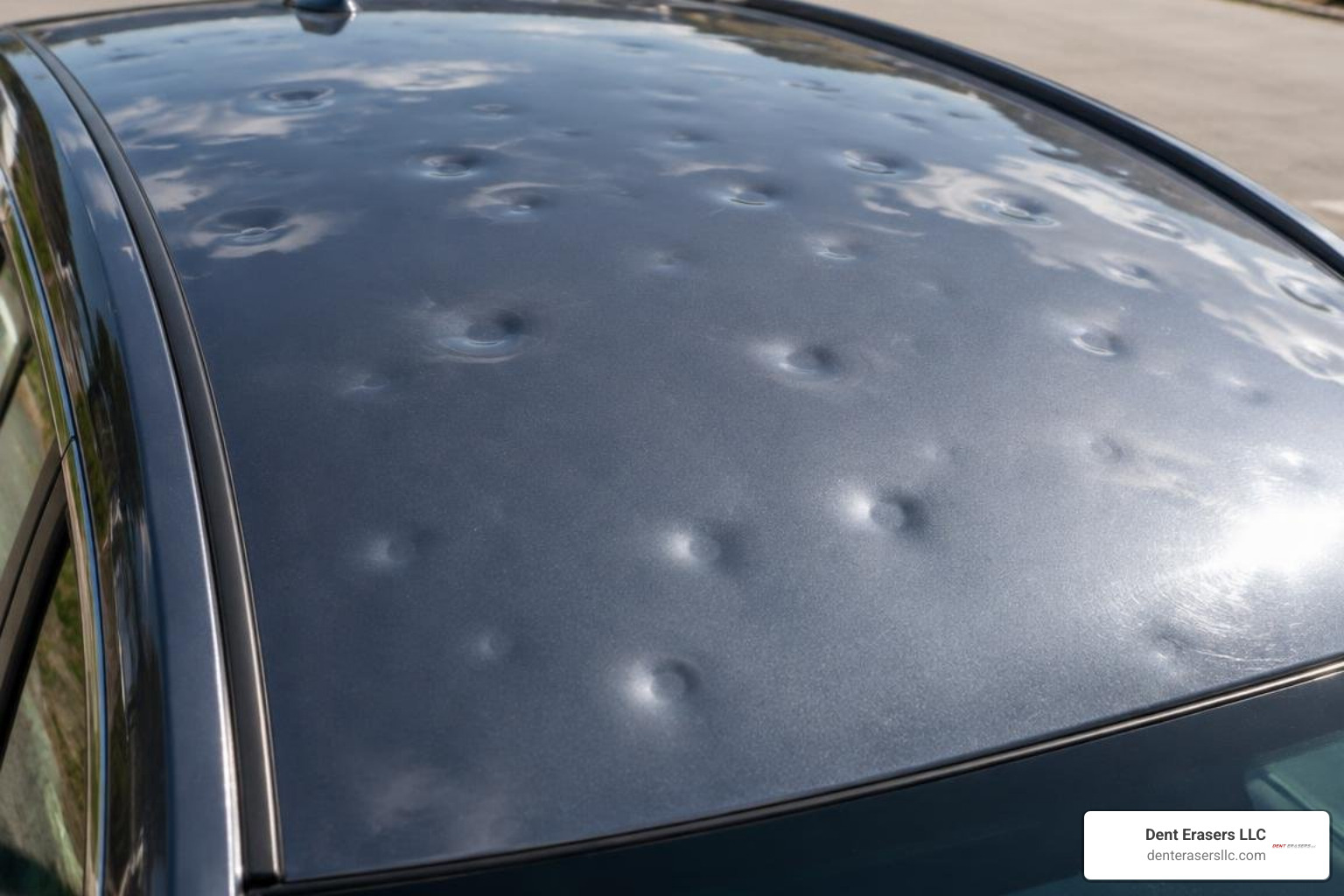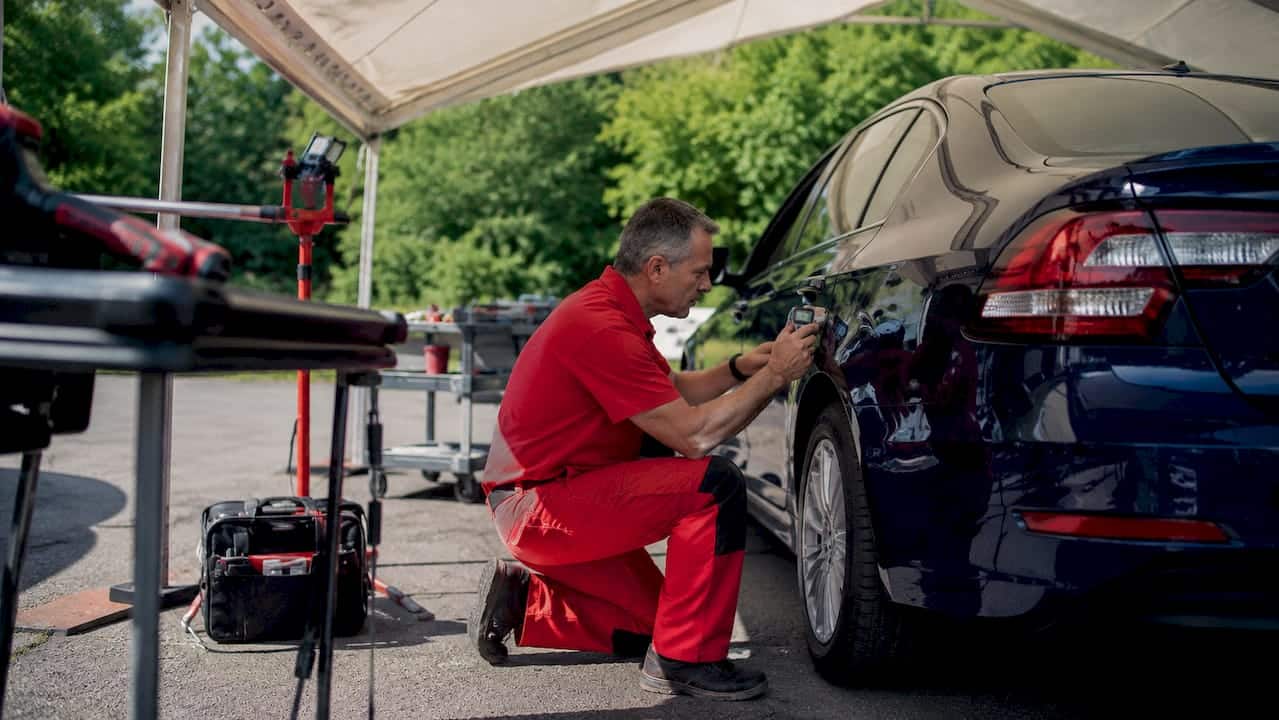
Collision repair is defined as the process of restoring a vehicle to its pre-accident condition by addressing structural damage, cosmetic imperfections, and electronic system failures caused by an impact. Auto body collision repair goes far beyond fixing dents and scratches. It includes frame straightening, panel replacement, paint refinishing, and the recalibration of advanced driver assistance systems (ADAS) like lane-keeping assist and automatic emergency braking. Understanding what this process involves helps you make smarter decisions about your vehicle, your safety, and your money after an accident.
What does the collision repair process involve?
Auto body collision repair follows a structured sequence. Each step builds on the last, and skipping any one of them creates safety risks that may not show up until your next accident.
-
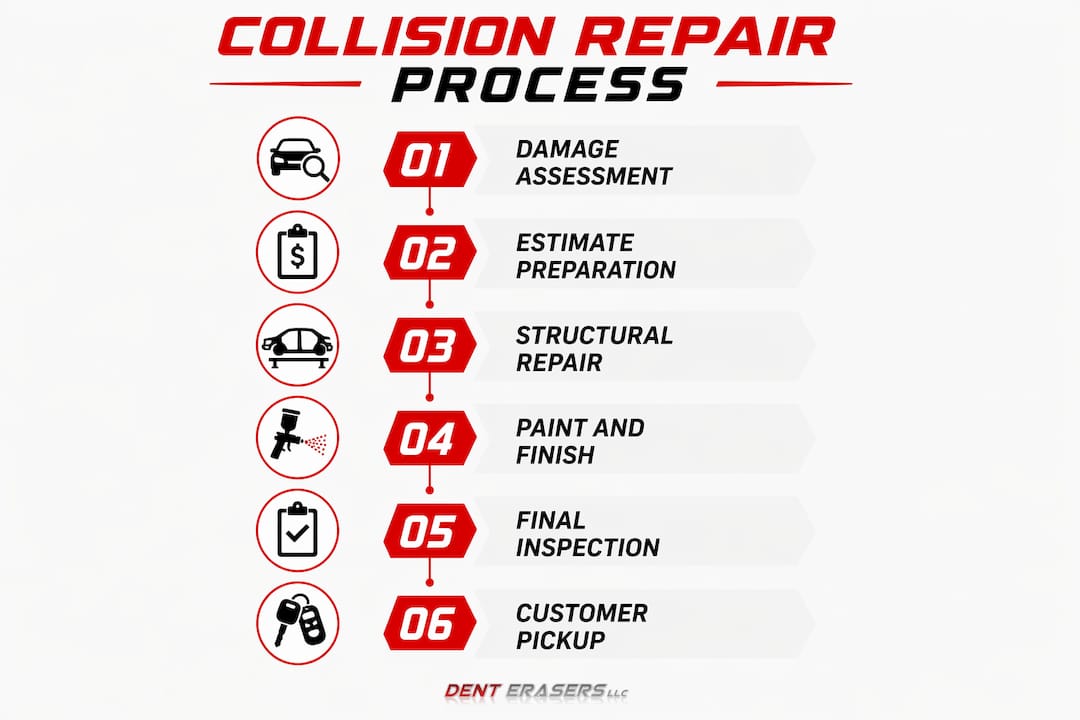
Damage assessment. A certified technician inspects both visible and hidden damage. This includes checking the frame, suspension, and electronic systems. Hidden electrical damage from collisions can disrupt vehicle systems in ways that never trigger a dashboard warning light.
-
Disassembly. Technicians remove panels, trim, and components to expose damage that is invisible from the outside. What looks like a minor fender bender can hide bent subframe rails underneath.
-
Frame measurement and straightening. This is where precision matters most. Professional collision shops use laser measuring systems to restore structural integrity to within 1–2mm accuracy. On modern unibody vehicles, which rely on crumple zones to absorb crash energy, that level of precision directly affects how the car performs in a future collision.
-
Panel repair or replacement. Technicians either massage the metal back into shape using specialized tools or replace panels entirely with OEM (original equipment manufacturer) parts. The choice depends on damage severity and the vehicle’s age.
-
Paint refinishing. Color matching is a craft. Shops use computerized paint mixing systems to blend new paint with the existing factory finish so the repair is invisible.
-
Electronic diagnostics and ADAS recalibration. This step is non-negotiable on modern vehicles. ADAS sensors require calibration within millimeter tolerances using specialized equipment. Even a slight shift in sensor position can impair functionality.
-
Final quality check and test drive. A road test confirms that steering, braking, and safety systems all perform correctly before the vehicle is returned to you.
Pro Tip: Ask your repair shop for a pre-repair and post-repair electronic scan report. This document proves that hidden electrical issues were identified and resolved, not just ignored.
How long does collision repair take?
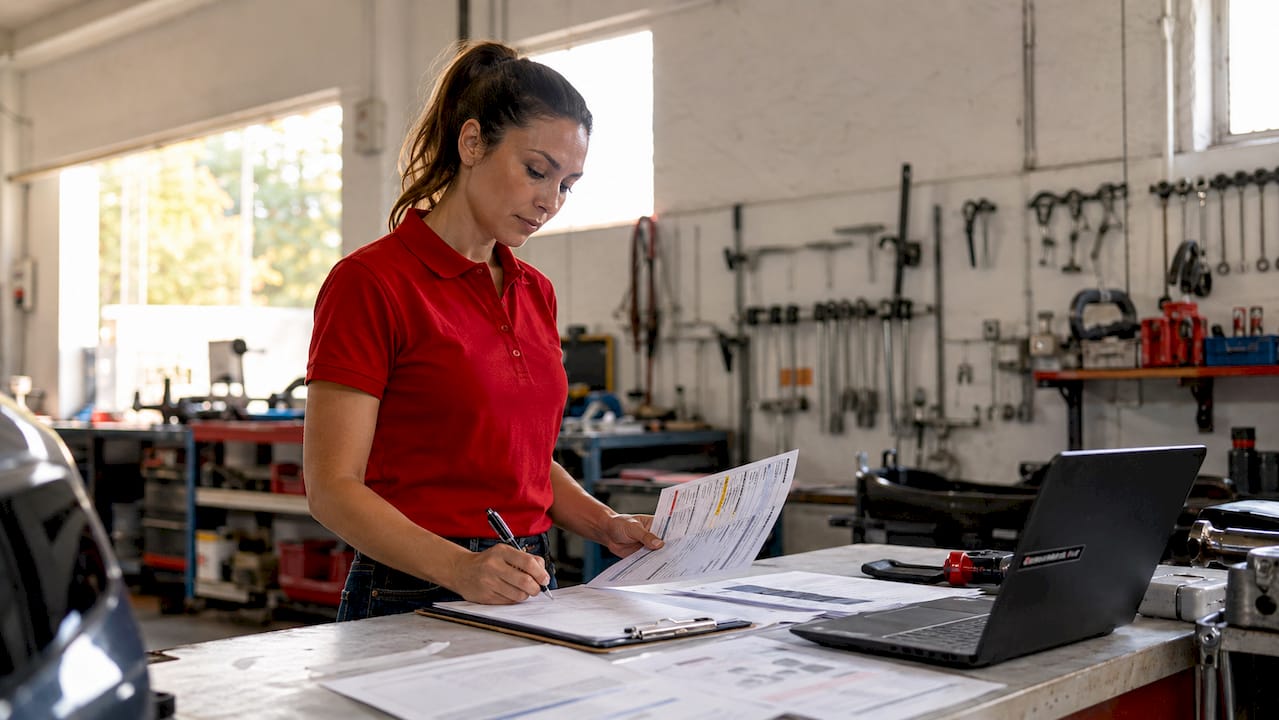
Repair timelines depend on damage severity, parts availability, and whether an insurance claim is involved. Here is a realistic breakdown:
| Damage level | Typical timeline | Common examples |
|---|---|---|
| Minor | 1–3 days | Small dents, scratched bumpers, cracked tail lights |
| Moderate | 5–10 business days | Door panel replacement, hood damage, airbag deployment |
| Major | 2–4 weeks | Frame damage, multiple panel replacement, full structural repair |
Collision repair timelines vary this widely because structural repairs require precise measurements, cure times for adhesives and paint, and parts that may need to be ordered. Insurance claims add another layer. Adjusters must approve repair plans before work begins, which can add several business days to the process.
Pro Tip: Request a written repair estimate that lists every part and labor hour. This gives you a baseline to track progress and catch delays early.
What does collision repair cost?
Repair costs range from $50–$150 for minor cosmetic work to over $5,000 for major structural repairs. That wide range reflects a fundamental difference in what is actually being fixed.
- Minor cosmetic damage covers scratches, small dents, and cracked plastic trim. These repairs do not affect how the vehicle drives or how it performs in a crash. You can review common repair cost breakdowns to understand what typical jobs run.
- Moderate structural damage runs $1,000–$3,000 and typically involves panel replacement, suspension alignment, and paint refinishing.
- Major structural damage exceeds $2,000–$5,000 and involves frame straightening, airbag replacement, and full electronic recalibration.
Structural damage impacts vehicle handling, tire wear, and airbag deployment geometry in ways that cosmetic damage never does. This is why structural repairs cost more and require more specialized labor. OEM parts also raise costs compared to aftermarket alternatives, but they preserve fit tolerances and maintain your vehicle’s crash safety ratings.
Insurance typically covers structural repairs after a collision claim, minus your deductible. Cosmetic repairs may fall below your deductible threshold, making out-of-pocket payment the practical choice.
Why choose a specialized collision shop over a general mechanic?
A general mechanic is trained to fix what is under the hood. A collision repair specialist is trained to fix the structure that surrounds you. These are different disciplines with different tools and different certifications.
- Collision centers use frame machines, laser measuring systems, and ADAS recalibration equipment that general shops do not own.
- Certified collision centers follow OEM repair procedures, which are the manufacturer’s exact specifications for restoring a vehicle after damage.
- Structural repairs performed outside OEM specifications can void manufacturer warranties and compromise crash safety ratings.
- ADAS recalibration requires a controlled environment and manufacturer-specific software. A general mechanic cannot perform this work without that equipment.
The benefits of professional collision repair extend beyond cosmetics. Proper structural restoration determines how your vehicle’s crumple zones and airbags perform the next time you need them. Choosing the wrong shop to save money upfront can cost you far more in safety and resale value.
What are the risks of skipping professional collision repair?
Delaying or skipping professional repair after an accident is one of the most common and costly mistakes vehicle owners make.
“Many drivers assume a car that drives fine after an accident is fine. Structural damage and uncalibrated ADAS systems often produce no immediate symptoms. The consequences show up in the next crash, or on the highway when a safety system fails without warning.” — Cosmetic vs. structural damage
About two-thirds of vehicle owners reported post-repair issues with ADAS crash avoidance systems after collisions. That figure reflects repairs where recalibration was incomplete or skipped entirely. Uncalibrated sensors can trigger false warnings, fail to detect real hazards, or disable safety features without alerting the driver.
Beyond safety, timely auto body repairs protect your vehicle’s resale value. Unrepaired structural damage shows up on vehicle history reports and in pre-purchase inspections, reducing what a buyer will pay. Insurance companies may also reduce future claim payouts if pre-existing unrepaired damage complicates a new claim assessment.
Summary of Collision Repair: Ensuring Safety and Vehicle Integrity
Collision repair is a multi-step process that restores structural integrity, cosmetic condition, and electronic safety systems, and skipping any part of it creates measurable safety and financial risk.
| Point | Details |
|---|---|
| Structural vs. cosmetic damage | Structural damage affects crash performance and handling; cosmetic damage does not. |
| Repair timeline | Minor repairs take 1–3 days; major structural work takes 2–4 weeks. |
| Cost range | Costs run from $50 for minor cosmetic fixes to over $5,000 for major structural repairs. |
| ADAS recalibration | Two-thirds of owners report ADAS issues post-repair when recalibration is skipped or incomplete. |
| Shop selection | Certified collision centers use OEM procedures and specialized equipment that general mechanics do not have. |
My take on what most people get wrong about collision repair
I have been doing this work long enough to know the single biggest mistake vehicle owners make: they treat collision repair as a cosmetic problem. They see a dented fender, get it smoothed out, and call it done. What they miss is everything underneath.
Modern vehicles are engineered systems. The frame, the sensors, the crumple zones, and the airbag geometry all work together. When a collision disrupts that system, fixing only what you can see is like patching a roof without checking the rafters. The structure looks fine until it fails.
I also see owners choose shops based on price alone, without asking whether the shop follows OEM repair procedures or has the equipment to recalibrate ADAS sensors. That is the question that separates a safe repair from a cosmetically acceptable one. Ask any shop you consider: “Do you perform pre-repair and post-repair electronic scans?” If they hesitate, keep looking.
The right repair shop will show you documentation. They will explain what they found, what they fixed, and why. That transparency is not a bonus. It is the baseline you should expect. You can also review what to look for in a quality shop before you make that call.
Prioritize safety over saving a few hundred dollars. The cost of a proper repair is always less than the cost of a safety system that fails when you need it most.
— Brian Blanc
How Denterasersllc handles collision repair the right way
At Denterasersllc, we bring the same precision and care to every collision job that we apply to our paintless dent repair work. We use OEM-aligned procedures, frame measuring systems, and thorough electronic diagnostics to make sure your vehicle is restored completely, not just cosmetically.
Whether you are dealing with a fender bender or more significant impact damage, our team coordinates directly with your insurance company to keep the process straightforward for you. You can see the quality of our work firsthand in our seamless fender repair gallery, where precision and factory-finish results speak for themselves. Serving Contra Costa County and surrounding areas, Denterasersllc is ready to restore your vehicle safely and correctly. Contact us today to schedule your assessment.
FAQ
What is collision repair in simple terms?
Collision repair is the process of restoring a vehicle to its pre-accident condition after an impact. It covers structural frame work, panel repair or replacement, paint refinishing, and electronic system recalibration.
Does collision repair include ADAS recalibration?
Yes, and it should. Failure to recalibrate ADAS sensors after a collision can cause safety system malfunctions or false warnings, representing a significant risk to the driver and others on the road.
How much does auto collision repair cost on average?
Costs range from $50–$150 for minor cosmetic repairs to over $5,000 for major structural work. The final price depends on damage severity, parts used, and labor complexity.
How long does a typical collision repair take?
Minor repairs take 1–3 days, moderate repairs take 5–10 business days, and major structural repairs take 2–4 weeks. Parts availability and insurance approval can extend these timelines.
Can I drive my car after a collision without getting it repaired?
Driving after a collision without a professional inspection is risky. Hidden structural damage and uncalibrated safety systems may not produce immediate symptoms but can fail critically in a subsequent accident or emergency situation.