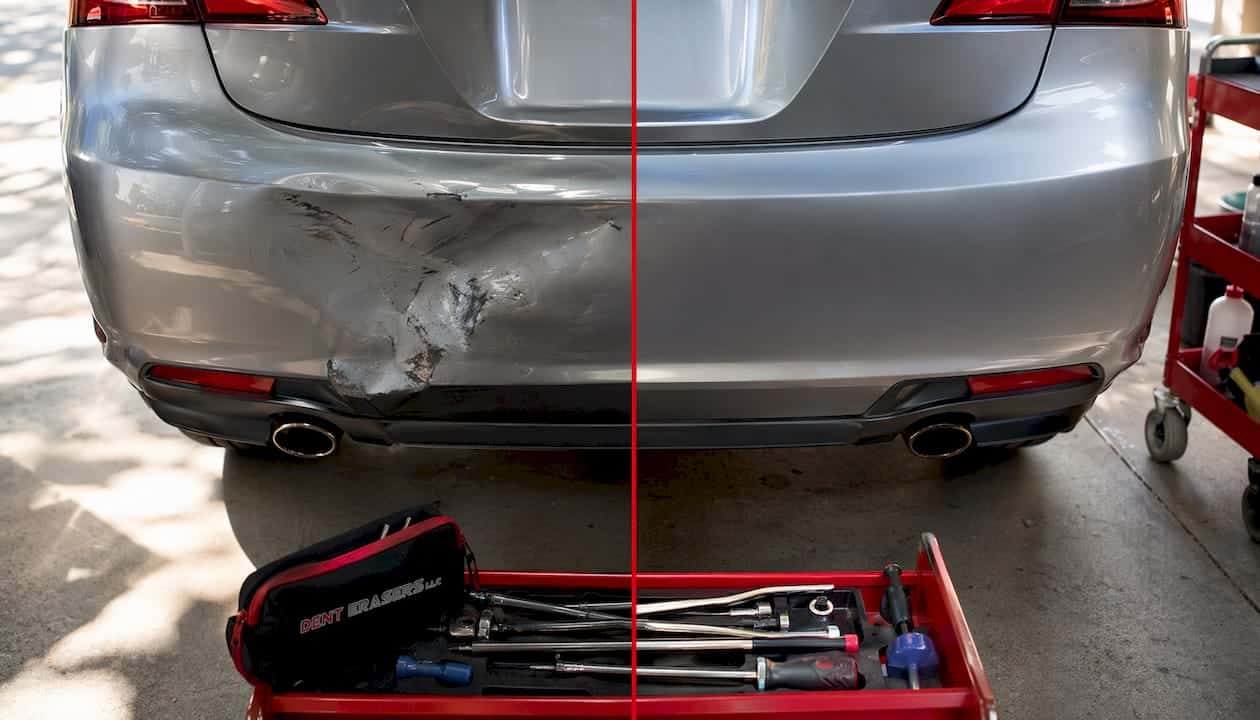
Specialized repair shops are automotive service providers with focused expertise on specific vehicle makes, systems, or repair types, delivering higher accuracy and better outcomes than general service facilities. The reasons for choosing specialized repair shops go beyond convenience. They include brand-specific diagnostic tools, technicians trained on the exact failure patterns of your vehicle, and the use of manufacturer-approved parts that protect your car’s long-term performance. Industry data shows that independent specialized shops save owners 30–50% on total out-of-warranty repair costs compared to dealerships. The Magnuson-Moss Warranty Act also protects your right to use independent specialists without voiding your warranty, provided the work is properly documented.
Why choose specialized repair shops for better accuracy?
Specialized repair shops reduce repeat visits because their technicians know your vehicle’s weak points before you even describe the problem. This is called pattern-based diagnostics. A technician who services the same make regularly builds a mental library of common failure signatures. They recognize a specific rattle, a particular fault code, or an unusual wear pattern as a known issue on that model. That recognition leads to faster, more accurate repairs the first time.
Brand-specific diagnostic tools communicate directly with manufacturer systems, enabling proper component calibration after a repair. General shops often use universal scan tools that miss manufacturer-level data. That gap causes misdiagnoses, unnecessary part replacements, and repeat visits that cost you time and money.
Specialists also use evidence-first diagnostics. Rather than replacing a whole assembly to fix one faulty component, they isolate the specific part causing the problem. This approach lowers your bill and produces a more targeted fix.
- Technicians trained on specific makes recognize failure patterns faster
- Manufacturer-level scan tools catch calibration errors general tools miss
- Evidence-first diagnostics prevent unnecessary part replacements
- Repeat visits drop when the root cause is identified correctly the first time
Pro Tip: Ask any shop whether their diagnostic equipment communicates directly with your vehicle’s manufacturer system. If they use only a generic OBD-II reader, they may miss model-specific fault data.
How much can you save at a specialized independent shop?
The cost advantage of choosing expert repair services over dealerships is significant, especially once your factory warranty expires. Labor rates at independent specialists run 20–40% lower than dealership rates, and parts markups are 15–30% less. That adds up to total savings of 30–50% on most out-of-warranty repairs.
| Repair Category | Dealership Cost Range | Specialized Independent Range |
|---|---|---|
| Labor rate (per hour) | $150–$200 | $90–$130 |
| Parts markup | 30–50% above cost | 15–30% above cost |
| Total out-of-warranty savings | Baseline | 30–50% less |
For cost-effective auto repair, specialized independents are the clear choice for vehicles no longer covered by a factory warranty. Dealerships remain the right call for active recalls, warranty-covered work, and software programming that requires factory tools.
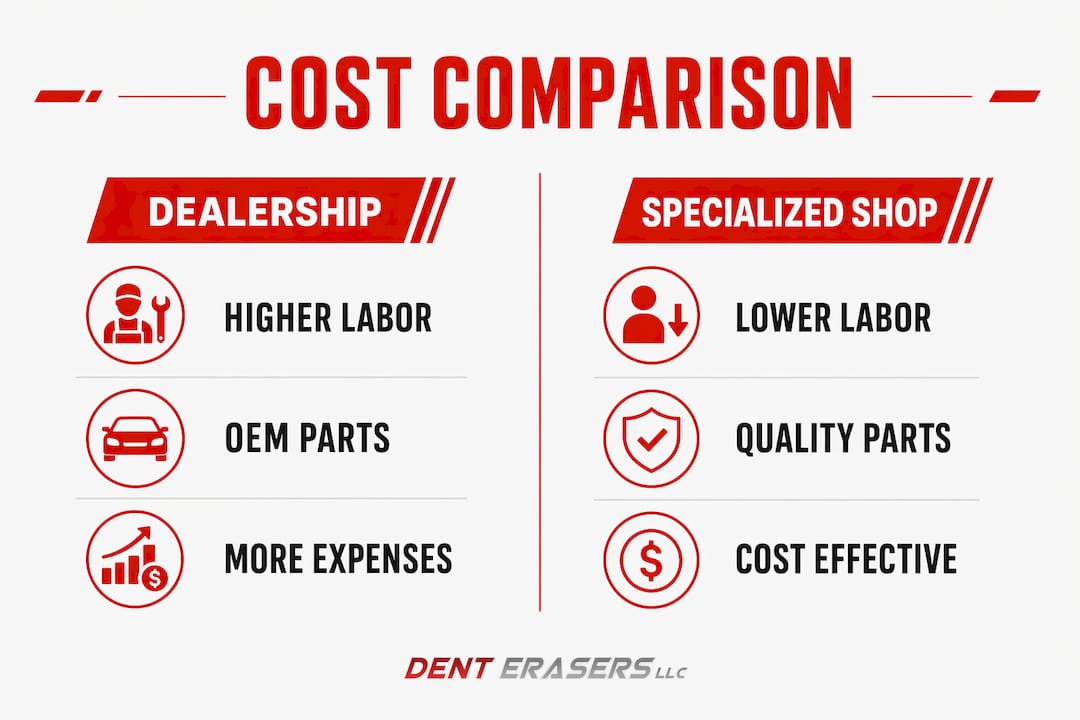
Specialized shops also avoid the “replace everything” approach. Because their technicians know which components fail first on your specific model, they replace only what is broken. That discipline protects your wallet on every visit.
Pro Tip: Before choosing a shop, review your vehicle service contract carefully. Some contracts include shop restriction clauses that limit your repair options. Knowing this upfront prevents unexpected out-of-pocket costs.
Does direct communication with technicians improve your repair outcome?
At most dealerships, a service advisor acts as the go-between for you and the technician. You describe the problem to the advisor, the advisor relays it to the tech, and the tech’s findings come back through the same filter. Details get lost. Specialized shops typically cut out that middleman.
Direct technician-to-customer communication improves transparency and helps you make better decisions about your vehicle. When the person who diagnosed your car explains the failure directly, you understand what broke, why it broke, and what will happen if you delay the repair. That clarity changes how you prioritize maintenance.
The advantages of this direct relationship include:
- Accurate problem descriptions reach the technician without translation errors
- You receive a clear explanation of failure causes, not just a repair quote
- Maintenance recommendations are tailored to your specific driving habits and vehicle age
- Trust builds over time because the same technician knows your car’s history
Customer satisfaction surveys consistently show that independent shops outperform dealerships in courtesy, pricing transparency, quality of work, and clear communication. That is not a coincidence. It is the result of a simpler, more direct service model.
How do specialized shops protect your vehicle’s value and warranty?
Specialized repair shops preserve your vehicle’s performance and resale value by using manufacturer-approved fluids, OEM or quality-approved equivalent parts, and correct service procedures. Proper use of manufacturer standards prevents system conflicts, avoids premature wear, and keeps your vehicle performing as designed.
Here is how that protection works in practice:
- Manufacturer-approved fluids prevent chemical incompatibilities that degrade seals, gaskets, and transmission components over time.
- OEM or approved equivalent parts fit correctly and perform to factory specifications, reducing the risk of premature failure.
- Accurate service records from a documented specialist build a verifiable maintenance history that buyers trust and appraisers reward.
- Warranty compliance is maintained because the Magnuson-Moss Warranty Act protects your right to use independent shops without losing coverage, provided repairs are properly documented.
- Safety recall awareness is part of the service relationship. A specialist familiar with your make tracks open recalls and flags them during routine visits.
For vehicles over five years old, independent specialists are the recommended choice for routine maintenance and major repairs. Dealerships remain best for active warranty claims and manufacturer software updates. Knowing when to use each type of shop is the most cost-effective strategy for long-term ownership.
Key Takeaways
Specialized repair shops deliver better outcomes than general facilities because their focused expertise, direct communication, and proper parts use reduce errors, protect your warranty, and lower your total repair costs.
| Point | Details |
|---|---|
| Lower out-of-warranty costs | Independent specialists save owners 30–50% compared to dealership repair rates. |
| Fewer repeat visits | Pattern-based diagnostics and manufacturer-level tools fix problems correctly the first time. |
| Direct technician communication | Talking to the person who repaired your car improves accuracy and builds long-term trust. |
| Warranty protection | The Magnuson-Moss Warranty Act preserves your coverage when using qualified independent shops. |
| Better resale value | Documented service with approved parts and fluids builds a history buyers and appraisers value. |
My honest view on specialized shops after years in the trade
After working in auto body repair for years, I have seen the same pattern repeat itself. A car owner goes to a general shop to save time, gets a broad diagnosis, pays for parts that did not need replacing, and comes back two months later with the same problem. Specialization is not a marketing term. It is the difference between a technician who has seen your exact failure a hundred times and one who is seeing it for the first time.
The biggest misconception I hear is that using an independent shop voids your warranty. It does not. The Magnuson-Moss Warranty Act is clear on this. What matters is documentation and proper procedure, not the name above the door.
My advice is simple. Match the shop to the situation. Use your dealership for active warranty work and software recalls. Use a qualified specialist for everything else, especially once your vehicle is past the five-year mark. You will spend less, get better communication, and keep your car in better shape for longer. Understanding the types of repair shops available in your area is the first step toward making that decision with confidence.
— Brian Blanc
Denterasersllc: specialized repair done right
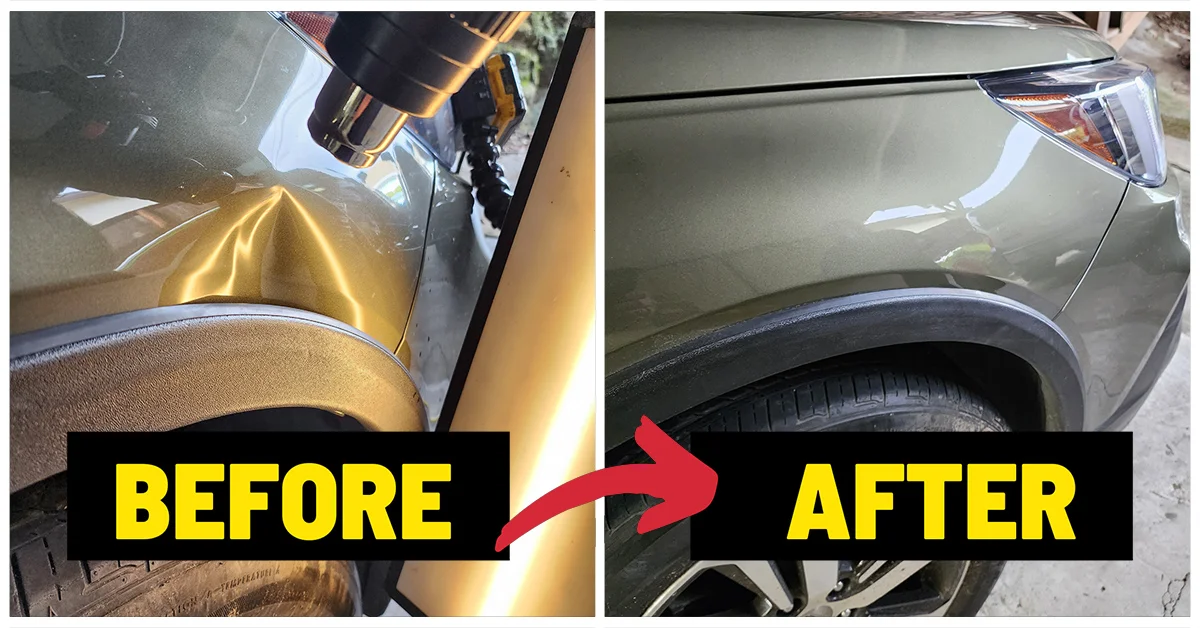
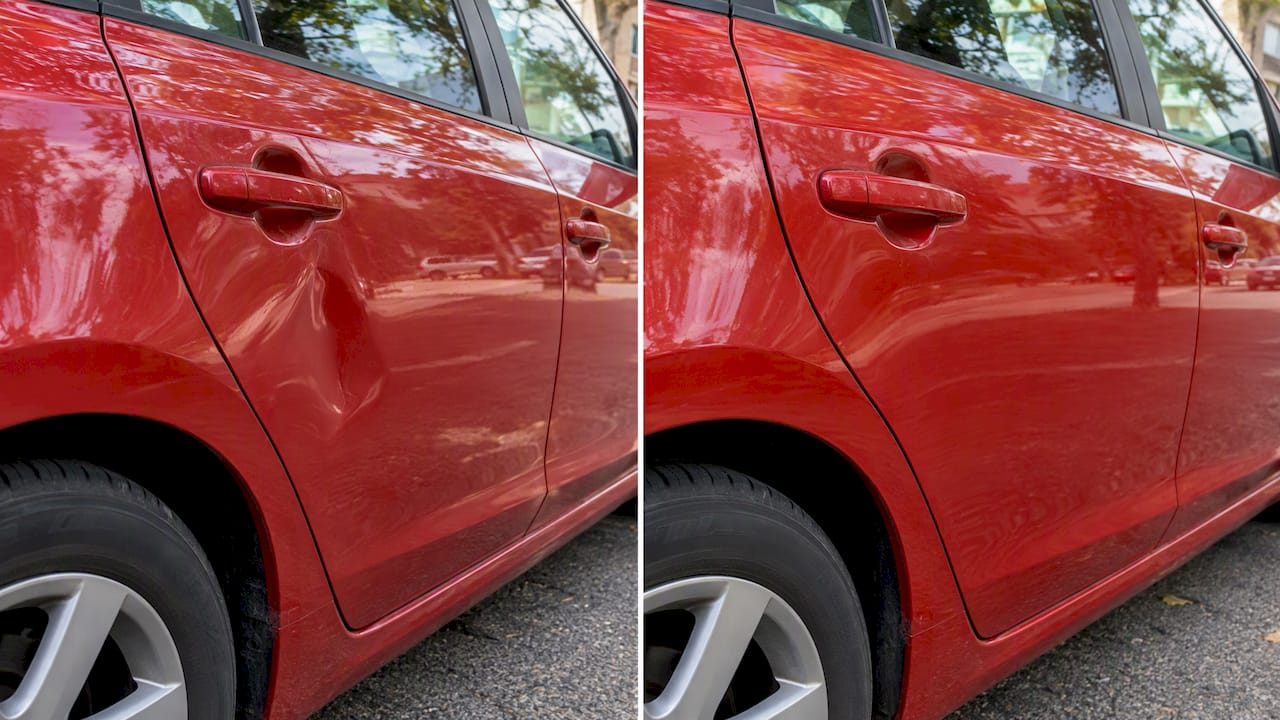
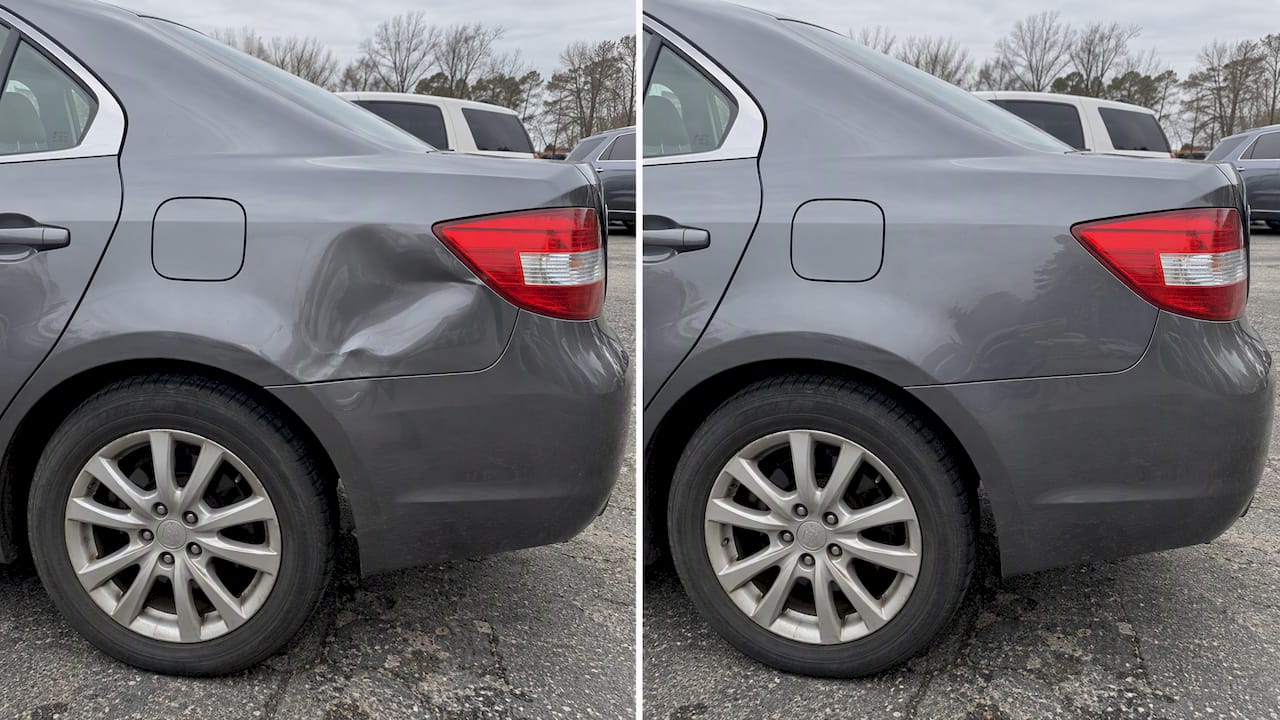
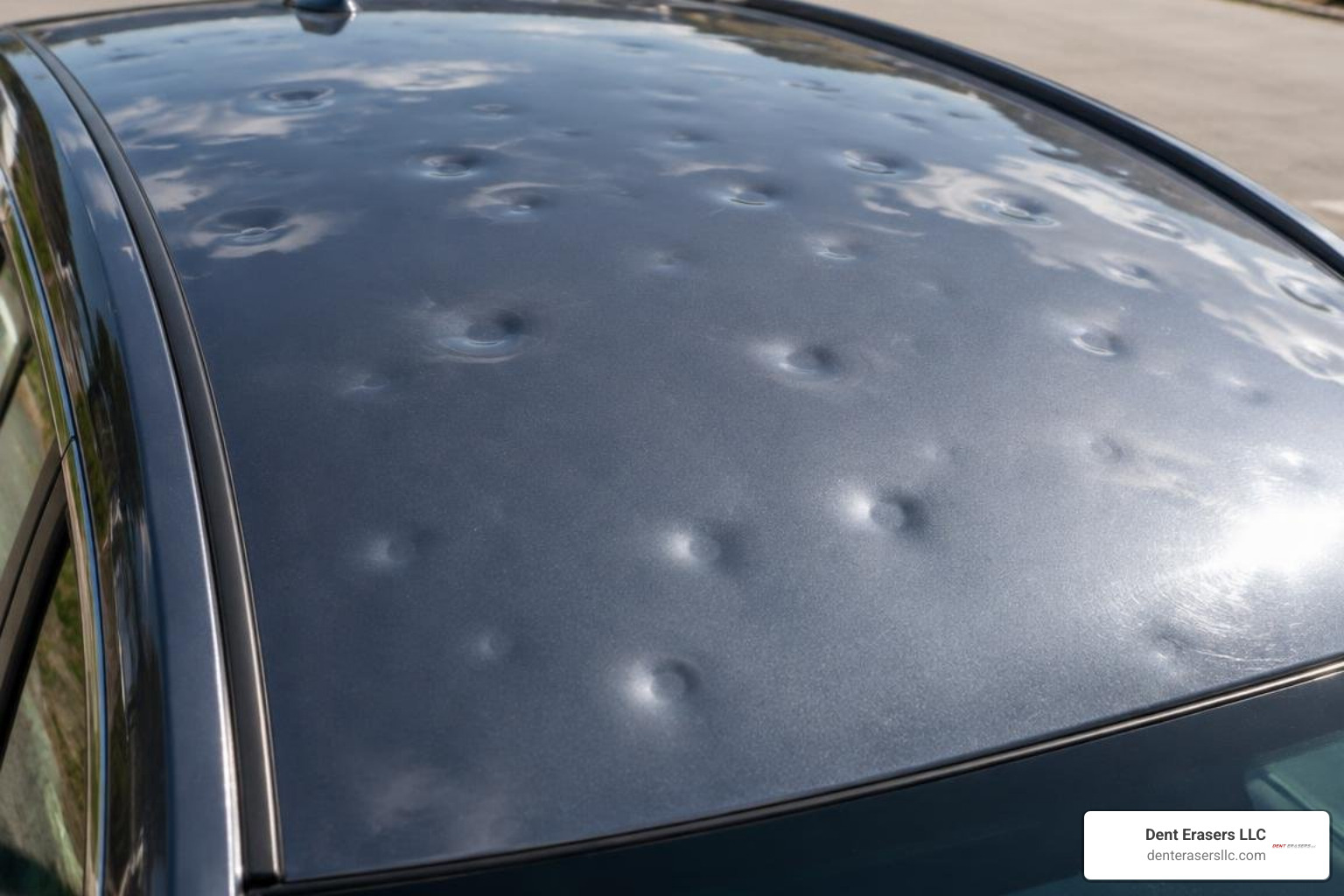
When your vehicle needs focused, expert attention, Denterasersllc brings that specialization directly to you. Based in Contra Costa County, Denterasersllc provides mobile paintless dent repair and auto body services with the precision that comes from doing one thing exceptionally well.
For plastic bumper damage specifically, Denterasersllc uses repair techniques that preserve your factory finish and avoid the cost of full replacement. You can learn more about their plastic bumper repair service and get a clear picture of what the repair involves, what it costs, and how quickly it can be completed. No middlemen, no guesswork on pricing, and no unnecessary parts swaps.
FAQ
What makes a repair shop “specialized”?
A specialized repair shop focuses on specific vehicle makes, systems, or repair types rather than servicing all vehicles generally. This focus gives technicians deeper knowledge of common failure patterns, required parts, and correct diagnostic procedures for the vehicles they service.
Will using an independent shop void my car’s warranty?
No. The Magnuson-Moss Warranty Act prohibits manufacturers from voiding your warranty solely because you used an independent shop, as long as the work is properly documented and performed to manufacturer standards.
Are specialized shops always cheaper than dealerships?
For out-of-warranty repairs, independent specialists typically charge 30–50% less than dealerships on total repair costs. Dealerships remain the better choice for warranty-covered work, active recalls, and manufacturer software updates.
How do I know if a specialized shop uses the right parts?
Ask the shop directly whether they use OEM parts or quality-approved equivalents, and request documentation of the parts used. A reputable specialist will provide this without hesitation and explain why each part was selected.
When should I still go to a dealership instead?
Use a dealership for active factory warranty claims, open safety recalls, and repairs that require proprietary manufacturer software. For all other work, especially on vehicles older than five years, a qualified independent specialist typically delivers better value and more direct service.