Mobile automotive services are defined as professional repair and maintenance performed at your vehicle’s location, whether that’s your driveway, office parking lot, or roadside. The core advantage is simple: you get quality work done without rearranging your day around a shop visit. For busy car owners, that difference is significant. Understanding why mobile services for car owners have grown so popular comes down to three things: time, cost, and transparency.
Why mobile services for car owners save so much time
A standard garage visit consumes 3 to 6 hours when you factor in drop-off, waiting, and pickup. A mobile mechanic appointment requires only 15 to 30 minutes of your active involvement, representing time savings of roughly 70–80% for routine maintenance. That is not a small difference. It is the difference between losing half a workday and barely noticing the appointment happened.
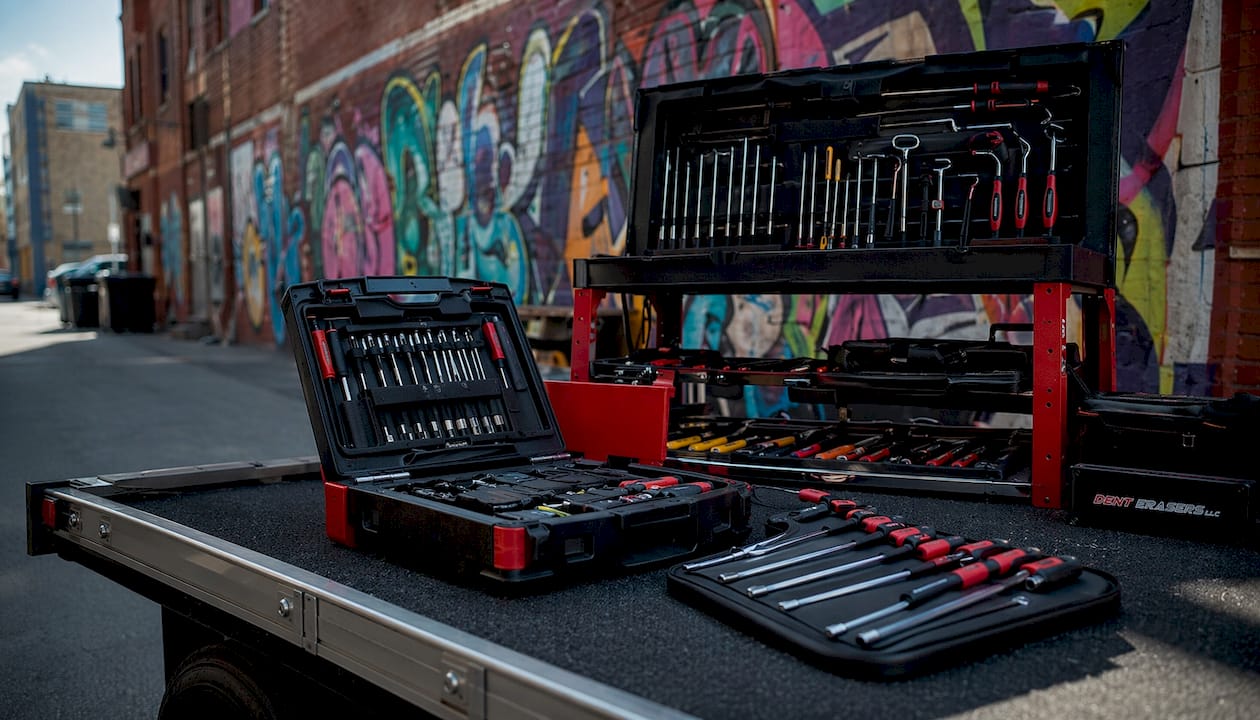
Typical mobile maintenance visits run 45 to 90 minutes from arrival to completion. That window covers scheduling, diagnostics, the actual repair, and a digital summary with photos. You are present only as much as you want to be. The technician handles everything while you work, cook dinner, or watch your kids.
The scheduling flexibility adds another layer of value. Mobile mechanics often work evenings and weekends, which traditional shops rarely do.
- No arranging a ride home after drop-off
- No waiting room time
- No second trip to pick up the car
- Appointments available at your home, office, or any safe flat surface
Pro Tip: Book your mobile appointment for a location where the technician has at least 10 feet of clearance on each side of the vehicle. This prevents delays and keeps the job on schedule.
Are mobile car services actually cheaper?
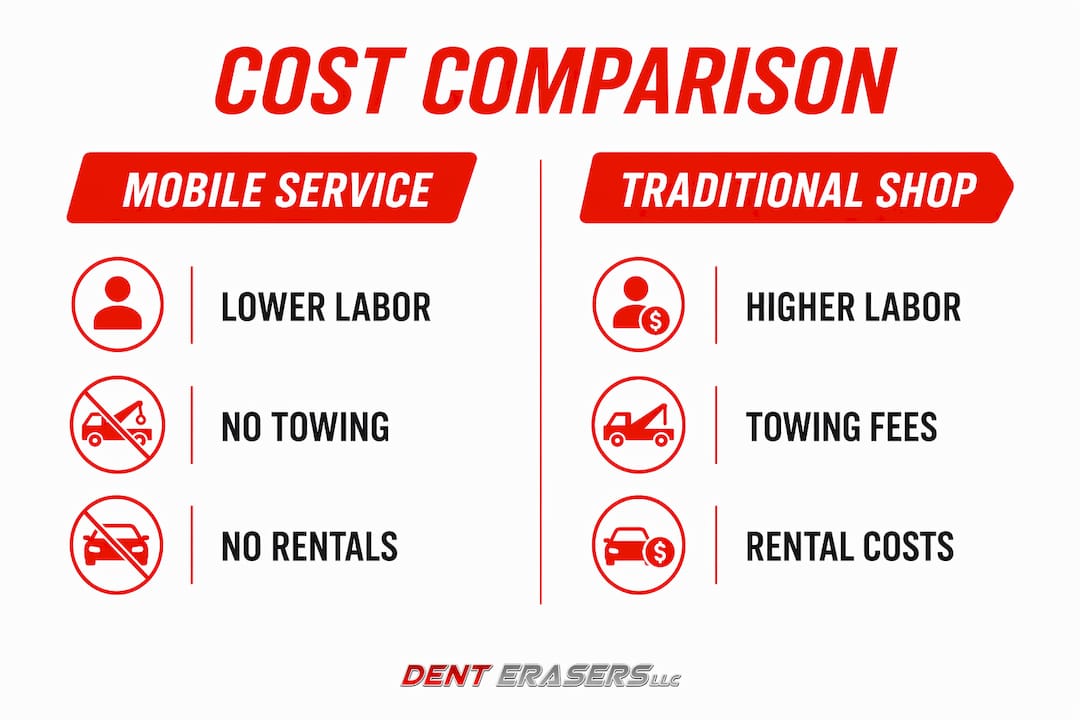
Mobile mechanics typically charge 20%–40% less than traditional shops for common repairs. The reason is straightforward: no building lease, no front-desk staff, and no shop overhead to pass along to you. Brake repairs that cost $350 or more per axle at a shop often start near $199 with a mobile service. That gap adds up fast across a year of routine maintenance.
| Service | Typical shop cost | Typical mobile cost |
|---|---|---|
| Brake repair (per axle) | $350+ | ~$199 |
| Oil change | $80–$120 | $60–$90 |
| Battery replacement | $200–$280 | $150–$200 |
| Diagnostic scan | $100–$150 | $75–$120 |
Mobile services also eliminate towing fees and rental car costs, which can quietly inflate a repair bill by $100 or more before the wrench even turns.
That said, a low quote is not always a pure win. Parts quality and warranty terms vary widely between providers. A cheaper price may reflect lower-grade parts rather than just reduced overhead. Always ask what brand of parts the technician uses and whether both parts and labor carry a warranty.
Pro Tip: Before booking, ask two questions: “What brand of parts do you use?” and “What is your labor warranty?” A reputable mobile technician answers both without hesitation.
What do mobile car services actually cover?
Mobile mechanics handle a wide range of repairs and maintenance tasks on-site. Knowing what fits the model and what does not saves you time and avoids a wasted appointment.
Common services performed at your location:
- Oil and filter changes
- Brake pad and rotor replacement
- Battery testing and replacement
- Spark plug replacement
- Fluid top-offs and flushes
- Diagnostic scanning and code reading
- Alternator and starter replacement
- Minor suspension components
Mobile services are ideal for routine maintenance and minor repairs but are not suited for major engine overhauls or work requiring specialized stationary equipment. Wheel alignment, transmission rebuilds, and tire mounting all require shop machinery that cannot travel to your driveway.
| Situation | Best choice |
|---|---|
| Oil change, brake job, battery swap | Mobile service |
| Wheel alignment | Traditional shop |
| Transmission rebuild | Traditional shop |
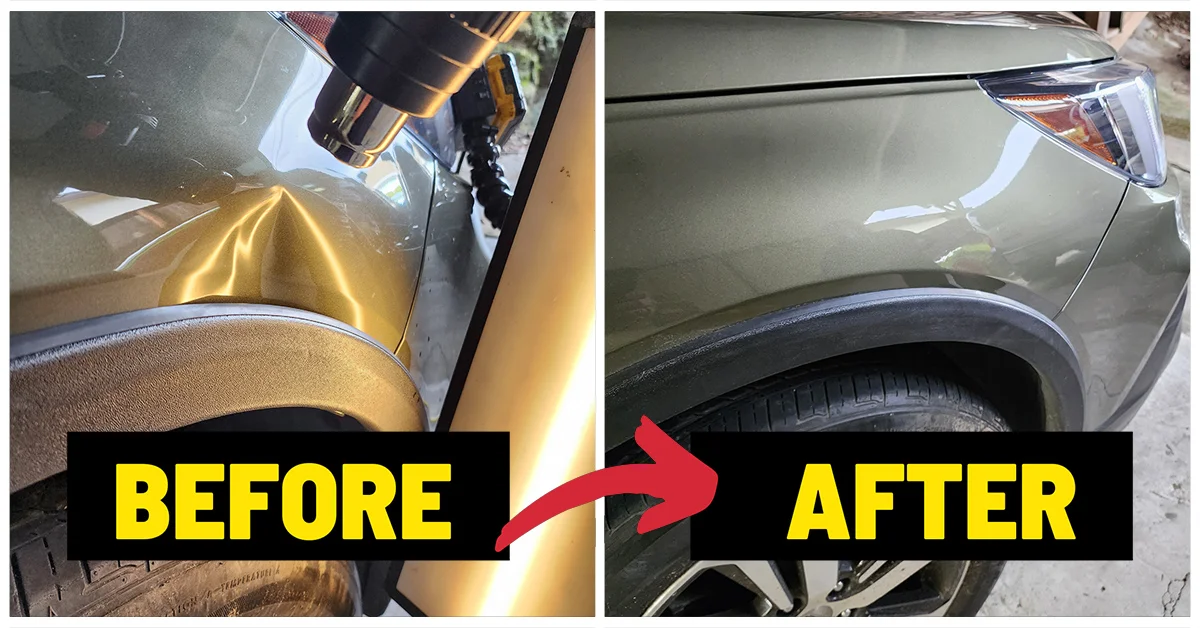
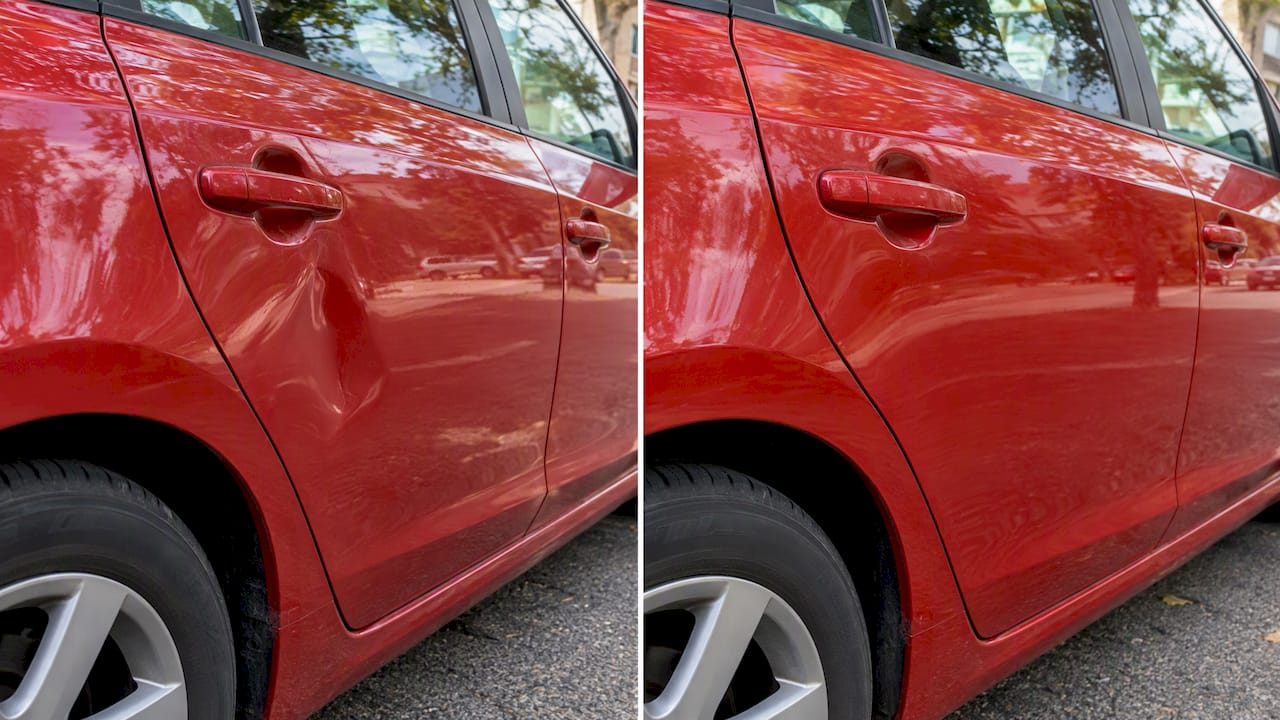
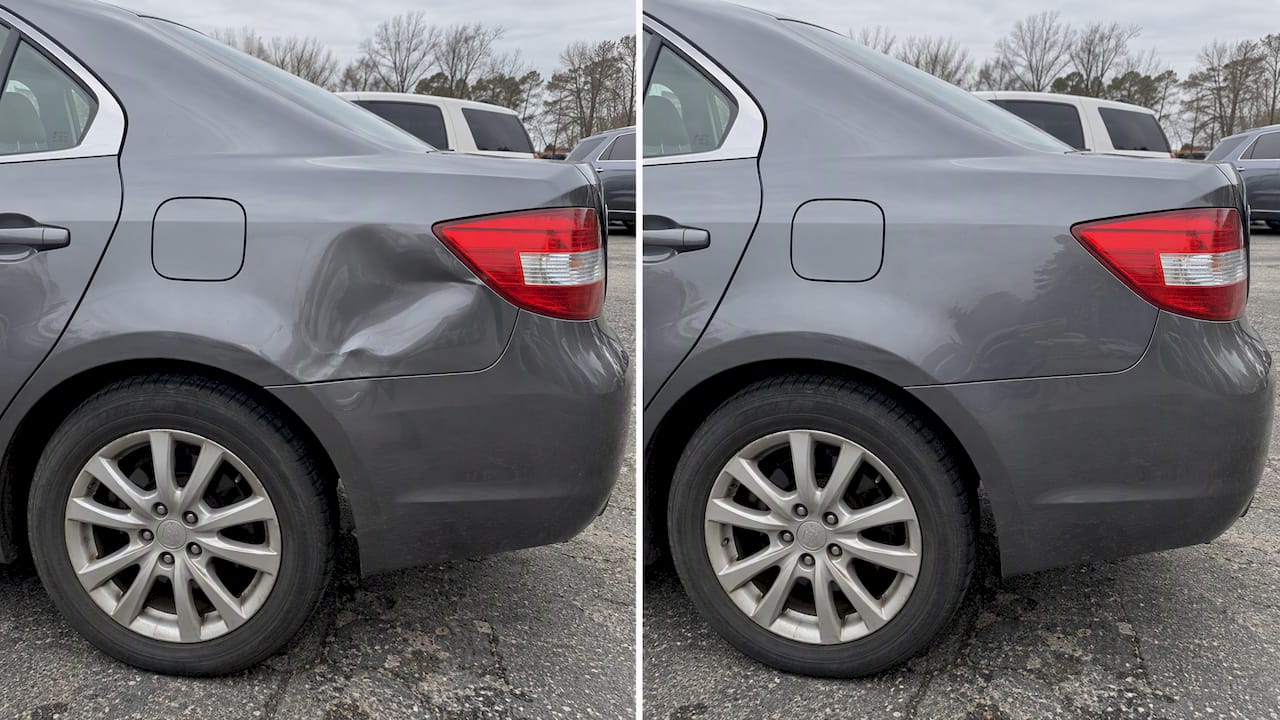
| Paintless dent repair | Mobile service |
| Diagnostic scan | Mobile service |
| Tire mounting and balancing | Traditional shop |
The rule is practical: if the job needs a lift, a tire machine, or an alignment rack, go to a shop. Everything else is fair game for a mobile technician. You can learn more about the full scope of what mobile technicians handle in this mobile auto technician guide.
How mobile services build trust through transparency
One underrated benefit of mobile car repair is what you see during the appointment. Mobile mechanics show worn or broken parts on-site without a service advisor filtering the conversation. You talk directly to the person doing the work. That direct line removes the guesswork about what actually needs fixing.
Here is what that transparency looks like in practice:
- The technician shows you the worn brake pad before replacing it
- You see the diagnostic codes on the scanner in real time
- Photos of the repair are included in your digital inspection report
- Multi-point inspections flag future issues before they become expensive
That last point matters more than most car owners realize. Complimentary multi-point inspections are standard practice for many mobile providers. Catching a worn belt or low coolant during a brake job costs nothing extra and can prevent a breakdown that costs hundreds. For a broader look at how car safety checks align with routine mobile maintenance, the overlap is significant.
Direct technician communication builds customer confidence and reduces the chance of unnecessary repairs. You are not relying on a service advisor to relay information accurately. You get the unfiltered version.
Key Takeaways
Mobile automotive services save car owners time, money, and frustration by bringing professional repairs directly to their location with full transparency and no shop overhead.
| Point | Details |
|---|---|
| Time savings are dramatic | Mobile visits require only 15–30 minutes of owner involvement versus 3–6 hours for a shop visit. |
| Cost runs 20%–40% lower | Reduced overhead means real savings on brakes, batteries, and routine maintenance. |
| Know the scope limits | Wheel alignment and transmission work still require a traditional shop with stationary equipment. |
| Transparency is a built-in advantage | Direct technician access and digital photo reports remove the middleman from every repair. |
| Vet parts and warranties upfront | A low quote may reflect parts quality, not just savings. Always confirm warranty terms before booking. |
What I have learned after years of mobile auto work
Working in mobile auto repair has shown me something that surprises most car owners: the biggest barrier to vehicle maintenance is not cost. It is friction. People skip oil changes and ignore small dents not because they cannot afford the fix, but because getting to a shop feels like a project. Mobile services remove that friction entirely.
Mobile service works best as a proactive tool, not just an emergency backup. The car owners who get the most value are the ones who schedule routine maintenance on a mobile basis and catch small problems before they grow. That approach saves more money over a year than any single discount ever could.
My honest advice: describe your symptoms clearly before the technician arrives, confirm the location is safe and accessible, and ask about parts brands upfront. Clear communication upfront prevents wasted trips and gets the job done right the first time. And if the job is beyond mobile scope, a good technician will tell you straight. That honesty is worth more than any shop coupon.
— Brian Blanc
Denterasersllc brings mobile repair to your driveway
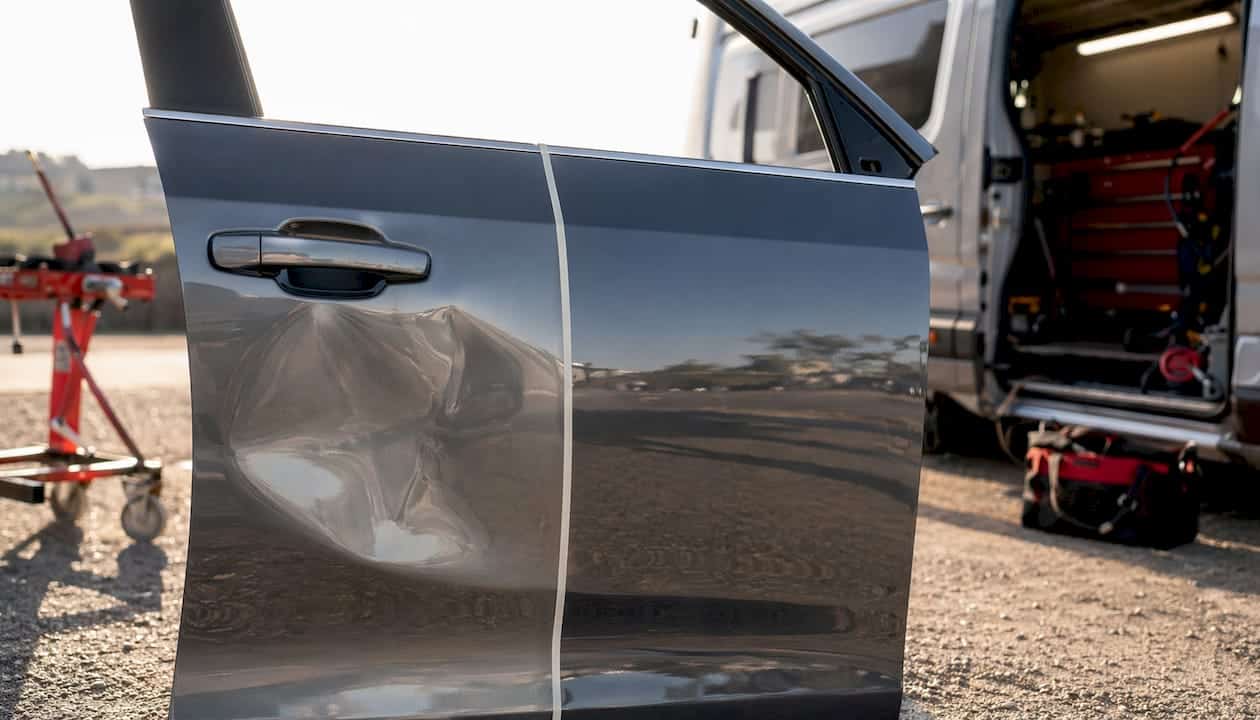
Denterasersllc specializes in mobile paintless dent repair and auto body services across Contra Costa County and surrounding areas. The work comes to you, whether you drive a daily commuter, a luxury sedan, or a vintage vehicle you want kept in original condition.

Denterasersllc uses paintless dent repair techniques that preserve your factory finish without filler or repainting. If your bumper took a hit in a parking lot, the plastic bumper repair service is a fast, affordable fix that does not require a shop visit. For owners of specialty or high-end vehicles, Denterasersllc also offers specialty dent repair tailored to vehicles that need extra care. Quality work, at your location, on your schedule.
FAQ
How much cheaper is a mobile mechanic than a shop?
Mobile mechanics charge 20%–40% less than traditional shops for common repairs due to lower overhead. Brake jobs that cost $350 or more at a shop often start near $199 with a mobile provider.
What repairs can a mobile mechanic do on-site?
Mobile mechanics handle oil changes, brake replacements, battery swaps, diagnostics, and many other routine repairs at your location. Jobs requiring stationary equipment, such as wheel alignment or transmission rebuilds, still require a traditional shop.
How long does a mobile mechanic appointment take?
Most mobile maintenance visits take 45 to 90 minutes from arrival to completion. Your active involvement as the car owner is typically only 15 to 30 minutes.
Are mobile car services good for proactive maintenance?
Mobile services excel as a proactive maintenance tool because they remove the scheduling friction that causes car owners to delay routine work. Many providers include complimentary multi-point inspections with every visit.
How do I prepare for a mobile mechanic visit?
Choose a flat, safe location with at least 10 feet of clearance around the vehicle, and describe your symptoms clearly when booking. Confirming parts brands and warranty terms before the appointment prevents surprises.