Where to Find a Dent Puller Nearby
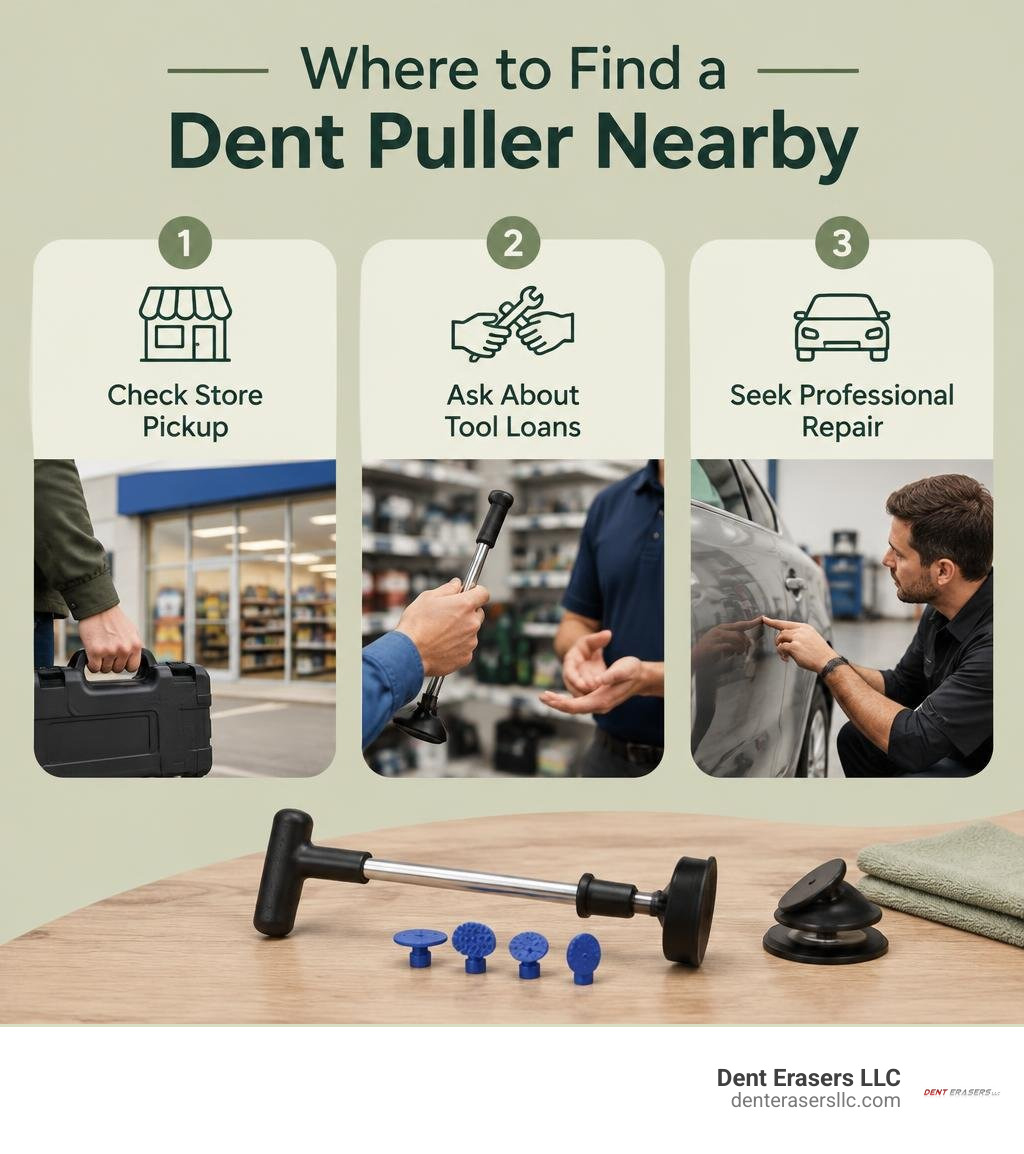
Need a dent puller today? Check nearby auto parts stores and big-box retailers for in-store pickup. Call first to confirm they have the tool you need. If you’ll use it only once, ask an auto parts store whether it has a tool-loan program and whether a dent puller is included.
A suction cup may help with a broad, shallow dent. Smaller door dings often call for a glue-tab kit. If the paint is cracked or the dent has a sharp crease, skip the DIY pull and get a professional assessment.
I’m Brian Blanc, and I’ve spent nearly three decades working in paintless dent repair, including building Dent Erasers LLC’s mobile service in the East Bay. If you’re looking for a dent puller nearby, I’ll help you weigh the tool, rental, and professional repair options before you spend money or risk your car’s finish.
Dent puller nearby further reading:
Understanding Dent Puller Tools and How Paintless Dent Repair Works
Paintless Dent Repair (PDR) is the art of manipulating stamped automotive sheet metal back to its original factory contour without repainting or using body filler. Every vehicle panel has built-in metal memory from the factory stamping process. When an impact causes a dent, it creates an area of low tension surrounded by high-tension ridges known as crowns.
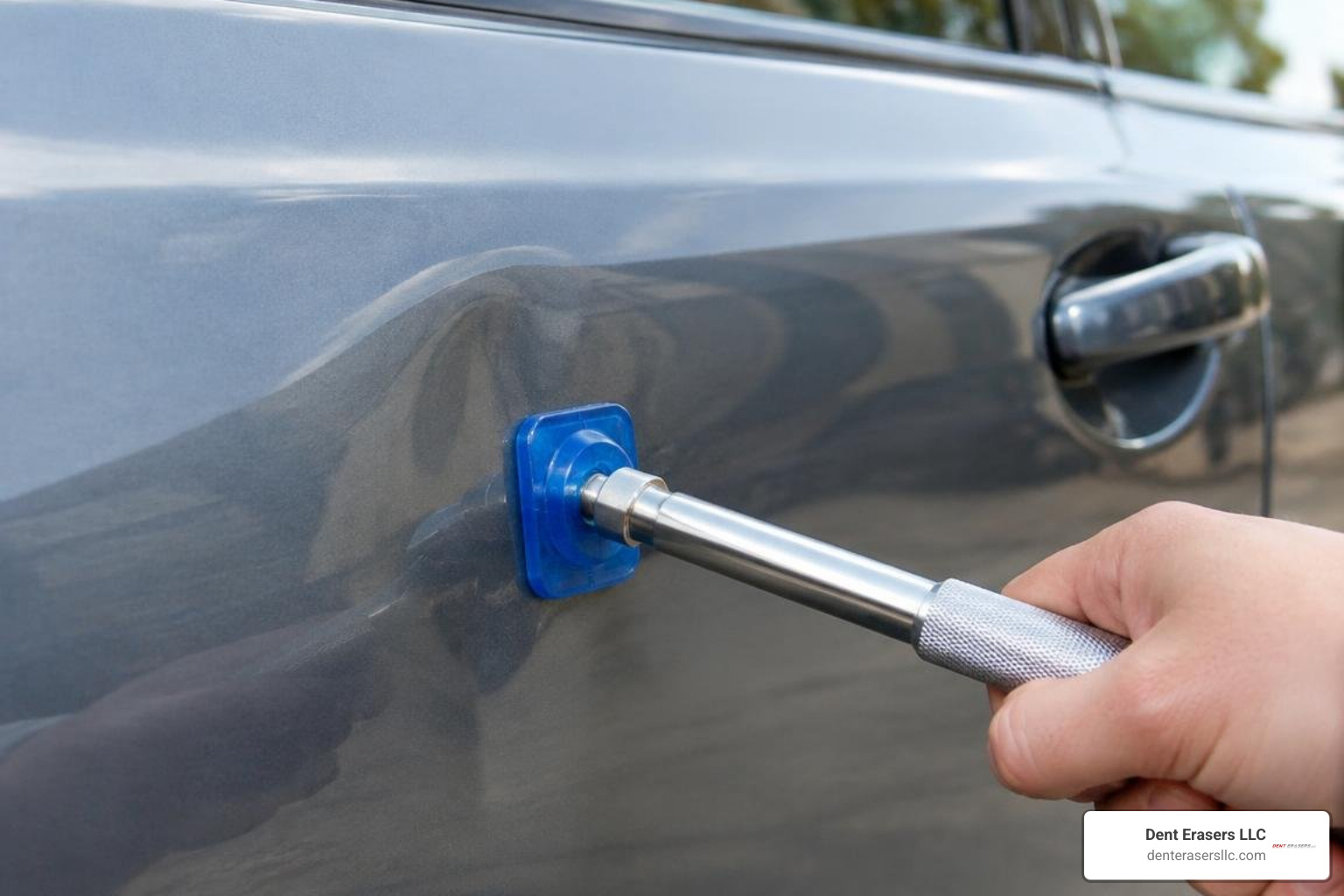
Consumer dent pullers work by applying outward mechanical tension to the lowest point of the valley. As the tool lifts the center of the depression, that trapped tension releases, coaxing the metal back into alignment. Professional technicians also use specialized lighting and behind-the-panel rods to massage the metal from the inside out, whereas DIY kits rely strictly on top-side pulling. If you are exploring entry-level equipment, reviewing a guide to dent pullers for small dents is an excellent way to see how glue tabs and lifters operate on minor imperfections.
Dent Types and Suitability for Consumer Tools
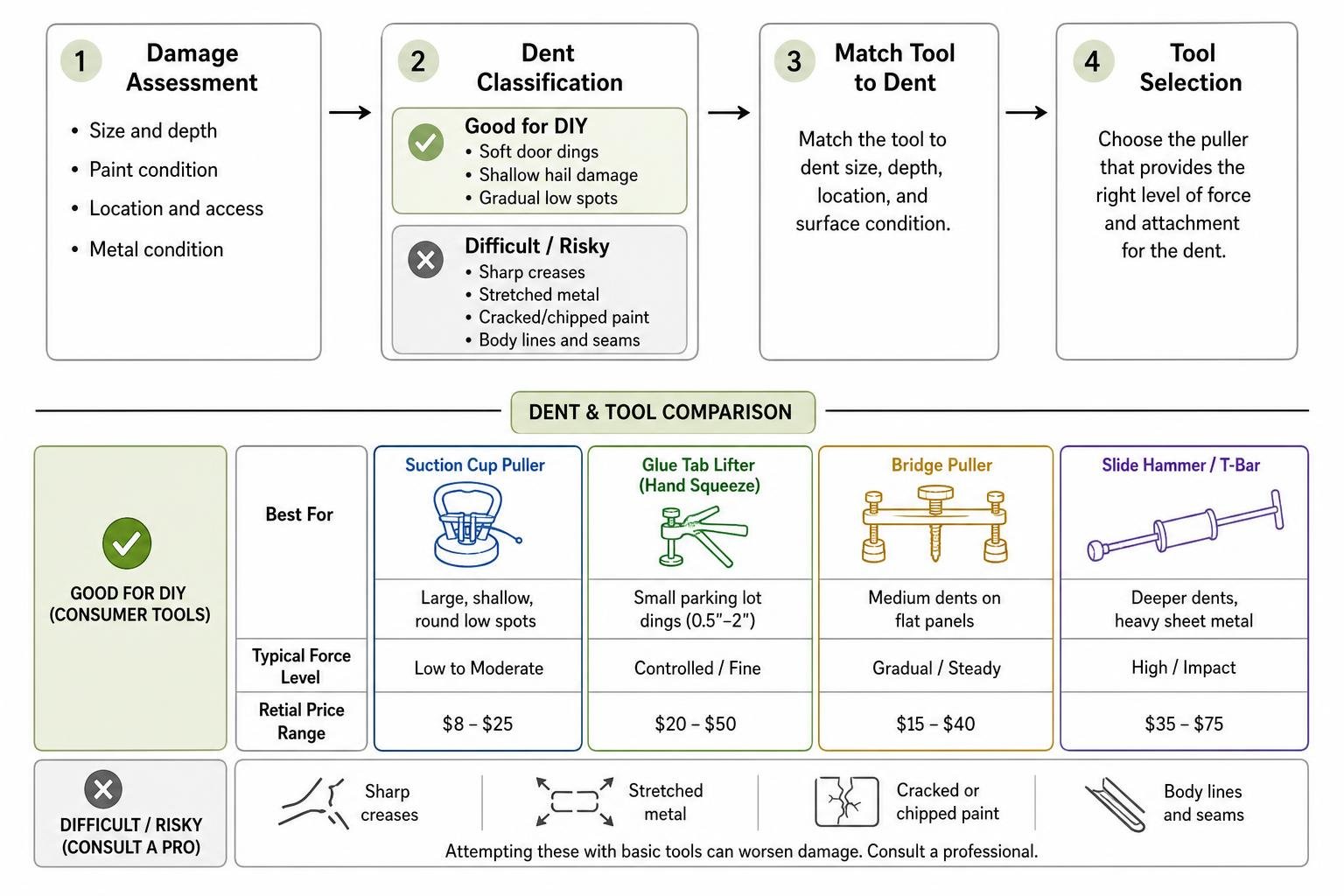
Not every dent responds well to a store-bought tool. Consumer pullers deliver their best results on specific types of surface damage:
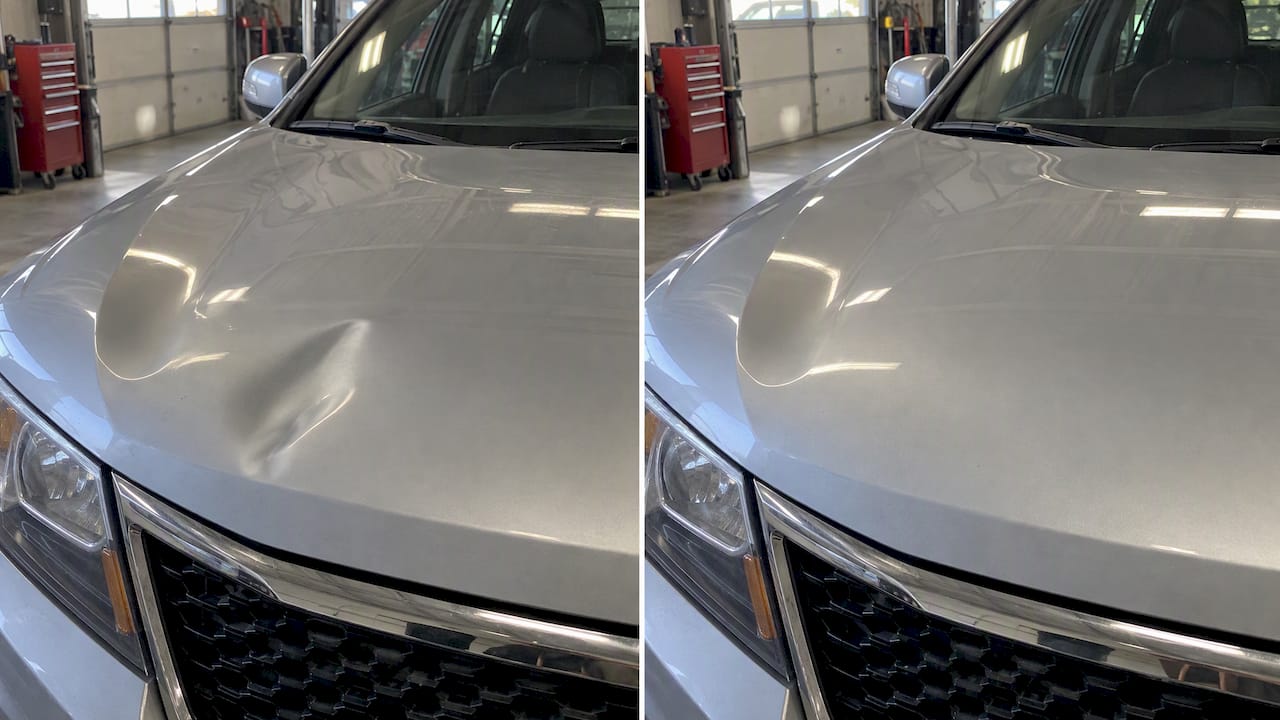
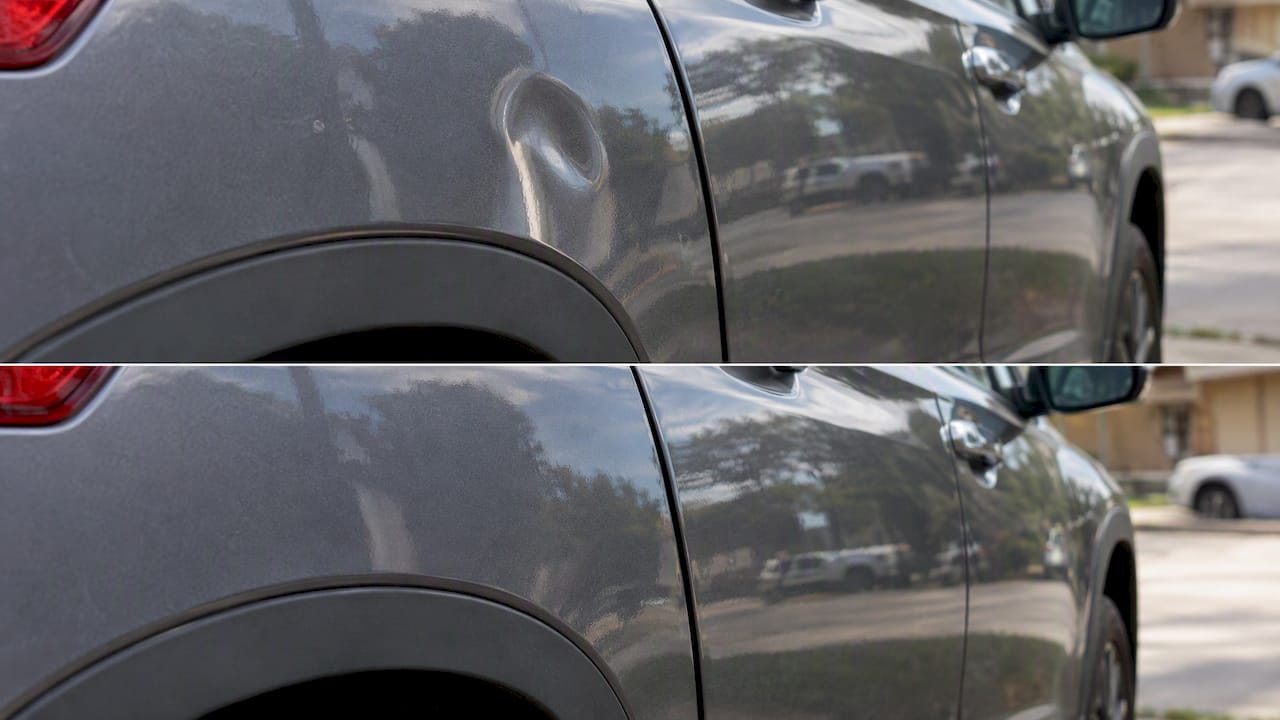
- Soft Door Dings: Rounded depressions caused by parking lot mishaps where the factory clear coat remains 100% intact.
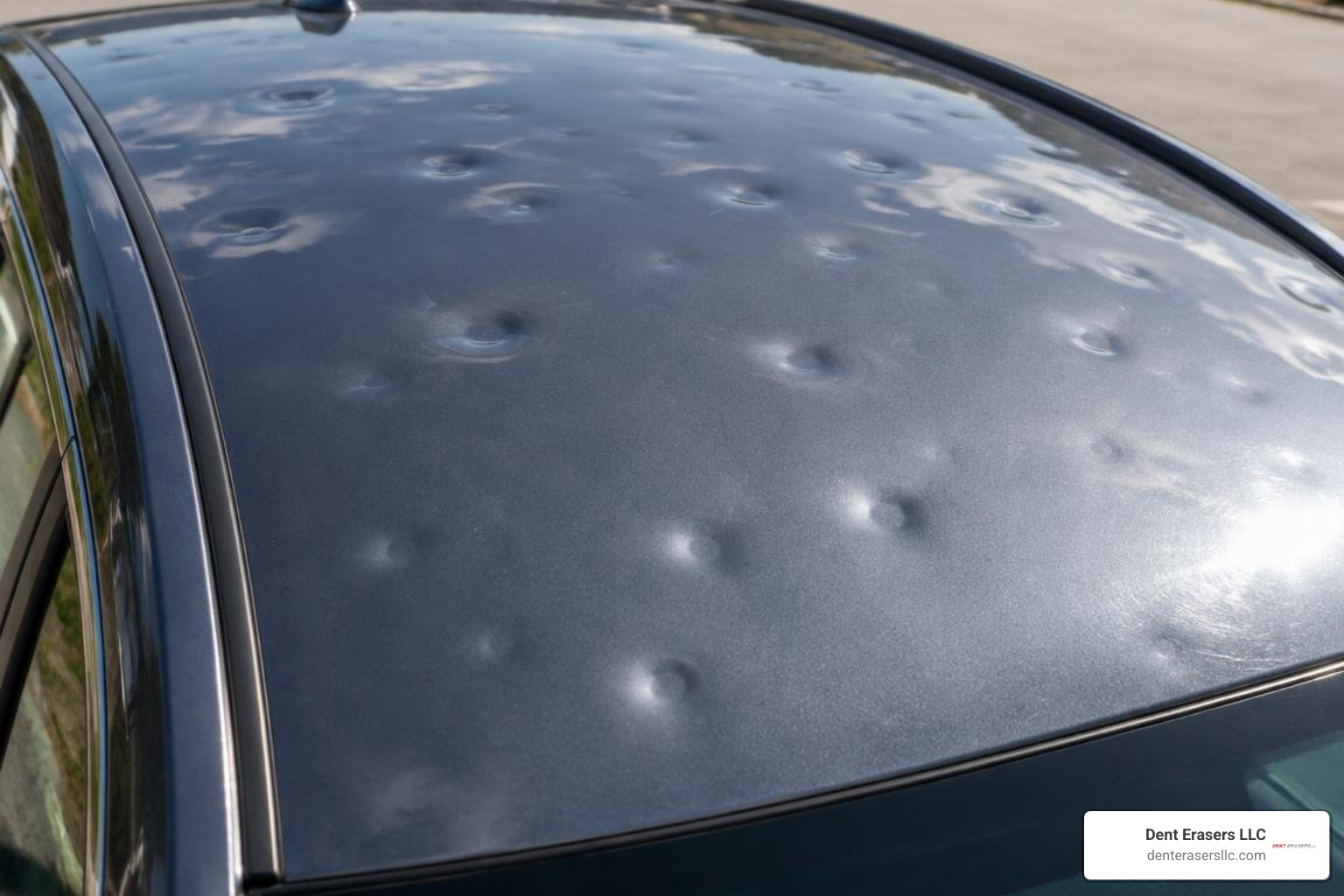
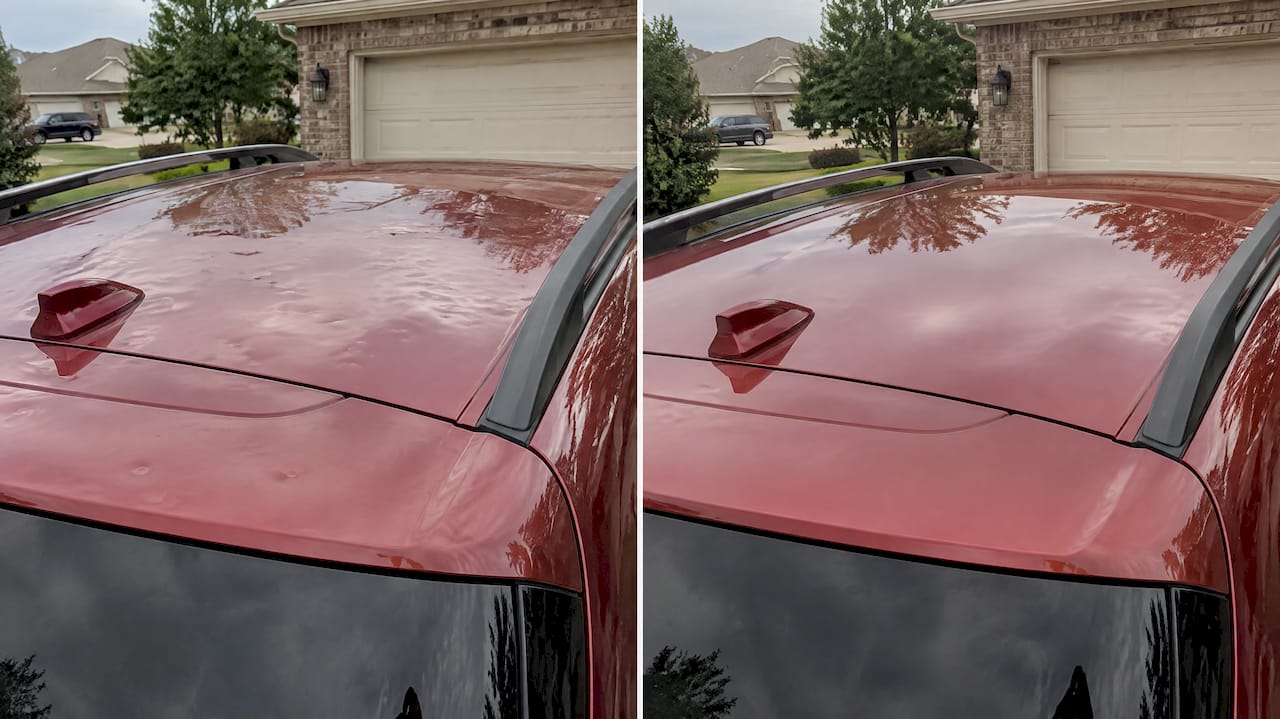
- Shallow Hail Damage: Small, marble-sized dips across broad flat panels like hoods or roofs.
- Gradual Low Spots: Wide indentations on open door skins or quarter panels that do not intersect internal reinforcement braces.
Dents That Are Difficult or Risky for Consumer Tools
Attempting to pull severe damage with basic consumer tools can worsen the panel. You should exercise extreme caution or consult a professional when dealing with:
- Sharp Creases: Impact lines where the metal has folded over itself. These require precise backside rod manipulation.
- Stretched Metal: Deep impacts where the surface area of the steel or aluminum has expanded beyond its original dimensions.
- Cracked or Chipped Paint: Applying adhesive pulling tabs to compromised paint will pull clear coat or color base right off the primer.
- Body Lines and Seams: Stamped styling ridges carry extreme structural rigidity; pulling directly on them often distorts surrounding metal.
Before you invest time and money into tools for complex body damage, review what car owners should know before calling a dent puller company to avoid common DIY pitfalls.
Comparing the Main Types of Dent Pullers
Finding the right tool involves matching mechanical force and attachment style to the size of the dent.
| Tool Type | Primary Mechanism | Best For | Typical Force Level | Retail Price Range |
|---|---|---|---|---|
| Suction Cup Puller | Vacuum Seal (Manual Lever) | Large, shallow, round low spots | Low to Moderate | $8 – $25 |
| Glue Tab Lifter (Hand Squeeze) | Hot Melt Adhesive + Lever | Small parking lot dings (0.5″–2″) | Controlled / Fine | $20 – $50 |
| Bridge Puller | Threaded Knob Tension | Medium dents on flat panels | Gradual / Steady | $15 – $40 |
| Slide Hammer / T-Bar | Kinetic Sliding Weight | Deeper dents, heavy sheet metal | High / Impact | $35 – $75 |
When tackling oversized damage across broad vehicle sections, consulting a buyer’s guide for heavy duty suction and glue pullers for large dents helps clarify how high-leverage tools distribute pulling force safely.
Suction Cup and Vacuum Pullers
Suction tools rely on an airtight seal against clean sheet metal. When you engage the squeeze handle, it creates a vacuum chamber that draws the center of the panel outward. These are ideal for broad, oil-can dents caused by a basketball or knee press. Many car owners experiment with basic household plunger methods for popping out car dents, but dedicated automotive suction cups feature specialized rubber compounds designed to seal tightly against contoured clear coats.
Glue Tab Lifters and Bridge Systems
Glue pullers use high-strength hot melt adhesive sticks paired with textured plastic tabs. You apply hot glue to a tab, press it into the center of the dent, allow it to cool for two to three minutes, and attach a hand lifter or bridge system.
Hand lifters allow fine, squeeze-grip tension control, while bridge pullers straddle the dent with wide rubberized feet, lifting the tab as you turn a center knob. This gradual tension minimizes the risk of over-pulling.
Slide Hammers and T-Bar Tools
A slide hammer utilizes kinetic energy. It features a weighted cylinder sliding along a steel shaft. When you snap the weight backward against the handle stop, it delivers a sharp, direct pulling force. While effective for heavier truck sheet metal and deep depressions, slide hammers carry a higher learning curve because a single aggressive pull can create high spots in delicate aluminum panels.
Where to Buy or Rent a Dent Puller Nearby
If you need a tool today in Contra Costa County—whether you’re in Concord, Walnut Creek, Richmond, or Antioch—you have several retail and rental avenues.

Sourcing a Quality Dent Puller Nearby for Quick Fixes
Most local automotive retailers and big-box department stores stock entry-level paintless dent repair kits. Before driving over, check live online inventory for in-store pickup. Checking local auto parts store dent pullers reviewed gives you a breakdown of what popular retail chains carry on their shelves.
Popular local and national retail options include:
- Big-Box Department Stores (Walmart, Target): Stock multi-piece kits like the Aiqeek 81-Piece set ($39.99), basic Armor All 3-pack suction pullers ($11.99), or MMOBIEL 2-pack suction tools ($8.54).
- Auto Parts Retailers: Carry individual SureBilt aluminum suction tools ($13.99) up to comprehensive OEMTOOLS slide hammer sets ($199.99).
- Specialty Tool Outlets (Harbor Freight): Provide budget-friendly pneumatic suction pullers, T-bars, and multi-piece bridge lifters.
Tool Rental Programs and Auto Part Lending
If you need a heavy-duty slide hammer or specialized body puller for a one-time project, buying a $75 tool rarely makes sense. Major auto parts stores offer Loan-A-Tool programs:
- You leave a fully refundable deposit matching the retail value of the tool kit.
- You take the slide hammer or puller home for 24 to 48 hours.
- Upon returning the clean tool in working condition, your deposit is refunded in full.
Note: Loaner programs frequently carry mechanical slide hammers and hub pullers, but glue tab consumables (glue sticks and plastic tabs) must be purchased separately.
Kit Selection Checklist: Quality, Tools, and Price
Before purchasing an off-the-shelf kit, ensure it contains the essential components needed to complete the repair without damaging your car:
- Assorted Pulling Tabs: A mix of dimpled round and oval tabs ranging from 0.5 inches to 1.5 inches.
- High-Adhesion PDR Glue: Dedicated black or yellow automotive glue sticks (craft glue lacks the tensile strength needed for sheet metal).
- Knockdown Pen & Rubber Mallet: Essential for tapping down accidental high spots and releasing panel tension.
- Isopropyl Alcohol (91%+): Required to release the glue bond from your vehicle’s clear coat.
- Padded Feet: Wide bridge supports with soft silicone or rubber covers to protect the surrounding paint from pressure dents.
Dent Puller Safety and Purchase Considerations
Operating mechanical body tools requires care to prevent vehicle damage or personal injury.
Safety Features and Tool Use Considerations
- Eye Protection: Always wear safety glasses when using slide hammers or high-tension glue tabs; sudden glue releases can propel plastic tabs across your workspace.
- Surface Preparation: Wash the repair area and clean it thoroughly with 91% isopropyl alcohol to remove road grime, wax, and ceramic coatings that weaken tool grip.
- Temperature Control: Work in ambient temperatures between 65°F and 85°F. If the vehicle panel is freezing cold, warm it gently with a heat gun or hair dryer on low heat to prevent paint cracking.
For step-by-step guidance on safely managing panel tension on oversized impressions, see our breakdown on popping out large dents without a body shop.
Avoiding Paint Damage and Metal Over-Pulling
The most common DIY mistake is creating a “volcano” or high spot by pulling too aggressively in one central spot.
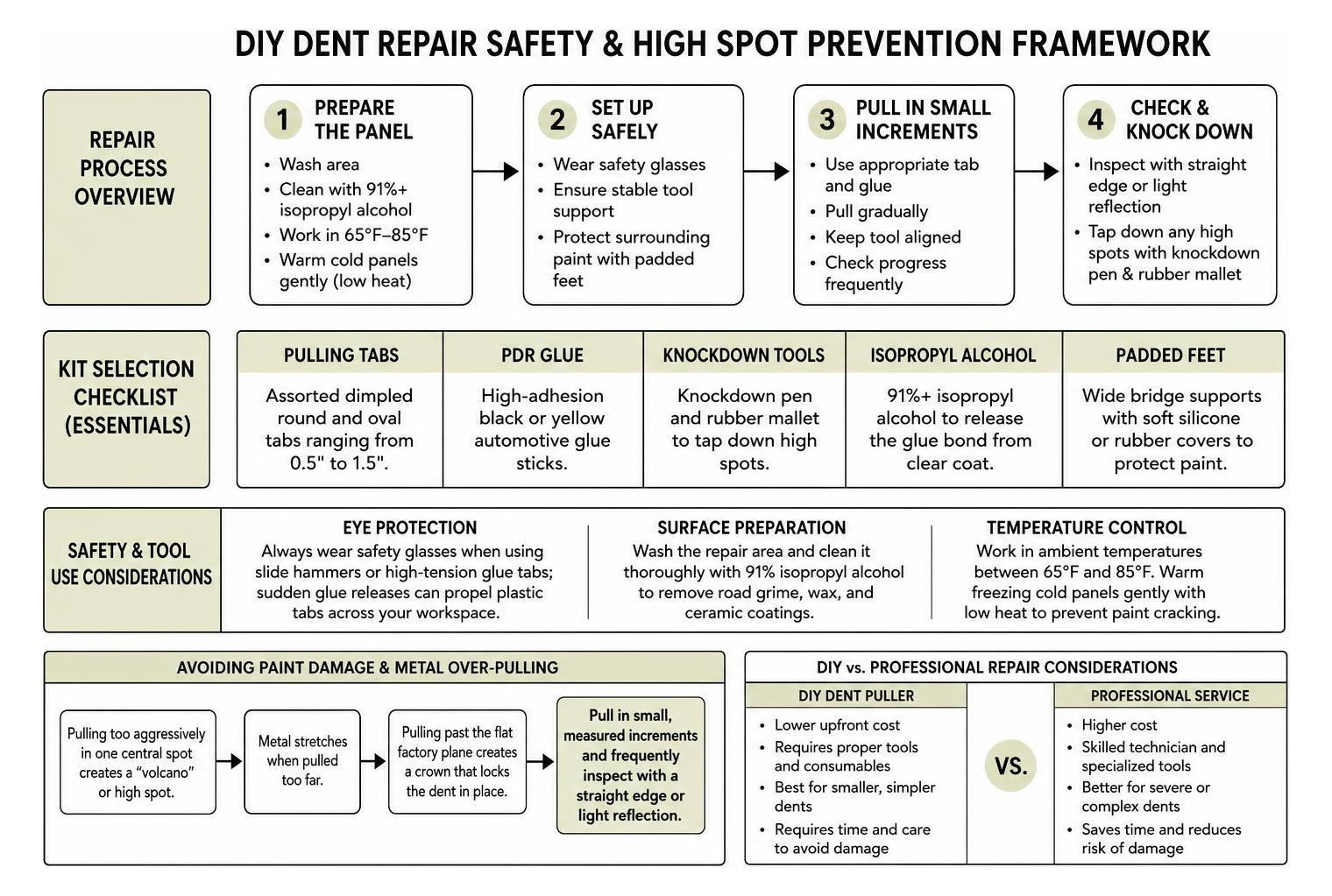
Metal stretches when pulled too far. If you pull past the flat factory plane, you create a crown that locks the dent into place. Always pull in small, measured increments, frequently inspecting the reflection of a straight edge or light reflection against the panel.
Comparing Dent Puller Costs and Professional Repair
Weighing a DIY attempt against professional mobile service comes down to damage severity, tool investment, and the value of your vehicle.
| Factor | DIY Dent Puller Kit | Professional Mobile PDR |
|---|---|---|
| Out-of-Pocket Cost | $15 – $75 (Tools & Glue) | $150 – $500 (Complete Repair) |
| Time Investment | 2 – 5 hours of trial and error | 45 – 90 minutes (Turnaround) |
| Paint Damage Risk | Moderate to High (Over-pulling, peeling) | Zero (Preserves Factory Finish) |
| Panel Access | External Only (Pulls surface upward) | 360-Degree Access (Rods, Lighting & Glue) |
| Warranty & Results | None (Self-performed) | 100% Satisfaction / Lifetime Guarantee |
To explore reputable local service providers across the Bay Area, consult our guide to the best places to get dings and dents fixed nearby and check customer reviews of local mobile dent repair providers.
Should You Rent a Dent Puller Nearby or Hire a Pro?
If you are working on an older daily commuter with a shallow, round low spot on a flat door panel, spending $20 on a DIY bridge kit is a reasonable experiment.
However, if your vehicle is a luxury model, classic car, or late-model daily driver with body line damage or complex hail dings, professional PDR protects your vehicle’s resale value. Discover why mobile dent repair is a lifesaver when you need showroom results without giving up your car for days at a traditional body shop.
Mobile Dent Repair and Same-Day Service Options
At Dent Erasers LLC, we bring fully equipped mobile repair units directly to your home or office throughout Contra Costa County—including Concord, San Ramon, Martinez, Pleasant Hill, Danville, Pittsburg, and Lafayette.
We specialize in precision paintless dent repair for cars, motorcycles, luxury, and classic vehicles, delivering on-site repairs with quick turnaround times and affordable pricing ($150–$500). If you want quick, on-site service, follow our guide to finding mobile auto dent repair nearby.
Frequently Asked Questions About Dent Pullers
Can a dent puller damage my vehicle’s paint?
Yes. If your vehicle has aftermarket paint, thin clear coat, or existing stone chips near the dent, hot melt adhesive can lift the paint. Over-pulling with a slide hammer can also stretch the metal, causing micro-cracking in the clear coat.
How much does a DIY dent puller kit cost locally?
Basic suction tools start between $8 and $15 at big-box retailers. Complete multi-piece glue puller kits with bridge lifters, glue guns, and knockdown tools average $25 to $55, while heavy-duty slide hammer sets range from $50 to $200.
Are tool rental programs available for heavy-duty slide hammers?
Yes. Most major automotive parts stores offer tool lending programs where you leave a deposit for mechanical slide hammers, body pullers, and bearing tools, receiving a full refund when you return the tool within the designated window.
Conclusion
Finding a tool locally can solve simple, flat-panel dings if you have the time, patience, and proper technique. However, if your dent sits along a tight body line, involves stretched metal, or requires flawless factory preservation, professional mobile PDR is the safest and most efficient path.
When you want precision results without the risk of over-pulling, reach out to Brian Blanc and the team at Dent Erasers LLC for expert professional paintless dent repair services delivered right to your driveway across Concord and Contra Costa County.