What You Need to Know About Fixing Hail Dents on a Car
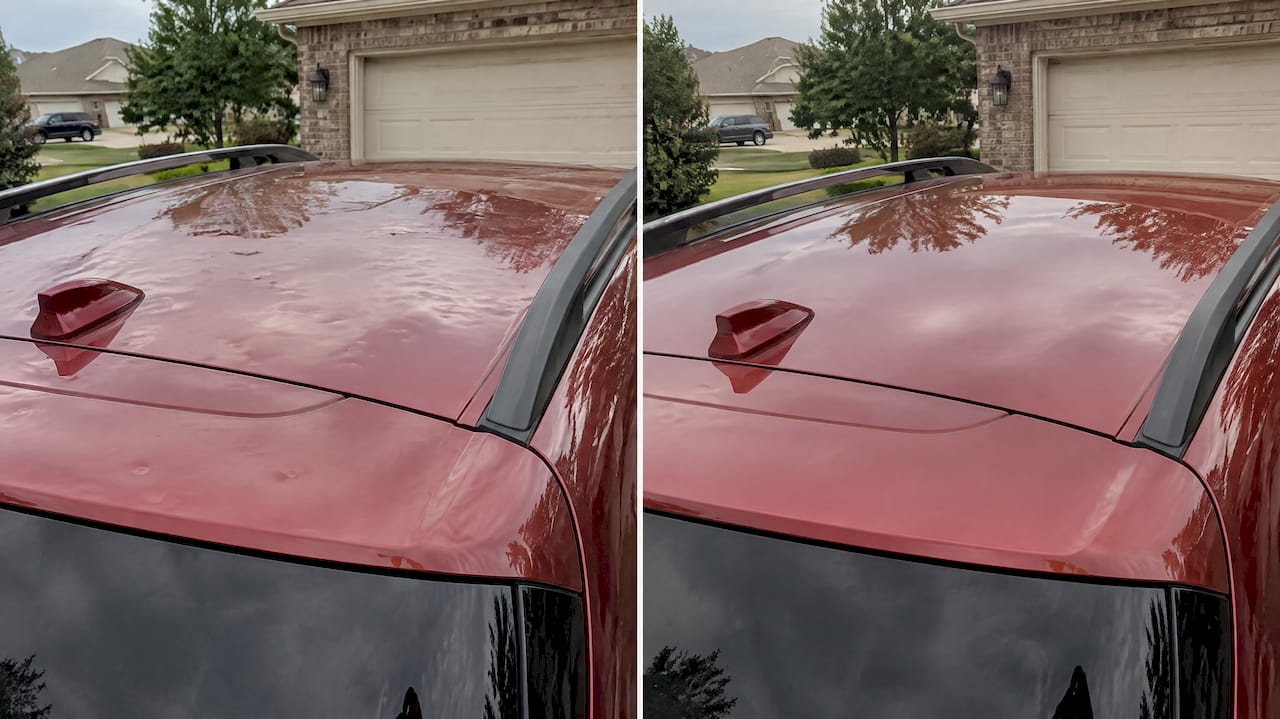
Fixing hail dents on a car is something most vehicle owners will face at least once — and the good news is that the majority of hail damage can be repaired, often without any painting or body filler.
Quick answer — your main options:
| Method | Best For | Paint Safe? | Cost Range |
|---|---|---|---|
| Paintless Dent Repair (PDR) | Most hail damage (shallow, round dents, intact paint) | Yes | $750–$4,000 |
| Traditional bodywork | Cracked paint, deep creases, severe damage | No (repaint required) | 2–3x more than PDR |
| DIY techniques | Very minor dents only | Risk of damage | Low upfront, high risk |
Here is what matters most:
- ~95% of hail damage can be fixed with PDR alone
- Hail damage falls under comprehensive insurance — filing a claim typically does not raise your rates
- Initial insurance estimates are often 20% or more below actual repair costs
- DIY methods carry real risks — stretched metal and cracked paint can turn a simple fix into an expensive problem
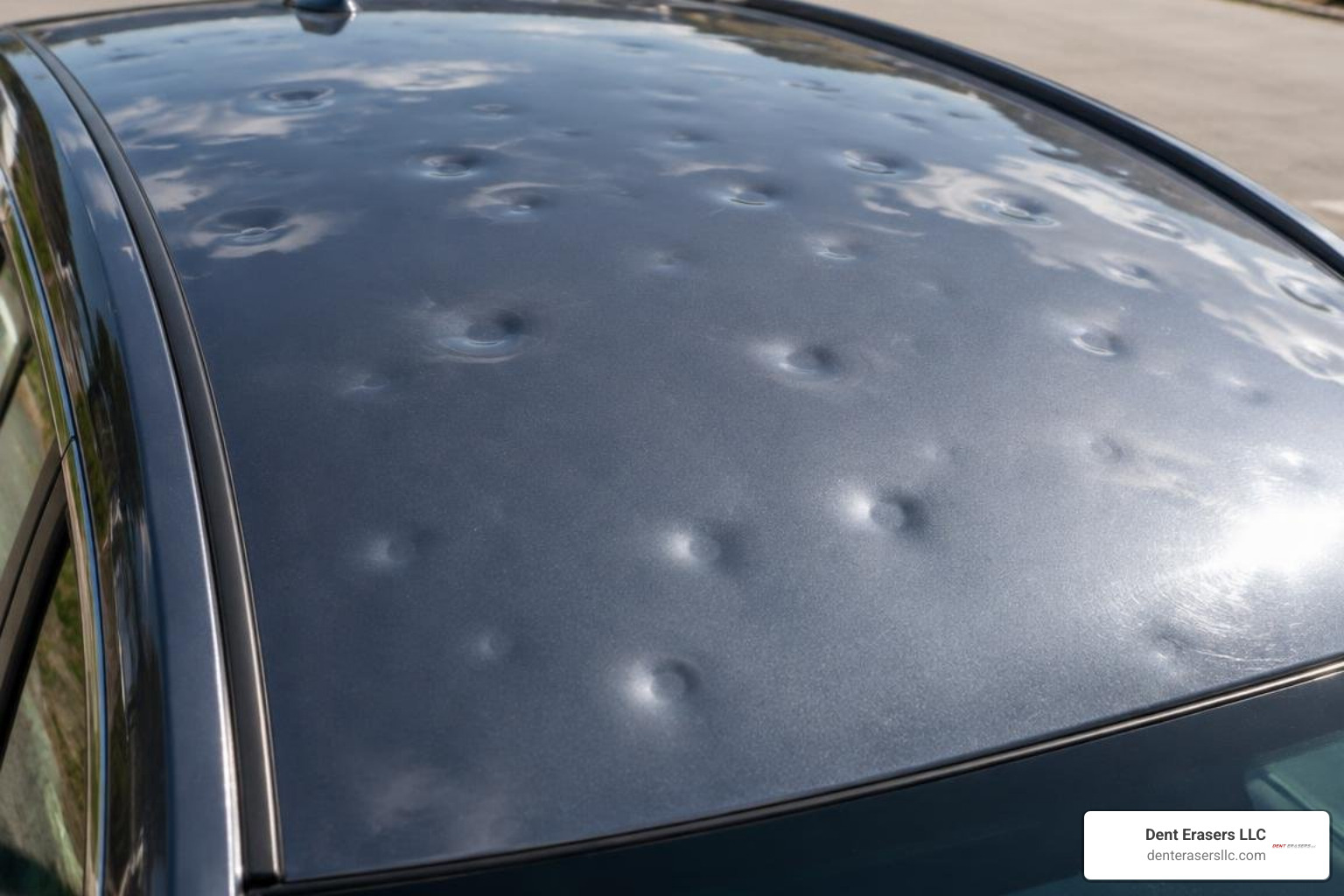
A bad hailstorm can pepper your car with dozens — or even hundreds — of small dings across the hood, roof, and trunk in a matter of minutes. One forum user described driving through marble-sized hail for just four minutes and ending up with a “chicken pox” pattern across the entire hood and roof. It feels overwhelming, but with the right approach, most vehicles can be fully restored.
I’m Brian Blanc, founder of Dent Erasers LLC and a mobile PDR specialist with nearly three decades of hands-on experience fixing hail dents on cars across the East Bay — from everyday drivers to high-end vehicles. In this guide, I’ll walk you through everything you need to know to make smart decisions about your repair, your insurance claim, and your vehicle’s value.
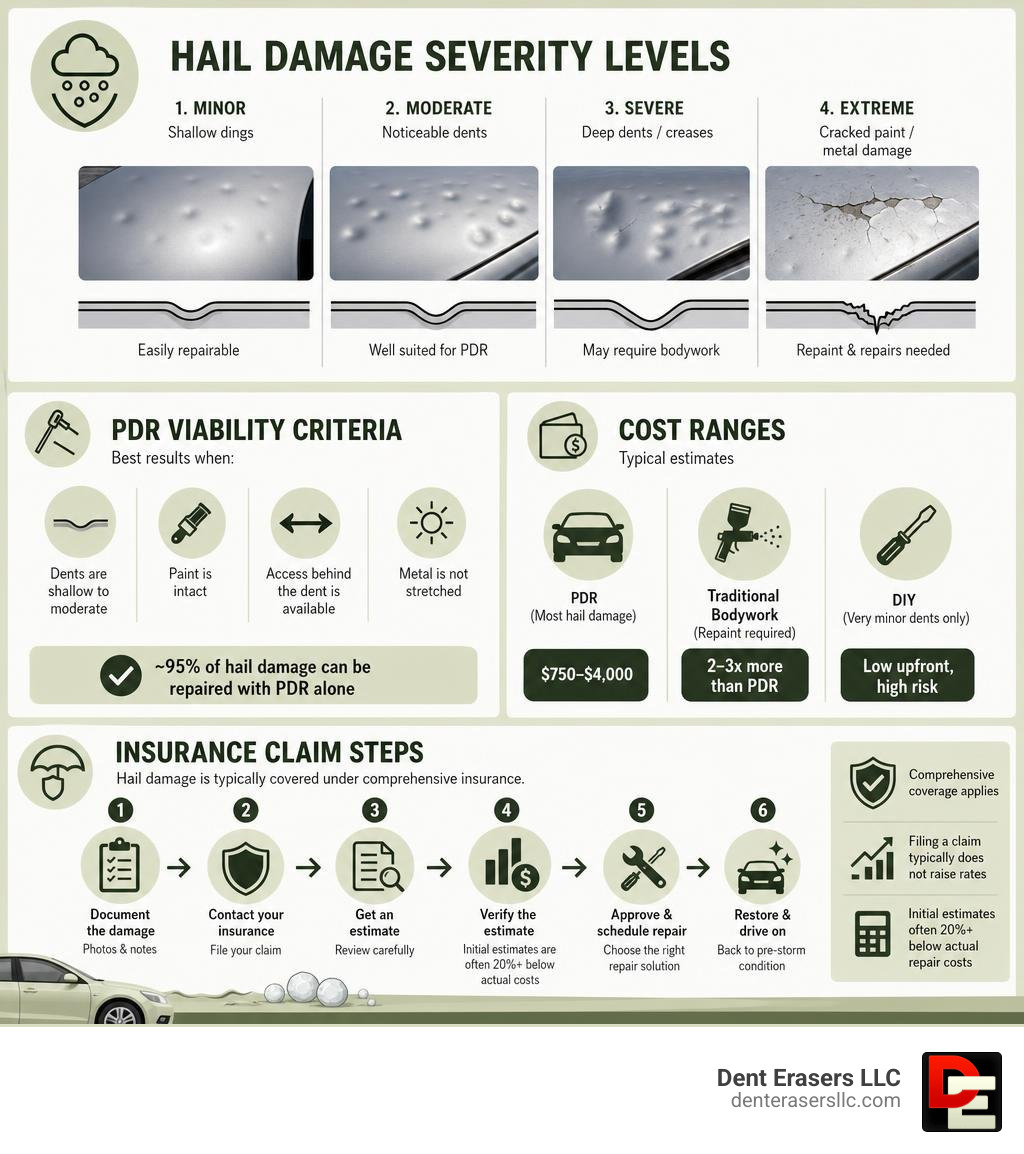
Fixing hail dents on car terms at a glance:
Understanding Hail Damage and Its Impact on Your Vehicle
When a hailstorm sweeps through Northern California, it doesn’t just disrupt our afternoon commutes along the 680 or 24 corridors; it can leave our vehicles looking like dimpled golf balls. Hail damage occurs when frozen ice pellets—ranging from the size of a pea to a golf ball or even larger—strike the outer metal skin of your vehicle. The severity of the impact depends on the size of the hailstone, its terminal velocity, and the angle of impact.
These impacts affect different body panels in distinct ways:
- The Hood and Trunk Lid: As flat, horizontal surfaces, these panels take direct, vertical hits. Because they are highly visible, even minor dings are immediately obvious under natural sunlight.
- The Roof and Roof Rails: The roof is the most vulnerable area during a storm. However, accessing the underside of the roof panel requires removing the interior headliner, which adds labor to the repair process.
- The Side Panels and Pillars: Doors and quarter panels usually sustain less direct damage unless strong winds drive the hail sideways.
One crucial material factor we analyze is the difference between steel and aluminum panels. Modern vehicles increasingly use aluminum for hoods and trunk lids to reduce weight. However, aluminum behaves differently than high-strength steel. It lacks the same “metal memory,” meaning it resists returning to its original shape and requires specialized, heat-assisted techniques to manipulate without cracking.
Ignoring these dents is rarely a good idea. Beyond hurting your vehicle’s aesthetics, unresolved hail damage can compromise your paint’s clearcoat over time, eventually leading to rust. Furthermore, leaving damage unaddressed can lead to insurance complications, such as “prior damage” restrictions that could cause future claims to be denied. To understand how even minor impacts can escalate, you can learn more about small dents and big problems.
Why Paintless Dent Repair (PDR) Beats Traditional Bodywork
For decades, the standard response to auto body damage was traditional collision repair. If you had a dent, a shop would sand down the paint, fill the depression with plastic body filler (Bondo), sand it smooth, apply primer, and repaint the entire panel. In severe cases, they might cut out the panel entirely and weld in a replacement.
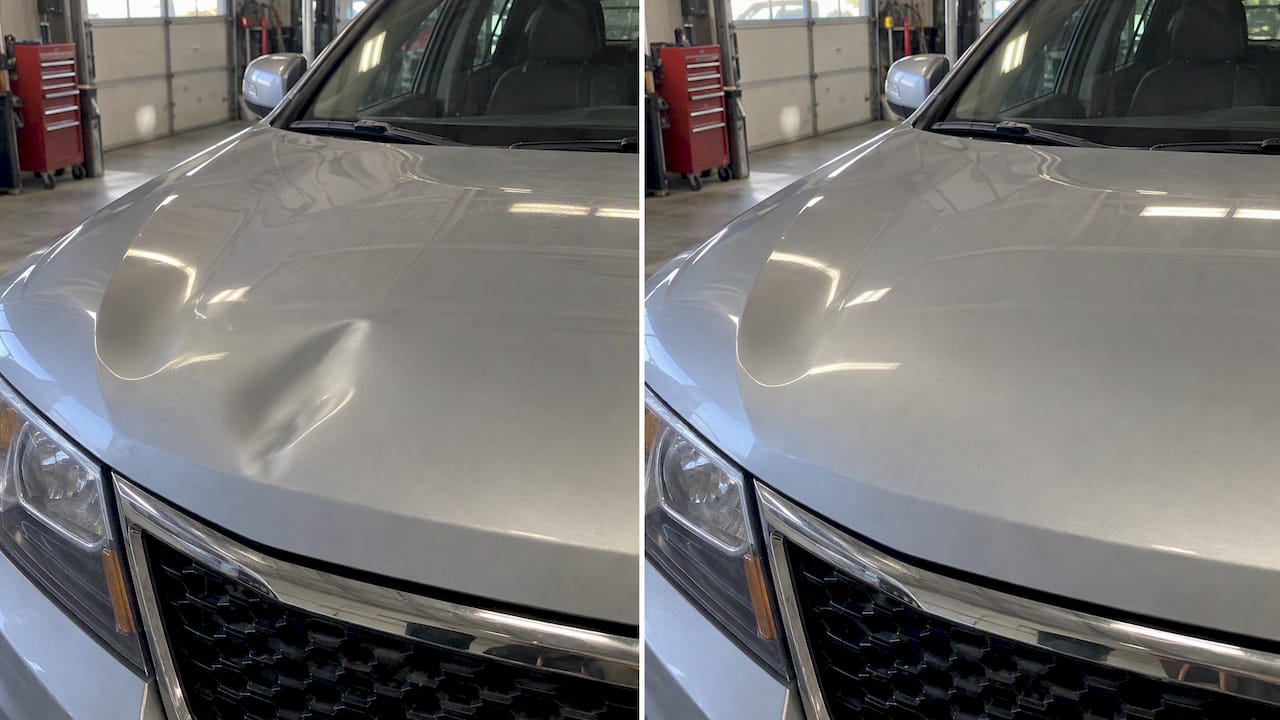
Paintless Dent Repair (PDR) has completely changed this dynamic, especially for hail damage. PDR is a highly specialized metal-finishing process. Instead of covering up the damage, we use custom-engineered steel rods, whale tails, and glue-pulling systems to access the backside of the dent. We then gently massage the metal back into its original factory shape.
| Feature | Paintless Dent Repair (PDR) | Traditional Body Shop |
|---|---|---|
| Primary Method | Backside massaging & controlled glue pulling | Sanding, body filler, primer, & repainting |
| Factory Paint | Preserved completely (100% original finish) | Stripped and replaced with aftermarket paint |
| CARFAX Record | No negative impact (no paint work reported) | Often flagged as paint/body repair (lowers value) |
| Timeframe | 1 to 5 days (depending on dent volume) | 1 to 3 weeks (waiting on paint booth & curing) |
| Environmental Impact | Zero chemicals, fillers, or VOC emissions | High chemical waste, paint solvents, and dust |
The magic of PDR lies in leveraging “metal memory.” When a body panel is stamped at the factory, the metal molecules are aligned into a specific shape. Unless the metal has been severely stretched or creased, it “wants” to return to that original state. By applying precise, microscopic pressure to the exact center of the dent, we guide the metal back home while maintaining the absolute integrity of your factory clearcoat.
However, PDR does have physical limitations. If the paint is chipped, cracked, or deeply scratched from the hail impact, PDR alone cannot restore the finish. Additionally, dents located directly on sharp panel edges, double-metal seams, or heavy structural bracing can be incredibly difficult to access, though experienced technicians can often still work around these obstacles. To see how this method can preserve your car’s value, you can discover how to weather the storm with paintless hail repair.
The Risks of DIY Hail Dent Removal Techniques
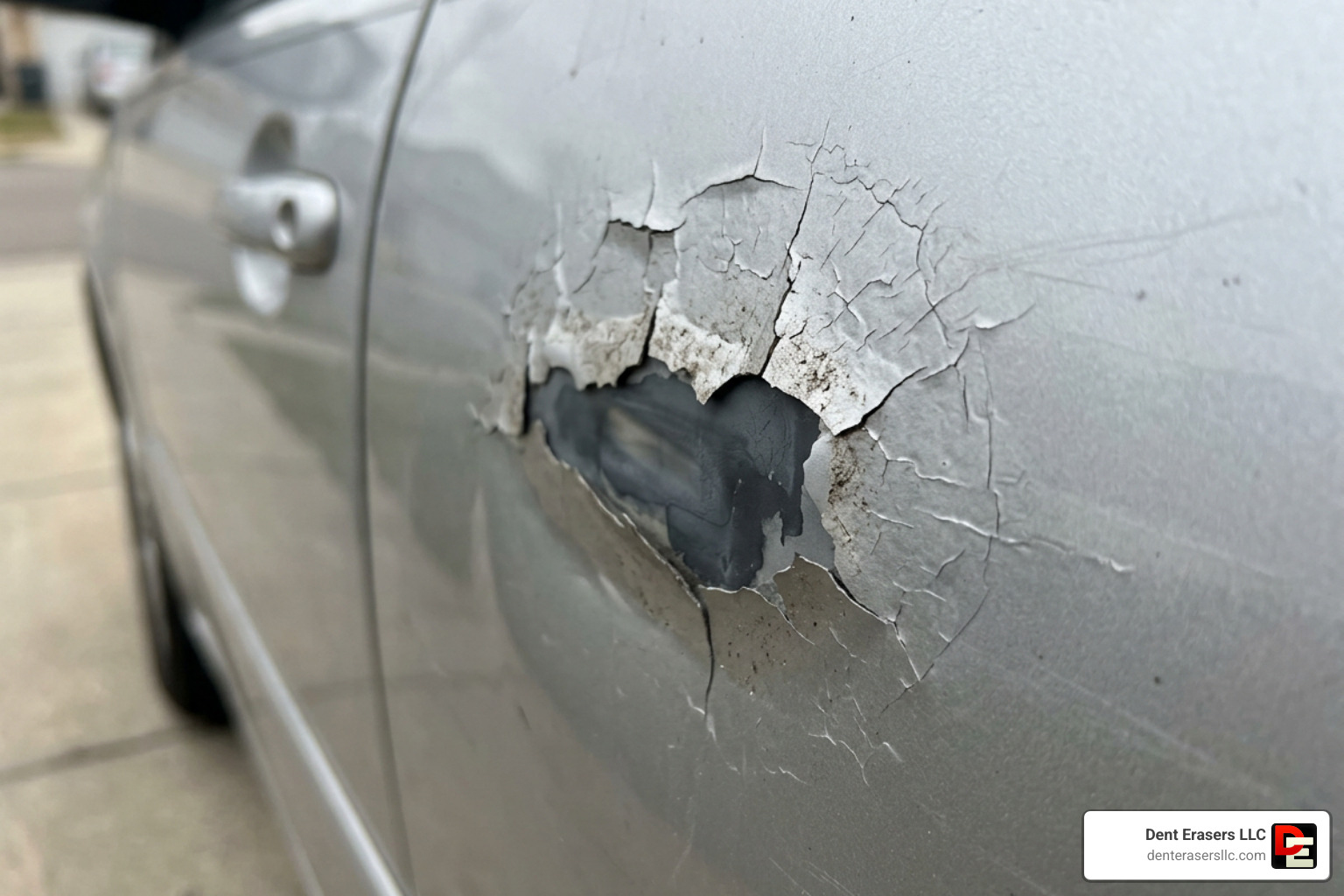
When vehicle owners see a quote for professional hail repair, their first instinct is often to turn to the internet for a quick, cheap fix. YouTube and online forums are filled with “hacks” promising to pop out dents using household items. Unfortunately, these methods are not only ineffective for high-volume hail damage, but they also carry a high risk of causing permanent, expensive damage to your vehicle’s body panels and factory paint.
Let’s break down the most common DIY myths:
- The Hot-Cold Method (Hairdryer and Compressed Air): This theory suggests that heating the metal with a hairdryer and then blasting it with freezing liquid carbon dioxide (compressed air turned upside down) will cause the metal to rapidly expand and contract, popping the dent out. In reality, modern automotive steel is far too rigid for this thermal shock to work on small, stubborn hail dings. Instead, overheating the panel can easily blister or melt your clearcoat, while extreme cold can cause older or thin paint to crack and peel.
- The Dry Ice Method: Similar to the hot-cold method, people attempt to rub dry ice directly over dents. This rarely works on typical hail dings and can cause severe thermal damage to the paint system.
- Suction Cups: While a heavy-duty suction cup can occasionally pull out a large, shallow dent on a flat plastic bumper, they are virtually useless for hail damage. Hail dents are small, deep, and highly concentrated. A suction cup cannot grip a tiny, dime-sized ding, nor can it provide the micro-targeted force required to lift it.
Why DIY Glue Pulling and Home Kits Often Fail
If household hacks fail, many owners buy cheap glue-pulling kits online. These kits usually include a plastic bridge lifter, a hot glue gun, and a few plastic tabs. While glue pulling is a legitimate professional PDR technique, doing it at home without formal training is a recipe for disaster.
First, consumer-grade glue guns and glue sticks do not have the temperature-specific adhesion properties required for controlled metal lifting. If the glue is too weak, the tab simply snaps off without moving the metal. If the glue is too strong—or if the panel has had previous paint work—pulling the tab can pull the paint and clearcoat right off the steel, leading to instant paint flaking.
Second, DIYers lack the tactile feedback and specialized lighting needed to see what they are doing. Without a line board to read the metal, it is incredibly easy to “over-pull” a dent. This creates a sharp “high spot” or a pimple in the metal. Correcting a high spot requires delicate tapping with a knockdown tool; an untrained hand will often crack the paint or stretch the metal beyond repair, creating a wavy, ruined surface. To understand the limits of these tools, you can read our ultimate guide to using a dent puller for hail damage.
The Hidden Costs of Attempting DIY Repairs
What starts as an attempt to save a few hundred dollars often ends up costing thousands. When a DIY repair goes wrong, the metal can become severely stretched. Once metal is stretched beyond its elastic limit, it loses its structural integrity—a phenomenon known as “oil canning,” where the metal loose-flops back and forth.
At this point, paintless dent repair is no longer an option. The vehicle must be taken to a traditional collision shop to have the panel sanded, filled with Bondo, or completely replaced and repainted. This ruins your factory paint finish, lowers your vehicle’s resale value by 10% to 15%, and leaves a permanent repair record on your vehicle’s history.
If you are looking for cost-effective ways to manage minor dings without compromising your car, you can explore the cheapest ways to fix a car dent.
The Professional Paintless Dent Repair (PDR) Process

To understand why professional PDR is considered a master craft, it helps to look behind the scenes at how a veteran technician actually restores a hail-damaged vehicle. The process is highly technical, requiring years of daily practice to develop the muscle memory and visual accuracy needed to deliver invisible repairs.
How Specialists Approach Fixing Hail Dents on Car
The first and most critical tool in a PDR technician’s arsenal is the LED line board or reflection board. To the naked eye in normal sunlight, a panel might look like it has 15 or 20 dents. However, when we place the vehicle under specialized, high-contrast LED line boards, the parallel lines reflecting off the paint will bend and distort wherever there is even a microscopic depression. This inspection routinely reveals 60% to 70% more damage than the vehicle owner initially noticed.
Using these lights, we map out the entire vehicle. We categorize the dents by size (pea-size, dime-size, quarter-size, or larger) and check for paint elasticity. We must also identify the type of metal we are working with:
- High-Strength Steel: Responds predictably to pressure but requires significant physical force.
- Aluminum: Requires mild, controlled heat-assistance during the pushing process to make the metal more pliable and prevent the paint from cracking under stress. Aluminum also takes 30% to 50% longer to repair due to its lack of metal memory.
Accessing and Massaging the Metal
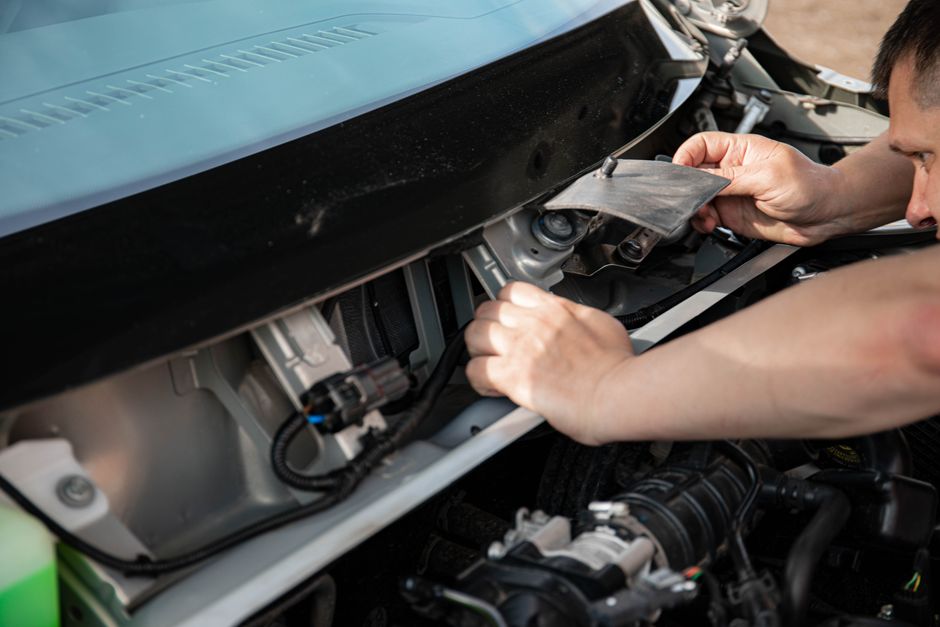
Once the damage is mapped, we plan our access routes. This often involves R&I (Remove and Install) of interior trim, tail lights, and headliners. For roof dents, we carefully drop the interior headliner without creasing the delicate fabric.
With access gained, we select the perfect tool from our kit, which often includes long spring-steel rods, flat whale tails, and screw-on plastic or polished metal tips. We slide the tool behind the panel, using structural braces or access holes as leverage points.
Because we cannot see the tip of the tool behind the metal, the work is entirely tactile. We locate the tool tip by watching for microscopic movements in the reflected lines of our light board. We then apply precise, highly targeted pressure—sometimes requiring dozens of tiny, incremental “micro-pushes” for a single dime-sized dent—to massage the metal back into perfect alignment with the surrounding panel contours. Finally, we use specialized blending hammers and polished knockdown pegs to tap down any microscopic high spots, ensuring a perfectly smooth, factory-level texture match.
Costs, Timelines, and Insurance for Hail Damage Repair
When it comes to fixing hail dents on car panels, understanding the financial and logistical side of the process is just as important as the repair itself.
First, let’s look at the actual cost ranges. While standard door dings might cost a few hundred dollars, comprehensive hail damage repair is a different story because of the sheer volume of dents.
- Light Hail Damage (5–20 shallow dents per panel): Typically ranges from $750 to $1,500.
- Moderate Hail Damage (20–100 dents across multiple panels): Typically ranges from $2,000 to $4,000.
- Severe Hail Damage (100+ dents per panel, large golf-ball-sized impacts): Can easily exceed $5,000 to $10,000, sometimes resulting in a total loss if the repair cost exceeds 75% of the vehicle’s actual cash value.
Fortunately, because hail is an act of nature, it is covered under your auto insurance policy’s comprehensive coverage (not collision). Filing a comprehensive claim for hail damage does not raise your individual insurance rates. You are only responsible for paying your comprehensive deductible (usually $100 to $1,000).
It is incredibly common for an insurance adjuster’s initial estimate—often written quickly in a driveway or via a photo-upload app—to be 20% to 40% lower than the actual cost of repair. Adjusters simply cannot see all the dents without specialized PDR lighting.
When your vehicle arrives at our shop, we perform a detailed line-board inspection and submit a digital supplement directly to your insurance company through industry-standard platforms like CCC ONE. We handle all the negotiations to ensure the insurance carrier covers the true cost of a complete, high-quality repair. For a deeper dive into how these costs are calculated, you can read the complete guide to PDR pricing and estimates.
In terms of timeline, a professional PDR repair is significantly faster than a traditional body shop. While a conventional body shop might keep your car for 2 to 3 weeks waiting on paint booths, our mobile-assisted PDR process typically takes 1 to 3 days for minor to moderate damage, and 3 to 7 days for severe, high-volume hail storms. If your policy includes rental car coverage, your insurance will cover a rental vehicle for the duration of the repair.
Frequently Asked Questions about Hail Damage
How do you assess the severity of hail damage to determine if PDR is viable?
We assess viability based on three factors: paint integrity, dent depth, and location. If the paint is cracked or chipped, PDR cannot fix it because the moisture barrier is broken, and the panel will eventually rust. If the metal is sharply creased or stretched so severely that it has lost its structural tension, traditional bodywork or panel replacement may be necessary. However, roughly 95% of all hail-damaged vehicles are excellent candidates for full PDR.
Will filing an insurance claim for hail damage raise my rates?
No. Insurance companies classify hail damage as an “Act of God” or an act of nature. Because you had no control over the weather event, it is filed under your comprehensive coverage. Unlike collision claims where you are at fault, a comprehensive hail claim will not raise your individual insurance premiums.
How long does professional hail dent repair usually take?
For light to moderate damage, the physical repair process typically takes 1 to 3 business days. For severe storms with hundreds of dents per panel, it may take 3 to 7 business days. However, you should also factor in 2 to 5 business days for insurance adjusters to approve the initial estimate and any subsequent supplements before physical work begins.
Conclusion
Dealing with the aftermath of a hailstorm can be incredibly stressful, but restoring your vehicle doesn’t have to be. Attempting DIY fixes with hot glue, suction cups, or extreme temperatures carries a high risk of cracking your paint, stretching your metal, and permanently lowering your vehicle’s resale value.
At Dent Erasers LLC, we specialize in high-quality, mobile paintless dent repair that preserves your vehicle’s original factory paint and maintains its maximum resale value. Operating right here in Concord, CA, and serving the entire Contra Costa County area—from Richmond and El Sobrante to Walnut Creek, San Ramon, Antioch, and Brentwood—we bring our expert, on-site service directly to your home or office. We handle the entire insurance claims and supplement process on your behalf, ensuring a seamless, stress-free experience from start to finish.
Don’t let hail damage ruin your vehicle’s aesthetic and value. Schedule your professional paintless dent repair service today and let us make those dents disappear.
Local Resources & Service Areas
If you are located in Contra Costa County, you have access to excellent local resources for your vehicle. For registration, titling, and other vehicle services, you can visit the California Department of Motor Vehicles (DMV) or check out local county updates on the official Contra Costa County Website.
We proudly serve communities throughout the region, providing convenient mobile service directly to your location in Concord, Walnut Creek, San Ramon, Antioch, Richmond, Pittsburg, and Brentwood.