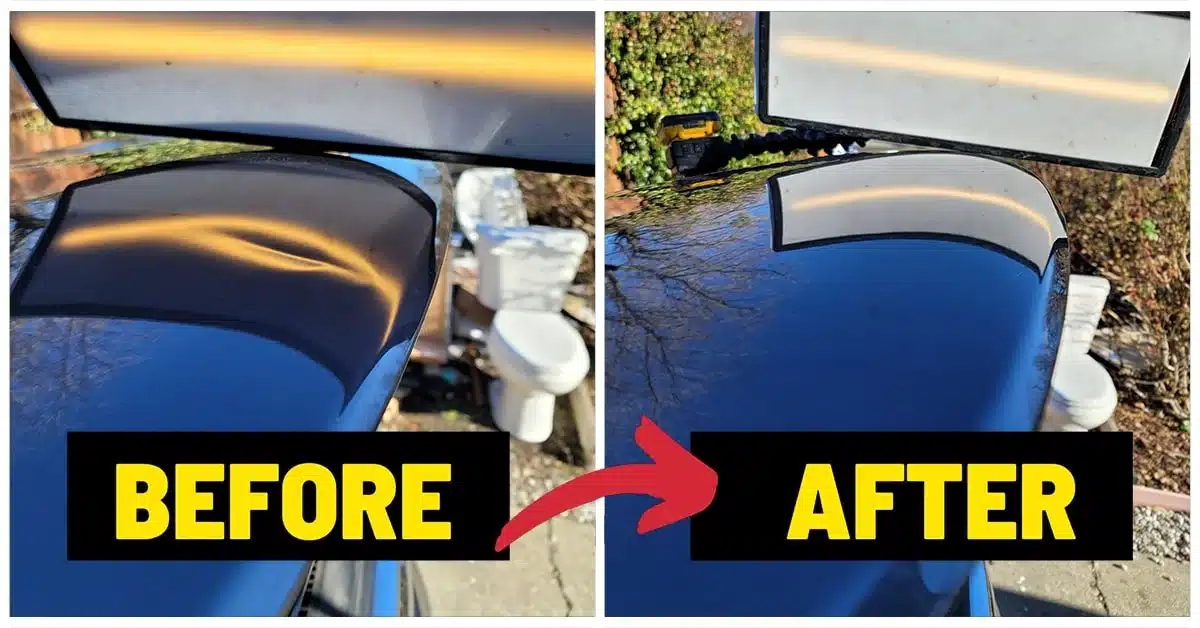
Even a Small Dent or Scratch Can Cost You More Than You Think
Repairing dents and scratches on a car doesn’t have to mean a week in the body shop or a $2,000 bill — but knowing which repair path to take makes all the difference.
Here’s a quick overview of your options based on damage type:
| Damage Type | Best Repair Method | Estimated Cost |
|---|---|---|
| Clear coat scratch | Rubbing compound + polish | $0–$30 DIY |
| Deep scratch (to metal) | Touch-up paint + primer | $20–$150 DIY |
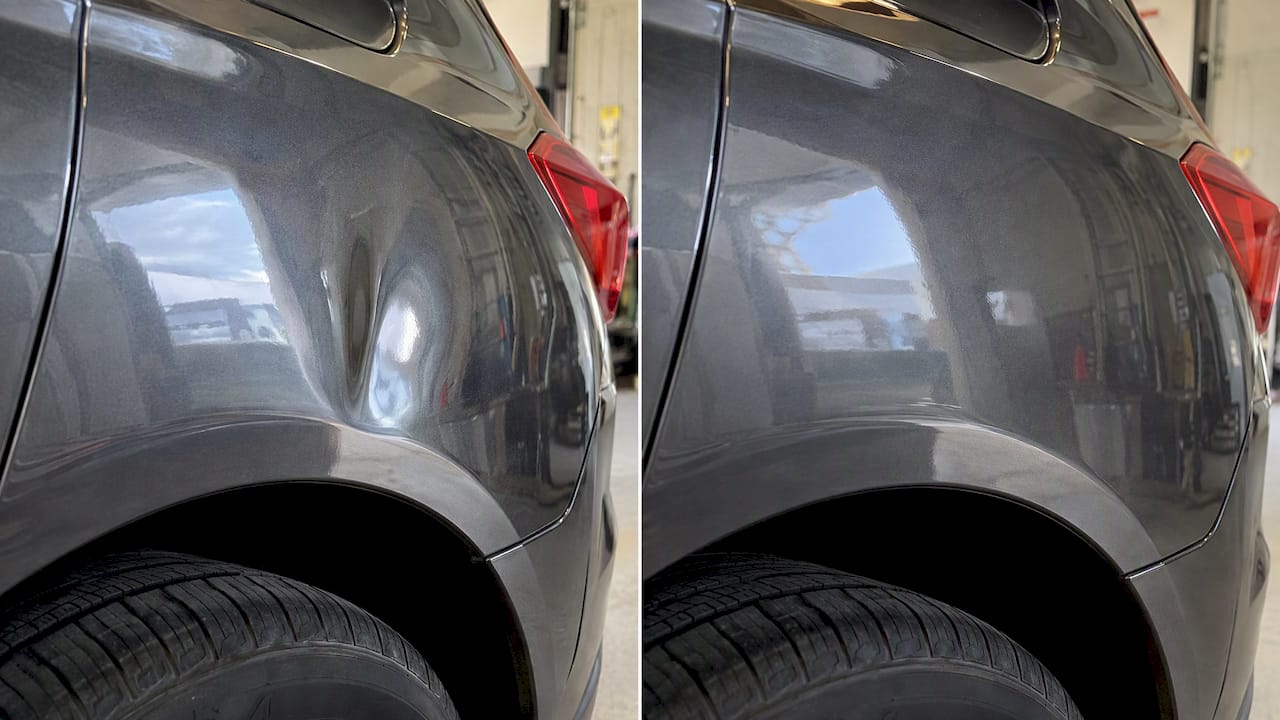
| Small ding or dent (paint intact) | Paintless Dent Repair (PDR) | $75–$150 |
| Larger dent (paint intact) | Professional PDR | $150–$500 |
| Dent with paint damage | Traditional body shop repair | $800–$5,000 |
The right fix depends on two things: how deep the damage goes and whether the paint is still intact. Get that assessment right, and you’ll save time, money, and frustration.
Most drivers discover a new ding or scratch after a parking lot trip — a runaway shopping cart, a careless door swing, or a tight squeeze out of a space. It’s one of the most common and most annoying parts of owning a car.
I’m Brian Blanc, founder of Dent Erasers LLC, and I’ve spent nearly three decades specializing in mobile paintless dent repair — repairing dents and scratches on cars of every make, from everyday commuters to high-end luxury vehicles across the East Bay. In this guide, I’ll walk you through exactly how to assess your damage, which DIY fixes actually work, and when it’s time to call in a pro.
Repairing dents and scratches on car vocab explained:
Assessing the Damage: Types of Dents and Scratches
Before you grab a plunger from the bathroom or buy a spray paint kit online, we need to take a close, systematic look at the damage. Not all blemishes are created equal, and using the wrong repair method can quickly turn a minor cosmetic issue into an expensive eyesore.
Understanding Scratches
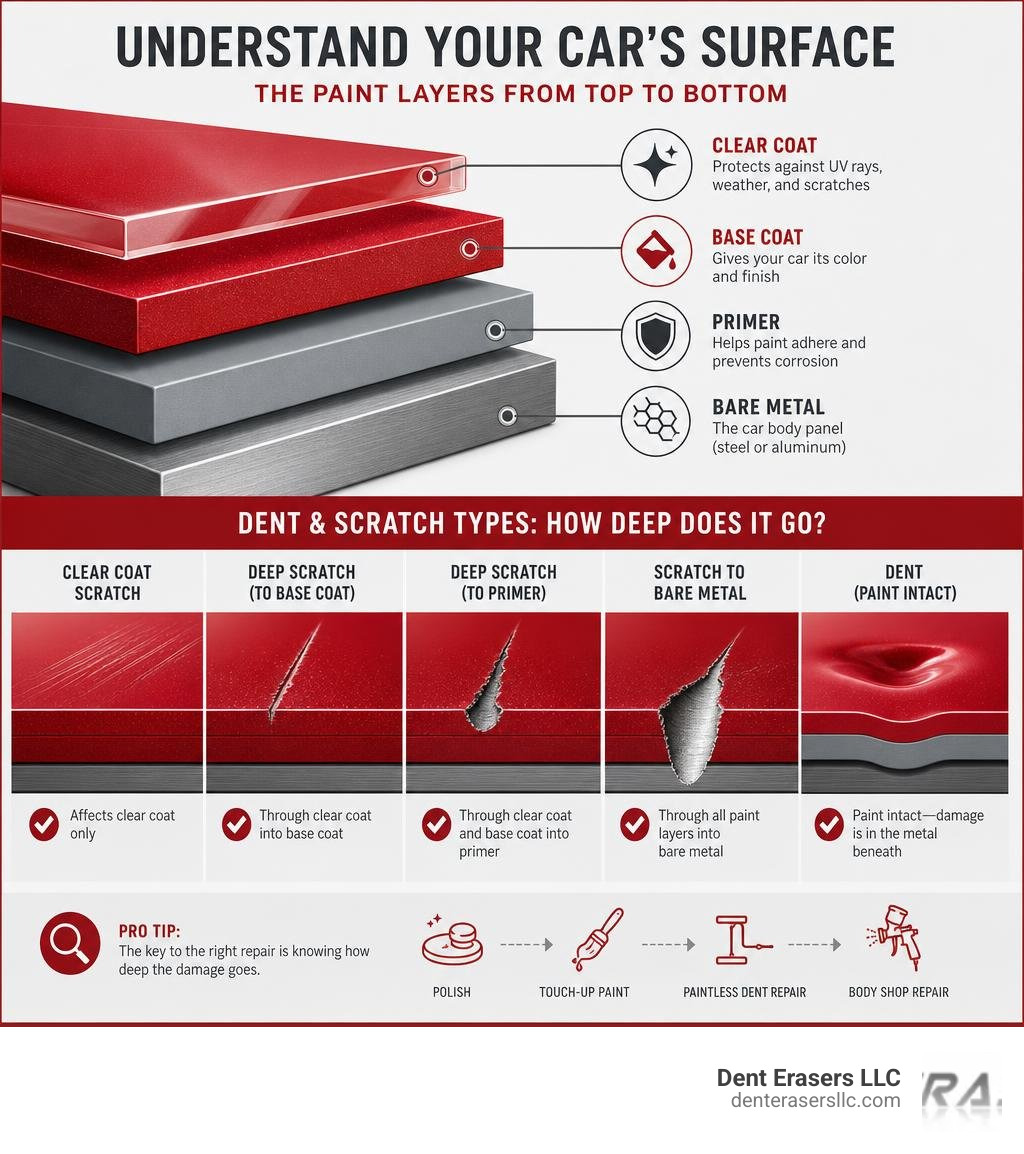
Your car’s paint isn’t just one thick layer of color. As shown in our paint layer diagram, it consists of a primer coat, a base (color) coat, and a clear coat.
- Clear Coat Scratches: These are shallow scratches that only affect the top protective layer. They often look white or dusty but disappear when wet.
- Deep Scratches: These cut through the clear coat and base coat, exposing the primer (usually grey or white) or bare metal. If you see bare metal, you must act fast to prevent rust.
- The Fingernail Test: Run your fingernail gently across the scratch. If your nail glides over without catching, it’s a clear coat scratch. If your nail catches in the groove, the scratch has penetrated the color coat or deeper.
Understanding Dents and Chips
- Dings: Small, shallow depressions typically under two inches in diameter, often caused by runaway shopping carts or gentle door impacts.
- Creased Dents: Dents that have a sharp line or “crease” at the bottom. These are more complex because the metal has been stretched.
- Paint Chips: Small chunks of paint knocked clean off by road debris, gravel, or door dings. To prevent rust from spreading under the surrounding paint, you must know how to assess paint chips early and treat them appropriately.
When dealing with small dings, it’s easy to overlook them, but understanding small dents is crucial. Even a tiny ding can stretch the metal or crack the underlying paint seals, leading to moisture intrusion and rust over time.
The Ultimate Guide to Repairing Dents and Scratches on Car Panels
When it comes to repairing dents and scratches on car bodies, you have two primary routes: taking a DIY approach or calling in a professional Paintless Dent Repair (PDR) technician.

To help you decide which path is right for your vehicle, we’ve broken down the key differences:
| Feature | DIY Repair Methods | Professional Paintless Dent Repair (PDR) |
|---|---|---|
| Best Suited For | Shallow clear coat scratches, minor paint touch-ups | Dents of all sizes where the paint is 100% intact |
| Average Cost | $20 – $50 | $150 – $500 |
| Time Required | 2 – 6 hours of active labor | 1 – 3 hours (completed on-site) |
| Risk Factor | High (risk of paint runs, sanding marks, or panel distortion) | Extremely Low (retains original factory finish) |
| Value Preservation | Moderate (repainted areas can lower resale value) | High (preserves original factory paint and prevents depreciation) |
Preserving Your Factory Paint
The single most important factor in maintaining your car’s resale value is preserving its original factory paint. Traditional body shops often rely on sanding down the panel, filling the dent with body filler (Bondo), and repainting the entire area. This can lead to mismatched paint colors and texture variations.
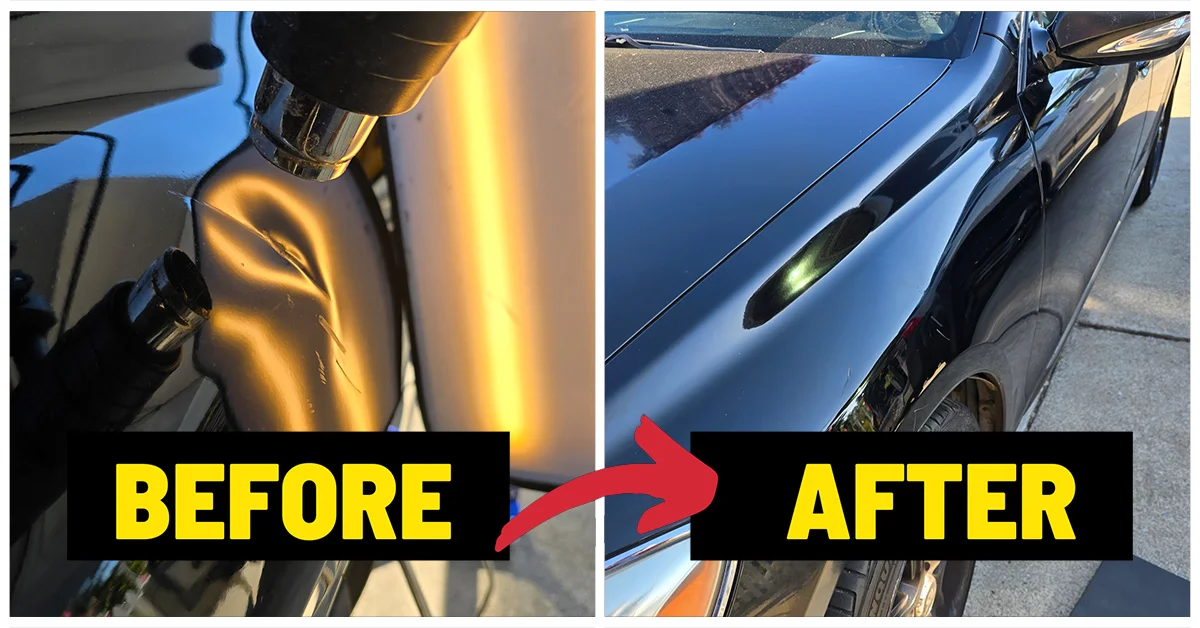
Professional PDR, on the other hand, is highly cost-effective and completely non-invasive. We use specialized tools to massage the dent out from the inside, leaving your factory paint completely untouched.
DIY Methods for Repairing Dents and Scratches on Car Clear Coats
If you’ve performed the fingernail test and confirmed that your scratch is strictly in the clear coat, you can easily tackle this at home.
- Clean the Area: Wash the panel thoroughly with soapy water and dry it with a clean microfiber towel. Any dirt left on the paint will act like sandpaper and cause more scratches.
- Apply Rubbing Compound: Place a small amount of rubbing compound on a foam applicator pad. Rub the compound over the scratch in a circular motion with moderate pressure.
- Polish: Wipe away the residue with a clean microfiber cloth. Switch to a fine polishing compound and repeat the process using light, swirling motions to restore the gloss.
- Wax: Apply a coat of high-quality car wax to seal and protect the newly polished clear coat.
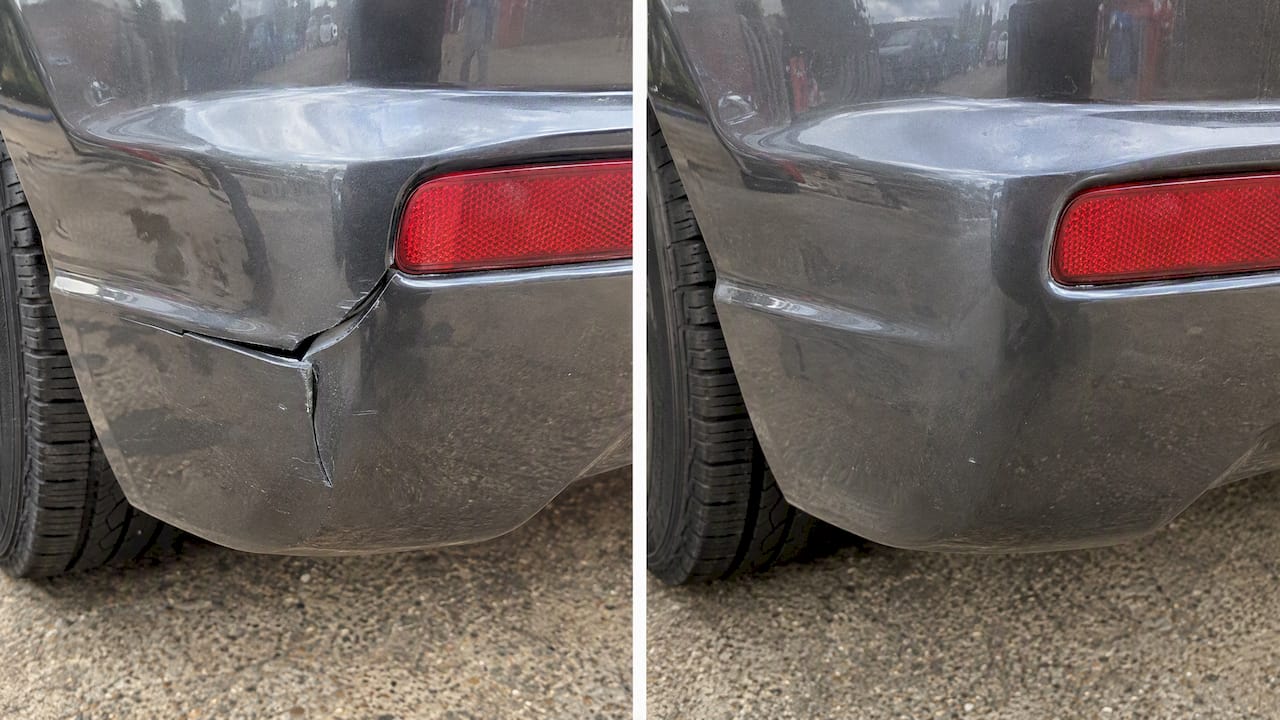
This method works beautifully on metal panels, but plastic components require a slightly gentler touch. If you are dealing with scuffs on your bumper, check out our guide on fixing plastic bumper scratches.
When to Seek Professional Help for Repairing Dents and Scratches on Car Bodies
While DIY is great for minor surface blemishes, there are clear limits to what you should attempt in your driveway. You should seek professional help if:
- The paint inside the dent is cracked, chipped, or peeling.
- The dent is located on a sharp body line, crease, or the edge of a panel.
- The panel is made of aluminum, which is much stiffer than steel and requires specialized PDR tools and heat application to prevent cracking.
- The scratch goes deep into the metal, and you aren’t comfortable sanding and blending paint.
If your paint is intact, choosing PDR is the ideal solution for non-collision damage. It avoids the environmental waste of sanding dust and paint solvents while delivering a flawless finish. To understand why so many East Bay drivers choose this route, read more about professional dent removal benefits.
Step-by-Step DIY Dent Removal Techniques
If you have a shallow, wide dent and want to try fixing it yourself before calling us, there are several household and specialized DIY methods you can try.
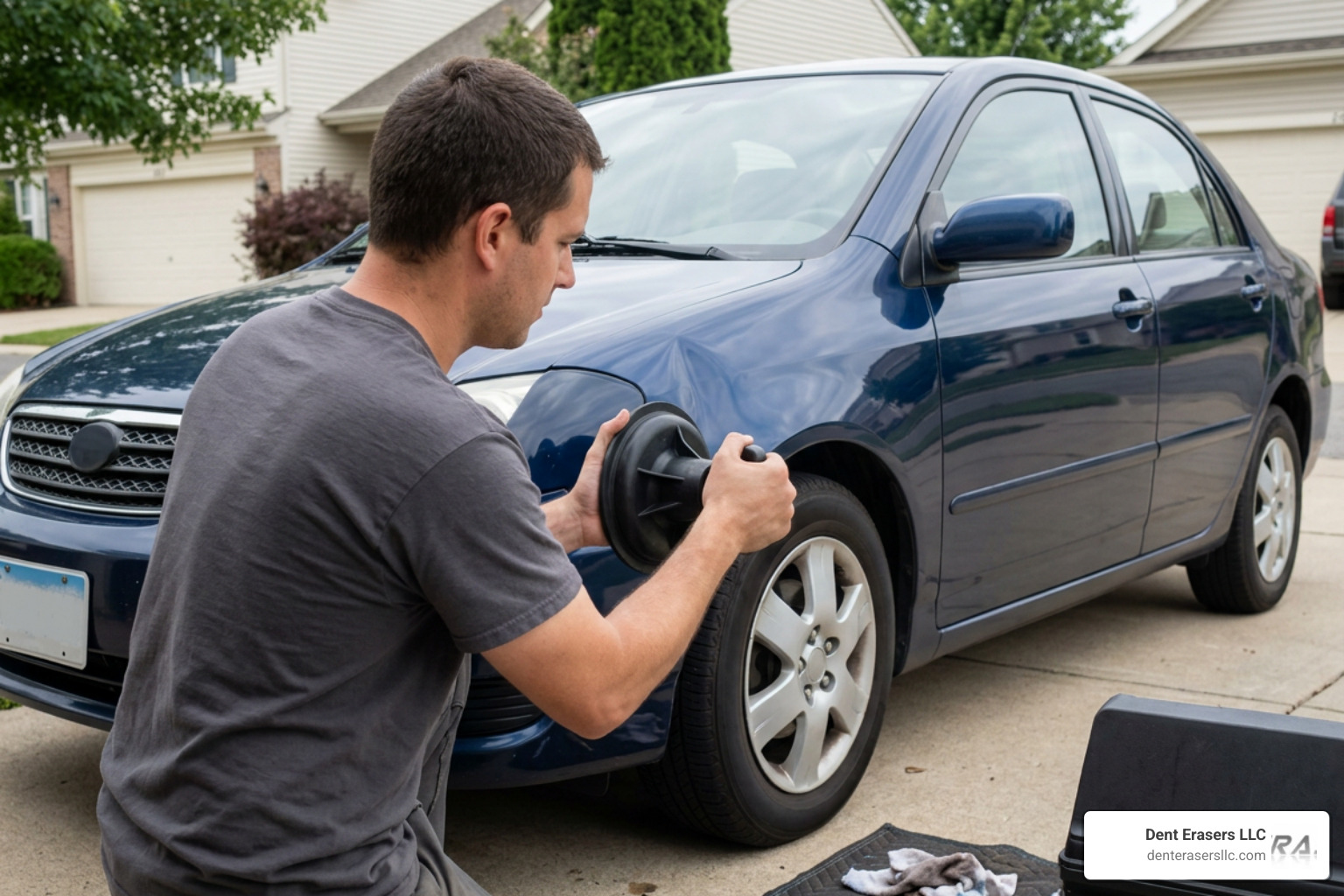
1. The Plunger Method
This is best for large, shallow dents on flat panels like doors or hoods.
- Step 1: Use a cup plunger (designed for sinks, not toilets).
- Step 2: Wet both the plunger lip and the dented area with water to create a better seal.
- Step 3: Push the plunger gently against the center of the dent, then pull outward firmly.
- For a more detailed walkthrough, see our plunger dent removal guide.
2. Hairdryer and Compressed Air (Thermal Shock)
This method relies on rapid temperature changes to pop the metal back into shape.
- Step 1: Heat the dented area thoroughly with a hairdryer on high heat for 2 to 3 minutes.
- Step 2: Immediately spray the heated area with a can of compressed air held upside down (so it sprays freezing liquid CO2).
- Step 3: As the metal rapidly contracts from the cold, you should hear a “pop” as the dent flattens. Wipe away any residue.
3. Suction Cup Dent Pullers
If you want to step up from a household plunger, you can purchase a dedicated suction cup dent puller from an auto parts store. These tools are specifically designed to grip automotive sheet metal. For a comprehensive look at how to use these tools effectively, check out this guide on how to remove small dents.
4. Hot Glue and Wooden Dowels
For smaller, focused dents where a suction cup won’t stick, you can use hot glue and wooden dowels.
- Step 1: Clean the dent with isopropyl alcohol.
- Step 2: Apply hot glue to the flat end of a wooden dowel and press it into the center of the dent. Let it cure completely (about 5 minutes).
- Step 3: Pull the dowel straight outward.
- Step 4: Spray rubbing alcohol around the glue joint to easily release the hot glue from your paint without damaging it.
If you are looking for other budget-friendly options, explore the cheapest ways to fix a car dent.
How to Fix Deep Scratches and Paint Chips
When a scratch or chip goes all the way to the primer or bare metal, polishing won’t save it. You need to physically replace the missing paint layers to protect the metal from moisture and rust.
Step 1: Find Your Exact Paint Code
Never guess your car’s color. Even if your car looks “black” or “silver,” manufacturers have dozens of unique paint formulations. You can find your car’s exact paint code on the manufacturer’s label, usually located inside the driver’s door jamb, under the hood on the firewall, or by calling your local dealership with your VIN.
Step 2: Prepare the Surface
Clean the scratch or chip with 91% isopropyl alcohol to remove any wax, grease, or road grime. If you see any surface rust starting to form inside the chip, gently scrape it away using the abrasive tip of a touch-up pen or a fine toothpick.
Step 3: Apply Primer (If Bare Metal is Exposed)
Using a micro-brush or a toothpick, apply a tiny dot of automotive primer to the bare metal. Let it dry for at least 30 minutes.
Step 4: Apply the Color Coat
Use a high-quality touch-up tool like the Scratch Fix All-in-1 Touch Up Paint | Duplicolor to apply the color.
- Pro Tip: Always apply multiple thin layers rather than one thick blob. Let the paint dry for 30 minutes between coats. Build the paint up until it sits slightly higher than the surrounding clear coat.
Step 5: Clear Coat and Blend
Once the color coat has cured (usually 24 hours), apply a thin layer of clear coat over the repair. Once dry, you can wet-sand the area with 2000-grit sandpaper to level it, then polish and wax to match the factory gloss. For a broader look at DIY paint repair steps, check out the DIY Car Repair Guide: How to Fix Paint Scratches and Minor Dents in 2026 | AutoBodyRX.
If the damage is on a plastic bumper, the repair process is slightly different because plastic doesn’t rust, but it does flex. You can learn more about managing these costs in our bumper scuff repair cost guide and find detailed steps in our guide on plastic bumper repair.
Frequently Asked Questions about Car Body Repair
How much does professional dent and scratch repair cost?
Professional Paintless Dent Repair (PDR) for small to medium dents typically ranges from $150 to $500 per panel. This is highly affordable compared to traditional body shops, which often charge between $800 and $5,000 because they factor in expensive sanding, body fillers, primer, paint blending, and labor. To find the best rates in the East Bay, check out our guide on how to find affordable dent removal for your car.
Can paintless dent repair (PDR) fix scratches?
No. PDR is strictly designed to manipulate and restore the metal or plastic body panels back to their original shape. If a dent has also scraped or removed the paint down to the primer or metal, PDR can fix the dent, but the paint scratch will still need traditional touch-up or refinishing. Learn more about what PDR can and cannot do by reading stop the dents from driving you crazy with PDR.
How can I prevent future dents and scratches on my vehicle?
- Install Paint Protection Film (PPF): A clear, self-healing urethane film applied to high-impact areas like the front bumper, hood, and mirrors.
- Apply Ceramic Coatings: While they won’t stop dents, they provide a hard sacrificial barrier that protects your clear coat from light swirl marks and scratches.
- Park Strategically: Park further away from cart corrals and choose corner spots where you only have one neighbor.
Conclusion
Repairing dents and scratches on a car doesn’t have to be a stressful or incredibly expensive ordeal. By accurately assessing the depth of your scratches and the shape of your dents, you can easily handle minor clear coat scuffs and paint chips right in your driveway.
However, when it comes to preserving your vehicle’s factory paint and maintaining its resale value without the hassle of a traditional body shop, professional Paintless Dent Repair is the gold standard.
At Dent Erasers LLC, we provide convenient, expert mobile paintless dent repair services right to your door. Whether you are in Concord, CA, or surrounding East Bay communities like Walnut Creek, Antioch, Richmond, San Ramon, or Pittsburg, we bring our specialized tools directly to your home or office.
Don’t let minor dings drive you crazy. Schedule expert paintless dent repair with us today and get your car looking like new again!